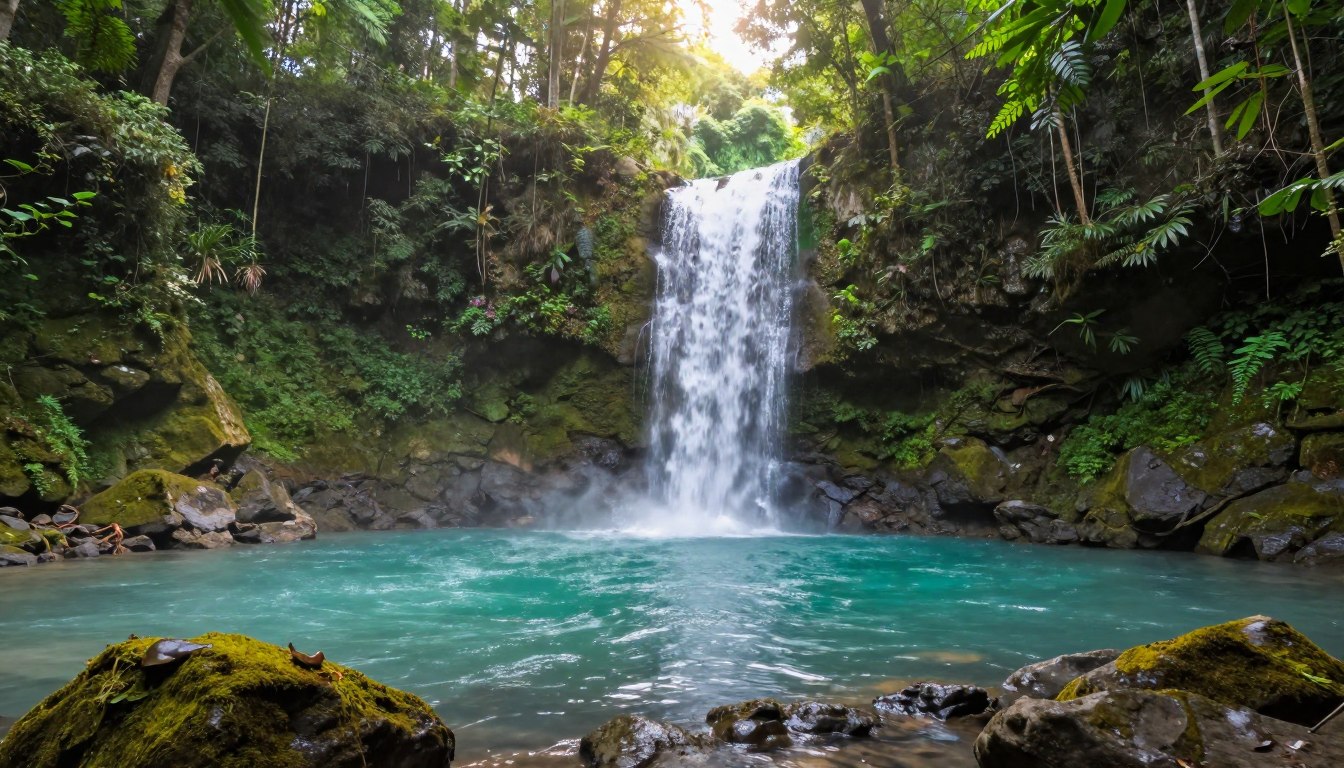
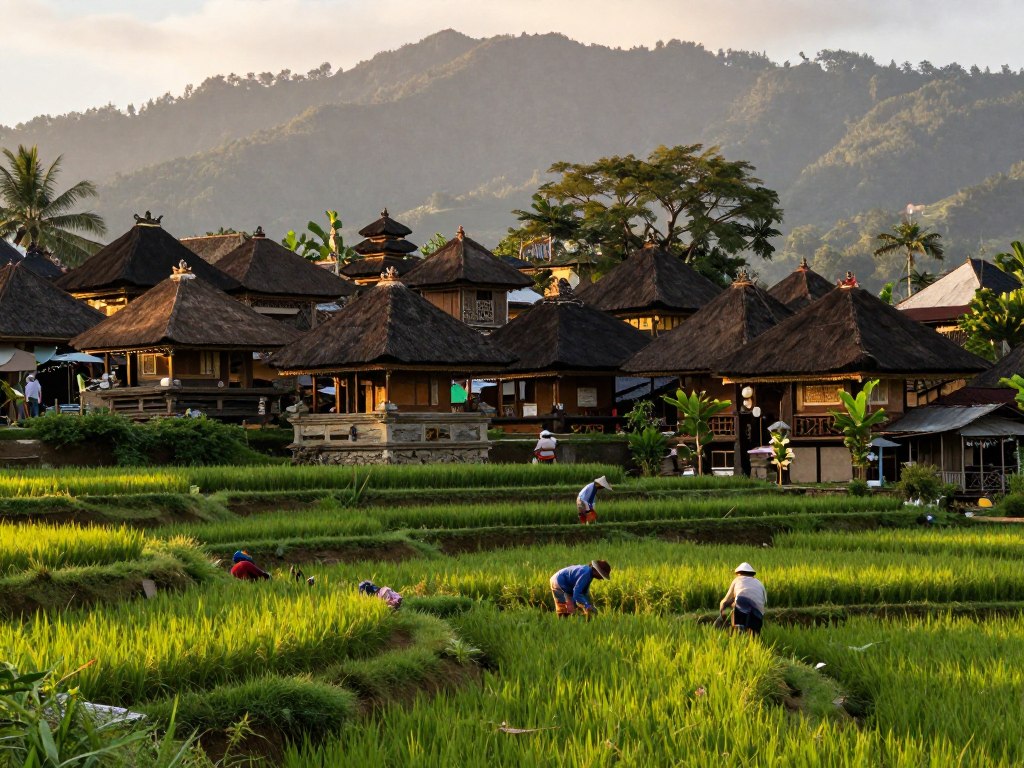
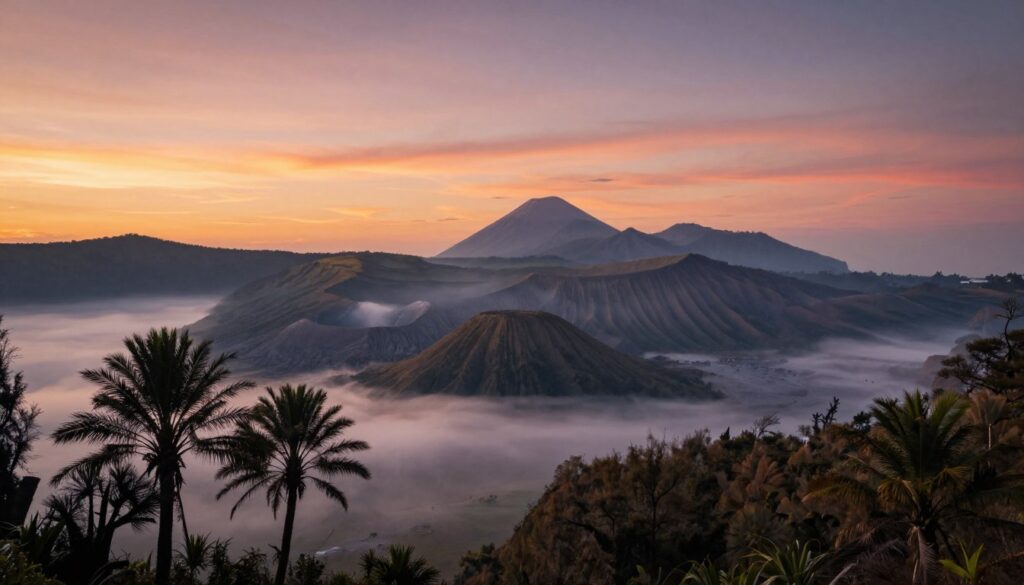
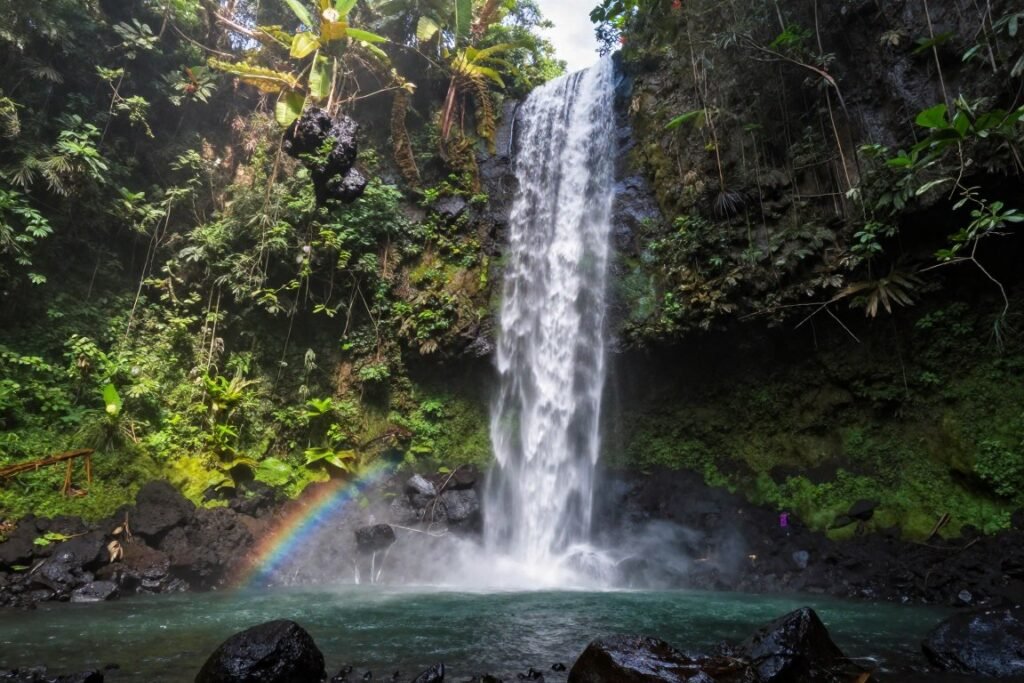
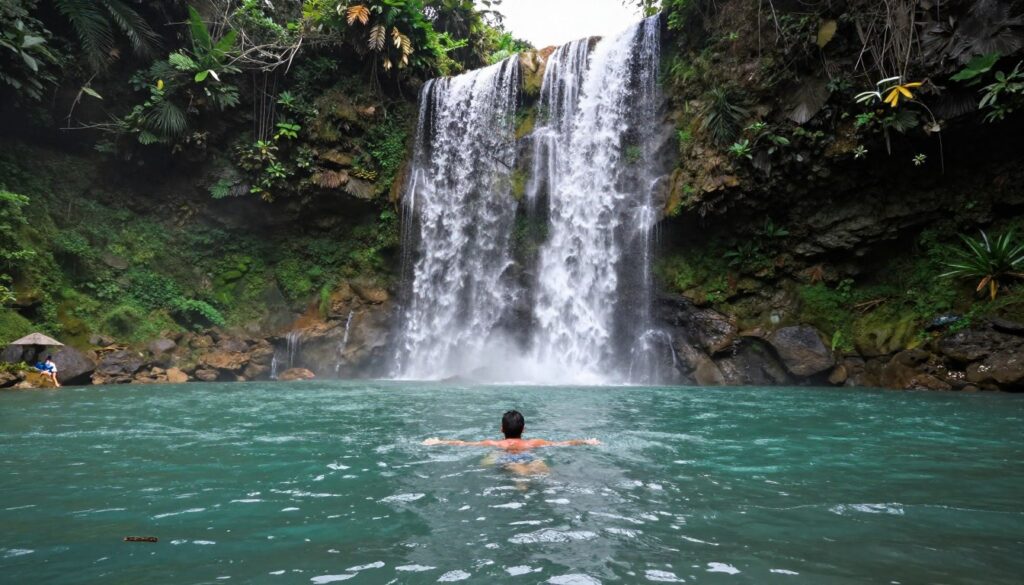
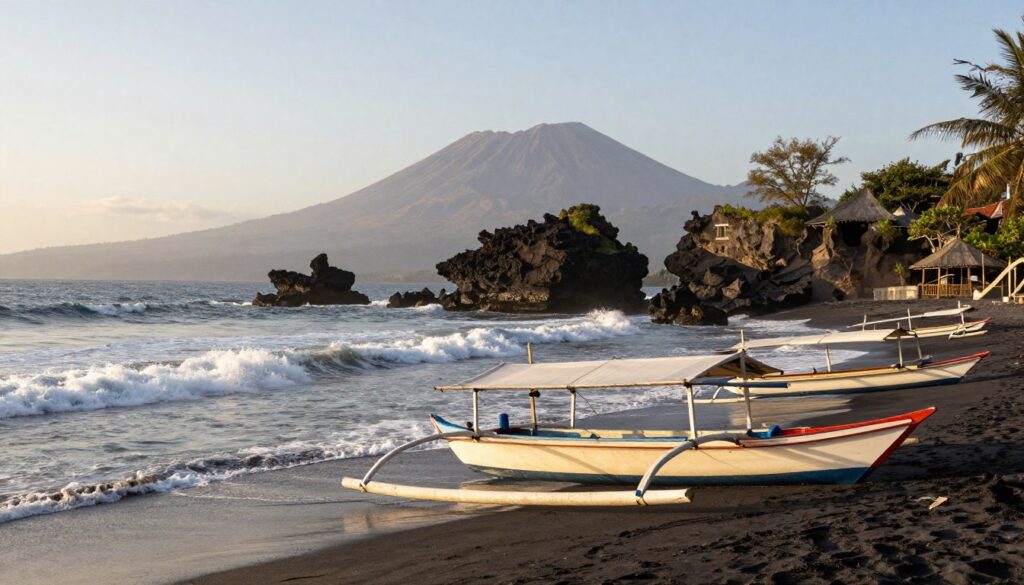
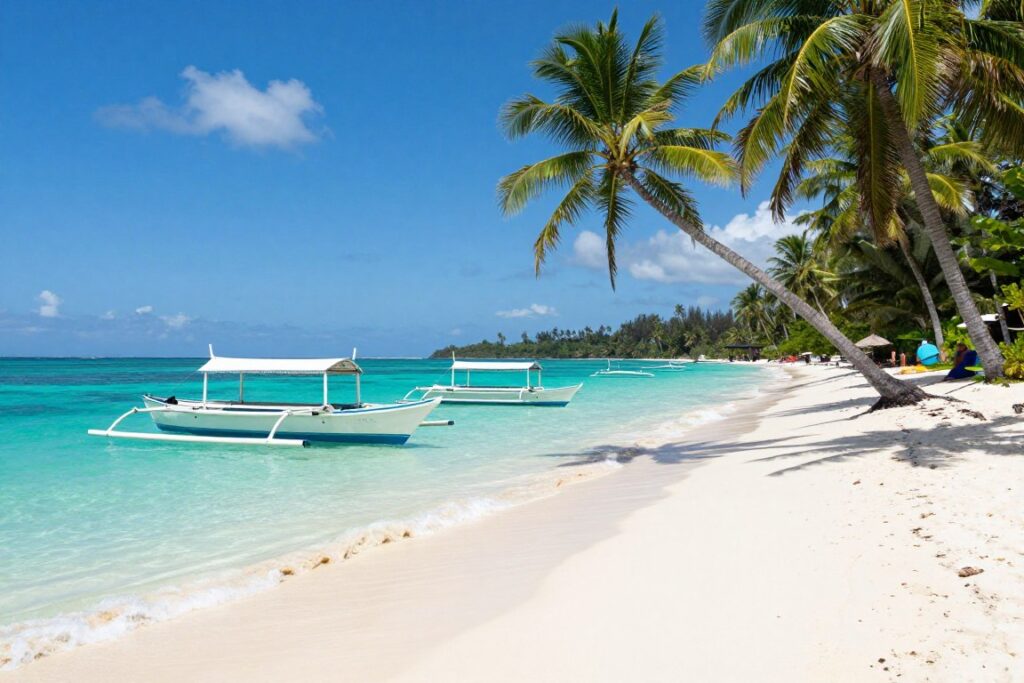
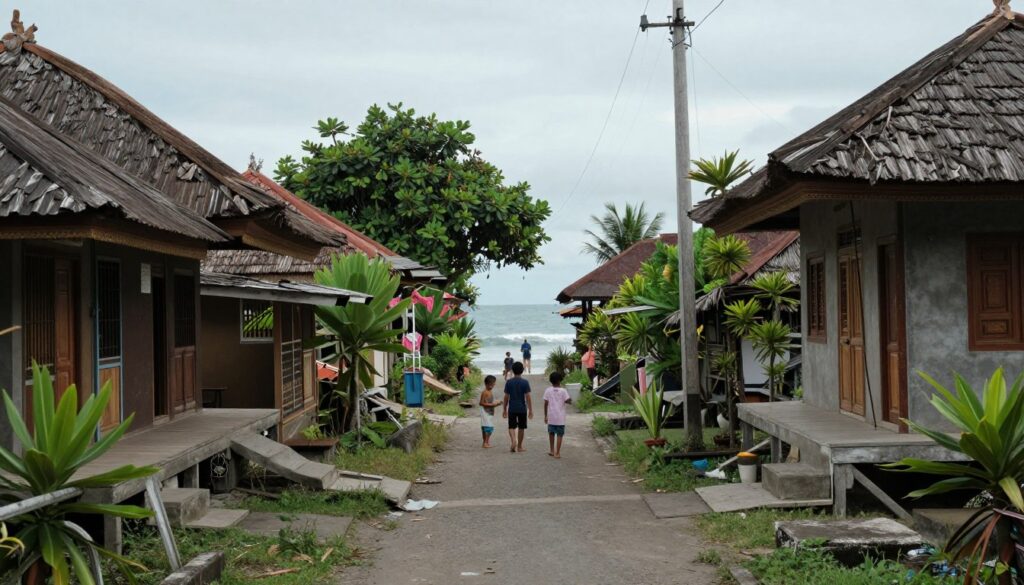
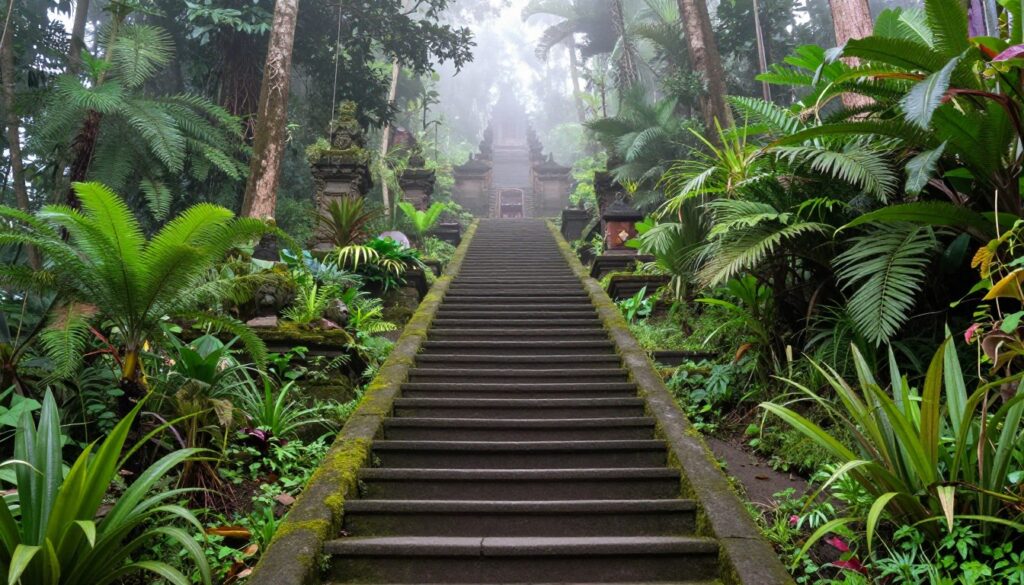
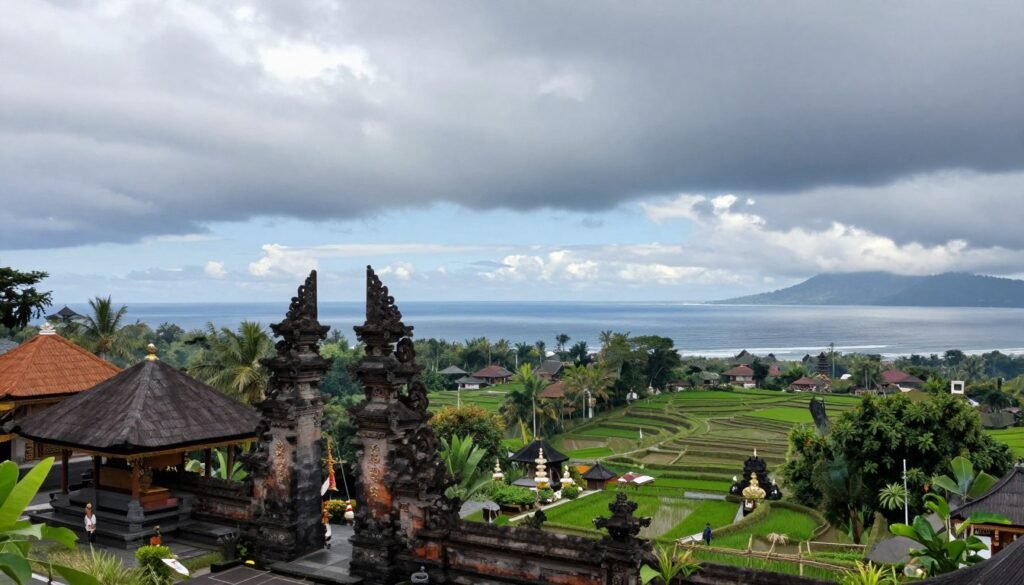
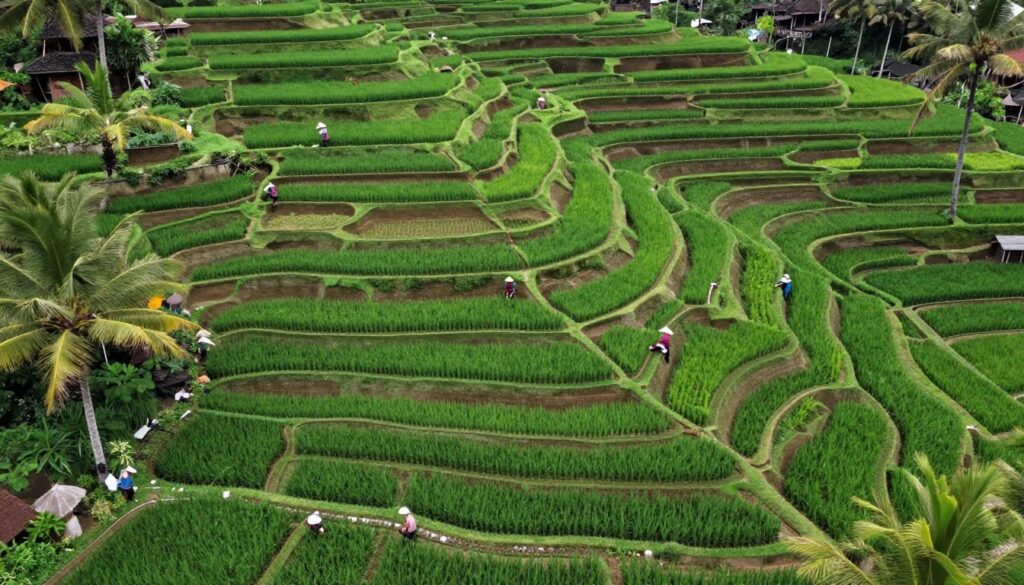
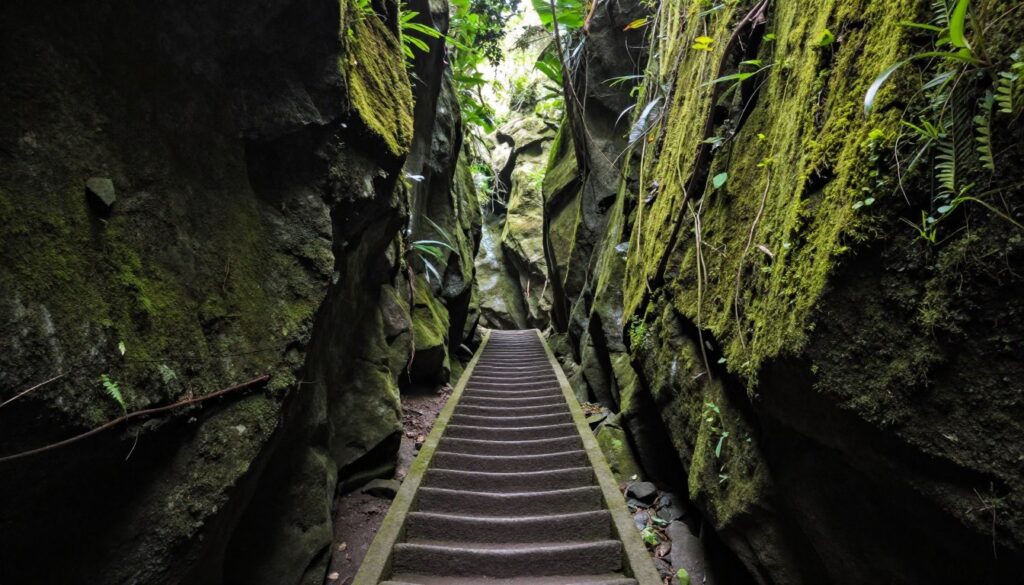
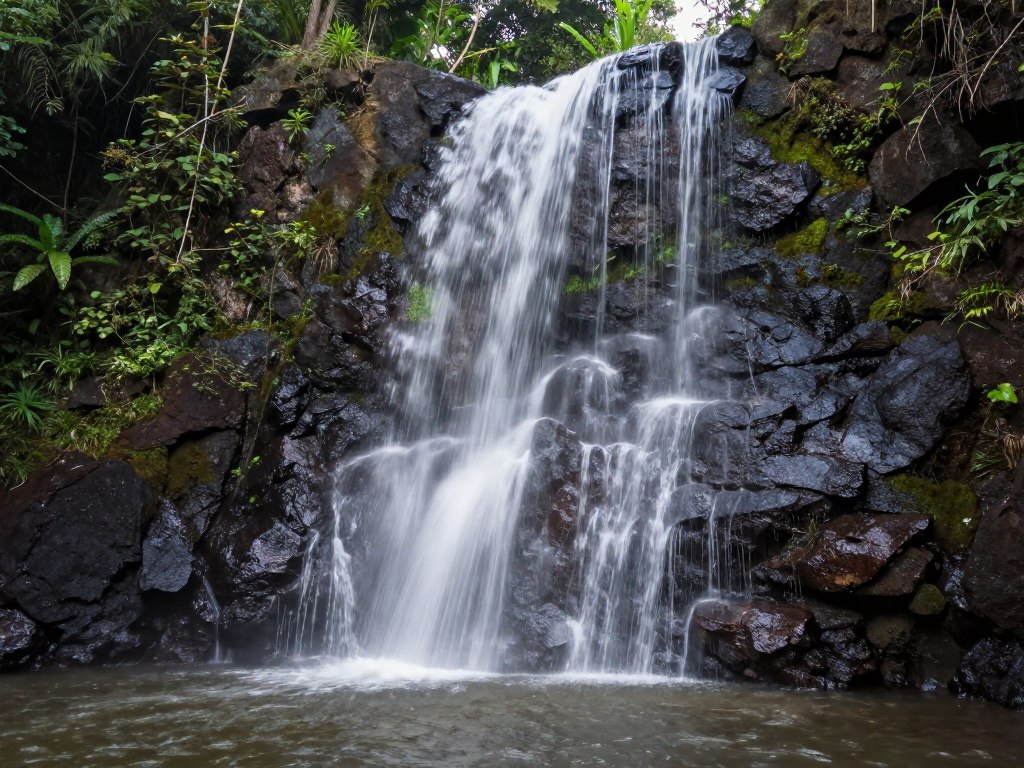
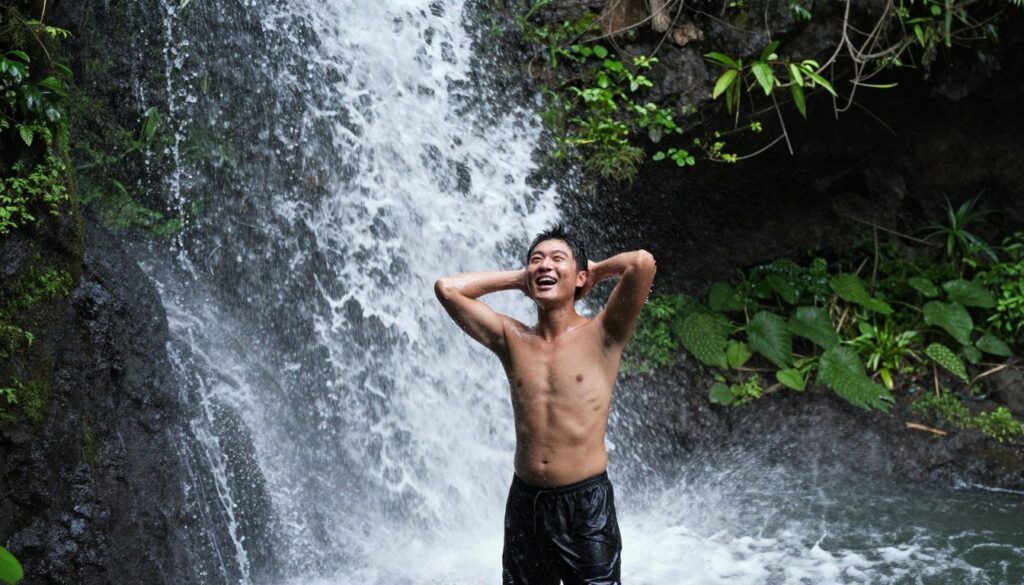
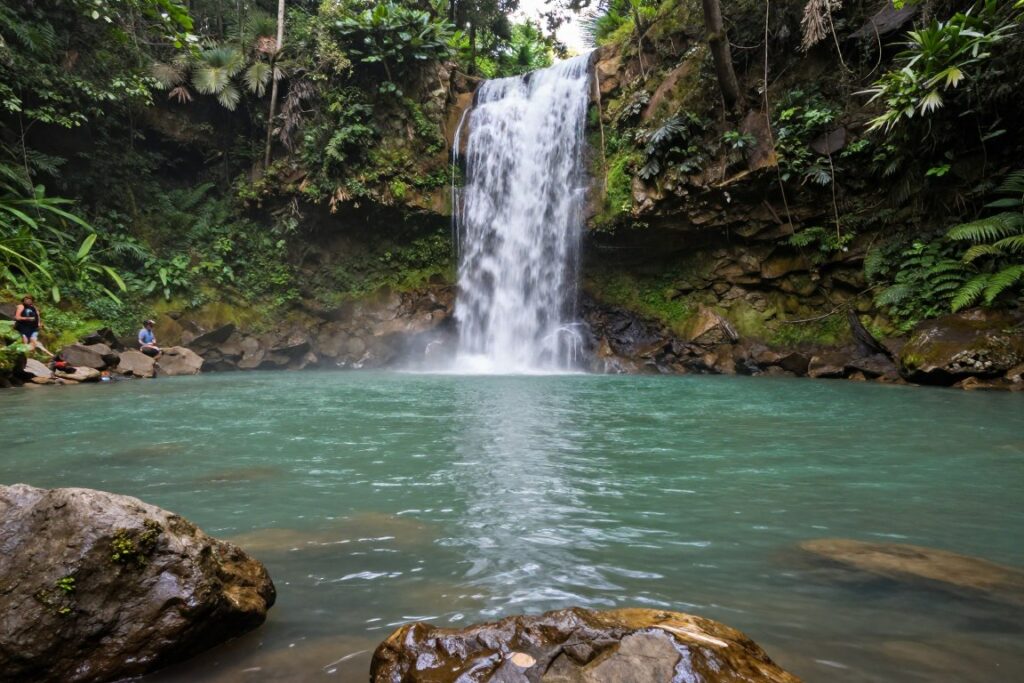
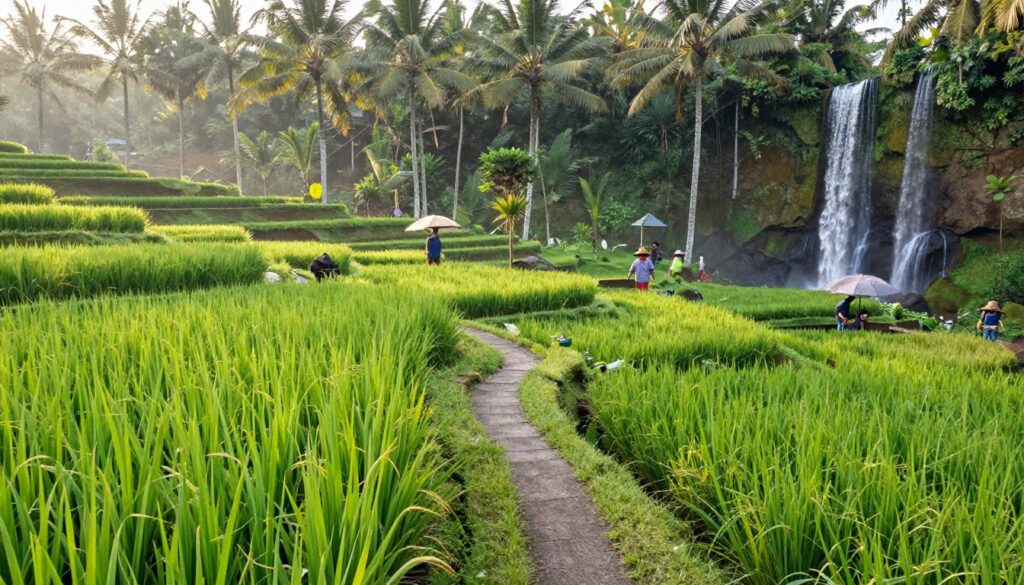
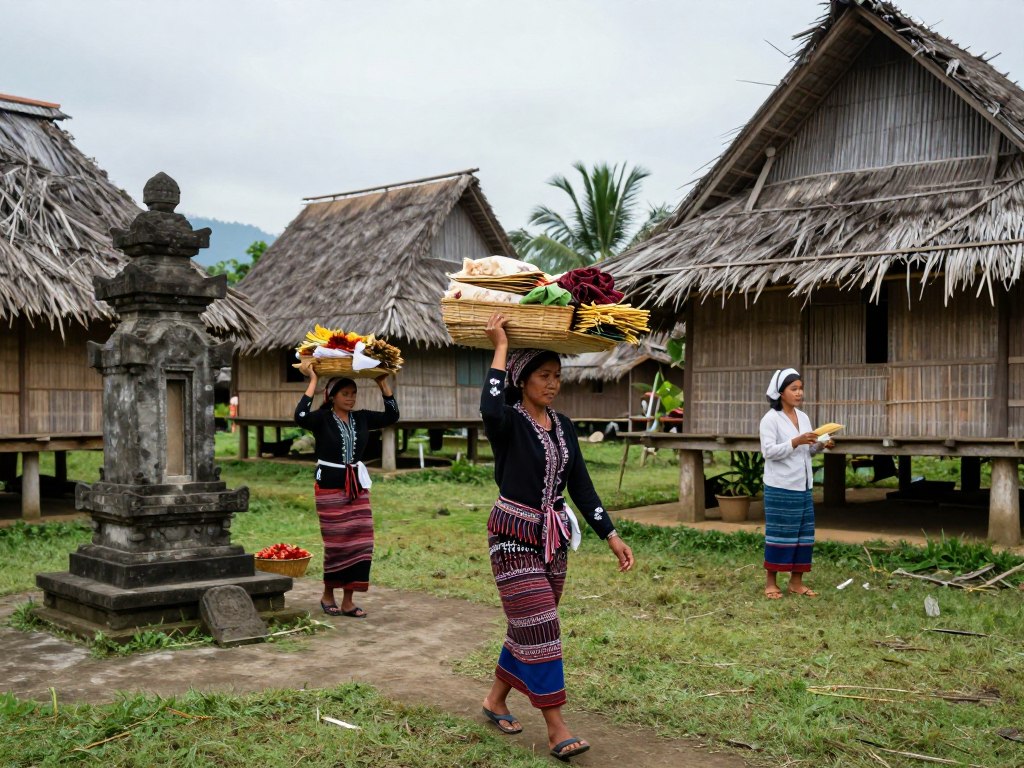
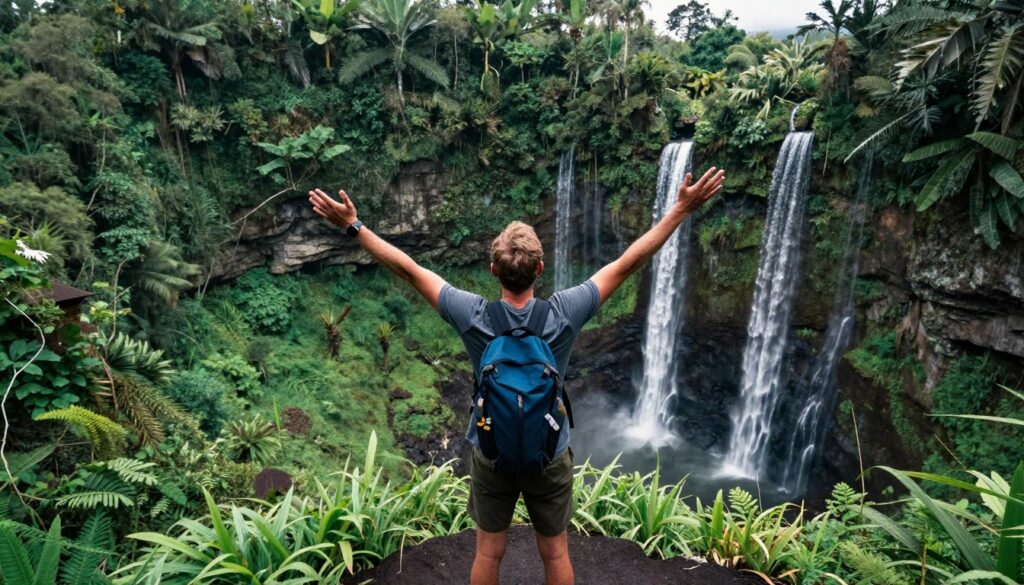
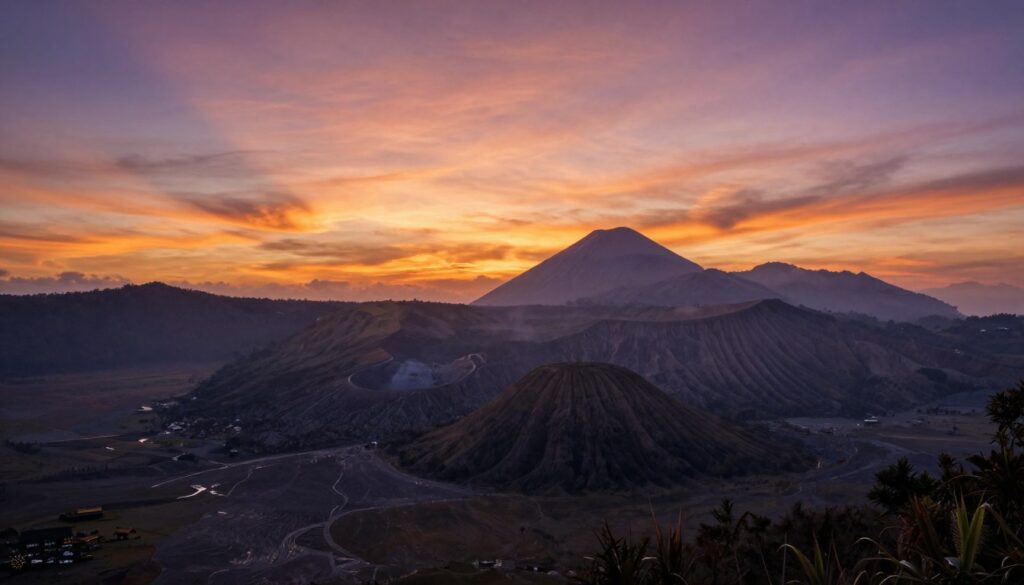
Bali’s mainstream attractions draw millions of visitors each year. But the island’s true magic lives in its hidden corners. These secret spots offer experiences that most travelers never discover.
This comprehensive guide reveals 20 hidden gems across Bali for 2026. Each location includes detailed directions and insider tips. You’ll find secret waterfalls tucked in jungles. Remote beaches with crystal-clear water await. Ancient temples rest in forgotten valleys.
We’ve mapped every location with precise coordinates. Getting to these spots requires some adventure. But the reward is an authentic Bali experience few tourists ever witness.
Get Your Free Complete Hidden Gems Map
Download our comprehensive PDF with all 20 locations, GPS coordinates, and offline navigation instructions. Never miss a hidden gem on your 2026 Bali adventure.
What Makes These Bali Hidden Gems Special for 2026
The best things in Bali aren’t always on Instagram. These hidden gems offer something different. They provide authentic experiences without the crowds.

Each location was selected based on specific criteria. We prioritized places that remain relatively unknown. Local communities still maintain these areas. The natural beauty stays pristine.
These spots differ from popular tourist attractions. You won’t find tour buses or souvenir shops. Instead, you’ll discover Bali as it existed decades ago. The experience feels genuine and untouched.
Why These Locations Remain Hidden
Several factors keep these gems off the tourist radar. Many require challenging access routes. Others lack public transportation options. Some simply haven’t been promoted online.
Local communities often prefer limited visitors. This helps preserve the natural environment. It also maintains the authentic atmosphere. These areas thrive precisely because they’re not crowded.
Best Time to Visit These Hidden Spots
Timing matters when exploring hidden gems. The dry season runs from April through October. These months offer the best conditions for adventure. Waterfalls flow strong after rainy season ends.
Early morning visits provide the best experience. You’ll avoid any crowds that might arrive. The light creates perfect photography conditions. Nature appears most vibrant during dawn hours.

Weather patterns change slightly each year. The best time to visit Bali in 2026 follows traditional seasonal patterns. Plan your trip between May and September for optimal conditions. The dry weather makes remote locations more accessible.
Some hidden spots have seasonal considerations. Rice terraces look greenest during certain months. Waterfall volume peaks after rainy periods. Beach conditions vary with tides and swells.
North Bali Hidden Gems: Secluded Waterfalls and Mountain Retreats
North Bali offers some of the island’s most dramatic hidden gems. The region features fewer tourists than southern areas. Waterfalls cascade through pristine jungles. Mountain villages preserve ancient traditions.

1. Sekumpul Waterfall Complex: Bali’s Most Spectacular Hidden Cascade
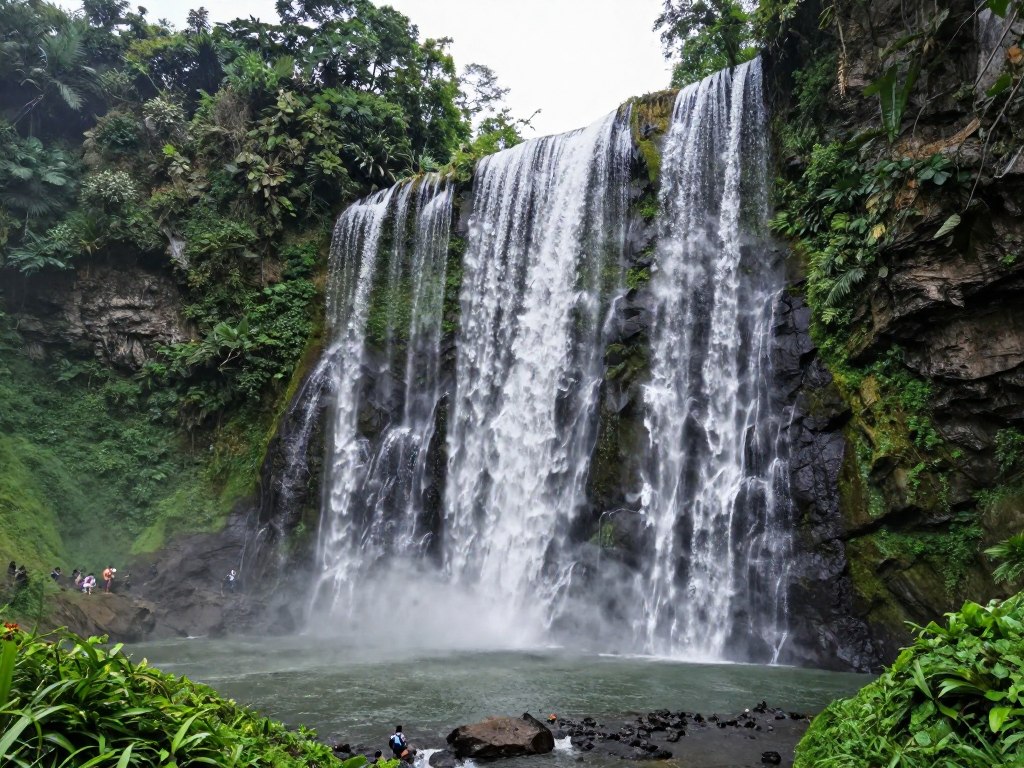
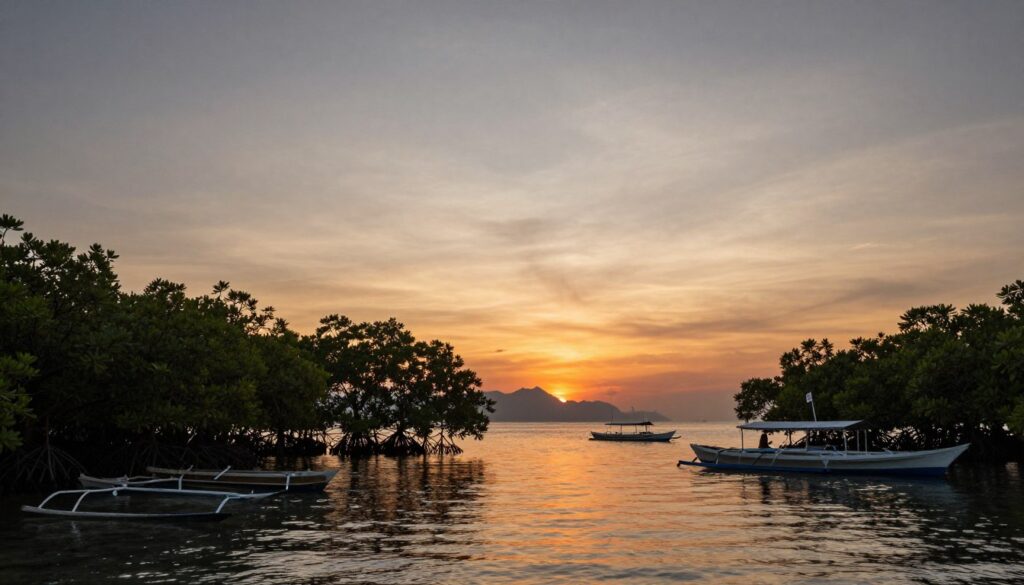
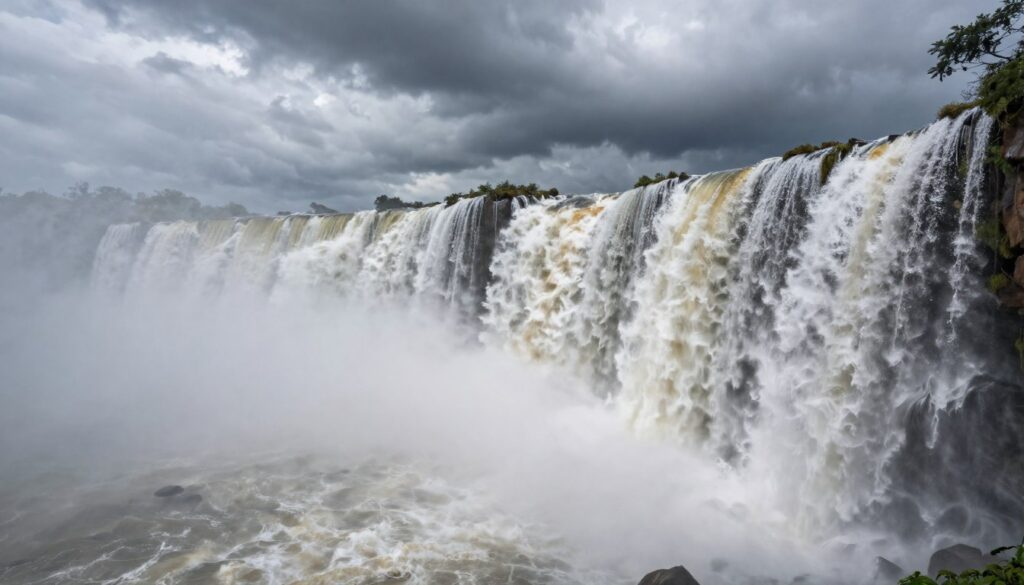
Sekumpul represents Bali’s most impressive waterfall system. Seven distinct cascades plunge through jungle cliffs. The main waterfall drops 80 meters into a crystal pool.
Getting there requires effort and determination. The trek takes about 45 minutes downhill. You’ll cross rivers and climb steep paths. Local guides know the safest routes.
How to Reach Sekumpul Waterfall
From Ubud: Drive north through Bedugul (2.5 hours). From Lovina: Head south toward Singaraja (45 minutes). Park at Sekumpul village. Hire a local guide at the visitor center (150,000 IDR recommended). The trail begins behind the village temple.
The experience rewards your effort dramatically. The waterfall’s power creates constant mist. Rainbow effects appear in afternoon light. Swimming in the pool offers pure refreshment.
Best visit time falls between 8-10 AM. Afternoon crowds can disrupt the peaceful atmosphere. Bring proper footwear for slippery rocks. Waterproof bags protect your belongings.
Book Guided Sekumpul Waterfall Trek
2. Aling-Aling Waterfall: Multiple Cascades with Natural Slides
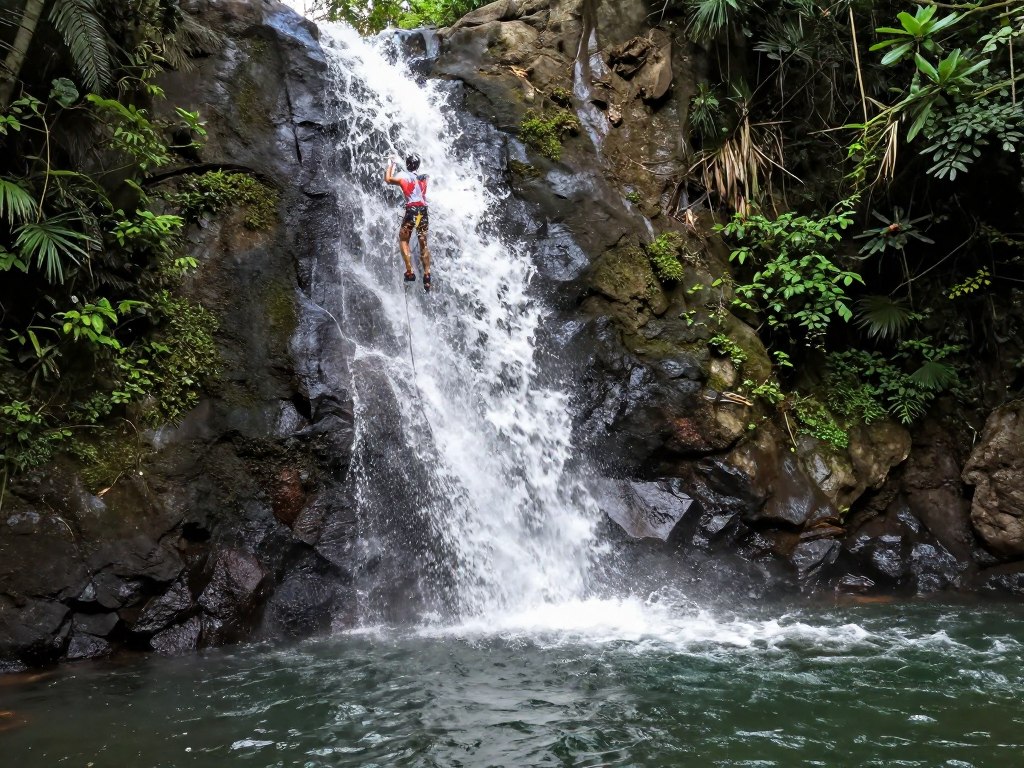
Aling-Aling offers adventure beyond typical waterfall visits. The area features four distinct waterfalls. Natural rock slides provide thrilling experiences. Cliff jumping spots attract adventure lovers.
The main waterfall stands 35 meters tall. Its powerful flow creates a dramatic scene. But the smaller cascades offer more interaction. You can slide down smooth rock faces.
Directions to Aling-Aling Waterfall
From Lovina: Drive southeast for 30 minutes toward Sambangan village. From Ubud: Head north through Bedugul (2 hours). Follow signs to “Aling-Aling Air Terjun.” Park at the official entrance. Entry fee: 125,000 IDR includes guide and safety equipment.
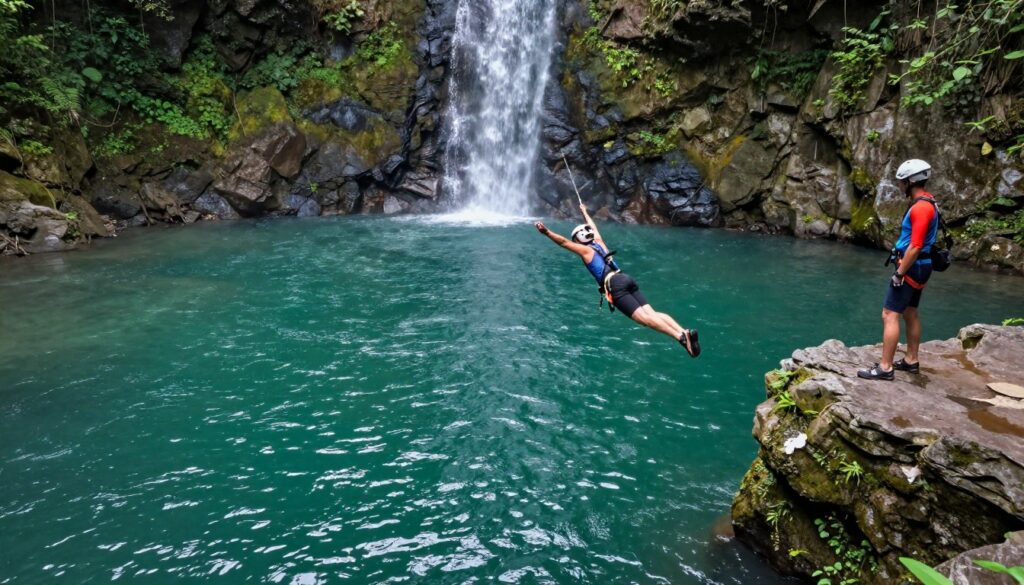
Jump heights range from 5 to 15 meters. Safety guides supervise all activities. Life jackets are mandatory for jumping. The natural slides require proper technique.
This spot combines nature with adventure. The surrounding jungle remains pristine. Local guides share area history. Their knowledge enhances the entire experience.
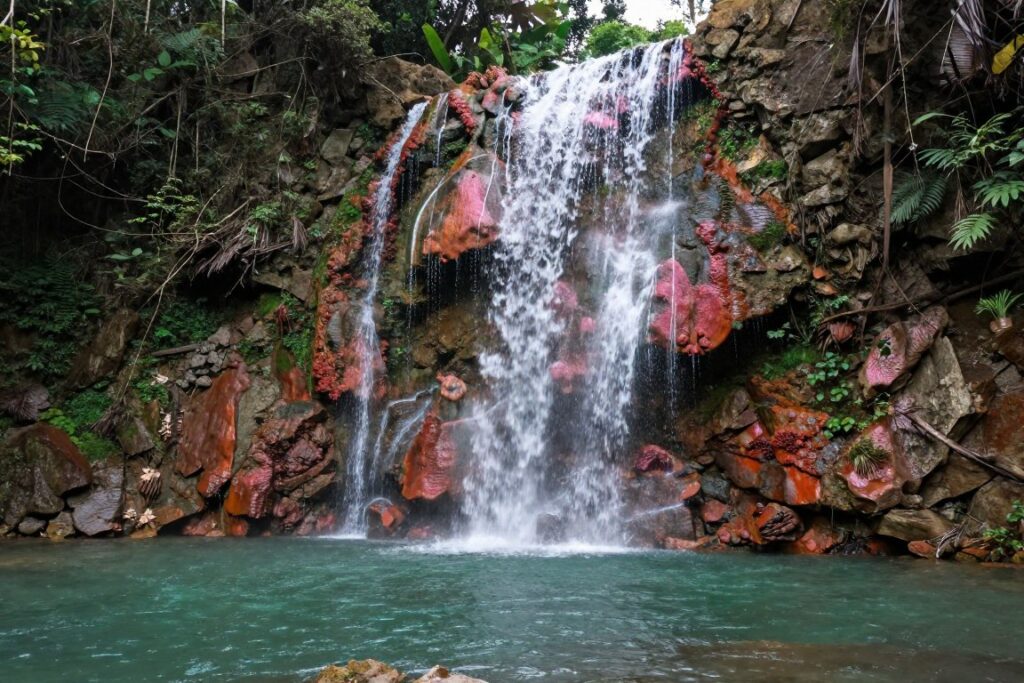
3. Red Coral Waterfall (Air Terjun Koral): The Hidden Pink Cascade
Red Coral Waterfall earns its name from unique coloring. Mineral deposits create pink-tinged rocks. The waterfall flows over rust-colored formations. This creates an otherworldly appearance.
Few tourists know about this gem. The location stays relatively untouched. Access requires a moderate hike. But the unusual beauty justifies the effort.
Getting to Red Coral Waterfall
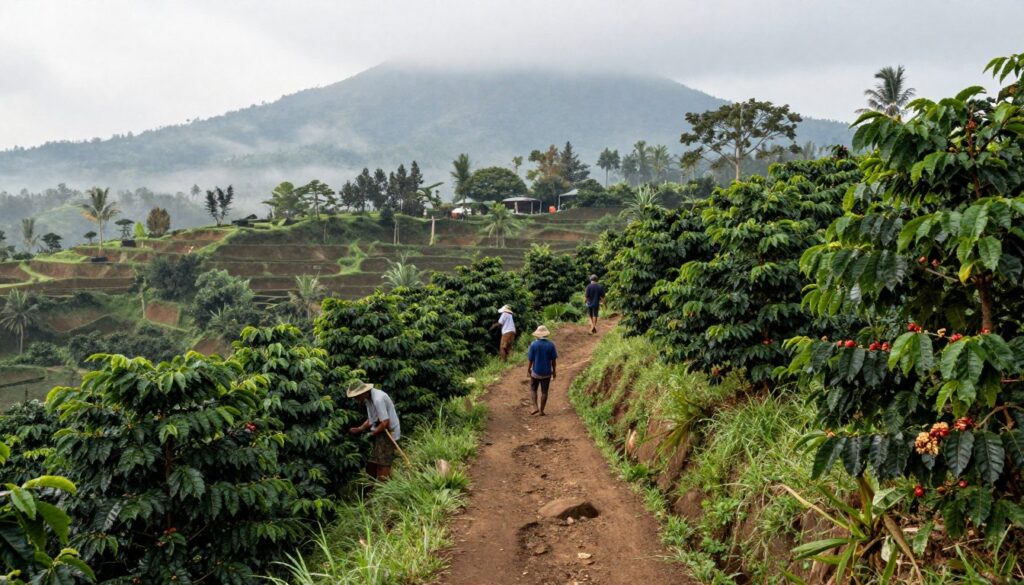
From Singaraja: Drive west toward Munduk (40 minutes). Turn at Busungbiu village toward Pucak. Follow small signs to “Air Terjun Koral.” Park near the trailhead. Hike 20 minutes through coffee plantations. Local villagers can guide you (optional, 50,000 IDR tip appreciated).
The pool beneath offers swimming opportunities. The water stays cool year-round. Mineral content gives it slight coloration. The unique o creates memorable photos.
Visit during weekday mornings for solitude. The area receives minimal promotion. This helps maintain its pristine condition. Respect local guidelines to preserve it.
4. Banyumala Twin Waterfall: North Bali’s Secret Paradise
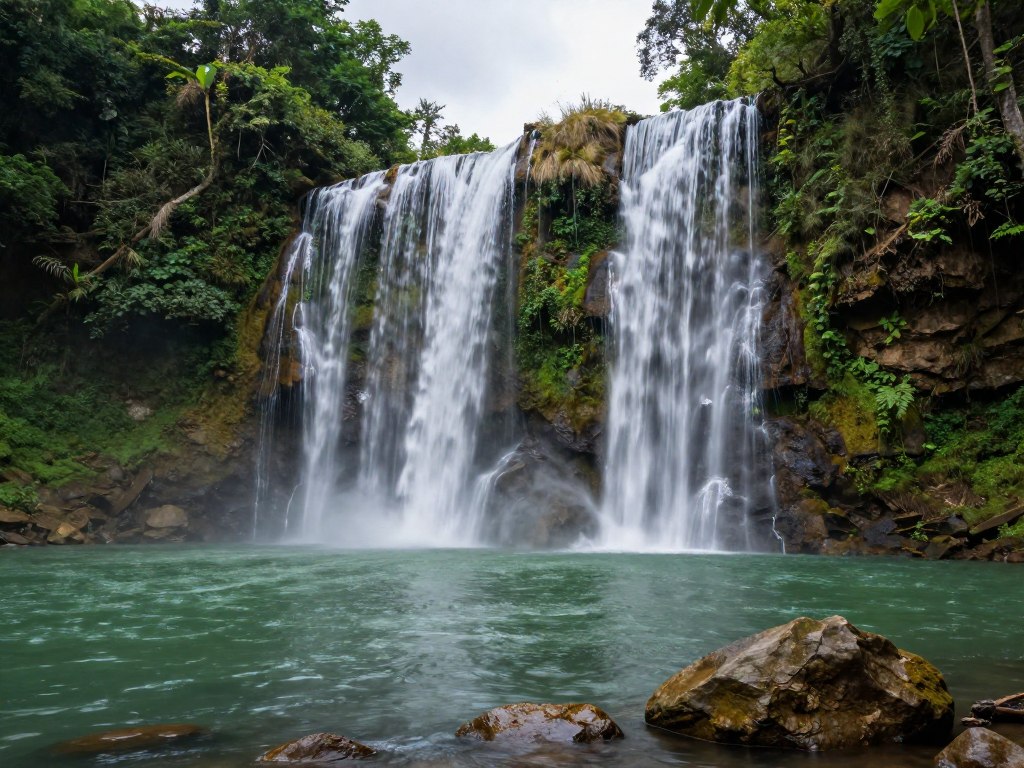
Banyumala features two waterfalls side by side. They flow into a shared pool. The symmetry creates stunning visual appeal. Lush jungle surrounds the entire area.
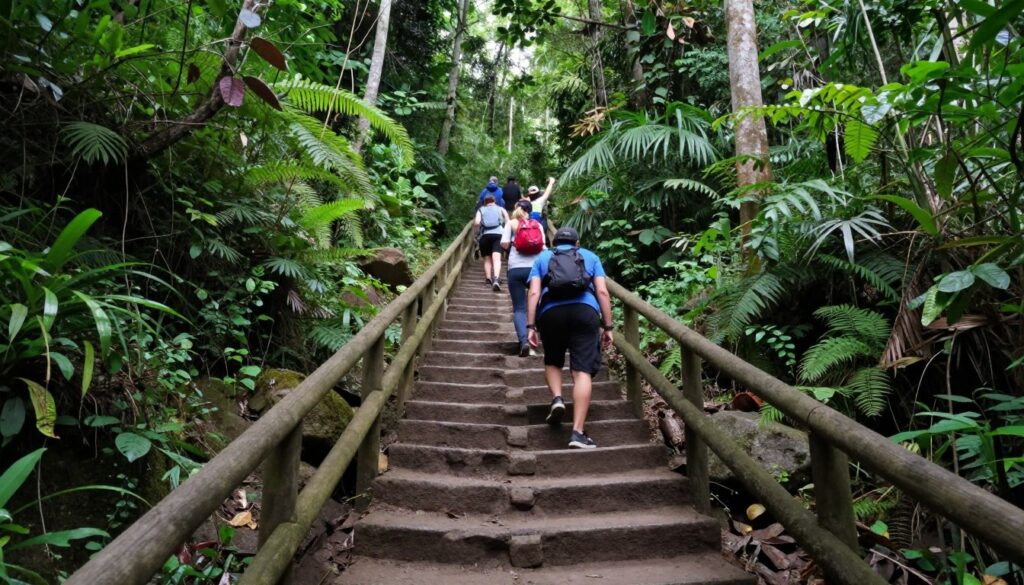
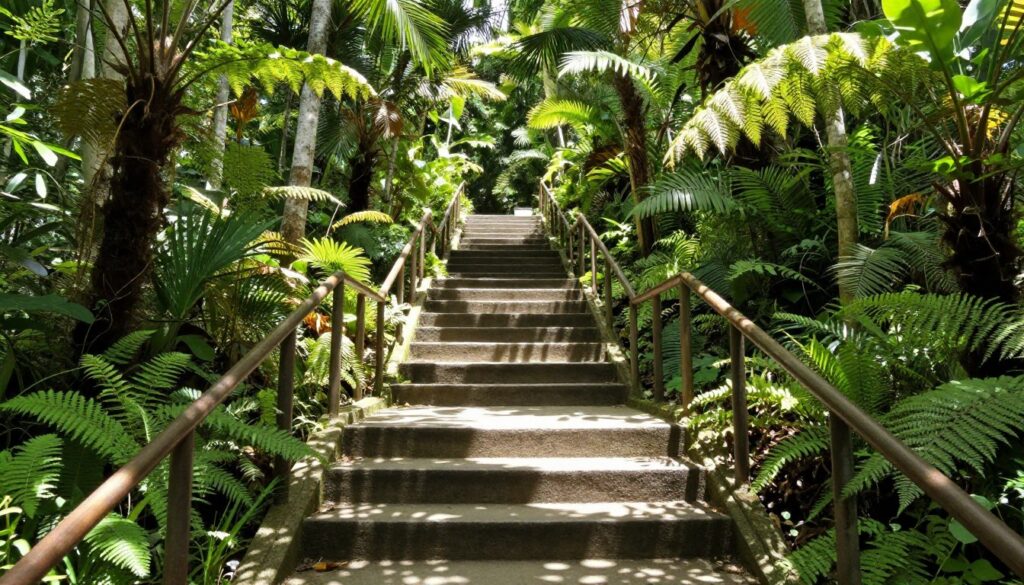
The trek down takes 15 minutes. Well-maintained steps ease the descent. The path winds through jungle vegetation. Monkeys occasionally appear along the route.
How to Find Banyumala Waterfall
From Munduk: Drive north for 15 minutes toward Wanagiri. From Bedugul: Head northwest (25 minutes). Look for “Banyumala Waterfall” sign on main road. Small parking area on left. Entry fee: 20,000 IDR. Descend concrete steps to waterfall (200+ steps). Allow 30 minutes round trip.
The pool depth allows swimming. The waterfalls create gentle massage effects. Rocks around the pool offer seating. The atmosphere encourages long visits.
Early morning light enhances photography here. The sun illuminates both waterfalls evenly. Mist creates atmospheric effects. Weekdays offer the quietest experience.
East Bali Hidden Treasures: Secret Beaches and Ancient Temples
East Bali remains largely undiscovered by mass tourism. The region offers dramatic coastal scenery. Ancient temples dot the landscape. Traditional villages preserve Balinese culture.
5. Bias Tugal Beach (Virgin Beach): East Bali’s Hidden White Sand Paradise
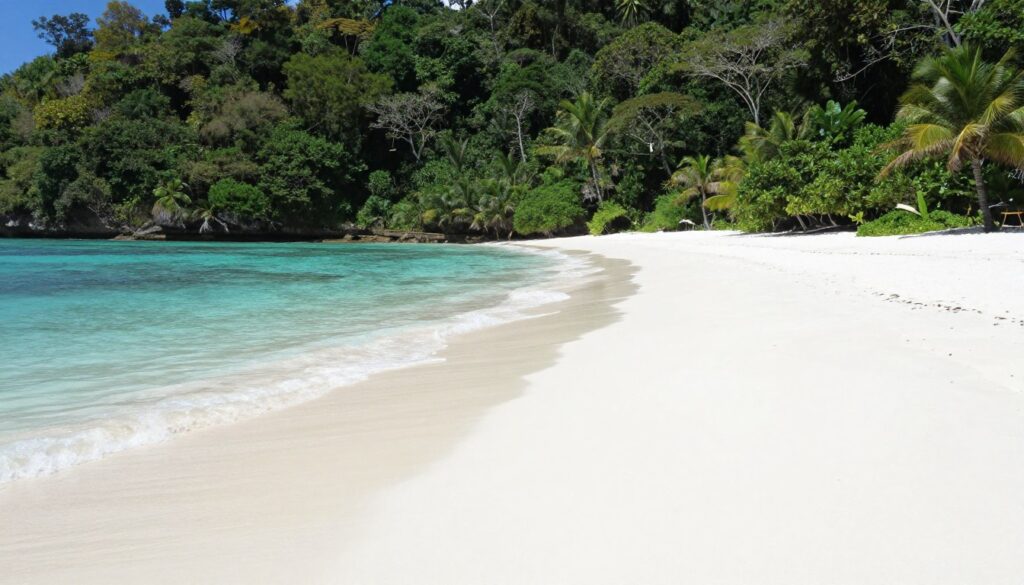
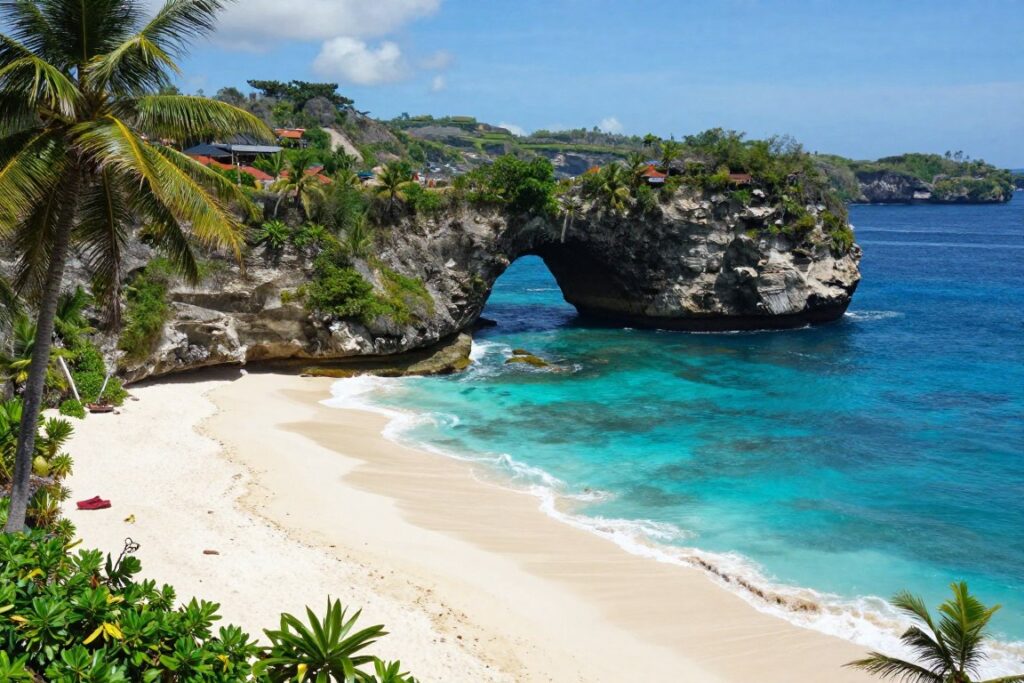
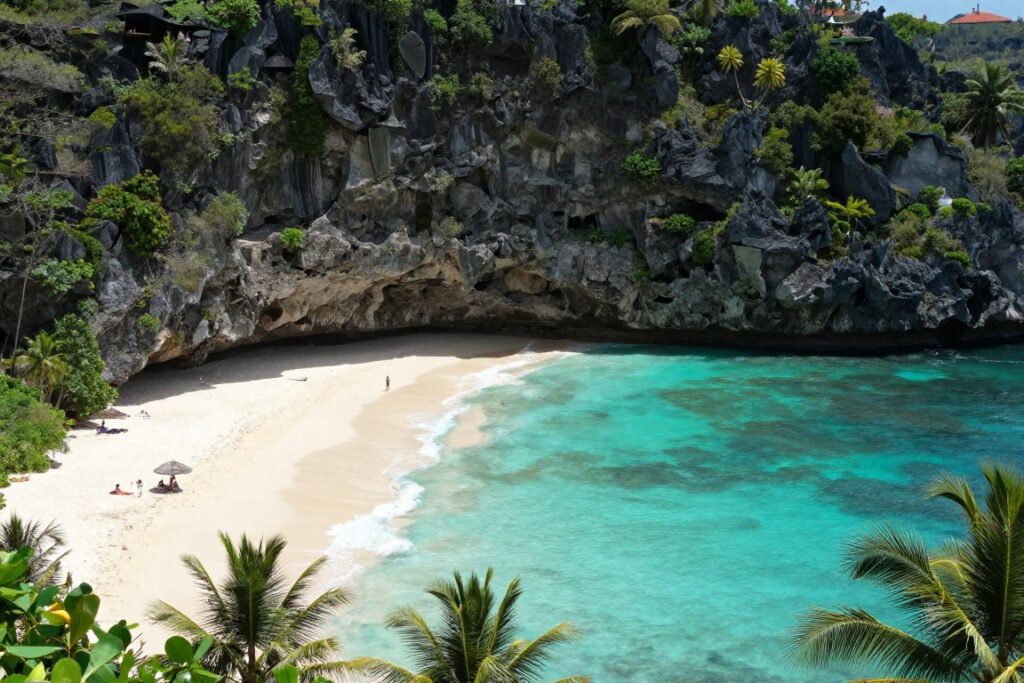
Bias Tugal remains remarkably undeveloped. The beach features pristine white sand. Turquoise water laps the shore gently. Palm trees provide natural shade.
Access requires navigating narrow village roads. Signs point the way sporadically. A small entrance fee supports local maintenance. The beach stays uncrowded even on weekends.
Directions to Bias Tugal Beach
From Candidasa: Drive east toward Amlapura (15 minutes). Turn right at Bugbug village following beach signs. Navigate narrow road through village (5 minutes). Park near beach entrance (parking 5,000 IDR). Pay entrance fee (10,000 IDR). Walk down short path to beach.
The beach stretches about 500 meters. Coral reefs lie offshore for snorkeling. Small warungs serve fresh seafood. Locals maintain the area with pride.
Waves remain calm most of the year. This makes swimming safe and pleasant. The beach faces east for sunrise views. Morning visits offer the best light and solitude.
6. Blue Lagoon Padang Bai: Snorkeling Haven Off the Beaten Path
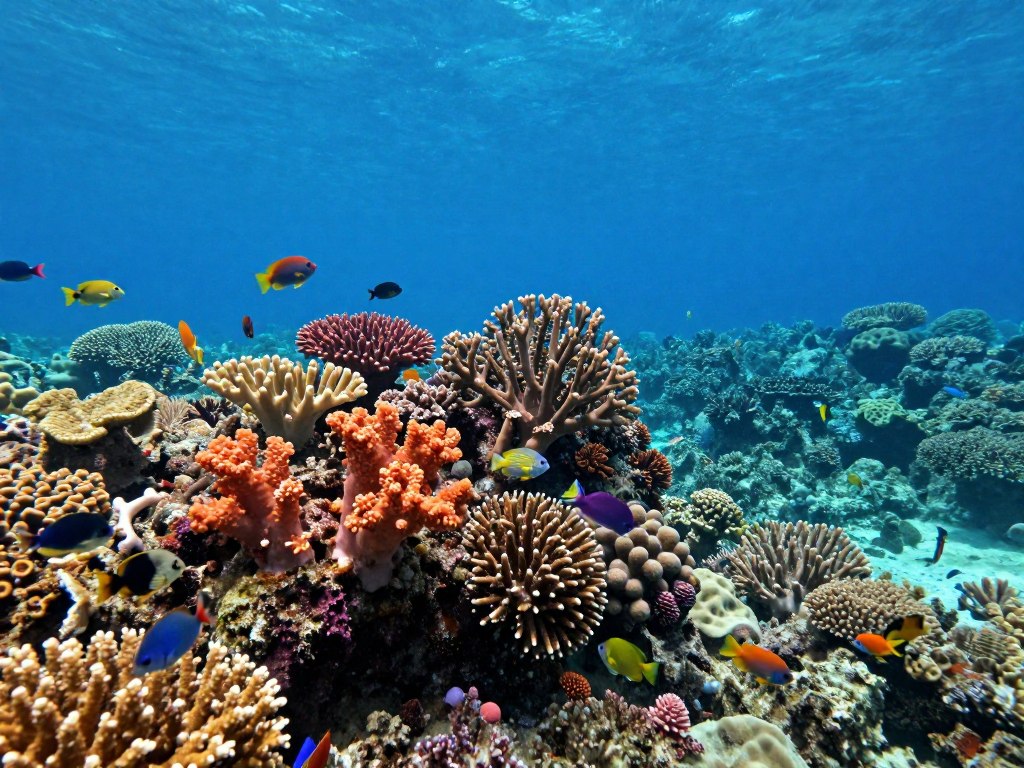
Blue Lagoon sits just outside Padang Bai town. Most travelers miss it completely. The small bay offers exceptional snorkeling. Coral gardens thrive in clear water.
The beach itself remains quite small. Rocky outcrops frame both sides. This creates a protected swimming area. The water stays calm and visibility high.
How to Reach Blue Lagoon Padang Bai
From Padang Bai port: Walk or drive east along coast road (10 minutes). From Candidasa: Head west to Padang Bai, then follow signs (20 minutes total). Park at small lot before beach. Walk down steps to beach (2 minutes). Entrance free. Snorkel rental available on beach (50,000 IDR).
Fish populations remain abundant and diverse. You’ll spot clownfish among anemones. Parrotfish graze on coral. Schools of small fish create living clouds.
Visit during morning high tide for best conditions. Afternoon winds sometimes stir the water. Bring your own snorkel gear if possible. The beach has basic facilities only.

Beachfront Stays Near East Bali Hidden Gems
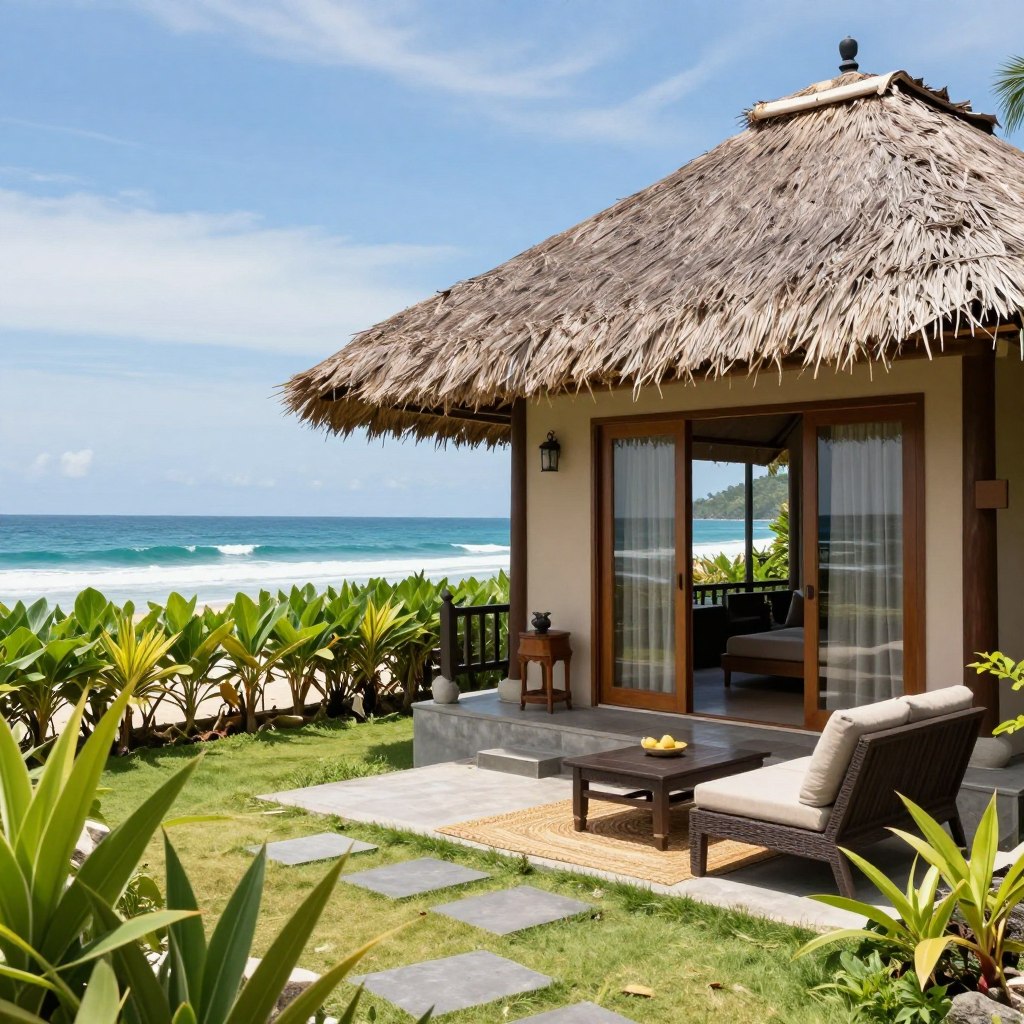
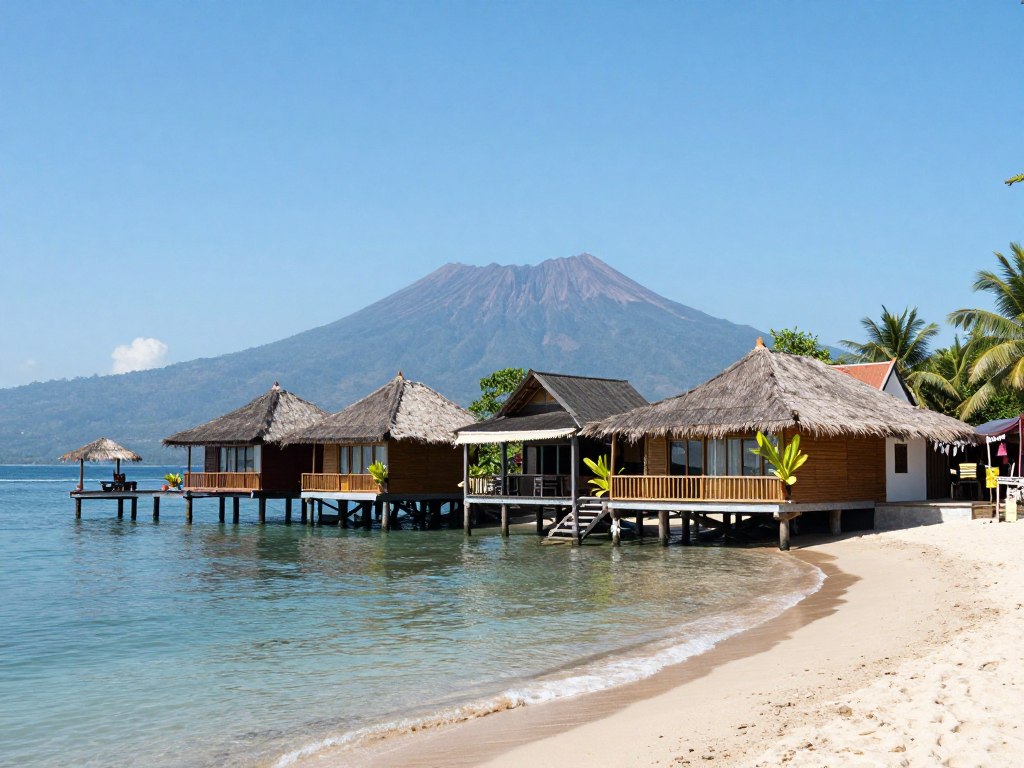
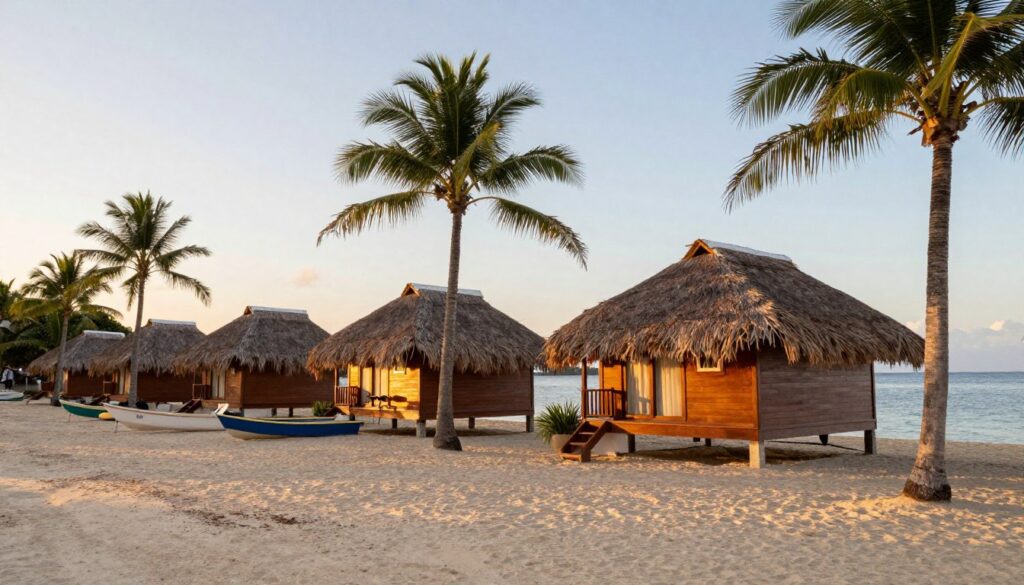
Discover boutique accommodations perfectly positioned for exploring East Bali’s secret beaches. These carefully selected properties offer authentic experiences with modern comfort. Wake up to ocean views and easy access to hidden coastal treasures.
Cultural Village Accommodations
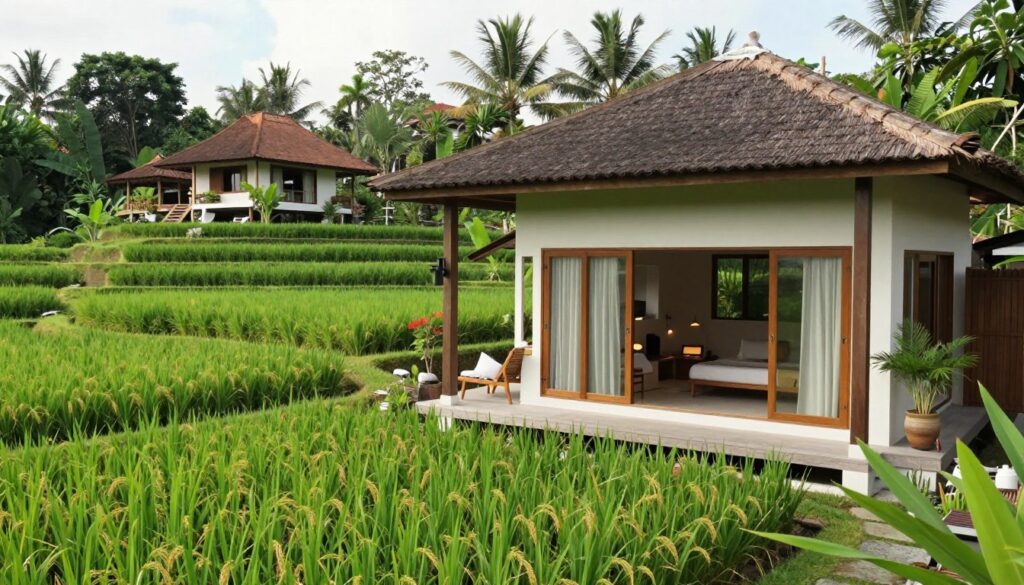
Stay in authentic village guesthouses run by local families. These hidden gem accommodations provide immersive cultural experiences. Enjoy home-cooked meals and genuine Balinese hospitality while supporting local communities.
Eco-Retreats for Nature Lovers
Experience sustainable luxury at East Bali’s eco-conscious retreats. These properties blend environmental responsibility with comfort. Perfect base for exploring hidden waterfalls and nature adventures while minimizing your footprint.
7. Taman Ujung Water Palace: Forgotten Royal Paradise
Taman Ujung served as a royal retreat. The complex features ornate pavilions over water. Elaborate pools reflect traditional architecture. Gardens showcase tropical landscaping.
The site was restored after volcanic damage. Many tourists still overlook it. The peaceful atmosphere encourages exploration. Photography opportunities abound throughout the complex.
Getting to Taman Ujung Water Palace
From Candidasa: Drive east toward Amlapura (30 minutes). Follow signs to “Taman Ujung” or “Ujung Water Palace.” Located on coast road south of Amlapura. Entrance fee: 50,000 IDR for foreigners. Open daily 8 AM – 6 PM. Allow 1-2 hours to explore fully.
The complex combines Balinese and European architecture. This reflects the king’s diverse influences. Pools create cooling effects in tropical heat. The design maximizes ocean breezes.
Visit during late afternoon for best light. The setting sun illuminates the stone work beautifully. Fewer tourists visit after 4 PM. The golden hour creates magical photography conditions.
8. Lempuyang Temple: Gates of Heaven Without the Crowds
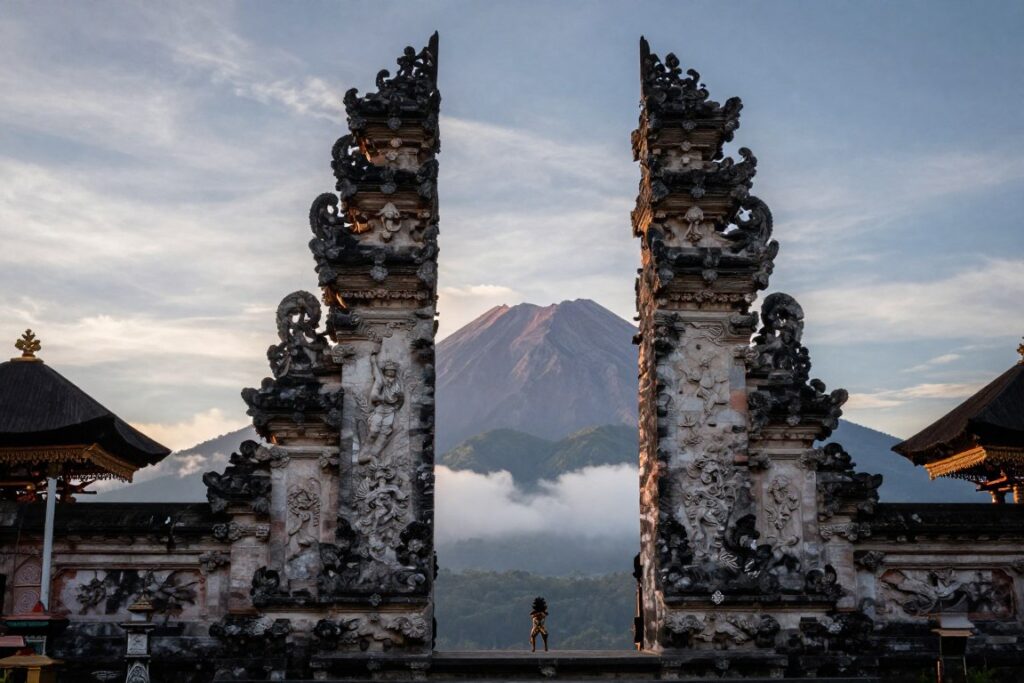
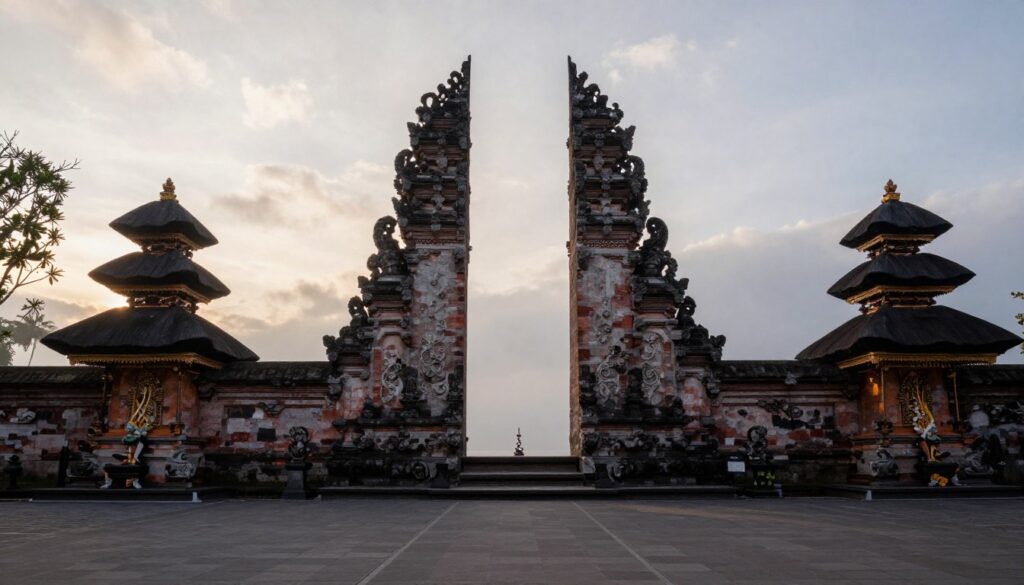
Lempuyang Temple complex sits high in East Bali mountains. The famous “Gates of Heaven” frame Mount Agung perfectly. But few visitors explore beyond the main gate.
The complex actually contains seven temples. They ascend the mountain in stages. Higher temples receive almost no visitors. The views become increasingly spectacular.
Directions to Lempuyang Temple Complex
From Candidasa: Drive north toward Tirta Gangga, then east (1 hour total). From Amed: Head south along coast road (45 minutes). Look for “Lempuyang Temple” signs near Abang village. Park at base. Entrance donation requested (temple etiquette). Sarong and sash required (rental available). Climb 1,700+ steps to highest temple.
Arriving before 7 AM avoids tour groups. The famous gate photo requires waiting in line later. But early morning offers solitude and better light. Mist often shrouds Mount Agung at dawn.
Climbing to upper temples tests your fitness. But the spiritual atmosphere intensifies higher up. Local priests still perform ceremonies there. The experience feels authentically sacred.
Central Bali Hidden Wonders: Secret Rice Terraces and Village Experiences
Central Bali extends beyond Ubud’s tourist center. Hidden rice terraces carpet remote valleys. Traditional villages maintain ancient customs. Art workshops preserve cultural crafts.
9. Tukad Cepung Waterfall: The Secret Canyon Cascade
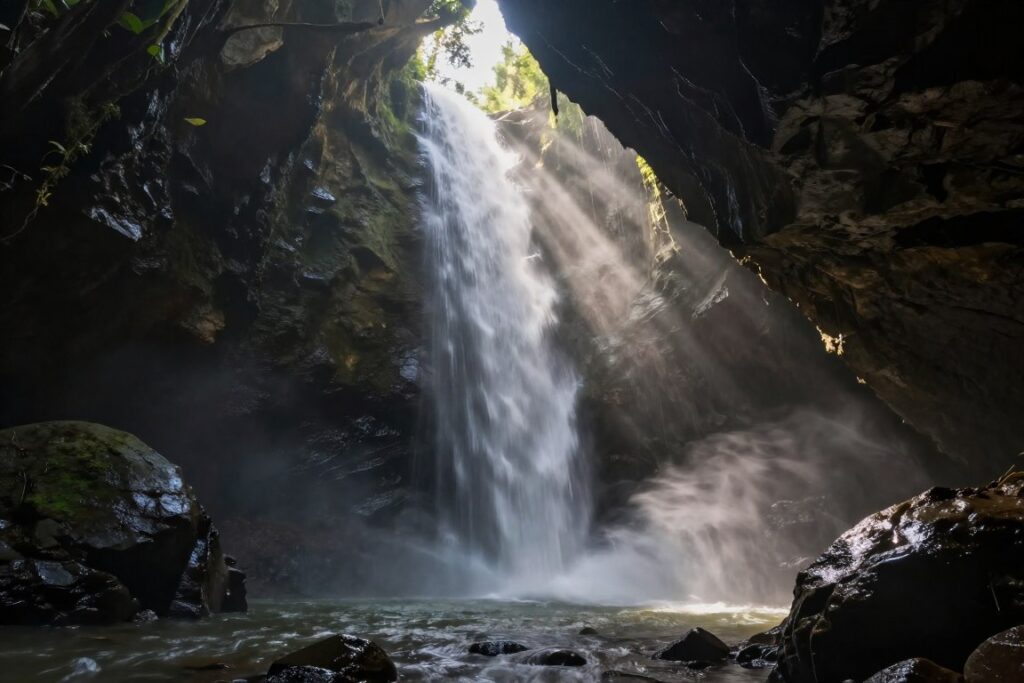
Tukad Cepung hides inside a rocky canyon. Sunbeams penetrate through the opening above. They illuminate the falling water dramatically. This creates an ethereal atmosphere.
The best light occurs mid-morning between 9-11 AM. Sun rays reach the canyon floor then. The effect lasts only about two hours daily. Timing your visit matters significantly.
How to Access Tukad Cepung Waterfall
From Ubud: Drive east toward Bangli (45 minutes). Pass through Tembuku village. Follow signs to “Tukad Cepung Hidden Waterfall.” Small parking area on right. Entry fee: 15,000 IDR. Descend steps into canyon (10 minutes). Wade through shallow stream to waterfall. Waterproof bag recommended for electronics.
The approach requires wading through water. Bring sandals with good grip. The canyon floor stays slippery. But the short trek rewards you richly.
Photography challenges include extreme light contrast. The sunbeams create bright spots. Surrounding canyon stays dark. Bracketed exposures work best here.
10. Kanto Lampo Waterfall: The Hidden Jungle Shower
Kanto Lampo features water flowing over tiered rocks. The cascade creates multiple levels. Each tier forms small pools. The design appears almost architectural.
The waterfall gained popularity on social media. But it still receives fewer visitors than major spots. The location stays accessible and well-maintained. Local villagers manage the site carefully.
Finding Kanto Lampo Waterfall
From Ubud center: Drive south toward Gianyar (20 minutes). Turn left at Kemenuh village following waterfall signs. Navigate small village roads (5 minutes). Park near entrance. Entry fee: 15,000 IDR. Walk down steps to waterfall (5 minutes). Follow paths carefully as rocks get slippery.
The setting encourages interaction with nature. You can walk behind the falling water. Multiple photo angles present themselves. The flowing patterns change with water volume.
Visit after rain for maximum flow. The dry season reduces water volume. But the tiered structure remains beautiful regardless. Morning light filters through the jungle canopy beautifully.
11. Tibumana Waterfall: The Peaceful Hidden Pool
Tibumana offers tranquility and natural beauty. The single cascade drops into a large pool. Jungle surrounds the entire area. The atmosphere stays peaceful and meditative.
Access remains relatively easy compared to other waterfalls. The walk takes only 10 minutes. Well-maintained paths guide visitors. The site feels less commercial than others.
Getting to Tibumana Waterfall
From Ubud: Drive northeast toward Bangli (30 minutes). Turn at Apuan village following waterfall signs. Park at designated area. Entry fee: 15,000 IDR. Descend gentle path through rice fields (10 minutes). Cross small bridge to waterfall area. Swimming permitted in main pool.
The pool depth allows proper swimming. The water temperature stays refreshingly cool. Smooth rocks around the pool offer seating. You can spend hours here comfortably.
Weekday mornings provide the quietest experience. The waterfall faces east for morning light. Bring snacks as no warungs exist nearby. Respect the natural environment by taking trash with you.
12. Penglipuran Traditional Village: Living Cultural Heritage
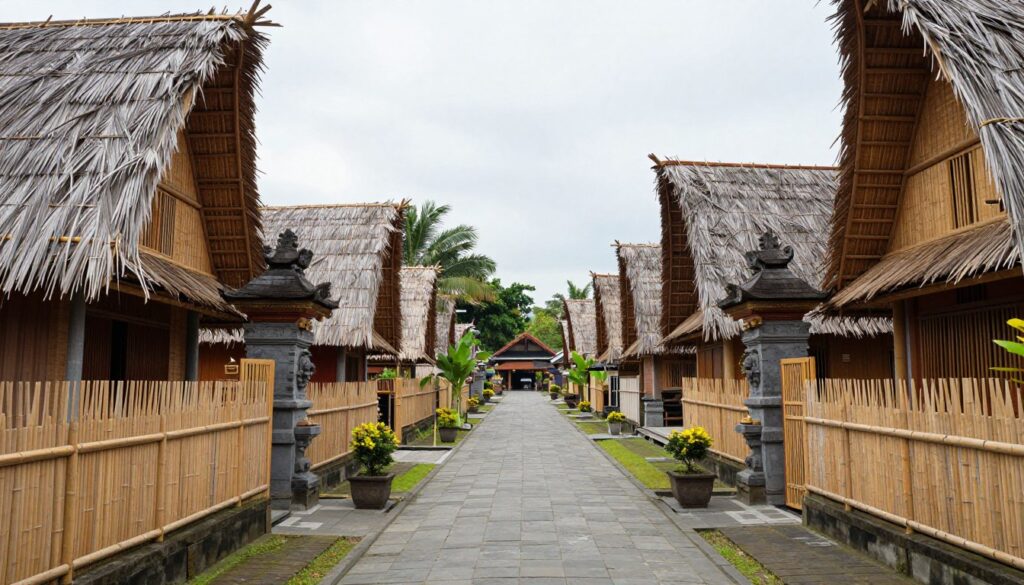
Penglipuran preserves traditional Balinese village life. The community maintains ancient customs actively. Uniform bamboo architecture creates visual harmony. The village remains remarkably clean and organized.
Unlike museum villages, people actually live here. Families follow traditional governance systems. Community rules maintain the environment. This creates an authentic cultural experience.
Visiting Penglipuran Traditional Village
From Ubud: Drive northeast toward Bangli (1 hour). Follow signs to “Penglipuran Village.” From Kintamani: Drive south (30 minutes). Park at village entrance. Entry fee: 50,000 IDR for foreigners. Explore on foot only (no vehicles allowed). Village guide available (optional, 100,000 IDR for group). Respectful dress required.
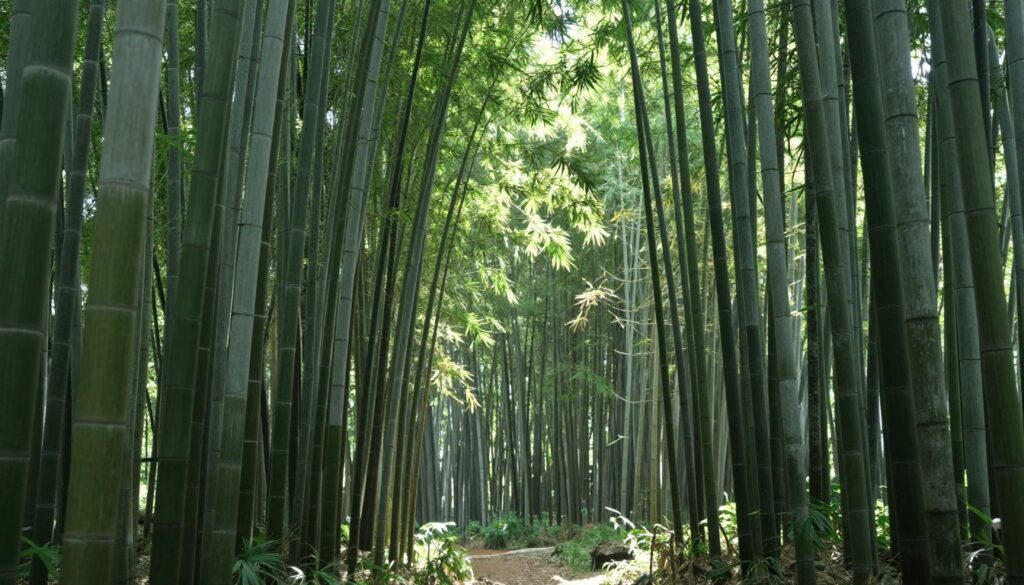
The village layout follows ancient principles. Houses align symmetrically along a main path. Each compound maintains traditional architecture. Bamboo forests provide building materials.
Villagers welcome respectful visitors warmly. Some families sell traditional crafts. Others offer coffee and snacks. Supporting local economy benefits the community.
Photography opportunities exist throughout the village. Traditional ceremonies occur regularly. Ask permission before photographing people. The community maintains these traditions proudly.
West Bali Secret Spots: Remote Beaches and Wildlife Encounters
West Bali National Park dominates this region. The area offers true wilderness experiences. Remote beaches stretch for kilometers. Wildlife thrives in protected forests.
13. Menjangan Island: Untouched Snorkeling and Diving Paradise
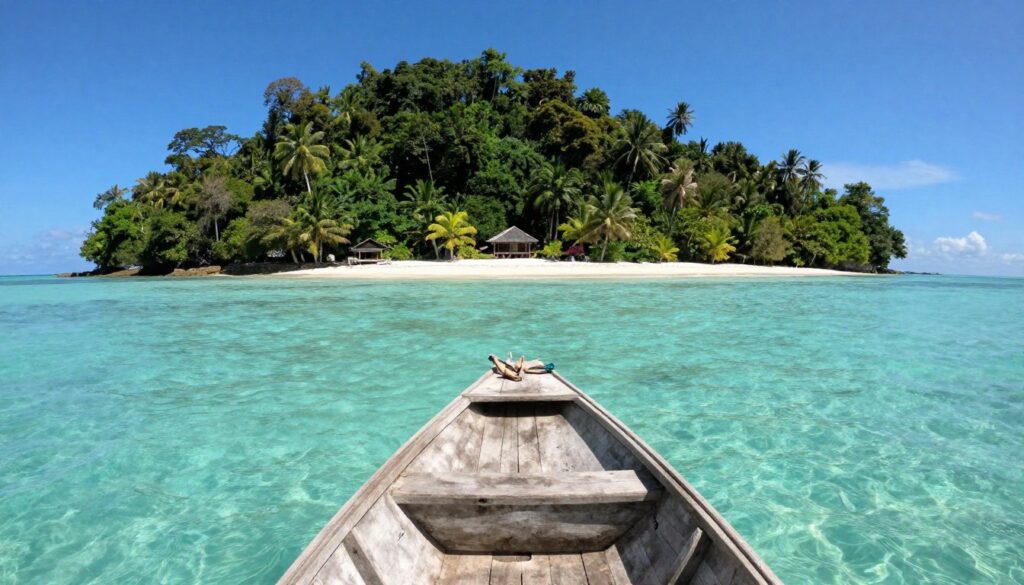
Menjangan Island sits off West Bali’s northwest coast. The marine park protects exceptional coral reefs. Visibility often exceeds 30 meters. The underwater world remains pristine.
The island itself remains uninhabited. This preserves the natural environment completely. Day trips depart from nearby ports. Most visitors come for diving or snorkeling.
Reaching Menjangan Island
From Gilimanuk port: Book boat tour (30 minutes crossing). From Pemuteran: Arrange tour through dive shop or hotel (20 minutes). From South Bali: Drive north to Pemuteran (3.5 hours), then boat to island. National park entry: 150,000 IDR weekdays, 225,000 IDR weekends. Boat charter: 400,000-600,000 IDR (holds 4-6 people). Snorkel rental: 50,000 IDR.
Multiple dive sites surround the island. Each offers unique underwater topography. Wall dives drop dramatically into deep water. Shallow reefs suit snorkelers perfectly.
Marine life includes sea turtles regularly. Reef sharks patrol the deeper areas. Enormous schools of fish create living walls. The diversity astounds experienced divers.
Early morning trips offer calmest conditions. Afternoon winds can stir surface water. Book through reputable operators for safety. Equipment quality matters for enjoyment.
14. Balian Beach: Secret Surf Spot and Black Sand Beauty
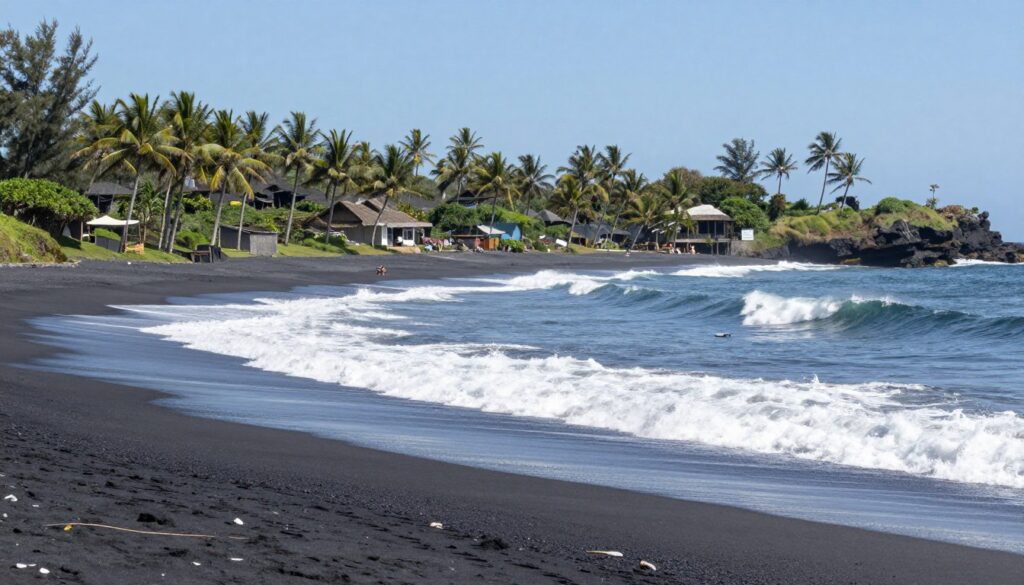
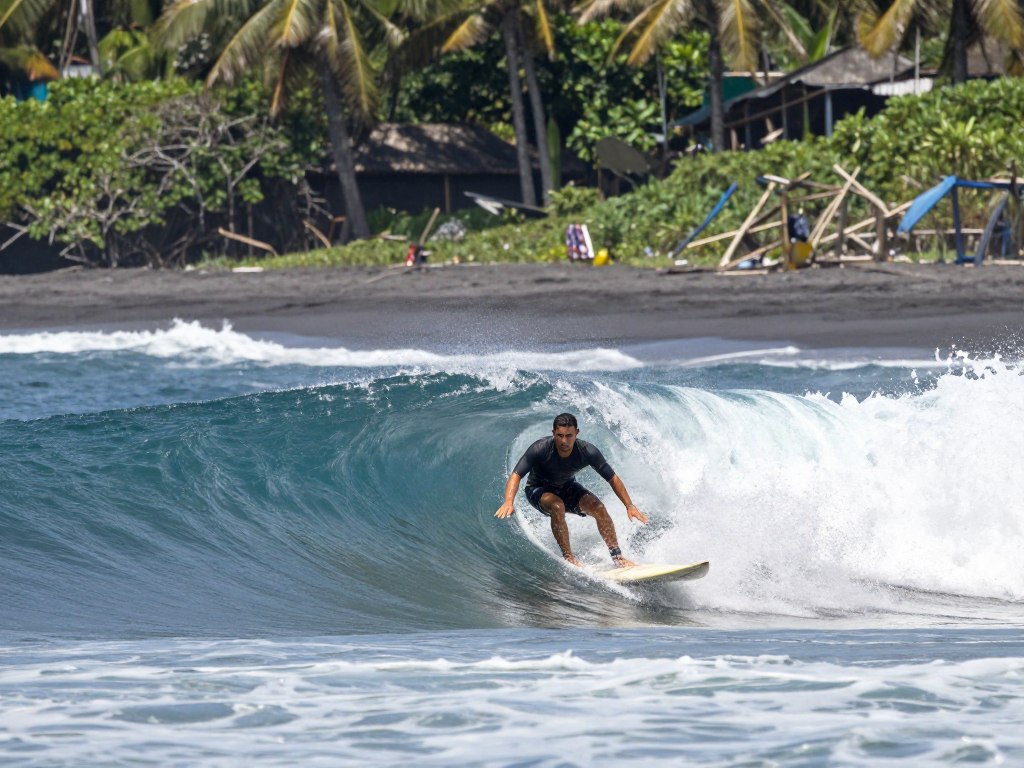
Balian Beach offers consistent waves year-round. The black volcanic sand creates dramatic scenery. The beach stretches several kilometers. Development remains minimal and low-key.
Surfers discovered Balian decades ago. But it never became overly crowded. The waves suit intermediate to advanced levels. Multiple breaks provide options for different conditions.
How to Find Balian Beach
From Tanah Lot: Drive west along coast road (1.5 hours). From Gilimanuk: Drive east on main highway (1 hour). Turn south at Lalanglinggah village toward beach. Follow signs to “Balian Beach” (10 minutes on small road). Park near beach warungs. No official entrance fee. Surfboard rental available (100,000 IDR/day).
The beach atmosphere stays laid-back and friendly. Small warungs serve local food. Simple accommodations cater to budget travelers. The vibe attracts artistic and alternative crowds.
Non-surfers enjoy the beach too. Swimming requires caution due to currents. The sunsets appear spectacular from the sand. The black sand creates unique photography opportunities.
Best surf conditions occur during dry season. Waves range from 3-8 feet typically. Local surfers share knowledge generously. Respect surf etiquette and local culture.
15. Medewi Beach: Long Left-Hand Wave and Fishing Village Charm
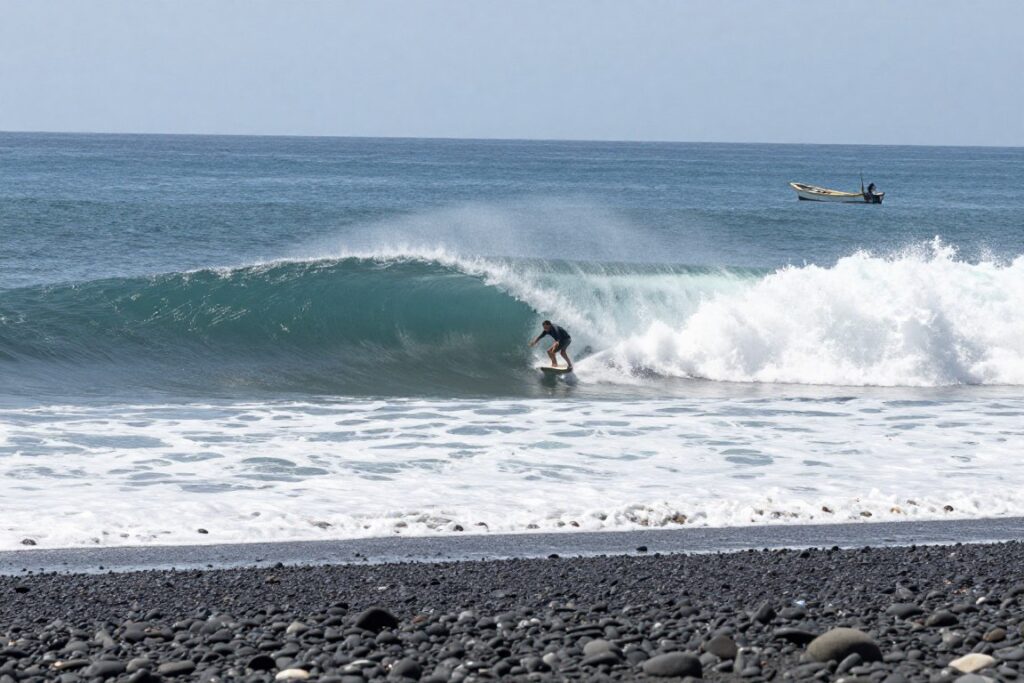
Medewi features one of Bali’s longest waves. The left-hand point break peels for hundreds of meters. Traditional fishing culture dominates the village. Tourism development stays minimal.
The wave works best on bigger swells. It offers incredibly long rides. Beginners can practice on smaller days. The mellow vibe welcomes all skill levels.
Getting to Medewi Beach
From Denpasar: Drive west through Tabanan (2.5 hours). From Gilimanuk ferry port: Drive east on main highway (45 minutes). Look for “Medewi” signs on coast road. Village spreads along beach. Park near point break area. No entrance fee. Local warungs and simple homestays available.
The beach consists of smooth river stones. This creates natural foot massage. Swimming areas exist between surf zones. Strong currents require caution always.
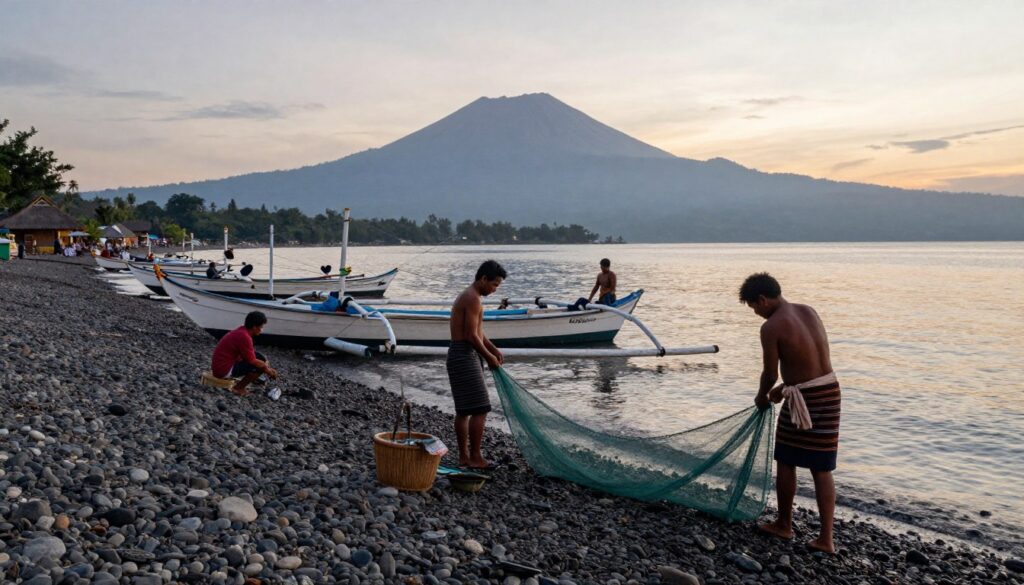
The village maintains traditional character. Fishing remains the primary livelihood. Visitors experience authentic Balinese coastal life. Ceremonies and traditions continue unchanged.
Accommodations range from basic homestays to boutique hotels. Most surfers stay for extended periods. The relaxed atmosphere encourages slow travel. Days blend together pleasantly here.
Nusa Penida Hidden Spots: Beyond Kelingking Beach
Nusa Penida attracts visitors to famous viewpoints. But the island hides many secret locations. Remote beaches offer complete solitude. Dramatic cliffs create stunning vistas.
16. Atuh Beach: Nusa Penida’s Secret Paradise
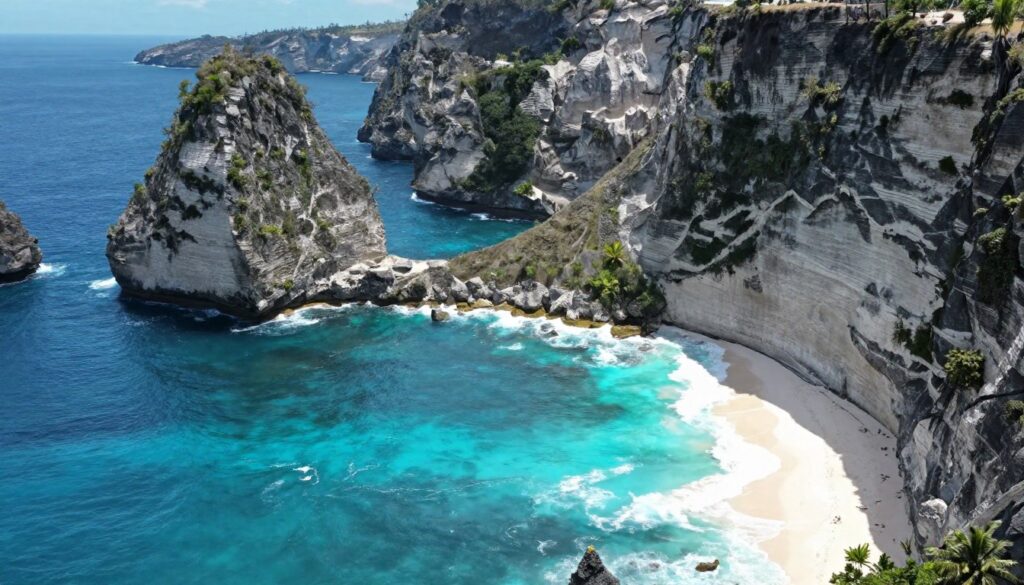
Atuh Beach remains relatively unknown despite its beauty. The beach sits in a protected cove. Limestone formations rise from the water. White sand meets turquoise waves.
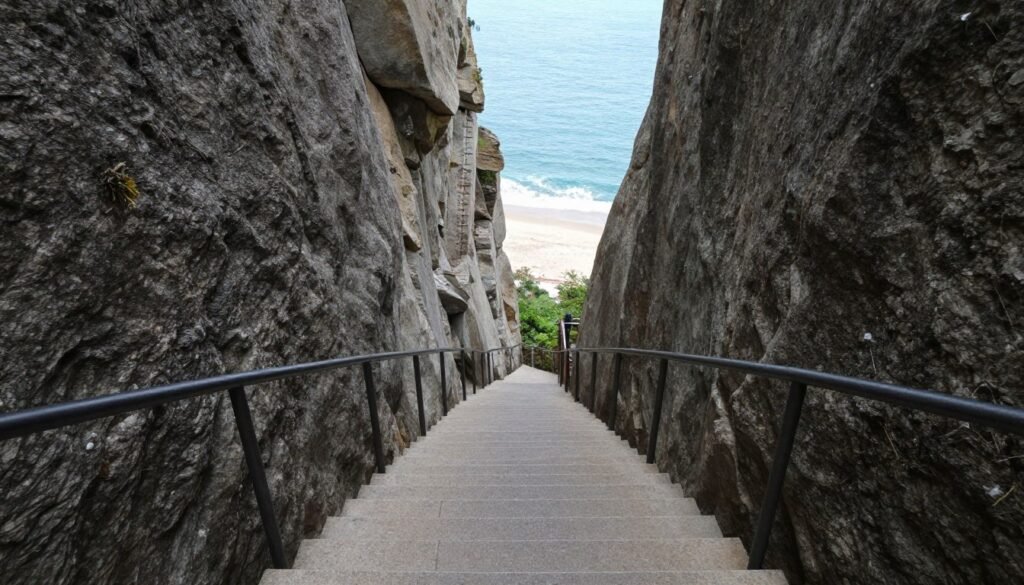
Access requires descending steep stairs. The trek challenges your fitness level. But the beach rewards your effort spectacularly. Few tourists make the journey down.
How to Reach Atuh Beach
From Nusa Penida port: Hire scooter or car with driver (1 hour east). From Kelingking area: Drive across island on rough roads (1.5 hours). Follow signs to “Pantai Atuh” or “Atuh Beach.” Park at clifftop viewpoint. Entry fee: 10,000 IDR. Descend 300+ steep concrete steps (15-20 minutes). Bring water and sun protection.
The beach stays mostly empty. Small warungs offer basic refreshments. Swimming conditions vary with tides and swells. The rock formations create excellent photos.
Nearby Diamond Beach offers similar beauty. The two beaches sit close together. Most visitors combine both locations. The clifftop viewpoint between them stuns everyone.
Morning visits provide softer light. The beach faces east for sunrise potential. Afternoon sun can be intense. Plan your visit timing carefully.
17. Peguyangan Waterfall: The Cliffside Blue Spring
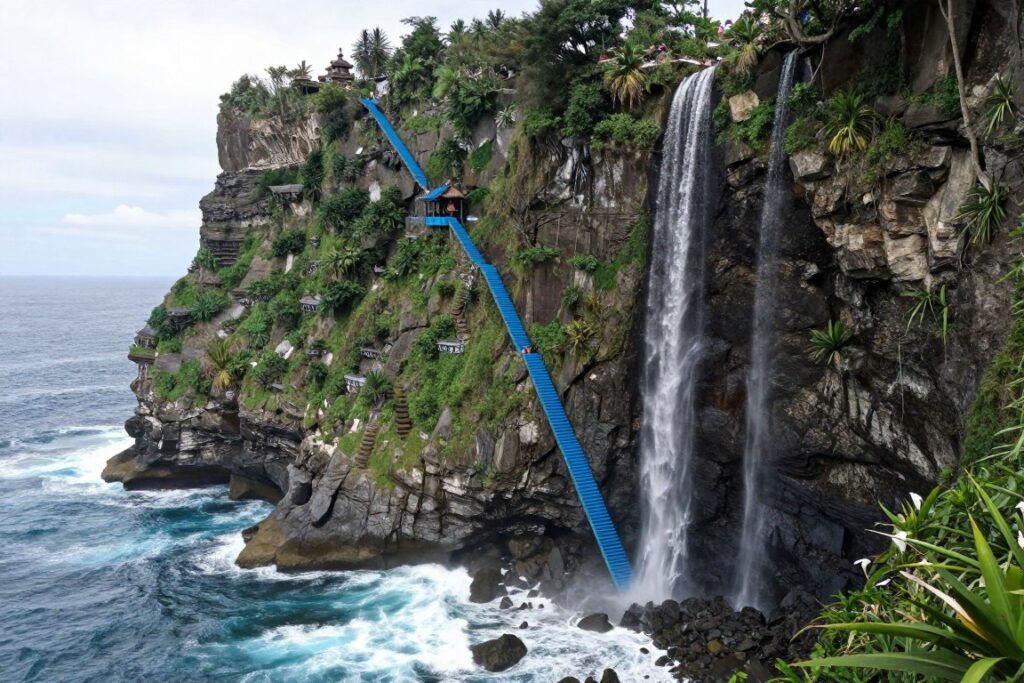
Peguyangan features a natural spring cascading down cliffs. Blue stairs descend hundreds of meters. The water flows directly into the ocean. The setting appears almost surreal.
The site holds spiritual significance for locals. Small temples dot the clifftop. Balinese Hindus make pilgrimages here. Visitors should show appropriate respect.
Finding Peguyangan Waterfall
From Nusa Penida port: Drive south along west coast (45 minutes). From Crystal Bay: Continue south on coastal road (30 minutes). Look for “Peguyangan Blue Stairs” signs. Park at clifftop temple area. Entry donation requested (20,000 IDR suggested). Descend 700+ blue stairs (30-40 minutes down, 45-60 minutes up). Bring plenty of water.
The descent tests your physical condition. The stairs cling to the cliff face. Heights bother some visitors. But the experience remains uniquely memorable.
The spring water stays cool and clear. Local belief holds it has purifying properties. Small pools collect the water. The ocean creates a dramatic backdrop.
Visit during morning for cooler temperatures. The climb back up becomes exhausting. Rest as needed on the ascent. The clifftop views reward your effort.
18. Seganing Waterfall: Nusa Penida’s Jungle Secret
Seganing Waterfall hides in Nusa Penida’s interior jungle. The cascade drops into a natural pool. Dense vegetation surrounds the area. The location sees very few visitors.
Getting there requires local knowledge. The path isn’t well-marked initially. Hiring a guide proves helpful. The trek takes about 20 minutes from parking.
Accessing Seganing Waterfall
From Nusa Penida port: Drive northeast toward Tanglad (30 minutes). From Atuh Beach area: Head west then north (45 minutes). Ask locals for “Air Terjun Seganing” directions. Park near trailhead in Tanglad area. Entry fee: 20,000 IDR. Trek through jungle and rice fields (20 minutes). Local guide recommended (50,000 IDR tip appreciated).
The pool depth allows swimming. The water stays refreshingly cool. Smooth rocks surround the swimming area. The jungle atmosphere feels primeval.
This waterfall remains truly off the beaten path. Tourism infrastructure doesn’t exist here. Bring all supplies you need. Take all trash with you always.
Respect the natural environment completely. The area remains pristine because visitors stay few. Help maintain its condition for future adventurers. Leave no trace of your visit.
Nusa Lembongan Secret Corners: Island Tranquility Away from Day Trippers
Nusa Lembongan sees day-trippers from mainland Bali. But the island hides peaceful corners. Secret beaches offer solitude. Traditional seaweed farming continues in lagoons.
19. Secret Beach Nusa Lembongan: Hidden Cove Paradise
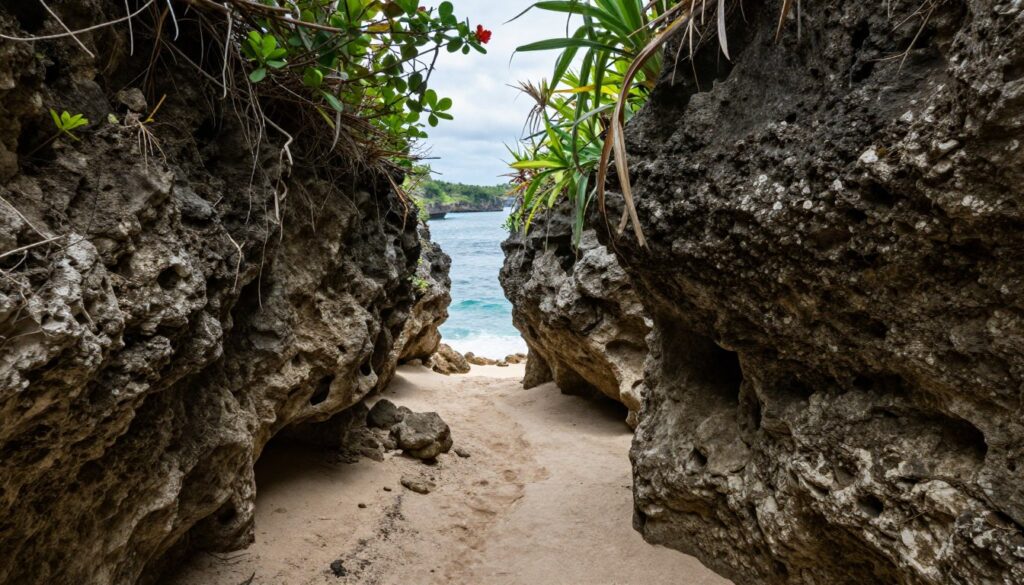
Secret Beach lives up to its name. The small cove hides between cliffs. Access requires local knowledge. The beach stays empty most days.
The beach faces east for sunrise views. Calm water invites swimming. Natural rock pools appear at low tide. The setting feels completely private.
Finding Secret Beach Nusa Lembongan
From Jungut Batu village: Walk or drive south along coast (10 minutes). From Dream Beach: Head northeast (15 minutes). Look for small path between cliffs near Sandy Bay Beach Club. Park scooter on roadside. Follow narrow trail through vegetation (5 minutes). Descend rocks carefully to beach. Free access but no facilities.
The beach size changes with tides. High tide covers most of the sand. Low tide reveals rock pools and wider beach. Check tide times before visiting.
Bring everything you need with you. No warungs exist here. Shade comes from cliff walls only. The isolation creates perfect peace.
Snorkeling opportunities exist around rocks. Small fish inhabit the shallow areas. The water clarity impresses. But currents can be strong outside the cove.
20. Mangrove Forest Nusa Lembongan: Kayaking Through Nature
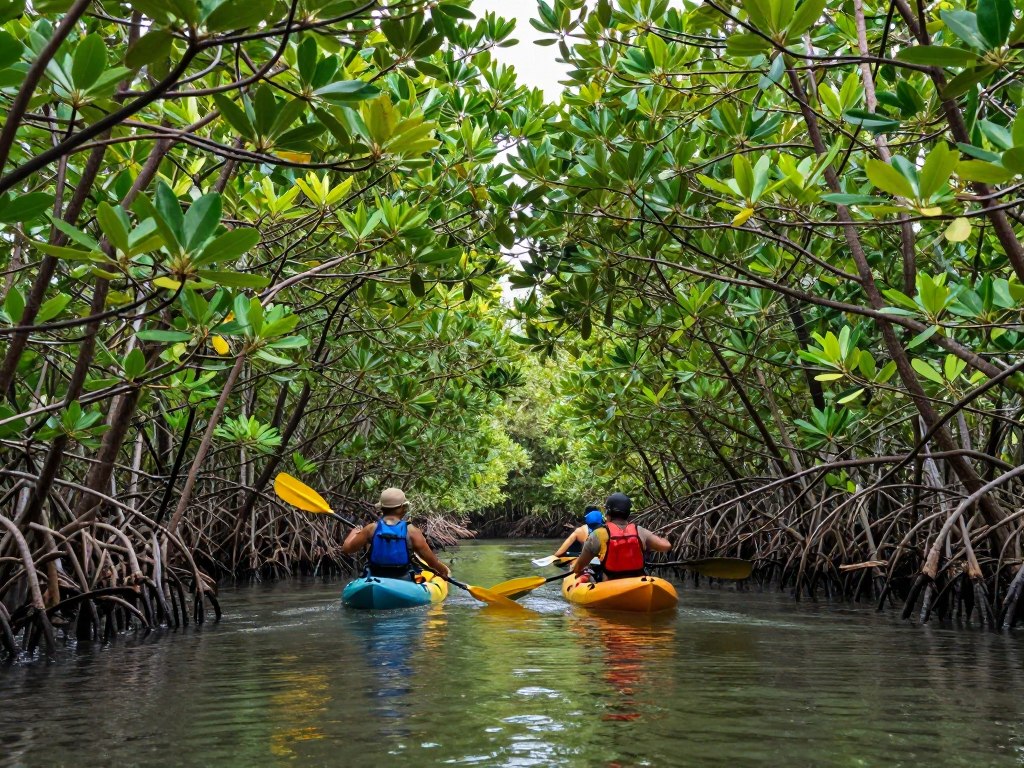
Nusa Lembongan’s mangrove forest offers eco-adventure experiences. Kayak tours navigate the waterways. The ecosystem supports diverse wildlife. Traditional boats still use these channels.
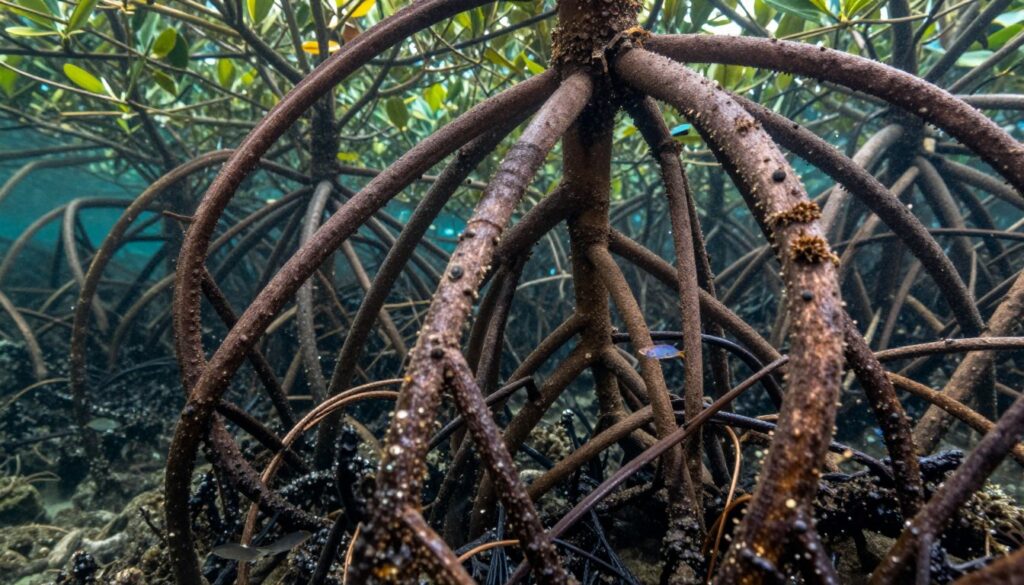
The mangroves serve crucial environmental functions. They protect coastlines from erosion. Fish breed in the safe waters. Birds nest in the branches.
Experiencing Nusa Lembongan Mangrove Forest
From Nusa Lembongan harbor: Walk to mangrove entrance (10 minutes south). From Jungut Batu: Drive or walk toward Mangrove Point (15 minutes). Kayak tours available from several operators. Tour cost: 200,000-300,000 IDR per person (1.5-2 hours). Best visited during high tide. Morning tours offer cooler temperatures and better wildlife viewing.
Guided tours provide educational value. Guides explain the ecosystem’s importance. They point out hidden wildlife. The experience combines adventure with learning.
Kayaking through the tunnels feels magical. The canopy blocks strong sun. The water stays calm and protected. The peaceful atmosphere encourages mindfulness.
Photography opportunities abound throughout the tour. The morning light filters beautifully through leaves. Wildlife sightings create special moments. The unique environment differs from typical Bali experiences.
Book Your Nusa Lembongan and Nusa Penida Adventures
Explore the hidden gems of Nusa Lembongan and Nusa Penida with expert local guides. We offer customized day trips, multi-day adventures, and island-hopping experiences that take you beyond tourist hotspots to authentic island paradises.
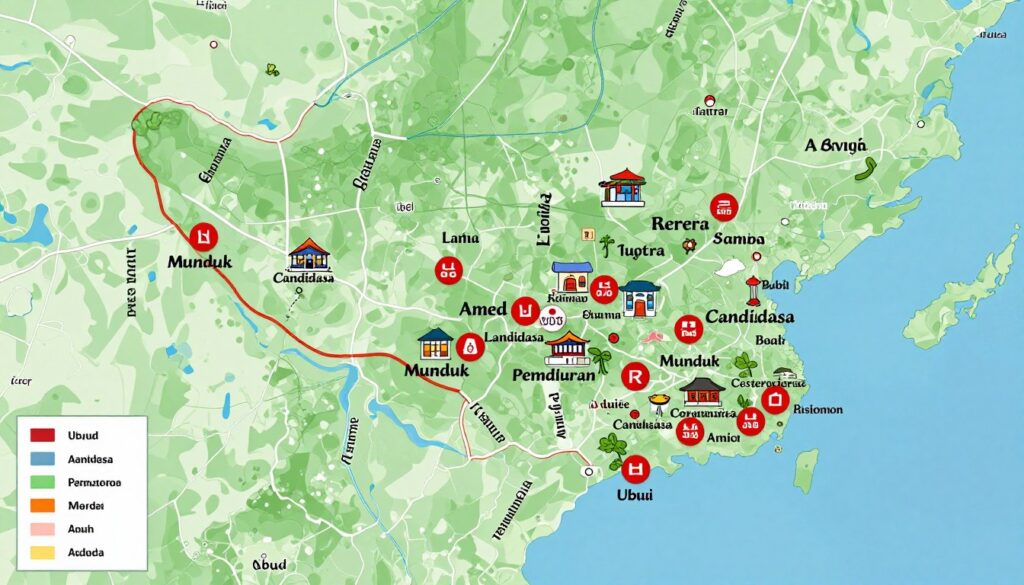
Complete Map of All 20 Bali Hidden Gems 2026
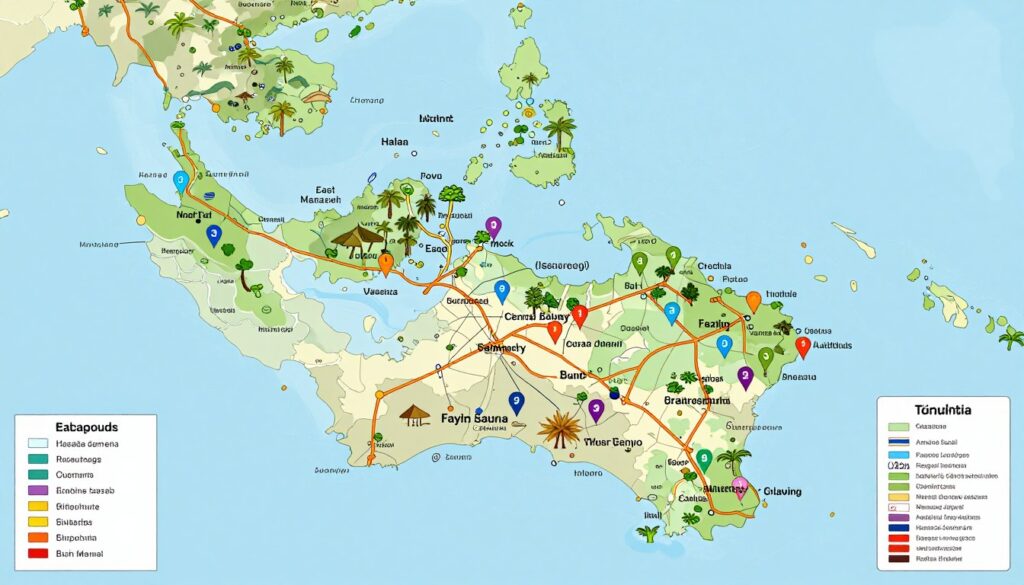
This interactive map shows all 20 hidden gem locations across Bali. Each marker indicates exact coordinates. Click markers for quick location details. Use this map to plan your route efficiently.
Interactive map showing all 20 hidden gems across Bali with navigation links and detailed information
Regional Breakdown and Travel Routes
The hidden gems spread across five main regions. Each area offers distinct experiences. Planning routes by region maximizes your time. This approach reduces excessive driving between locations.
North Bali Cluster
- Sekumpul Waterfall Complex
- Aling-Aling Waterfall
- Red Coral Waterfall
- Banyumala Twin Waterfall
These waterfalls cluster within 30 minutes drive. Base yourself in Munduk or Lovina. Allow 2-3 days to explore this area properly. Early starts maximize waterfall photography.
East Bali Route
- Bias Tugal Beach
- Blue Lagoon Padang Bai
- Taman Ujung Water Palace
- Lempuyang Temple
East Bali locations follow the coastline. Stay in Candidasa or Amed. Allocate 2-3 days for thorough exploration. Combine coastal and mountain attractions.
Central Bali Hidden Spots
- Tukad Cepung Waterfall
- Kanto Lampo Waterfall
- Tibumana Waterfall
- Penglipuran Traditional Village
Central locations radiate from Ubud. All sites accessible within one hour drive. Day trips work well for these. Cultural and natural attractions mix perfectly.
West Bali Adventures
- Menjangan Island
- Balian Beach
- Medewi Beach
West Bali requires more travel time. Stay in Pemuteran for diving trips. Surf beaches suit multi-day stays. This region offers true escape experiences.
Island Destinations
- Nusa Penida: Atuh Beach, Peguyangan Waterfall, Seganing Waterfall
- Nusa Lembongan: Secret Beach, Mangrove Forest
Island destinations require boat transportation. Nusa Penida needs 2-3 days minimum. Nusa Lembongan works for overnight or day trips. Both islands offer unique experiences beyond mainland Bali.
Optimal Multi-Day Itineraries
These suggested itineraries cover all 20 hidden gems. Adjust based on your available time. Each route balances travel time with experiences. Rest days allow for flexibility and spontaneity.
7-Day Hidden Gems Tour
- Day 1: Arrive Bali, Ubud area orientation
- Day 2: Central waterfalls circuit
- Day 3: North Bali waterfall adventure
- Day 4: East Bali coastal exploration
- Day 5: Nusa Penida day trip
- Day 6: West Bali National Park
- Day 7: Nusa Lembongan relaxation
This compact itinerary covers highlights from each region. Daily driving averages 2-3 hours. Early starts maximize time at each location. Some gems will be saved for future trips.
14-Day Complete Circuit
- Days 1-3: North Bali waterfalls and culture
- Days 4-6: East Bali temples and beaches
- Days 7-9: Central Bali nature and villages
- Days 10-11: Nusa Penida exploration
- Days 12-13: West Bali adventures
- Day 14: Nusa Lembongan relaxation
Two weeks allows thorough exploration of all locations. Includes buffer time for weather and spontaneity. Combines adventure with cultural experiences. Perfect balance of activity and relaxation.
21-Day Immersive Journey
- Week 1: North and Central Bali deep dive
- Week 2: East Bali and island adventures
- Week 3: West Bali and flexible exploration
Three weeks enables full immersion in Bali’s hidden gems. Allows extended stays in favorite locations. Time for yoga retreats or surf improvement. Opportunities for local festivals and ceremonies. Experience Bali like a temporary resident.
Practical Tips for Visiting Bali Hidden Gems in 2026
Exploring hidden gems requires preparation and planning. These practical tips ensure safe and enjoyable experiences. Learn from common mistakes to avoid disappointment. Local knowledge makes all the difference.
Transportation and Getting Around
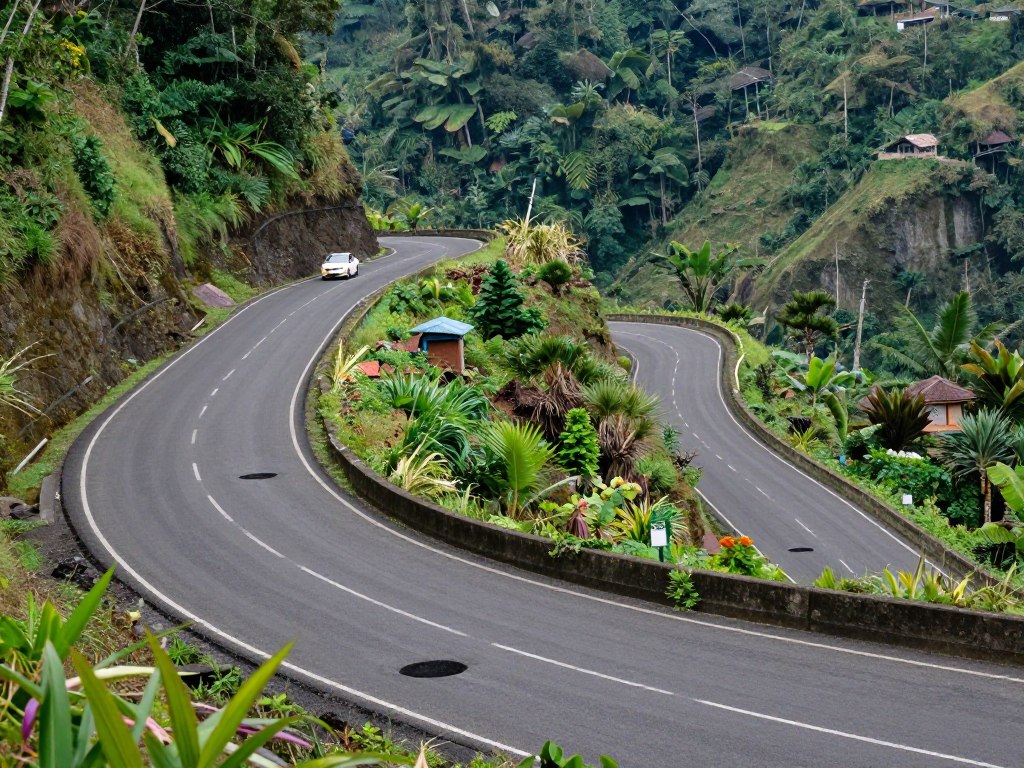
Reaching hidden gems requires flexible transportation. Public transportation doesn’t serve remote areas. Several options exist with different advantages. Choose based on comfort level and budget.
Scooter Rental
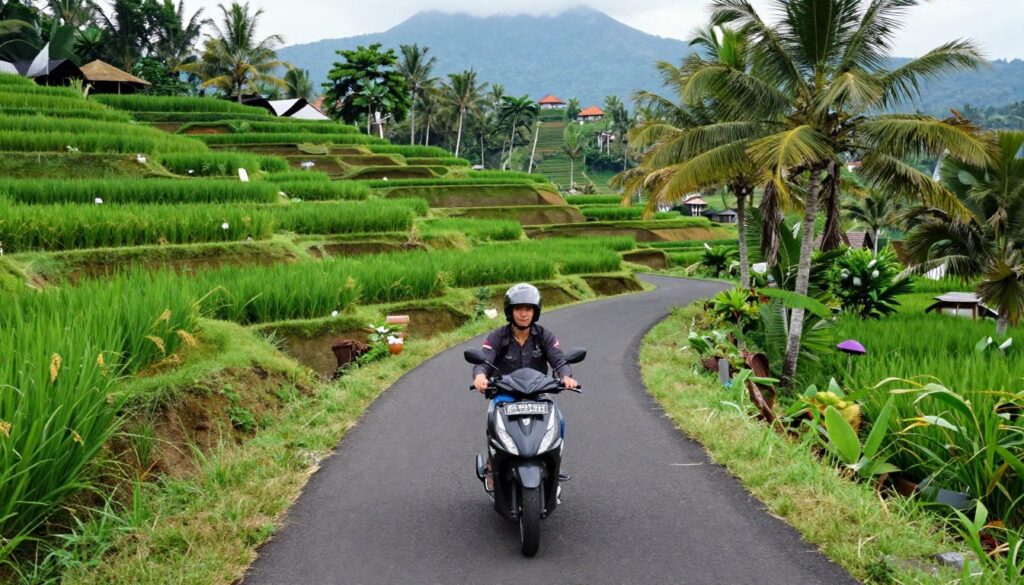
Scooters offer maximum flexibility and freedom. Daily rental costs 50,000-70,000 IDR. International driving permit required legally. Mountain roads challenge inexperienced riders. Parking at hidden spots stays easy. Weather exposure can be uncomfortable. Best for confident riders and solo travelers.
Private Driver
Hiring drivers provides comfort and local knowledge. Daily rates range 500,000-700,000 IDR. Drivers know routes and can make recommendations. Less flexible than independent travel. Best for families and groups. Negotiate multiple days for better rates. English-speaking drivers cost slightly more.
Car Rental
Self-drive cars offer independence with comfort. Daily costs 300,000-500,000 IDR. Air conditioning protects from heat. Parking can be challenging at remote spots. Navigation requires good maps or GPS. Best for couples and small groups. Consider road conditions before renting.
Organized Tours
Tours eliminate planning and navigation stress. Costs vary widely 400,000-1,500,000 IDR per person. Everything arranged including entrance fees. Less time at each location. Groups can feel rushed. Best for time-limited visitors. Private tours offer more flexibility than group tours.
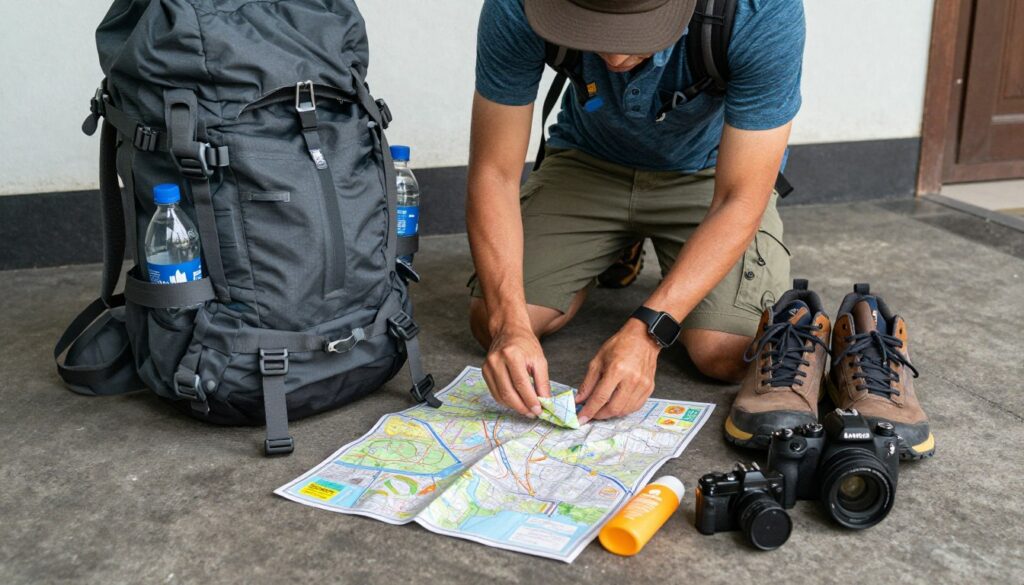
Essential Gear and What to Pack
Proper preparation enhances your hidden gem experiences. Different locations require specific items. This comprehensive packing list covers all scenarios. Adjust based on your planned activities.
Waterfall Adventures
- Quick-dry swimwear and towel
- Water shoes with good grip
- Waterproof phone case or dry bag
- Change of dry clothes
- Reef-safe sunscreen
- Insect repellent
- Small first-aid kit
Beach Exploration
- Snorkeling gear (if you have it)
- Beach umbrella or sun shelter
- Cooler with drinks and snacks
- Beach mat or towel
- Reef-safe sunscreen SPF 50+
- Hat and sunglasses
- Waterproof bag for valuables
Temple and Cultural Visits
- Sarong and sash (can rent on-site)
- Modest clothing covering shoulders and knees
- Cash for donations and offerings
- Respectful attitude and behavior
- Camera for respectful photography
- Comfortable walking shoes
- Small bag for personal items
Universal Essentials for All Hidden Gems
- 2-3 liters of water per person daily (more for active days)
- Portable power bank for devices
- Cash in small denominations (many places don’t accept cards)
- Offline maps downloaded to phone
- Emergency contact numbers saved
- Basic Bahasa Indonesia phrases written down
- Trash bag (leave no trace principle)
- Small padlock for securing belongings
Safety Considerations and Risk Management
Hidden gems present unique safety challenges. Remote locations mean limited emergency services. Prevention proves easier than dealing with problems. These guidelines minimize risks significantly.
Important Safety Reminders
Always inform someone of your daily plans and expected return time. Share locations with trusted contacts. Carry emergency contact numbers. Consider travel insurance that covers adventure activities. Many hidden spots have no mobile phone coverage. Plan accordingly and travel with companions when possible.
Safety Best Practices
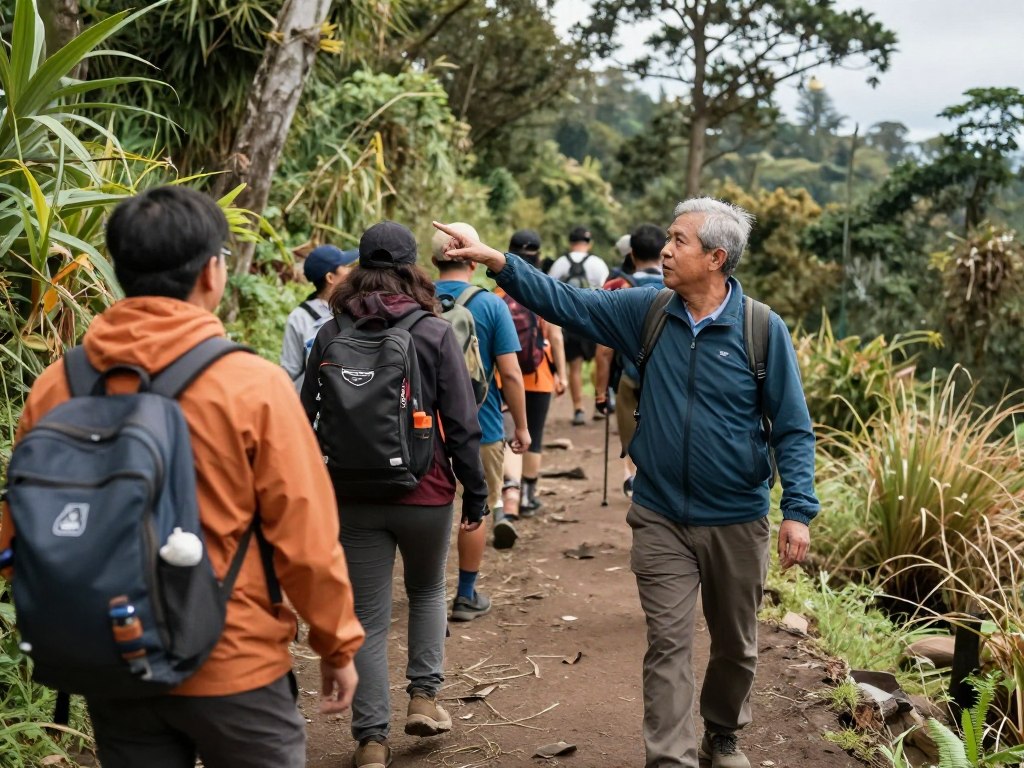
- Hire local guides for challenging treks
- Check weather forecasts before remote trips
- Start early to allow plenty of daylight
- Carry more water than you think necessary
- Wear proper footwear for terrain
- Respect your physical limitations honestly
- Follow local advice about currents and conditions
- Bring basic medical supplies
Common Mistakes to Avoid
- Attempting treks without proper preparation
- Swimming in areas with strong currents
- Ignoring weather warnings
- Traveling alone to very remote locations
- Underestimating heat and dehydration risks
- Wearing inappropriate footwear
- Leaving valuables unattended
- Disrespecting local customs and sacred sites
Budget Planning for Hidden Gem Exploration
Exploring hidden gems fits various budgets. Costs vary based on travel style. Understanding expenses helps planning significantly. These estimates reflect 2026 pricing expectations.
| Expense Category | Budget Range | Mid-Range | Luxury |
| Accommodation (per night) | 100,000 – 250,000 IDR | 350,000 – 800,000 IDR | 1,000,000+ IDR |
| Transportation (per day) | 50,000 – 150,000 IDR | 300,000 – 500,000 IDR | 700,000+ IDR |
| Food and Drinks (per day) | 100,000 – 200,000 IDR | 300,000 – 500,000 IDR | 600,000+ IDR |
| Entrance Fees (total for all 20) | 400,000 – 600,000 IDR | 600,000 – 900,000 IDR | 900,000+ IDR |
| Activities and Tours | 200,000 – 400,000 IDR | 500,000 – 1,000,000 IDR | 1,500,000+ IDR |
| Total Per Person (14 days) | 12,000,000 – 18,000,000 IDR | 25,000,000 – 40,000,000 IDR | 55,000,000+ IDR |
Budget travelers can explore all locations affordably. Mid-range budgets add comfort and convenience. Luxury options provide exceptional experiences. All budgets access the same natural beauty.
Respecting Local Culture and Environment
Hidden gems remain special because of community care. Visitors have responsibility to preserve them. These principles guide respectful exploration. Your actions impact future travelers’ experiences.
Leave No Trace Principles for Bali
Take all trash with you including organic waste. Don’t pick flowers or disturb wildlife. Stay on designated paths to prevent erosion. Use reef-safe sunscreen to protect marine life. Support local businesses and communities. Ask permission before photographing people. Respect temple rules and sacred sites. Minimize water usage in drought-prone areas.
Local communities often maintain hidden gems voluntarily. Small entrance fees support this maintenance. Pay willingly and tip guides generously. Your financial contribution helps preservation. It also creates sustainable livelihoods for locals.
Cultural sensitivity matters enormously in Bali. Temples remain active places of worship. Dress modestly and behave respectfully. Follow guidance from local people. Their customs deserve complete respect always.
Best Time to Visit Bali Hidden Gems: Seasonal Considerations for 2026
Timing significantly impacts your hidden gem experiences. Bali’s weather patterns follow predictable seasons. But each location has specific optimal periods. Understanding seasonality helps planning tremendously.
Dry Season Benefits (April through October 2026)
The dry season offers ideal conditions overall. Rainfall decreases significantly during these months. Roads to remote locations stay accessible. Outdoor activities proceed without weather interruptions.
Peak Dry Season (June-August 2026)
These months bring perfect weather conditions. Skies stay clear and blue daily. Waterfalls maintain good flow from earlier rains. Beach conditions remain excellent. But tourist numbers peak during this period. Popular hidden gems see more visitors. Accommodation prices rise significantly. Book everything well in advance.
Shoulder Season (April-May, September-October 2026)
Shoulder months offer the best overall value. Weather remains excellent with occasional showers. Tourist crowds stay manageable at most locations. Accommodation rates drop from peak levels. This period provides ideal balance. Nature stays lush from recent rains. Photography light appears spectacular. Local experiences feel more authentic.
Wet Season Opportunities (November 2026 through March 2027)
The wet season shouldn’t be dismissed entirely. Rain typically falls in afternoon bursts. Mornings often stay clear and beautiful. This season has unique advantages worth considering.
Wet Season Advantages
- Waterfalls flow at maximum volume and power
- Jungle vegetation appears most lush and vibrant
- Significantly fewer tourists at all locations
- Accommodation prices drop 30-50%
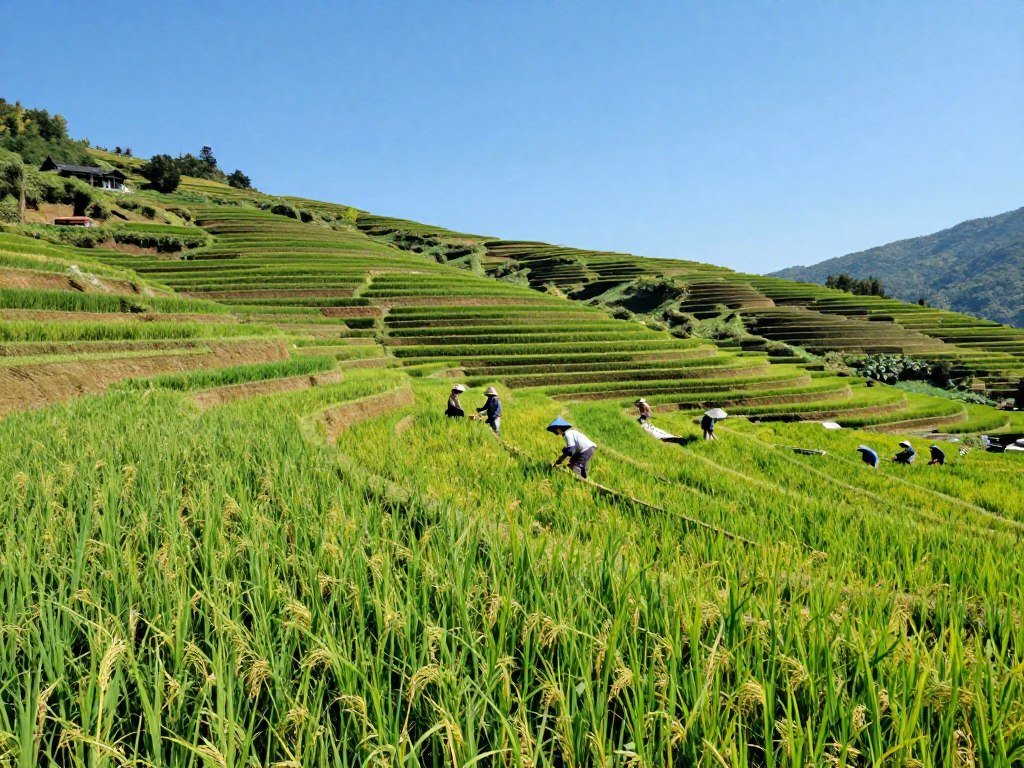
- Rice terraces show brilliant green colors
- Photography includes dramatic storm clouds
- Authentic local life more visible
- Cooler temperatures make trekking comfortable
Wet Season Challenges
- Afternoon rain disrupts outdoor plans regularly
- Some remote roads become difficult or impassable
- Beach conditions vary with storms
- Humidity levels increase significantly
- Diving visibility decreases at some sites
- Mosquitoes become more active
- Mold can affect belongings
- Some boat services reduce schedules
Location-Specific Best Times
Each hidden gem has optimal visiting windows. These recommendations maximize your experience at specific locations. Weather, crowds, and natural conditions all factor in.
| Location | Best Months | Reason | Avoid |
| Sekumpul Waterfall | December – March | Maximum water volume, dramatic flow | August – September (lowest flow) |
| Tukad Cepung Waterfall | March – May | Perfect sun angle for light beams | December – January (sun too low) |
| Menjangan Island | April – November | Best diving visibility, calm seas | January – February (rough seas) |
| Balian/Medewi Beaches | May – September | Consistent surf, offshore winds | December – February (onshore winds) |
| Lempuyang Temple | April – May, September – October | Clear views, fewer crowds | July – August (peak tourist season) |
| Rice Terraces | February – April | Bright green from new growth | August – October (harvest period, brown fields) |
| Nusa Penida Beaches | April – October | Calm seas, safe boat crossings | December – February (rough crossings) |
| Penglipuran Village | Year-round, avoid July – August | Cultural site unaffected by weather | Peak tourist months for authenticity |
2026 Special Events and Festivals
Bali’s cultural calendar affects travel experiences. Major festivals create unique opportunities. But they also bring crowds and higher prices. Plan around these events strategically.
Major Bali Events in 2026
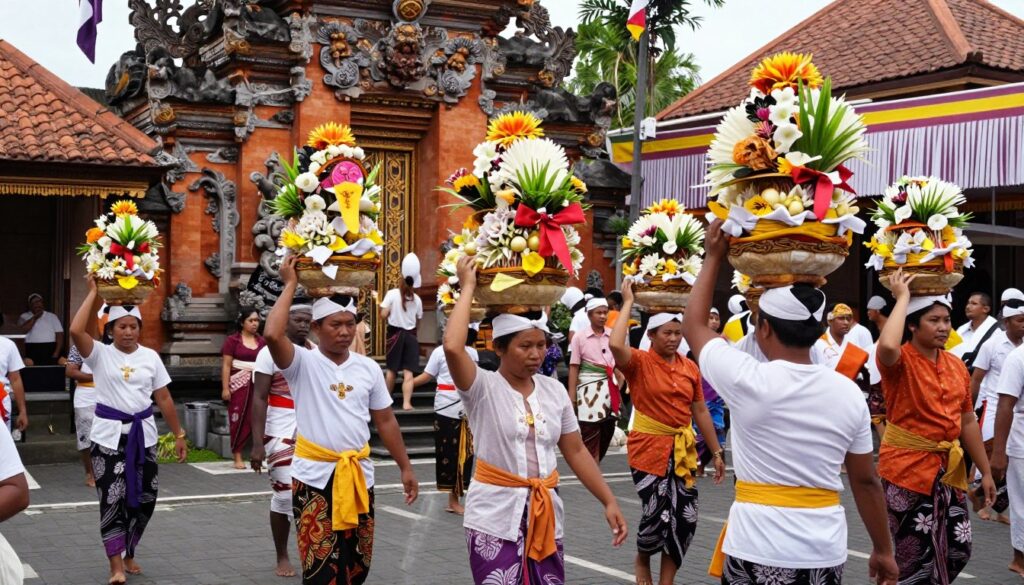
Nyepi (Balinese New Year): March 2026 – Complete island shutdown, unique cultural experience but no activities possible. Galungan Festival: April and October 2026 – Celebrating good over evil, villages decorated beautifully. Bali Arts Festival: June-July 2026 – Month-long cultural celebration in Denpasar. Independence Day: August 17, 2026 – Local celebrations throughout island.
Nyepi deserves special mention for travelers. This “Day of Silence” shuts down the entire island. No activities, travel, or even lights permitted. Hotels enforce quiet and darkness. It’s culturally fascinating but limits your trip. Plan around it unless experiencing Nyepi is your goal.
Where to Stay Near Bali Hidden Gems
Strategic accommodation placement saves travel time. Staying near hidden gem clusters maximizes exploration efficiency. These areas offer lodging from budget to luxury. Each region provides unique atmosphere and experiences.
North Bali Base: Munduk and Lovina
Munduk sits in the mountains near waterfall clusters. The village offers cool climate and stunning views. Coffee plantations surround the area. Accommodation ranges from homestays to boutique resorts.
Munduk Advantages
Central location for north waterfall exploration. Cool mountain climate provides relief from heat. Traditional village atmosphere feels authentic. Farm-to-table restaurants use local ingredients. Yoga retreats and wellness centers abound. Rice terrace views from most accommodations. Quiet environment perfect for relaxation. Easy access to Sekumpul and Banyumala waterfalls.
Lovina Benefits
Beachfront location with black sand. Dolphin watching tours available at dawn. More accommodation options across all budgets. Better restaurant variety than Munduk. Convenient for Aling-Aling waterfall. Diving and snorkeling opportunities nearby. Lively atmosphere with tourist services. Good base for West Bali National Park trips.
East Bali Accommodation: Candidasa and Amed
East Bali offers laid-back coastal vibes. Both towns provide beach access and cultural attractions. The pace stays slower than southern Bali. Diving and snorkeling remain popular activities.
Candidasa Coastal Stays
Candidasa provides easy access to East Bali hidden gems. The town offers beachfront resorts and budget guesthouses. Bias Tugal Beach lies just 15 minutes away. Taman Ujung Water Palace makes an easy day trip. The reef offshore offers decent snorkeling. Local restaurants serve fresh seafood daily. A relaxed atmosphere prevails without major crowds.
Amed Diving Village
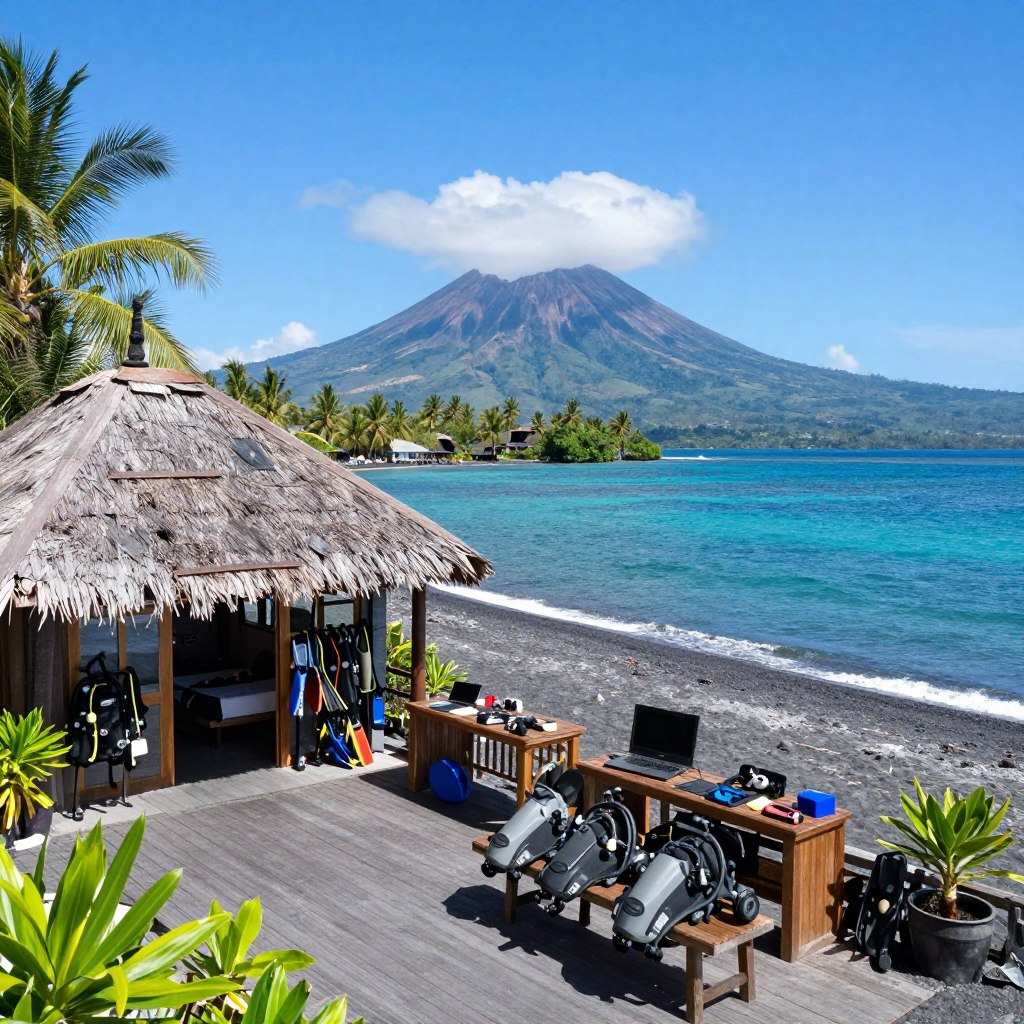
Amed attracts divers and snorkelers primarily. The black sand beaches create dramatic scenery. Mount Agung provides a stunning backdrop. Accommodation tends toward smaller guesthouses and dive resorts. Blue Lagoon Padang Bai sits within reach. Lempuyang Temple makes a morning excursion. The village maintains authentic fishing culture. Sunset views rank among Bali’s finest.
Luxury East Bali Villas
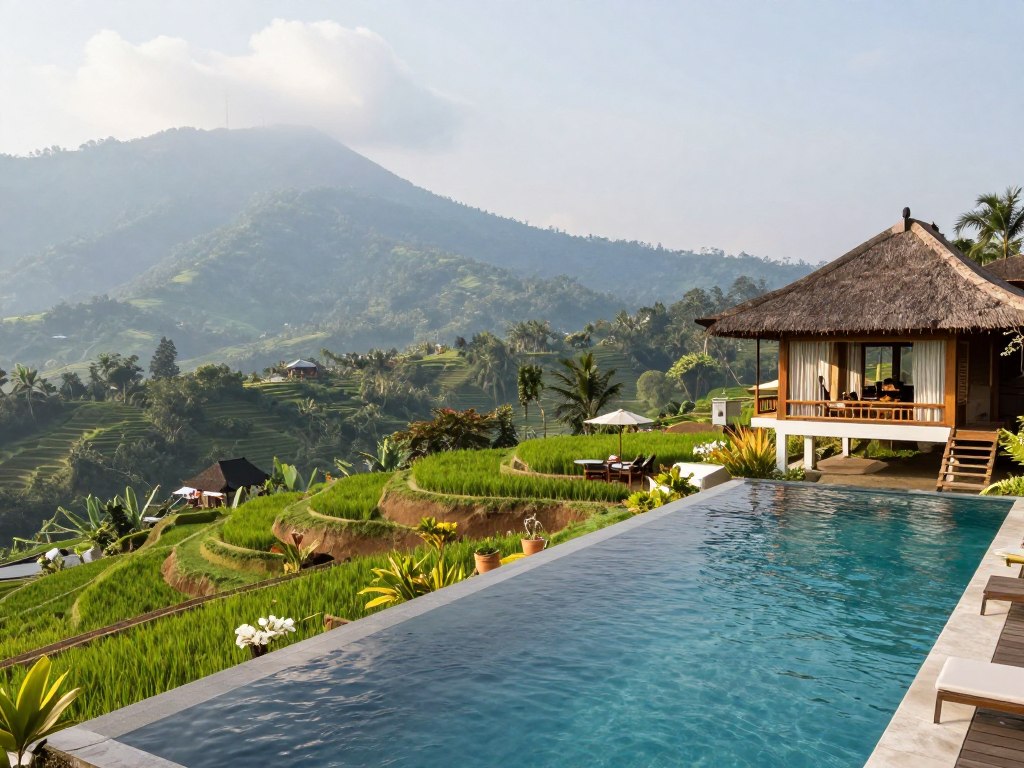
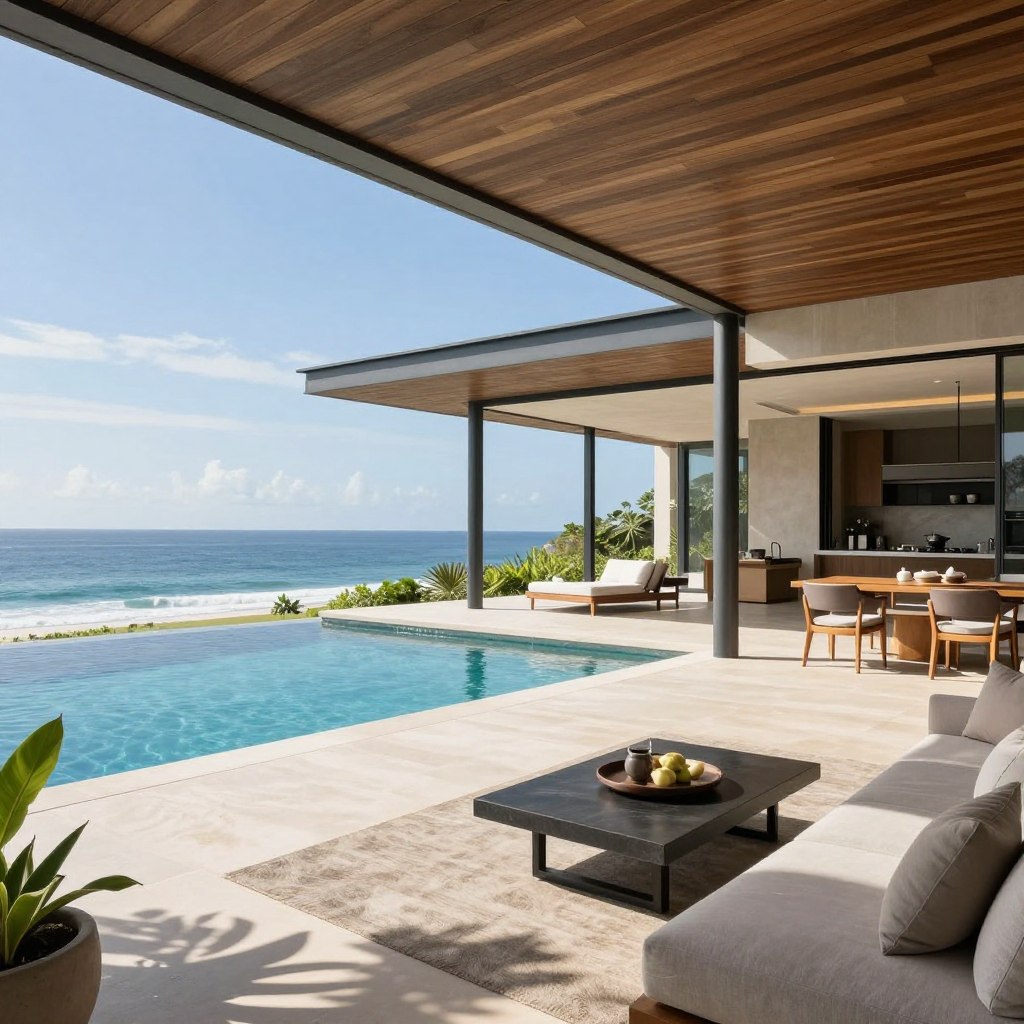
High-end villas dot the East Bali coastline. These properties offer complete privacy and luxury. Infinity pools overlook the ocean. Personal chefs prepare meals daily. Private drivers arrange hidden gem excursions. Perfect for groups or special occasions. The setting combines natural beauty with modern comfort. Exceptional service defines the experience.
Central Bali: Beyond Ubud Center
Ubud provides convenient access to central waterfalls. But staying outside the busy center offers advantages. Villages surrounding Ubud maintain quieter atmospheres. Prices drop significantly just kilometers away.
Best Villages Near Ubud for Hidden Gem Access
Tegalalang: Famous rice terraces, 20 minutes to Tukad Cepung. Kemenuh: Close to Kanto Lampo, affordable options. Apuan: Near Tibumana, very quiet and authentic. Bangli: Access to eastern waterfalls and Penglipuran village. Each offers unique character while maintaining Ubud proximity.
West Bali Bases: Pemuteran and Medewi
West Bali requires commitment due to distance. But the rewards include pristine nature and minimal crowds. Accommodation options suit adventure travelers and divers. The atmosphere stays authentically Balinese.
Pemuteran: Diving Hub
Pemuteran serves as the gateway to Menjangan Island. The village focuses heavily on diving tourism. Resorts range from budget to upscale. The beach features calm water and coral gardens. Bio-rock reef restoration projects operate here. The atmosphere stays relaxed and environmental conscious. West Bali National Park sits nearby. Morning boat trips to Menjangan depart from the beach.
Medewi Surf Camp Life
Medewi attracts long-term surf travelers. Accommodations tend toward surf camps and simple guesthouses. The vibe stays very laid-back. Yoga and surfing combine naturally here. The black pebble beach creates unique scenery. Local warungs serve healthy food. Community atmosphere encourages making friends. Perfect for those seeking escape from tourist Bali.
Island Accommodations: Nusa Penida and Nusa Lembongan
Island stays require different considerations. Infrastructure remains less developed than mainland. But the experiences justify any inconvenience. Staying overnight allows avoiding day-tripper crowds.
Nusa Penida Stays
- More rustic and adventurous overall
- Infrastructure still developing rapidly
- Power outages occur occasionally
- Remote location enhances escape feeling
- Budget guesthouses dominate options
- Minimum 2 nights recommended
- Scooter rental essential for exploration
Nusa Lembongan Options
- More developed than Nusa Penida
- Better restaurant and bar scene
- Reliable electricity and water
- Range from budget to boutique luxury
- Smaller size makes walking viable
- Can combine with Nusa Ceningan
- Day trip or overnight both work
Ready to Explore Bali’s Hidden Gems in 2026?
Start planning your unforgettable Bali adventure today. Our local experts can help you create the perfect itinerary, book accommodations near hidden gems, and arrange authentic experiences that go beyond typical tourist trails. From waterfall treks to secret beaches, we’ll help you discover the real Bali.
Or call our Bali travel experts: +62 361 123 4567
Photography Tips for Capturing Bali’s Hidden Gems
Hidden gems offer extraordinary photography opportunities. But challenging conditions test your skills. Understanding light, composition, and timing elevates your images. These tips help capture the magic you experience.
Waterfall Photography Techniques
Waterfalls present specific technical challenges. Moving water requires particular camera settings. Light conditions vary dramatically in jungle settings. These techniques produce professional results.
Essential Camera Settings
Use slow shutter speeds for silky water effect (1/4 to 2 seconds). Faster speeds (1/250+) freeze water droplets. Shoot in RAW format for maximum editing flexibility. Use lowest ISO possible (100-200). Aperture f/8 to f/16 ensures sharp foreground and background. Bracket exposures in high-contrast scenes. Manual mode gives complete control.
Equipment Recommendations
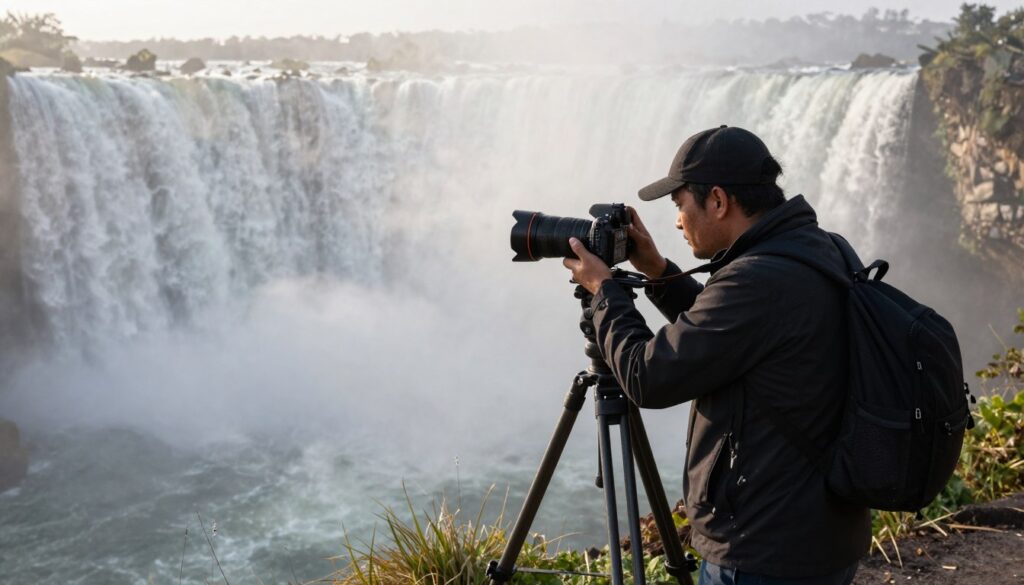
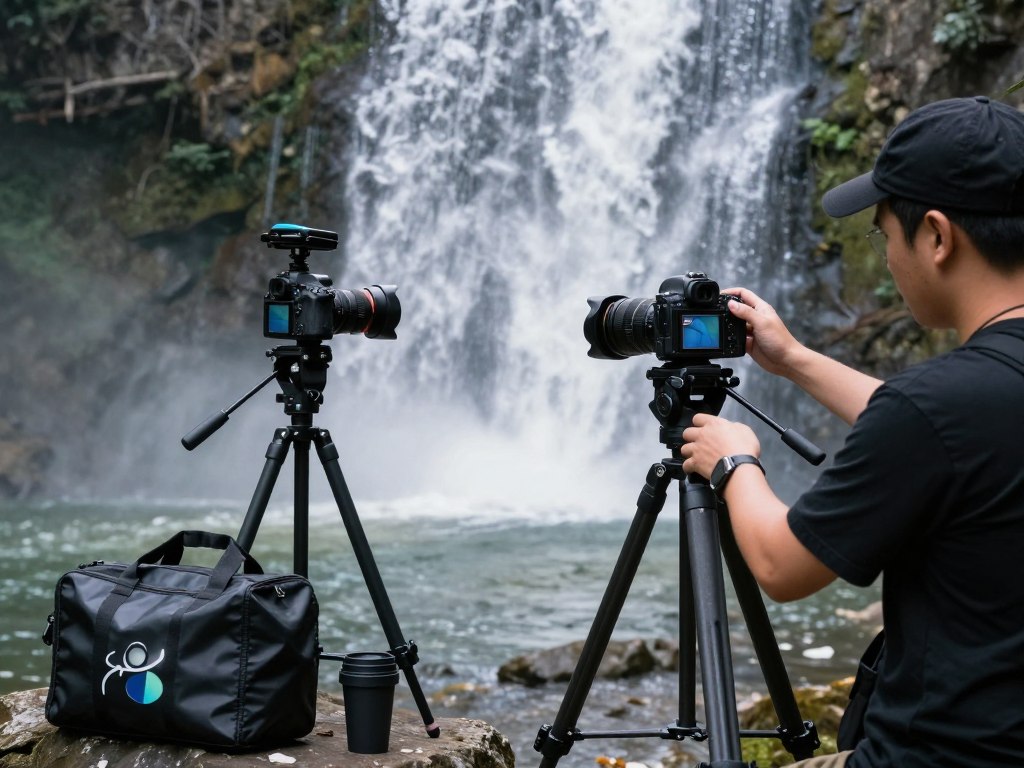
Tripod absolutely essential for long exposures. Neutral density filter reduces light for slower shutters in bright conditions. Polarizing filter reduces glare and enhances colors. Wide-angle lens (16-35mm) captures full scene. Waterproof camera bag protects gear from mist. Lens cloth for water spots. Remote shutter or timer prevents camera shake.
Best Times for Photography at Hidden Gems
Light quality changes dramatically throughout the day. Golden hour provides magical conditions. But each location has optimal timing. Plan your shooting schedule strategically.
| Time of Day | Light Quality | Best For | Challenges |
| Sunrise (5:30-7:00 AM) | Soft, warm, directional | Mountain views, temples, beaches facing east | Early wake-up required, locations may be locked |
| Morning (7:00-10:00 AM) | Clear, increasingly harsh | Waterfalls with canopy (Tukad Cepung light beams) | Crowds arrive, shadows become stronger |
| Midday (10:00 AM-2:00 PM) | Harsh, overhead, high contrast | Underwater photography, deep jungle waterfalls | Worst light for most scenes, harsh shadows |
| Afternoon (2:00-5:00 PM) | Softening, warming | Architecture, villages, rice terraces | Afternoon rain in wet season, fatigue |
| Golden Hour (5:00-6:30 PM) | Warm, soft, magical | Landscapes, beaches, portraits, temples | Short duration, locations may close, crowds at sunset spots |
| Blue Hour (6:30-7:15 PM) | Cool, even, atmospheric | Cityscapes, illuminated temples, long exposures | Very short window, requires tripod, limited at remote locations |
Composition Tips for Jungle and Waterfall Scenes
Great composition separates memorable photos from snapshots. These principles apply specifically to Bali’s hidden gems. Practice these techniques to improve your images dramatically.
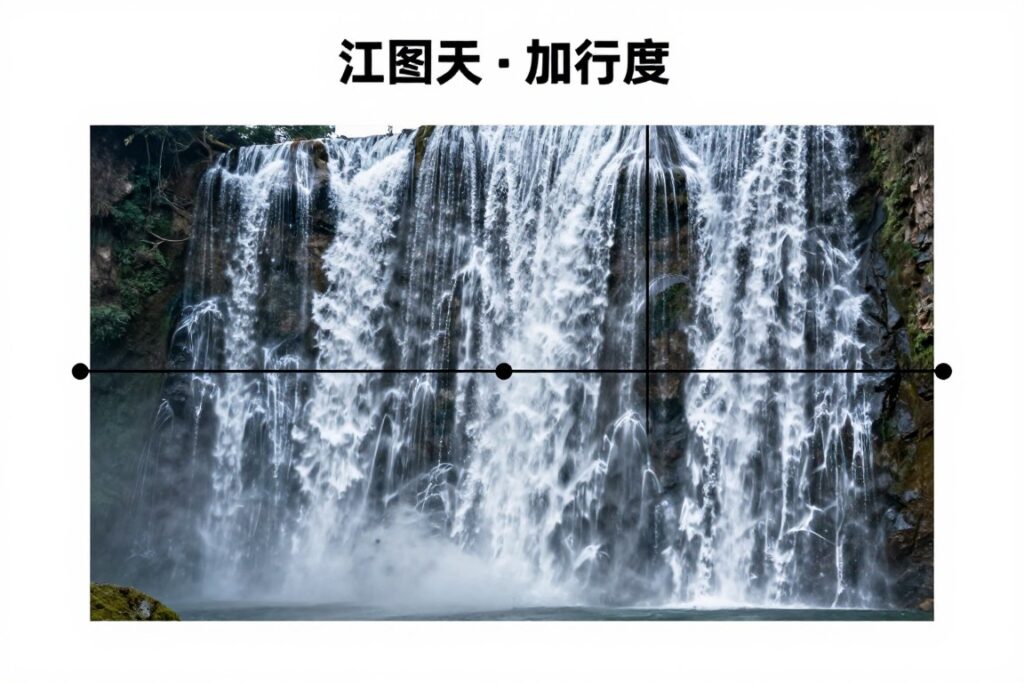
Rule of Thirds
Place waterfalls or main subjects at intersecting points. Avoid centering everything. Use camera grid overlay for guidance. Creates more dynamic compositions than centered subjects.
- Position horizon on top or bottom third
- Place main waterfall on left or right third
- Leave negative space for visual breathing room
- Balance elements across the frame
Leading Lines
Use natural elements to guide viewer’s eye. Rivers, paths, and vines create visual flow. Lead toward main subject or through scene. Adds depth and movement to images.
- Streams leading to waterfalls
- Stone steps descending to beaches
- Tree branches framing scenes
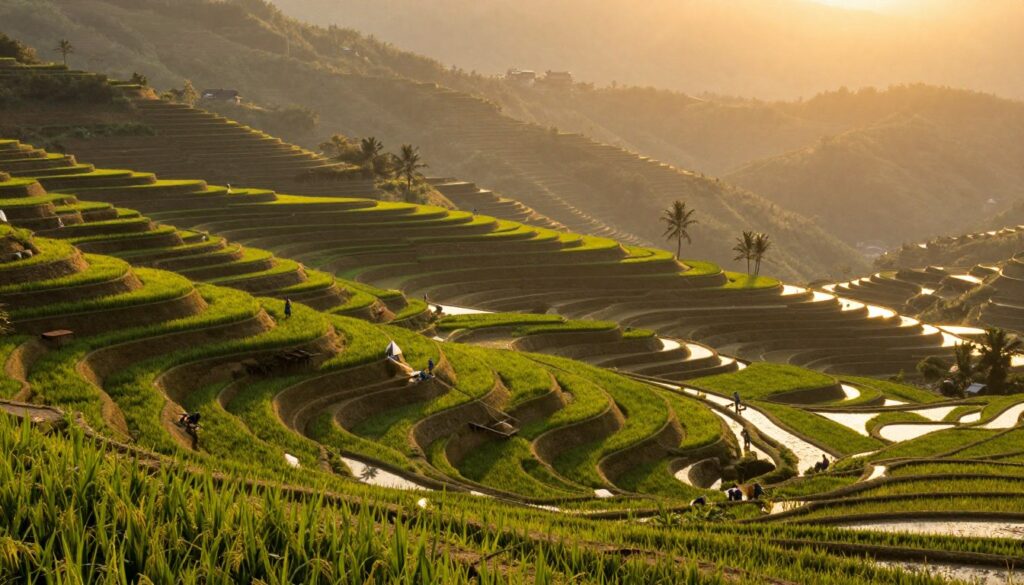
- Rice terrace lines creating patterns
Foreground Interest
Include elements in foreground for depth. Rocks, flowers, or water create layers. Adds three-dimensionality to flat images. Makes viewers feel present in the scene.
- Rocks in waterfall pools
- Tropical flowers as frame elements
- Fallen leaves on jungle paths
- Traditional offerings at temples
Scale Reference
Include people for size perspective. Shows the grandeur of waterfalls and cliffs. Helps viewers understand actual scale. Creates more impactful images.
- Small figure under massive waterfall
- Person on clifftop viewpoint
- Hiker on jungle trail
- Swimmer in natural pool
Smartphone Photography for Hidden Gems
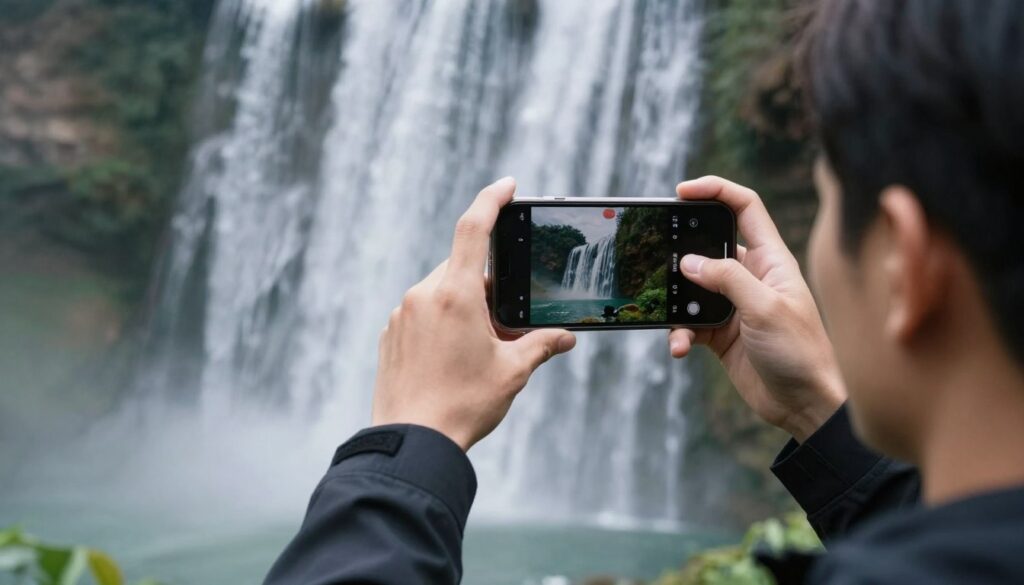
Modern smartphones capture stunning images in capable hands. You don’t need expensive equipment for great photos. Understanding your phone’s capabilities matters most. These tips maximize smartphone results.
Smartphone Advantages
- Always with you for spontaneous shots
- Built-in editing apps for quick enhancement
- HDR mode handles high-contrast scenes
- Panorama mode captures wide waterfalls
- Portrait mode creates depth effects
- Instant sharing on social media
- Waterproof cases widely available
- Lightweight compared to DSLR gear
Smartphone Limitations
- Limited low-light performance
- Cannot achieve long exposure effects naturally
- Zoom quality inferior to optical lenses
- Less control over manual settings
- Smaller sensor affects image quality
- Battery drains quickly with heavy use
- Screen visibility poor in bright sunlight
- Difficult to capture fast-moving subjects
Essential Smartphone Photography Apps
ProCamera or Halide: Manual controls for serious photography. Snapseed: Powerful free editing app. VSCO: Filters and community inspiration. Slow Shutter Cam: Creates long exposure water effects. Lightroom Mobile: Professional editing on phone. Download these before your trip for offline use.
Protecting Your Gear in Challenging Conditions
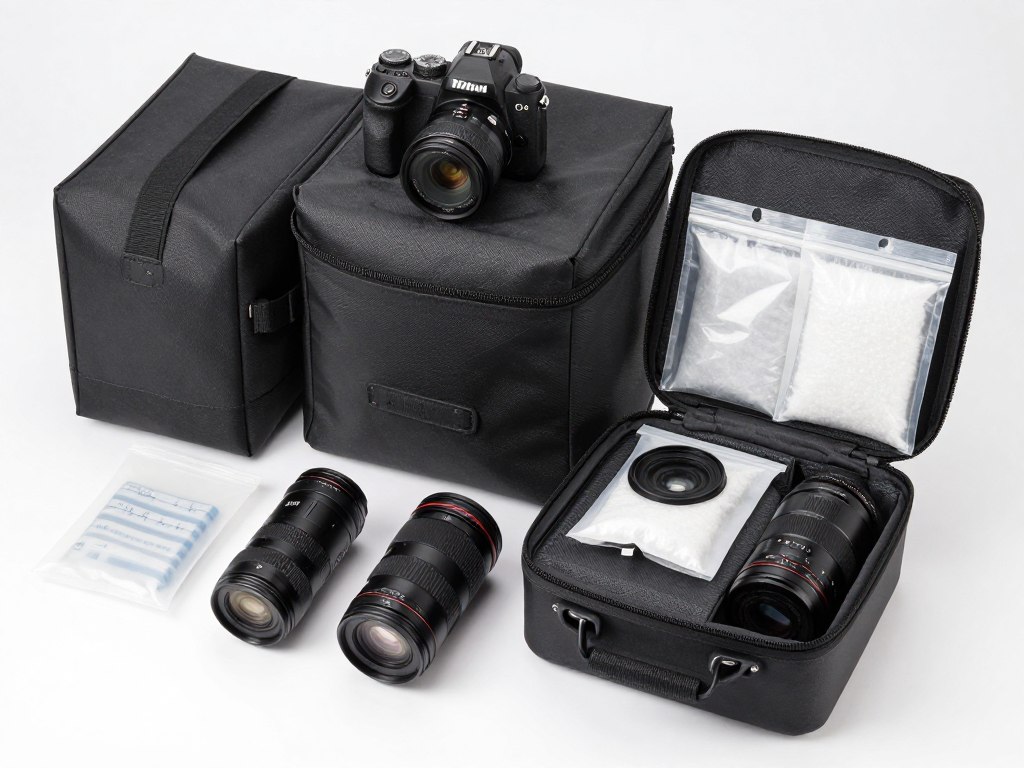
Bali’s hidden gems test photography equipment. Humidity, water, and dirt threaten your gear. Proper protection prevents costly damage. These precautions keep everything functioning.
- Store camera and lenses in dry box with silica gel packets between uses
- Use rain covers even in light drizzle – moisture accumulates quickly
- Bring multiple microfiber cloths for constant wiping
- Change lenses in protected areas away from waterfalls and beaches
- Keep backup batteries dry and charged – humidity drains them faster
- Use UV filters to protect front lens elements from splashes
- Waterproof dry bags essential for water-based activities
- Clean all equipment thoroughly each evening to prevent mold
Combining Hidden Gems with Popular Bali Attractions
Hidden gems complement mainstream Bali experiences. You don’t need to choose between them. Smart itinerary planning incorporates both effectively. This creates well-rounded trip experiences.
Popular Bali Experiences Worth Including
Some mainstream attractions deserve their fame. They showcase Bali’s iconic beauty and culture. Combining these with hidden gems creates comprehensive experiences. Balance adventure with classic highlights.
Tegalalang Rice Terraces
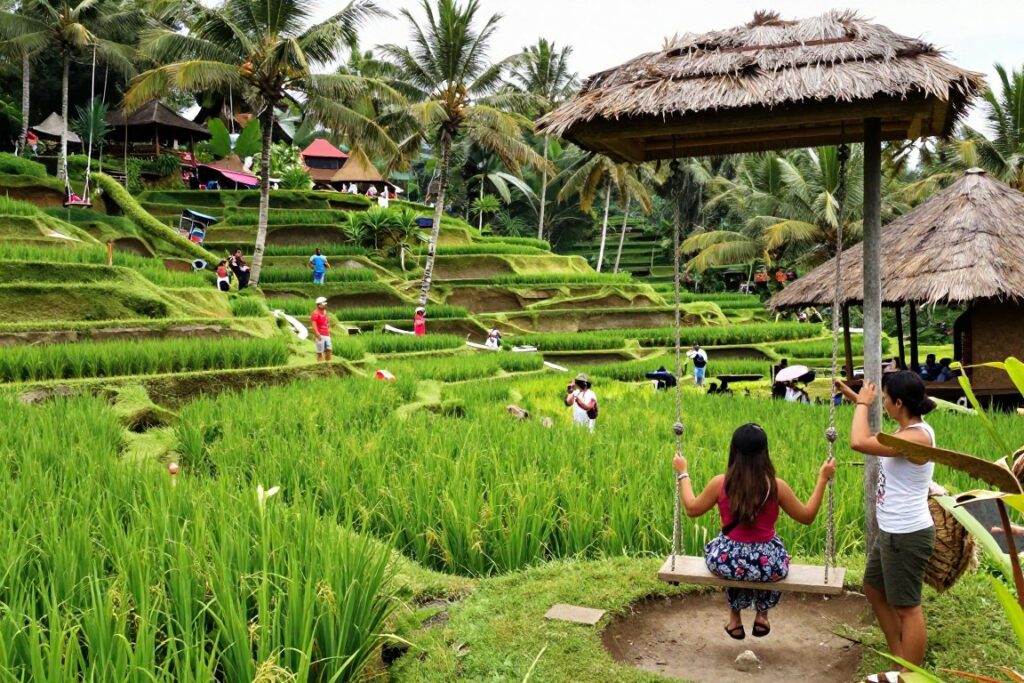
The famous rice terraces near Ubud showcase Bali’s agricultural artistry. While touristy, they’re genuinely beautiful and photographed for good reason. Visit early morning before crowds arrive. The surrounding area includes several hidden waterfalls featured in this guide. Combine with Tibumana or Kanto Lampo for a perfect day mixing famous and secret spots.
Tanah Lot Temple
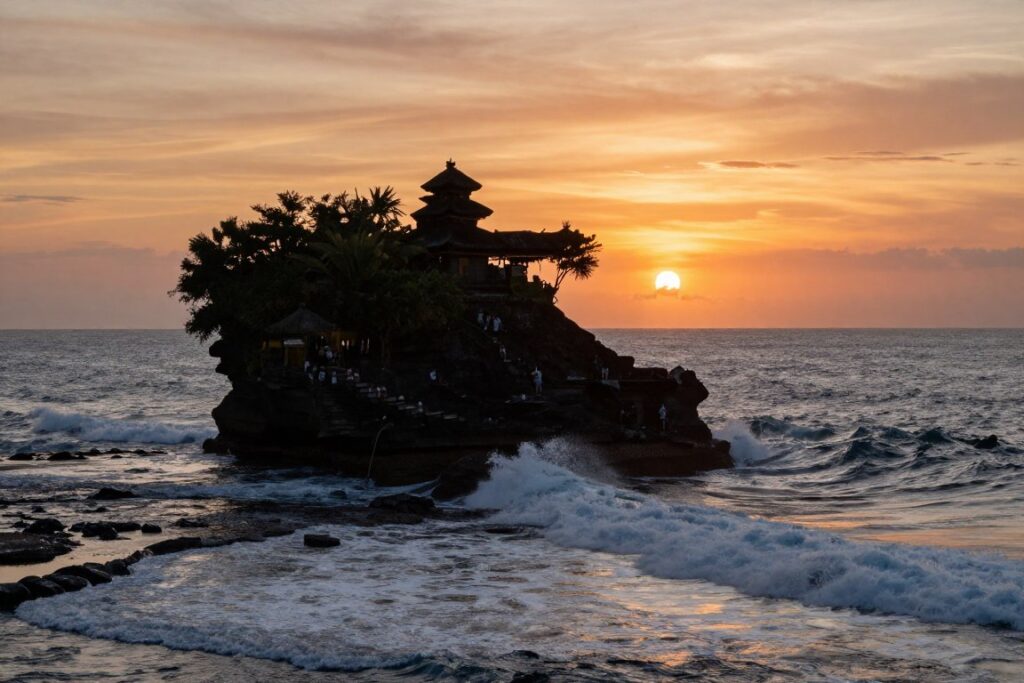
This iconic sea temple ranks among Bali’s most photographed sites. Sunset visits create magical moments despite crowds. The location sits on the route to West Bali hidden gems. Combine your visit with Balian or Medewi beaches. The temple demonstrates Balinese Hindu architecture beautifully. Surrounding cliffs offer excellent photography vantage points.
Ubud Monkey Forest
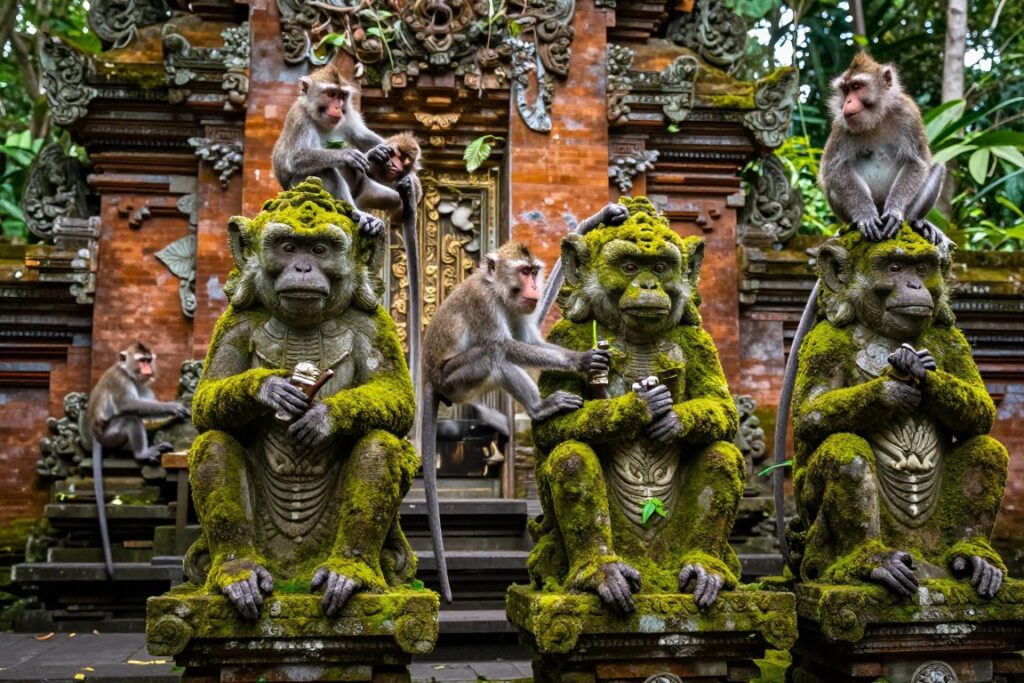
The sacred monkey forest provides wildlife encounters in town center. Over 700 monkeys inhabit the sanctuary. Ancient temples hide within the jungle setting. While popular, it offers genuine cultural and natural value. Visit early or late to avoid peak crowds. Combine easily with central Bali hidden waterfalls. The forest takes only 1-2 hours to explore.
Sample Itineraries Mixing Hidden and Popular
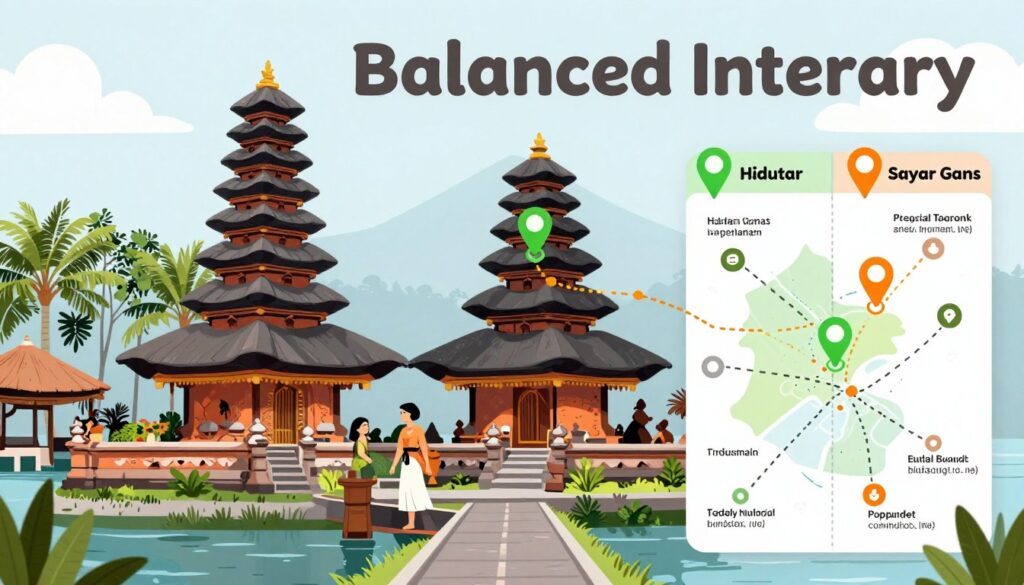
These balanced itineraries combine the best of both worlds. They showcase Bali’s diversity while avoiding tourist saturation. Each day mixes adventure with accessibility. Adjust timing based on your pace preferences.
5-Day Balanced Bali Experience
- Day 1: Arrive Denpasar, settle in Ubud, Monkey Forest afternoon visit
- Day 2: Morning Tegalalang Rice Terraces, afternoon Tukad Cepung Waterfall, evening Ubud markets
- Day 3: Sunrise at Mount Batur, afternoon Tibumana and Kanto Lampo waterfalls
- Day 4: Full day Nusa Penida (Kelingking + Atuh Beach), stay overnight on island
- Day 5: Morning Nusa Penida hidden spots, afternoon return and departure
This itinerary hits major highlights while including several hidden gems. It suits first-time visitors wanting diverse experiences without excessive rushing.
10-Day Comprehensive Journey
- Days 1-2: Ubud area (popular sites + central hidden waterfalls)
- Days 3-4: North Bali (Lovina dolphins + waterfall circuit)
- Days 5-6: East Bali (Lempuyang Temple + coastal hidden beaches)
- Days 7-8: Nusa Penida and Nusa Lembongan (mix famous and secret spots)
- Days 9-10: West Bali (Tanah Lot + Menjangan Island diving)
This extended journey allows deeper exploration. You’ll experience popular attractions without them dominating your trip. Each region gets proper attention for comprehensive understanding.
Avoiding Over-Tourism While Visiting Popular Sites
Popular attractions need not mean terrible crowds. Strategic timing and approaches minimize frustrations. These tactics help you enjoy famous spots more peacefully. Apply these principles to any crowded location.
Crowd-Beating Strategies
- Arrive when gates open (usually 6-7 AM)
- Visit during weekdays not weekends
- Avoid Indonesian public holidays
- Book private tours for flexible timing
- Visit famous spots during low season
- Use alternative viewpoints and angles
- Stay late when day-trippers leave
- Accept some crowds at truly famous sites
What Doesn’t Work
- Hoping crowds will magically disappear
- Arriving mid-morning to famous sites
- Weekend visits to popular attractions
- Following Instagram posting times
- Large group tours to small locations
- July-August visits expecting solitude
- Unrealistic expectations of empty sites
- Complaining instead of adapting
Hidden Gems Approach
- Research lesser-known alternatives
- Ask locals about secret viewpoints
- Walk further than others willing to go
- Explore areas beyond main attractions
- Return to places at different times
- Discover hidden corners of popular sites
- Value quiet moments over perfect photos
- Support less-visited cultural sites equally
Start Your Bali Hidden Gems Adventure in 2026
Bali’s hidden gems await your discovery. These 20 locations showcase the island’s authentic beauty. They offer experiences beyond typical tourist trails. Your journey through secret Bali begins with proper planning.
This comprehensive guide provides everything you need. Detailed directions ensure you find each location. Practical tips prepare you for challenges. Seasonal information optimizes your timing. Accommodation recommendations position you strategically.
The hidden gems of Bali reward those who venture beyond the obvious. You’ll swim in pristine waterfalls few discover. You’ll walk empty beaches of stunning beauty. You’ll witness traditional village life continuing authentically. These experiences create lasting memories and stories.
Essential Takeaways
- Plan your route by region to minimize driving time between locations
- Visit during shoulder seasons (April-May, September-October) for best balance
- Start early each day to beat crowds and maximize experiences
- Hire local guides for challenging treks and cultural insights
- Respect local communities and environment – preserve these gems for future visitors
- Allow flexibility in your itinerary for spontaneous discoveries
- Combine hidden gems with some popular attractions for comprehensive Bali experience
- Download offline maps and save this guide for reference during your trip
Before You Go Checklist
- Download complete hidden gems map with GPS coordinates
- Book accommodations in strategic locations near gem clusters
- Arrange transportation (scooter rental or private driver)
- Purchase travel insurance covering adventure activities
- Pack proper gear including waterproof bags and good footwear
- Learn basic Bahasa Indonesia phrases for better connections
- Research current entrance fees and opening hours
- Check weather forecasts and seasonal conditions for your dates
Your 2026 Bali adventure can transcend typical tourist experiences. These hidden gems offer that opportunity. They reveal Bali’s soul beyond the Instagram highlights. The memories you create here will outlast any from crowded attractions.
The island continues to evolve and change. Some hidden gems may become more popular. Others will remain secret through geographical challenges. Your visit in 2026 captures Bali at a special moment. These locations offer authentic experiences increasingly rare in modern travel.
Respect for local culture and environment ensures these gems endure. Your responsible travel practices make a difference. Support local communities through your spending choices. Follow leave-no-trace principles rigorously. Share your experiences to inspire others while protecting precise locations from over-tourism.
Your Bali Hidden Gems Journey Starts Now
Don’t let your 2026 Bali trip be just another tourist experience. These 20 hidden gems await your discovery. Download our complete guide with detailed maps, exclusive tips, and insider recommendations. Join thousands of adventurous travelers who’ve already discovered the real Bali beyond the crowds.
Questions about visiting these hidden gems? Our Bali experts are ready to help:
Available daily 8 AM – 8 PM Bali time | WhatsApp consultations available
The adventure of a lifetime awaits in Bali’s hidden corners. These secret waterfalls, remote beaches, and forgotten temples offer experiences that define meaningful travel. Your journey through authentic Bali creates stories you’ll share for years.
Start planning today. The hidden gems of Bali won’t stay secret forever. Your 2026 visit captures them at their most pristine. Make it an adventure beyond the ordinary. Discover the Bali that exists beyond Instagram feeds and tour bus routes.
Safe travels, and may your hidden gem discoveries exceed your highest expectations.