

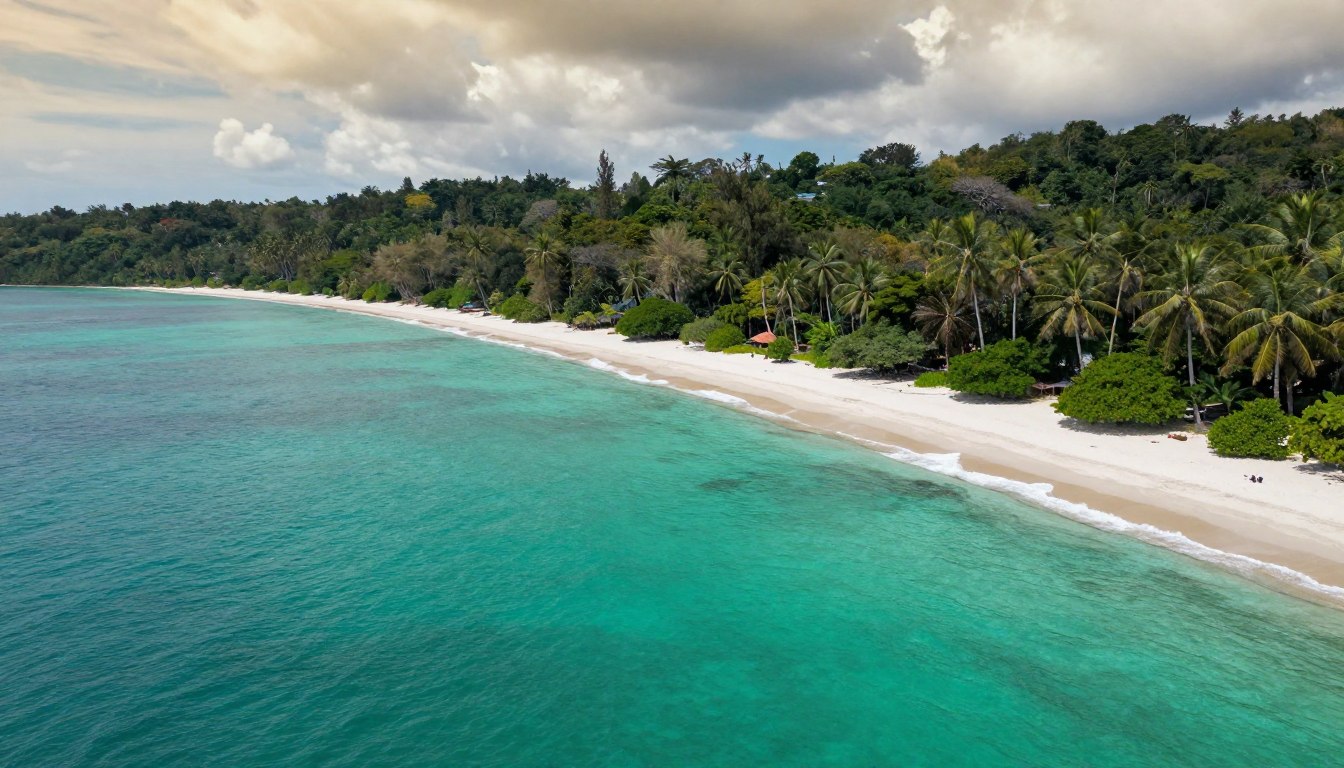
Sabah stands as one of Southeast Asia’s most remarkable destinations. Located on the northern tip of Borneo, this Malaysian state offers an extraordinary blend of biodiversity, cultural richness, and natural wonders that few places on Earth can match.
This comprehensive Sabah travel guide will walk you through everything you need for an unforgettable 2026 trip. From scaling Mount Kinabalu to swimming with sea turtles, from encountering orangutans to exploring vibrant coral reefs, Sabah promises experiences that will stay with you forever.
Whether you’re planning a week-long adventure or an extended exploration, this guide covers all essential information. You’ll discover the best destinations, practical travel tips, accommodation options, and insider knowledge to make your Sabah journey truly exceptional.
Why Sabah Should Be Your Next Travel Destination
Sabah offers something truly special for every type of traveler. The world’s third-largest island hosts one of the oldest rainforests on the planet, teeming with life found nowhere else.
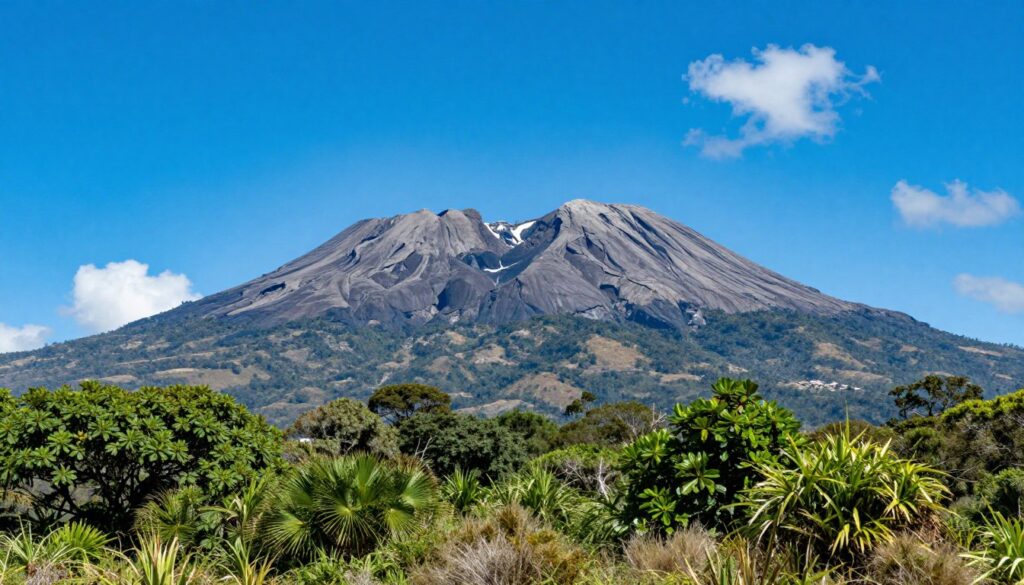
The state is home to Mount Kinabalu, Southeast Asia’s highest peak and a UNESCO World Heritage Site. Adventure seekers can challenge themselves with this iconic climb while nature lovers explore valleys filled with unique flora and fauna.
Incredible Wildlife
Sabah provides unmatched opportunities to see endangered species in their natural habitat.
- Orangutans swinging through forest canopies
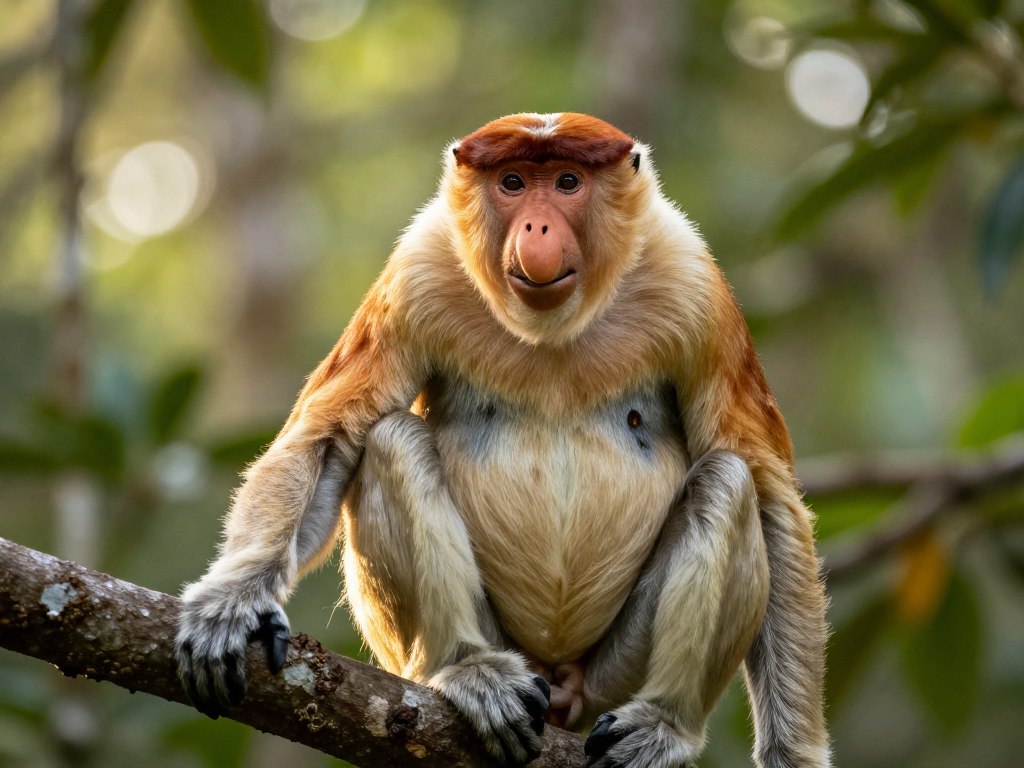
- Proboscis monkeys along riverside trees
- Pygmy elephants crossing jungle paths
- Sun bears foraging in conservation centers
World-Class Diving
The islands surrounding Sabah offer some of the planet’s most spectacular underwater experiences.
- Sipadan Island’s incredible marine biodiversity
- Vibrant coral gardens at Mabul Island
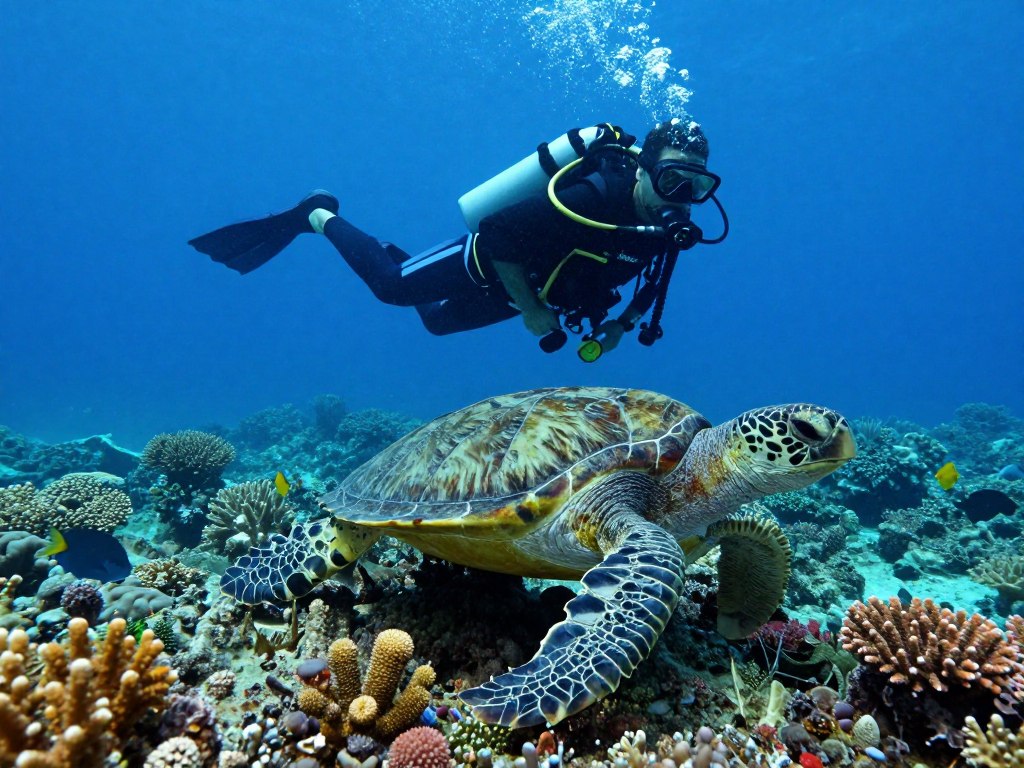
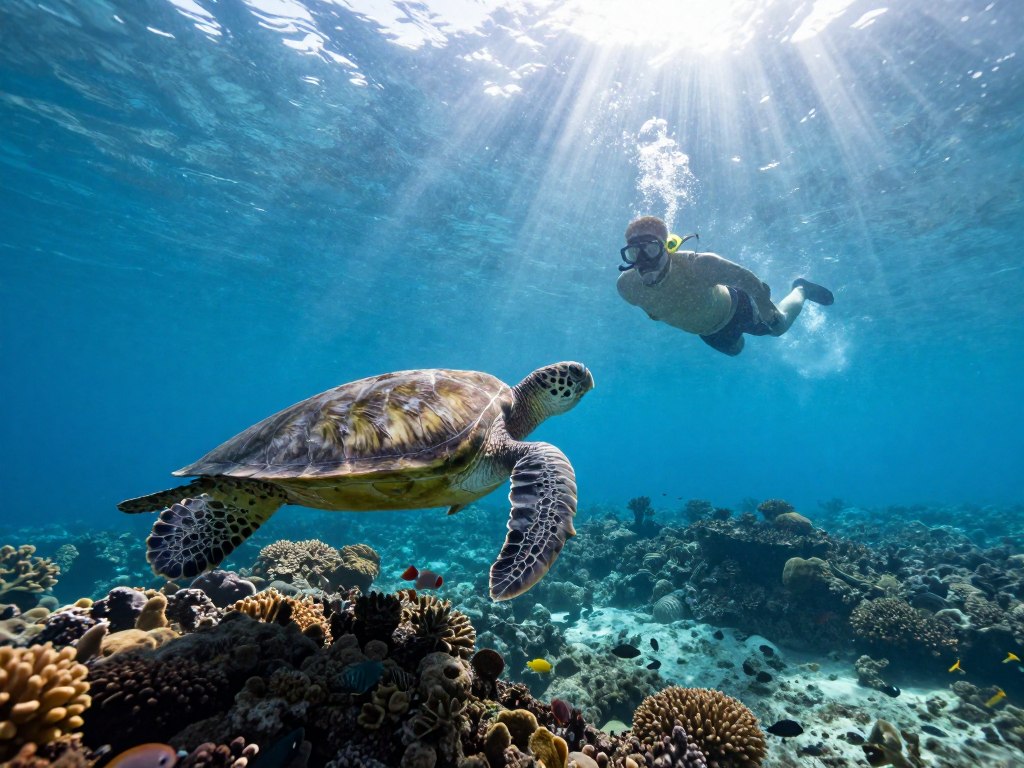
- Sea turtle encounters in crystal waters
- Unique macro life for underwater photography
Rich Cultural Heritage
Over 30 indigenous ethnic groups call Sabah home, each with unique traditions and customs.
- Traditional longhouse stays
- Local handicraft markets
- Cultural festivals throughout the year
- Authentic local cuisine experiences
Pristine Natural Beauty
From mountains to beaches, Sabah’s landscapes are breathtaking and remarkably preserved.
- Ancient rainforest ecosystems
- Secluded tropical islands
- Dramatic mountain vistas
- Untouched beaches and mangroves
Start Planning Your Sabah Adventure
Get our free comprehensive Sabah planning checklist with packing tips, budget breakdowns, and day-by-day itinerary suggestions for 2026.
Best Time to Visit Sabah in 2026
Timing your visit correctly can make a significant difference to your Sabah experience. The state has a tropical climate with distinct wet and dry seasons that affect different activities.
Dry Season (March to October)
The dry season represents the most popular time to visit Sabah. This period offers the best weather conditions for most outdoor activities and wildlife viewing.
March through May brings less rainfall and pleasant temperatures. The rainforest comes alive with blooming flowers and active wildlife. This period is excellent for Mount Kinabalu treks as trails remain drier and safer.
June to August marks peak tourist season. Accommodation prices increase and popular sites become crowded. However, the weather stays consistently good with minimal rain and calm seas perfect for island hopping.
September and October offer a sweet spot for savvy travelers. Tourist numbers decrease while weather remains favorable. You’ll find better rates and fewer crowds at major attractions.
Wet Season (November to February)
The wet season shouldn’t be dismissed entirely. Rain typically comes in short afternoon bursts rather than all-day downpours. Mornings often stay clear and beautiful.
This period offers advantages for budget travelers. Hotels and tour operators reduce prices significantly. The rainforest becomes incredibly lush and vibrant. Wildlife viewing can actually improve as animals gather around water sources.
Activity-Specific Timing
Different activities have optimal windows throughout the year. Diving at Sipadan and surrounding islands works best from April to December when visibility reaches its peak.
Mount Kinabalu climbing suits the dry season months. February through April and July through September provide the clearest summit views and safest trail conditions.
Wildlife watching along the Kinabatangan River remains excellent year-round. However, drier months concentrate animals around the river, making sightings more reliable.
Book Your 2026 Sabah Tours Now
Secure the best dates and early booking discounts for Mount Kinabalu treks, wildlife river cruises, and island diving packages. Limited slots available for peak season.
Expert Sabah Trip Planning
Get personalized itinerary assistance from local Sabah travel specialists. Free consultation to match your interests, budget, and travel dates with perfect experiences.
Sabah Accommodation Deals
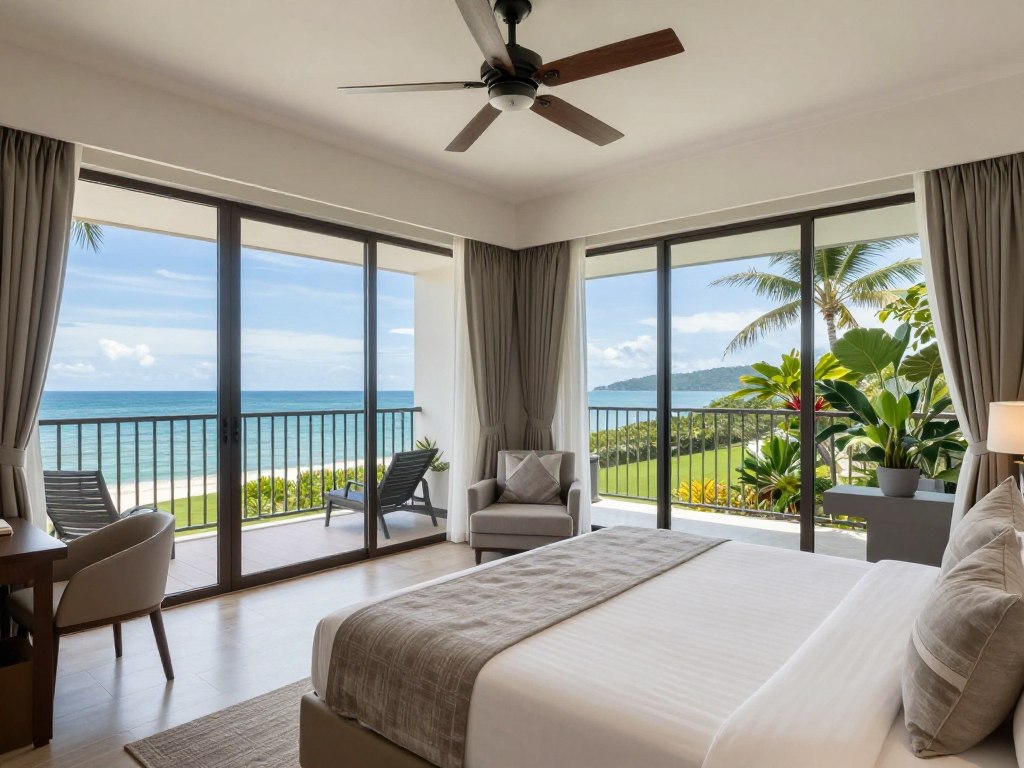
Compare prices across hundreds of hotels, resorts, and lodges throughout Sabah. Book directly with best price guarantees and flexible cancellation for 2026 trips.
Kota Kinabalu: Gateway to Sabah Adventures
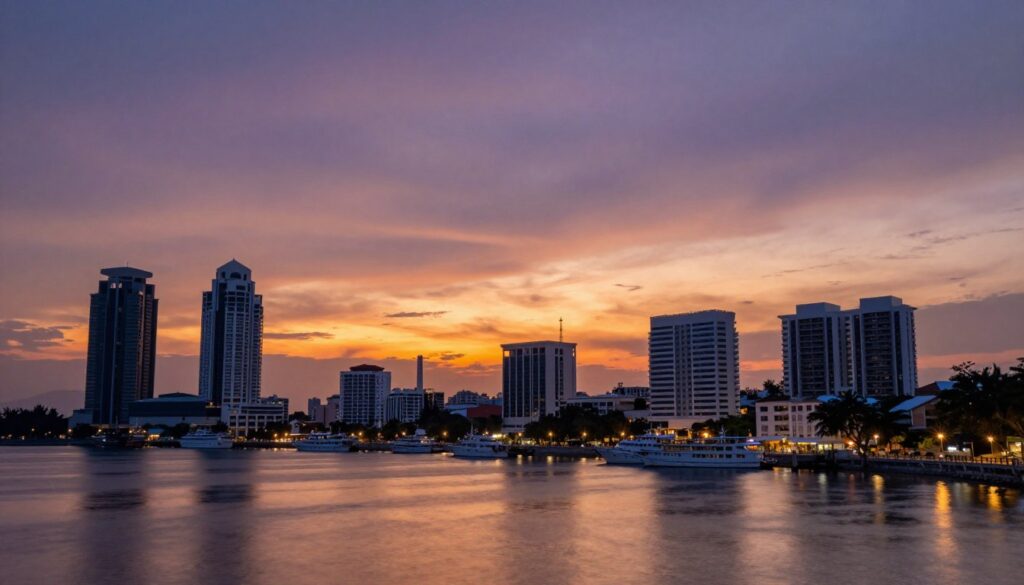
Kota Kinabalu, affectionately known as KK, serves as Sabah’s vibrant capital city and primary entry point for most travelers. This coastal city combines urban conveniences with easy access to natural wonders.
The city sits along the South China Sea, offering stunning sunset views that have become legendary among visitors. The waterfront comes alive each evening as locals and tourists gather to watch the sky transform into brilliant shades of orange, pink, and purple.
Top Attractions in Kota Kinabalu
The city center provides plenty to explore. The iconic Kota Kinabalu City Mosque, also called the Floating Mosque, appears to float on water during high tide. Its blue and white architecture creates a striking landmark visible across the city.
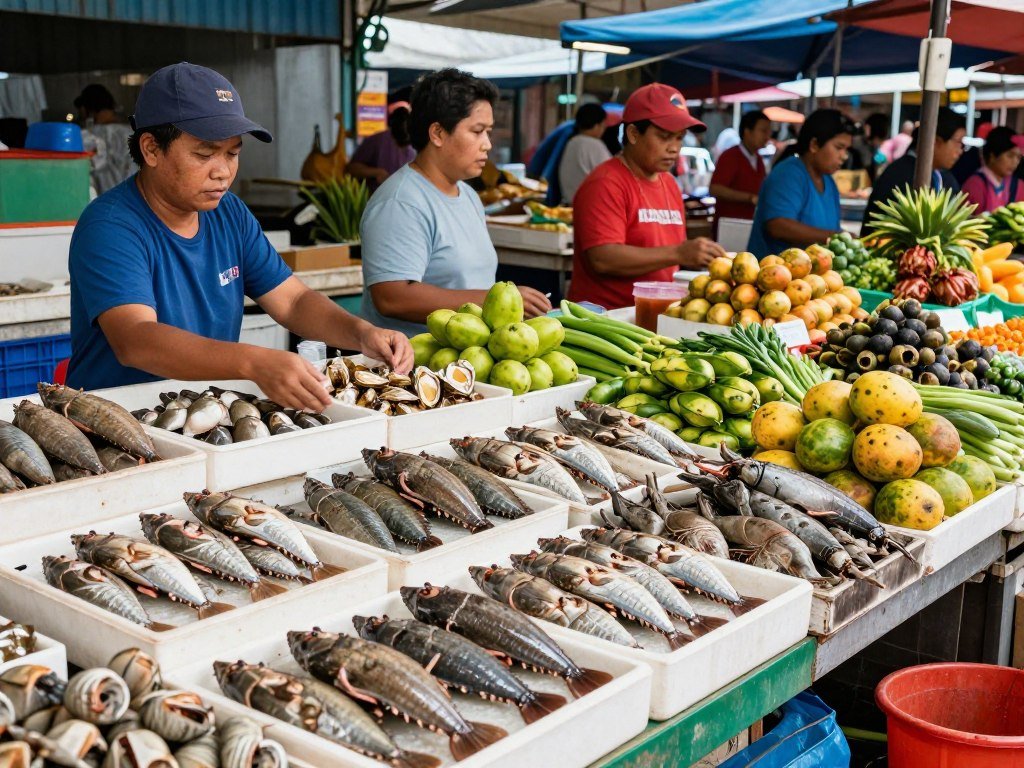
The Filipino Market offers an authentic local experience. This bustling waterfront market sells fresh seafood, tropical fruits, handicrafts, and local specialties. Arrive early for the best selection and most vibrant atmosphere.
Signal Hill Observatory provides panoramic views across Kota Kinabalu and surrounding islands. A short hike or drive up the hill rewards you with breathtaking vistas, especially during sunset hours.
Islands Near Kota Kinabalu
Tunku Abdul Rahman Marine Park consists of five islands just off the coast. These islands offer excellent snorkeling, diving, and beach relaxation within a 20-minute boat ride from the city.
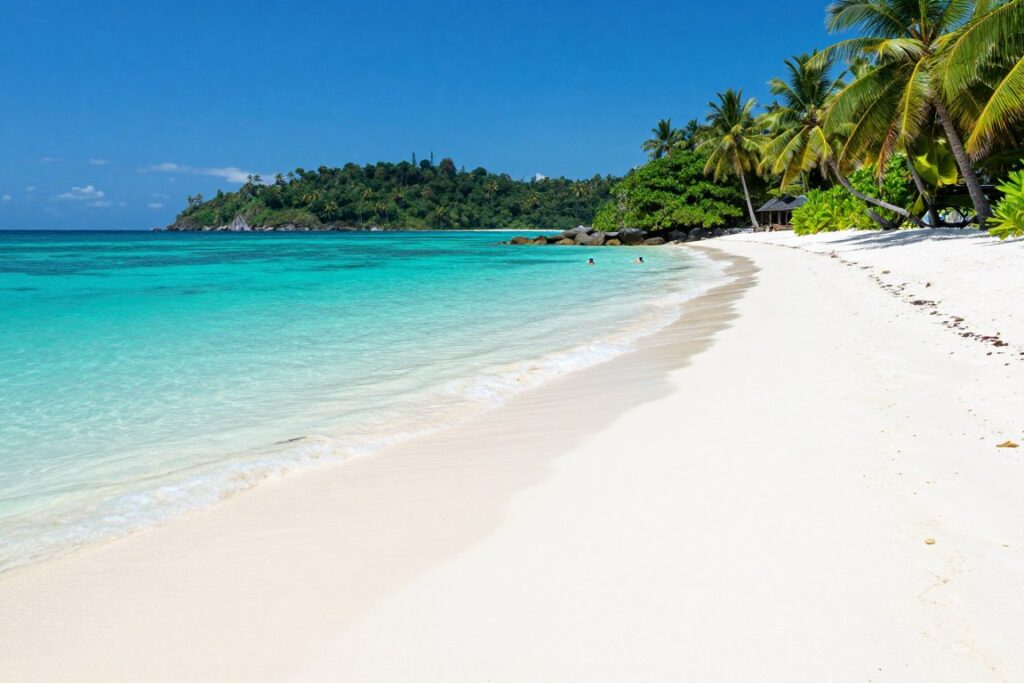
Manukan Island stands as the most developed option with facilities including restaurants, changing rooms, and water sports rentals. The coral reefs surrounding the island teem with colorful fish perfect for snorkeling.
Sapi Island provides a more relaxed atmosphere. Smaller and quieter than Manukan, it offers beautiful beaches and good snorkeling opportunities. The island works perfectly for a peaceful day trip from the city.
Gaya Island, the largest in the park, features hiking trails through jungle terrain. Several resorts occupy parts of the island, but day visitors can still access public beaches and trails.
Food Scene in Kota Kinabalu
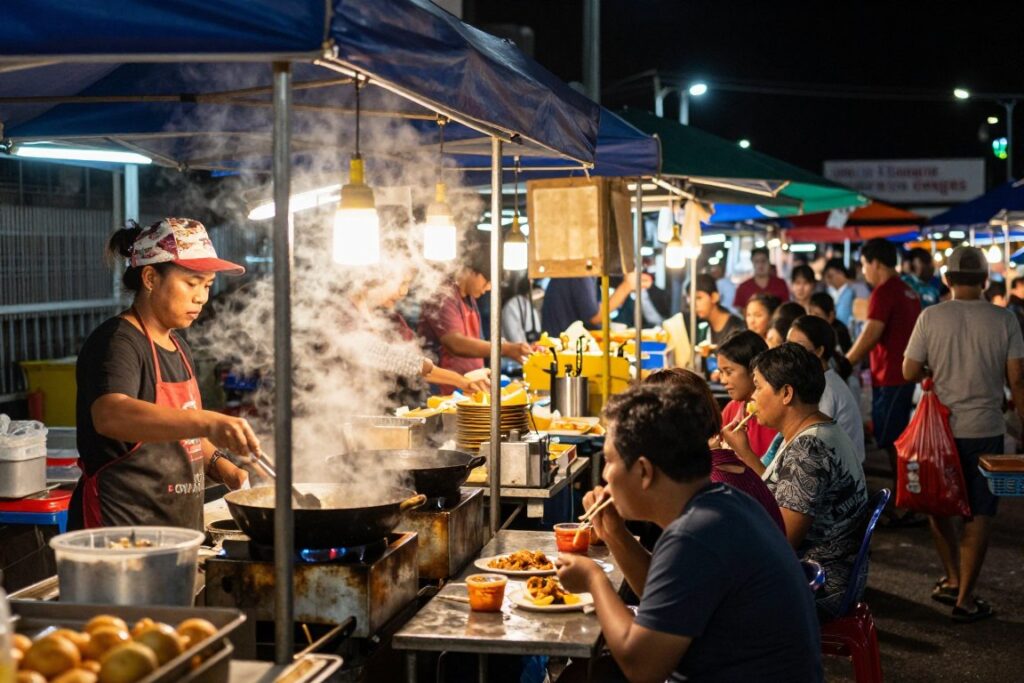
The city’s food culture reflects its diverse population. Night markets throughout Kota Kinabalu serve local favorites at budget-friendly prices. The atmosphere buzzes with energy as vendors prepare fresh dishes.
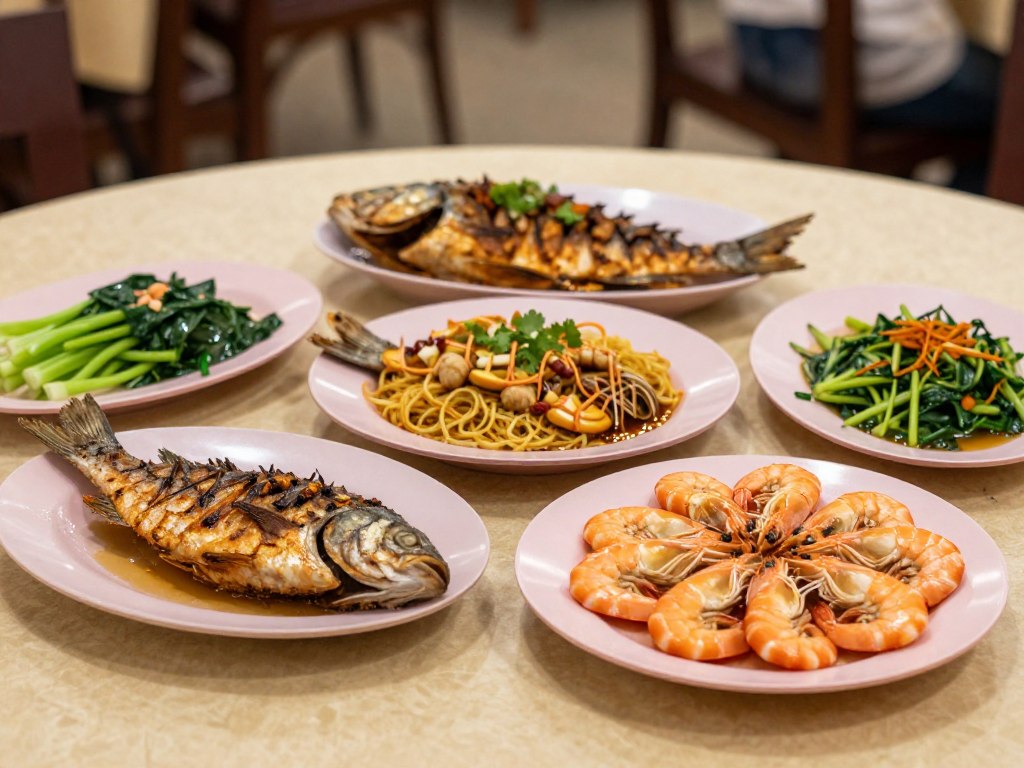
Local specialties you must try include tuaran mee (stir-fried noodles), hinava (raw fish salad), and ngiu chap (beef noodle soup). Seafood lovers will find paradise in Kota Kinabalu’s coastal restaurants serving incredibly fresh catches.
The Waterfront area hosts numerous restaurants with ocean views. While prices run higher than local markets, the ambiance and quality make it worthwhile for special evenings.
Practical Information for Kota Kinabalu
The city serves as an excellent base for exploring wider Sabah. Most tours and excursions to other destinations depart from here. Hotels range from budget hostels to luxury resorts.
Transportation within Kota Kinabalu remains affordable and accessible. Taxis and ride-sharing services operate throughout the city. Walking works well for the compact downtown area.
Discover Kota Kinabalu With Expert Local Guides
Join small-group city tours, food walks, and island-hopping adventures led by knowledgeable local guides. Experience the real Kota Kinabalu beyond typical tourist spots.
Mount Kinabalu: Conquering Southeast Asia’s Highest Peak
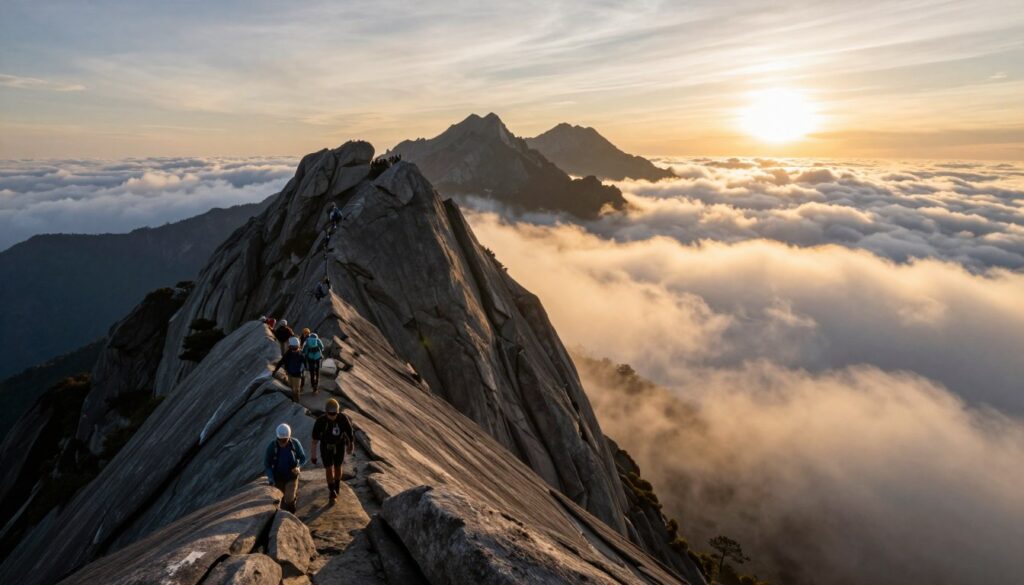
Mount Kinabalu dominates the Sabah landscape as a UNESCO World Heritage Site and one of Southeast Asia’s most accessible high-altitude climbs. Rising to 4,095 meters, this mountain attracts thousands of climbers annually.
The mountain holds deep spiritual significance for local Kadazan-Dusun people who believe it houses the spirits of their ancestors. This sacred status adds cultural depth to the physical challenge of the climb.
Planning Your Mount Kinabalu Climb
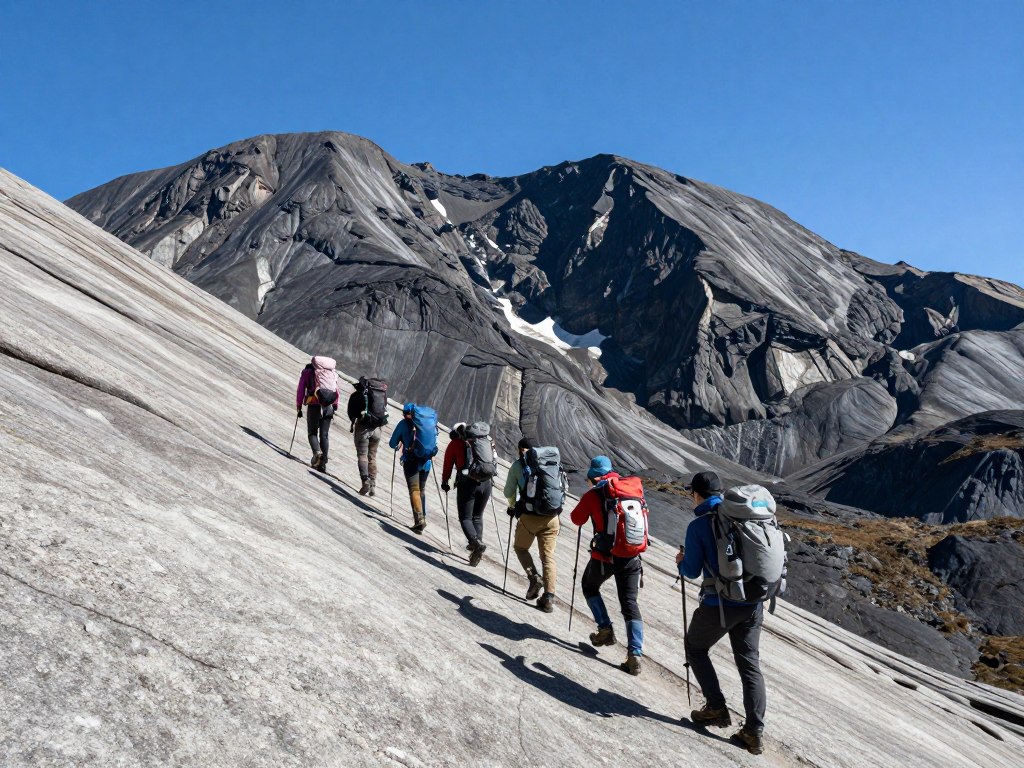
The standard climb takes two days and one night. Day one involves a 6-kilometer trek from Timpohon Gate to Laban Rata rest house at 3,272 meters. The trail winds through diverse vegetation zones showcasing unique flora and fauna.
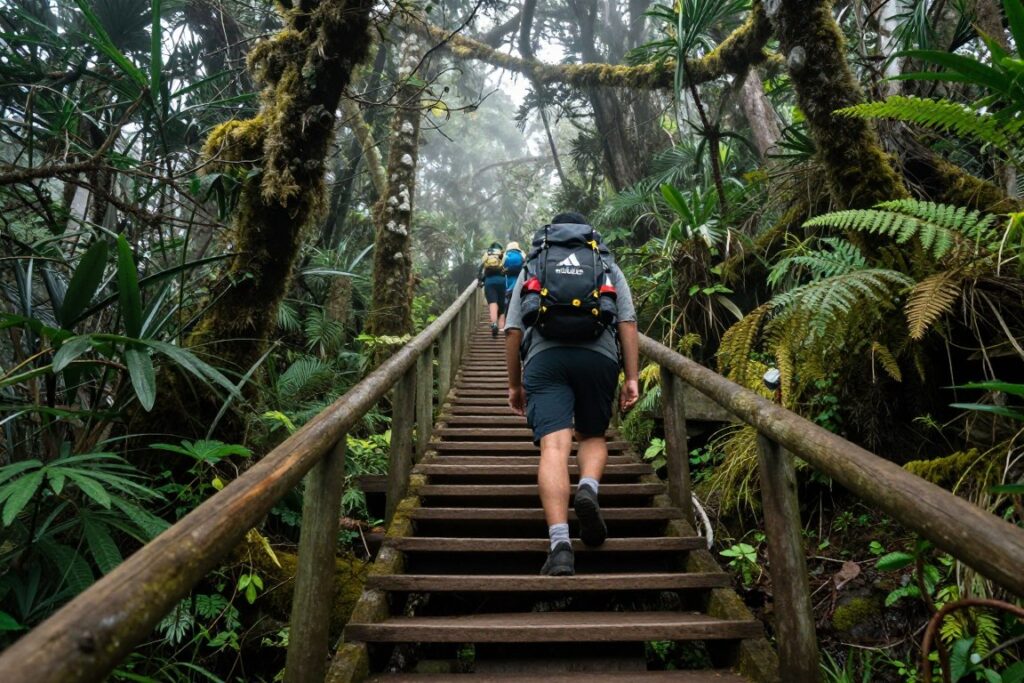
Early morning on day two, climbers begin the summit push around 2 AM. This final 2.7-kilometer section involves scrambling over granite rock using fixed rope sections. Reaching the summit for sunrise creates an unforgettable experience as clouds part to reveal panoramic views.
Permits and guides are mandatory for all climbers. The park limits daily climber numbers to protect the mountain environment. Booking several months in advance becomes necessary, especially during peak season.
What to Expect on the Trail
The lower sections of Mount Kinabalu feature rich tropical montane forest. Unique plant species found nowhere else on Earth thrive at different elevations. The world-famous Rafflesia, Earth’s largest flower, occasionally blooms along lower trails.
As elevation increases, vegetation transitions to alpine meadows and eventually bare granite near the summit. Temperature drops significantly with altitude. Summit temperatures can fall near freezing even during warmer months.
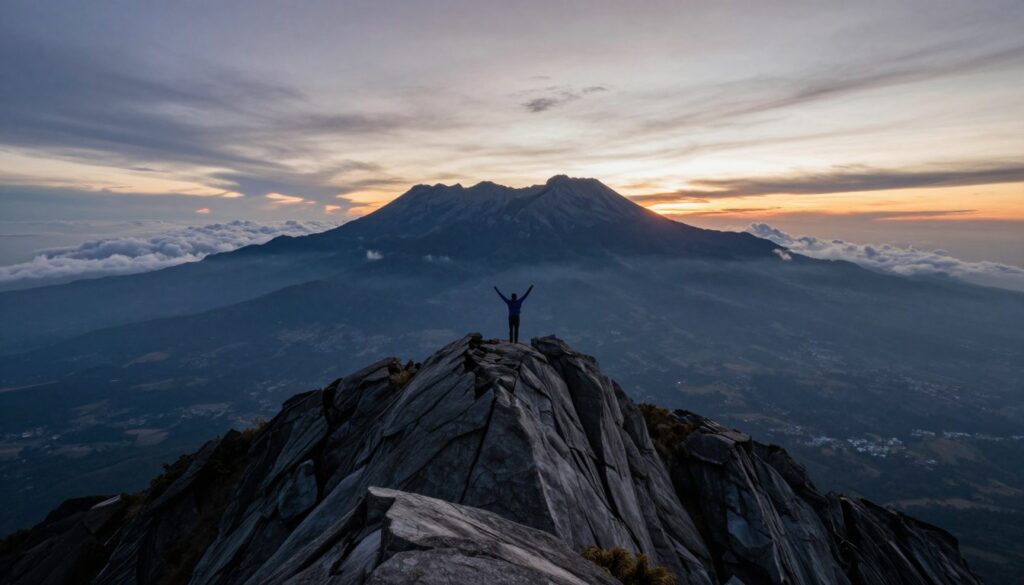
Physical fitness matters more than climbing experience. The trail demands steady endurance rather than technical skills. Most reasonably fit individuals can complete the climb with proper preparation and pacing.
Alternative Mount Kinabalu Experiences
Not everyone needs to summit to enjoy Mount Kinabalu. The Kinabalu Park headquarters sits at the mountain’s base, offering beautiful botanical gardens and nature trails. These lower trails provide excellent day hikes through pristine rainforest.
The Rainforest Discovery Centre near park headquarters features a canopy walkway suspended 20 meters above ground. This allows incredible bird watching and rainforest observation without strenuous hiking.
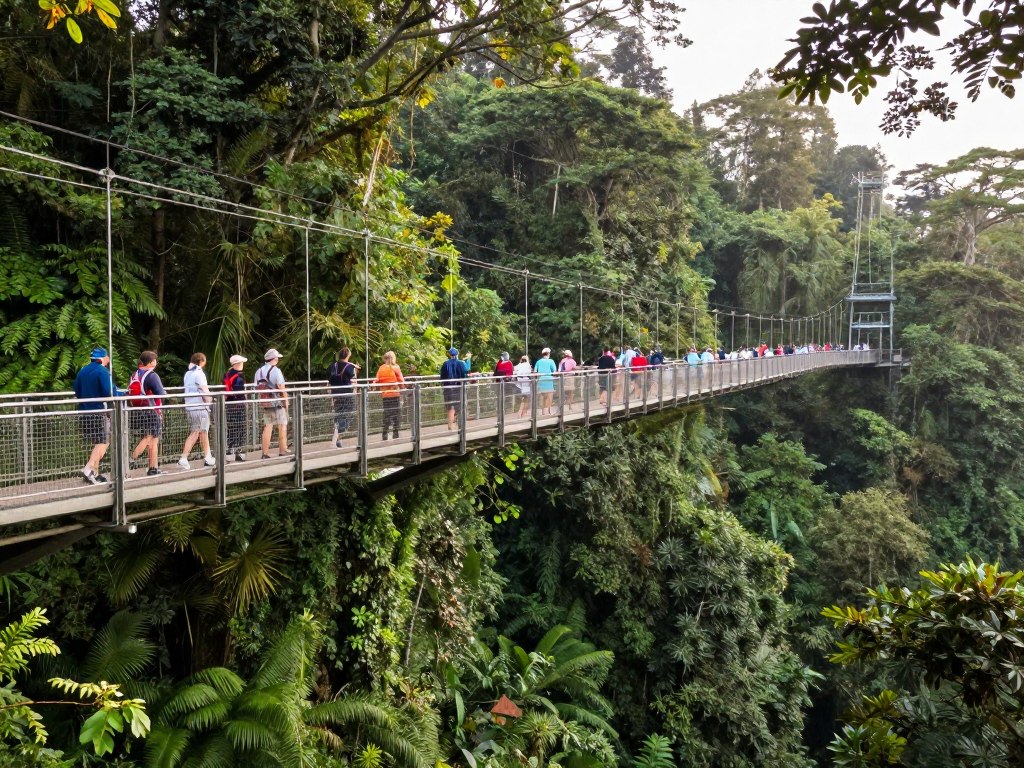
Poring Hot Springs, located on the eastern side of Mount Kinabalu, offers natural thermal baths perfect for post-climb relaxation. The site also features another canopy walkway and butterfly farm.
Essential Tips for Climbing Mount Kinabalu
Pack layers for dramatically changing temperatures. Start with lightweight, moisture-wicking clothing for the warm lower sections. Bring warm jackets, gloves, and hats for the cold summit push.
Acclimatization helps prevent altitude sickness. Arrive at park headquarters the day before your climb to adjust. Drink plenty of water throughout the ascent and descent.
Trekking poles significantly reduce stress on knees during the steep descent. Most climbers find the downhill return more challenging than the ascent.
- Park entrance and climbing permits
- Certified mountain guide
- Meals at Laban Rata rest house
- Dormitory accommodation overnight
- Certificate of achievement
- Porter services (optional extra)
Included in Package
- Transportation to park headquarters
- Travel insurance coverage
- Personal climbing equipment
- Tips for guides and porters
- Extra meals and snacks
- Photography services
Not Included
- Warm layered clothing system
- Waterproof rain jacket and pants
- Headlamp with fresh batteries
- Trekking poles for stability
- Water bottles or hydration system
- Energy snacks and supplements
What to Bring
Book Mount Kinabalu Climb – 2026
Secure your Mount Kinabalu climbing permit with experienced local operators. Packages include guides, permits, meals, and accommodation. Limited slots available monthly.
Via Ferrata Adventure Routes
Add Via Ferrata climbing routes to your Mount Kinabalu experience. Walk’s Torq and Low’s Peak Circuit offer thrilling rock climbing sections with safety equipment.
Training & Preparation Guide
Download our comprehensive Mount Kinabalu training guide with fitness plans, packing lists, and acclimatization tips for successful summit attempts.
Wildlife Adventures: Orangutans, Proboscis Monkeys, and Pygmy Elephants

Sabah offers some of the world’s best opportunities to observe endangered wildlife in natural habitats. The state’s commitment to conservation creates safe spaces for these incredible animals while allowing responsible tourism.
Three iconic species draw wildlife enthusiasts from around the globe. Orangutans, proboscis monkeys, and pygmy elephants all thrive in Sabah’s protected areas. Seeing these animals in the wild creates profound, life-changing experiences.
Sepilok Orangutan Rehabilitation Centre
Located near Sandakan, Sepilok provides care for orphaned and injured orangutans before releasing them back into the wild. The center allows visitors to observe feeding times when orangutans emerge from the surrounding forest.
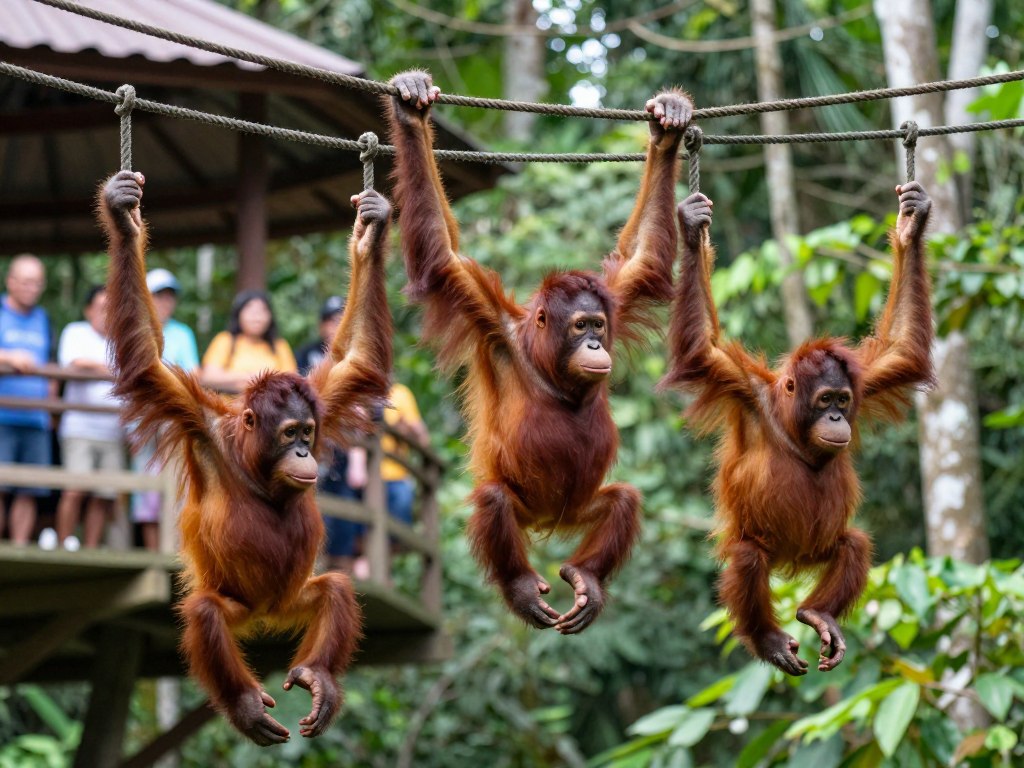
Two daily feeding sessions occur at 10 AM and 3 PM. Arrive early to secure good viewing positions on the platform. The experience varies daily depending on which orangutans choose to visit the feeding station.
The surrounding forest reserve encompasses 43 square kilometers of protected rainforest. Short walking trails allow exploration beyond the feeding platforms. Lucky visitors sometimes spot wild orangutans moving through the canopy.
Bornean Sun Bear Conservation Centre
Adjacent to Sepilok, this facility rescues and rehabilitates the world’s smallest bear species. Sun bears face threats from habitat loss and illegal pet trade. The center provides sanctuary while educating visitors about conservation needs.
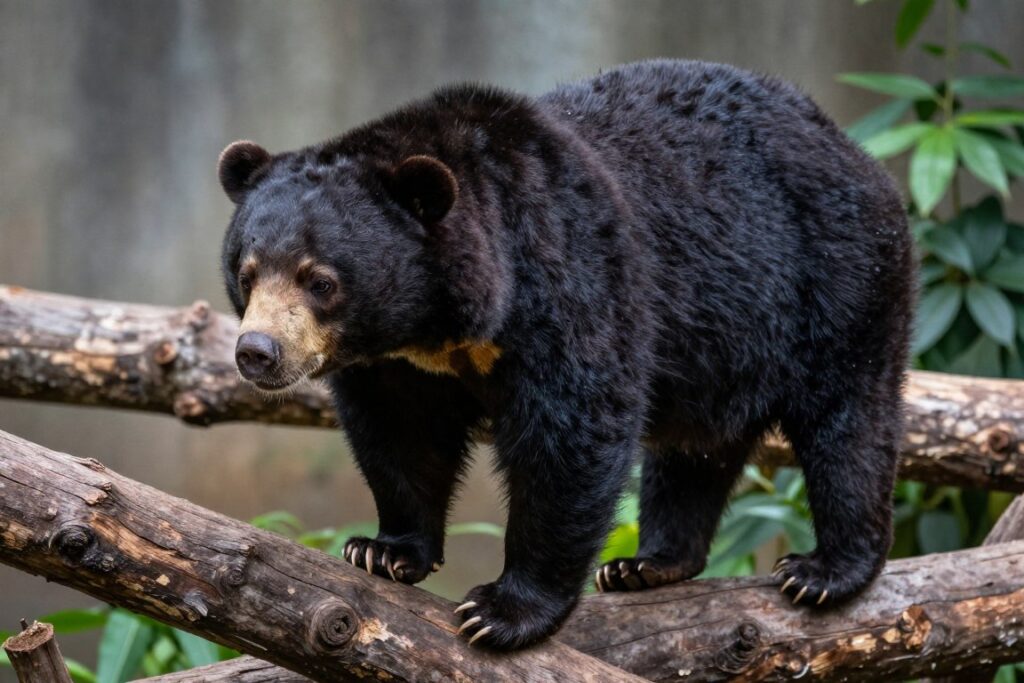
Observation platforms overlook large forest enclosures where bears exhibit natural behaviors. Watch them forage, climb, and play in environments designed to simulate wild conditions. The bears orangutans connection creates a powerful day combining both centers.
Kinabatangan River Wildlife Cruises
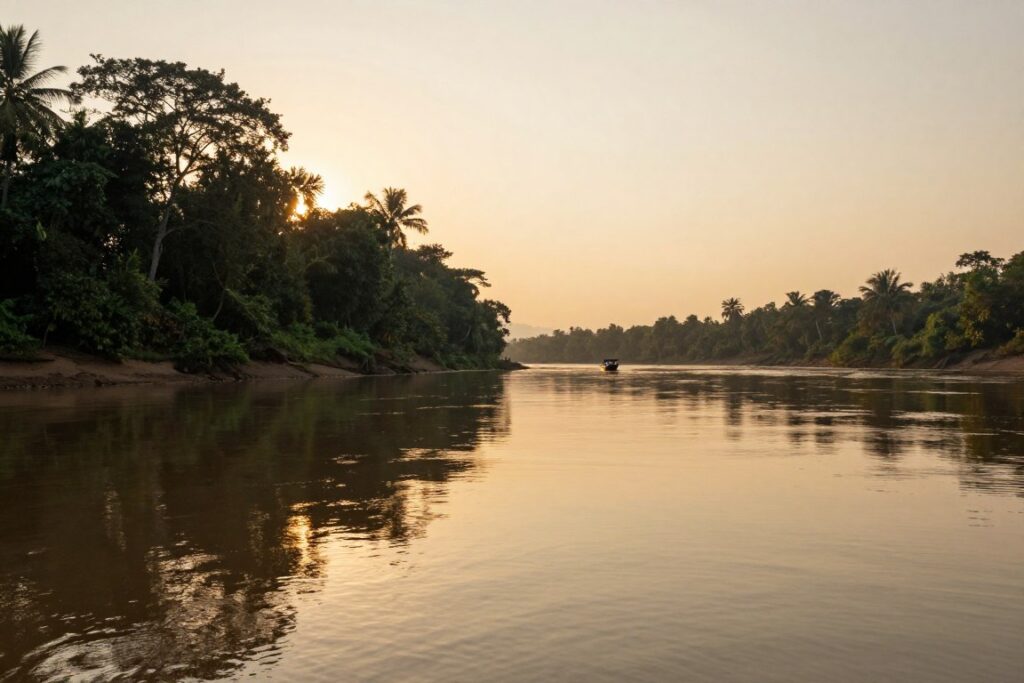
The Kinabatangan River snakes through Sabah’s eastern lowlands, creating one of Southeast Asia’s most important wildlife corridors. River cruises offer exceptional animal viewing in a stunning rainforest setting.
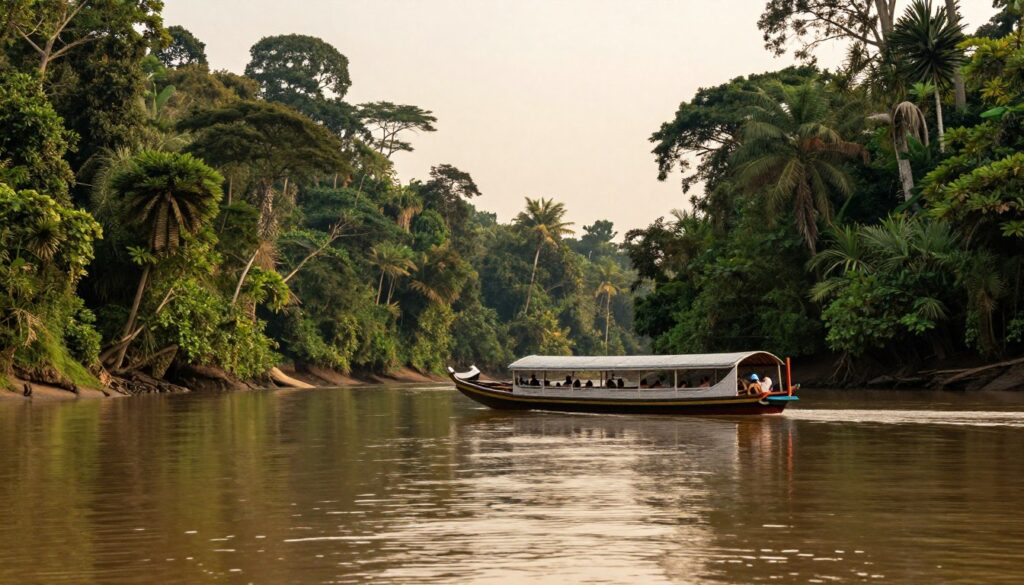
The river Kinabatangan supports incredible biodiversity. Proboscis monkeys gather in riverside trees, especially during late afternoon. Their distinctive large noses and pot-bellied appearance create comical photo opportunities.
Along Kinabatangan River, wildlife encounters happen frequently. Early morning and late afternoon cruises provide the best viewing times when animals are most active. Expect to see proboscis monkeys, long-tailed macaques, hornbills, and occasionally crocodiles.
Pygmy elephants sometimes appear along Kinabatangan River banks. These smaller relatives of Asian elephants are found only in Borneo. Seeing a family group drinking or bathing creates magical moments.
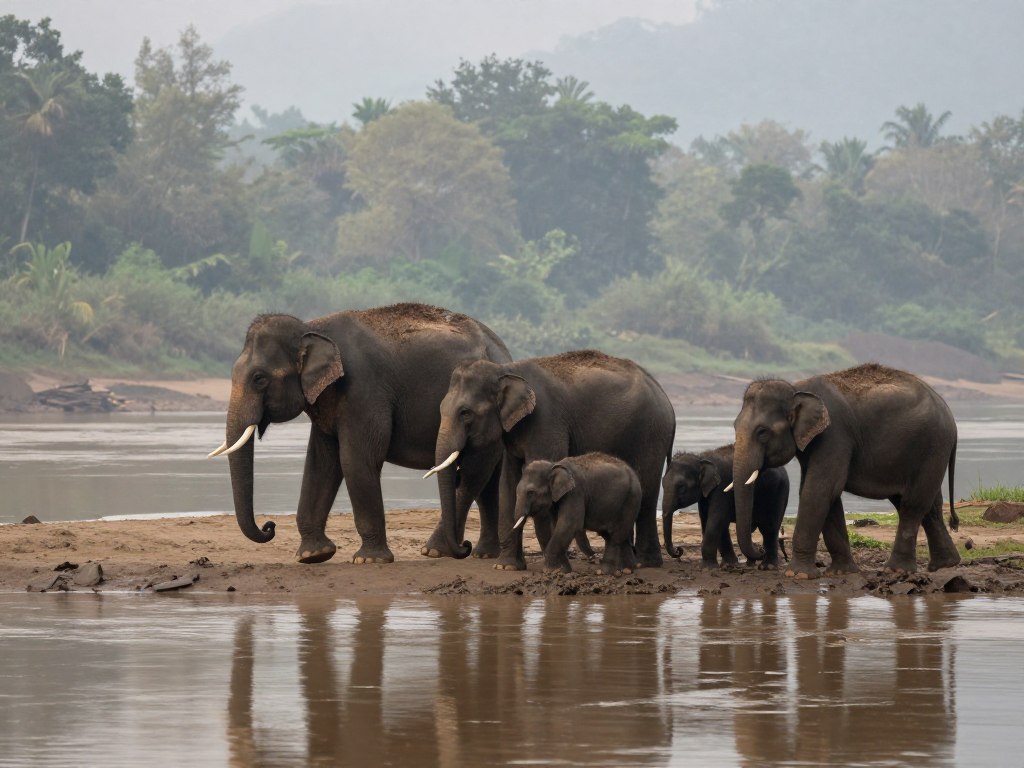
Multiple lodges line the Kinabatangan River Kinabatangan area. Staying overnight allows participation in multiple river cruises and night walks. The immersive experience reveals how the rainforest transforms after dark.
Danum Valley Conservation Area
Danum Valley represents one of the world’s most pristine remaining rainforests. This 438-square-kilometer protected area near Lahad Datu receives far fewer visitors than other Sabah destinations, offering genuine wilderness experiences.
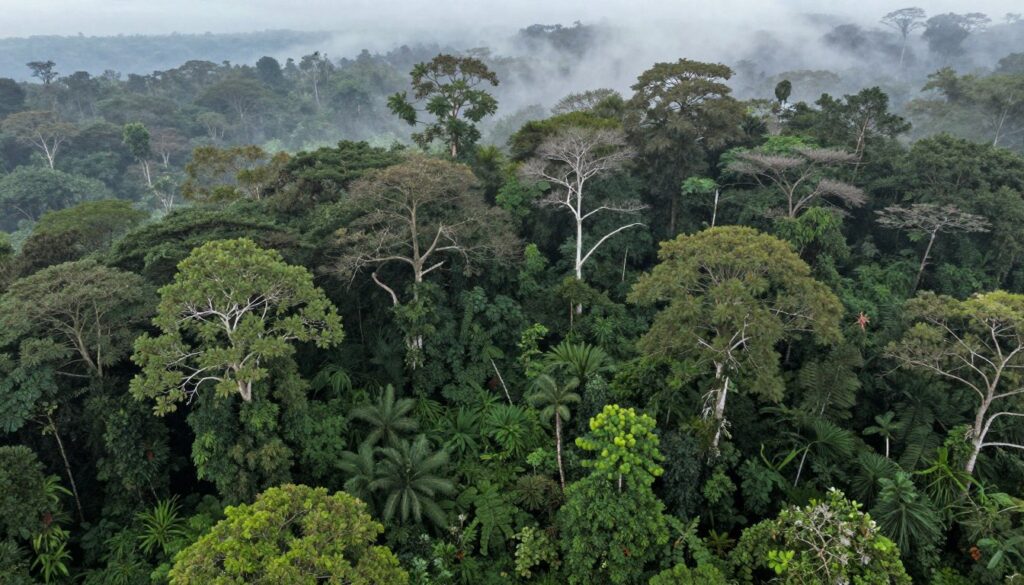
The valley hosts extraordinary flora fauna diversity. Scientists have documented over 15,000 plant species and countless animal species. Walking through ancient trees that predate most human civilizations creates humbling perspective.
Wildlife viewing opportunities abound despite the dense forest. Danum Valley supports populations of orangutans, gibbons, clouded leopards, and countless bird species. Patient observation and experienced guides increase encounter chances.
Access to Danum Valley requires staying at the field center or nearby lodges. The remote location means visiting requires dedicated time commitment, but rewards include some of Sabah’s most authentic rainforest experiences.
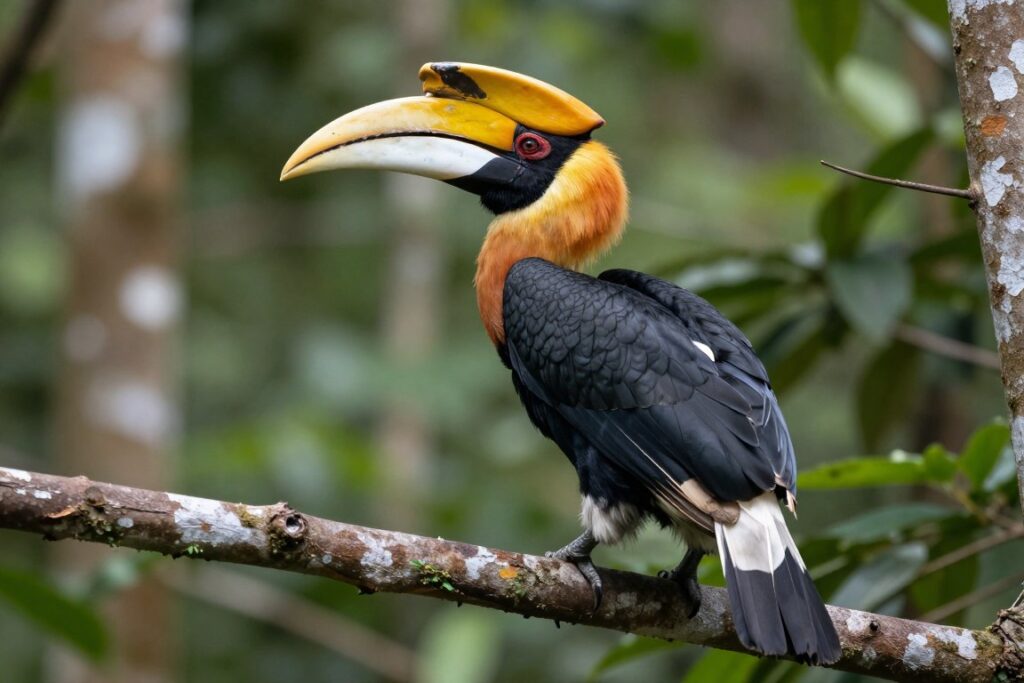
Rhinoceros hornbills, with their spectacular casques and calls, frequently appear in Danum Valley. These impressive birds play crucial roles in seed dispersal throughout the rainforest ecosystem.
Responsible Wildlife Tourism
Wildlife tourism in Sabah emphasizes conservation and respect. Always maintain safe distances from animals. Never attempt to touch or feed wild creatures. Follow guide instructions carefully to ensure both your safety and animal welfare.
Photography should never disturb natural animal behavior. Avoid flash photography which can startle and stress wildlife. Patience produces the best images while respecting the animals’ space and routines.
Wildlife Tourism Benefits
- Funds critical conservation programs
- Creates employment for local communities
- Reduces pressure on natural resources
- Raises global awareness about endangered species
- Supports rehabilitation and research facilities
Potential Challenges
- Animal sightings never guaranteed in wild
- Weather can affect viewing conditions
- Remote locations require travel time
- Must respect feeding times and schedules
- Limited daily visitor numbers at centers
Book Your Sabah Wildlife Experience
Join expert-led wildlife tours combining Sepilok, Kinabatangan River cruises, and rainforest lodges. Small group sizes ensure quality experiences while supporting conservation efforts.
Island Paradise: Sipadan, Mabul, and Diving Adventures
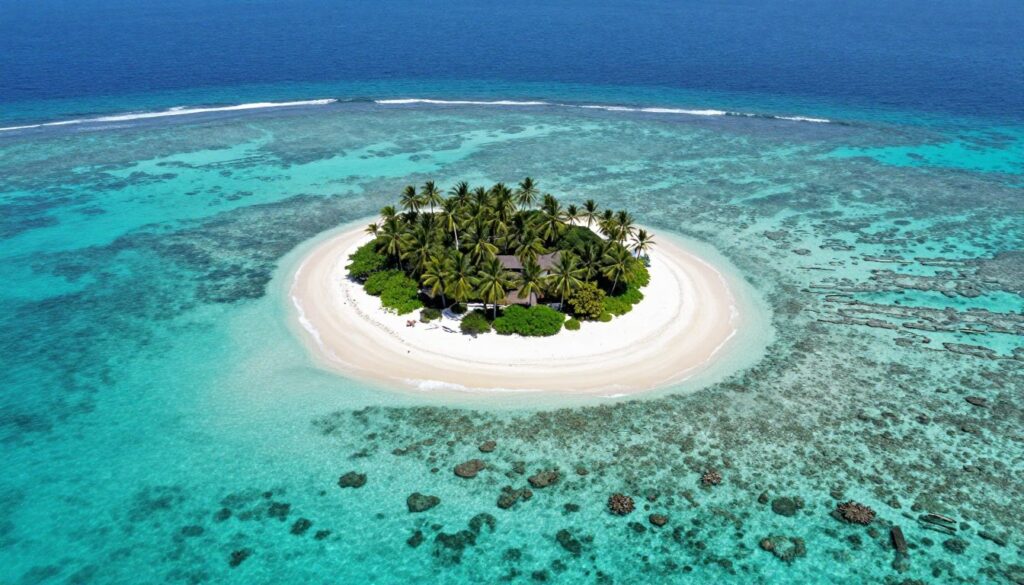
Sabah’s islands offer some of the world’s most spectacular diving and beach experiences. Crystal-clear waters, vibrant coral reefs, and abundant marine life create underwater wonderlands that attract divers from across the globe.
The islands range from world-famous dive sites to quiet beach retreats. Each destination offers unique characteristics and experiences suited to different traveler preferences.
Sipadan Island: World-Class Diving
Sipadan Island stands among the planet’s top dive destinations. Jacques Cousteau declared it “an untouched piece of art” after diving here in the 1980s. The island rises 600 meters from the seabed, creating dramatic wall dives teeming with life.
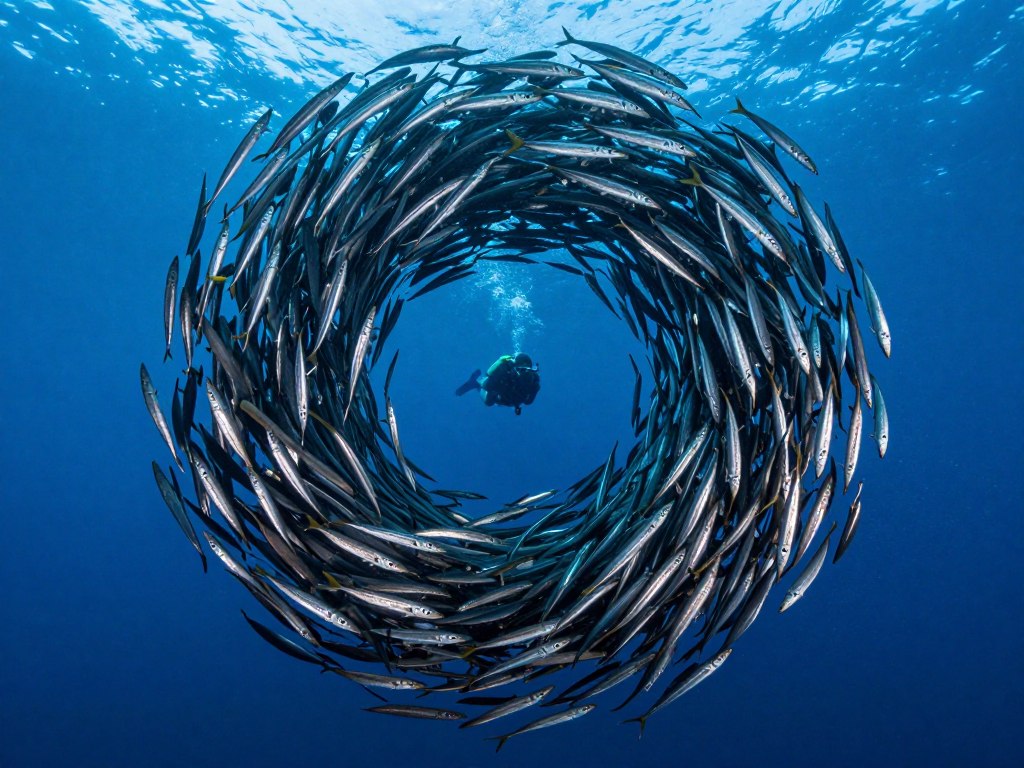
Daily permits limit visitor numbers to 120 divers, protecting this fragile ecosystem. Securing permits requires advance booking through licensed dive operators. The restriction ensures pristine conditions and uncrowded dive experiences.
Marine encounters at Sipadan include massive schools of barracuda and jackfish forming swirling vortexes. Sea turtles glide past in abundance. Reef sharks patrol the walls. Lucky divers spot hammerhead sharks and rare marine species.
The famous Barracuda Point dive site showcases nature’s spectacular underwater displays. Thousands of fish school together, creating living walls of silver. Each dive reveals different formations and behaviors.
Mabul Island: Macro Photography Paradise
Mabul Island sits nearby Sipadan, offering completely different underwater experiences. This island specializes in macro diving, revealing tiny creatures living among coral rubble and sandy bottoms.
Underwater photographers particularly love Mabul for rare creature sightings. Flamboyant cuttlefish, blue-ringed octopus, and countless nudibranch species inhabit the reefs. Frogfish, pipefish, and seahorses hide among coral formations.
The island itself hosts several dive resorts ranging from budget to luxury. Above-water activities include beach relaxation, snorkeling, and village visits to meet local Bajau sea gypsy communities.
Other Notable Islands
Lankayan Island offers a more intimate island experience with a single small resort. The house reef provides excellent diving and snorkeling. Whale sharks occasionally cruise past the island between March and May.
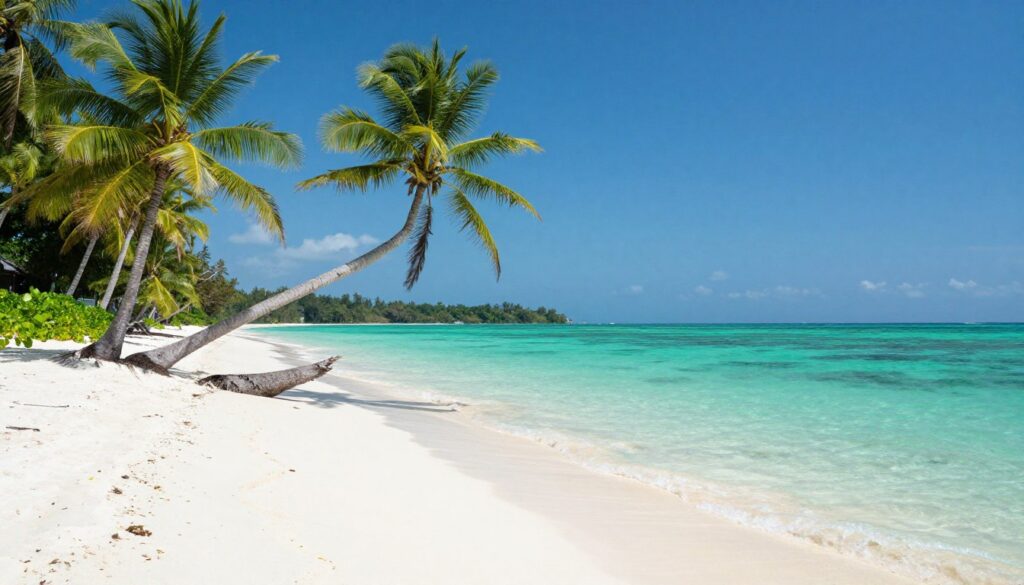
Mataking Island features a unique sandbar connecting two islets during low tide. The beaches here rank among Sabah’s most beautiful. Diving and snorkeling reveal healthy coral gardens and diverse marine species.
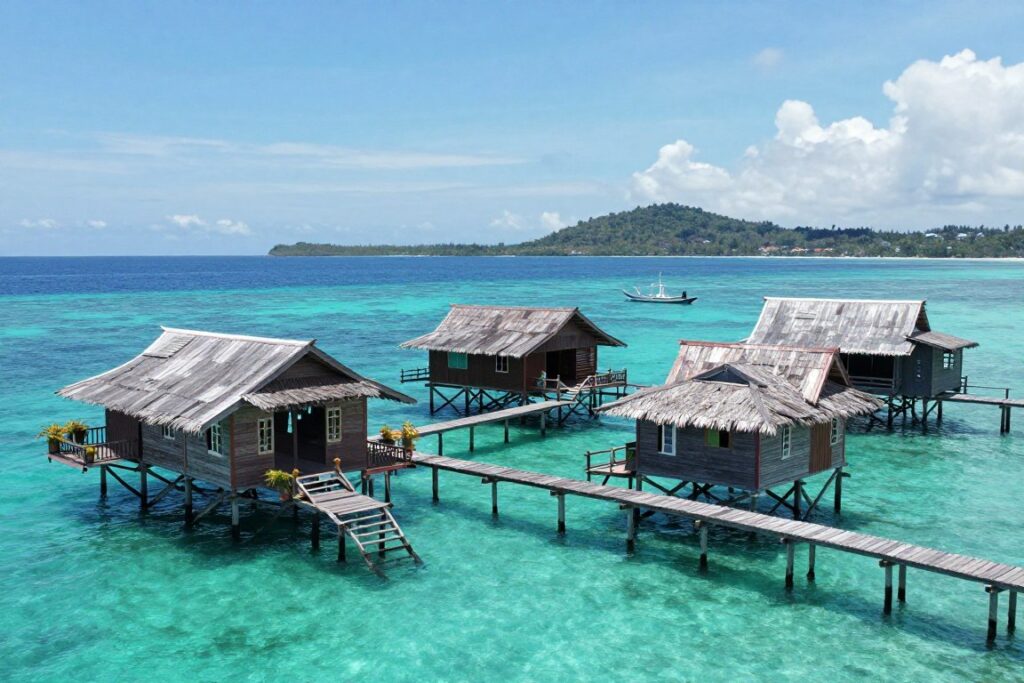
Kapalai Island doesn’t technically exist as land. Water village-style resorts built on stilts over shallow reefs create unique accommodations. The surrounding waters offer exceptional macro diving similar to Mabul.
Beach Activities Beyond Diving
Not all island visitors dive. Snorkeling provides accessible marine encounters in shallow reefs. Most islands have house reefs just meters from shore where colorful fish and coral thrive.
Beach relaxation on pristine white sand beaches offers the ultimate tropical experience. Palm trees provide natural shade. The gentle sound of waves creates perfect tranquility. Many visitors simply enjoy reading books and soaking in the beauty.
Kayaking around islands reveals hidden coves and beaches. Paddle through calm waters while observing island ecosystems from sea level. Some resorts offer guided kayak tours to nearby islands.
Practical Island Information
Most islands require boat transfers from coastal towns. Semporna serves as the main departure point for southeastern islands including Sipadan, Mabul, and Kapalai. Travel times range from 30 minutes to over an hour depending on destination.
Island resorts typically offer all-inclusive packages covering accommodation, meals, and boat transfers. Diving usually costs extra unless specified in package deals. Book directly with resorts or through specialized dive travel agencies.
| Island | Best For | Diving Level | Accommodation | Best Season |
| Sipadan | Advanced diving, big marine life | Intermediate to Advanced | Stay at nearby islands | April – December |
| Mabul | Macro diving, photography | All levels | Multiple resorts | April – December |
| Lankayan | Whale sharks, intimate setting | All levels | One resort only | March – May (whale sharks) |
| Mataking | Beautiful beaches, snorkeling | Beginner to Intermediate | One resort | Year-round |
| Kapalai | Water village experience, macro | All levels | Water villas | April – December |

Sipadan Diving Packages 2026
Secure your Sipadan diving permits with complete packages including accommodation at Mabul or Kapalai, daily boat dives, equipment, and meals. Limited permits available.
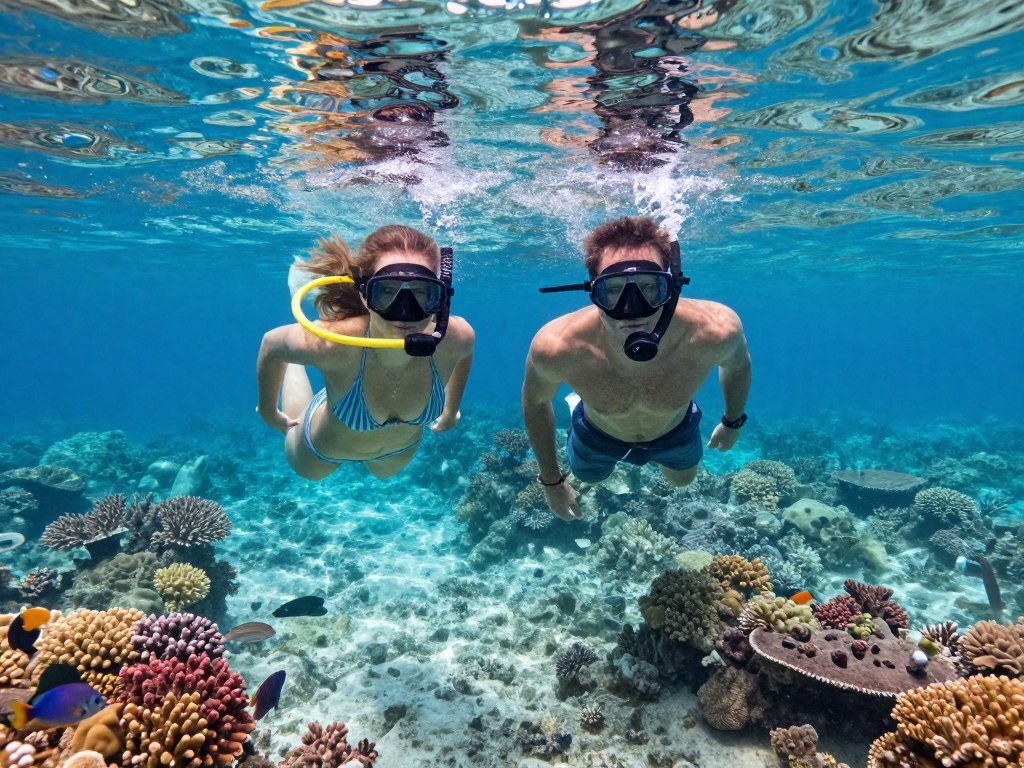
Island Beach Getaways
Relax at beautiful Sabah islands with snorkeling, beach time, and water sports. Perfect for non-divers and families seeking tropical paradise experiences.
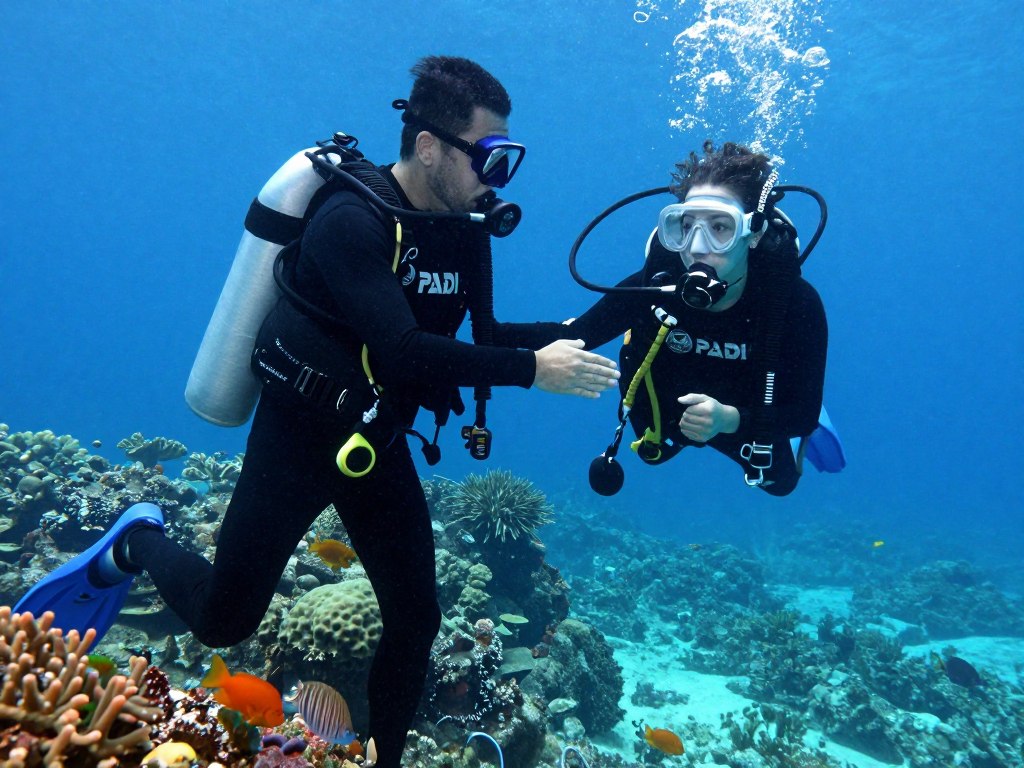
Learn to Dive in Sabah
Earn your PADI Open Water certification in world-class conditions. Professional instruction in warm, clear waters with incredible marine life encounters.
Cultural Immersion: Local Communities and Traditions
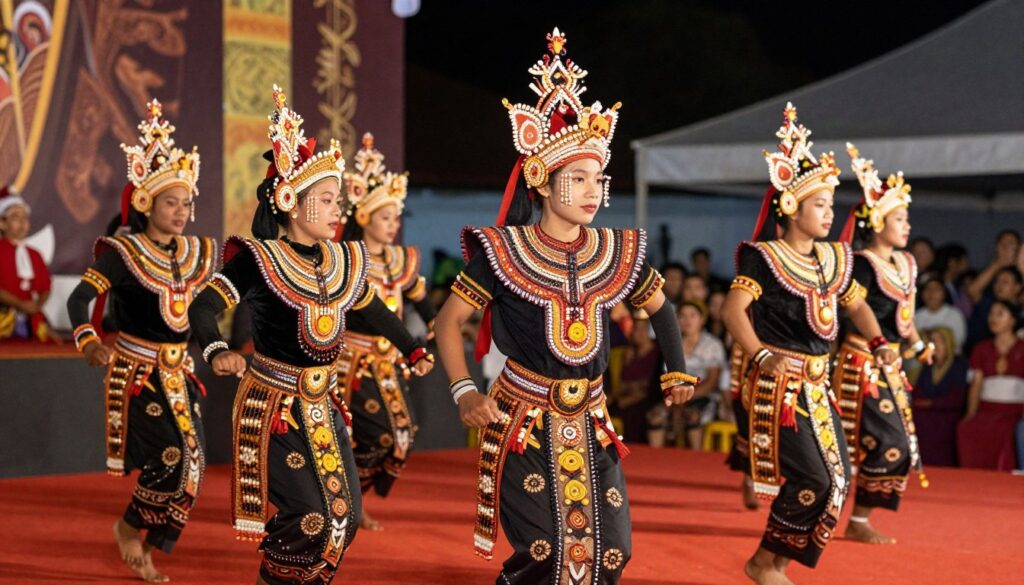
Sabah’s cultural diversity creates fascinating opportunities to connect with indigenous communities. Over 30 ethnic groups maintain distinct languages, traditions, and lifestyles that have evolved over centuries.
The largest indigenous groups include Kadazan-Dusun, Bajau, and Murut peoples. Each community contributes unique cultural elements to Sabah’s rich tapestry of traditions, from harvest festivals to handicraft techniques.
Mari Mari Cultural Village
Located near Kota Kinabalu, this living museum showcases five different ethnic houses. Guides demonstrate traditional activities including rice wine making, fire starting, and blowpipe hunting techniques.
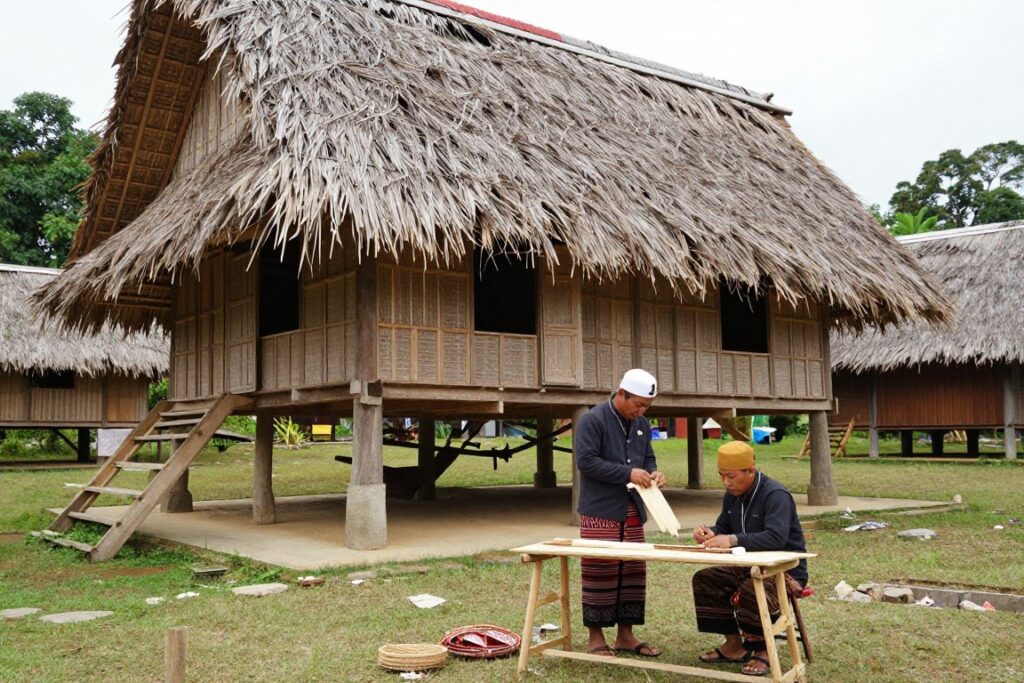
Visitors participate in hands-on cultural activities. Try your skill at blowpipe target practice. Learn to start fire using bamboo friction. Taste traditional foods prepared using ancient cooking methods.
The experience concludes with a buffet lunch featuring local dishes and cultural performances. Dancers in traditional costumes present the unique dances of each ethnic group represented in the village.
Local Markets and Handicrafts
Weekly tamu markets throughout Sabah bring rural communities together to trade goods and socialize. These authentic gatherings offer glimpses into local life beyond tourist areas.
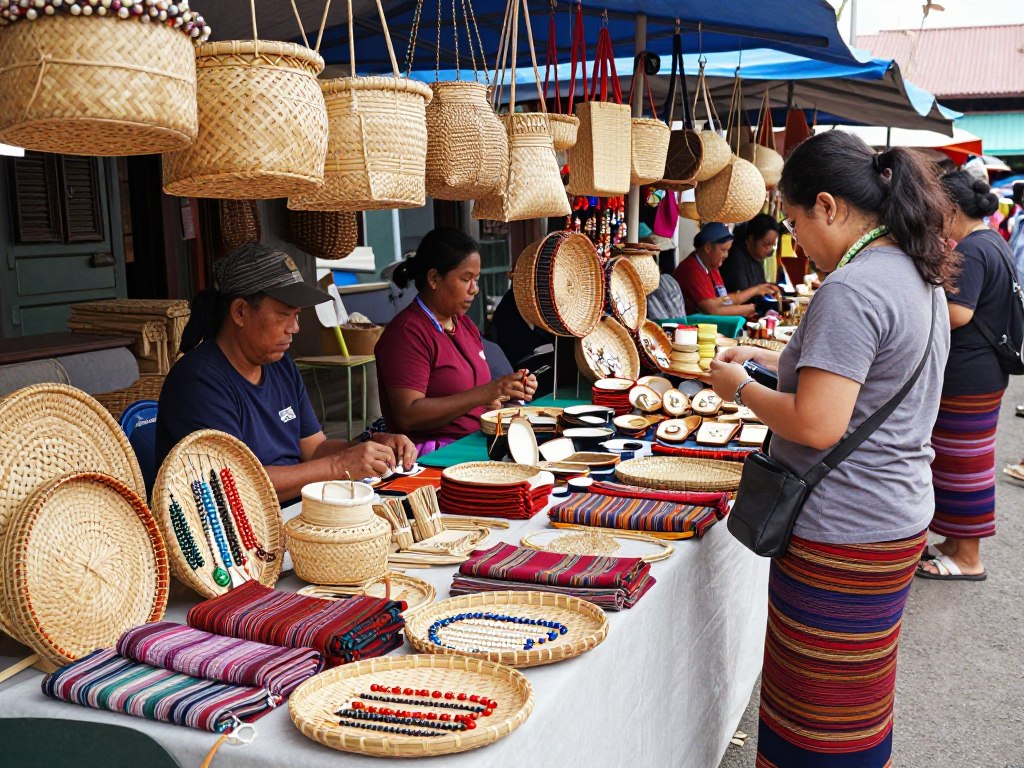
Handicraft quality and authenticity varies. Look for items made from natural materials using traditional techniques. Beadwork, woven baskets, and traditional textiles make meaningful souvenirs while supporting local artisans.
The Kota Belud tamu, held every Sunday, ranks among Sabah’s largest and most vibrant. Bajau horsemen in colorful attire gather alongside farmers selling fresh produce and handmade goods.
Traditional Food Experiences
Local cuisine reflects Sabah’s cultural diversity and natural abundance. Sampling traditional dishes provides delicious cultural education about regional ingredients and cooking techniques.
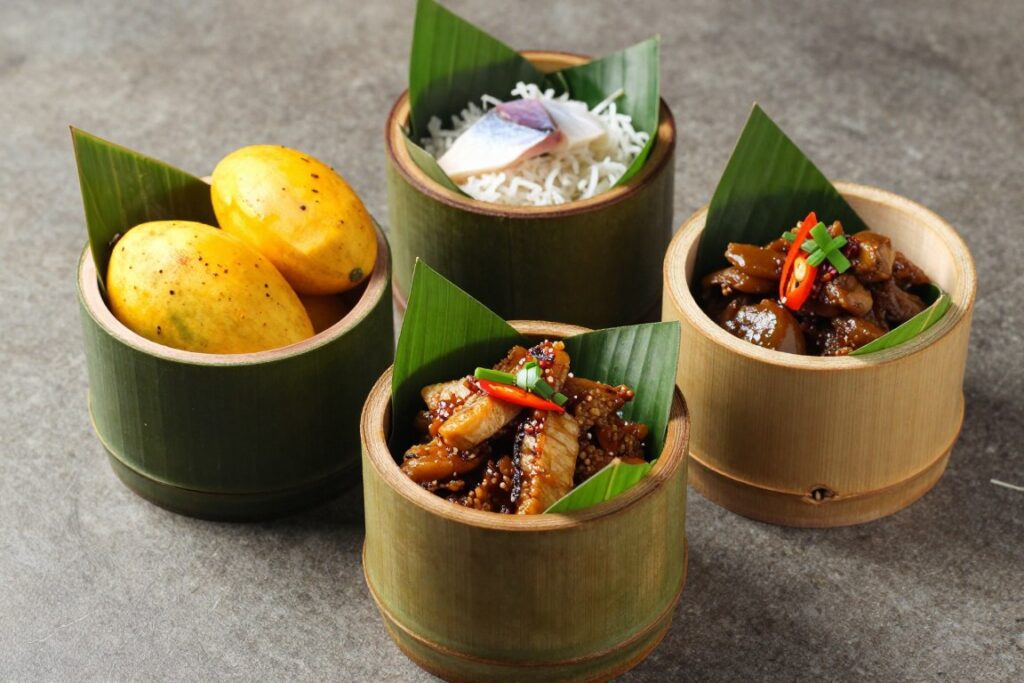
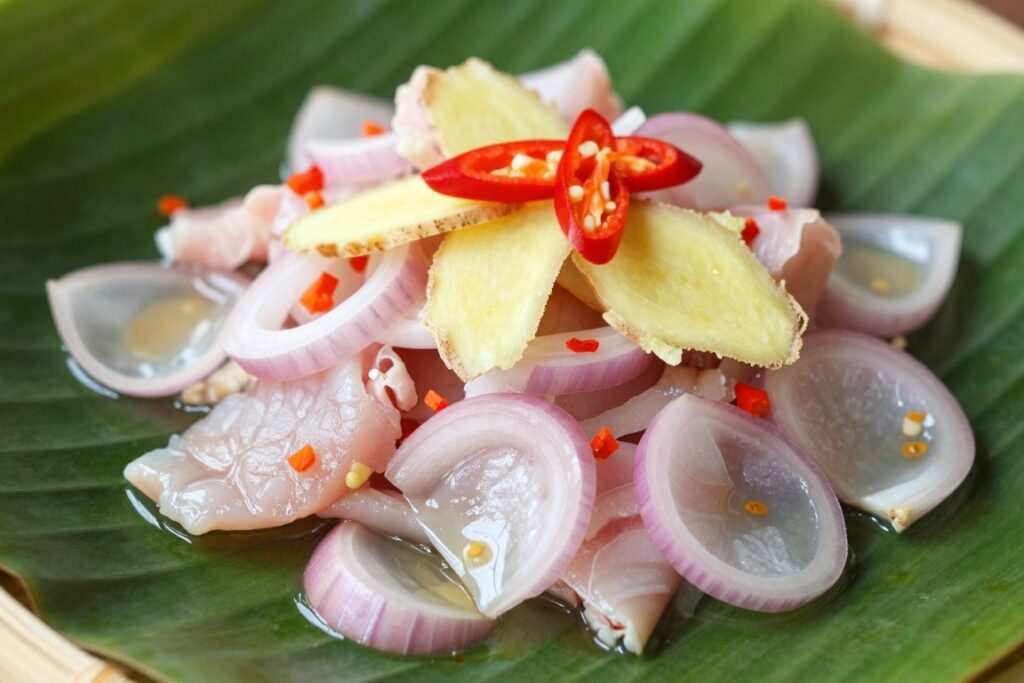
Hinava, often called Sabah’s ceviche, combines fresh raw fish with lime juice, shallots, ginger, and bird’s eye chili. This refreshing dish showcases coastal influences in Sabah food culture.
Tuaran mee, hand-pulled egg noodles stir-fried with vegetables and meat, originated in the town of Tuaran. Each hawker adds their own twist to this beloved local specialty.
Bambangan, a wild mango found only in Borneo, appears in various dishes. The tangy fruit adds distinctive flavor to pickles, salads, and fish preparations unique to Sabah.
Festivals and Celebrations
Timing your visit with local festivals adds special cultural dimension. The Harvest Festival (Pesta Kaamatan) in May celebrates Kadazan-Dusun rice harvest traditions with week-long festivities.
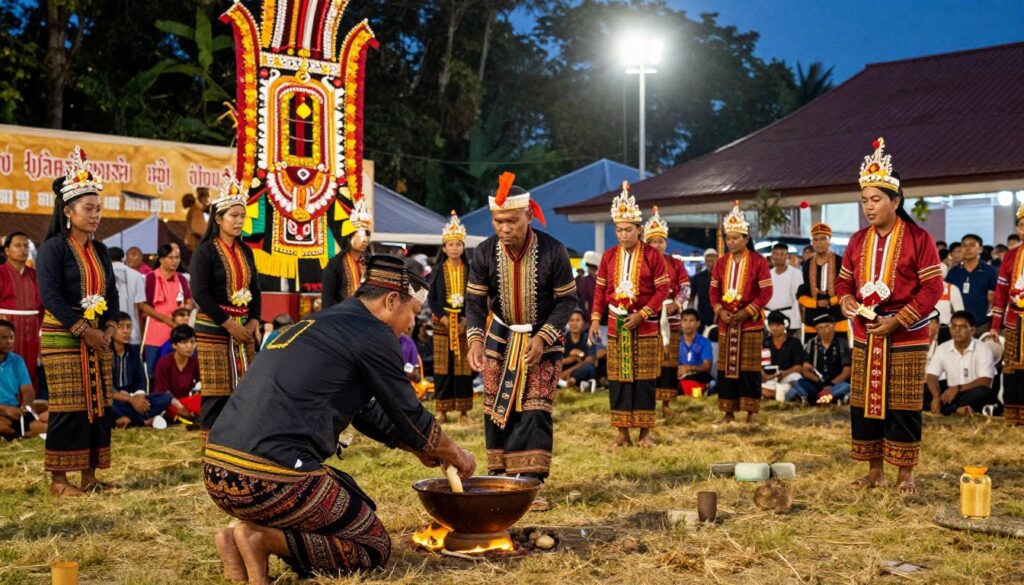
Events include traditional beauty pageants, cultural performances, and lots of tapai (rice wine). The festival provides rare opportunities to experience authentic traditions actively practiced by local communities.
The Regatta Lepa in April showcases decorated Bajau boats in Semporna. These sea gypsies demonstrate their seafaring heritage with boat races and water-based competitions.
Responsible Cultural Tourism
Respect and sensitivity matter when engaging with indigenous communities. Always ask permission before photographing people, especially elders and during ceremonies. Offer small payments if requested for photos.
Dress modestly when visiting villages and cultural sites. Cover shoulders and knees out of respect for local customs. Remove shoes before entering homes and certain cultural buildings.
Purchase handicrafts directly from makers when possible. This ensures fair compensation and allows meaningful interactions with artisans about their work and traditions.
Essential Practical Information for Your Sabah Trip
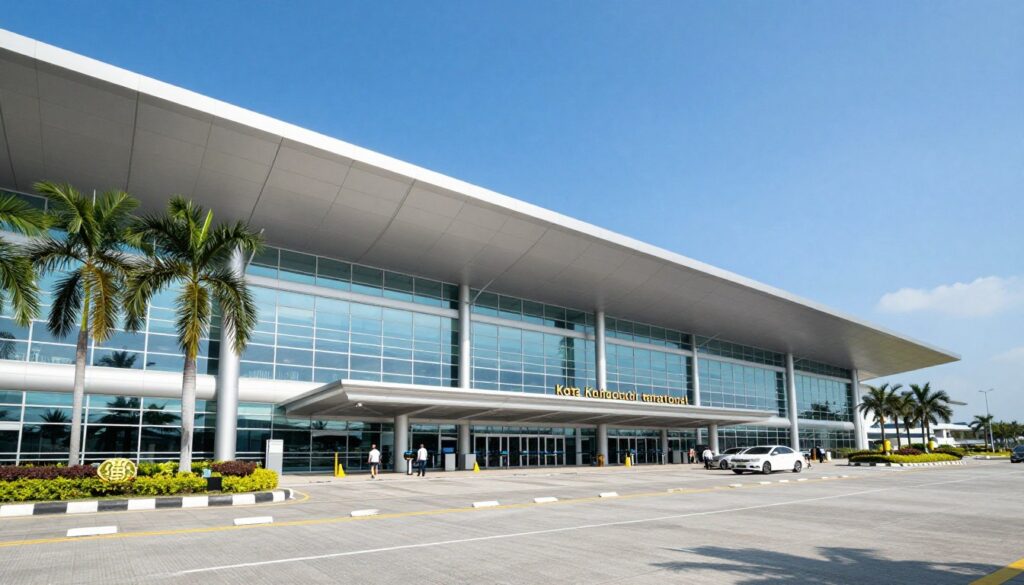
Planning logistics carefully ensures smooth travel experiences. This section covers essential practical information from visas to transportation, helping you prepare effectively for your Sabah adventure.
Getting to Sabah
Kota Kinabalu International Airport serves as the primary entry point. The airport connects to major Asian hubs including Kuala Lumpur, Singapore, Hong Kong, Seoul, and various Chinese cities.
Direct international flights from outside Asia remain limited. Most travelers connect through Kuala Lumpur or other regional hubs. Malaysia Airlines, AirAsia, and various Asian carriers operate regular services.

Domestic flights within Malaysia provide convenient Sabah access from Kuala Lumpur, Penang, and other Malaysian cities. Flight times from Kuala Lumpur average 2.5 hours.
Sandakan and Tawau airports offer alternatives for travelers heading directly to eastern Sabah destinations. These smaller airports connect to Kota Kinabalu and Kuala Lumpur.
Visa Requirements
Visa policies vary by nationality. Many countries including the United States, United Kingdom, European Union nations, Australia, and New Zealand receive visa-free entry for tourism up to 90 days.
Check current requirements specific to your nationality before traveling. Malaysia’s immigration website provides up-to-date visa information. Some nationalities can obtain visa on arrival.
Important note: Sabah maintains separate immigration control from Peninsular Malaysia. Keep your passport accessible as you may need it for domestic flights and ferry travel within Malaysia.
Transportation Within Sabah
Rental cars provide maximum flexibility for exploring Sabah independently. International driving permits work alongside home country licenses. Roads around Kota Kinabalu are well-maintained though rural areas may have rougher conditions.
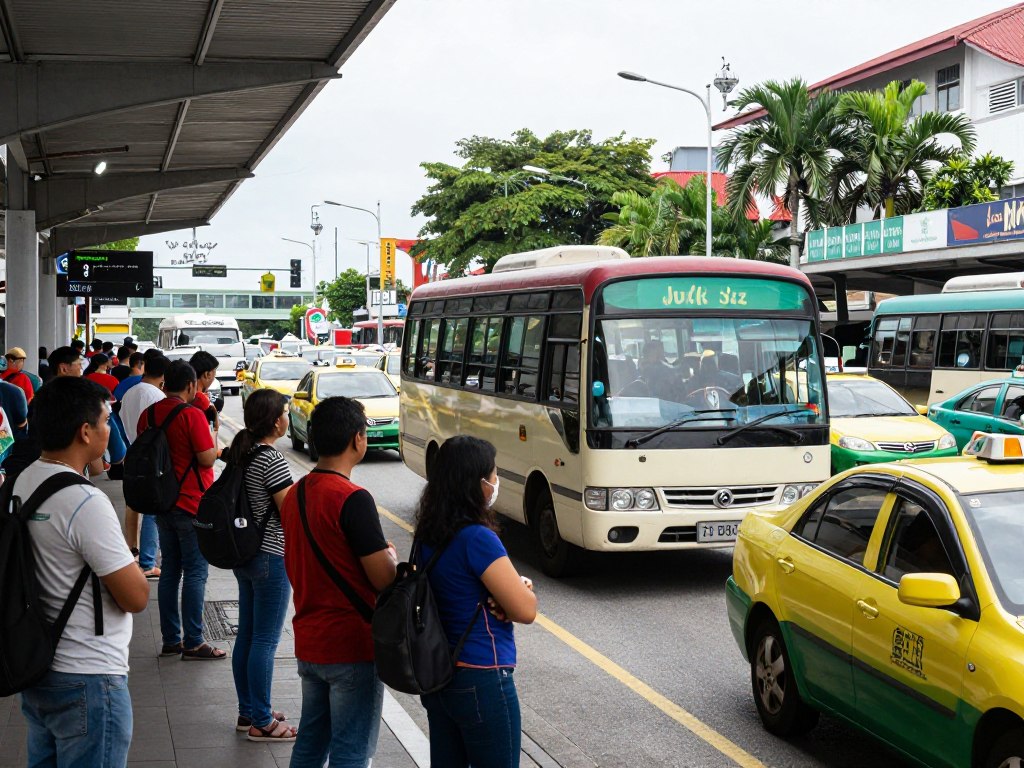
Buses connect major towns throughout Sabah. Services range from basic local buses to air-conditioned express coaches. Tickets are affordable but journeys can be long due to road conditions and distances.
Taxis and ride-sharing services operate in larger towns. Grab app works well in Kota Kinabalu and Sandakan. Always confirm fares before starting taxi journeys if meters aren’t used.
Domestic flights save time when covering long distances. Flights between Kota Kinabalu, Sandakan, and Tawau take under an hour compared to many hours by road.
Accommodation Options
Sabah offers accommodation for every budget. Luxury resorts provide world-class amenities in spectacular locations. Mid-range hotels deliver comfort and convenience at reasonable prices. Budget hostels and guesthouses suit backpackers and budget-conscious travelers.
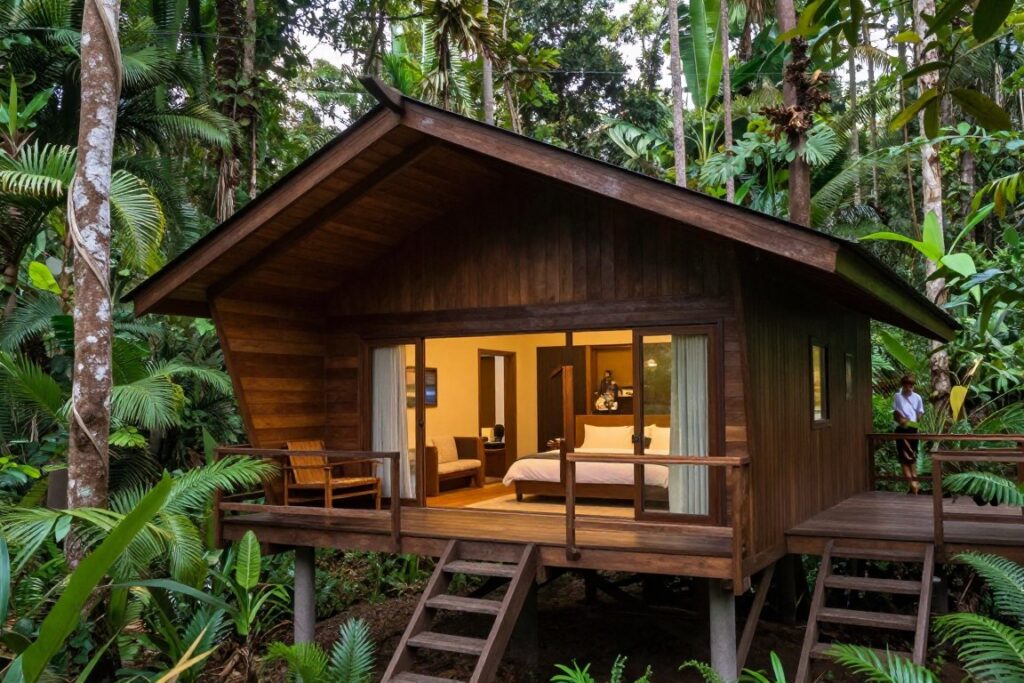
Eco-lodges in rainforest areas offer immersive nature experiences. These properties typically provide basic but comfortable facilities with emphasis on environmental sustainability and local community benefits.
Beach and island resorts concentrate in coastal areas and islands. Many operate on all-inclusive basis including meals and activities. Book well in advance, especially for popular islands during peak season.
Money and Costs
Malaysian Ringgit (MYR) is the official currency. ATMs are widely available in towns and cities. Credit cards work at hotels, restaurants, and larger shops, though cash remains important for small vendors and rural areas.
Daily budgets vary significantly based on travel style. Budget travelers can manage on $30-50 per day. Mid-range travelers should budget $75-150 daily. Luxury travel costs $200+ per day depending on accommodation and activities chosen.
Money-Saving Tips: Visit during shoulder season (March-May, September-October) for better rates. Book accommodations and tours directly rather than through intermediaries. Eat at local restaurants and hawker stalls for authentic, affordable meals. Use public transportation when practical.
Health and Safety
Sabah is generally very safe for travelers. Standard precautions apply: watch belongings in crowded areas, use hotel safes for valuables, and avoid isolated areas after dark.
No mandatory vaccinations exist for Sabah entry. However, doctors recommend being current on routine vaccinations. Consider hepatitis A and typhoid vaccines. Consult a travel medicine specialist several weeks before departure.

Malaria risk remains low in most tourist areas. Dengue fever occurs periodically. Use insect repellent, especially during dawn and dusk. Wear long sleeves and pants when in forested areas.
Tap water isn’t recommended for drinking. Bottled water is widely available and inexpensive. Most hotels provide complimentary drinking water. Avoid ice in remote areas.
Travel insurance is highly recommended. Ensure coverage includes medical evacuation, especially if planning remote rainforest or diving trips. Keep insurance documents accessible.
Communication and Internet
Mobile phone coverage reaches most populated areas and tourist destinations. Local SIM cards with data plans are affordable and available at airports and shops. Major providers include Maxis, Celcom, and Digi.
WiFi is standard at hotels and many restaurants in towns. Remote lodges may have limited or no internet connectivity. Embrace the digital detox opportunity during rainforest stays.
What to Pack
Light, breathable clothing suits Sabah’s tropical climate. Quick-dry fabrics work best in humid conditions. Bring modest clothing for cultural sites and village visits.
Essential Items
- Lightweight rain jacket or poncho
- Comfortable walking shoes and sandals
- Sun protection (hat, sunglasses, sunscreen)
- Insect repellent with DEET
- Reusable water bottle
- Power adapter (UK-style three-pin plugs)
- Basic first aid supplies
- Headlamp or flashlight
Activity-Specific Gear
- Hiking boots for Mount Kinabalu
- Swimwear and reef-safe sunscreen
- Underwater camera or GoPro
- Binoculars for wildlife viewing
- Dry bag for boat trips
- Camera with zoom lens for wildlife
- Snorkel gear (or rent locally)
- Light daypack for excursions
Pro Tip: Pack light and leave room for souvenirs. Laundry services are widely available and affordable throughout Sabah. You can easily purchase forgotten items in Kota Kinabalu.
Suggested Sabah Itineraries for Different Trip Lengths
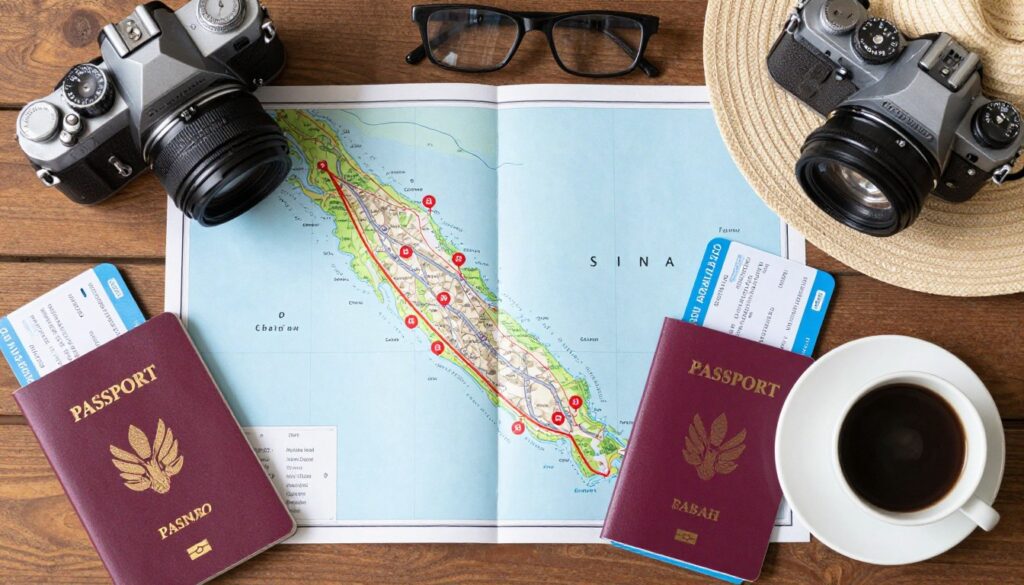
Your available time determines how much of Sabah you can explore. These sample itineraries provide frameworks you can customize based on interests and preferences.
One Week Itinerary: Essential Sabah Highlights
Day 1-2: Kota Kinabalu – Arrive and explore the capital city. Visit markets, enjoy waterfront dining, take island-hopping tours to nearby islands in Tunku Abdul Rahman Marine Park.
Day 3-4: Mount Kinabalu – Travel to Kinabalu Park. Spend day three acclimatizing and exploring botanical gardens. Climb Mount Kinabalu over days four and five, returning to park headquarters.
Day 5-6: Wildlife Experience – Travel to Sandakan area. Visit Sepilok Orangutan Rehabilitation Centre and Sun Bear Conservation Centre. Enjoy afternoon at Rainforest Discovery Centre canopy walkway.
Day 7: Return – Morning at leisure in Sandakan before flight back to Kota Kinabalu for departure.
Ten Day Itinerary: Wildlife and Islands
Day 1-2: Kota Kinabalu – City exploration and nearby island visits. Acclimatize and prepare for upcoming adventures.
Day 3-5: Kinabatangan River – Transfer to Kinabatangan area. Stay at riverside lodge with morning and afternoon wildlife cruises. Night walks to spot nocturnal animals. See proboscis monkeys, pygmy elephants, and diverse birdlife along Kinabatangan River.
Day 6: Sepilok – Visit Sepilok Orangutan Rehabilitation Centre and Sun Bear Conservation Centre. Afternoon at Rainforest Discovery Centre.
Day 7-9: Island Diving – Travel to Semporna and boat to Mabul Island. Three days of diving including Sipadan day trips (permit dependent). Snorkeling and beach time for non-divers.
Day 10: Return – Morning on island before transfer to Tawau airport or return to Kota Kinabalu.
Two Week Itinerary: Comprehensive Sabah Experience
Day 1-3: Kota Kinabalu and Surroundings – Thorough city exploration. Day trip to Mari Mari Cultural Village. Island hopping. Sunset watching at waterfront.
Day 4-6: Mount Kinabalu Region – Two-day Mount Kinabalu climb. Post-climb relaxation at Poring Hot Springs. Explore Kundasang area and local markets.
Day 7-9: Danum Valley – Transfer to pristine Danum Valley Conservation Area near Lahad Datu. Guided rainforest walks, canopy walkway, night drives. Immersive primary rainforest experience with excellent wildlife opportunities.
Day 10-11: Kinabatangan River – Move to Kinabatangan for river safaris. Multiple boat cruises and jungle walks. Proboscis monkeys and pygmy elephants viewing.
Day 12-14: Islands – Final days at beautiful Sabah islands. Diving, snorkeling, or pure beach relaxation. Choose between Sipadan/Mabul area or quieter islands like Lankayan or Mataking.
Important Planning Note: These itineraries require advance booking for Mount Kinabalu climbing permits, Sipadan diving permits, and remote lodge accommodations. Book at least 3-6 months ahead for peak season travel.
Sabah Food Guide: Local Cuisine and Dining Experiences
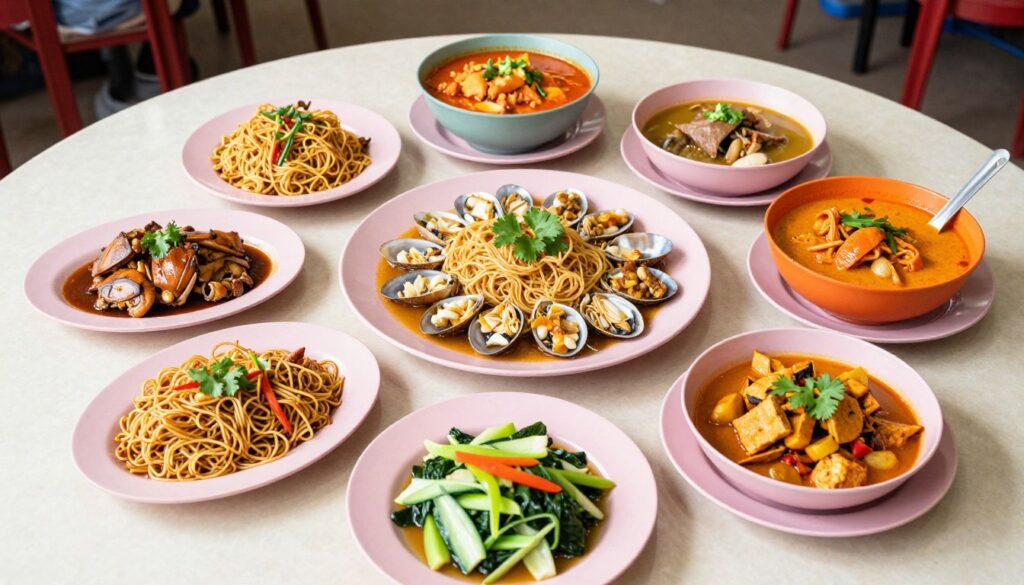
Sabah’s food scene reflects its multicultural heritage and coastal location. Fresh seafood, unique local ingredients, and diverse culinary influences create memorable dining experiences.
Must-Try Local Dishes
Hinava remains Sabah’s signature dish. This Kadazan-Dusun specialty combines fresh raw mackerel with lime juice, sliced shallots, grated ginger, and chopped bird’s eye chili. The acidic lime “cooks” the fish similarly to ceviche.
Tuaran mee showcases hand-pulled egg noodles with springy texture. Stir-fried with vegetables, meat, and savory sauce, each vendor adds their own special touch. The dish originated in Tuaran town north of Kota Kinabalu.
Ngiu chap, a beef noodle soup, brings together various beef parts in rich herbal broth. Chinese Hakka influence shines through in this comfort food popular throughout Sabah.
Amplang, crispy fish crackers, make addictive snacks perfect for bringing home. These crunchy treats combine fish paste with tapioca flour before deep-frying to golden perfection.
Seafood Experiences
Coastal location ensures incredibly fresh seafood throughout Sabah. Night markets and waterfront restaurants serve seafood caught the same day. Live tanks let you select your meal.
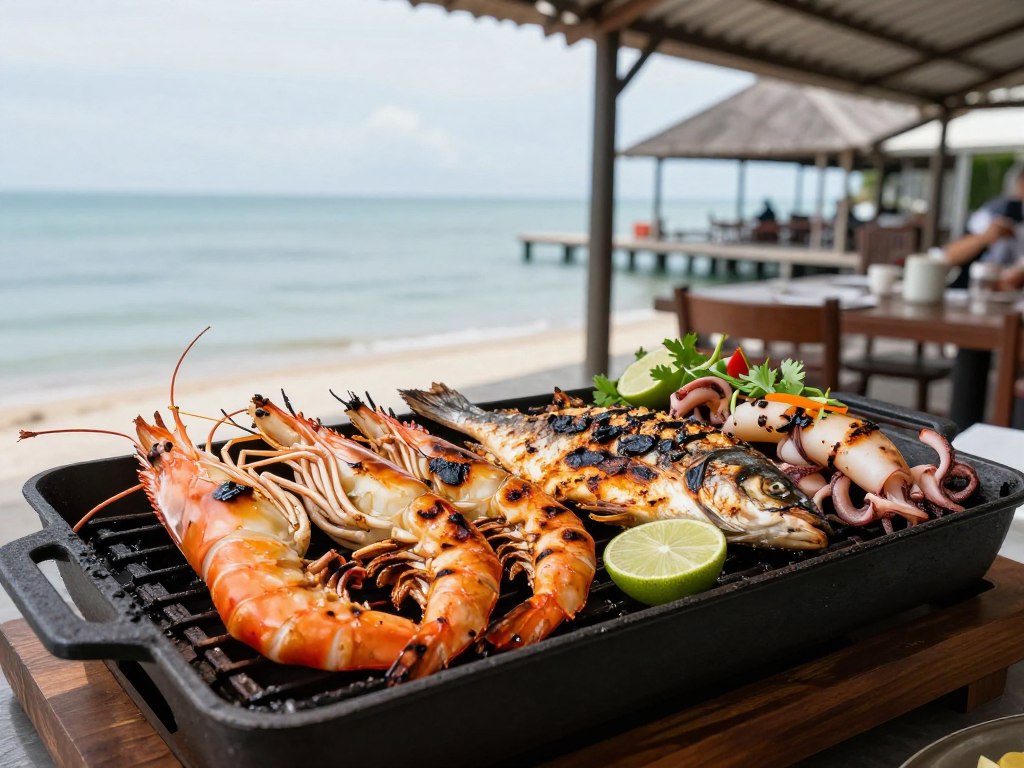
Popular seafood preparations include butter prawns in rich, sweet sauce. Steamed fish with ginger and soy sauce highlights natural freshness. Grilled squid and cuttlefish provide satisfying char flavors.
The Welcome Seafood Restaurant in Kota Kinabalu enjoys local favorite status. Large portions, reasonable prices, and consistently good quality keep it packed with both tourists and locals.
Where to Eat in Sabah
Night markets offer the most authentic and affordable dining. The Gaya Street Sunday Market in Kota Kinabalu transforms a city street into a bustling food and goods market every weekend.
Filipino Market waterfront area has numerous seafood restaurants. Choose your fresh seafood from displays and specify your preferred cooking method. Prices typically get negotiated before cooking.
Kota Kinabalu’s growing cafe scene caters to coffee enthusiasts. Local coffee varieties and international brewing methods combine in stylish settings. Many cafes serve breakfast and brunch with both local and Western options.
Drinks and Beverages
Tapai, traditional rice wine, plays important roles in Kadazan-Dusun culture. The sweet, slightly fermented drink appears at celebrations and cultural events. Try it at cultural villages or special occasions.
Sabah tea grows in highland plantations around Ranau. Factory tours show tea processing from leaf to cup. Fresh mountain air and volcanic soil produce distinctive flavor profiles.
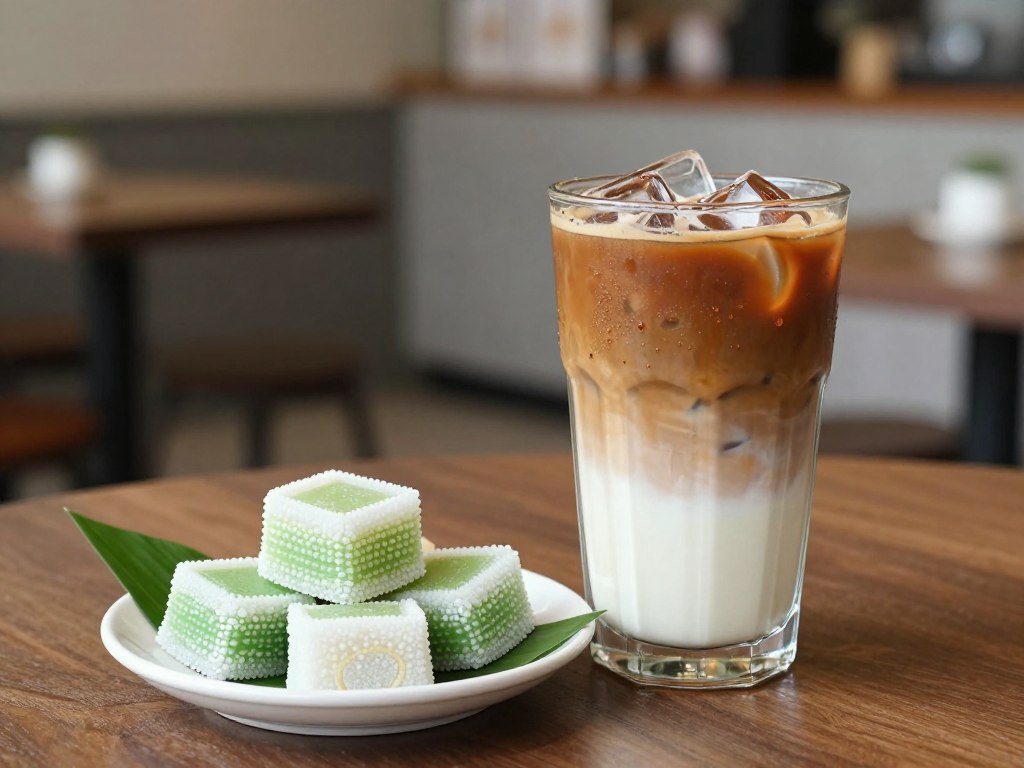
Fresh tropical fruit juices provide refreshing relief from heat. Coconuts, passionfruit, and exotic local fruits become delicious drinks. Avoid ice in questionable establishments to prevent stomach issues.
Responsible and Sustainable Travel in Sabah
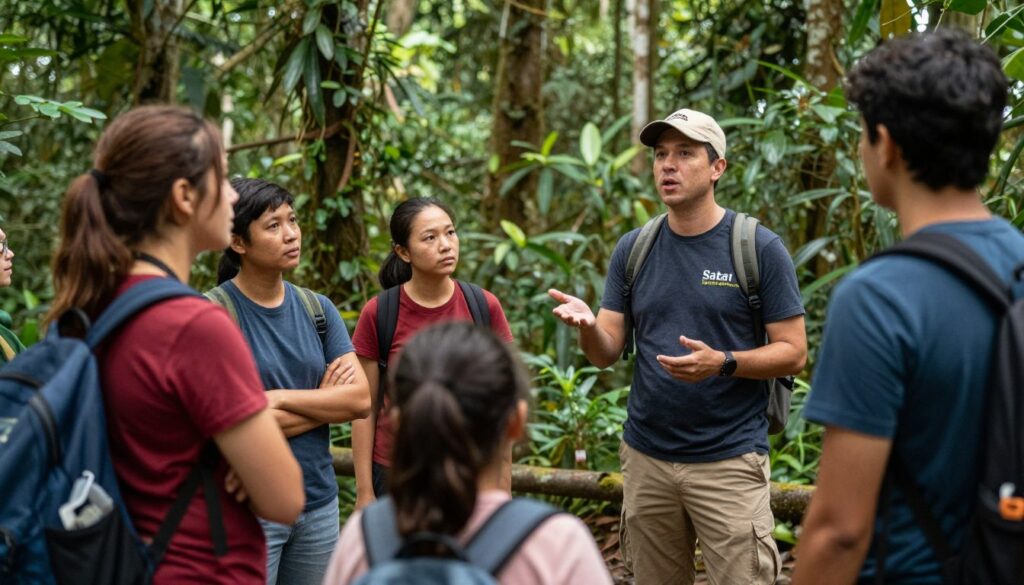
Responsible tourism protects Sabah’s incredible natural and cultural resources while benefiting local communities. Small actions by individual travelers collectively create significant positive impact.
Environmental Considerations
Plastic pollution threatens Sabah’s pristine environments. Bring reusable water bottles, shopping bags, and food containers. Many establishments now offer refill stations for drinking water.
Reef-safe sunscreen protects marine ecosystems. Regular sunscreens contain chemicals harmful to coral reefs. Choose mineral-based alternatives with zinc oxide or titanium dioxide when swimming or diving.
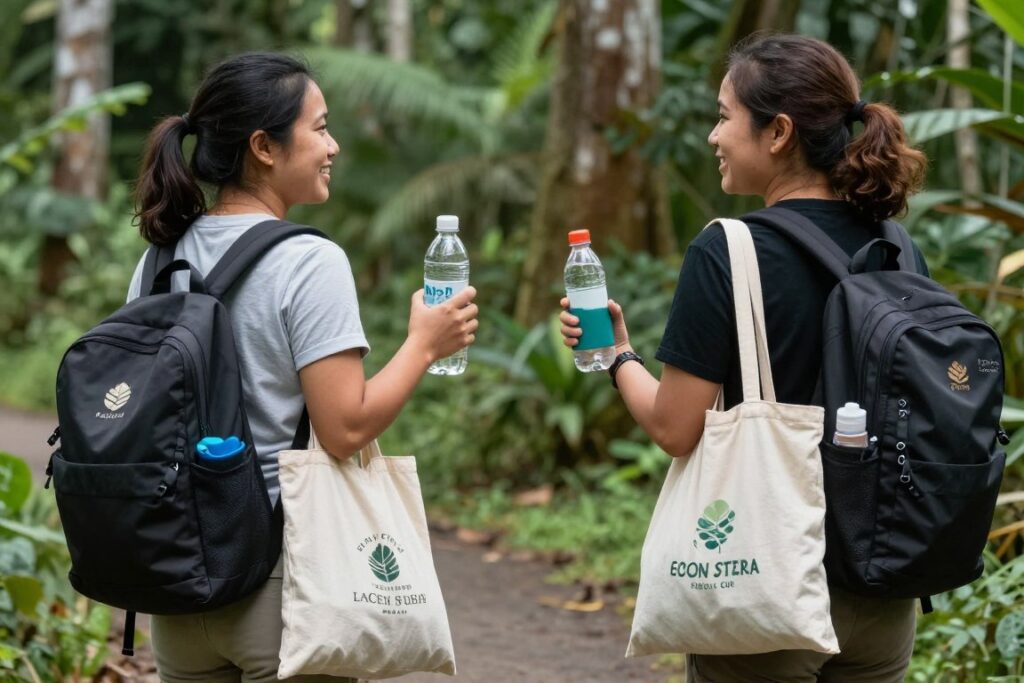
Proper waste disposal becomes crucial in remote areas lacking sophisticated waste management. Pack out all trash from beaches, trails, and campsites. Participate in beach cleanups if opportunities arise.
Wildlife Interaction Ethics
Maintain safe distances from all wildlife. Never touch, feed, or attempt to interact with wild animals. Your safety and their wellbeing both depend on respectful observation.
Flash photography stresses and can harm wildlife. Disable camera flash when photographing animals, especially during night walks or in rehabilitation centers.
Choose ethical wildlife experiences. Avoid facilities that chain animals, offer touching opportunities with inappropriate species, or display animals in poor conditions. Support legitimate conservation centers and sanctuaries.
Supporting Local Communities
Purchase handicrafts directly from artisans when possible. This ensures fair prices reach makers rather than middlemen. Ask about items’ origins and making processes to ensure authenticity.
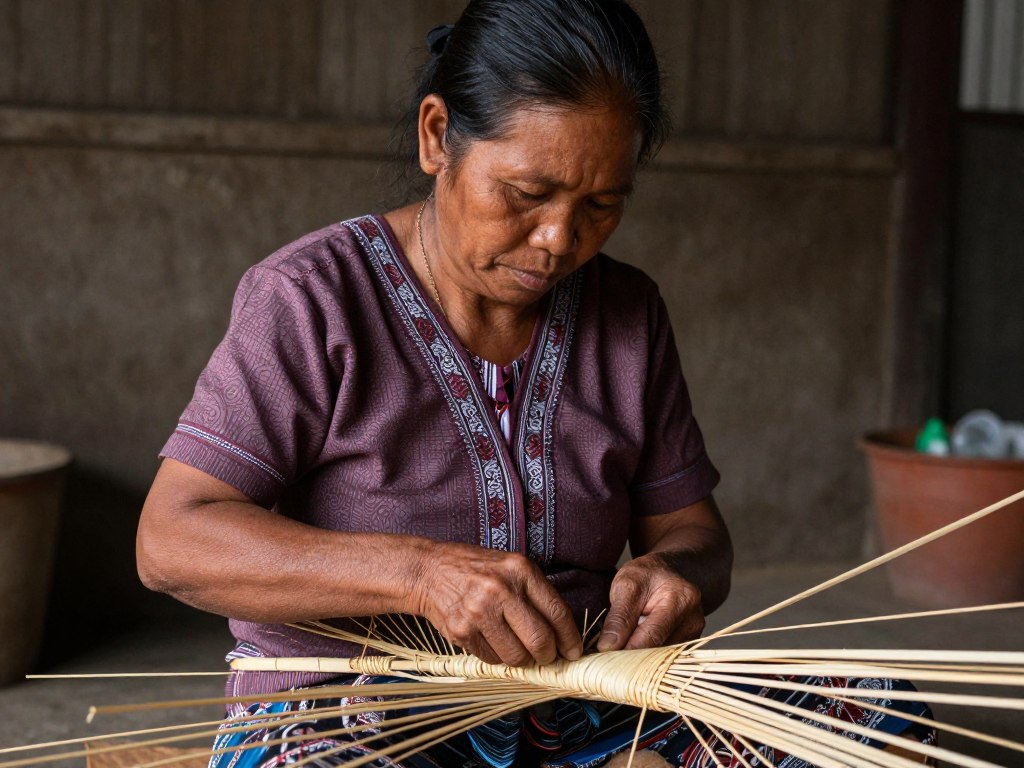
Stay in locally-owned accommodations and eat at family restaurants. Money spent with local businesses stays within communities rather than flowing to international chains.
Hire local guides for tours and activities. Their knowledge enhances experiences while providing employment. Tipping guides fairly for good service shows appreciation and supports livelihoods.
Cultural Respect
Learn basic Malay phrases. Simple greetings like “selamat pagi” (good morning) and “terima kasih” (thank you) show respect and appreciation for local culture.
Dress modestly when visiting villages, religious sites, and rural areas. Cover shoulders and knees out of respect. Remove shoes before entering homes and certain buildings.
Always ask permission before photographing people, especially indigenous community members. Respect refusals graciously. Some cultures believe photography captures spirits or prefer privacy.
Eco-Friendly Tour Operators
Research tour operator environmental and social practices before booking. Look for companies with clear sustainability policies, fair labor practices, and conservation contributions.
Smaller group tours minimize environmental impact while providing better experiences. Choose quality over quantity when selecting activities and destinations.
“We must be the change we wish to see. Every responsible choice by travelers helps preserve Sabah’s wonders for future generations while ensuring local communities benefit from tourism.”
Frequently Asked Questions About Traveling to Sabah
Is Sabah safe for tourists?
Yes, Sabah is generally very safe for tourists. The state has good security measures and tourist areas are well-monitored. Standard travel precautions apply: watch belongings in crowded places, use hotel safes, and avoid isolated areas after dark. Certain eastern coastal areas near the Philippines border have travel advisories, but main tourist destinations like Kota Kinabalu, Mount Kinabalu, Sandakan, and diving islands are perfectly safe.
What language is spoken in Sabah?
Malay is the official language, but English is widely spoken in tourist areas, hotels, and restaurants. Many locals speak multiple languages including various indigenous dialects. You’ll have no trouble communicating in English at tourist destinations. Learning basic Malay phrases shows respect and enhances cultural connections.
How many days do I need to explore Sabah?
A minimum of 7-10 days allows you to experience Sabah’s highlights including Kota Kinabalu, Mount Kinabalu or wildlife areas, and islands. Two weeks provides comprehensive exploration covering mountains, rainforests, wildlife, and beaches without rushing. Even shorter trips can be worthwhile if focused on specific interests like diving or Mount Kinabalu climbing.
When is the best time to visit Sabah?
March through October is generally best, with the dry season providing optimal conditions for outdoor activities. September and October offer the sweet spot with good weather and fewer crowds. The wet season (November-February) brings afternoon rains but offers lower prices and lush scenery. Specific activities have ideal windows: diving is best April-December, Mount Kinabalu climbing suits dry season months.
Do I need special permits for Mount Kinabalu?
Yes, climbing permits are mandatory and limited to 192 climbers daily to protect the environment. Book 3-6 months in advance, especially for peak season. Permits include park fees and mandatory guide services. You cannot climb without proper permits. Book through official Sabah Parks or licensed tour operators to secure legitimate permits.
Can I see orangutans in the wild in Sabah?
Yes, though wild sightings require luck and patience. Sepilok Orangutan Rehabilitation Centre offers the most reliable viewing during feeding times. For truly wild encounters, visit Kinabatangan River area or Danum Valley where orangutans live in natural habitats. Hiring experienced guides significantly improves chances of wild orangutan sightings.
Is Sipadan really that good for diving?
Absolutely. Sipadan consistently ranks among the world’s top dive sites. The marine biodiversity is extraordinary with massive schools of barracuda and jackfish, abundant sea turtles, reef sharks, and dramatic wall dives. Daily permits limit numbers to 120 divers, maintaining pristine conditions. Book Sipadan permits months in advance as they sell out quickly.
What should I pack for Sabah?
Light, breathable clothing for tropical heat plus layers for mountain areas. Essential items include rain jacket, comfortable walking shoes, sun protection, insect repellent, reef-safe sunscreen, and reusable water bottle. For Mount Kinabalu, bring warm layers including jacket, gloves, and hat. Diving trips require swimwear and underwater camera. Most items can be purchased in Kota Kinabalu if forgotten.
Are there malaria or other health risks in Sabah?
Malaria risk is low in most tourist areas. Dengue fever occurs periodically, so insect protection is important. Use repellent with DEET, especially at dawn and dusk. Wear long sleeves and pants in forested areas. No mandatory vaccinations required, but hepatitis A and typhoid vaccines are recommended. Don’t drink tap water. Travel insurance with medical evacuation coverage is highly advisable.
How much does a Sabah trip cost?
Budget travelers can manage on $30-50 per day staying in hostels and eating at local restaurants. Mid-range travelers should budget $75-150 daily for comfortable hotels and guided tours. Luxury travel costs $200+ daily. Major expenses include Mount Kinabalu climbing permits ($200-300), Sipadan diving ($150-200 per day), and remote lodge accommodations. Flights, tours, and accommodation booked in advance often offer better value.
Start Your Sabah Adventure in 2026
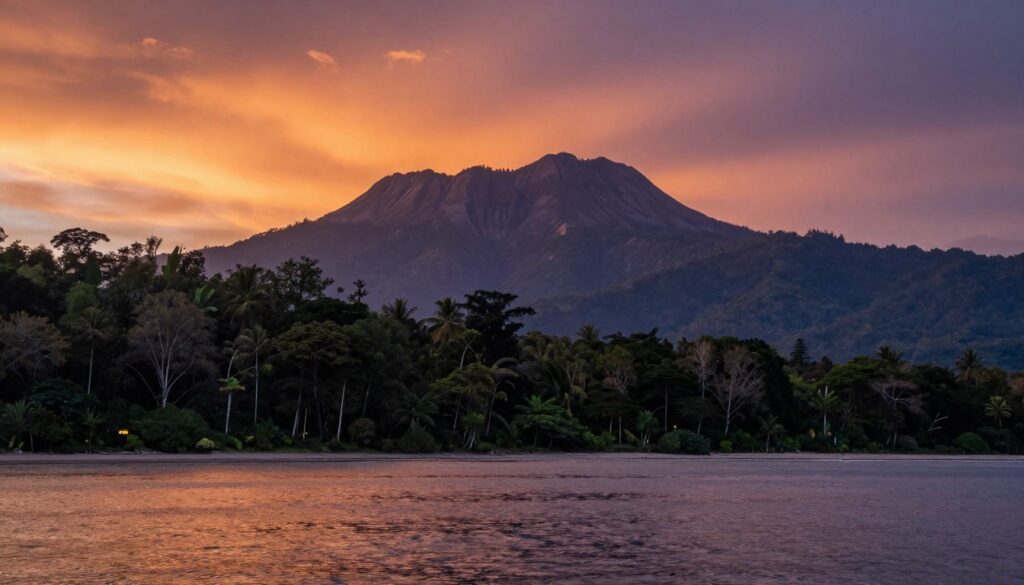
Sabah truly offers something extraordinary. Few destinations combine such remarkable wildlife, stunning landscapes, rich culture, and outdoor adventures in one accessible place.
From the moment you arrive in Kota Kinabalu to your final sunset over the South China Sea, Sabah delivers experiences that exceed expectations. Whether you summit Mount Kinabalu, encounter orangutans in the rainforest, dive pristine coral reefs, or connect with indigenous communities, each experience creates lasting memories.
The world continues to change rapidly. Sabah’s commitment to conservation and sustainable tourism ensures these natural wonders remain protected. Visiting responsibly means future generations can also experience this remarkable place.
Your Sabah journey awaits. The rainforests, mountains, islands, and wildlife are calling. Start planning your 2026 adventure today and discover why this Malaysian state captures hearts and inspires wonder in every traveler fortunate enough to visit.
Ready to Explore Sabah? Let’s Make It Happen
Connect with our Sabah travel specialists for personalized trip planning, tour bookings, and insider tips. We’ll help create your perfect Sabah adventure matching your interests, timeline, and budget.