

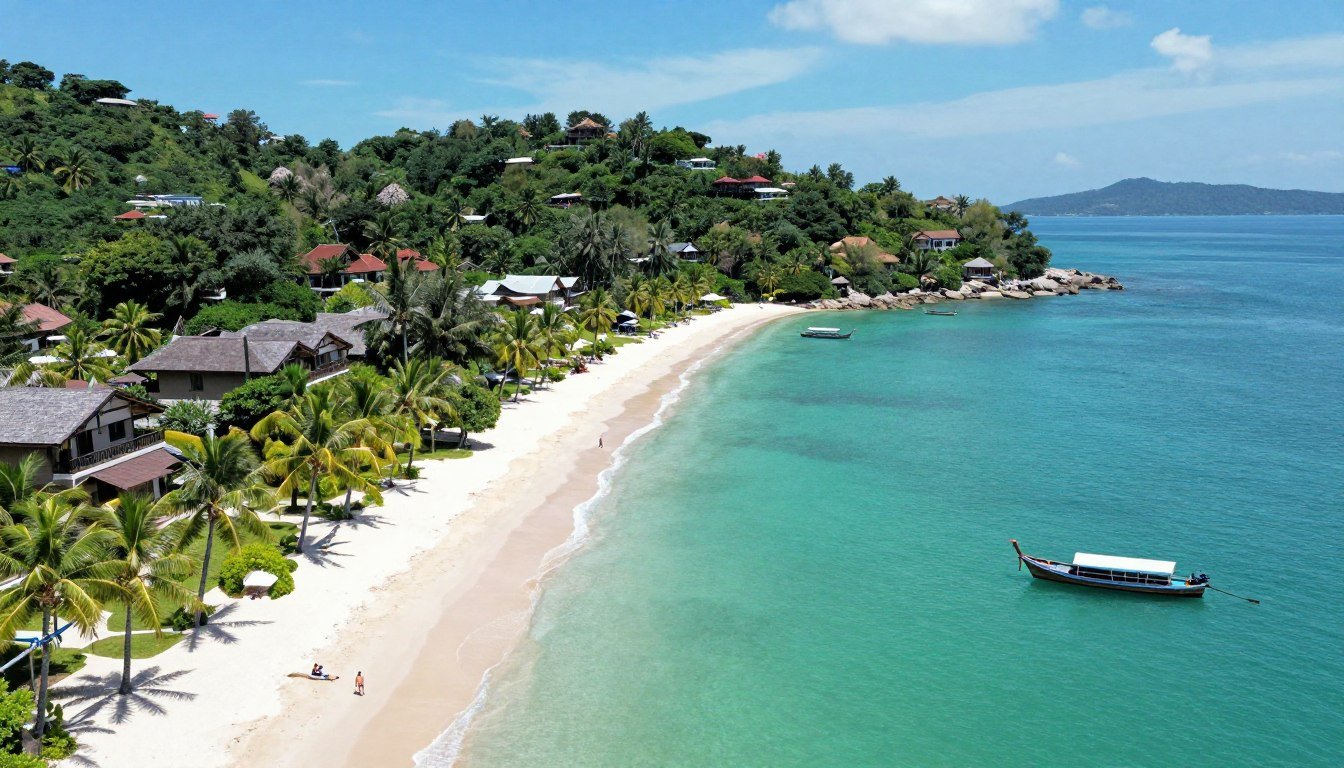
Koh Samui rises from the Gulf of Thailand as one of Southeast Asia’s most captivating island destinations. This tropical paradise blends pristine white-sand beaches with lush jungle-covered mountains, creating landscapes that define postcard-perfect Thailand. Planning your 2026 escape to this island requires understanding its diverse beaches, vibrant culture, and endless adventure opportunities.
The island welcomes travelers seeking everything from budget backpacker experiences to ultra-luxury resort getaways. Koh Samui’s compact size makes exploring easy, yet each coastline offers distinct character and attractions. Whether you crave water sports action, peaceful beach meditation, or cultural temple visits, this island delivers authentic Thai experiences wrapped in natural beauty.
Get Your Free Koh Samui Travel Planner 2026
Download our comprehensive island guide with detailed beach maps, money-saving tips, and curated itineraries. Join 40,000+ travelers who’ve discovered their perfect Koh Samui adventure.
Why Koh Samui Deserves Your 2026 Travel Plans
Koh Samui captures Thailand’s essence while offering infrastructure that makes island life comfortable. Thailand’s second-largest island spans approximately 228 square kilometers of diverse landscapes. Unlike some overcrowded Thai destinations, Koh Samui maintains balance between development and natural preservation, creating sustainable tourism experiences.
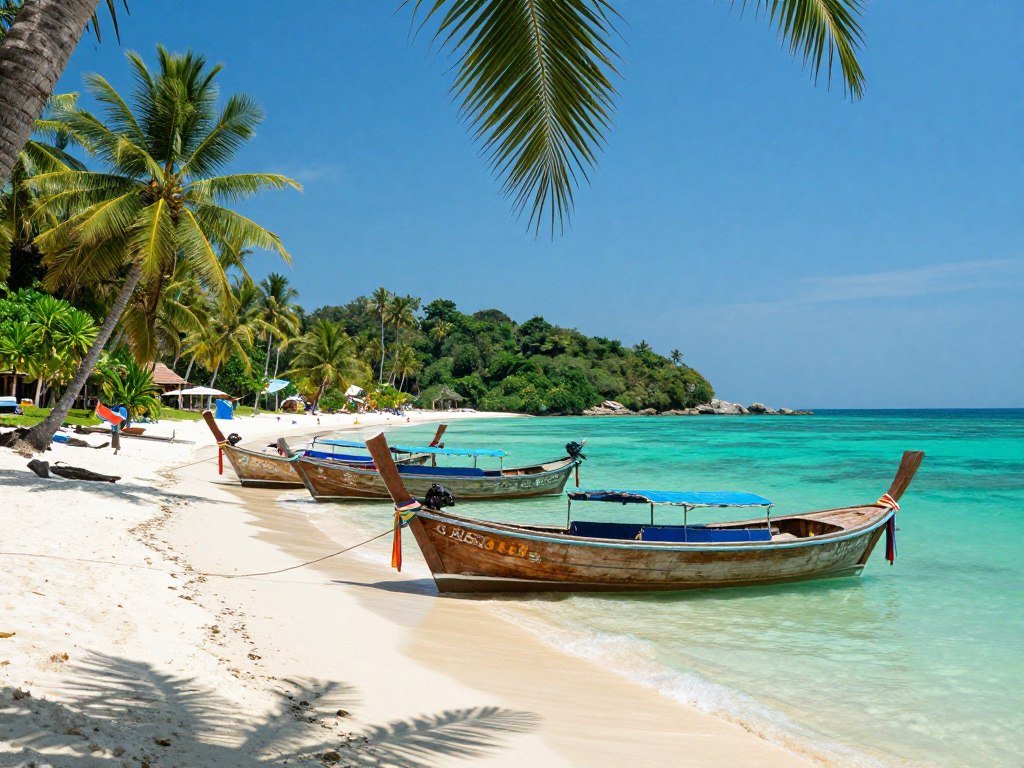
The island’s beaches each tell different stories. Chaweng Beach pulses with energy, drawing party-seekers and water sports enthusiasts. Lamai Beach offers slightly calmer vibes while maintaining excellent facilities. Lesser-known stretches like Lipa Noi provide tranquil escapes where you’ll share sand with only a handful of visitors.
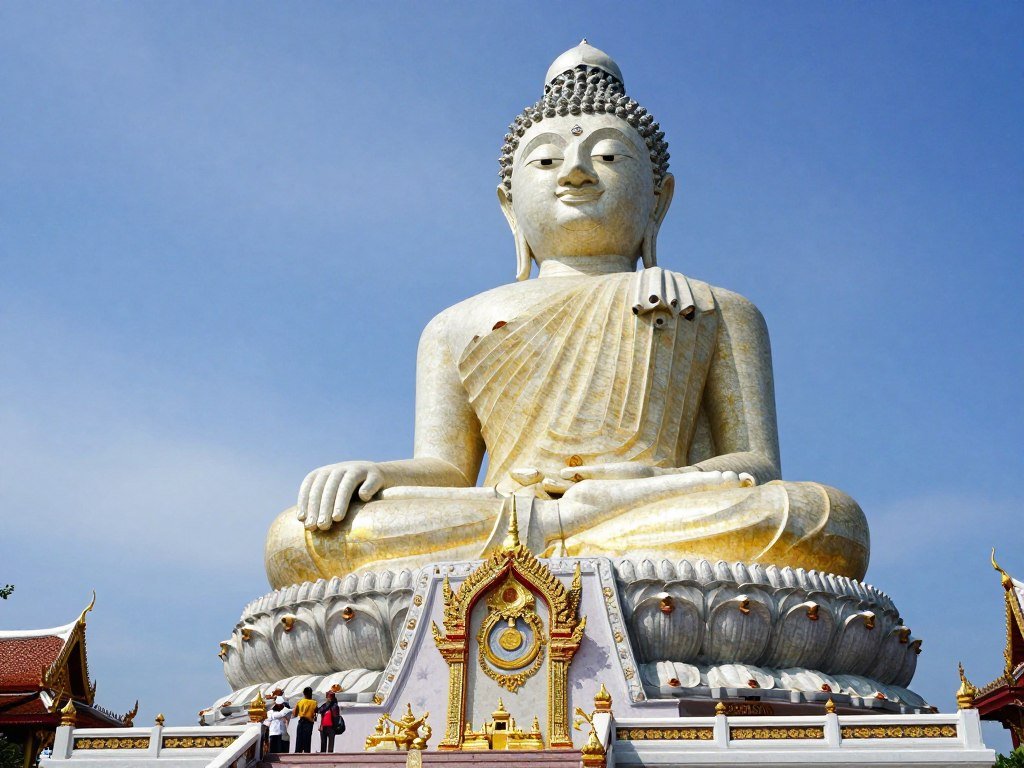
Culture thrives beyond the beaches. The Big Buddha Temple stands as Koh Samui’s most iconic landmark, visible from kilometers away. Wat Plai Laem showcases intricate Thai-Chinese architecture with its stunning statues. Traditional fisherman villages preserve authentic island life, offering glimpses into communities that existed long before tourism arrived.
Food culture elevates Koh Samui beyond typical beach destinations. Fresh seafood dominates menus at beachfront restaurants where chefs grill catches mere hours old. Night markets overflow with authentic Thai street food at prices that seem impossible. Upscale dining scenes cater to international palates without sacrificing local flavor authenticity.
Best Time to Visit Koh Samui: Weather and Seasons Guide
Koh Samui’s weather patterns differ from mainland Thailand and even neighboring islands. Understanding these unique climate rhythms helps you plan the perfect visit timing for your preferences and priorities.
High Season: December to February
Peak tourist season brings perfect weather conditions. Temperatures hover around 25-28°C (77-82°F) with minimal rainfall and comfortable humidity levels. Clear skies create ideal conditions for beach activities, snorkeling, and island exploration. This period sees the highest visitor numbers, especially around Christmas and New Year holidays.
Accommodation prices reach yearly peaks during these months. Book hotels and resorts at least three to four months ahead for the best selection and rates. Popular beaches become crowded, particularly during European winter holiday periods when visitors escape cold weather back home.
Insider Tip: February offers the sweet spot of high season weather with slightly fewer crowds than December and January. Hotel prices begin dropping mid-month as peak season winds down.
Hot Season: March to June
Temperatures climb during these months, often reaching 32-35°C (90-95°F). Heat intensifies particularly in April and May. Despite higher temperatures, this period sees less rainfall than other times. The heat keeps some travelers away, creating opportunities for better hotel deals and less crowded beaches.
Early mornings and late afternoons become the best times for outdoor activities. Midday heat drives most visitors to air-conditioned spaces or swimming. Many resorts offer significant discounts during these months, making luxury accommodation surprisingly affordable.
Rainy Season: September to November
Koh Samui’s rainy season presents unique challenges and opportunities. November typically brings the heaviest rainfall, though precipitation patterns vary yearly. Rain usually arrives in short, intense bursts rather than all-day downpours. Between storms, sunshine often breaks through for beach enjoyment.
This period offers the lowest prices across accommodation and activities. Fewer tourists mean you’ll have beaches largely to yourself. Some beach clubs and restaurants close during these months, and rough seas may cancel boat tours to surrounding islands. Weather unpredictability requires flexible planning.
Shoulder Season: July to August
Summer months balance decent weather with moderate prices. Occasional rain showers cool things down, but sunny periods dominate. This timing coincides with school holidays in many countries, bringing families to the island. Beaches stay busy but not overwhelmingly crowded like peak December-January periods.
| Month | Temperature | Rainfall | Crowd Level | Price Level | Best For |
| December-February | 25-28°C (77-82°F) | Very Low | Very High | Expensive | Perfect weather, guaranteed sunshine |
| March-June | 30-35°C (86-95°F) | Low | Moderate | Moderate | Budget travelers, hot weather lovers |
| July-August | 28-32°C (82-90°F) | Moderate | High | Moderate-High | Families, summer vacations |
| September-November | 26-30°C (79-86°F) | High | Low | Budget-friendly | Serious budget savings, quiet beaches |
Getting to Koh Samui: Transportation Options
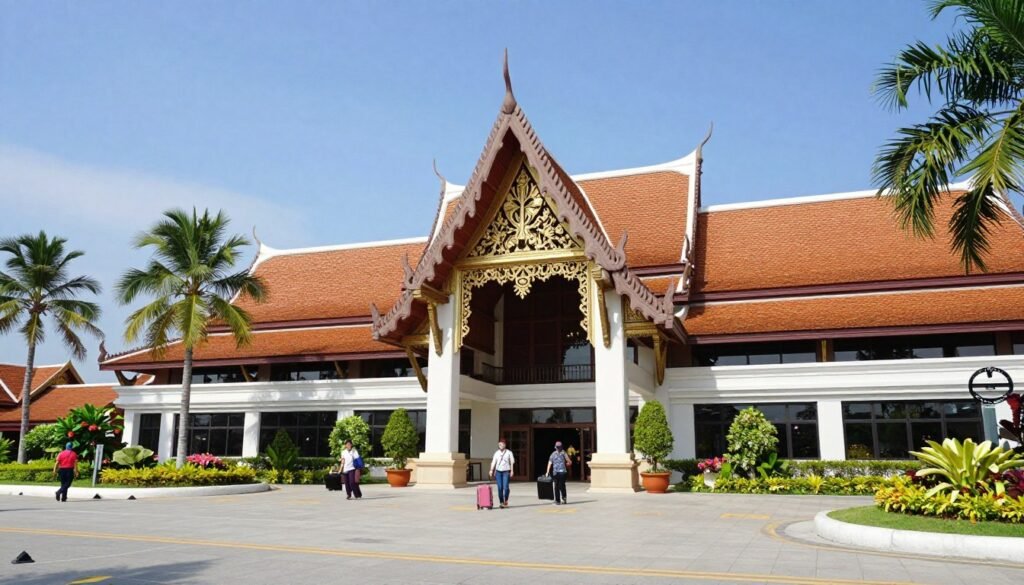
Reaching Koh Samui involves more planning than flying to mainland Thai destinations. The island’s location in the Gulf of Thailand requires either flights or combined ferry-bus journeys. Understanding your options helps optimize travel time and budget.
Flying to Koh Samui Airport
Samui International Airport ranks among the world’s most beautiful airports with its open-air tropical design. Bangkok Airways operates the privately-owned airport and provides the majority of direct flights. The airline runs multiple daily services from Bangkok Suvarnabhumi Airport, with flight times around 80 minutes.
Direct international flights connect Koh Samui with Singapore, Hong Kong, Kuala Lumpur, and several Chinese cities during peak season. These routes offer convenient access without Bangkok connections. Expect premium pricing for Koh Samui flights compared to flying into Surat Thani on the mainland.
The airport sits on the island’s northeastern coast, about 15 minutes from Chaweng Beach and 20-25 minutes from most west coast hotels. Airport taxis operate on fixed-price zones, eliminating haggling. Shared minivans offer budget alternatives, though they make multiple hotel stops extending journey times.
Budget Alternative: Surat Thani Airport
Flying to Surat Thani Airport on the mainland saves significant money on airfare. Multiple budget carriers including AirAsia and Thai Lion Air serve this airport from Bangkok and other Thai cities. From Surat Thani, ferries complete the journey to Koh Samui.
Combined bus-ferry tickets coordinate ground transportation from the airport to Donsak Pier, then ferry crossings to Koh Samui. The complete journey takes 3-4 hours depending on connections and ferry schedules. Companies like Lomprayah and Seatran operate these combined services with several daily departures.
This option suits budget-conscious travelers willing to trade time for savings. The journey becomes part of the adventure, offering glimpses of southern Thai landscapes and island-hopping culture. Book combined tickets online in advance for the best coordination and pricing.
Ferry Services from Mainland Thailand
Several ferry companies connect Koh Samui with mainland piers. Lomprayah high-speed catamarans complete the crossing in about 90 minutes, offering air-conditioned comfort and reliable schedules. Seatran ferries provide slightly slower but equally reliable service.
Raja Ferry operates vehicle ferries for travelers bringing cars or motorcycles. These larger vessels take about 2.5 hours but allow independent vehicle transport. Most visitors use passenger ferries rather than bringing vehicles.
Ferry schedules align with bus arrivals from various mainland cities. Combined tickets from Bangkok, Phuket, Krabi, and other destinations bundle bus and ferry transport. These packages simplify booking though they commit you to specific departure times.
Find Best Flight Deals to Koh Samui
Compare prices across airlines and booking platforms. Book early for 2026 peak season travel to secure the best rates and flight times.
Getting Around Koh Samui: Island Transportation
Navigating Koh Samui requires understanding local transportation options. The island’s ring road circles the coast, connecting all major beaches and attractions. Interior roads cross the mountainous center, though coastal routes see the most traffic.
Renting Scooters and Motorcycles
Scooter rentals dominate local transportation. Countless shops rent motorcycles for 200-300 baht daily, with discounts for weekly or monthly rentals. This freedom lets you explore the island at your own pace, stopping at hidden beaches and viewpoints whenever inspiration strikes.
International driving permits legally required for motorcycle operation often go unchecked by rental shops. Police checkpoints do occur, particularly near popular beaches. Fines for driving without proper licenses can reach several thousand baht. Always wear helmets – both legal requirement and crucial safety measure on Koh Samui’s sometimes chaotic roads.
Road conditions vary considerably around the island. Main coastal roads generally maintain good pavement, though steep hills challenge inexperienced riders. Interior routes through mountains feature tight curves and occasional rough surfaces. Defensive driving becomes essential as traffic rules receive creative interpretation.
Colorful songthaew pickup trucks with bench seating serve as Koh Samui’s public transportation. These vehicles run fixed routes around the island, though schedules remain flexible. Fares typically cost 50-100 baht depending on distance. Flag down songthaews along main roads, then inform drivers of your destination.
Songthaews work well for budget travel between major beaches during daytime hours. Service frequency drops significantly after dark and in remote areas. Negotiate fares before boarding for private songthaew charters to specific destinations.
Private Taxis and Grab
Taxi services operate throughout Koh Samui, concentrated around Chaweng Beach and the airport. Meters rarely get used, making fare negotiation necessary. Expect to pay 300-600 baht for cross-island journeys depending on distance and negotiation skills.
Grab ride-hailing app functions in Koh Samui, though with fewer drivers than Bangkok. The app eliminates price haggling and provides transparent upfront fares. Availability varies by location and time, with better coverage in tourist areas.
Renting Cars
Car rentals suit families or groups wanting air-conditioned comfort and trunk space. Prices start around 1,000-1,500 baht daily for basic vehicles. International chains and local companies operate from the airport and major beach areas.
Driving yourself provides maximum flexibility though traffic and parking challenges exist in busy areas like Chaweng. Cars make sense for travelers with children, those wanting to explore extensively, or visitors uncomfortable on scooters.
Koh Samui’s Best Beaches: Complete Guide
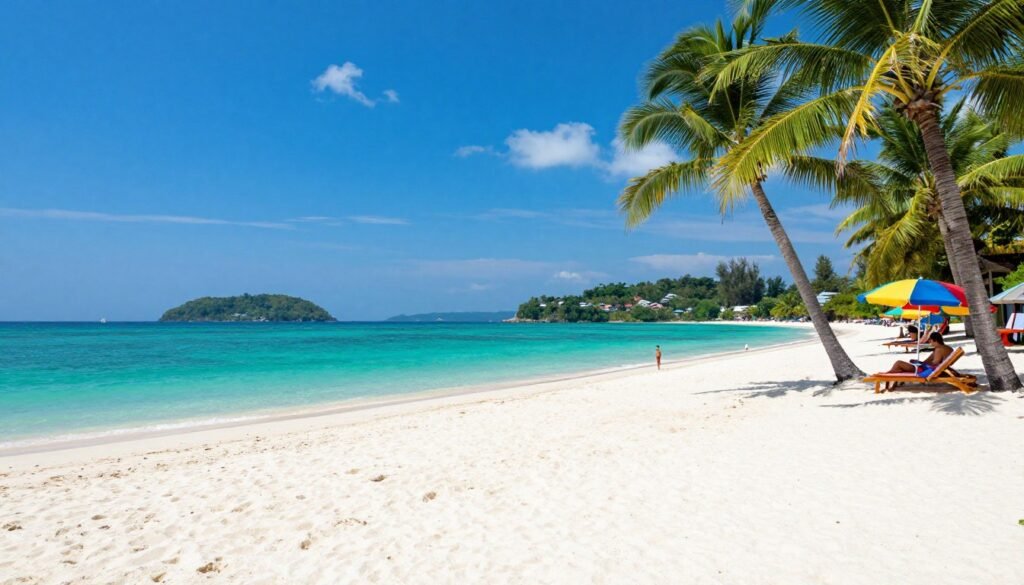
Each Koh Samui beach offers distinct personality and appeal. Choosing the right beach area for your accommodation significantly impacts your island experience. Understanding what makes each stretch unique helps match beaches to your travel style and priorities.
Chaweng Beach: The Island’s Social Hub
Chaweng Beach stretches for seven kilometers along the east coast, making it Koh Samui’s longest and most developed beach. White sand meets shallow turquoise water perfect for swimming most of the year. This beach draws the biggest crowds, hosts the most hotels, and offers the densest concentration of restaurants, bars, and nightlife.
The beach subdivides into distinct sections. North Chaweng features upscale resorts and slightly calmer atmosphere. Central Chaweng pulses with activity – beach clubs, water sports vendors, and constant people-watching. South Chaweng, near Chaweng Noi, offers a bit more peace while maintaining excellent beach quality and convenient access to town amenities.
Water conditions at Chaweng Beach suit swimming and water sports. Gentle waves during most seasons create safe conditions for families. Clear water provides decent snorkeling near rocky outcrops at both beach ends. Jet skis, parasailing, and banana boat rides operate from multiple beach locations.
Staying at Chaweng Beach puts you in the center of Koh Samui action. Walk to endless dining options, from street food stalls to upscale restaurants. Shopping ranges from beachside massage shops to modern malls like Central Festival. The nightlife scene thrives here more than anywhere else on the island.
Lamai Beach: Chaweng’s Laid-Back Neighbor
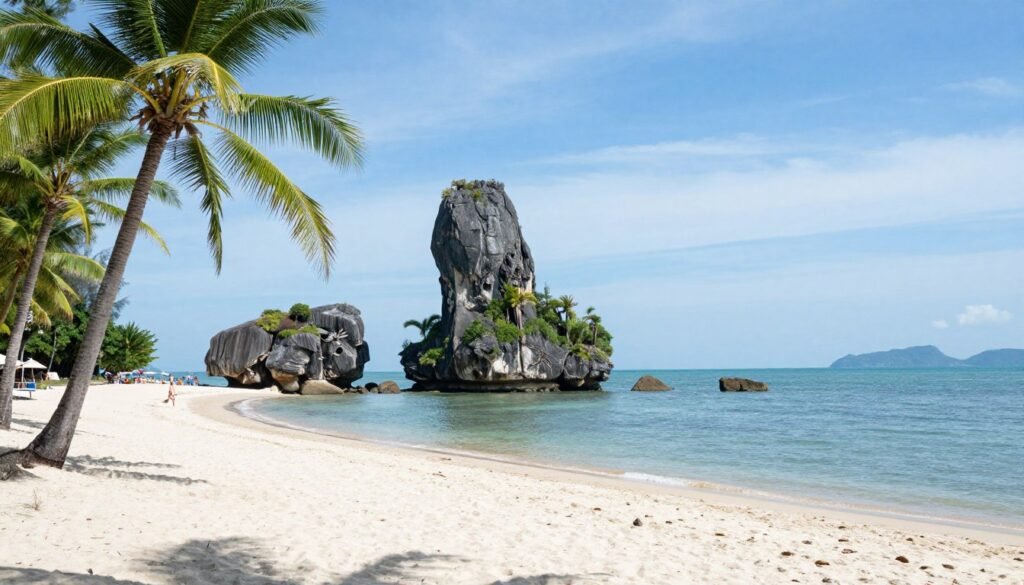
Lamai Beach ranks as Koh Samui’s second-largest beach development, stretching along the southeast coast below Chaweng. The atmosphere here feels noticeably more relaxed despite plenty of hotels, restaurants, and entertainment options. The beach attracts slightly older crowds and travelers seeking alternatives to Chaweng’s constant buzz.
Natural rock formations punctuate Lamai Beach, creating photogenic scenery and snorkeling spots. The famous Grandmother and Grandfather Rocks (Hin Ta and Hin Yai) sit at the southern end, drawing curious visitors to these naturally suggestive stone formations. These rocks have become iconic Koh Samui landmarks featured in countless photos.
Lamai’s beach road runs parallel to the shore, lined with restaurants, bars, shops, and travel agencies. The scene remains lively without matching Chaweng’s intensity. Budget accommodation appears more frequently in Lamai, making it popular with backpackers and mid-range travelers seeking value.
Swimming conditions at Lamai Beach vary along its length. Some sections feature rocky bottoms less comfortable for barefoot wading. The central beach area offers the best sand and swimming access. Water sports operate here, though with less density than Chaweng.
Bophut Beach and Fisherman’s Village
Bophut Beach occupies the north coast, offering a completely different vibe from the east coast party beaches. The historic Fisherman’s Village preserves traditional wooden architecture along its main street, creating charming atmosphere rare in modern Koh Samui. Boutique hotels, sophisticated restaurants, and art galleries replace the massage shops and bar clusters found elsewhere.
The beach itself stretches for several kilometers with generally calm water. Swimming conditions rank among the island’s safest, particularly during high season. The beach width varies, with some sections narrowing during high tide. The sand texture feels slightly coarser than Chaweng or Lamai but remains comfortable.
Friday night walking street markets transform Fisherman’s Village into Koh Samui’s best evening market. Vendors sell handicrafts, clothing, and street food along the closed main road. Live music and relaxed vibes make this weekly event popular with both tourists and resident expats.
Bophut attracts couples, families, and travelers prioritizing character over party scenes. The area offers excellent dining, from casual beachfront bistros to upscale international cuisine. Accommodation ranges from budget guesthouses to luxury boutique resorts, with prices generally higher than comparable properties in Lamai.
Maenam Beach: Tranquil North Coast Escape
Maenam Beach extends for four kilometers along the north coast west of Bophut. This quiet beach sees far fewer visitors than eastern counterparts, creating peaceful tropical beach experiences. The calm shallow water suits families with young children, though the beach itself can feel less scenic than other options.
Trees provide natural shade along much of Maenam Beach, eliminating the need for beach umbrellas. Local food vendors sell fresh coconuts, grilled seafood, and Thai snacks at prices noticeably lower than tourist beach rates. The relaxed local vibe attracts long-term visitors and those seeking authentic island experiences.
Accommodation in Maenam leans toward budget and mid-range options, with several upscale resorts scattered along the coast. The area lacks the walking-distance restaurant and entertainment density found in Chaweng or Lamai. Most visitors rely on scooters or taxis to explore beyond their immediate beach area.
Lipa Noi Beach: Sunset Perfection
Lipa Noi occupies the west coast, making it Koh Samui’s premier sunset viewing beach. This quiet stretch sees minimal development compared to eastern beaches. The peaceful atmosphere attracts villa rentals and small boutique resorts rather than large hotel complexes.
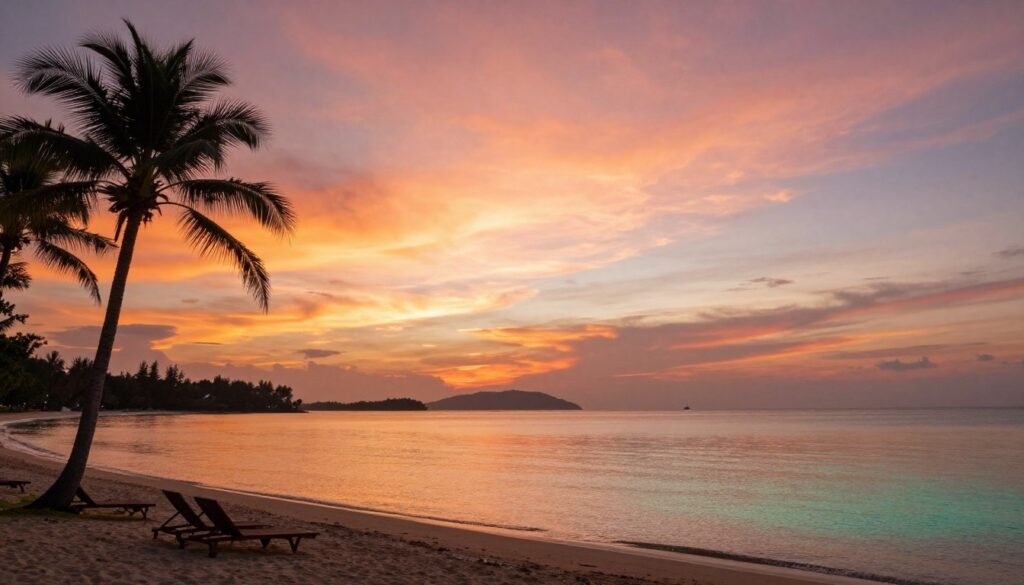
The beach faces Koh Phangan and Ang Thong Marine Park, creating stunning views across the Gulf of Thailand. Shallow water extends far from shore, making swimming possible though sometimes requiring long walks through ankle-deep water. The sunset views compensate for any swimming limitations.
Lipa Noi suits travelers wanting complete beach tranquility and willing to sacrifice convenient access to restaurants and nightlife. Several upscale resorts anchor this coast, offering self-contained luxury experiences. Budget options remain limited in this area.
Beach Comparison Overview
| Beach | Atmosphere | Swimming | Dining Options | Nightlife | Best For |
| Chaweng | Very Busy | Excellent | Extensive | Very Active | Party seekers, first-time visitors |
| Lamai | Moderately Busy | Good | Many Options | Moderate | Balance of action and relaxation |
| Bophut | Relaxed | Very Good | Quality Focused | Low-Key | Couples, foodies, culture seekers |
| Maenam | Quiet | Good for Kids | Limited | Minimal | Families, budget travelers, peace |
| Lipa Noi | Very Quiet | Shallow | Resort-Based | None | Sunsets, luxury seclusion, villas |
Find Your Perfect Beach Accommodation
From party-central Chaweng to tranquil Lipa Noi, discover the ideal beach base for your Koh Samui adventure. Compare hotels, resorts, and villas across all beaches.
Top Attractions and Things to Do in Koh Samui
Koh Samui’s attractions extend far beyond beaches. Temples, waterfalls, viewpoints, and cultural experiences add depth to typical sun-and-sand vacations. These highlights showcase the island’s diverse appeal and provide alternatives to beach time.
Big Buddha Temple (Wat Phra Yai)
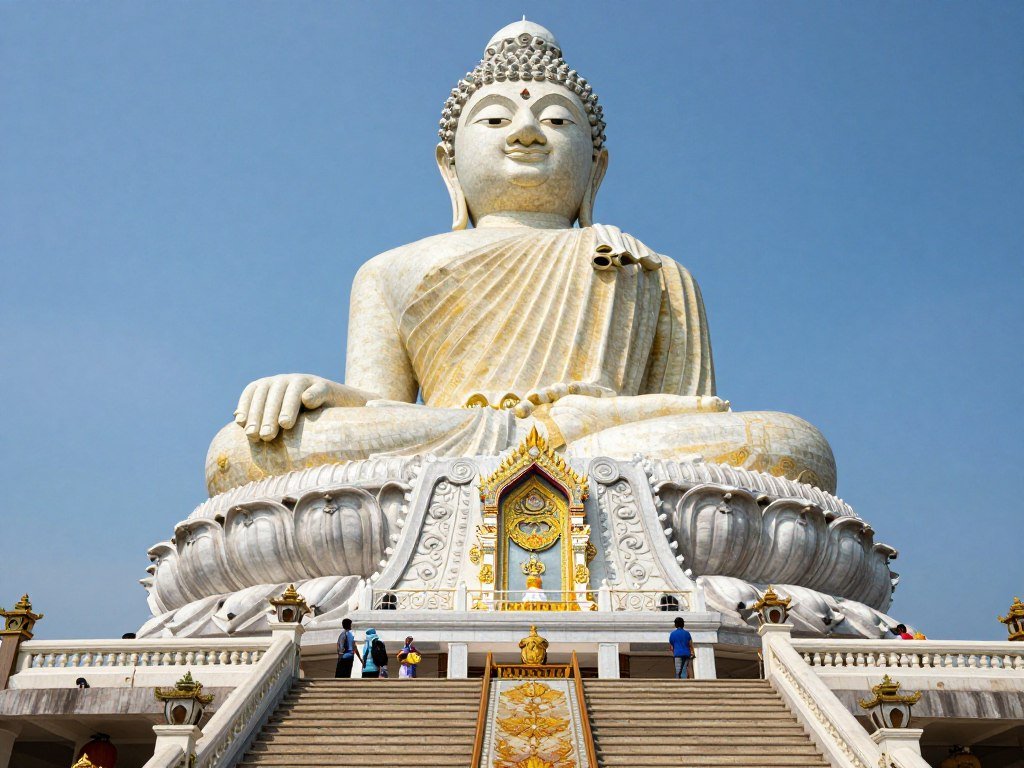
The Big Buddha Temple stands as Koh Samui’s most recognizable landmark. This 12-meter golden statue sits atop a small rocky island connected to the main island by a causeway. The statue’s brilliance makes it visible from several kilometers away, including from aircraft approaching the airport.
Built in 1972, the temple remains an active place of worship despite heavy tourist traffic. Respectful dress codes apply – cover shoulders and knees before ascending the naga-flanked staircase to the statue platform. The elevated position provides sweeping views across northeastern Koh Samui and neighboring islands.
Souvenir shops and food vendors cluster around the temple base. The site requires no admission fee, though donation boxes welcome contributions toward temple maintenance. Visit early morning or late afternoon to avoid midday heat and tour bus crowds.
Wat Plai Laem: Artistic Buddhist Complex
Wat Plai Laem showcases stunning Thai-Chinese Buddhist architecture around a peaceful lake. The temple complex features an enormous 18-arm statue of Guanyin, the Goddess of Mercy and Compassion. A large laughing Buddha statue faces the lake, creating perfect photo opportunities.
The temple’s vibrant colors and intricate details reward close inspection. Well-fed catfish throng the lake, sold fish food creating feeding frenzies entertaining children and adults alike. The temple grounds invite peaceful contemplation despite being a popular tourist stop.
Free admission makes Wat Plai Laem accessible to budget travelers. The location near the Big Buddha Temple allows easy combination of both sites in single outings. Traditional dress code expectations apply here as well.
Ang Thong National Marine Park
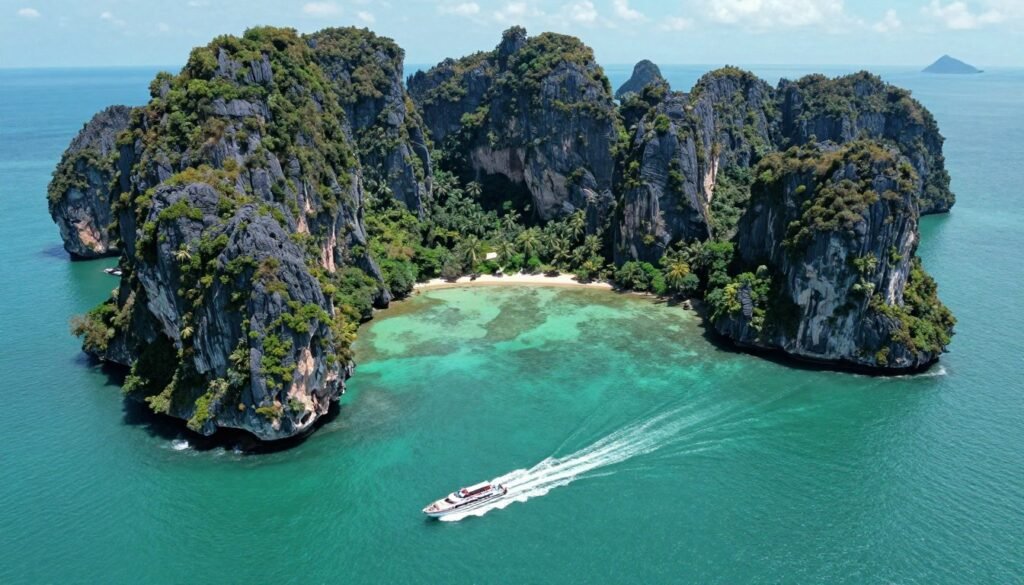
Ang Thong National Marine Park protects an archipelago of 42 islands northwest of Koh Samui. These dramatic limestone islands covered in jungle create spectacular seascapes. Day tours from Koh Samui explore the park’s highlights including hidden lagoons, caves, and pristine beaches.
The most famous attraction within Ang Thong National Marine Park is the Emerald Lake (Talay Nai), a stunning landlocked saltwater lake surrounded by sheer cliffs. Reaching the viewpoint requires climbing approximately 500 steps, but panoramic views reward the effort. The bright green-blue water color creates unforgettable photo opportunities.
Tours typically include kayaking through caves, snorkeling in protected bays, and hiking to viewpoints. Full-day tours from Koh Samui cost 1,500-2,500 baht including lunch, equipment, and park fees. Speedboat tours complete the journey faster than traditional boat tours, allowing more time exploring.
Weather significantly affects Ang Thong National Marine Park accessibility. The park closes during November and December due to rough seas and monsoon conditions. Peak season months from January through August offer the most reliable access and best weather conditions.
Na Muang Waterfalls
Two waterfalls bearing the Na Muang name provide rainforest escapes from beach heat. Na Muang 1 requires minimal walking from the parking area, making it accessible for all fitness levels. The waterfall cascades over purple rocks into a natural pool where swimming is permitted.
Na Muang 2 sits higher in the mountains, requiring a steep 30-minute hike through jungle or a 4WD vehicle ride. The larger cascade and less crowded setting reward the extra effort. The natural pool at the base offers refreshing swimming beneath the falls.
Both waterfalls see reduced flow during dry season months. Visit during or shortly after rainy season for the most impressive cascades. Local tour operators offer combined waterfall and jungle safari tours, often including elephant encounters at nearby sanctuaries.
Secret Buddha Garden (Magic Garden)
The Secret Buddha Garden hides in the jungle-covered mountains of central Koh Samui. This quirky sculpture garden features dozens of statues depicting Buddhist and Hindu deities, humans, and animals. A local fruit farmer created this unique site starting in 1976, continuing to add statues until his death.
The garden’s mountain location provides cooler temperatures and lush greenery contrasting sharply with coastal landscapes. Statues in various stages of weathering blend into the natural setting, creating an almost mystical atmosphere. The site requires 4WD access or hiring a truck-taxi from Lamai or Chaweng.
Small admission fees support garden maintenance. The remote location means relatively few visitors discover this attraction, creating peaceful exploration opportunities. Pack drinking water and insect repellent for the visit.
Viewpoints Around the Island
Several viewpoints offer spectacular coastal panoramas. The Overlap Stone provides dramatic cliff-edge views over southern Koh Samui. The relatively unknown location sees few visitors compared to other viewpoints. Finding it requires local directions or GPS coordinates.
Lad Koh Viewpoint between Chaweng and Lamai provides easily accessible coastal vistas. A small parking area and basic facilities make this a quick stop during island exploration. Sunset viewing works particularly well from this northeastern vantage point.
Watch this comprehensive video tour of Koh Samui’s top attractions including the Big Buddha Temple, Wat Plai Laem, Na Muang Waterfall, and more hidden gems around the island.
Activities and Experiences in Koh Samui
Island activities range from adrenaline-pumping adventures to peaceful cultural immersion. Koh Samui’s compact size and developed tourism infrastructure make booking activities simple, with numerous tour operators competing for business.
Snorkeling and Diving Adventures
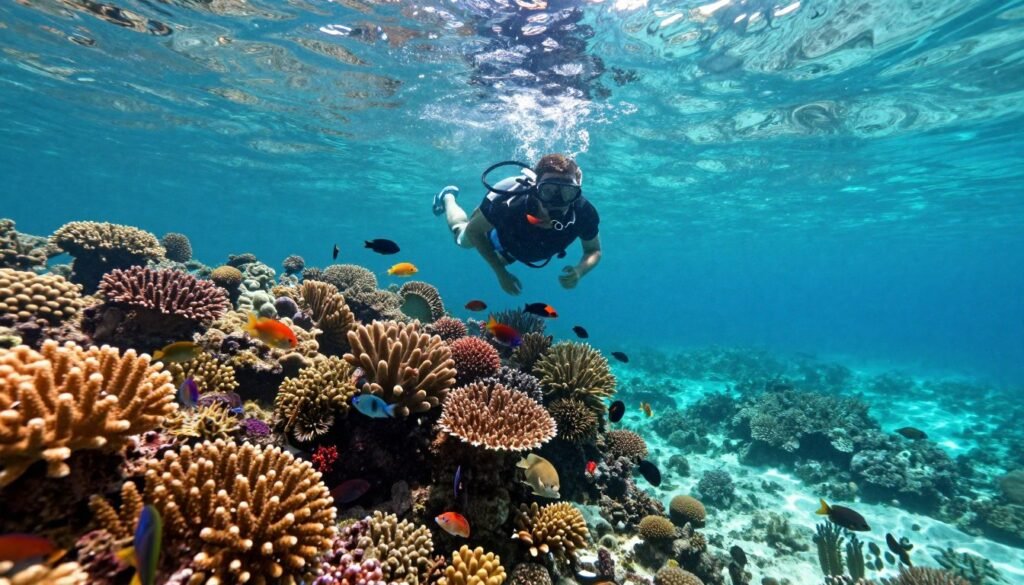
Surrounding islands offer excellent snorkeling and diving opportunities. Koh Tao, located northeast of Koh Samui, ranks among the world’s top diving destinations. Day trips combine travel with multiple dives or snorkel sessions around Koh Tao’s coral reefs.
Closer options include Koh Taen (Coral Island) just off southeastern Koh Samui. Tours visit this small island for snorkeling over shallow coral gardens. The short boat journey makes half-day trips feasible. Clear water and abundant marine life create excellent conditions for underwater exploration.
Dive shops throughout Koh Samui offer PADI certification courses. The warm Gulf of Thailand water and good visibility create ideal learning conditions. Discover Scuba programs let beginners try diving without full certification commitment.
Island Hopping Tours
Speedboat tours connect Koh Samui with neighboring islands. Popular routes visit Koh Phangan and Koh Tao, allowing multi-island exploration in single days. These tours typically include snorkeling stops, beach visits, and lunch at island restaurants.
Five Islands Tour ranks among the most popular day trips. Boats visit small uninhabited islands around Koh Samui, stopping for snorkeling, kayaking, and beach relaxation. The variety of activities and scenery makes this tour suitable for families and mixed groups.
Tours to Ang Thong National Marine Park represent another major island-hopping option. The protected marine environment showcases pristine island beauty increasingly rare in developed Thailand.
Water Sports and Beach Activities
Chaweng and Lamai beaches offer the fullest range of water sports. Jet skiing, parasailing, wakeboarding, and banana boat rides operate from multiple beach locations. Prices remain negotiable, particularly during slower periods or for multiple activities.
Stand-up paddleboarding (SUP) has grown popular in Koh Samui’s calm bays. Rental shops and resorts provide boards and basic instruction. The calm conditions at Bophut and Maenam beaches particularly suit SUP activities.
Kitesurfing finds ideal conditions at certain Koh Samui beaches during specific seasons. The northeastern monsoon (December-March) brings winds favoring this sport. Several schools offer lessons and equipment rentals to experienced kiters.
Cooking Classes and Food Tours
Thai cooking classes provide hands-on cultural experiences. Several cooking schools operate in Koh Samui, typically starting with market tours to select fresh ingredients. Classes teach 5-6 classic Thai dishes including curries, stir-fries, and desserts.
Half-day classes cost 1,500-2,500 baht per person including market tour, instruction, and eating your creations. Most schools provide recipe books to recreate dishes at home. Classes suit all skill levels and often accommodate dietary restrictions.
Street food tours guide visitors through local markets and food stalls. Knowledgeable guides explain ingredients, cooking methods, and cultural context while sampling diverse dishes. These tours reveal authentic Thai food culture beyond restaurant menus.
Spa and Wellness Experiences
Koh Samui’s spa scene ranges from budget beach massages to world-class wellness resorts. Traditional Thai massage on the beach costs as little as 200-300 baht per hour. These simple services deliver authentic experiences at unbeatable prices.
Upscale resorts operate sophisticated spas offering comprehensive treatment menus. Signature packages combine Thai massage with aromatherapy, body scrubs, and facials. Spa experiences in luxury resort settings cost 2,000-5,000 baht and up for multi-treatment packages.
Several resorts specialize in wellness retreats incorporating yoga, meditation, detox programs, and holistic therapies. These programs attract health-focused travelers seeking more than typical beach vacations. Programs range from weekend wellness escapes to month-long intensive retreats.
Book Your Koh Samui Adventure Tours
Snorkeling trips to Ang Thong Marine Park, island hopping adventures, cooking classes, and more. Reserve activities in advance for guaranteed availability and best pricing.
Food and Dining in Koh Samui
Koh Samui’s food scene satisfies every craving and budget. Fresh seafood dominates menus across price ranges. Thai cuisine traditions meet international influences, creating diverse dining landscapes where you can enjoy authentic pad thai for breakfast and Italian fine dining for dinner.
Thai Food Essentials
Every visitor to Koh Samui should experience classic Thai dishes. Massaman curry, with its rich peanut-coconut sauce, showcases southern Thai flavors. Tom yum goong (spicy shrimp soup) delivers the famous balance of sour, spicy, salty, and sweet that defines Thai cuisine.
Pad thai remains Thailand’s most famous noodle dish for good reason. The stir-fried rice noodles combine with egg, tofu or shrimp, bean sprouts, and crushed peanuts. Quality varies dramatically between establishments, but even average versions satisfy.
Som tam (papaya salad) provides refreshing contrast to heavier dishes. The spicy, tangy salad made from shredded green papaya, tomatoes, peanuts, and lime juice comes in multiple regional variations. Specify your preferred spice level when ordering.
Khao pad (fried rice) appears deceptively simple but demonstrates kitchen skill. Thai fried rice incorporates jasmine rice with egg, vegetables, and protein choices. The best versions achieve perfect texture and balance without greasiness.
Seafood Dining Experiences
Beachfront seafood restaurants line every major beach in Koh Samui. Many display fresh catches on ice, allowing you to select exactly what you want cooked. Prices typically calculate by weight, with cooking methods ranging from simple grilling to elaborate Thai curry preparations.
Fisherman’s Village in Bophut offers some of the island’s finest seafood dining. Restaurants here emphasize quality and presentation, with prices reflecting the upscale atmosphere. Fresh catches arrive daily from local fishermen, ensuring exceptional quality.
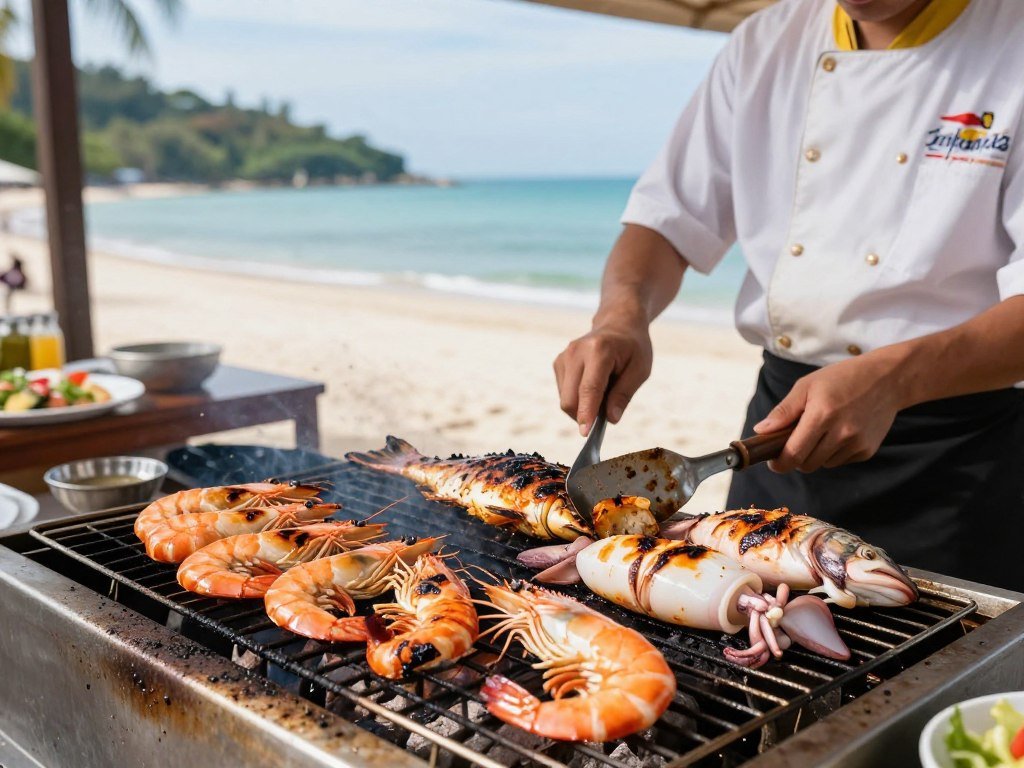
Street-side seafood grills provide budget alternatives to sit-down restaurants. Vendors grill fish, prawns, squid, and shellfish over charcoal, serving with sticky rice and simple dipping sauces. These casual setups deliver authentic flavors at local prices.
Night Markets and Street Food
Night markets transform Koh Samui evenings into culinary adventures. Lamai Night Market operates several nights weekly, offering diverse street food from numerous vendors. Grilled meats, noodle soups, fresh fruit smoothies, and Thai desserts create overwhelming choice.
Fisherman’s Village Walking Street (Friday nights) combines shopping with exceptional food. Vendors prepare everything from traditional Thai snacks to fusion creations. The market atmosphere, live music, and variety make this the island’s premier night market experience.
Chaweng Lake area hosts smaller rotating food markets. Local families frequent these markets for authentic dishes at prices dramatically lower than tourist-area restaurants. Language barriers sometimes challenge ordering, but pointing and gesturing usually works.
International Cuisine Options
Koh Samui’s international community supports diverse dining beyond Thai food. Italian restaurants serving authentic pizza and pasta flourish in tourist areas. Several achieve quality rivaling Italy itself, using imported ingredients and traditional techniques.
Indian restaurants cater to tourists and the island’s Indian expat community. Both North and South Indian styles appear on menus, with some restaurants specializing in specific regional cuisines. Quality and authenticity vary, so check reviews before committing to unfamiliar establishments.
Western breakfast options satisfy those craving familiar morning meals. Cafes serve full English breakfasts, American pancakes, French pastries, and quality coffee. These comfort food options often come at premium prices compared to Thai breakfast alternatives.
Budget Eating Strategies
Eating cheaply in Koh Samui requires knowing where locals eat. Small family-run restaurants away from beaches serve excellent Thai food for 50-100 baht per dish. These humble establishments often prepare the most authentic and delicious meals on the island.
7-Eleven stores and Family Mart convenience stores sell pre-made meals, snacks, and drinks at consistent low prices. While not gourmet, these options work well for quick budget meals, especially breakfast or lunch.
Markets selling prepared foods offer the absolute best value. Morning markets feature vendors selling rice dishes, noodle soups, and Thai curries for 30-60 baht. These meals feed local workers and provide the same value to budget-conscious travelers.
Discover Koh Samui’s incredible street food scene in this video tour of night markets, beach grills, and local food vendors serving authentic Thai cuisine.
Nightlife and Entertainment in Koh Samui
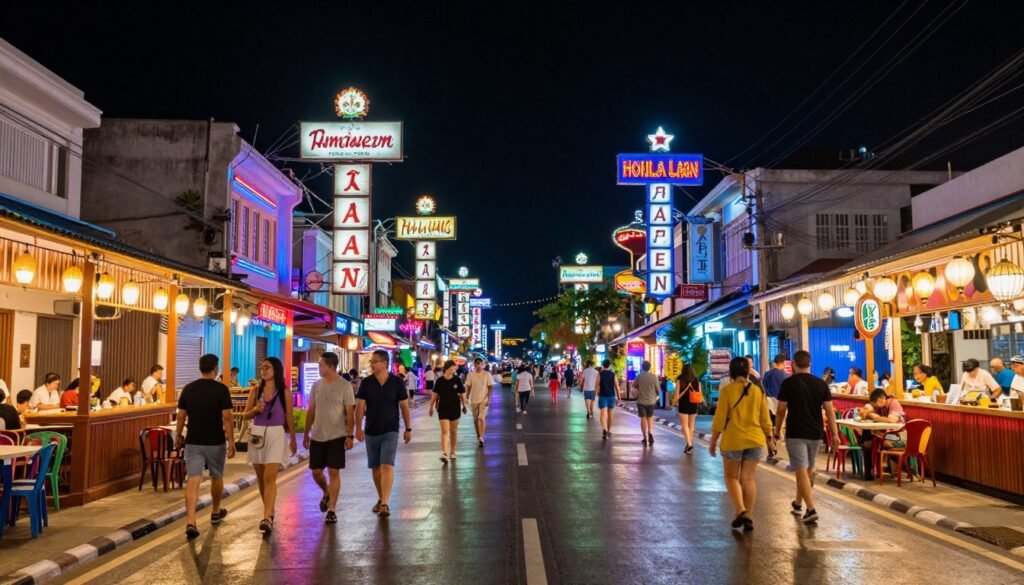
Koh Samui’s nightlife varies dramatically by location. Chaweng Beach transforms into party central after dark, while other areas maintain quieter evening atmospheres. Understanding the nightlife landscape helps set appropriate expectations and choose the right base for your travel style.
Chaweng Beach Party Scene
Chaweng Beach Road hosts the island’s highest concentration of bars, clubs, and entertainment venues. Beach clubs transition from daytime chill zones to nighttime party destinations. DJs spin electronic music while fire dancers perform on the sand, creating signature Koh Samui party experiences.
Walking Street in central Chaweng closes to traffic during evening hours, creating pedestrian zones filled with bars and street performances. Live music venues host Thai and international bands. Sports bars show major international sporting events, attracting expats and sports fans.
Nightclubs in Chaweng stay open until 2-3 AM, though official closing times sometimes flex depending on crowds and police activity. Cover charges rarely apply except during special events. Drink prices run higher than daytime rates but remain reasonable compared to Western countries.
Lamai Beach Nightlife
Lamai offers nightlife alternatives to Chaweng’s intensity. The scene skews slightly older and more relaxed while maintaining plenty of options. Irish pubs, reggae bars, and acoustic music venues create diverse evening entertainment.
Beer bars cluster in certain Lamai sections, offering pool tables, live sports, and social atmospheres. These open-air venues encourage conversation and mixing with other travelers. Prices undercut Chaweng’s tourist-focused establishments.
Several beach clubs in Lamai host weekend parties during peak season. These events bring DJ talent from Bangkok and international circuits, creating mini-festival atmospheres. Cover charges typically include drinks, making total costs reasonable.
Fisherman’s Village Evening Atmosphere
Bophut’s Fisherman’s Village offers sophisticated evening experiences without party focus. Wine bars, cocktail lounges, and upscale restaurants create relaxed social scenes. Live jazz and acoustic performances replace DJ sets and dance floors.
The Friday Walking Street Market extends evening entertainment beyond dining and drinking. Street performers, artisan vendors, and food stalls create family-friendly atmospheres. Many visitors consider Friday nights in Fisherman’s Village their favorite Koh Samui evening experience.
Beach bars along Bophut provide intimate settings for sunset cocktails and conversation. The laid-back vibe attracts couples and mature travelers seeking alternatives to Chaweng’s party energy.
Cultural Performances and Shows
Thai boxing (Muay Thai) stadiums host regular matches showcasing this traditional martial art. Chaweng Boxing Stadium and Lamai Stadium schedule weekly fight nights attracting both serious fans and curious tourists. Ticket prices vary by seating location.
Cultural shows at some resorts present traditional Thai dance and music. These performances introduce classical Thai arts in tourist-friendly formats. While somewhat commercialized, they provide glimpses into cultural traditions.
Cabaret shows featuring kathoey (ladyboy) performers offer unique entertainment experiences. High-energy musical performances and comedy acts create fun evenings. These shows maintain family-friendly content despite occasionally risqué humor.
Where to Stay in Koh Samui: Accommodation Guide
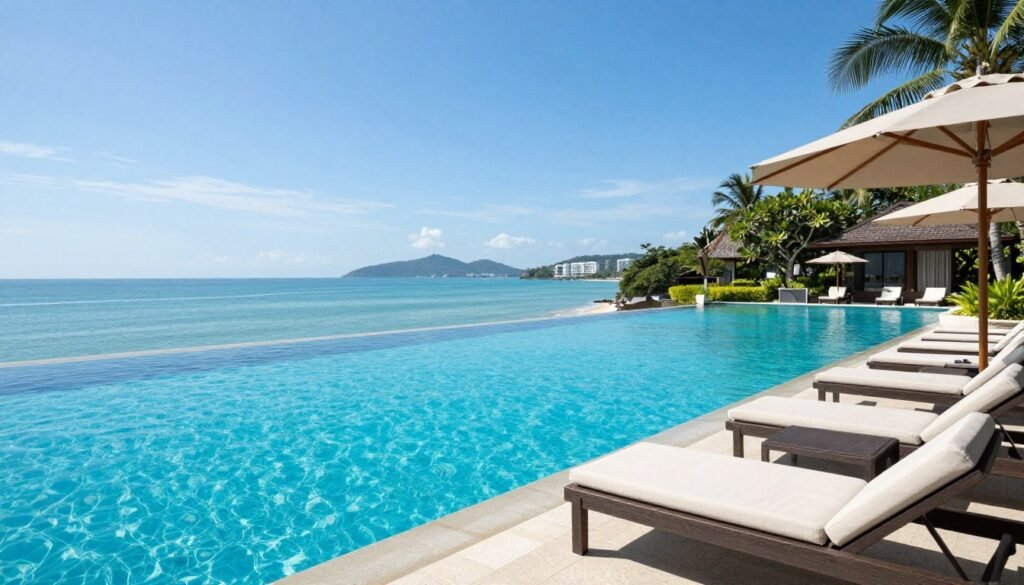
Accommodation choices significantly impact your Koh Samui experience. The island offers everything from budget hostels to ultra-luxury resorts with private beach access. Matching accommodation to budget, location preferences, and travel style ensures satisfying stays.
Luxury Resorts and Hotels
Five-star resorts dot Koh Samui’s coastline, particularly around Chaweng, Choeng Mon, and Bophut areas. These properties offer private beach access, multiple pools, spa facilities, and exceptional service standards. Brands like Four Seasons, Conrad, and Banyan Tree maintain their signature luxury experiences in tropical island settings.
Infinity pools overlooking the Gulf of Thailand define many luxury properties. Villas with private pools provide ultimate privacy for honeymooners and luxury travelers. High-season rates at top resorts run 10,000-30,000+ baht nightly, with shoulder season discounts reaching 30-50% off peak prices.
All-inclusive options remain rare in Koh Samui compared to some beach destinations. Most luxury resorts operate on room-only or bed-and-breakfast bases, with restaurants and bars charged separately. This flexibility lets guests explore island dining beyond resort boundaries.
Mid-Range Hotels and Boutique Properties
Mid-range accommodation (2,000-6,000 baht nightly) dominates Koh Samui’s hotel market. These properties provide comfortable rooms, swimming pools, and decent locations without luxury price tags. Quality varies significantly within this price range, making reviews essential for selection.
Boutique hotels in Fisherman’s Village and quieter beaches emphasize character over size. Restored traditional buildings house intimate properties with personalized service. These hotels attract travelers prioritizing atmosphere and unique experiences over extensive facilities.
Three-star chain hotels like Ibis and Holiday Inn provide reliable international standards at moderate prices. These properties suit travelers wanting predictable quality and familiar amenities. Locations near Chaweng provide convenience for exploration.
Budget Accommodation Options
Budget travelers find numerous options in Lamai, Chaweng, and Maenam areas. Guesthouses charging 500-1,500 baht provide basic rooms with air conditioning, private bathrooms, and simple furnishings. Quality and cleanliness vary, making advance research important.
Hostels operate in major tourist areas, offering dorm beds for 300-600 baht. These properties attract backpackers and solo travelers seeking social atmospheres. Common areas, organized activities, and tour booking services create community vibes.
Airbnb and vacation rentals provide alternatives to hotels, particularly for longer stays or groups. Private villas with kitchens, pools, and multiple bedrooms sometimes cost less than equivalent hotel rooms when shared among several travelers.
Best Areas for Different Travelers
Best for Families
- Bophut Beach – Calm water, good restaurants, family-friendly atmosphere
- Maenam Beach – Shallow water, quiet setting, affordable accommodation
- Choeng Mon – Beautiful beach, upscale family resorts, safe swimming
Best for Nightlife
- Central Chaweng – Walking distance to bars, clubs, restaurants
- Lamai Beach – Good nightlife with slightly mellower vibe
- South Chaweng – Near action but slightly quieter for sleeping
Best for Budget Travelers
- Lamai – More budget options than Chaweng
- Maenam – Local vibe, affordable guesthouses
- Nathon – Cheapest accommodation, limited beach access
Best for Luxury
- Choeng Mon – Exclusive resorts, beautiful beach
- Lipa Noi – Peaceful luxury villas, sunset views
- North Chaweng – Upscale resorts, convenient location
Find Your Perfect Koh Samui Accommodation
Compare hotels, resorts, villas, and guesthouses across all price ranges. Book early for 2026 high season to secure the best properties and rates.
Shopping in Koh Samui
Shopping in Koh Samui ranges from modern malls to traditional markets. The island produces few unique crafts compared to northern Thailand, but shopping opportunities abound for beachwear, souvenirs, and everyday needs.
Central Festival Samui
Central Festival represents Koh Samui’s largest and most modern shopping mall. International fashion brands, Thai retailers, electronics stores, and a large food court occupy multiple floors. Air-conditioned comfort makes this a popular escape during midday heat.
The supermarket in Central Festival stocks international groceries and familiar brands difficult to find elsewhere on the island. Prices reflect the upscale setting, running higher than local markets for similar items.
Movie theater, bowling alley, and children’s play areas add entertainment beyond shopping. The mall sits between Chaweng and Lamai, requiring transport from most hotels. Free shuttle services run from major hotels during peak season.
Night Markets
Lamai Night Market and similar weekly markets sell clothes, accessories, handicrafts, and souvenirs. Prices remain negotiable, particularly for multiple purchases. Quality varies from cheap tourist trinkets to well-made local products.
Fisherman’s Village Walking Street (Fridays) offers the island’s best market experience. Local artisans sell handmade goods alongside food vendors and street performers. Prices tend higher than purely tourist markets, reflecting better quality and the upscale neighborhood.
Local Products and Souvenirs
Coconut products make practical Koh Samui souvenirs. Coconut oil beauty products, coconut bowls, and coconut wood crafts appear in shops throughout tourist areas. Quality and prices vary widely between tourist traps and legitimate producers.
Thai silk scarves, elephant-print pants, and sarongs rank among the most popular clothing purchases. Bargaining expected at market stalls, though fixed prices apply at proper boutiques. Quality differs dramatically, affecting both appearance and durability.
Local honey from island beekeepers makes a unique edible souvenir. Several producers sell at markets and specialty shops. The honey reflects tropical flower sources, creating distinctive flavors impossible to find elsewhere.
Practical Tips for Visiting Koh Samui
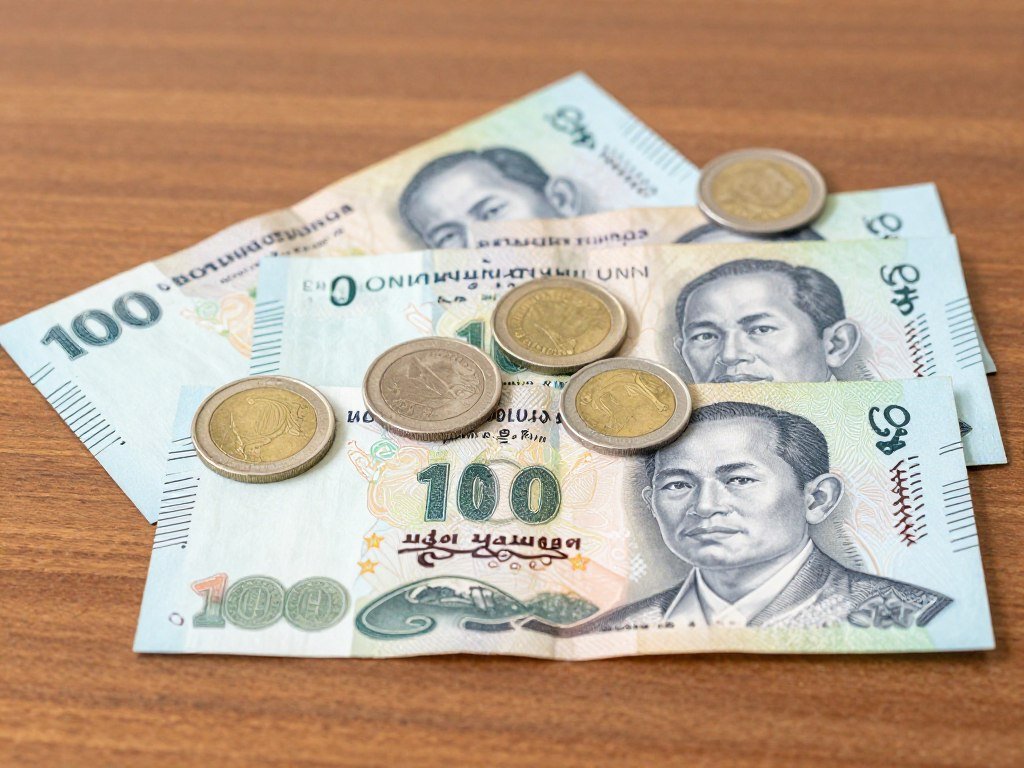
Understanding practical details prevents common problems and helps maximize your Koh Samui experience. These essential tips cover money, safety, health, and cultural considerations.
Visa Requirements
Most nationalities receive visa-free entry to Thailand for tourism purposes. Duration varies by nationality, with many countries receiving 30-45 day stamps on arrival. Check current requirements for your specific nationality before traveling, as policies occasionally change.
Extending tourist stays requires visiting immigration offices before your permitted stay expires. Extensions typically grant an additional 30 days for a 1,900 baht fee. Overstaying your visa results in fines and potential entry bans.
Entering Thailand through Koh Samui Airport or ferry ports provides the same visa treatment as Bangkok or other entry points. Immigration officers occasionally ask about onward travel plans and accommodation, though these checks remain informal for most tourists.
Money and Currency
Thai baht (THB) is the only accepted currency throughout Koh Samui. Exchange rates hover around 30-36 baht per US dollar, though rates fluctuate with global currency markets. ATMs throughout the island dispense Thai baht, charging 220 baht fees per withdrawal plus your home bank’s international fees.
Credit cards work at hotels, upscale restaurants, tour operators, and larger shops. Smaller establishments, street vendors, and local restaurants expect cash payment. Carry sufficient cash for daily expenses to avoid constant ATM fees.
Exchange rates at airport exchange counters and hotels run significantly worse than bank ATMs or currency exchange booths. Withdraw larger amounts to minimize ATM fees, but balance this against carrying excessive cash. Hotel safes provide secure storage for extra cash and valuables.
Health and Safety
Tap water in Koh Samui is not safe for drinking. Bottled water costs 10-20 baht at convenience stores, making hydration affordable. Hotels provide complimentary drinking water, and restaurants serve purified water or ice made from purified sources.
Sun protection becomes crucial in tropical climates. High SPF sunscreen, hats, and seeking shade during peak sun hours prevent burns and heat issues. Reapply sunscreen frequently, especially after swimming. Dehydration affects many visitors who underestimate sun intensity.
Petty theft occurs occasionally in tourist areas, though violent crime remains rare. Secure valuables in hotel safes rather than leaving them in rooms or on beaches. Scooter thefts happen when bikes are left unlocked or running unattended.
Travel insurance should cover medical emergencies, as hospital costs can escalate quickly. Bangkok Hospital Samui provides international-standard medical care with English-speaking doctors. Less serious issues can be addressed at clinics found throughout tourist areas.
Cultural Etiquette
Thai culture values politeness and calm demeanor. Loud voices, aggressive behavior, and public anger cause loss of face for everyone involved. Patience and smiles resolve issues more effectively than confrontation.
Buddhist temples require respectful behavior and appropriate dress. Remove shoes before entering temple buildings. Cover shoulders and knees out of respect. Avoid pointing feet at Buddha images or monks, as feet are considered spiritually lowest body parts.
Public displays of affection beyond hand-holding are considered inappropriate in Thai culture. While tourist areas show more tolerance, discretion respects local sensibilities. Topless sunbathing, while sometimes seen on beaches, violates Thai cultural norms.
Communication and Internet
Tourist SIM cards with data packages are available at the airport and convenience stores throughout Koh Samui. Companies like AIS, TrueMove, and dtac offer prepaid packages starting around 200-300 baht for week-long tourist plans with several gigabytes of data.
WiFi appears at most hotels, restaurants, and cafes. Connection quality varies from excellent to barely functional. Don’t rely on public WiFi for important communications or sensitive transactions. Consider portable WiFi rental devices for constant reliable connectivity.
English is widely spoken in tourist areas, hotels, and tour companies. Communication becomes more challenging in local neighborhoods and with older Thais. Translation apps help bridge language gaps. Learning basic Thai phrases shows respect and often earns warmer responses.
Sustainable Tourism Practices
Environmental awareness helps protect Koh Samui’s natural beauty. Refuse plastic straws and bags when offered. Bring reusable water bottles and shopping bags. Support establishments demonstrating environmental responsibility.
Marine conservation requires respecting coral reefs and marine life. Never stand on coral, chase marine animals, or collect shells and sea creatures. Use reef-safe sunscreen to prevent chemical damage to fragile ecosystems.
Support local businesses rather than international chains when possible. Eating at family restaurants, buying from local markets, and using local tour guides keeps money in island communities. These choices often provide more authentic experiences.
Koh Samui Budget Guide: Daily Costs
Koh Samui accommodates wide budget ranges from backpacker shoestring to luxury splurges. Understanding typical costs helps plan realistic budgets and avoid overspending on overpriced tourist traps.
Budget Travel: 1,000-1,500 Baht Daily
Budget travelers can experience Koh Samui for approximately $30-45 USD daily. This budget includes hostel dorm beds or basic guesthouse rooms (500-800 baht), street food and local restaurant meals (300-400 baht), limited transport (200-300 baht), and modest entertainment or activities.
Staying in Lamai or Maenam provides more budget accommodation options than Chaweng. Eating at local restaurants away from beach areas cuts food costs significantly. Renting scooters for island exploration costs less than daily taxi or tour expenses.
Free or low-cost activities include visiting temples, swimming at public beaches, hiking to waterfalls, and exploring local markets. Limiting expensive tours and nightlife keeps budgets manageable without sacrificing enjoyable experiences.
Mid-Range Travel: 2,500-4,000 Baht Daily
Mid-range budgets (approximately $75-120 USD daily) provide comfortable Koh Samui experiences. Expect clean hotel rooms with pools (1,500-2,500 baht), mix of local and tourist restaurants (800-1,200 baht), flexible transport including some taxis (400-600 baht), and regular tours or activities.
This budget allows occasional splurges on nicer dinners, spa treatments, or guided tours while maintaining overall value consciousness. Accommodation quality improves noticeably at this level, with modern amenities and convenient locations.
Couples can share accommodation costs, making mid-range budgets quite comfortable. Families benefit from the improved accommodation quality and flexibility for various activities suiting different ages.
Luxury Travel: 6,000+ Baht Daily
Luxury travelers spending 6,000+ baht ($180+ USD) daily enjoy Koh Samui’s finest offerings. High-end resorts with private beach access (4,000-15,000+ baht), upscale dining (1,500-3,000 baht), private tours and premium activities (1,000-5,000 baht), and spa treatments fill days with comfort and indulgence.
Five-star resorts provide exceptional service, pristine pools, quality restaurants, and beautiful settings. Private villa rentals with personal pools and full kitchens suit families or groups wanting luxury space.
Private boat charters, helicopter tours, premium diving courses, and exclusive experiences become realistic at luxury budget levels. This spending range unlocks Koh Samui’s most exclusive experiences.
Money-Saving Tips
Accommodation Savings
- Book directly with hotels for better rates than booking sites
- Travel during shoulder season for 30-50% discounts
- Stay slightly inland from beaches for cheaper rates
- Consider weekly rates for longer stays
Food and Activity Savings
- Eat at local restaurants away from tourist beaches
- Shop at markets for snacks and breakfast items
- Rent scooters instead of daily taxis
- Book tours directly rather than through hotel desks
| Expense Category | Budget Range | Mid-Range | Luxury |
| Accommodation (per night) | 500-800 baht | 1,500-2,500 baht | 4,000-15,000+ baht |
| Meals (per day) | 300-400 baht | 800-1,200 baht | 1,500-3,000+ baht |
| Transportation (per day) | 200-300 baht | 400-600 baht | 1,000-2,000+ baht |
| Activities (per day) | 0-200 baht | 500-1,000 baht | 1,000-5,000+ baht |
Sample Koh Samui Itineraries
These sample itineraries provide frameworks for different trip lengths and travel styles. Adjust based on personal interests, energy levels, and weather conditions during your visit.
Three-Day Koh Samui Itinerary
Day One: Arrival and Beach Introduction
Arrive at Koh Samui and transfer to your chosen beach accommodation. Spend the afternoon relaxing at your hotel beach or pool, recovering from travel. Evening exploration of your neighborhood – walk the beach road, scout restaurant options, and get oriented to the area.
Day Two: Island Highlights Tour
Morning visit to Big Buddha Temple and Wat Plai Laem, experiencing Koh Samui’s most iconic cultural sites. Afternoon trip to Na Muang Waterfall for jungle scenery and swimming in natural pools. Evening at Fisherman’s Village, exploring the charming streets and dining at a beachfront restaurant.
Day Three: Marine Adventure
Full-day boat tour to Ang Thong National Marine Park including kayaking, snorkeling, hiking to viewpoints, and beach relaxation. Return late afternoon. Final evening enjoying beach sunset and farewell dinner at a favorite discovered restaurant.
Five-Day Koh Samui Itinerary
Follow the three-day itinerary above, then add these experiences:
Day Four: Beach Hopping and Relaxation
Rent a scooter and explore different beaches around the island. Visit Lamai Beach in the morning, continue to quieter Maenam Beach for lunch, then watch sunset at Lipa Noi Beach. This day showcases the variety of beach experiences available on Koh Samui.
Day Five: Cultural Immersion and Pampering
Morning Thai cooking class learning to prepare classic dishes. Afternoon spa treatment or massage at a quality establishment. Evening at leisure enjoying your favorite beach area or trying new restaurants.
Seven-Day Koh Samui Itinerary
Extend the five-day plan with these additions:
Day Six: Island Hopping Adventure
Day trip to Koh Tao for world-class snorkeling or introductory diving. The journey provides different island perspectives and Thailand’s best accessible marine life viewing. Alternative: Visit Koh Phangan for beach exploration and the famous Thong Sala market.
Day Seven: Leisure and Exploration
Free day to revisit favorite spots, relax at resort facilities, shop for souvenirs, or explore areas you’ve been curious about throughout the week. Final evening celebration dinner and packing for departure.
Watch this helpful guide covering what to do in Koh Samui, including beaches, activities, restaurants, and insider tips from experienced travelers.
Interactive Koh Samui Map
This map shows Koh Samui’s key locations including major beaches, attractions, hotels, and transportation points. Use it to understand distances and plan your island exploration efficiently.
Interactive map of Koh Samui island showing major beaches, temples, viewpoints, and tourist facilities.
Day Trips from Koh Samui
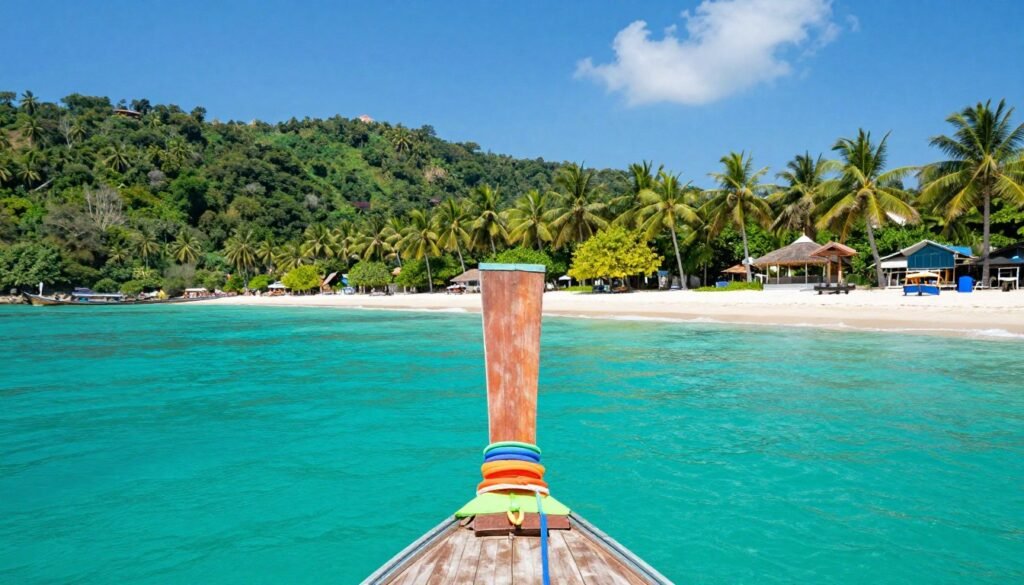
Koh Samui’s central Gulf of Thailand location makes it an excellent base for exploring neighboring islands. Several worthy day trip destinations sit within easy reach by ferry or speedboat.
Koh Phangan: Beyond Full Moon Parties
Koh Phangan’s reputation centers on monthly Full Moon Parties, but the island offers much more. Beautiful beaches including Bottle Beach and Haad Yuan provide peaceful escapes. The island’s interior features waterfalls, viewpoints, and authentic Thai villages.
Ferries connect Koh Samui and Koh Phangan in 30-45 minutes depending on the service. Multiple daily departures make day trips simple. Rent scooters upon arrival to explore the island independently, or join organized tours hitting major highlights.
Thong Sala town hosts a vibrant market several days weekly, showcasing local products and authentic Thai street food. The island’s laid-back hippie vibe contrasts with Koh Samui’s more developed tourism scene.
Koh Tao: Diving Paradise
Koh Tao ranks among the world’s premier diving destinations and top locations for earning PADI certification. Crystal-clear water, abundant marine life, and numerous dive sites create ideal conditions for underwater exploration. Day trips typically include two or three dives at different sites.
Non-divers enjoy exceptional snorkeling at sites around the island. Japanese Gardens, Shark Bay, and Mango Bay offer easy snorkel access to colorful coral reefs and tropical fish. The island’s small size makes beach hopping simple during day visits.
High-speed catamaran services reach Koh Tao from Koh Samui in approximately 90 minutes. Combined snorkel-dive tours accommodate mixed groups where some people dive while others snorkel at the same locations.
Mu Ko Ang Thong National Marine Park
This protected archipelago of 42 islands creates one of Thailand’s most beautiful seascapes. Limestone cliffs covered in jungle rise dramatically from turquoise water. The islands remain largely undeveloped, preserving pristine natural beauty.
Day tours from Koh Samui explore park highlights including the famous Emerald Lake viewpoint, hidden beaches, and sea caves accessible by kayak. Snorkeling in protected bays reveals healthy coral and diverse fish populations.
Tour quality varies significantly between operators. Research carefully and read recent reviews. Better tours limit group sizes, provide quality equipment, and include knowledgeable guides. Expect full-day tours costing 1,800-2,800 baht including lunch and park fees.
Planning Your Perfect Koh Samui Adventure
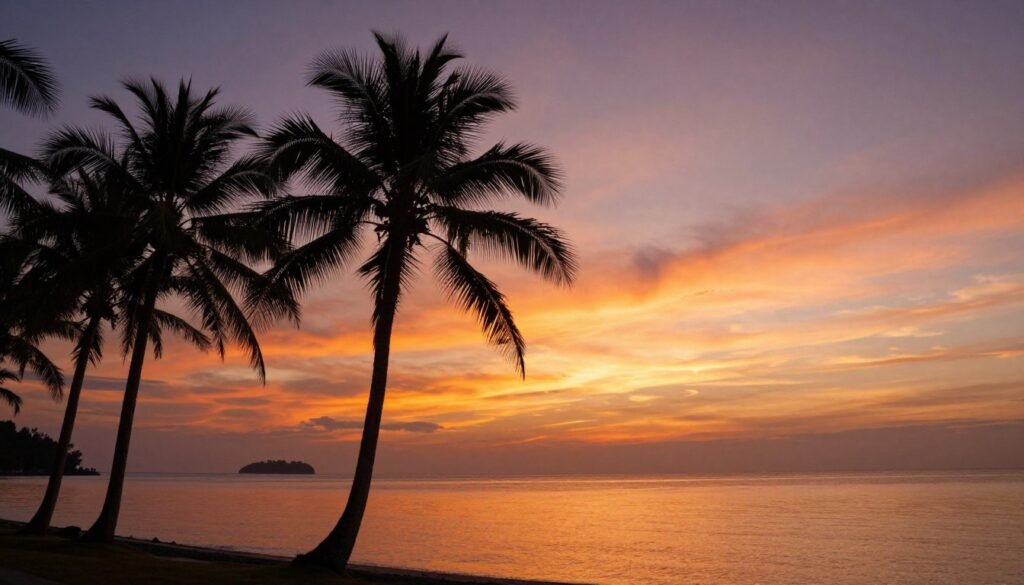
Koh Samui delivers tropical island experiences matching diverse travel dreams. Whether you seek adventure, relaxation, cultural immersion, or perfect beaches, this island provides. The combination of natural beauty, developed infrastructure, and authentic Thai culture creates destinations that welcome return visits.
Planning your 2026 Koh Samui trip requires balancing practical considerations with spontaneity. Book accommodation and flights early, especially for high season travel. Research major activities and attractions to create flexible frameworks. Leave room for discoveries and changes based on weather, energy levels, and unexpected opportunities.
The best Koh Samui experiences often emerge from simple moments – watching sunset from a quiet beach, tasting unfamiliar street food at local markets, or conversations with Thai people willing to share their island perspectives. Beyond the Instagram-famous Big Buddha Temple and postcard-perfect beaches, authentic connections and unexpected discoveries create lasting memories.
Respect for Thai culture and environmental awareness enhance both your experience and the island’s sustainability. Small actions like refusing plastic, supporting local businesses, and learning basic Thai phrases contribute positively to communities welcoming millions of visitors yearly.
Your Koh Samui travel guide provides the foundation, but your personal choices and attitude shape actual experiences. Approach the island with curiosity, flexibility, and openness. The tropical paradise you’ve imagined awaits discovery, ready to exceed expectations and create stories you’ll share for years.
Start Planning Your 2026 Koh Samui Escape
Ready to experience Thailand’s island paradise? Get personalized recommendations, custom itineraries, and expert advice for your perfect Koh Samui adventure.