

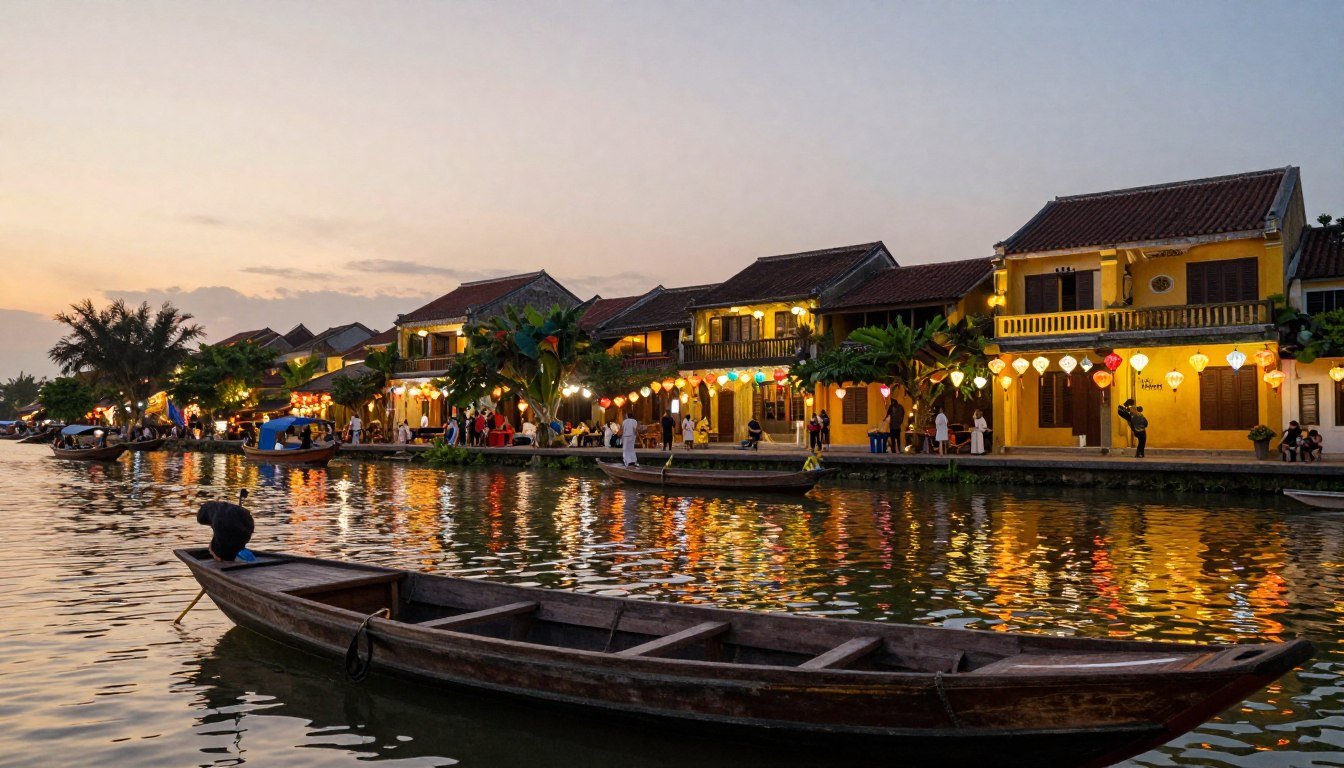
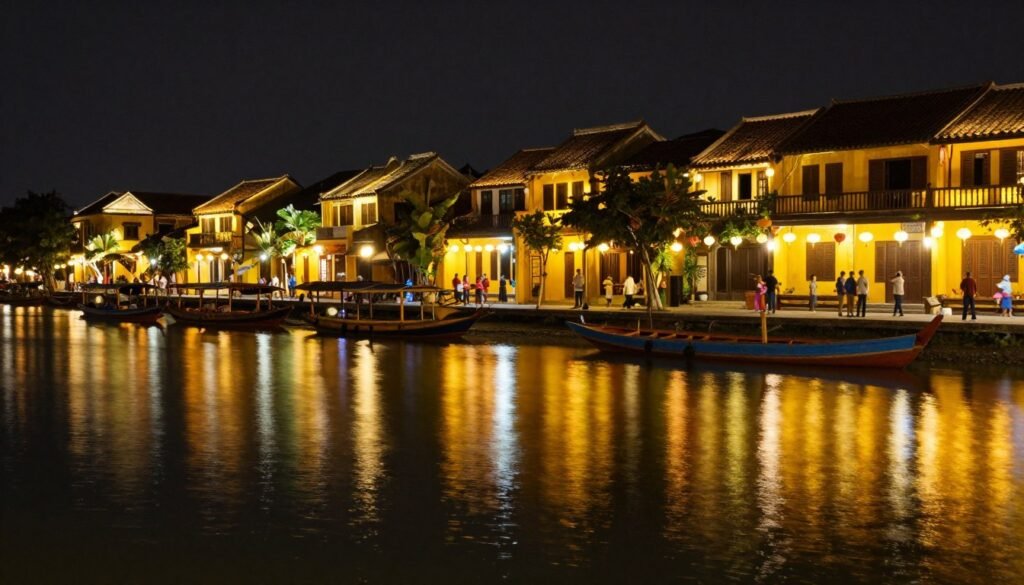
Hoi An captures the essence of old Vietnam like no other destination. This UNESCO World Heritage ancient town sits along the Thu Bon River in central Vietnam, where centuries-old architecture meets vibrant street life. The glow of silk lanterns transforms narrow lanes each evening into something magical.
Planning your trip here involves more than booking flights. You need to understand the rhythm of seasons, the layout of the ancient town, and how to experience authentic culture beyond the tourist shops. The right timing makes the difference between crowds and tranquility. Knowing where to eat separates memorable meals from disappointing ones.
This Hoi An travel guide provides everything you need for your 2026 journey. We cover the best time to visit, essential attractions, authentic food experiences, and practical transportation tips. Whether you seek cultural immersion, beach relaxation, or culinary adventures, the following sections map out your path through this enchanting corner of Vietnam.
Start Your Hoi An Adventure Right
Download our free 2026 Hoi An Planning Checklist with essential packing lists, booking timelines, and insider tips from local experts who live in the ancient town.
Understanding Hoi An as Your Vietnam Destination
Hoi An ancient town served as a major trading port from the 15th to 19th centuries. Chinese, Japanese, and European merchants left architectural legacies that blend into the unique streetscape you see today. The old quarter preserves over 1,000 timber-frame buildings that survived centuries of weather and history.
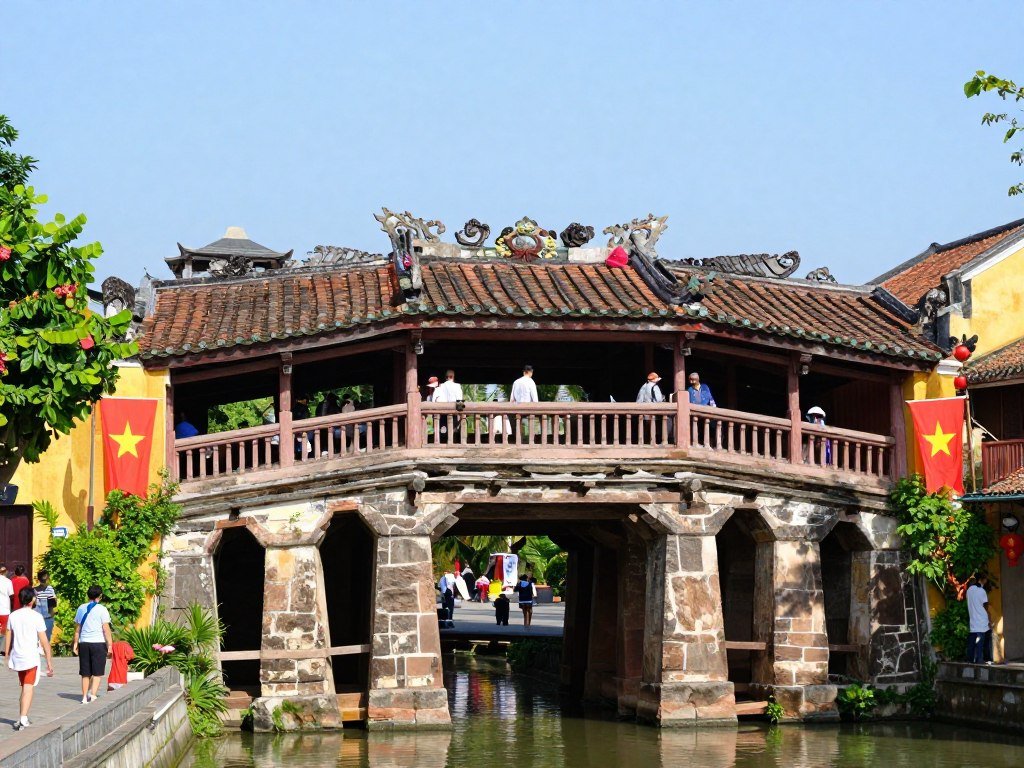
The town sits in Quang Nam Province along Vietnam’s central coast. Danang International Airport lies just 30 kilometers north, making access straightforward for international travelers. The compact ancient town allows walking everywhere, while the surrounding area stretches to An Bang Beach and the countryside beyond.
What Sets Hoi An Apart
Unlike Vietnam’s bustling cities, Hoi An maintains a slower rhythm. The ancient town bans motor vehicles from most streets. This creates peaceful lanes perfect for wandering. The preservation efforts here exceed those in other Vietnamese destinations, giving you an authentic glimpse into historical Southeast Asian port culture.
Architectural Heritage
The ancient town showcases building styles from multiple cultures blended across centuries of international trade.
- Chinese assembly halls with ornate carvings
- Japanese merchant houses with distinctive design
- French colonial villas with European touches
- Vietnamese tube houses following traditional layouts
Artisan Traditions
Local craftspeople maintain skills passed through generations, creating opportunities to learn traditional Vietnamese arts.
- Silk lantern making workshops
- Tailoring with custom clothing in 24 hours
- Pottery villages producing ceramics
- Wood carving demonstrations
Culinary Scene
Hoi An developed distinct dishes found nowhere else in Vietnam, making food exploration a highlight of any visit.
- Cao lau noodles exclusive to this region
- White rose dumplings handcrafted daily
- Banh mi sandwiches at legendary shops
- Street food markets every evening
Beach Proximity
The ancient town combines cultural exploration with beach relaxation just a short bike ride away.
- An Bang Beach for swimming and seafood
- Cua Dai Beach with resort accommodations
- Hidden Basket Boat Beach experiences
- Coastal cycling routes through rice fields
Geography and Layout
The Thu Bon River divides the town, with the ancient town occupying the northern bank. Most historical sites cluster within a compact area easily covered on foot. The riverfront promenade becomes the social center each evening as locals and visitors gather to watch boats and lanterns.
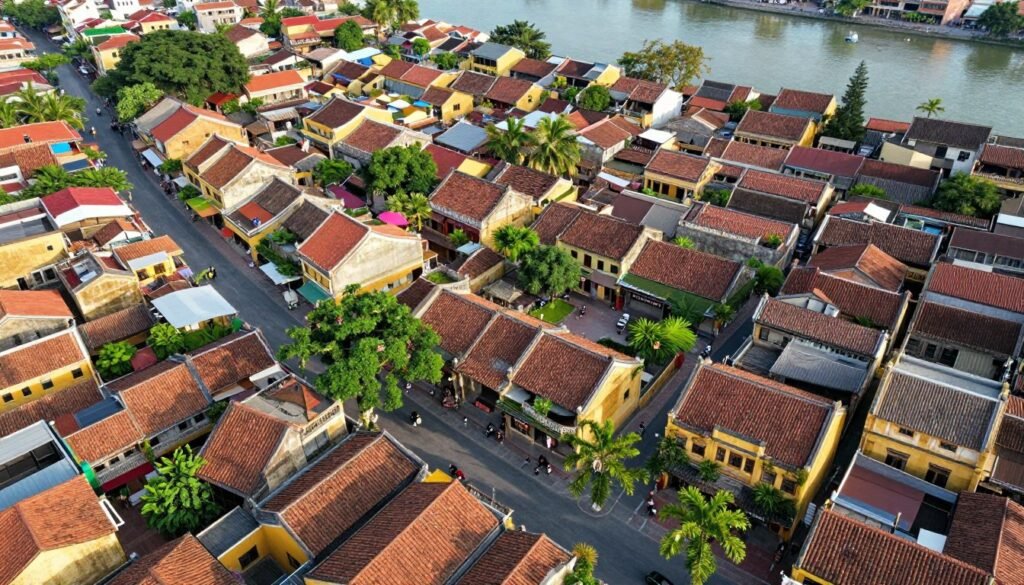
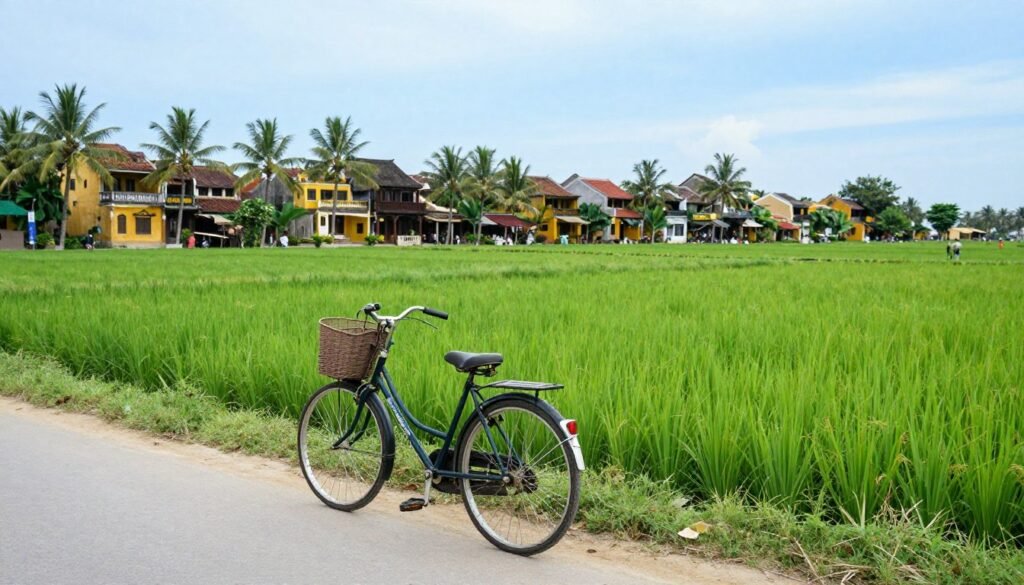
Beyond the ancient town, the area extends into rice paddies and vegetable gardens. Traditional villages surround Hoi An, each specializing in different crafts. Reaching these villages by bicycle lets you experience rural Vietnamese life that continues much as it has for generations.
Best Time to Visit Hoi An and Weather Guide
Hoi An experiences distinct seasonal patterns that significantly impact your experience. Understanding these patterns helps you choose timing that matches your priorities, whether avoiding crowds, enjoying festivals, or finding ideal beach weather.
Climate Patterns Throughout the Year
Central Vietnam differs from the north and south. Two main seasons define the weather here. The dry season runs from February through August with minimal rainfall and abundant sunshine. The wet season spans September through January when afternoon storms arrive regularly.
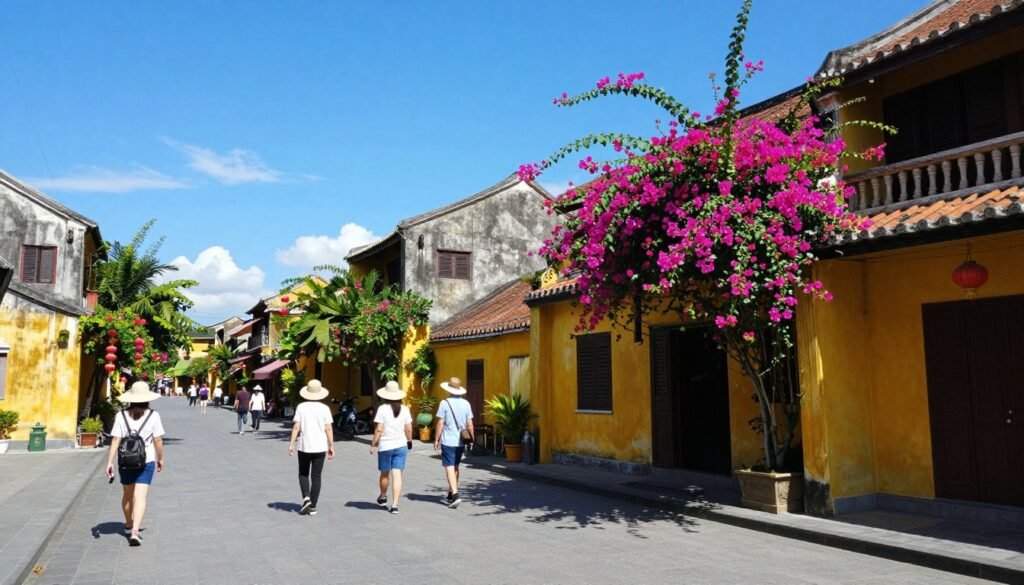
Temperatures stay warm year-round, ranging from 25°C to 35°C. The hottest months arrive in June, July, and August when midday heat becomes intense. Humidity remains high throughout the year, requiring adjustment if you come from drier climates. Early mornings and evenings offer the most comfortable conditions for walking around the ancient town.
Peak Season Benefits (February to April)
These months deliver ideal conditions for most travelers. Rainfall stays minimal while temperatures remain pleasant for daytime exploration. The ancient town fills with visitors but never feels unbearably crowded like some other Asian destinations during peak periods.
| Month | Temperature (°C) | Rainfall (mm) | Crowd Level | Best Activities |
| February | 20-26 | 30 | Moderate-High | Ancient town walking, cycling |
| March | 22-28 | 20 | High | Beach time, photography |
| April | 25-31 | 35 | High | All outdoor activities |
| May | 26-33 | 60 | Moderate | Early morning tours, cooking classes |
Beach conditions peak during these months with calm seas and clear water. An Bang Beach becomes particularly enjoyable for swimming and water activities. The combination of good weather and cultural events makes this the most popular time for international visitors to experience Hoi An.
Summer Season (May to August)
Heat intensifies during summer months but this period offers advantages for certain travelers. Crowds thin slightly compared to peak season. Accommodation prices drop a bit, providing better value. The ancient town adapts to the heat with many shops and restaurants closing during the hottest afternoon hours.
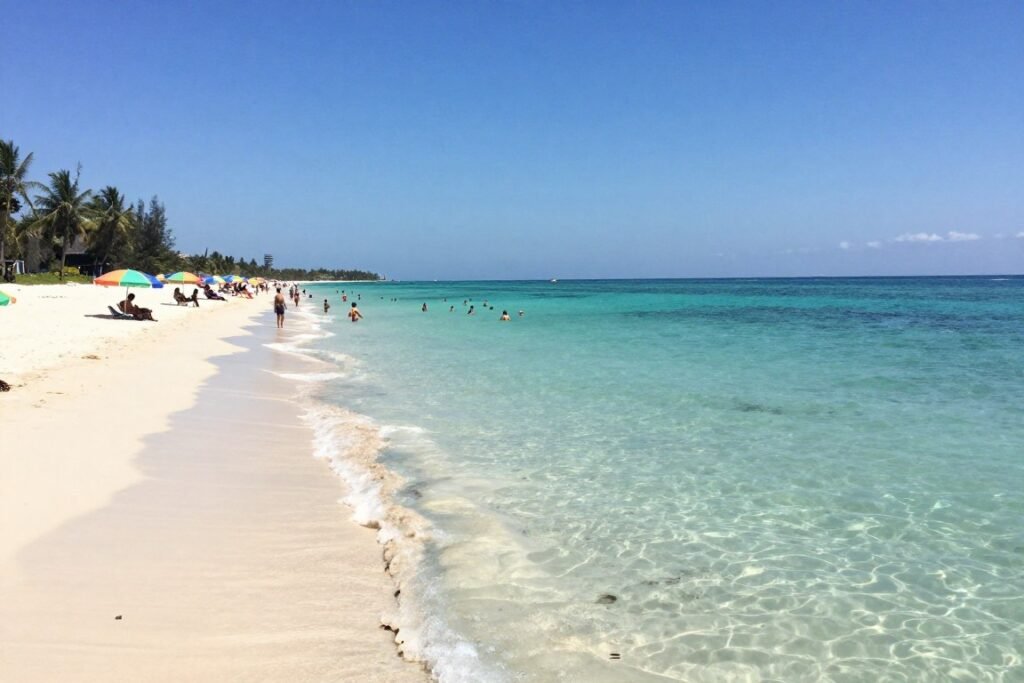
Beach activities become essential during summer. The cooling effect of ocean breezes makes An Bang Beach more comfortable than the ancient town during midday. Many visitors adjust their schedules, exploring cultural sites early morning and late afternoon while spending peak heat hours at the beach or in air-conditioned spaces.
Rainy Season Characteristics (September to January)
Heavy rainfall defines these months, particularly October and November. Afternoon storms arrive with regularity, sometimes lasting several hours. The Thu Bon River swells and occasionally floods parts of the ancient town. Yet this season holds appeal for travelers seeking fewer crowds and dramatic photography opportunities.
The rain brings the countryside to life with vivid green rice fields. Photography enthusiasts appreciate the atmospheric conditions and dramatic skies. Accommodation prices drop significantly, sometimes 40-50% below peak season rates. Indoor activities like cooking classes, lantern making workshops, and museum visits work well during rainy periods.
Festival Timing
The Full Moon Lantern Festival happens monthly on the 14th day of each lunar month. The ancient town transforms as electric lights shut off and thousands of silk lanterns illuminate the streets. This magical atmosphere draws many visitors specifically to experience the lantern-lit ancient town.
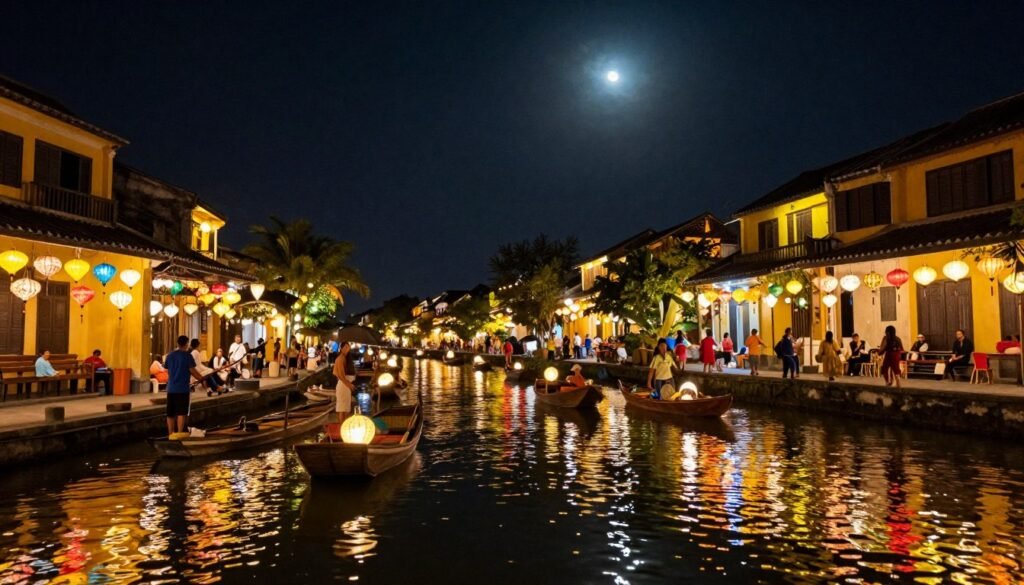
Tet Nguyen Dan, the Vietnamese Lunar New Year, typically falls in late January or early February. The ancient town decorates elaborately with flowers and lanterns. Many shops and restaurants close for several days as owners celebrate with family. This creates a quieter atmosphere but limits dining and shopping options during the holiday period.
- Full Moon Lantern Festival occurs monthly on 14th lunar day
- Tet Nguyen Dan in late January or early February brings major celebrations
- Mid-Autumn Festival in September features special lantern displays for children
- Hoi An Legendary Night recreates 17th-century trading port atmosphere monthly
Top Attractions and Things to Do in Hoi An
The ancient town contains numerous historical sites worth exploring, while the surrounding area offers beaches, villages, and natural attractions. Balancing cultural exploration with other activities creates the most satisfying experience of this diverse destination.
Exploring Hoi An Ancient Town
The Old Town Ticket provides entry to five attractions from a list of twenty-plus heritage sites. This system prevents overcrowding at individual locations while giving you choice in what to visit. Most travelers find the ticket worthwhile despite some sites being more interesting than others.
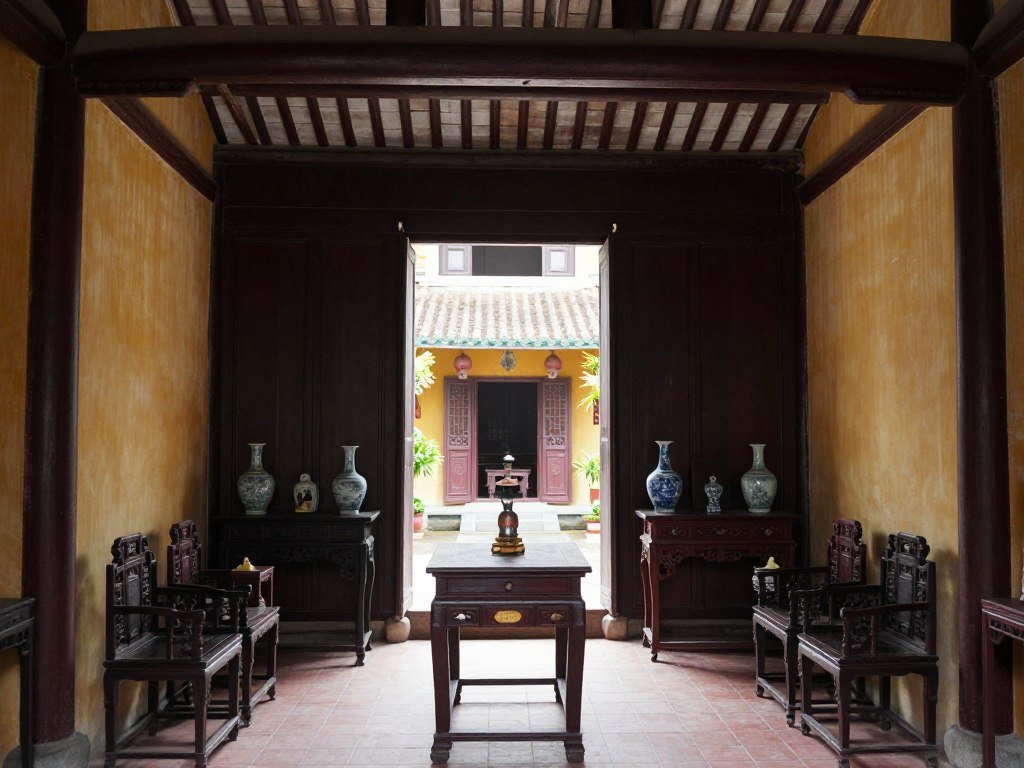
Walking the ancient town reveals its character better than any structured tour. The narrow lanes between Tran Phu Street and the river contain the highest concentration of historical buildings. Early morning hours before 8 AM offer the most peaceful exploration time before tour groups arrive and shop touts become active.
Essential Heritage Sites
- Japanese Covered Bridge built in 1590s connecting neighborhoods
- Tan Ky Old House showing merchant family architecture from 1700s
- Fujian Assembly Hall with ornate carvings and courtyard layout
- Quan Cong Temple dedicated to Chinese general with beautiful gardens
- Museum of Trade Ceramics explaining Hoi An’s trading history
- Phung Hung Old House spanning 200+ years of family occupation
An Bang Beach and Coastal Areas
An Bang Beach lies just 4 kilometers from the ancient town, easily reached by bicycle in 15-20 minutes. This stretch of sand maintains a relaxed atmosphere with beach clubs, seafood restaurants, and water activity operators. The water stays calm most of the year, suitable for swimming and paddleboarding.
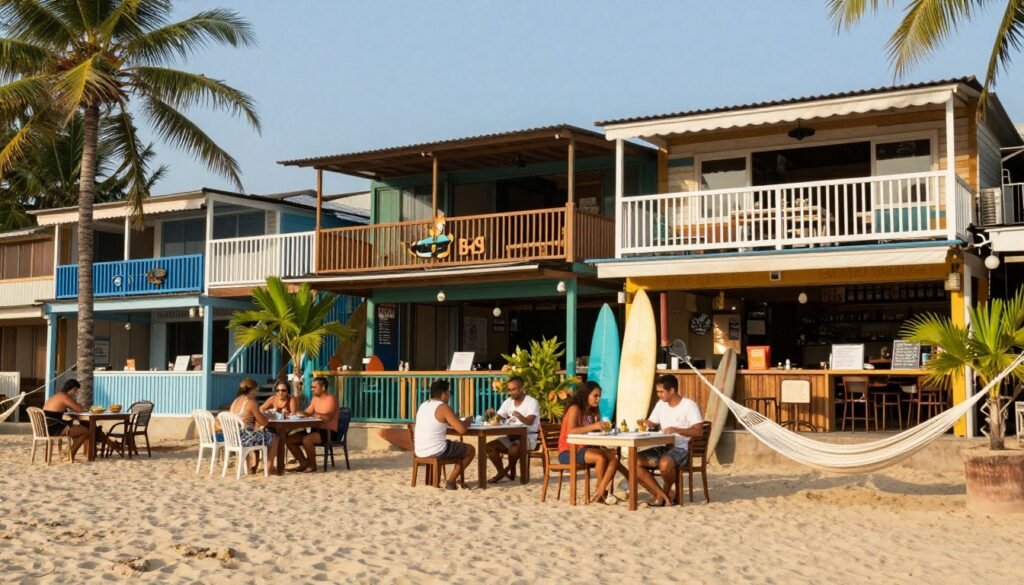
Beach clubs offer sunbeds, umbrellas, showers, and food service. Many visitors rent bicycles from their hotel and spend half-day at the beach before returning to the ancient town for evening exploration. The sunset views from An Bang Beach provide excellent photography opportunities across the South China Sea.
My Son Sanctuary Day Trip
My Son ruins represent Vietnam’s most important Cham temple complex, located 40 kilometers southwest of Hoi An. These Hindu temples date from the 4th to 13th centuries when the Champa Kingdom dominated central Vietnam. The site gained UNESCO World Heritage status for its historical significance and architectural value.
Most tours depart early morning to reach the site before heat intensifies. The jungle setting creates atmospheric ruins photography with ancient brick towers emerging from tropical vegetation. American bombing during the Vietnam War damaged many structures, but enough remains to appreciate the Cham civilization’s architectural achievements and religious practices.
Countryside Cycling Experiences
The flat terrain around Hoi An makes cycling accessible for most fitness levels. Rice paddies, vegetable gardens, and traditional villages surround the ancient town. Guided cycling tours lead you through this agricultural landscape, stopping at family workshops and local markets tourists rarely see.
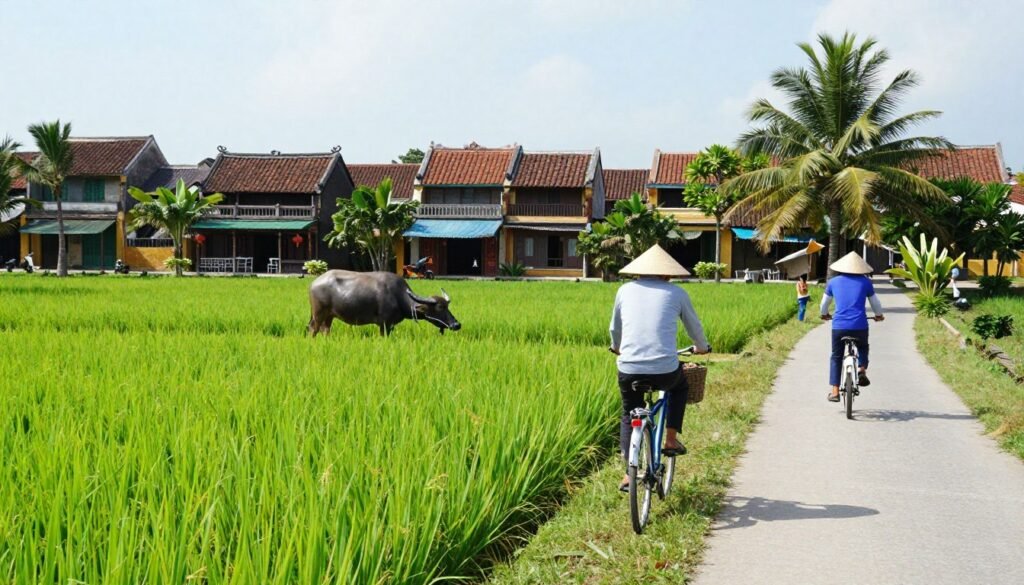
The Tra Que Vegetable Village sits just 3 kilometers from town. Farmers here grow herbs and vegetables using traditional methods passed through generations. Cooking classes often include visits to Tra Que where participants harvest ingredients before learning to prepare Vietnamese dishes with the freshest possible produce.
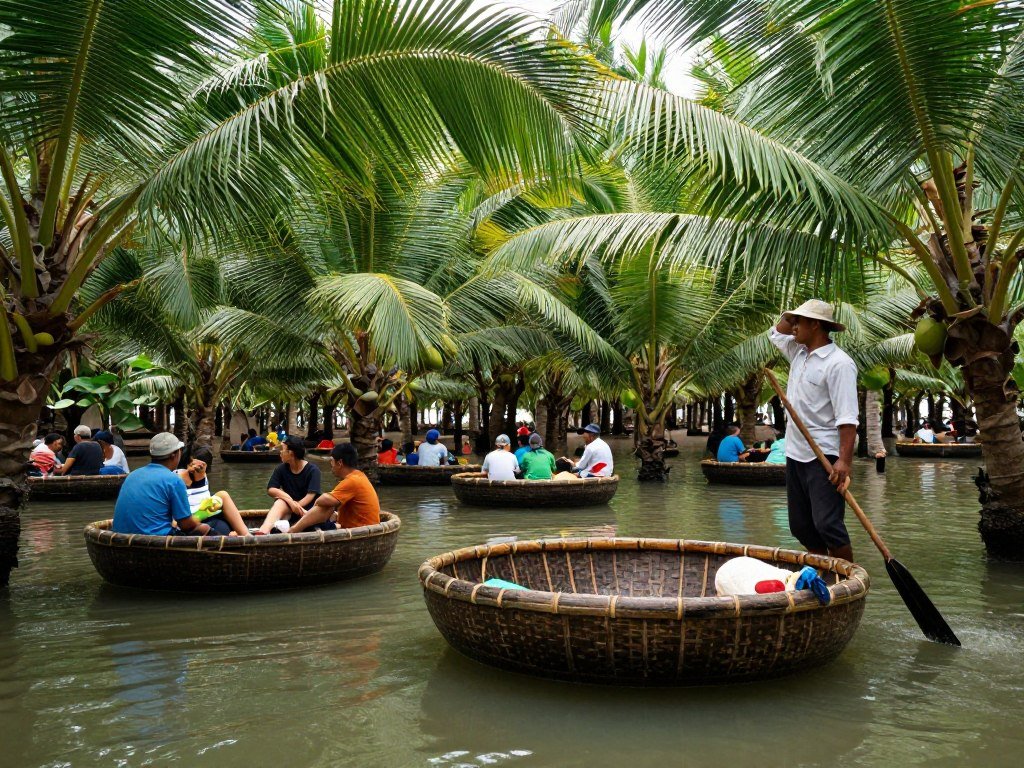
Basket Boat Adventure
Experience traditional fishing boats in the Bay Mau water coconut forest. Local fishermen demonstrate their skills spinning these unique circular boats while teaching you to paddle through the peaceful waterways.
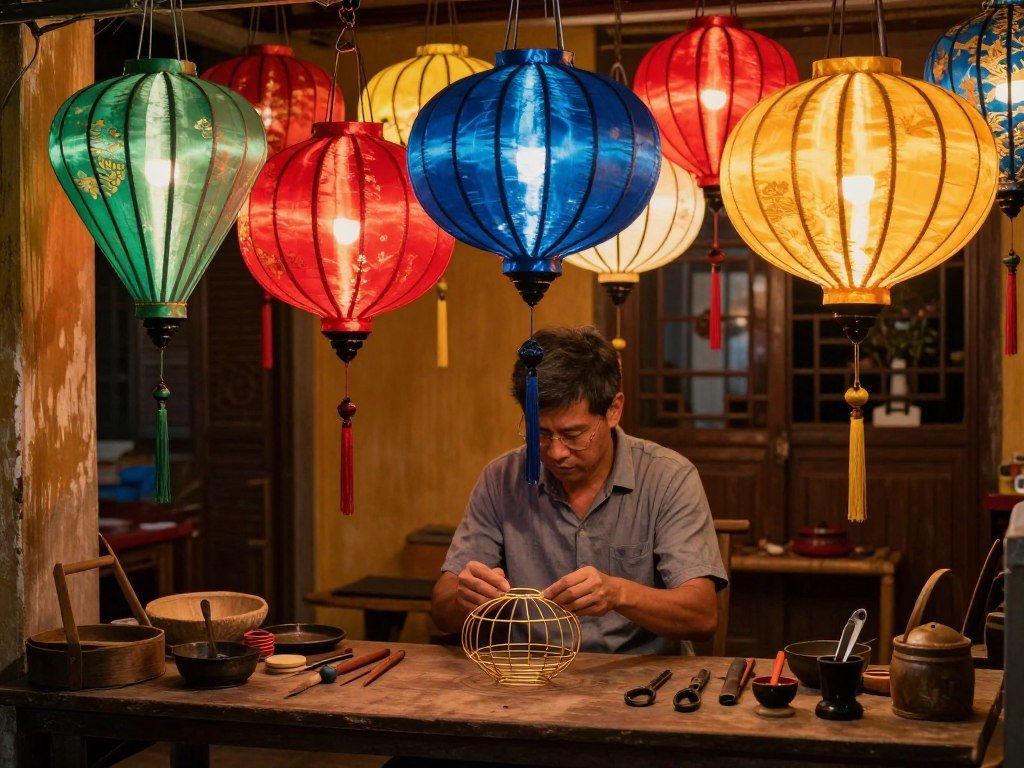
Lantern Crafting Workshop
Learn the traditional art of silk lantern making from local artisans. Create your own lantern to take home while understanding the cultural significance of these iconic Hoi An symbols that illuminate the ancient town.
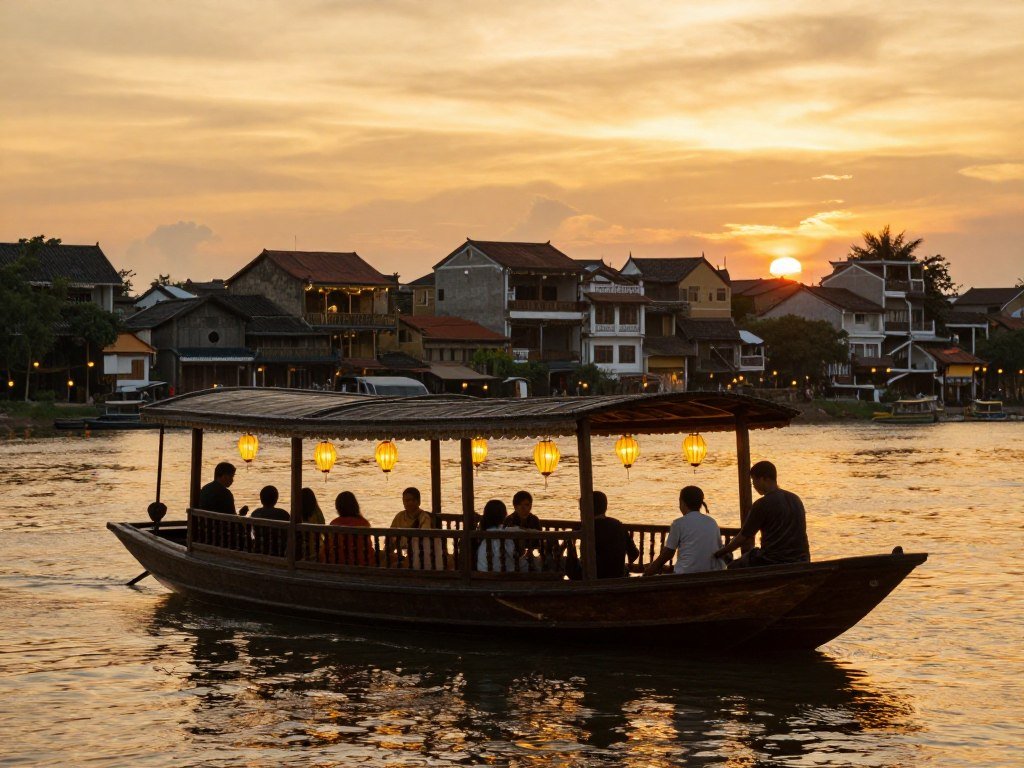
Thu Bon River Sunset Cruise
Drift along the Thu Bon River as the sun sets and the ancient town’s lanterns begin to glow. This peaceful boat ride offers unique perspectives of Hoi An’s riverside architecture and the transition from day to magical evening.
Hoi An Food Guide and Dining Experiences
Food defines much of the Hoi An experience. The town developed unique dishes found nowhere else in Vietnam. Street food stalls, family restaurants, and upscale dining venues all contribute to the diverse culinary landscape that draws food enthusiasts from around the world.
Signature Hoi An Dishes You Must Try
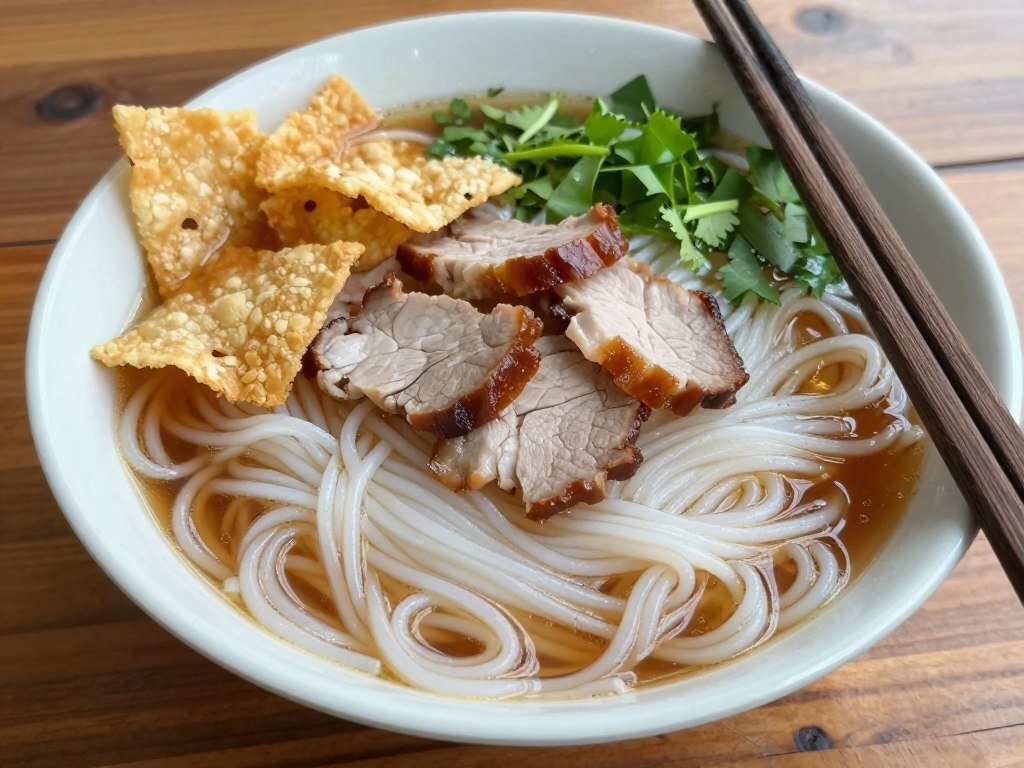
Cao lau represents Hoi An’s most famous dish. These thick rice noodles come topped with sliced pork, crispy crackers, fresh herbs, and a small amount of savory broth. Legend claims authentic cao lau requires water from the ancient Ba Le well, though most restaurants now use regular water with traditional preparation methods maintaining the distinctive flavor and texture.
White rose dumplings earned their name from their delicate appearance. These steamed rice dumplings filled with minced shrimp and spices require significant skill to make properly. Only a few families in Hoi An produce them, supplying restaurants throughout the ancient town. The translucent dumpling skin resembles white rose petals when properly steamed.
Essential Dishes to Sample
- Cao lau thick noodles with pork and crispy crackers unique to Hoi An
- White rose steamed shrimp dumplings handmade by local families
- Banh mi sandwiches at Phuong or Madam Khanh famous locations
- Mi Quang wide rice noodles with turmeric from nearby Quang Nam region
- Com ga rice with shredded chicken and Vietnamese herbs
- Banh bao vac dumplings similar to white rose but folded differently
- Vietnamese coffee prepared with traditional phin filter
- Che sweet dessert soup with beans and coconut milk
Street Food and Market Dining
The Central Market operates daily from early morning through late afternoon. Upstairs food stalls serve inexpensive local dishes favored by Vietnamese residents. The atmosphere stays authentically local with minimal English spoken. Pointing at dishes other diners enjoy works as an ordering strategy when language barriers exist.
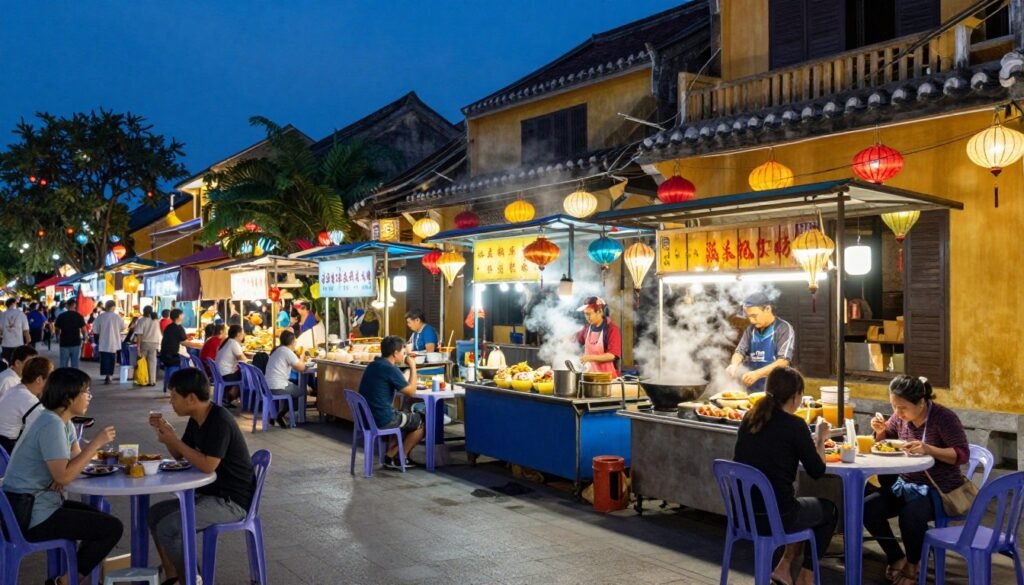
Evening street food appears along Nguyen Hoang Street and around the night market area. Vendors set up portable stalls selling banh xeo crispy pancakes, grilled seafood skewers, and various noodle dishes. The informal atmosphere encourages trying multiple small portions rather than committing to large meals at single locations.
Cooking Class Experiences
Cooking classes rank among Hoi An’s most popular activities. These half-day experiences typically include market visits to select ingredients, hands-on cooking instruction, and eating your prepared dishes. Classes focus on Vietnamese cuisine fundamentals applicable beyond the specific recipes taught during the session.
Morning classes often begin at the local market where instructors explain ingredient selection and Vietnamese cooking principles. You then travel to the cooking school, usually set in traditional houses or garden settings. The hands-on instruction covers three to five dishes, teaching techniques you can replicate at home with proper ingredients.
Experience Authentic Hoi An Flavors
Join our popular Vietnamese cooking class with market tour and traditional meal preparation. Learn from local chefs in a beautiful riverside setting while mastering signature Hoi An dishes.
Restaurant Recommendations by Category
Budget dining options concentrate around the Central Market and residential areas away from the ancient town center. A filling meal costs 50,000-100,000 VND at these local spots. The food matches quality of tourist restaurants while portions often exceed what higher-priced establishments serve.
Where to Eat by Budget
Budget Options (Under 100,000 VND):
- Central Market food stalls for authentic local meals
- Banh Mi Phuong for legendary sandwiches
- Com Ga Ba Buoi for chicken rice specialty
- Street food stalls along Nguyen Hoang
Mid-Range Restaurants (100,000-300,000 VND):
- Morning Glory for elevated street food presentations
- Bale Well for traditional cao lau and local dishes
- Nu Eatery for modern Vietnamese cuisine
- Vy’s Market Restaurant for refined local flavors
Upscale Dining (300,000+ VND):
- Maison Phuong for French-Vietnamese fusion
- SenseS Restaurant for contemporary fine dining
- Cargo Club for riverside international menu
- Secret Garden for romantic rooftop setting

Coffee Culture
Vietnamese coffee culture thrives in Hoi An with numerous cafes ranging from traditional to modern styles. The coffee comes strong, usually served with sweetened condensed milk. Ca phe sua da, iced coffee with milk, provides welcome refreshment in the tropical heat. The slow drip through the phin filter creates a ritual around coffee consumption.
Reaching Up Teahouse employs young people with disabilities, providing job training in a supportive environment. The rooftop location offers views across the ancient town’s tile roofs. Supporting social enterprises like this adds meaningful dimension to your visit while enjoying quality coffee and tea in comfortable surroundings.
Where to Stay in Hoi An: Accommodation Guide
Accommodation options range from budget hostels to luxury resorts. Your choice of location significantly impacts your daily experience, with the ancient town, An Bang Beach, and riverside areas each offering distinct advantages for different travel styles.
Ancient Town Area Hotels
Staying inside or adjacent to the ancient town puts you steps from major attractions. The atmospheric narrow lanes, lantern-lit evenings, and easy access to restaurants make this the most popular area. However, some ancient town hotels occupy old buildings with steep stairs, limited space, and no elevators.
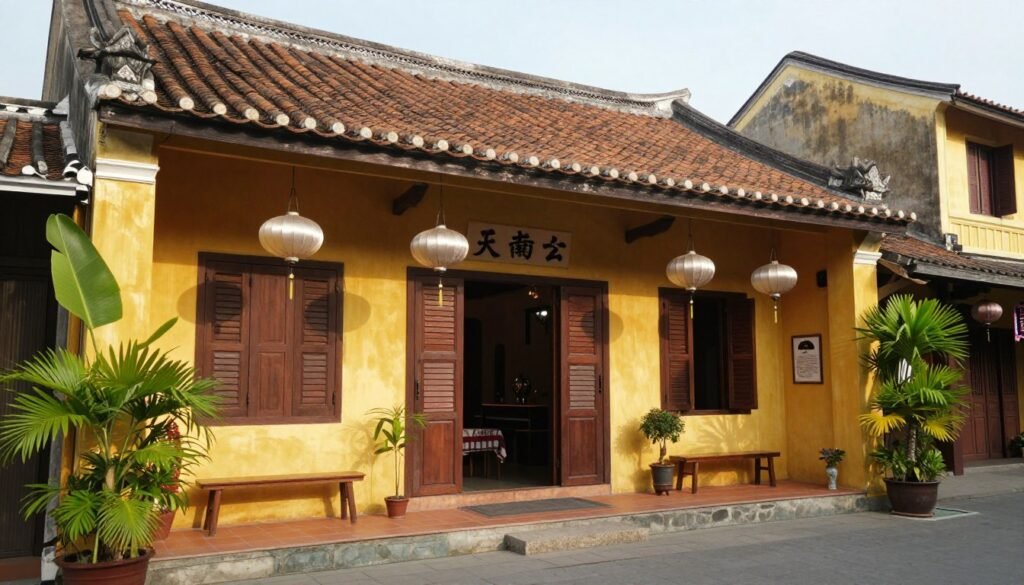
Noise levels vary considerably within the ancient town. Streets closest to the night market and main tourist routes experience activity until late evening. Properties set back on quieter lanes provide more peaceful sleep while remaining within easy walking distance of everything. Reading recent reviews helps assess noise concerns before booking.
Riverside and Outskirts Options
Hotels along the Thu Bon River or slightly outside the ancient town core offer more space and amenities. Swimming pools, gardens, and bike rentals appear more commonly at these properties. The tradeoff involves a 10-15 minute walk to reach the ancient town center, easily managed but worth considering after long days of sightseeing.
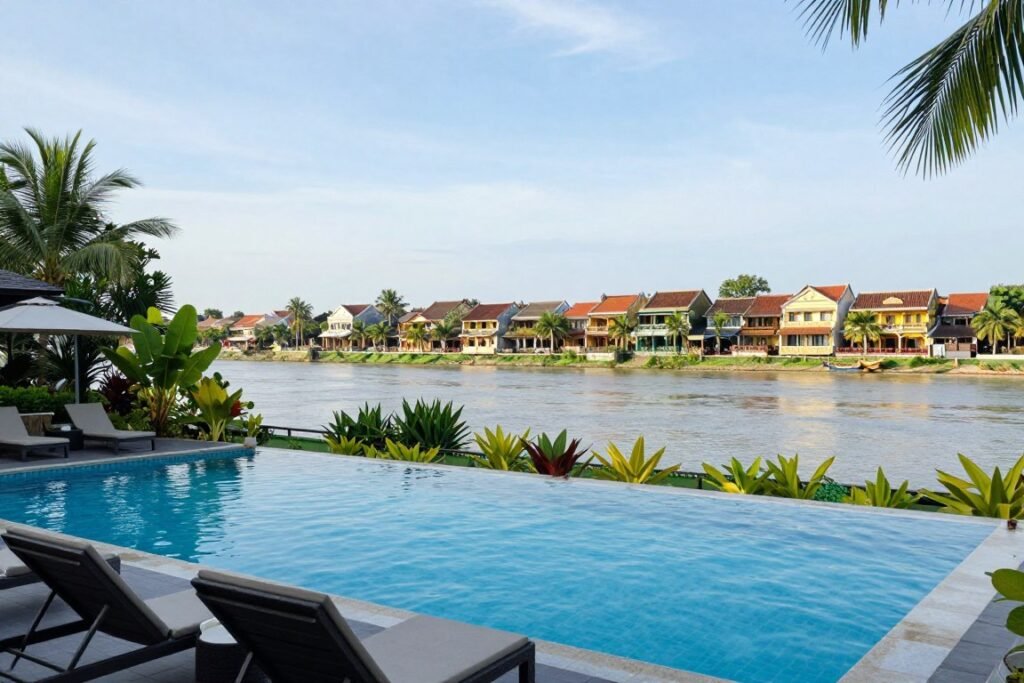
The Cam Nam Island area across the river provides quieter alternatives. Guesthouses and small hotels here cost less than ancient town properties while maintaining easy access via the pedestrian bridge. The island retains village atmosphere with rice fields and local life visible just minutes from your accommodation.
An Bang Beach Accommodations
Beach hotels and resorts suit travelers prioritizing relaxation over cultural sightseeing. The 4-kilometer distance from the ancient town means most beach-based visitors rent bicycles or use taxis for evening visits to town. Beach properties typically offer pools, direct beach access, and on-site restaurants reducing the need to travel for every meal.
Budget beach options include guesthouses and small hotels starting around $15-25 per night. Mid-range resorts run $50-100 with pools and beachfront locations. A few upscale properties exceed $150 per night, offering resort-style amenities and services comparable to international standards.
Homestay Experiences
Homestays place you with Vietnamese families in their homes or small guesthouses. These personal accommodations provide cultural insights impossible in standard hotels. Hosts often prepare breakfast and offer local recommendations beyond typical tourist information. The experience works best for travelers comfortable with simpler facilities and genuine cultural exchange.
| Area | Advantages | Disadvantages | Price Range (USD) |
| Ancient Town Center | Walking distance to everything, atmospheric setting, evening ambiance | Can be noisy, smaller rooms, limited parking, higher prices | $30-150 |
| Ancient Town Outskirts | Quieter, more space, pools common, easier parking, good value | 10-15 minute walk to center, less atmospheric immediate area | $25-100 |
| Riverside | River views, peaceful, resort amenities, bicycle rentals | Distance from ancient town, need transport for evening visits | $35-120 |
| An Bang Beach | Beach access, relaxed vibe, seafood restaurants, swimming pools | Far from ancient town, need bike or taxi, limited nightlife | $20-150 |
| Homestay | Cultural immersion, local insights, home-cooked meals, authentic experience | Basic facilities, shared spaces, language barriers possible | $15-40 |
Booking Strategies
Advance booking proves essential during peak season from February through April. Many boutique hotels contain only 5-15 rooms, selling out weeks ahead during popular periods. Last-minute bookings work better during rainy season or summer months when occupancy rates drop and hotels compete for guests with discounted rates.
Direct booking through hotel websites sometimes offers better rates than third-party platforms. Small family-run places may lack online presence entirely. Emailing hotels directly often yields personalized service and flexibility not available through booking sites. Building relationships with accommodation owners can enhance your stay through local recommendations and assistance.
Need Help Finding Perfect Accommodation?
Our local team knows every hotel, guesthouse, and homestay in Hoi An. We’ll match you with accommodation that fits your budget, location preferences, and travel style while securing the best available rates.
Getting Around Hoi An and Transportation Guide
Hoi An’s compact size makes navigation straightforward once you understand the layout and available transport options. The ancient town itself requires walking, while reaching beaches and surrounding areas involves bicycles, motorbikes, or taxis depending on your comfort level and travel plans.
Getting to Hoi An
Danang International Airport serves as the gateway, located 30 kilometers north of Hoi An. Direct international flights connect from several Asian cities including Bangkok, Singapore, Seoul, and Hong Kong. Most Western travelers route through these hubs or Hanoi and Ho Chi Minh City within Vietnam.
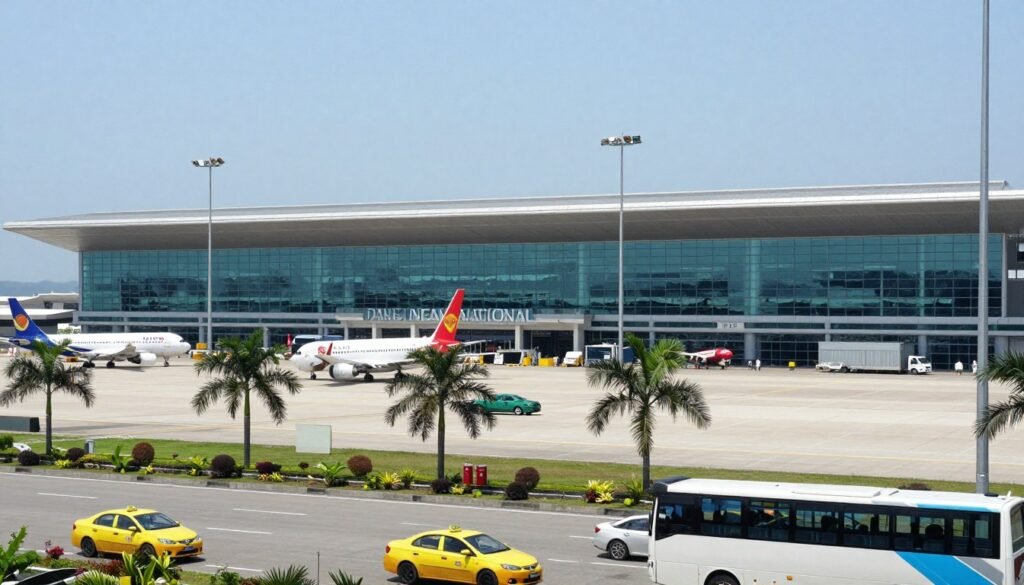
The drive from Danang Airport to Hoi An takes 45-60 minutes depending on traffic. Private transfers cost $15-25 for the journey, with the car waiting at arrivals holding your name sign. The Grab app works at the airport offering similar prices with the convenience of cashless payment through the app.
Several travelers choose to overnight in Danang before continuing to Hoi An. This breaks up the journey if arriving on evening flights and allows exploring Danang’s beaches, Dragon Bridge, and museums before settling into Hoi An for the main portion of your visit.
Walking the Ancient Town
Motor vehicles cannot enter most of the ancient town from 8 AM to 11 PM daily. This pedestrian-friendly policy creates the peaceful atmosphere that defines Hoi An’s character. The core area measures roughly one square kilometer, easily covered on foot. Comfortable walking shoes prove essential given the time you will spend exploring narrow lanes and uneven surfaces.
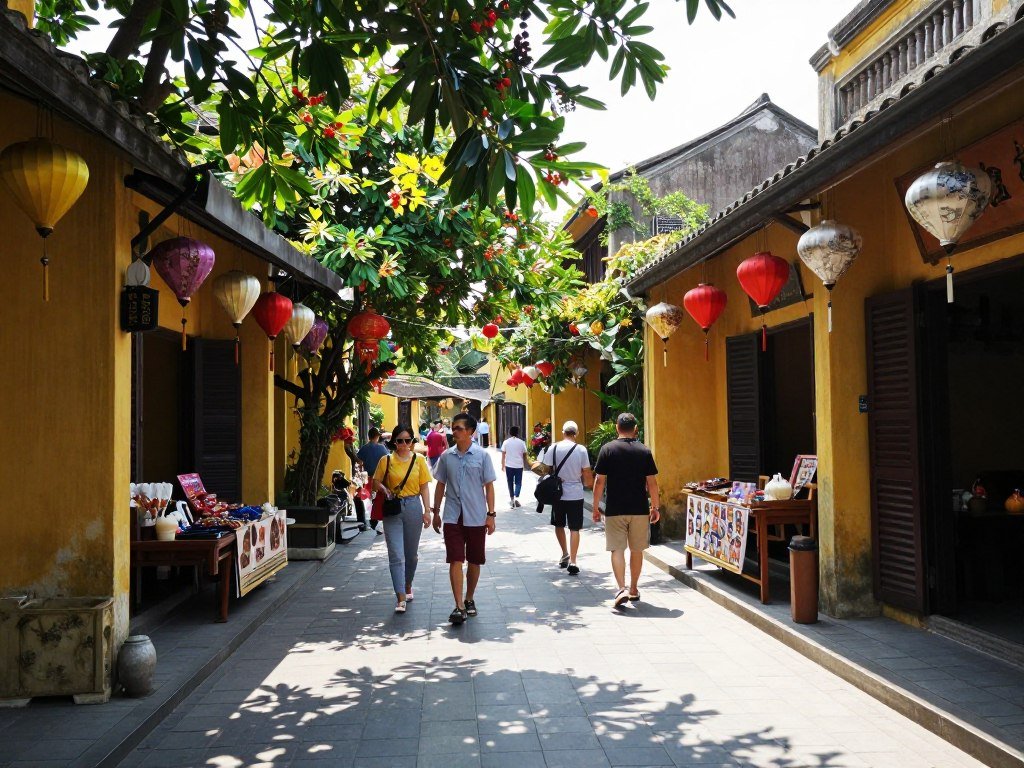
The riverfront promenade serves as a natural orientation point. Most major streets run parallel or perpendicular to the river. The Japanese Covered Bridge marks the western edge of the main ancient town zone. Getting lost remains difficult given the compact area, though wandering without maps often reveals hidden lanes and less-touristed corners worth discovering.
Bicycles: The Local Way to Get Around
Bicycles provide the most popular way to get around Hoi An beyond walking. Most hotels offer free bicycle use for guests. Rental shops charge 20,000-40,000 VND per day for basic bikes. The flat terrain makes cycling accessible for most fitness levels. Dedicated bike lanes exist on major roads though traffic awareness stays important when riding.
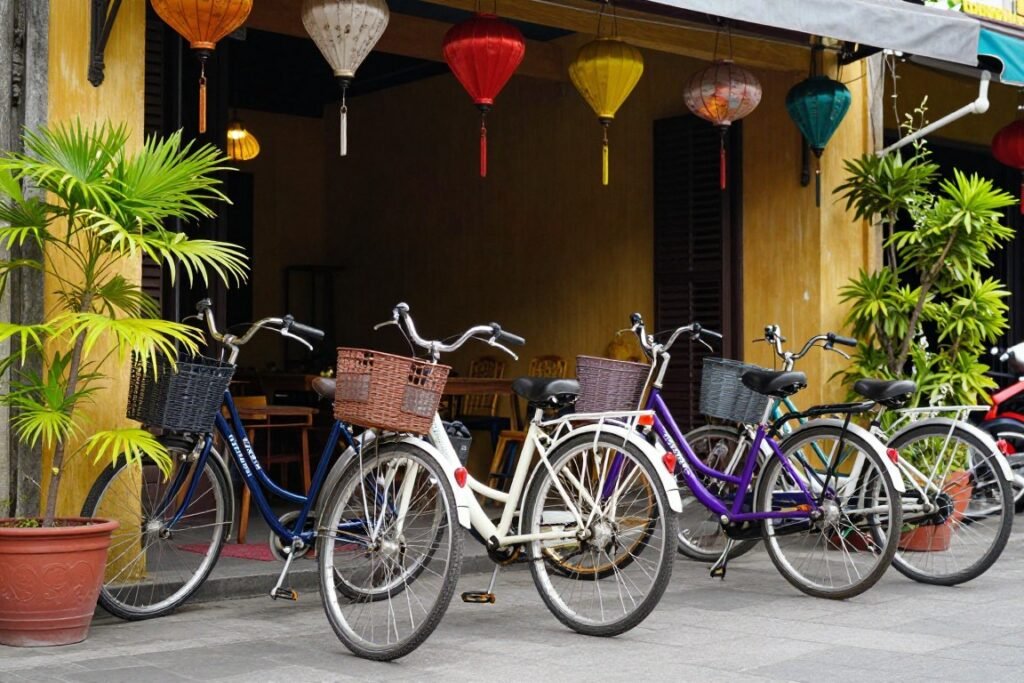
The ride to An Bang Beach takes 15-20 minutes through rice fields and local villages. Reaching the Tra Que Vegetable Village requires only 10 minutes by bike. These short distances make spontaneous trips easy without advance planning or expensive transport costs. Many visitors rent bikes for their entire stay, using them continuously rather than just occasional trips.
Popular Cycling Routes
- Ancient town to An Bang Beach via coastal road (4 km)
- Ancient town to Tra Que Village through countryside (3 km)
- Cam Nam Island loop across pedestrian bridge (5 km circuit)
- Ancient town to Cua Dai Beach past resorts (5 km)
- Bay Mau Coconut Forest via rural roads (7 km)
Motorbikes and Scooters
Renting motorbikes requires an international driving permit technically, though enforcement varies. Daily rental costs 100,000-150,000 VND for automatic scooters. The freedom of motorbike travel appeals to experienced riders comfortable in Asian traffic conditions. Helmets come mandatory by law and rental shops provide them with the bike.
Traffic in Hoi An stays relatively calm compared to Hanoi or Ho Chi Minh City. However, roundabout navigation, livestock on roads, and varying surface conditions require attention. First-time riders in Vietnam should consider starting with bicycles or hiring drivers rather than jumping directly into motorbike rental without prior two-wheel experience.
Taxis and Ride-Hailing Apps
Mai Linh and Vinasun operate metered taxis throughout the area. These established companies use meters and provide reliable service. Fares start around 10,000 VND with charges of 12,000-15,000 VND per kilometer. Always ensure the meter runs to avoid overcharging disputes at journey’s end.
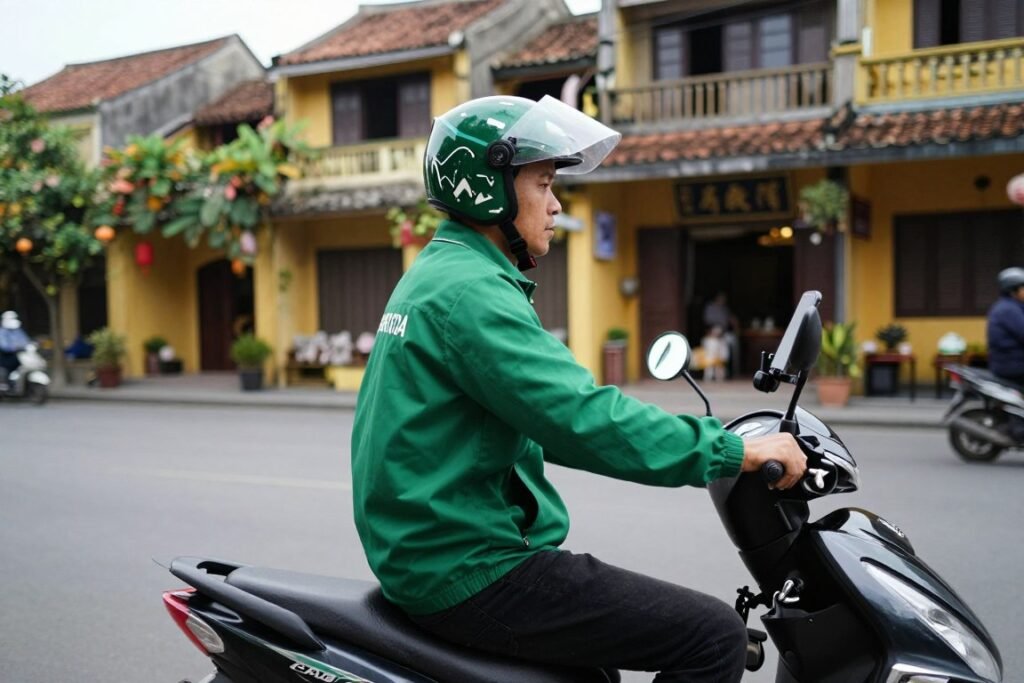
The Grab app functions well in Hoi An for both cars and motorbike taxis. The app shows the fare before booking, eliminating price negotiation. Payment can be cash or through the app. Grab motorbikes cost significantly less than cars, suitable for solo travelers or couples without much luggage. The app works in English, simplifying communication with drivers.
Transport Cost Comparison
Airport to Hoi An:
- Private transfer pre-booked: $15-25
- Grab car from airport: 400,000-500,000 VND
- Metered taxi: 450,000-550,000 VND
- Shared shuttle bus: $5-8 per person
Daily Transport Within Hoi An:
- Bicycle rental: 20,000-40,000 VND per day
- Motorbike rental: 100,000-150,000 VND per day
- Grab bike short trip: 15,000-30,000 VND
- Taxi to An Bang Beach: 80,000-100,000 VND
Day Trips:
- My Son by tour bus: $15-25 including guide
- Private car to My Son: $30-40 for vehicle
- Danang day trip by Grab: 300,000-400,000 VND
Organized Tours and Private Drivers
Tour buses depart daily for My Son Sanctuary, Danang, and other regional attractions. These organized trips include transport, guide, and entrance fees in one package price. The convenience appeals to travelers who prefer structured experiences without planning logistics independently. Tours typically run half-day or full-day with hotel pickup included.
Hiring private drivers for day trips costs more than group tours but offers flexibility. Drivers wait while you explore sites, adjust timing to your pace, and stop at additional locations upon request. This option works well for families or small groups splitting the cost while enjoying personalized itineraries.
Cultural Insights and Local Customs
Understanding Vietnamese cultural norms enriches your interactions and helps avoid unintentional offense. Hoi An’s long history of international trade created relatively open attitudes, yet traditional values remain important in daily life. Respectful behavior enhances your experience and the way locals perceive foreign visitors.
Temple and Pagoda Etiquette
Remove shoes before entering temples, pagodas, and some traditional houses. Look for shoes lined up at entrances as your signal. Dress modestly with shoulders and knees covered when visiting religious sites. Short shorts and revealing tops show disrespect in these sacred spaces even though you may see some tourists ignoring these norms.
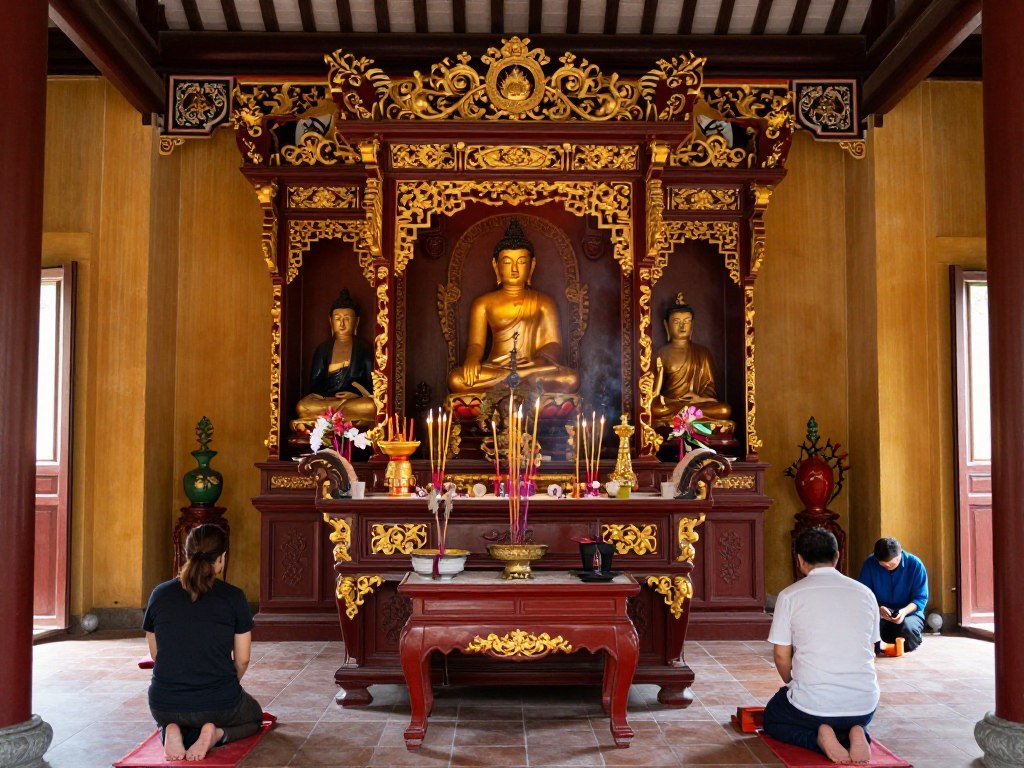
Photography inside temples requires permission and sensitivity. Some sites prohibit photos entirely while others allow pictures except during ceremonies. Ask before photographing monks, worshippers, or altar areas. Flash photography disturbs worship and damages ancient artifacts. Silence or quiet conversation shows respect for those praying or meditating in temple spaces.
Bargaining and Shopping Customs
Bargaining happens at markets and some shops though less aggressively than other Southeast Asian destinations. The ancient town’s tourist-focused economy means many shops post fixed prices. At markets and with street vendors, polite negotiation remains acceptable. Start at roughly 60-70% of the asking price and meet somewhere in the middle through friendly discussion.
Tailor shops saturate the ancient town, offering custom clothing made within 24-48 hours. Quality varies enormously between shops. Recommendations from other travelers or your hotel help identify reliable tailors. Bring photos of styles you want and discuss fabric options clearly. Multiple fittings ensure proper results though rushed single-fitting orders often disappoint.
Dining Etiquette
Chopsticks serve as the primary eating utensil though forks appear at tourist-oriented restaurants. Rest chopsticks across your bowl or on the chopstick rest, never stick them upright in rice as this resembles funeral incense offerings. Slurping noodles remains perfectly acceptable and indicates enjoyment of the food.
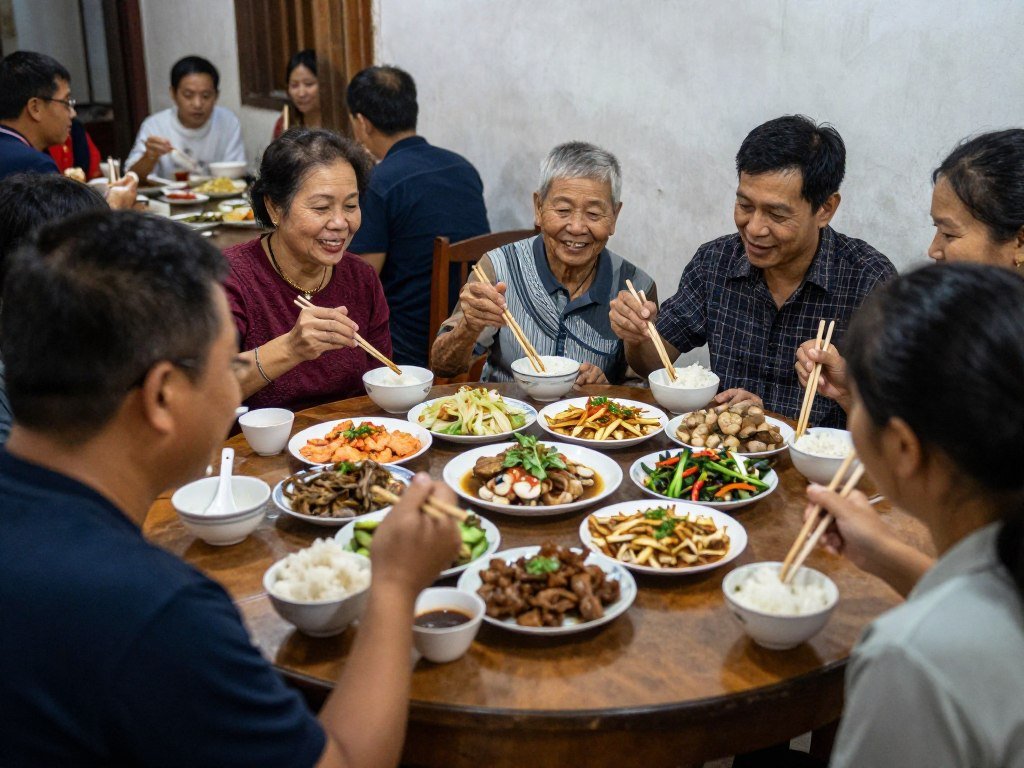
Tipping culture differs from Western countries. High-end restaurants may add 5-10% service charges. Small local restaurants and street food stalls expect no tips. Rounding up taxi fares or leaving small change shows appreciation without being expected. Tour guides and drivers appreciate tips of 50,000-100,000 VND for good half-day service or 100,000-200,000 VND for full days.
Language Basics
English proficiency varies throughout Hoi An. Staff at hotels and tourist restaurants speak functional English. Markets, local restaurants, and residential areas see less English ability. Learning basic Vietnamese phrases shows respect and often generates warm responses from locals who appreciate the effort even if your pronunciation needs work.
Essential Vietnamese Phrases
- Xin chào (sin chow) – Hello
- Cảm ơn (gam un) – Thank you
- Bao nhiêu? (bow new) – How much?
- Không cay (khom kai) – Not spicy
- Ngon (ngon) – Delicious
- Xin lỗi (sin loy) – Sorry/Excuse me
- Tạm biệt (dam bee-et) – Goodbye
Respect and Customs
- Greet elders first in group settings
- Use both hands when giving or receiving items
- Point with full hand, not single finger
- Avoid touching people’s heads
- Remove shoes when entering homes
- Ask permission before photographing people
- Dress modestly at religious sites
Festival Participation
The monthly Full Moon Lantern Festival welcomes visitor participation. Purchase a paper lantern and release it on the river for good fortune. The ancient town transforms as electric lights go dark and traditional music fills the air. Arriving early secures good positions along the waterfront before crowds make movement difficult through the narrow lanes.
Local families celebrate Tet with private gatherings though public festivities fill the streets with decorations and performances. Shops close for several days as owners return to home villages. This creates quieter atmosphere in the ancient town though reduced services may frustrate travelers who didn’t anticipate the closures. Understanding this cultural priority helps set appropriate expectations during the holiday period.
Practical Travel Information for 2026
Planning logistics properly prevents common issues that disrupt otherwise wonderful trips. Visa requirements, currency, health precautions, and communication needs all require attention before and during your Hoi An visit.
Visa Requirements for Vietnam
Many nationalities receive 45-day visa exemption for Vietnam tourism. This includes citizens of the United Kingdom, France, Germany, Spain, Italy, and many other European countries. The exemption applies to single-entry visits. Verify current requirements as policies sometimes change with little notice.
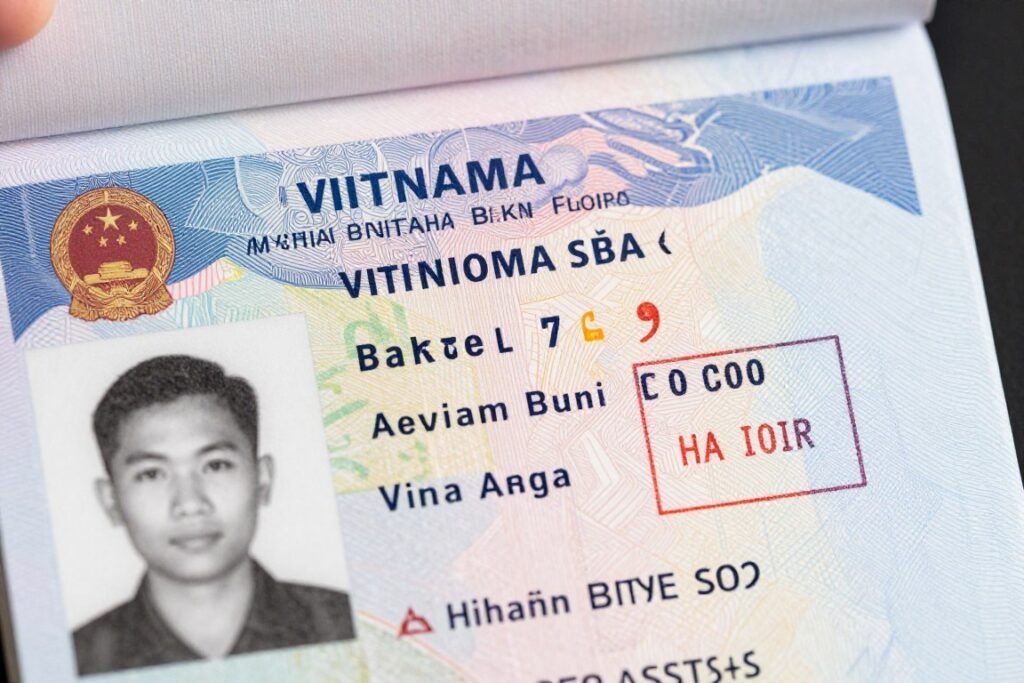
US citizens and many other nationalities require e-visas or visas on arrival. The e-visa system allows applying online at least three business days before arrival. The process costs $25 and grants single-entry for up to 90 days. Ensure your passport remains valid for six months beyond your intended departure date from Vietnam.
Money and Banking
The Vietnamese Dong (VND) serves as official currency. ATMs appear throughout Hoi An ancient town and surrounding areas. Withdrawal limits typically reach 2,000,000 to 3,000,000 VND per transaction. International transaction fees vary by your home bank, so check costs before departure and notify your bank of travel dates to prevent fraud blocks.
Credit cards work at hotels, upscale restaurants, and larger shops. Most markets, street food vendors, and small family restaurants operate cash-only. Carry sufficient dong for daily expenses while keeping larger amounts secure in hotel safes. US dollars see limited acceptance at some hotels and tour operators though dong remains the practical currency for most transactions.
Daily Budget Estimates
- Budget traveler: $25-40 per day (hostel, street food, walking/cycling, limited paid activities)
- Mid-range traveler: $60-100 per day (comfortable hotel, mix of restaurants, some tours, occasional taxi)
- Comfort traveler: $120-200 per day (nice hotel, quality dining, tours/activities, flexible transport)
- Luxury traveler: $250+ per day (resort accommodation, upscale dining, private guides, premium experiences)
Health and Safety
No mandatory vaccinations exist for Vietnam entry from most countries. However, hepatitis A, typhoid, and tetanus vaccinations receive recommendation from travel health professionals. Consult a travel medicine clinic six weeks before departure for personalized advice based on your health history and planned activities.
Dengue fever risk exists year-round with higher transmission during rainy season. No vaccine provides protection for most travelers. Preventing mosquito bites through repellent use, long sleeves at dawn and dusk, and sleeping under mosquito nets when accommodations lack screens provides your only defense against this illness transmitted by daytime-biting mosquitoes.

Tap water remains unsafe for drinking. Bottled water costs minimal amounts and appears everywhere. Restaurants serve purified water and ice generally proves safe at established venues. Avoid ice at street food stalls if you have sensitive digestion. Brushing teeth with bottled water provides extra caution during initial days while your system adjusts.
Internet and Communication
Tourist SIM cards provide affordable data and local calls. Providers include Viettel, Vinaphone, and Mobifone with shops throughout the ancient town. A tourist SIM with several GB of data costs $5-10 for 30 days. Bring your passport for the required registration process. Ensure your phone accepts international SIM cards before purchasing.
WiFi reaches most hotels, restaurants, and cafes with varying quality and speed. Connection reliability drops at budget accommodations and in remote areas. Download offline maps, translation apps, and travel guides before trips to the countryside where cellular coverage may be limited or absent.
Packing Essentials
Lightweight, breathable clothing suits the tropical climate year-round. Cotton and linen work well though synthetic quick-dry fabrics handle humidity and washing better. Pack modest clothing covering shoulders and knees for temple visits. A light rain jacket or small umbrella proves essential even during dry season when brief showers occasionally appear.
Must-Pack Items
- Lightweight long pants and shirts for sun/mosquito protection
- Comfortable walking sandals and closed-toe shoes
- Sun hat and quality sunglasses
- High-SPF sunscreen and after-sun lotion
- DEET mosquito repellent (30%+ concentration)
- Small daypack for excursions
- Reusable water bottle
- Power bank for device charging
- Universal power adapter (Type A, C, or G)
- Basic first aid kit and personal medications
- Photocopies of passport and important documents

Sample Hoi An Itineraries for Different Trip Lengths
These suggested itineraries provide frameworks for visits ranging from quick stops to extended stays. Adjust based on your interests, energy levels, and weather conditions. Each represents balanced pacing mixing cultural exploration, relaxation, and local experiences.
Three-Day Quick Visit
This compressed schedule hits the essential experiences for travelers with limited time. You get a solid introduction to Hoi An’s character while accepting you cannot see everything the area offers.
- Arrive and settle into ancient town accommodation, afternoon walking tour of main heritage sites, evening along the riverfront watching lanterns illuminate
- Morning Vietnamese cooking class with market visit, afternoon bicycle ride to An Bang Beach for swimming and seafood lunch, evening exploring night market and street food
- Early departure for My Son Sanctuary guided tour, return afternoon for final shopping or tailor fittings, sunset from Japanese Bridge before departure
Five-Day Balanced Itinerary
Five days allows experiencing Hoi An without constant rushing. This schedule balances cultural activities, beach time, and relaxation with free time for spontaneous discoveries or rest when needed.
- Arrival day with gentle ancient town exploration, purchase Old Town Ticket and visit 2-3 heritage sites, sunset boat ride on Thu Bon River, dinner at riverside restaurant
- Morning visit to Semenggoh Wildlife Centre, afternoon cooking class at traditional house with lunch of prepared dishes, evening free for shopping or relaxation
- Full day at An Bang Beach with bicycle ride through countryside, lunch at beach club, swimming and relaxation, return late afternoon to clean up for evening lantern festival (if timing matches lunar calendar)
- Day trip to My Son Sanctuary with morning departure, return early afternoon, visit Tra Que Vegetable Village by bike, evening street food exploration
- Morning at Central Market and final heritage site visits, afternoon for tailor fittings or souvenir shopping, farewell dinner at upscale Vietnamese restaurant
Seven-Day Complete Experience
A week provides time for deeper exploration including day trips, multiple activities, and rest days. This pace allows settling into the rhythm of Hoi An life rather than just passing through as a tourist.
- Arrive from Danang Airport, check into ancient town hotel, afternoon gentle walking to orient yourself, evening exploring riverfront and identifying restaurants for later visits
- Morning heritage site visits with Old Town Ticket, Japanese Bridge and Tan Ky House priority, afternoon lantern-making workshop, evening watching Full Moon Lantern Festival if timing aligns
- Full day at An Bang Beach, morning bicycle ride through rice fields, lunch and swimming at beach, late afternoon return for massage and relaxation
- Vietnamese cooking class morning session, afternoon visit to Tra Que Vegetable Village and countryside cycling, evening street food tour with local guide
- Day trip to My Son Sanctuary, return early afternoon, rest and relaxation, evening at upscale restaurant trying refined Vietnamese cuisine
- Morning basket boat experience at Bay Mau Coconut Forest, afternoon exploring Cam Nam Island by bicycle, sunset from Thu Bon River, final shopping and tailor pickup
- Flexible morning for any missed activities or favorite spots revisit, afternoon preparing for departure or extending to nearby destinations
Combining Hoi An with Other Destinations
Many travelers combine Hoi An with other Vietnam destinations. The central location makes it convenient for multi-city itineraries. Danang sits just 30 minutes north with beaches, mountains, and the Marble Mountains. Hue lies two hours north offering imperial citadel and royal tombs contrasting with Hoi An’s merchant town character.
Flying south to Ho Chi Minh City or north to Hanoi adds Vietnam’s major cities to your journey. The night train from Danang to Hanoi provides overnight travel saving accommodation costs while covering the distance efficiently. Planning adequate time in each destination prevents exhausting yourself rushing between locations trying to see everything in limited time.
Interactive map of Hoi An showing the ancient town, An Bang Beach, and surrounding attractions
Final Thoughts on Visiting Hoi An
Hoi An offers experiences that linger long after you leave. The combination of preserved architecture, living culture, and accessible location creates a destination that satisfies diverse traveler interests. Whether you seek history, food, beaches, or cultural immersion, this ancient town delivers beyond typical tourist expectations.
The town continues evolving while maintaining its essential character. New hotels and restaurants appear regularly yet strict building codes preserve architectural integrity within the protected zones. This balance allows modern comfort while protecting the heritage that makes Hoi An special. Your visit supports local communities who benefit from tourism while maintaining traditions passed through generations.
Planning thoughtfully maximizes your limited vacation time. Understanding seasonal patterns, booking key activities ahead, and allowing flexibility for spontaneous discoveries creates the best experiences. The compact ancient town rewards wandering without strict schedules, letting you discover hidden lanes, local workshops, and quiet temples away from main tourist routes.
Hoi An welcomes millions of visitors annually yet retains authentic character beyond the tourism veneer. Engaging respectfully with local culture, supporting family businesses, and traveling mindfully contributes to sustainable tourism benefiting both visitors and residents. Your choices matter in determining whether this remarkable place maintains its soul or becomes just another overcrowded tourist attraction.
Ready to Experience Hoi An in 2026?
Our local team creates personalized Hoi An itineraries matching your interests, pace, and budget. We handle all arrangements from accommodation to activities while sharing insider knowledge only locals possess.