

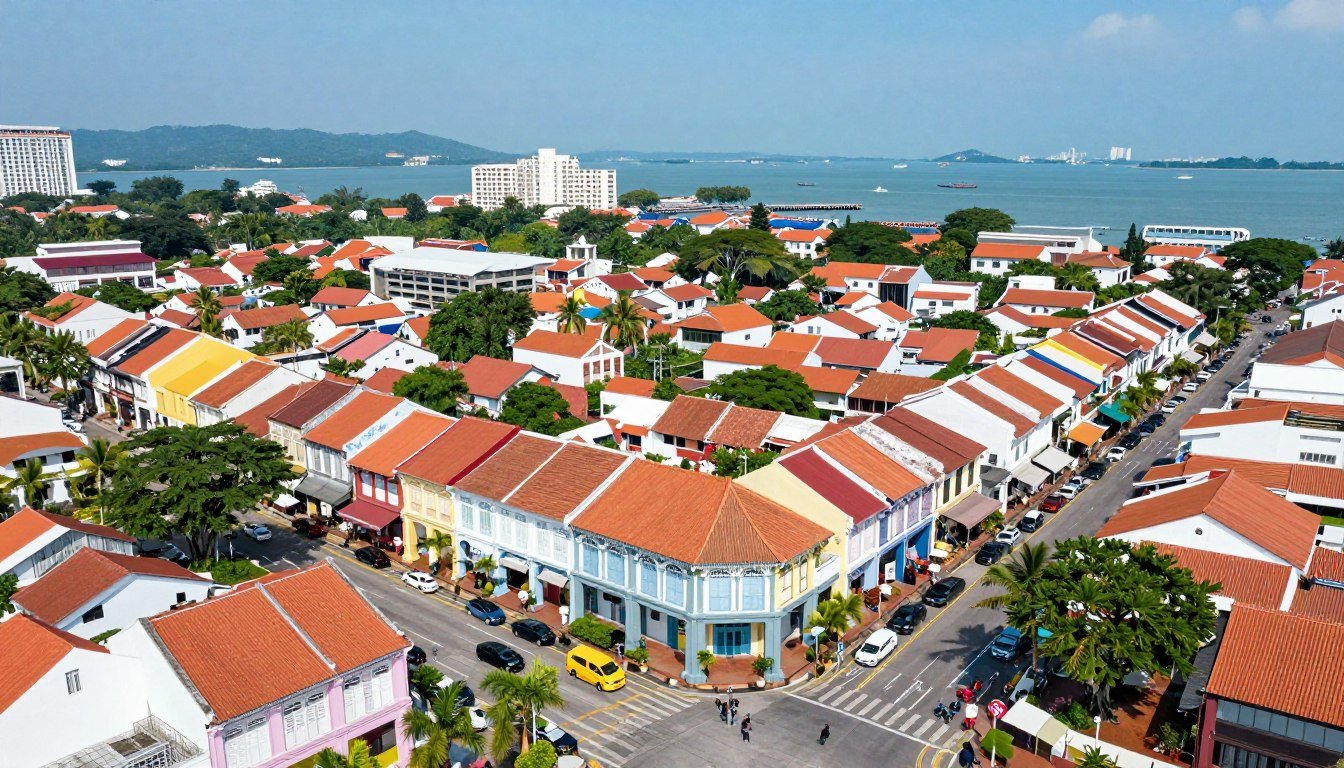
Penang stands as one of Southeast Asia’s most captivating destinations. This Malaysian island combines rich history with modern energy. You’ll find UNESCO World Heritage sites alongside contemporary art galleries. Street food vendors serve legendary dishes next to upscale restaurants.
The island rewards travelers who seek authentic experiences. George Town’s heritage streets tell stories of Chinese, Indian, Malay, and European influences. Penang Hill offers cool mountain air and panoramic views. Beaches stretch along the northern coast. Temples showcase stunning architecture and spiritual traditions.
This comprehensive Penang travel guide reveals everything you need. You’ll discover the best time to visit and top attractions. We’ll guide you through the food scene and cultural highlights. Transportation tips and accommodation recommendations ensure smooth planning. Whether you’re visiting for three days or three weeks, Penang delivers unforgettable moments.
Get Your Free Penang Itinerary
Download our detailed 3-day Penang travel guide with hour-by-hour recommendations, hidden gems, and local insider tips to maximize your island adventure.
Best Time to Visit Penang: Weather and Seasons
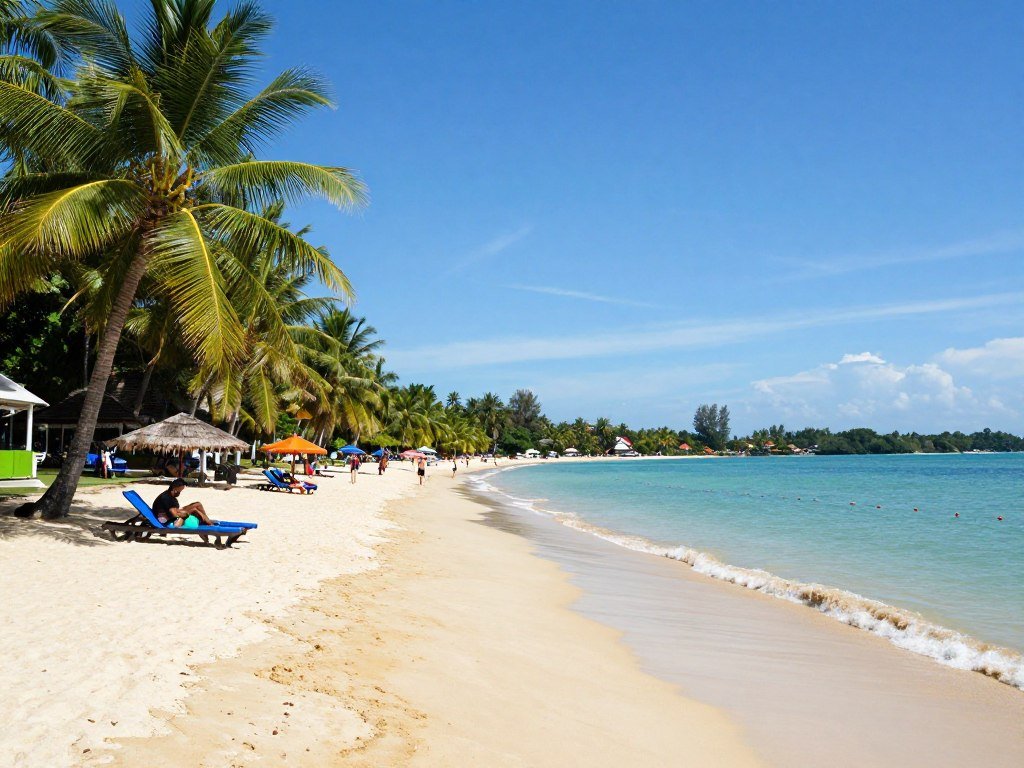
Penang welcomes visitors throughout the year. The tropical climate stays warm and humid consistently. Understanding weather patterns helps you plan the perfect trip time.
Peak Season Advantages
December through February marks the peak season. These months bring drier weather and pleasant temperatures. The heart of George Town fills with international travelers. Hotels and popular restaurants see higher demand. Prices increase during this period, especially around Christmas and New Year.
The weather during peak season creates ideal conditions for outdoor exploration. You can walk through heritage streets comfortably. Beach activities become more enjoyable. Temple visits happen under clear skies. Food tours proceed without rain interruptions.
Shoulder Season Benefits
March through May offers excellent value. The weather remains good with occasional showers. Tourist crowds thin out significantly. Hotel rates drop from peak season prices. Restaurant reservations become easier to secure.
September through November provides another shoulder season window. Short afternoon rains cool the air. Morning hours stay perfect for sightseeing. Evening street food tours continue without issues. These months let you experience Penang’s culture without overwhelming crowds.
Monsoon Season Considerations
June through August brings the monsoon season. Heavy rains occur more frequently. Some outdoor activities face interruptions. However, this period offers the lowest prices. Indoor attractions like museums and temples remain fully accessible.
The monsoon creates unique opportunities. Street art photography benefits from dramatic cloudy skies. Indoor food courts buzz with local activity. Shopping malls and covered markets provide comfortable alternatives. Budget travelers find exceptional deals during these months.
Peak Season (Dec-Feb)
- Dry weather and sunshine
- Perfect beach conditions
- Higher accommodation rates
- Larger tourist crowds
- Advanced booking recommended
Shoulder Season (Mar-May, Sep-Nov)
- Good weather with brief showers
- Lower accommodation prices
- Fewer tourists at attractions
- Better restaurant availability
- Authentic local atmosphere
Cultural Events and Festivals
Penang’s multicultural heritage creates year-round festivals. Chinese New Year transforms George Town in January or February. Streets fill with red decorations. Lion dances perform throughout the city. Temples hold special ceremonies. Hotels book months in advance.
Thaipusam draws massive crowds to temples around January or February. This Hindu festival showcases incredible devotion. Kavadi carriers proceed to hilltop temples. The atmosphere becomes electric with spiritual energy. Photographers capture stunning cultural moments.
The George Town Festival happens every August. Arts performances fill heritage venues. Street installations appear across the UNESCO World Heritage Site. Local and international artists participate. The city transforms into an open-air gallery and stage.
Find Your Perfect Travel Dates
Compare flight prices across different months and secure the best deals for your Penang adventure. Flexible dates can save you hundreds on airfare.
George Town: UNESCO World Heritage Treasure
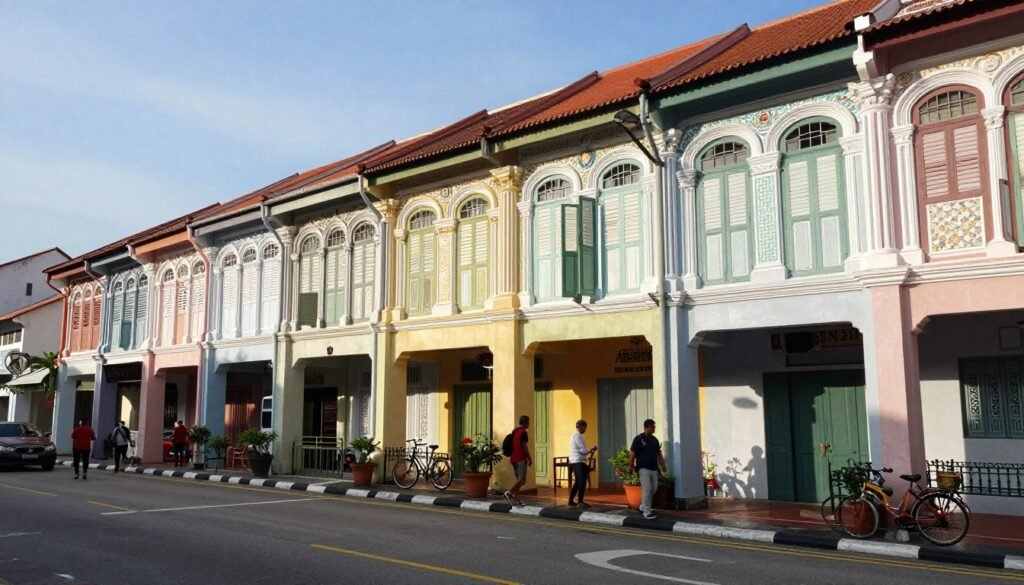
George Town earned UNESCO World Heritage status in 2008. This recognition celebrates centuries of cultural fusion. The city preserves architectural treasures from British colonial times. Chinese clan houses stand beside Indian temples. Malay mosques complement European buildings.
Heritage Architecture and Buildings
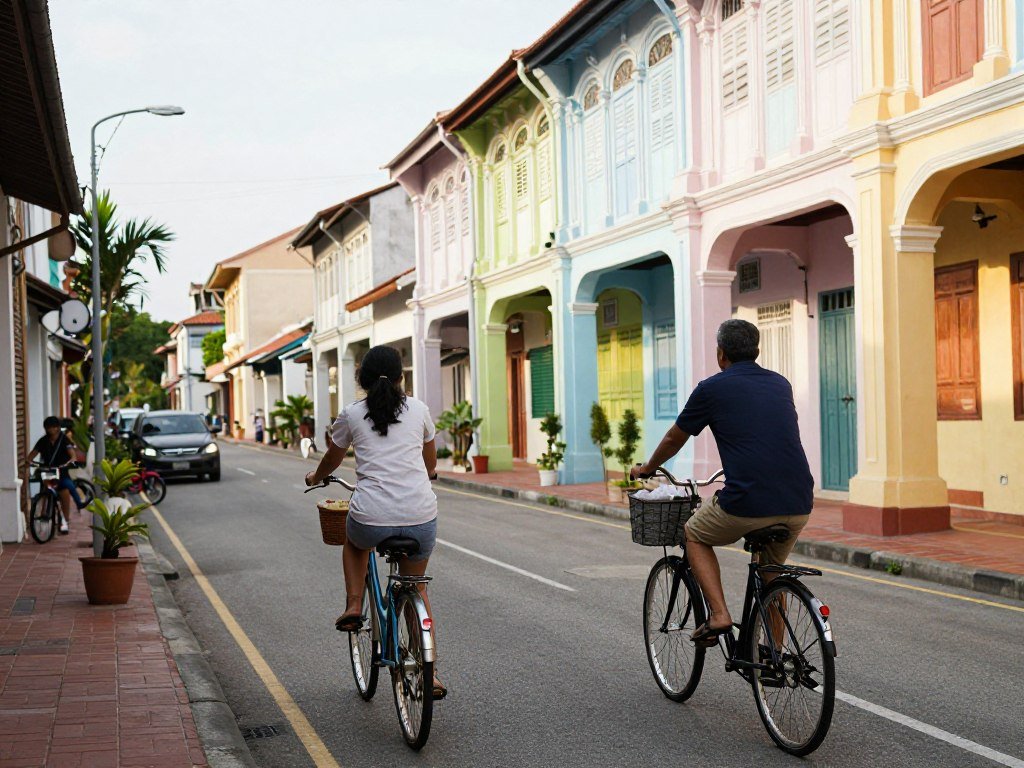
Armenian Street forms the heart of George Town’s heritage zone. Shophouses display Peranakan architectural details. Ornate tiles decorate facades. Wooden shutters frame windows. These buildings house cafes, galleries, and boutique shops.
Fort Cornwallis marks where Francis Light first landed in 1786. The star-shaped fort preserves British colonial history. Cannons point toward the harbor. The grounds offer shaded areas for rest. Historical displays explain Penang’s founding story.
The Cheong Fatt Tze Mansion showcases stunning indigo-blue architecture. This restored heritage hotel won multiple conservation awards. Guided tours reveal the mansion’s history. You’ll learn about Chinese architectural principles and Peranakan culture. The building’s distinctive color makes it a George Town landmark.
Famous Street Art Locations
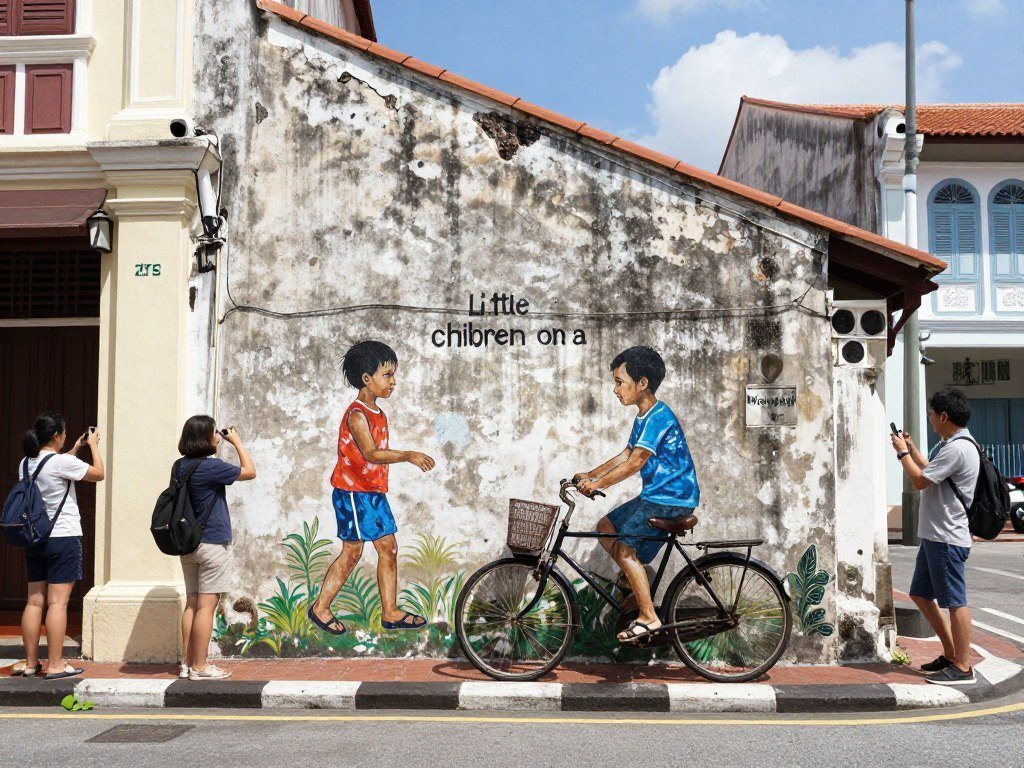
Ernest Zacharevic’s murals transformed George Town into an open-air gallery. His “Little Children on a Bicycle” mural became iconic. The artwork combines painting with real bicycle parts. Visitors queue to photograph this famous street art piece.
Armenian Street hosts the highest concentration of street art. You’ll discover murals around every corner. Some artworks tell local stories. Others create whimsical scenes. The street art trail continues expanding with new additions each year.
Metal sculptures by local artists complement the painted murals. These comic-style installations mark heritage locations. Each sculpture shares historical facts about George Town. The combination of art forms creates a unique walking experience.
Clan Jetties Community
The clan jetties extend into the water from George Town’s eastern shore. Chinese immigrant families built these wooden pier communities over 100 years ago. Each jetty belongs to a specific Chinese clan. Residents maintain traditional ways of life.
Chew Jetty attracts the most visitors. Wooden walkways connect houses built on stilts. Residents sell handicrafts and refreshments. You can walk through the community respectfully. The jetty offers unique perspectives of George Town’s waterfront.
The jetty communities face modernization pressures. UNESCO status helps preserve these cultural treasures. Morning visits provide the most authentic atmosphere. You’ll see residents going about daily routines. The place feels like stepping back in time.
Walking Tours of George Town
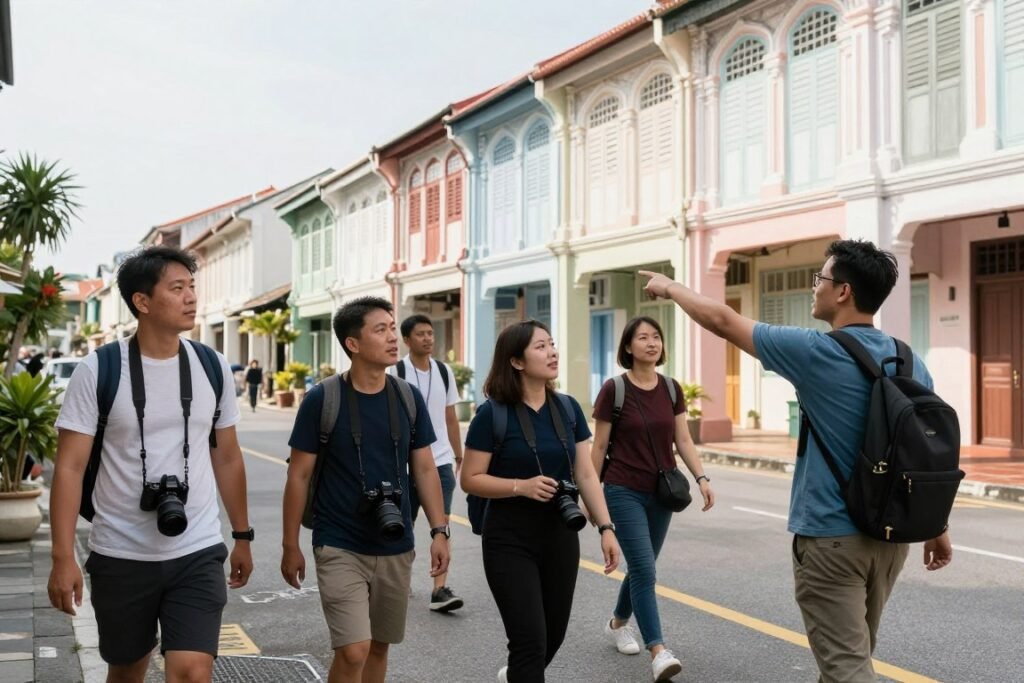
Explore UNESCO heritage sites with expert local guides who reveal hidden stories behind George Town’s architecture, culture, and history. Tours include Armenian Street, clan houses, and secret courtyards.
- 3-hour guided heritage walk
- Maximum 12 people per group
- Expert local historians as guides
- Visit 15+ heritage locations
Street Art Bicycle Tour
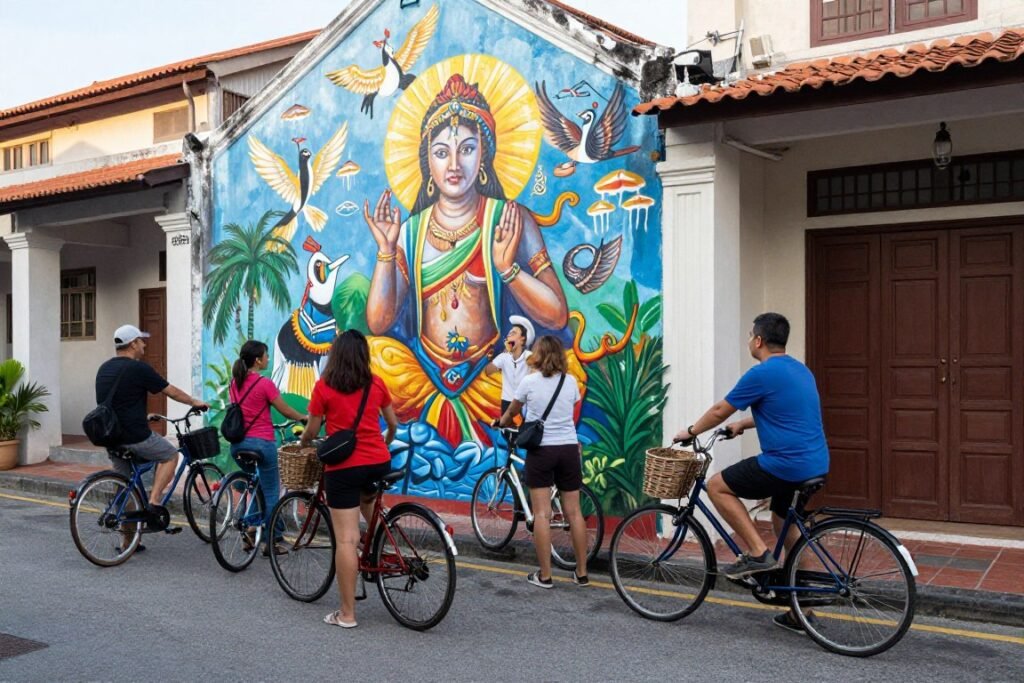
Discover George Town’s famous murals and installations on two wheels. This leisurely bike tour covers major art locations while exploring lesser-known neighborhoods and local life.
- 4-hour bicycle exploration
- Visit 20+ street art locations
- Quality bikes and safety equipment
- Photo stops at iconic murals
Trishaw Heritage Ride
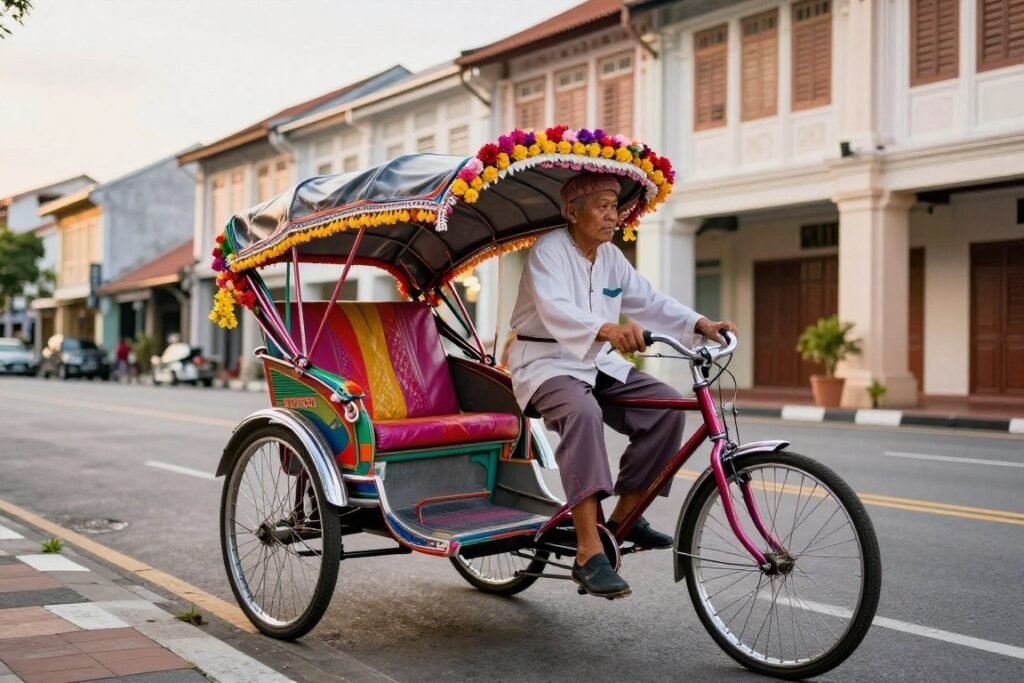
Experience old-world charm aboard a traditional trishaw. Your pedal-powered ride weaves through narrow lanes while your driver shares local knowledge and family stories.
- 1-2 hour trishaw journey
- Customize your route
- Experienced local riders
- Perfect for all ages
Little India and Cultural Quarters
Little India centers around Lebuh Pasar and Lebuh King. The neighborhood bursts with color and energy. Sari shops display vibrant fabrics. Jewelry stores showcase gold designs. The aroma of spices fills the air.
Sri Mahamariamman Temple anchors Little India. This Hindu temple dates to 1833. Intricate sculptures cover the gopuram tower. Inside, priests perform daily rituals. The temple welcomes respectful visitors during non-prayer times.
Nearby streets house mosques and Chinese temples. This proximity demonstrates Penang’s religious harmony. Each community maintains distinct traditions while coexisting peacefully. The cultural diversity creates George Town’s special character.
Penang Hill: Escape to Cooler Heights
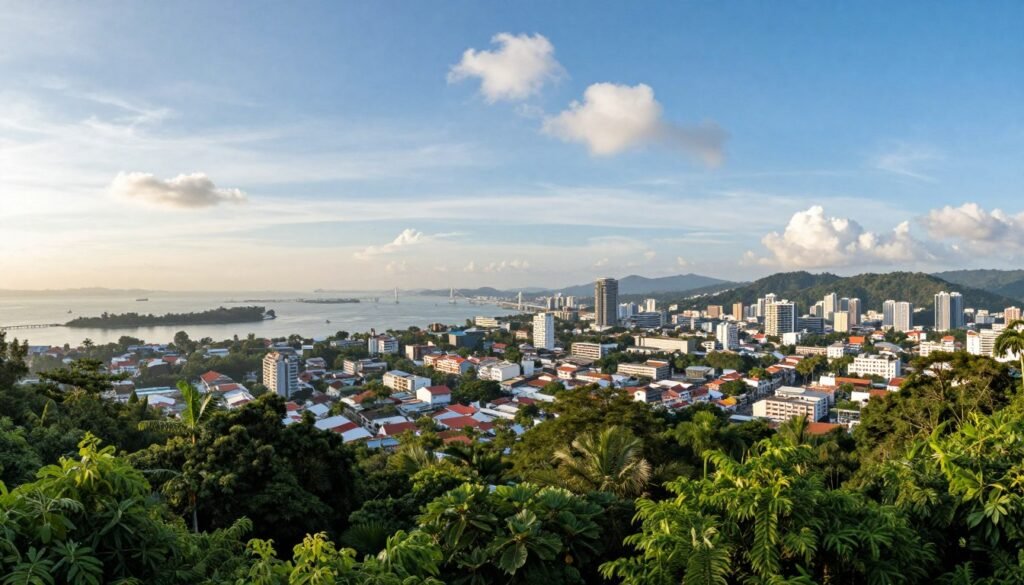
Penang Hill rises 833 meters above sea level. The summit offers temperatures five to seven degrees cooler than George Town. This natural escape has attracted visitors since colonial times. British administrators built homes here to avoid coastal heat.
The Funicular Railway Experience
The funicular railway provides the easiest access to Penang Hill. Modern trains replaced the original 1923 system in 2011. The journey takes about five to eight minutes. Trains depart every 15 to 30 minutes depending on demand.
Viewing windows offer glimpses of the tropical forest. The train climbs through different elevation zones. You’ll notice temperature dropping as you ascend. The cool mountain air greets you at the upper station.
Ticket lines can extend during peak hours and weekends. Morning visits before 10 AM see shorter waits. Late afternoon trips reward you with sunset views. Online booking options help skip some queue time.
Summit Attractions and Activities
The viewing deck commands spectacular panoramas. George Town spreads below like a miniature city. The Penang Bridge stretches across blue water. On clear days, you can see mainland Malaysia. Sunset transforms the view with golden light.
Walking trails wind through the hill’s forest. The Habitat nature park preserves pristine jungle. A canopy walk suspends visitors 40 meters above ground. The trail reveals diverse plant species and occasional wildlife. Guided nature tours explain the ecosystem.
Colonial-era bungalows dot the hillside. Some operate as heritage hotels. The Bellevue Hotel maintains Victorian charm. Walking among these structures feels like stepping into history. Gardens surrounding the buildings showcase tropical plants.
Temples and Religious Sites
Several temples occupy the Penang Hill area. The Hindu Arulmigu Balathandayuthapani Temple serves pilgrims year-round. During Thaipusam, thousands climb the hill carrying kavadi. The temple complex includes rest areas and facilities.
Kek Lok Si Temple sits on the hill’s lower slopes. This massive Buddhist temple complex ranks among Southeast Asia’s largest. The seven-tier pagoda rises 30 meters high. Construction began in 1890 and continues with new additions. The temple combines Chinese, Thai, and Burmese architectural styles.
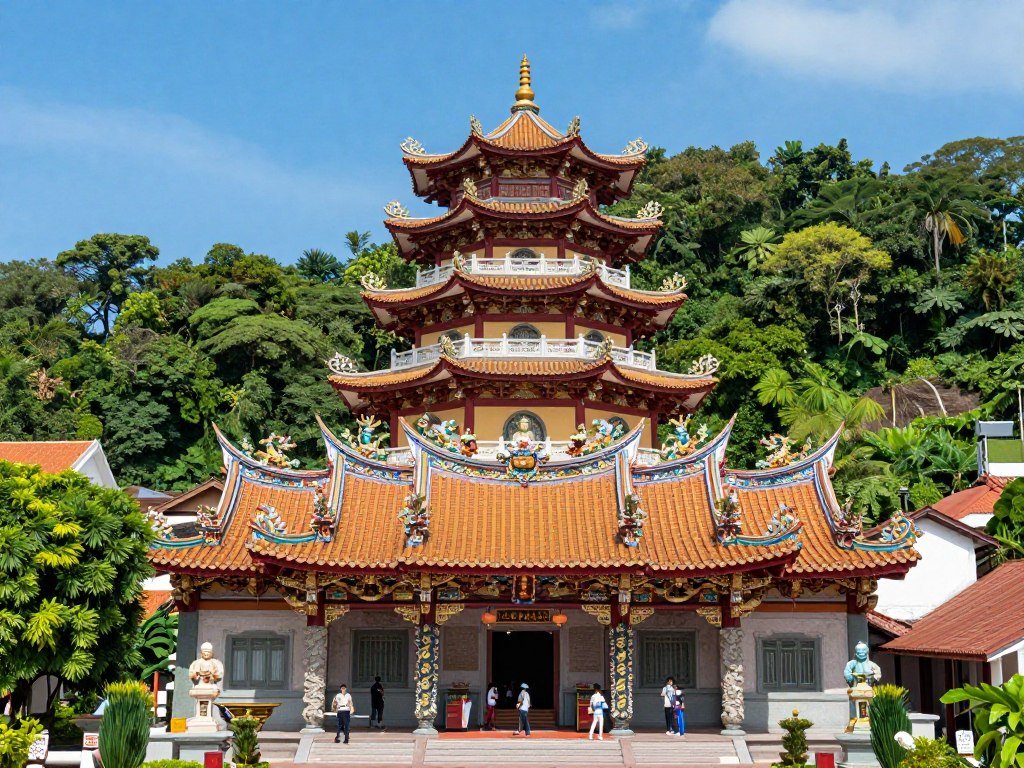
The pagoda’s different levels showcase distinct designs. Chinese octagonal bases support Thai middle tiers. A Burmese crown tops the structure. Inside, murals depict Buddhist teachings. The temple grounds include ponds, gardens, and devotional halls.
Dining and Refreshments
The summit area hosts several restaurants and cafes. David Brown’s Restaurant occupies a restored colonial building. The menu features English afternoon tea and Western cuisine. Picture windows frame stunning views while you dine.
Local food stalls offer Malaysian favorites at reasonable prices. You’ll find noodle dishes, satay, and refreshing drinks. The cooler climate makes hot drinks particularly enjoyable. Prices run slightly higher than George Town due to location.
Skip the Lines at Penang Hill
Book your Penang Hill funicular railway tickets in advance and avoid waiting up to 90 minutes during peak times. Includes fast-track access and optional nature walk.
Practical Visit Information
The funicular operates from 6:30 AM to 11 PM daily. Early morning visits offer the best weather conditions. Afternoon clouds sometimes obscure views. Sunset timing varies throughout the year.
Bring a light jacket or sweater. The temperature difference surprises many visitors. Comfortable walking shoes help if you plan trail exploration. Sunscreen remains necessary despite cooler temperatures.
Allow two to four hours for a complete visit. This includes funicular rides and summit exploration. Nature trail walks require additional time. The Habitat experience takes about 90 minutes.
Beaches and Coastal Attractions
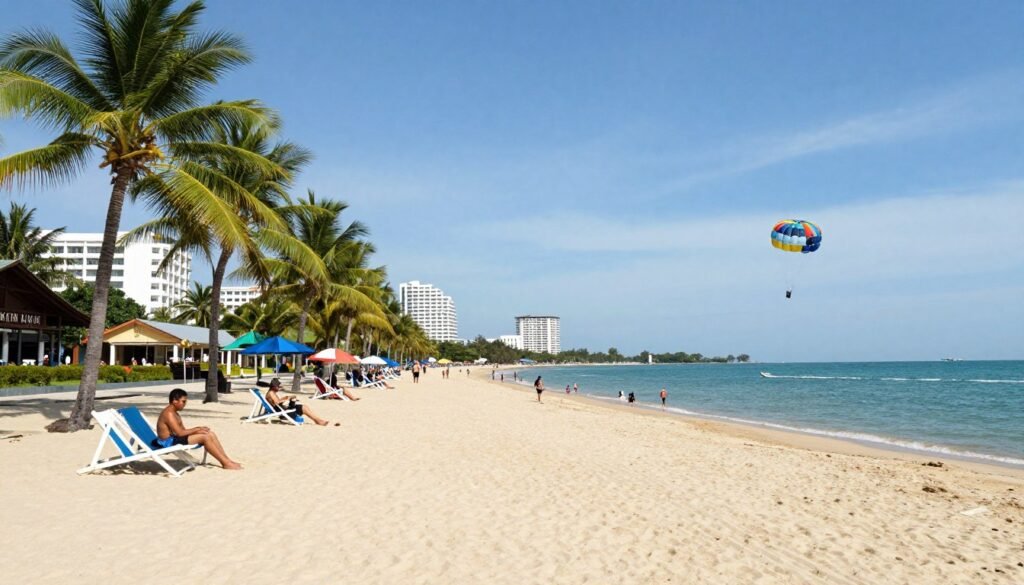
Penang’s northern coast offers 15 kilometers of beaches. Batu Ferringhi anchors the beach resort area. Smaller stretches provide quieter alternatives. The coastline attracts both relaxation seekers and water sports enthusiasts.
Batu Ferringhi Beach Resort Area
Batu Ferringhi features the island’s most developed beach strip. International hotel chains line the coastal road. Public beach areas remain accessible between resort properties. The beach offers dark golden sand rather than white powder.
Water sports vendors set up along the beach daily. Jet skiing, parasailing, and banana boat rides attract adventure seekers. Kayak rentals allow independent exploration. Prices vary by vendor with room for negotiation.
The famous night market operates along the main road. Stalls sell clothing, souvenirs, and local crafts. Food vendors offer grilled seafood and Malaysian snacks. The market runs from sunset until late evening. Bargaining remains expected and part of the experience.
Quieter Beach Options
Tanjung Bungah sits between George Town and Batu Ferringhi. This area provides a more local atmosphere. Smaller hotels and apartments house longer-stay visitors. The beach sees fewer crowds than its famous neighbor.
Teluk Bahang anchors the western end of the coastal strip. This fishing village maintains authentic character. Local restaurants serve fresh seafood at reasonable prices. The beach offers calm waters suitable for swimming.
Monkey Beach hides within Penang National Park. Accessing this secluded spot requires either hiking or boat ride. The beach rewards visitors with pristine conditions. Wild monkeys inhabit the surrounding forest. Swimming happens in clear, calm water.
Penang National Park
Penang National Park protects diverse ecosystems within compact boundaries. The park encompasses rainforest, coastal areas, and wetlands. Despite being one of the world’s smallest national parks, it contains remarkable biodiversity.
Two main hiking trails lead from the entrance. The Monkey Beach trail takes about 45 minutes each way. The route follows coastal paths with occasional inland sections. You’ll traverse through jungle and along rocky shores.
The Turtle Beach trail requires about two hours of hiking. This path cuts deeper into the forest interior. Wildlife sightings include monkeys, lizards, and tropical birds. The trail emerges at a protected turtle nesting beach.
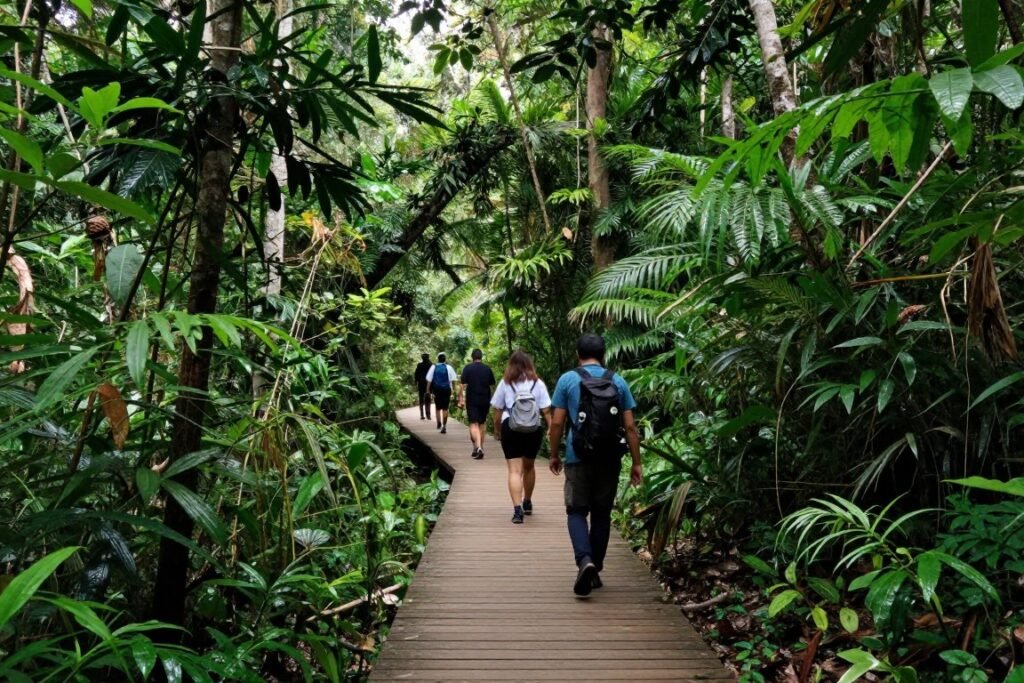
Boat services offer alternative access to beaches. Local operators charge per person for trips. Boats accommodate groups and provide life jackets. The ride offers scenic coastal views and quicker arrival.
Water Activities and Sports
Penang’s waters support various activities despite not being a diving destination. Snorkeling opportunities exist around rocky areas. Visibility varies depending on weather and seasons. Local operators organize snorkeling trips to better locations.
Stand-up paddleboarding has gained popularity at Batu Ferringhi. Calm morning waters create ideal conditions for beginners. Rental shops provide equipment and basic instruction. The activity offers unique perspectives of the coastline.
Sunset cruises depart from various points along the coast. These tours combine sightseeing with dining experiences. Some include buffet dinners featuring local cuisine. The cruises reveal Penang’s profile from the water.
Penang Street Food: A Culinary Paradise
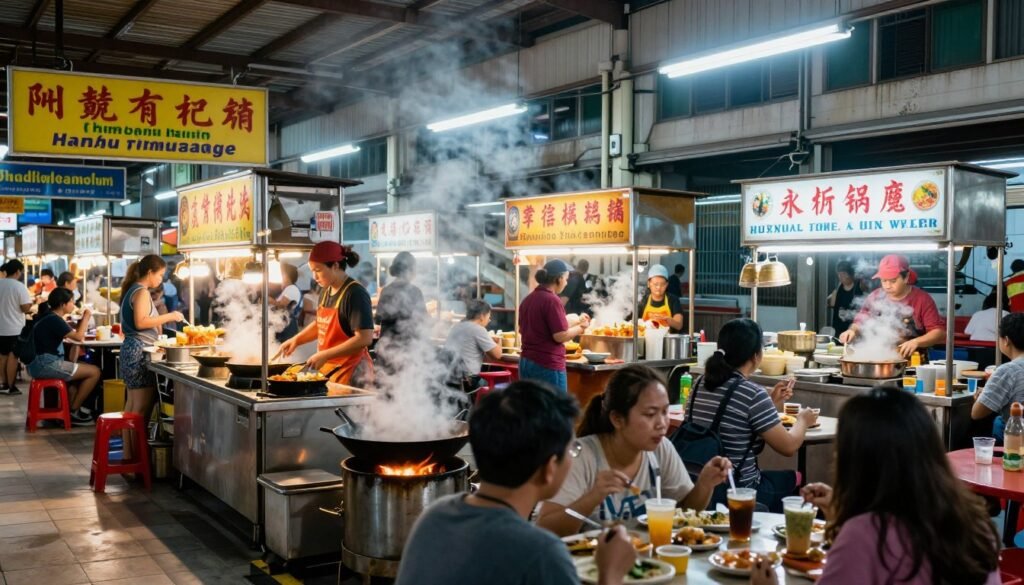
Penang earned its reputation as Malaysia’s food capital. The island’s street food scene combines Chinese, Malay, Indian, and Peranakan influences. Hawker centers serve legendary dishes at budget-friendly prices. Food becomes an essential part of the Penang travel guide experience.
Signature Penang Dishes
Char kway teow ranks as Penang’s most famous dish. This flat rice noodle stir-fry includes prawns, cockles, Chinese sausage, and bean sprouts. The best versions show “wok hei” – the smoky flavor from high-heat cooking. Long queues at popular stalls prove the dish’s appeal.
Assam laksa delivers bold, tangy flavors unique to Penang. The fish-based soup combines tamarind, lemongrass, and torch ginger flower. Thick rice noodles soak up the complex broth. Garnishes include mint, pineapple, and shrimp paste. This dish appears on CNN’s World’s 50 Best Foods list.
Penang hokkien mee differs from Kuala Lumpur’s version. The prawn noodle soup features rich broth simmered for hours. Yellow noodles and rice vermicelli swim in the aromatic liquid. Hard-boiled eggs, prawns, and kangkung complete the bowl.
Nasi kandar originated from Tamil Muslim vendors. This meal features steamed rice with various curries and side dishes. You choose from displayed options including fried chicken, fish curry, okra, and more. The vendor mixes everything together, creating flavor combinations.
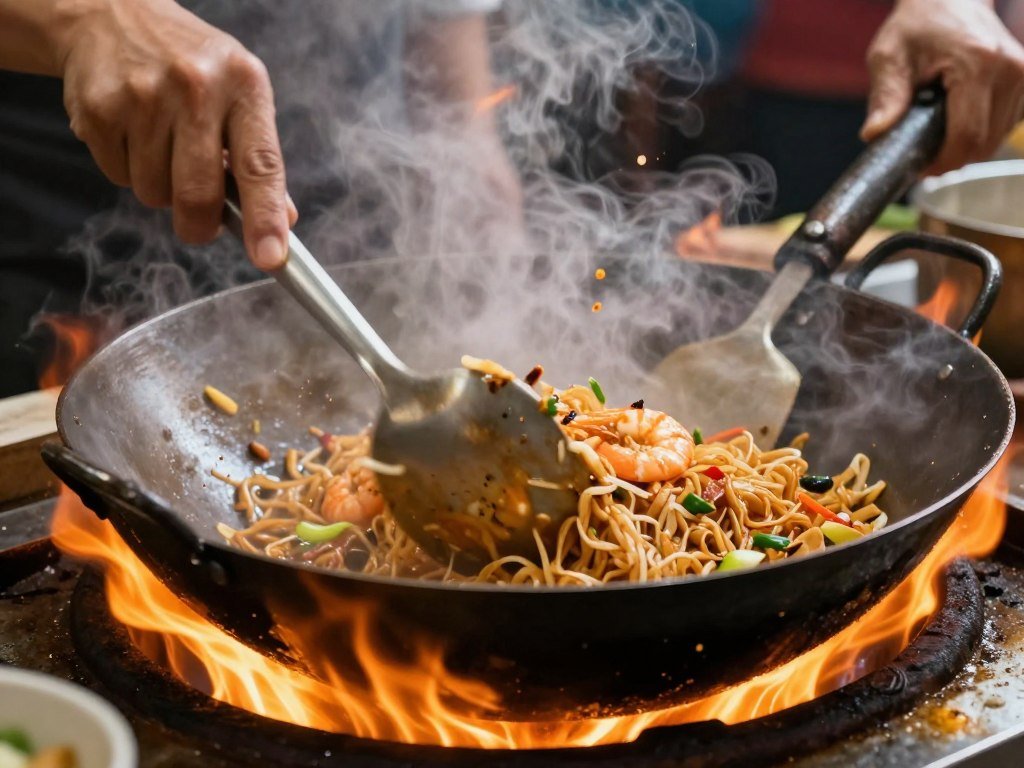
Must-Visit Food Locations
Gurney Drive Hawker Centre sits along the coastal road. This modern facility houses dozens of stalls under one roof. Air conditioning provides comfort while you explore options. The center operates daily with peak crowds during dinner hours.
New Lane (Lorong Baru) transforms into a food street each evening. Stalls set up along the narrow lane. Popular choices include char kway teow, rojak, and oyster omelets. The intimate street atmosphere enhances the eating experience. Arrive before 7 PM to secure seating.
Kimberley Street concentrates several famous stalls in one area. The duck rice stall has operated for decades. Next door, another vendor serves excellent char kway teow. A third stall specializes in Hokkien mee. This concentration lets you sample multiple dishes in one place.
Pulau Tikus Market operates as a wet market by morning. After 5 PM, food stalls take over the space. This neighborhood spot attracts locals rather than tourists. Prices run lower while quality remains high. The authentic atmosphere rewards adventurous eaters.
Sweet Treats and Desserts
Penang’s dessert scene deserves separate attention. Cendol offers refreshing relief from tropical heat. This iced dessert combines coconut milk, palm sugar, green rice flour jelly, and red beans. Vendors shave ice by hand for the perfect texture.
Ais kacang builds a mountain of shaved ice topped with colorful syrups. Underneath hide red beans, sweet corn, grass jelly, and other ingredients. The dessert melts into a sweet soup as you eat. Various vendors add their own creative touches.
Apom manis creates crispy-edged pancakes with soft centers. The rice flour batter cooks in special molds. Sweet corn kernels dot each pancake. Vendors serve them fresh off the griddle, still warm and fragrant.
Penang Street Food Tour
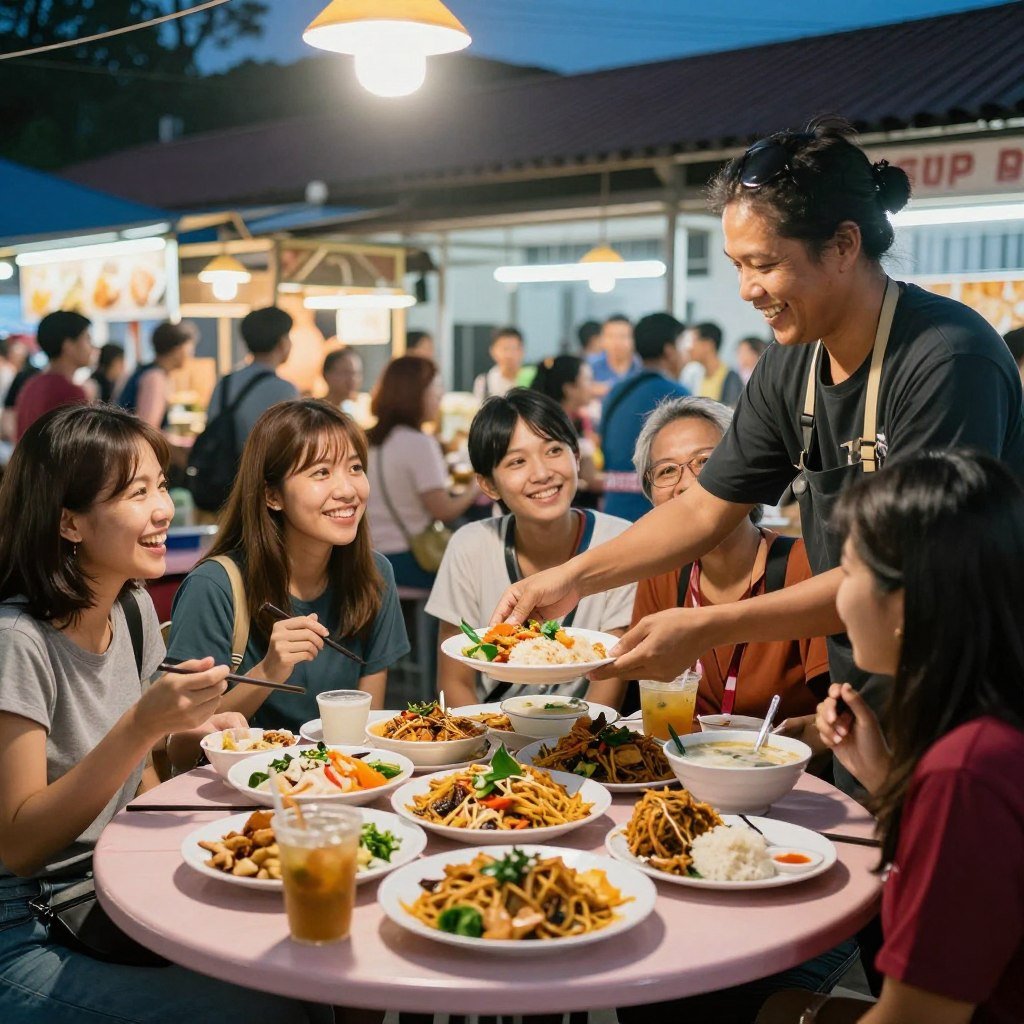
Discover Penang’s legendary food scene with expert guides who know the best stalls and hidden gems. Sample 8-10 iconic dishes while learning about culinary history and cultural influences.
- 4-hour evening food adventure
- Visit 5-7 authentic hawker stalls
- Taste 8-10 signature dishes
- Learn cooking techniques and history
- Small groups (maximum 10 people)
Private Culinary Experience
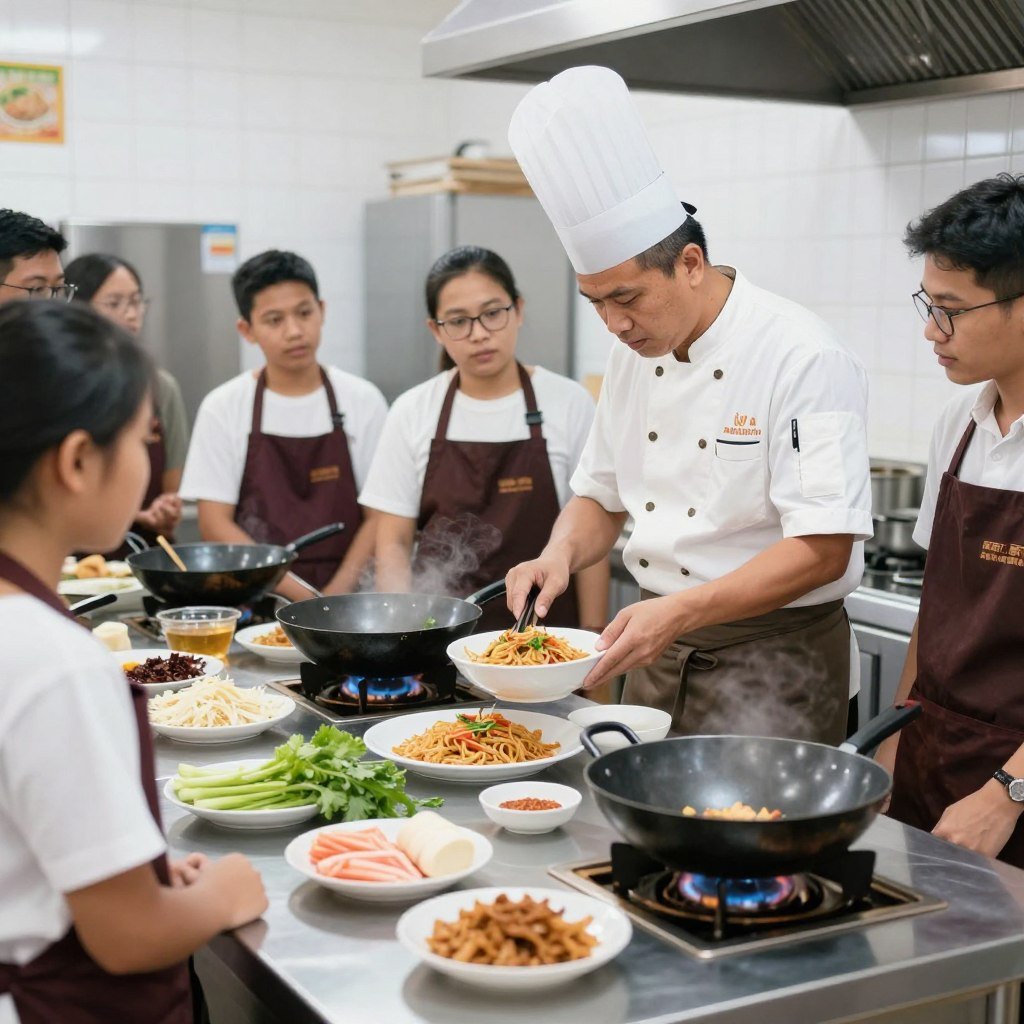
Master Penang’s cuisine through hands-on cooking classes. Learn to prepare char kway teow, laksa, and curry dishes from experienced local chefs in professional kitchens.
- 3-hour hands-on cooking class
- Market tour to select ingredients
- Prepare 3-4 complete dishes
- Take home recipe booklet
- Enjoy your creations for lunch
Breakfast Food Trail
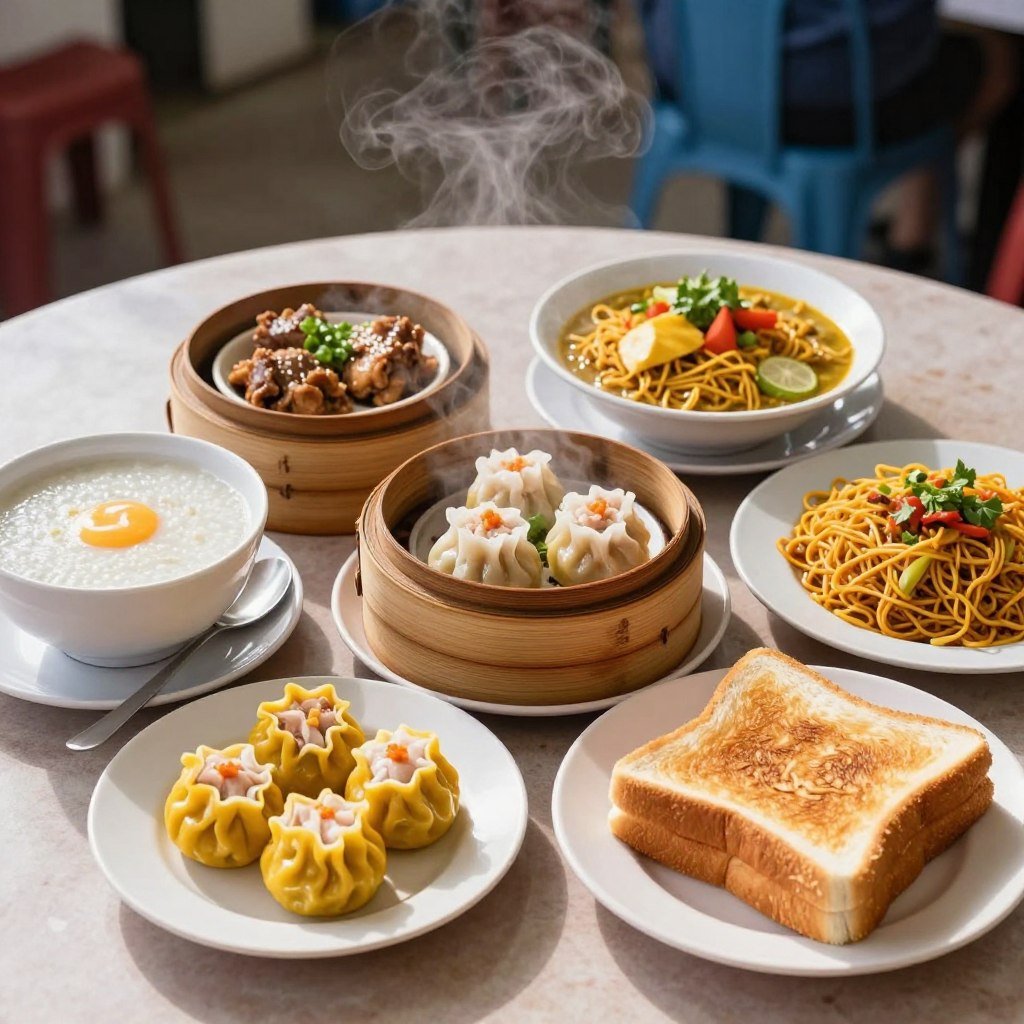
Start your day like locals do with a guided morning food trail. Visit breakfast institutions serving dim sum, congee, and traditional coffee prepared with time-honored methods.
- 3-hour morning food journey
- Sample traditional breakfast items
- Learn about coffee culture
- Visit family-run establishments
- Includes all food and drinks
Food Courts and Restaurants
Red Garden Food Paradise offers a tourist-friendly introduction to hawker food. The spacious venue includes dozens of stalls in an outdoor setting. Live music performances entertain diners most evenings. Prices exceed typical hawker rates but remain reasonable by Western standards.
Tek Sen Restaurant serves traditional Chinese-Peranakan dishes. The no-frills establishment books out most nights. Their steamed pomfret and pork belly remain customer favorites. Arrive early or expect to wait for tables.
Suffolk House Restaurant occupies a restored colonial mansion. The elegant setting contrasts with street food chaos. The menu features refined versions of local favorites. Afternoon tea service recreates plantation-era luxury.
Vegetarian and Dietary Options
Penang accommodates vegetarian diets well. Many Chinese Buddhist restaurants serve meatless versions of local dishes. Indian vegetarian restaurants cluster in Little India. These establishments use no meat, eggs, or onions.
Vegan travelers find growing options throughout the island. Several cafes specialize in plant-based Western and Asian cuisine. Traditional dishes like rojak and apom naturally exclude animal products. Always confirm ingredients when ordering from hawker stalls.
Halal food appears everywhere due to Malaysia’s Muslim majority. Most Malay stalls and restaurants maintain halal certification. Indian Muslim establishments serve nasi kandar and roti canai. International chains also offer halal options.
Culture and Heritage Experiences
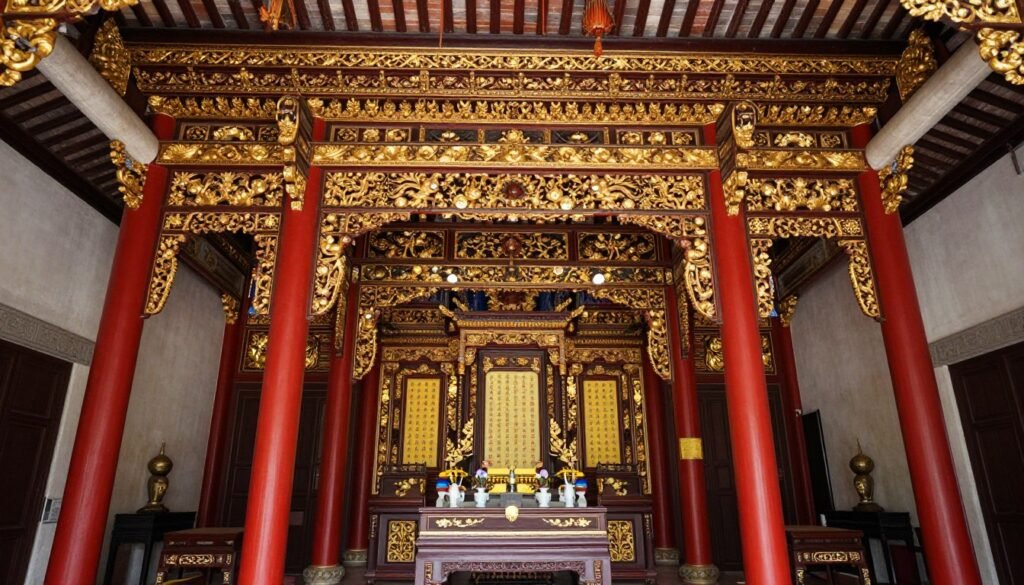
Penang’s multicultural heritage creates layers of cultural experiences. Chinese traditions blend with Malay customs, Indian practices, and European influences. This cultural richness extends beyond museums into daily life on the island.
Peranakan Heritage and Culture
The Peranakan Mansion showcases the wealth of Straits Chinese families. This museum occupies a restored townhouse filled with antiques. Each room displays artifacts demonstrating Peranakan lifestyle. Guided tours explain the fusion culture’s unique characteristics.
Peranakan culture emerged from intermarriages between Chinese immigrants and local Malays. The community developed distinct customs, cuisine, and language. Their heritage combines Chinese ancestry with Malay cultural elements. Penang preserves this unique Southeast Asian culture.
Traditional Peranakan costumes display intricate embroidery and beadwork. Women wore kebayas with detailed needlework. Men adopted European suits while maintaining Chinese elements. The mansion’s costume collection demonstrates this cultural fusion through clothing.
Chinese Clan Houses and Associations
Khoo Kongsi represents the pinnacle of clan house architecture. This temple-like complex honors the Khoo family lineage. Gold decorations cover every surface. Dragons and phoenixes appear in intricate carvings. The main hall’s ceiling displays elaborate painted panels.
Chinese immigrants formed clan associations for mutual support. These groups provided financial help, settled disputes, and maintained traditions. The associations built elaborate headquarters demonstrating clan pride and wealth. Several remain active today.
Cheah Kongsi and Yap Kongsi offer alternative clan house experiences. These smaller complexes charge lower entrance fees. The architecture follows similar principles with less grandeur. Visiting multiple clan houses reveals variation within shared traditions.
Colonial History and British Legacy
Fort Cornwallis marks Penang’s founding location. Captain Francis Light established the British settlement here in 1786. The fort’s star shape follows European military design. Original cannons remain mounted pointing seaward.
The fort grounds host historical exhibits and displays. You’ll learn about early Penang history and British colonial expansion. A light and sound show recreates historical events during evening performances. The fort provides context for understanding modern Penang.
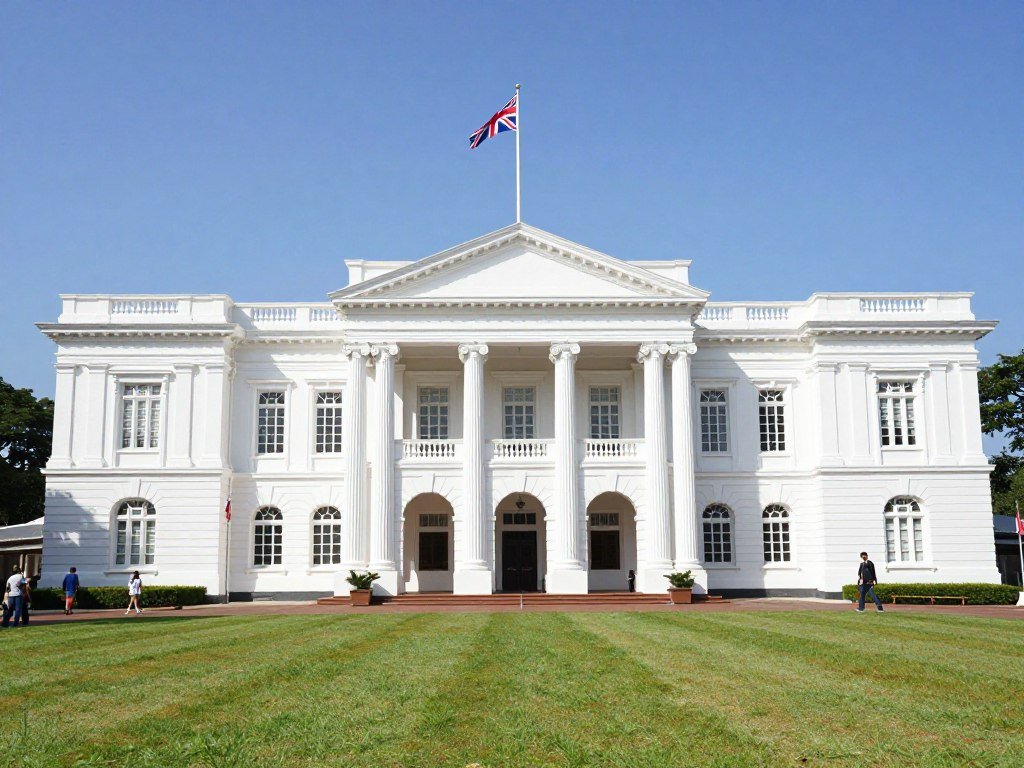
City Hall and Town Hall showcase grand colonial architecture. These white buildings dominate the waterfront area. Their neoclassical design reflects British administrative power. Today they house art galleries and host cultural events.
Religious Diversity and Temples
Penang’s religious sites demonstrate remarkable diversity within small areas. The Street of Harmony exemplifies this coexistence. Masjid Kapitan Keling (mosque), Sri Mahamariamman Temple (Hindu), and Kuan Yin Temple (Chinese Buddhist) stand within 200 meters. This proximity symbolizes Penang’s multicultural harmony.
Wat Chayamangkalaram houses a massive reclining Buddha statue. The Thai temple’s 33-meter Buddha ranks among the world’s longest. Gold leaf covers the statue’s surface. The peaceful atmosphere invites quiet contemplation. Remove shoes before entering temple buildings.
Dhammikarama Burmese Temple sits across from Wat Chayamangkalaram. This Buddhist temple features Burmese architectural style. Gold stupas dot the grounds. The temple provides monks’ quarters and meditation spaces. Visitors can observe Buddhist practices respectfully.
Traditional Crafts and Arts
Penang maintains traditional craftsmanship despite modernization pressures. A few workshops continue producing hand-painted batik. The wax-resist dyeing technique creates intricate patterns on fabric. Some studios offer classes where you create personal batik pieces.
Traditional Chinese sign painters work in decreasing numbers. Their hand-painted signboards once covered George Town. Modern digital printing has reduced demand for this skilled craft. A handful of artisans preserve the technique. Their workshops welcome curious visitors.
Nyonya beaded shoes represent elaborate Peranakan craftsmanship. Artisans stitch thousands of tiny beads onto silk slippers. Each pair requires weeks of detailed work. Some shops still create custom beaded footwear. Antique examples display in museums and private collections.
Getting Around Penang
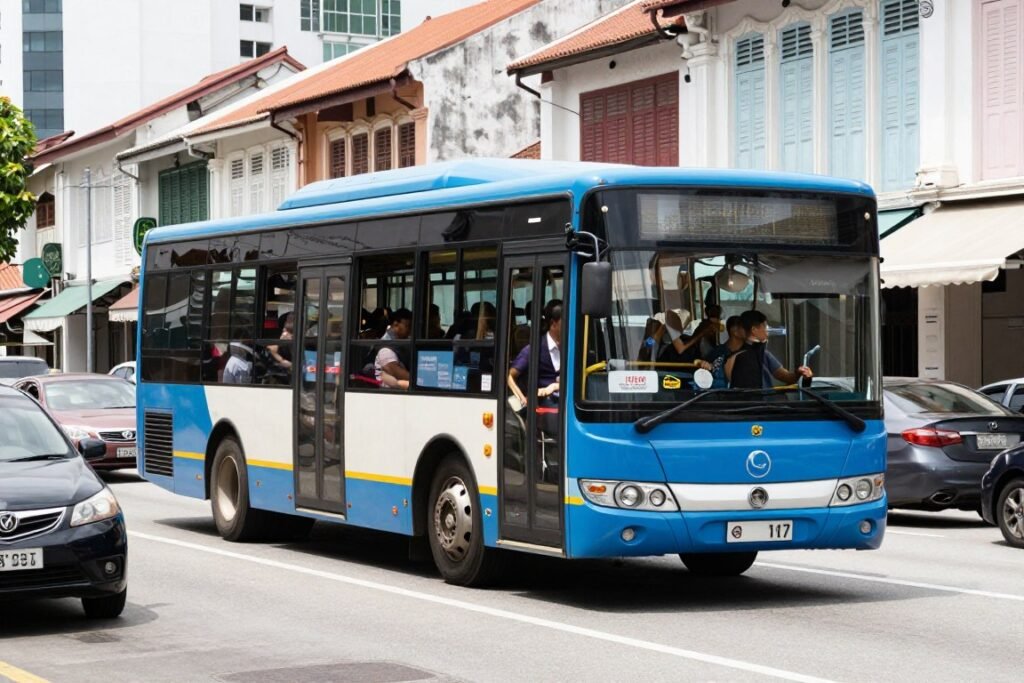
Penang offers multiple transportation options for getting around the island. Each method suits different needs and budgets. Understanding your choices helps create efficient travel plans.
Public Transportation Options
Rapid Penang operates the main bus system. Routes cover George Town and extend to major attractions. The CAT (Central Area Transit) provides free service within the UNESCO heritage zone. Buses run from early morning until evening hours.
Bus fares remain very affordable for budget travelers. Air-conditioned coaches serve popular routes. Payment accepts cash or stored-value cards. Real-time bus tracking apps help with planning. Service frequency varies by route and time of day.
The ferry connects George Town with Butterworth on the mainland. This historic crossing offers unique harbor views. Pedestrians ride free in one direction. The 15-minute journey runs throughout the day. Motorcycles and cars pay nominal fees.
Ride-Hailing Services
Grab dominates Penang’s ride-hailing market. The app-based service operates similar to Uber. Cars respond quickly in George Town and major tourist areas. Prices remain reasonable compared to traditional taxis. Payment accepts cash or card through the app.
Ride-hailing offers advantages over regular taxis. You see the fare estimate before booking. Drivers are rated by passengers. The app tracks your route for safety. Cars are generally well-maintained and air-conditioned.
Service availability decreases in remote island areas. During peak hours or bad weather, surge pricing increases costs. Having the app downloaded and payment method set up before arrival saves time.
Taxi and Private Hire
Traditional taxis operate throughout Penang. Blue taxis use meters while older models may negotiate fares. Airport taxis charge fixed rates to different zones. Always confirm the price before starting your journey.
Private car hire with drivers suits day trips and custom itineraries. Hotels can arrange these services. The flexibility allows stopping at multiple attractions. Drivers often provide local knowledge and recommendations. Full-day rates typically offer better value than hourly pricing.
Scooter and Bicycle Rentals
Scooter rental gives you maximum flexibility exploring Penang. Numerous shops rent motorcycles by the day. Valid driving licenses are required. International driving permits are recommended for tourists. Daily rates remain affordable with weekly discounts available.
Traffic in George Town can challenge inexperienced riders. Penang Hill’s winding roads require confidence and skill. Parking finds easily near most attractions. Always wear the provided helmet. Check insurance coverage before renting.
Bicycle rental suits George Town exploration perfectly. The heritage zone’s compact size makes cycling practical. Several shops offer quality bikes with locks. Some hotels provide bicycles for guest use. Dedicated bike lanes remain limited, requiring traffic awareness.
Rent a Car for Island Exploration
Enjoy complete freedom to explore Penang at your own pace. Compare rental car prices from major providers and secure the best rates with free cancellation options.
Walking in George Town
Walking remains the best way to experience George Town’s heritage streets. The UNESCO zone concentrates within walkable distances. You’ll discover unexpected murals, shops, and cafes on foot. Comfortable shoes are essential for hot pavement.
Heat and humidity challenge walking during midday hours. Plan walking tours for morning or late afternoon. Numerous cafes and shops offer air-conditioned breaks. Covered walkways along some streets provide shade.
Street maps and mobile apps help navigation. The compact grid layout makes orientation simple. Street signs appear in multiple languages. Local residents typically help lost tourists cheerfully.
Getting to Penang Island
Penang International Airport receives domestic and international flights. The terminal sits on the island’s southern tip. Taxis and ride-hailing services connect to George Town. The journey takes 30-45 minutes depending on traffic.
Long-distance buses from Kuala Lumpur and other cities arrive at Butterworth terminal. From there, the ferry crosses to George Town. Some bus services now terminate directly on Penang island. Travel time from Kuala Lumpur requires about four hours.
Driving to Penang uses two bridges connecting the island with the mainland. The Penang Bridge charges tolls in one direction. The newer Second Bridge offers alternative routing. Both bridges sometimes experience traffic congestion during peak hours.
Where to Stay in Penang
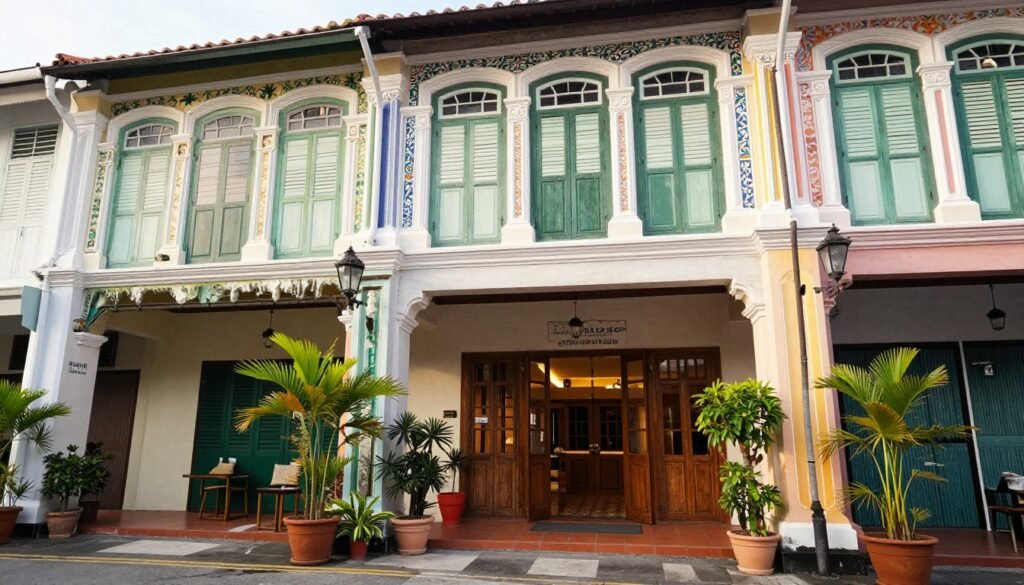
Penang provides accommodation options across all budget levels. Location choice significantly impacts your experience. Each area offers distinct advantages depending on your priorities and travel style.
George Town Heritage Area
Staying in George Town’s UNESCO heritage zone puts you at Penang’s heart. Walking distance reaches major attractions, street food, and cultural sites. The area buzzes with energy throughout the day. Night time brings quieter streets with fewer crowds.
Heritage hotels occupy restored shophouses and mansions. These boutique properties preserve historical architecture while adding modern amenities. Each hotel tells its own story through design and decor. Rooms often feature unique layouts due to building constraints.
Budget hostels cluster in the heritage area as well. Shared dormitories accommodate backpackers and budget travelers. Common areas encourage social interaction. Private rooms provide affordable alternatives to hotels. Most hostels include breakfast and travel assistance.
Luxury Heritage Hotels
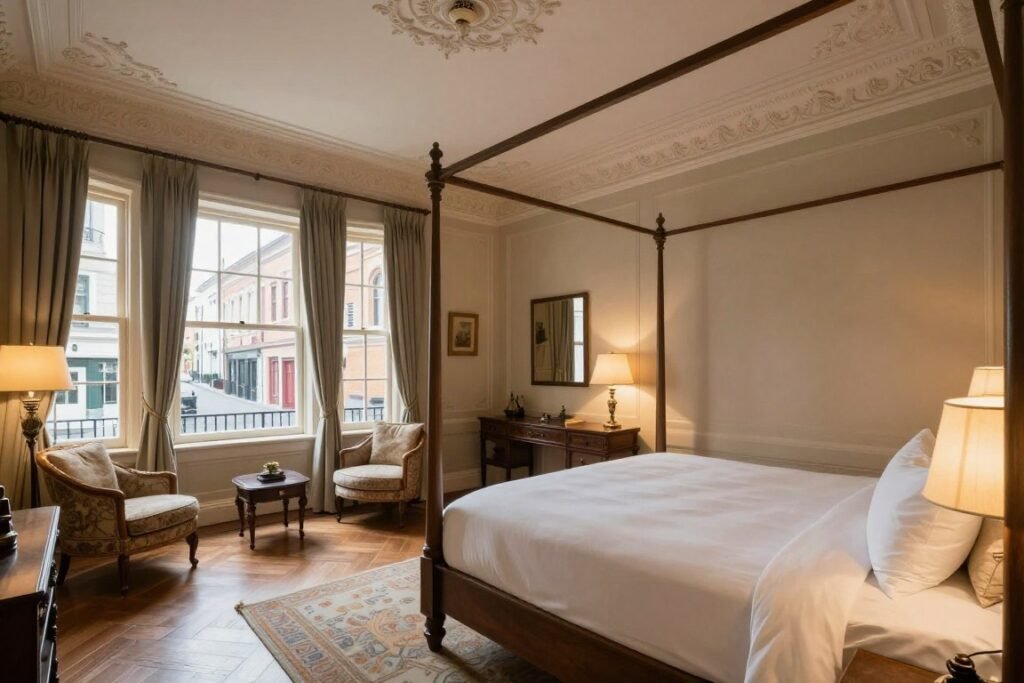
Experience Penang’s history in beautifully restored colonial properties. These boutique hotels combine heritage architecture with five-star amenities, rooftop pools, and fine dining.
- Restored historical buildings
- Unique character and design
- Premium amenities included
- Central heritage zone location
- Personalized service
Mid-Range Hotels
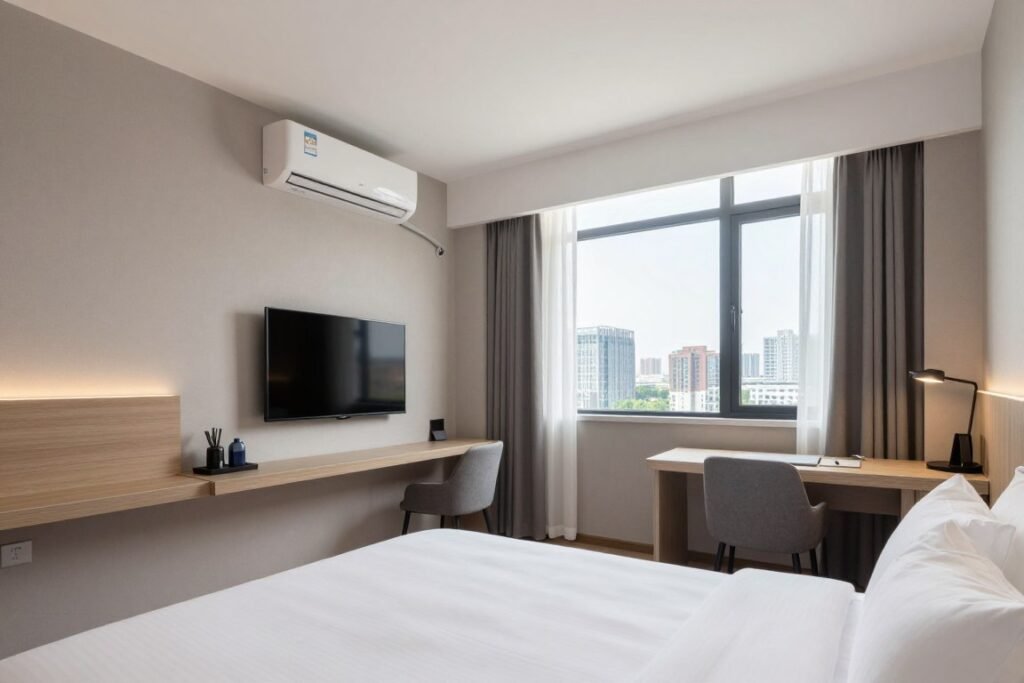
Comfortable modern hotels offering excellent value. Features include air conditioning, WiFi, breakfast, and convenient access to attractions without premium pricing.
- Modern amenities and comfort
- Complimentary breakfast
- Walking distance to attractions
- Value for money
- Family-friendly options
Budget Hostels
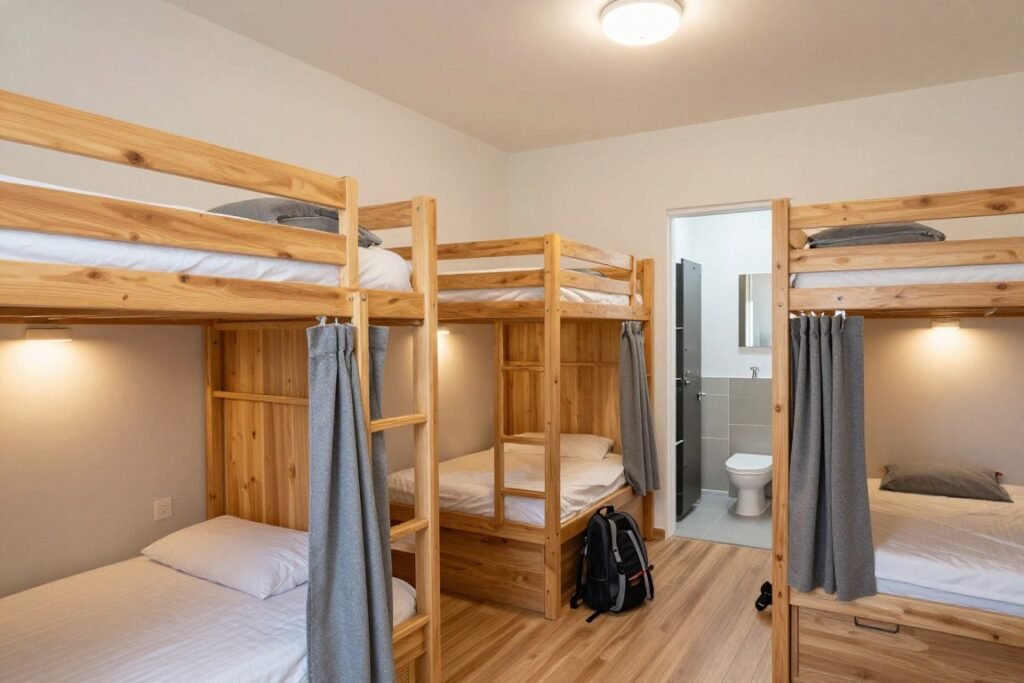
Social hostels perfect for backpackers and budget travelers. Enjoy dormitories or private rooms, communal spaces, and opportunities to meet fellow travelers.
- Affordable accommodation
- Social common areas
- Free WiFi included
- Kitchen facilities available
- Travel information and tours
Batu Ferringhi Beach Hotels
Batu Ferringhi offers a complete beach resort experience. International hotel chains operate large properties along the coast. Facilities include swimming pools, spas, and multiple restaurants. The area suits families and travelers seeking relaxation.
Beach access comes directly from hotel properties. Water sports equipment rental happens on-site at many resorts. Evening entertainment includes cultural shows and performances. The setting provides vacation atmosphere away from city bustle.
Reaching George Town from Batu Ferringhi requires 30-45 minutes by car. Buses run regularly but take longer. The trade-off between beach location and city access affects your daily plans. Many visitors split their stay between both areas.
Gurney Drive and Tanjung Tokong
Gurney Drive bridges George Town and the beach areas. Modern high-rise hotels dominate the waterfront. Shopping malls, restaurants, and entertainment venues concentrate here. The location offers urban convenience with seaside views.
This area attracts business travelers and modern comfort seekers. Hotels feature contemporary design and full amenities. The famous Gurney Drive hawker center sits nearby. Walking to heritage George Town takes about 20 minutes.
Accommodation prices in Gurney Drive span mid-range to luxury levels. Serviced apartments provide options for longer stays. The neighborhood feels more modern and less historic than George Town proper.
Booking Strategies and Tips
Advance booking secures better rates and availability. Peak season (December to February) sees hotels fill quickly. Major festivals like Chinese New Year require even earlier reservations. Last-minute deals appear during low season but limit choices.
Comparing prices across multiple platforms often reveals better rates. Some hotels offer direct booking discounts. Package deals combining accommodation with tours can provide value. Reading recent reviews helps set accurate expectations.
Consider your daily plans when choosing location. Heritage area suits culture and food focused trips. Beach hotels work for relaxation priorities. Splitting your stay between areas captures both experiences. Transport costs factor into overall budget planning.
Practical Information and Travel Tips
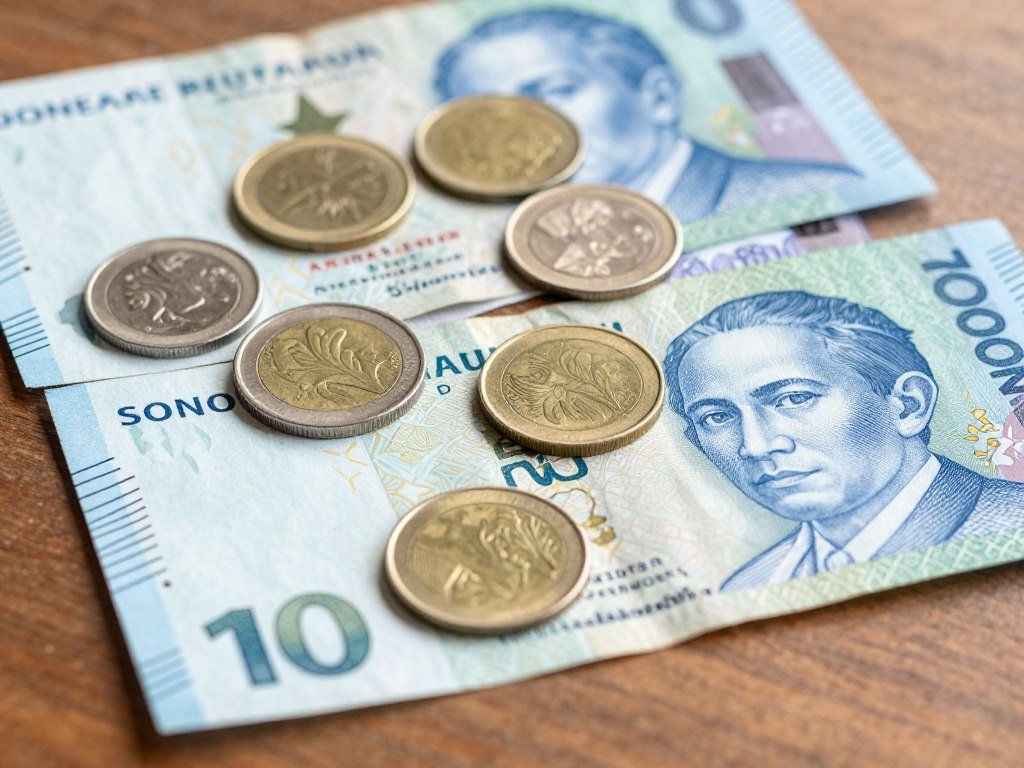
Practical planning ensures smooth Penang adventures. Understanding local customs, requirements, and logistics prevents common issues. These essential tips cover everything from visas to daily concerns.
Visa Requirements and Entry
United States citizens receive 90-day visa-free entry to Malaysia. This tourist stamp allows sufficient time for most Penang visits. Your passport needs six months validity beyond your entry date. Return tickets may be requested at immigration.
Most Western nationalities enjoy similar visa exemptions. Citizens from other countries should verify requirements before traveling. Malaysian immigration officers occasionally ask about accommodation plans. Having hotel confirmations ready helps smooth entry processes.
Penang International Airport handles entry procedures efficiently. Lines move quickly outside peak arrival times. Immigration forms are provided on flights or at the airport. Electronic gates speed processing for some nationalities.
Currency and Money Matters
Malaysian Ringgit (MYR) serves as the official currency. Currency codes show as RM in local usage. Exchange rates fluctuate but typically range around 4-5 RM per US dollar. You’ll find better rates in Malaysia than converting at home.
ATMs appear throughout George Town and tourist areas. Most accept international cards and dispense RM. Daily withdrawal limits vary by bank. Your home bank may charge foreign transaction fees. Notify your bank about travel plans to prevent card blocking.
Credit cards work at hotels, large restaurants, and shopping malls. Hawker stalls and small shops operate cash-only. Carrying adequate cash remains essential for daily activities. Some places accept exact change only.
Language and Communication
Malaysia uses Bahasa Malaysia as the official language. However, English reaches widely throughout Penang. Most tourism industry workers speak functional English. Younger generations often speak excellent English. Signage appears in multiple languages including English.
Learning basic Malay phrases shows respect and often brings smiles. “Terima kasih” (thank you) and “minta maaf” (excuse me) go far. Chinese dialects including Hokkien remain common among older residents. Tamil speakers concentrate in Little India.
Mobile data access makes translation apps practical backup tools. WiFi availability extends to most hotels and cafes. International roaming charges vary by carrier. Local SIM cards offer affordable data options. Prepaid tourist SIMs are sold at the airport.
Health and Safety Considerations
Penang maintains good public health standards. Tap water meets safety regulations but most visitors prefer bottled water. Street food remains generally safe when chosen wisely. Look for stalls with high turnover and local customers.
Heat and humidity require hydration awareness. Drink water regularly throughout the day. Sunscreen protects against intense tropical sun. Hats and sunglasses provide additional protection. Air-conditioned spaces offer regular cooling breaks.
Dengue fever occurs in Malaysia including Penang. Mosquito repellent provides essential protection. Cover exposed skin during dawn and dusk feeding times. Hotels usually spray for mosquitoes regularly. Seek medical attention if fever develops after returning home.
Safety Advantages
- Low violent crime rates
- Tourist-friendly police presence
- Well-lit major streets
- Helpful local residents
- Modern medical facilities
- English-speaking emergency services
Safety Awareness
- Petty theft in crowded areas
- Bag-snatching from motorcycles
- Overcharging by some taxis
- Traffic safety concerns
- Occasional tourist scams
- Tropical health considerations
Cultural Etiquette and Customs
Malaysia follows Islamic customs as a Muslim-majority country. Modest dress shows respect especially at religious sites. Covering shoulders and knees applies at mosques and some temples. Remove shoes before entering religious buildings and some homes.
Public displays of affection are frowned upon. Hand-holding appears occasionally but kissing remains inappropriate. Use your right hand for giving, receiving, and eating. The left hand is considered unclean in Islamic and Indian cultures.
Photography requires sensitivity at religious sites. Always ask permission before photographing people. Some temples prohibit photography inside. Friday prayers at mosques restrict non-Muslim access. Respectful observation from outside remains welcome.
Internet and Connectivity
Penang offers good internet infrastructure. Most hotels provide WiFi to guests. Cafes and restaurants frequently offer free connection. Speeds generally support video calls and streaming. Rural areas may experience slower connections.
Tourist SIM cards are available at the airport and mobile shops. Major carriers include Maxis, Celcom, and Digi. Prepaid data packages offer excellent value. Registration requires passport presentation. Coverage extends throughout the island.
WhatsApp serves as Malaysia’s primary messaging platform. Many businesses communicate through WhatsApp. Having the app installed helps with bookings and inquiries. VoIP calls work well for international communication.
Shopping and Bargaining
Markets and street vendors expect bargaining. Start at 50-60% of the asking price. Negotiate respectfully with humor. Fixed-price stores including malls don’t accept bargaining. Duty-free shopping exists at the airport.
George Town’s markets sell handicrafts, textiles, and souvenirs. Batik fabrics and Peranakan items make authentic gifts. Antique shops line certain heritage streets. Verify authenticity for valuable purchases. Export permits may apply to genuine antiques.
Shopping malls offer air-conditioned comfort and international brands. Gurney Plaza and Queensbay Mall rank largest. Sales happen during major festivals and seasonal periods. Credit cards work universally in mall stores.
Protect Your Penang Adventure
Travel insurance covers unexpected medical issues, trip cancellations, and lost belongings. Compare comprehensive plans designed for Southeast Asia travel and secure peace of mind.
Day Trips and Nearby Attractions
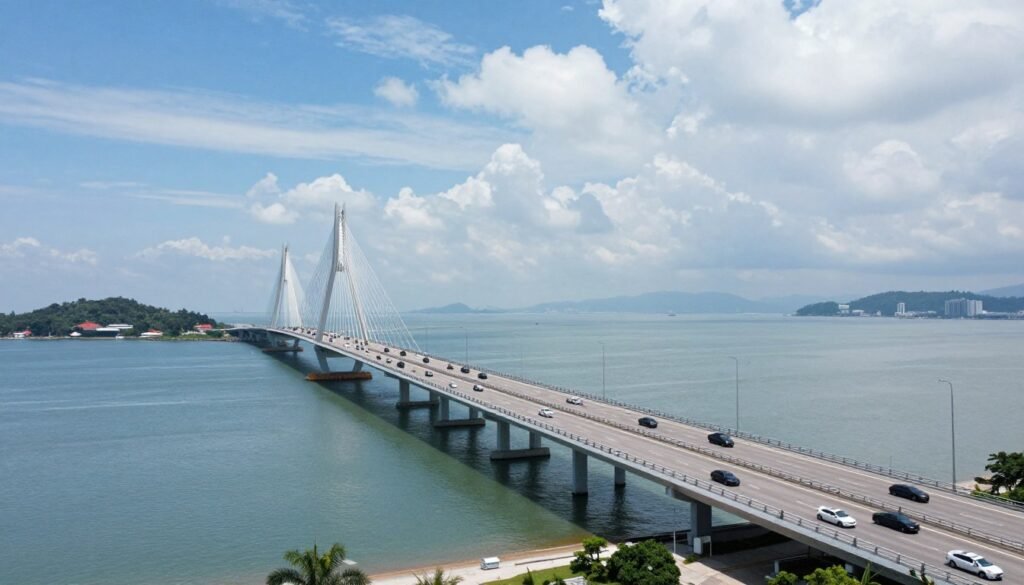
Penang’s location enables excellent day trip opportunities. The mainland holds attractions worth exploring. Nearby islands offer different experiences. These excursions add variety to your Penang travel guide itinerary.
Butterworth and Mainland Attractions
Butterworth sits directly across from George Town on the mainland. The ferry crossing takes 15 minutes. Most visitors pass through without stopping. However, the area contains several worthwhile destinations.
The Penang Bird Park houses thousands of birds in free-flight aviaries. Flamingos, hornbills, and parrots inhabit naturalistic settings. Bird shows demonstrate trained bird abilities. The park provides family-friendly entertainment.
Mainland markets offer local shopping experiences without tourist crowds. Seberang Jaya hosts large wet markets and street vendors. Prices run lower than Penang island. The authentic atmosphere reveals daily Malaysian life.
Taiping Historical Town
Taiping lies 90 minutes north of Penang by car. This small town preserves colonial architecture and heritage buildings. The pace remains relaxed compared to George Town. Taiping offers a glimpse of old Malaysia.
Taiping Lake Gardens create Malaysia’s first public gardens. The 64-hectare park features mature rain trees reflected in calm lakes. Walking paths wind through landscaped grounds. Morning mist creates atmospheric conditions for photography.
Taiping Zoo ranks as Malaysia’s oldest zoo. Natural enclosures house native and exotic animals. The night safari program offers after-dark wildlife viewing. The zoo’s hillside location provides cool temperatures.
Langkawi Island Escape
Langkawi archipelago sits northwest of Penang. Flights take 30 minutes while ferries require about three hours. This duty-free island offers beaches and island activities. Many travelers combine Langkawi with Penang visits.
Langkawi’s beaches surpass Penang’s in beauty and cleanliness. Pantai Cenang and Tanjung Rhu feature white sand and clear water. Water sports include jet skiing, parasailing, and kayaking. Island-hopping tours visit nearby islets.
The Langkawi Cable Car ascends Mount Mat Cincang. At the summit, the Sky Bridge suspends dramatically above the forest. Views extend across the archipelago. The experience combines thrills with natural beauty.
Ipoh Food and Heritage
Ipoh sits two hours south of Penang. This city rivals Penang in culinary reputation. White coffee originated here. Bean sprouts chicken became local specialty. The old town preserves colonial architecture.
Ipoh’s heritage area concentrates along Jalan Panglima. Murals similar to George Town’s appear on building walls. The railway station showcases Moorish architecture. Concubine Lane offers shopping and cafes in restored shophouses.
Limestone caves surrounding Ipoh house cave temples. Sam Poh Tong Temple complex extends deep into a hillside. Perak Tong Temple features hundreds of Buddha statues. These sites combine natural formations with religious art.
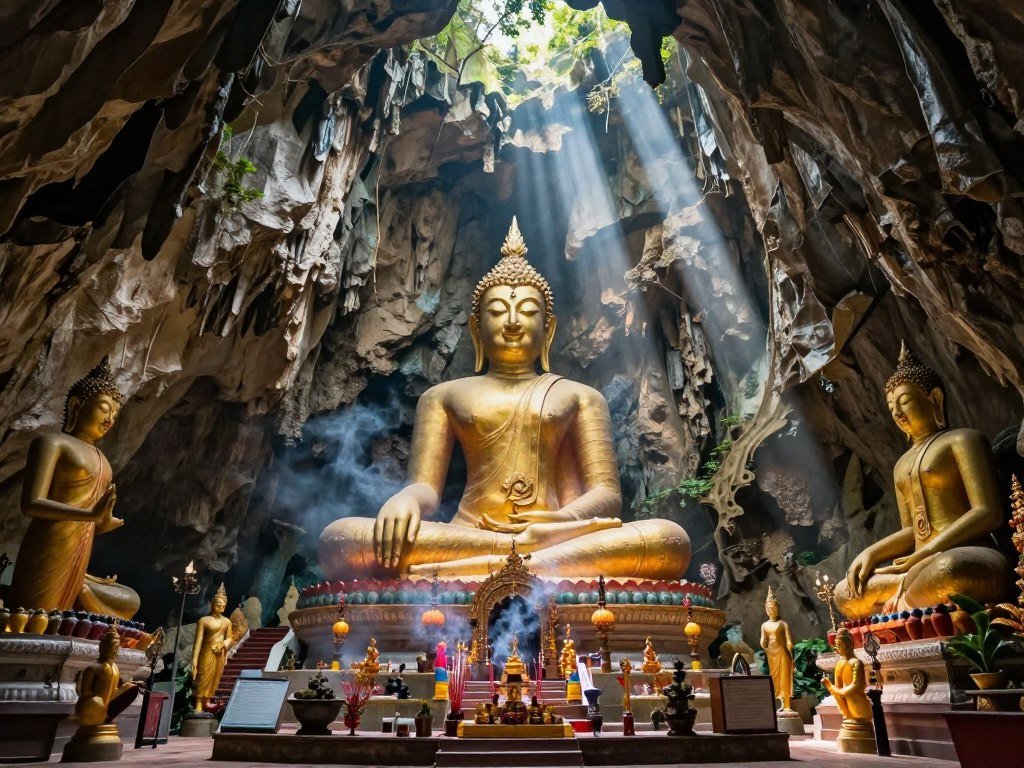
Cameron Highlands Tea Plantations
Cameron Highlands offers cool mountain climate and tea plantations. The drive from Penang takes about four hours. Winding mountain roads require careful driving. The destination rewards with scenic beauty and fresh air.
Tea plantations carpet hillsides in bright green rows. Boh Tea Plantation welcomes visitors to their estate. Tours explain tea production from leaf to cup. The plantation cafe serves tea with mountain views.
Strawberry farms let you pick fresh berries. The highlands’ climate supports vegetables that won’t grow in tropical lowlands. Markets sell fresh produce and flowers. The area provides refreshing contrast to coastal heat.
Suggested 3-Day Penang Itinerary
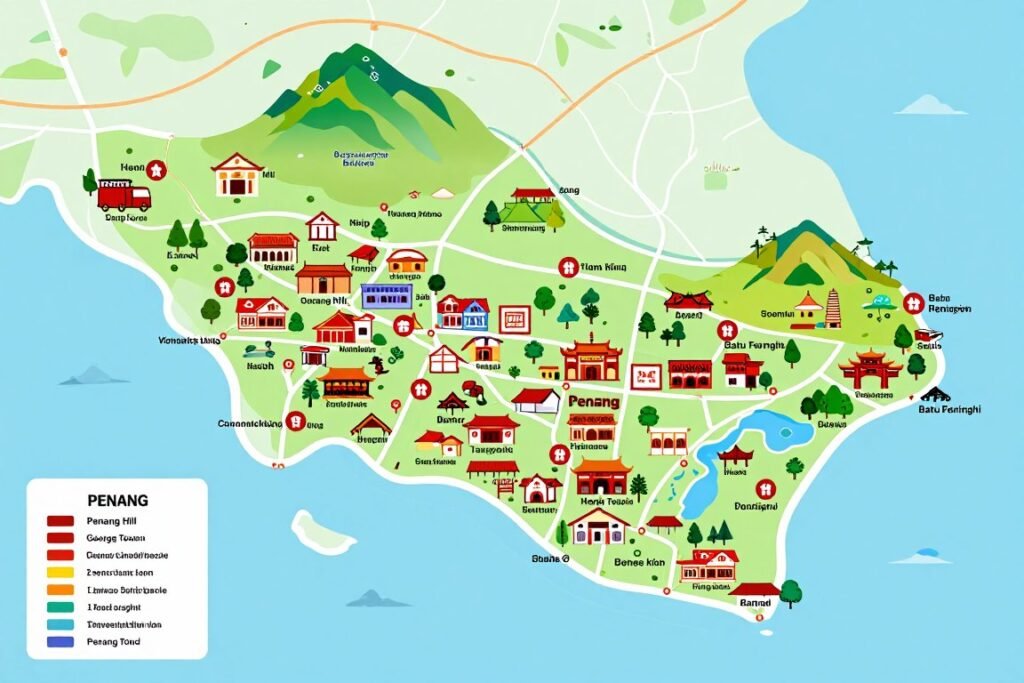
Three days provide sufficient time to experience Penang’s highlights. This itinerary balances culture, food, and relaxation. Adjust timing based on your interests and energy levels.
Day One: George Town Heritage Discovery
Start your first morning in the heart of George Town. Begin at Fort Cornwallis when it opens at 9 AM. Spend an hour exploring the fort grounds and learning founding history. The waterfront location provides morning photo opportunities.
Walk to nearby Clan Jetties for unique pier community experience. Chew Jetty opens to visitors throughout the day. Respectfully explore the wooden walkways and homes on stilts. Support local vendors by purchasing drinks or snacks.
Head to Armenian Street for street art hunting. The famous bicycle mural attracts crowds by midday. Visit earlier for better photos with fewer people. Explore surrounding lanes for additional murals and installations.
Break for lunch at a nearby hawker center. Try Penang laksa or char kway teow. The meal provides authentic local food experience. Rest in air-conditioned comfort during the hot midday period.
Afternoon exploration continues to Khoo Kongsi clan house. The elaborate temple complex showcases Chinese architectural mastery. Spend an hour appreciating the detailed craftsmanship. The museum explains clan history and traditions.
Visit the Peranakan Mansion in late afternoon. The restored townhouse displays Straits Chinese heritage. Guided tours run regularly. The air-conditioned interior provides respite from outdoor heat.
Evening brings street food adventures. Join a guided food tour or explore independently. Gurney Drive Hawker Centre concentrates numerous stalls in one location. Sample multiple dishes and desserts. End the night with fresh coconut water.
Day Two: Hills, Temples, and Culture
Rise early for Penang Hill morning visit. Arrive at the funicular station by 7:30 AM to avoid crowds. The cool morning air makes the summit especially pleasant. Enjoy breakfast at the top with panoramic views.
Explore the summit area for one to two hours. Walk nature trails if you enjoy hiking. The Habitat canopy walk opens at 9 AM. Return down before midday heat intensifies.
Visit Kek Lok Si Temple on the way back to George Town. The massive Buddhist complex spreads across the hillside. Climb to the pagoda for elevated views. Exploring the grounds takes two hours minimum.
Lunch in George Town offers another chance to sample local cuisine. Try dim sum at a traditional coffee shop. Or venture to Little India for banana leaf rice. The meal experience matters as much as the food itself.
Afternoon cultural immersion continues at religious sites. The Street of Harmony showcases multiple faiths in close proximity. Visit Kapitan Keling Mosque, Sri Mahamariamman Temple, and Kuan Yin Temple. Each requires about 20-30 minutes.
Late afternoon shopping explores Chowrasta Market. This traditional market sells produce, spices, and local products. The adjacent streets house shops selling textiles and handicrafts. Bargaining happens throughout the market area.
Evening delivers more food adventures. New Lane (Lorong Baru) creates a street food atmosphere. Try different dishes from various stalls. The rojak vendor has operated for decades. End with refreshing cendol dessert.
Day Three: Beach and Relaxation
Head to Batu Ferringhi for your final day. Arrive at the beach before 10 AM to claim comfortable spots. Many visitors enjoy simply relaxing after two days of sightseeing. The beach offers various activity options.
Water sports enthusiasts can try parasailing or jet skiing. Kayak rentals allow independent exploration. Or simply swim in the warm water. Beach vendors offer drinks and snacks throughout the day.
Lunch at beachfront restaurants delivers fresh seafood. Many establishments grill fish and prawns to order. The ocean view enhances the dining experience. Afternoon hours invite relaxation in the shade or by the pool.
For active travelers, visit Penang National Park in the afternoon instead. The park entrance sits at Teluk Bahang. Hike to Monkey Beach taking about 45 minutes each way. The secluded beach rewards the moderate effort.
Return to George Town for final evening activities. Visit any missed attractions or return to favorite spots. Last-minute shopping helps spend remaining ringgit. The evening creates one final street food session.
The Batu Ferringhi night market operates along the main road. Browse handicrafts and souvenirs. Practice bargaining skills one last time. The market atmosphere provides fitting conclusion to your Penang adventure.
Must-Do Experiences
- George Town heritage walk
- Street art photography
- Multiple hawker food meals
- Penang Hill funicular ride
- Kek Lok Si Temple visit
- Beach time at coast
- Clan house exploration
- Cultural temple visits
Flexible Options
- Museum visits based on interests
- Nature trails and hiking
- Cooking class participation
- Sunset cruise experience
- Trishaw heritage ride
- Day trip to nearby city
- Spa and wellness treatments
- Night market shopping
Visiting Penang with Family
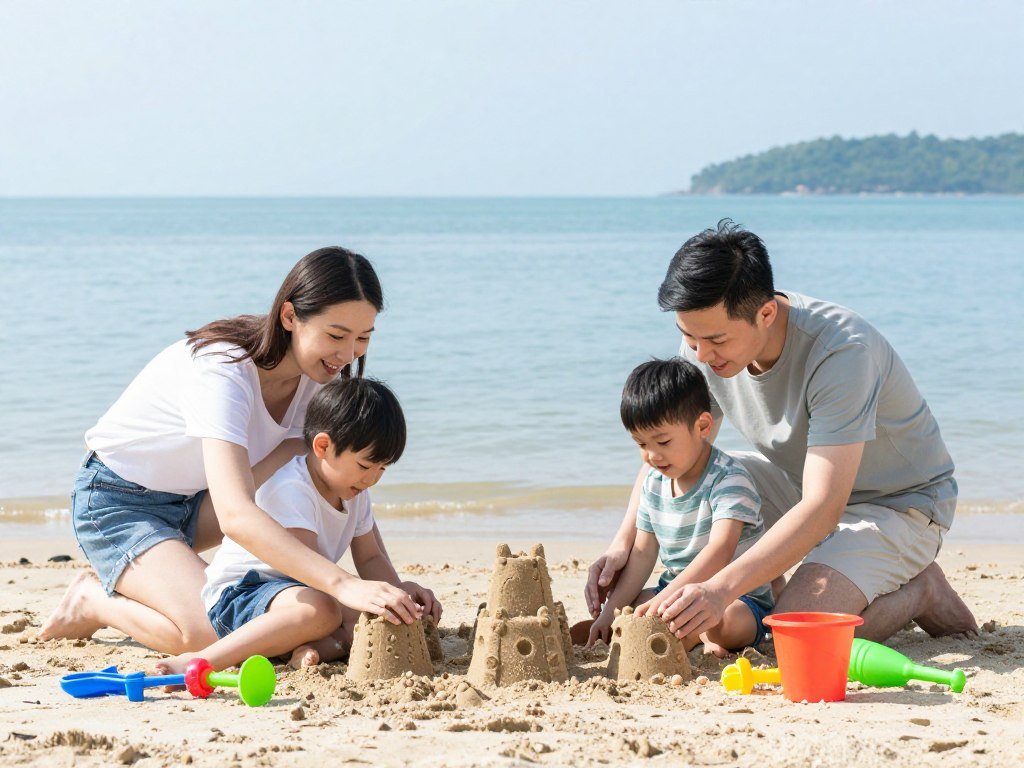
Penang welcomes families with children of all ages. The destination combines education with entertainment. Safety standards meet international expectations. Family-friendly facilities appear throughout tourist areas.
Kid-Friendly Attractions
The Penang Toy Museum displays thousands of toys and collectibles. Children enjoy seeing vintage toys and character figures. Interactive displays let kids engage with exhibits. The museum occupies multiple floors requiring about 90 minutes to explore.
Escape Penang offers themed escape room challenges. Families work together solving puzzles to “escape” within time limits. Multiple difficulty levels accommodate different age groups. The activity promotes teamwork and critical thinking.
The Wonderfood Museum creates enormous food replicas and displays. Oversized laksa bowls and giant fruits make entertaining photo opportunities. Kids love the whimsical presentation. The educational aspect teaches about Malaysian cuisine.
Family-Friendly Dining
Many Penang restaurants welcome children warmly. High chairs appear at family-oriented establishments. Kid-friendly menu options include simple rice and noodle dishes. Western fast food chains operate throughout George Town and major areas.
Hawker centers accommodate families well during less crowded times. Morning and early afternoon hours see lighter crowds. Children can observe food preparation up close. Simple dishes like fried rice or noodles suit picky eaters.
Several cafes specialize in family-friendly environments. These establishments provide play areas or children’s activities. Air conditioning keeps everyone comfortable. The casual atmosphere removes pressure for perfect behavior.
Accommodation for Families
Family rooms accommodate four people in most hotels. Interconnecting rooms offer more space when needed. Serviced apartments provide kitchen facilities useful for preparing children’s meals. Swimming pools feature at most mid-range and luxury properties.
Beach resort hotels cater especially well to families. Kids’ clubs provide supervised activities. Shallow pool areas suit young swimmers. Direct beach access lets families control their schedule. Many resorts offer family package deals.
Practical Family Travel Tips
Stroller-friendly routes concentrate in modern shopping areas. Heritage George Town’s uneven pavements challenge wheeled transport. Baby carriers work better for old town exploration. Taxis and ride-hailing accommodate folding strollers.
Pharmacies stock international baby product brands. Diapers, formula, and basic medications are readily available. Private hospitals provide excellent pediatric care if needed. Travel insurance should cover children’s medical expenses.
Balance sightseeing with downtime to prevent overtiring children. Morning activities work best before heat intensifies. Afternoon pool time lets kids burn energy. Evening outings capture cooler temperatures and special atmospheres.
Your Perfect Penang Adventure Awaits
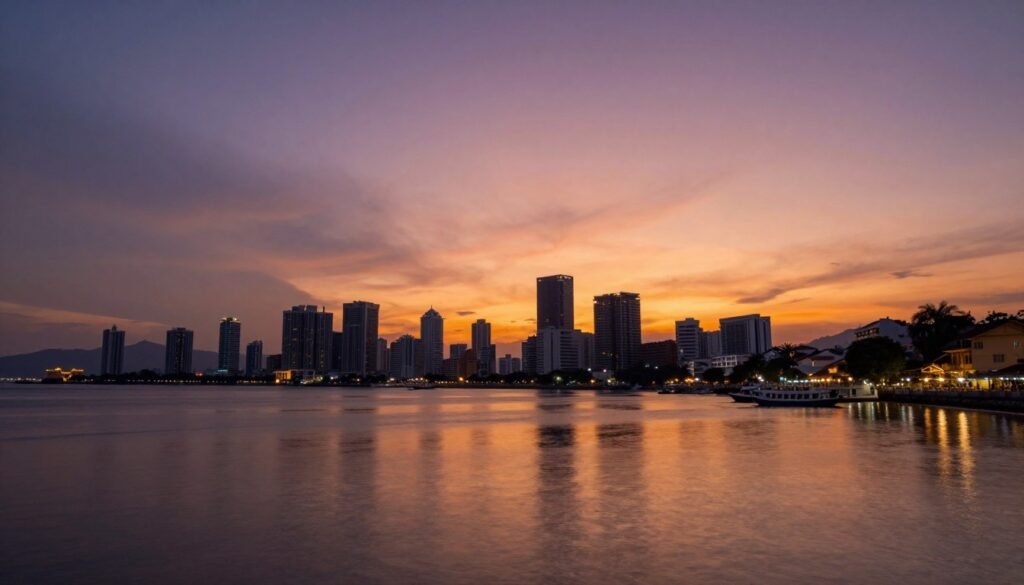
Penang delivers unforgettable experiences for every type of traveler. The island balances heritage preservation with modern development. You’ll find world-class street food beside historical treasures. Beaches provide relaxation while George Town energizes with urban culture.
Three days covers the essential highlights. A week allows deeper exploration and day trips. Some visitors return repeatedly discovering new layers. The compact size makes independent travel manageable. Public transportation reaches major attractions reliably.
The multicultural atmosphere creates Penang’s special character. Chinese shophouses stand beside Indian temples and Malay mosques. This diversity extends from architecture into food and daily life. Respectful visitors find warm welcomes from local people.
Planning ahead ensures smoother experiences. Book accommodation early during peak seasons. Research food stalls and restaurants beforehand. Download helpful apps before arriving. Understanding basic costs helps budget accurately.
Weather considerations matter for outdoor activities. Peak season delivers the most reliable conditions. Shoulder seasons offer value with generally good weather. Even monsoon season provides authentic experiences for flexible travelers.
Food adventures form the heart of many Penang trips. The UNESCO recognition for street food validates the culinary significance. From humble hawker stalls to refined restaurants, eating becomes a highlight. Dietary restrictions face accommodation throughout the food scene.
Safety concerns remain minimal in Penang. Normal travel precautions apply. The tourist infrastructure supports comfortable visits. English communication removes language barriers. Medical facilities meet international standards.
Whether you seek culture, cuisine, history, or beaches, Penang satisfies. The island rewards curious exploration beyond major attractions. Hidden temples, quiet beaches, and neighborhood restaurants reveal authentic character. Your Penang travel guide journey creates memories lasting long after departure.
Start Planning Your Penang Journey
Everything you need to create the perfect Penang experience. Compare flights, book accommodations, reserve tours, and secure travel insurance all in one place.
How many days should I spend in Penang?
Three to four days allow you to experience Penang’s main attractions comfortably. This timeframe covers George Town heritage sites, Penang Hill, temples, street food exploration, and beach time. Culture enthusiasts might prefer five to seven days to explore deeper. Budget travelers often stay longer due to affordable costs. Weekend visitors can see highlights in two days but will feel rushed.
Is Penang safe for solo female travelers?
Penang ranks as one of Southeast Asia’s safer destinations for solo female travelers. Violent crime remains rare. Take normal precautions like avoiding dark areas at night and watching belongings in crowds. Dress modestly when visiting religious sites. Local women dress conservatively which provides good guidance. Many solo female travelers report positive experiences exploring Penang independently.
What’s the best way to get around George Town?
Walking works best for exploring George Town’s UNESCO heritage zone. The compact area puts attractions within walking distance. Ride-hailing apps like Grab provide convenient transport for longer distances. The free CAT bus circles heritage areas. Bicycles suit the flat terrain and short distances. Traditional trishaws offer unique experiences for short rides. Avoid regular taxis due to occasional overcharging issues.
Can I visit Penang on a budget?
Penang accommodates budget travelers excellently. Hostel dormitories cost $8-15 per night. Street food meals run $2-4. Public buses charge minimal fares. Many attractions like street art and beaches are free. Budget accommodation in heritage shophouses offers character at low prices. A daily budget of $30-40 covers basic needs comfortably. Luxury travelers find options but budget visitors enjoy exceptional value.
What should I eat in Penang?
Start with char kway teow, Penang’s signature fried noodle dish. Assam laksa offers unique tangy fish broth flavors. Nasi kandar provides customizable rice plate meals. Try Penang hokkien mee for prawn noodle soup. Don’t miss rojak salad with thick sauce. Sample cendol for refreshing dessert. Roti canai makes perfect breakfast. Each dish represents Penang’s multicultural food heritage. Hawker centers concentrate multiple options conveniently.
Do I need to rent a car in Penang?
Cars aren’t necessary for experiencing Penang’s main attractions. George Town exploration works best on foot. Ride-hailing and taxis reach Penang Hill and temples easily. Beach areas connect via bus services. Rental cars provide convenience for day trips or visiting remote areas. Parking challenges in George Town make cars inconvenient there. Scooters offer alternatives for experienced riders. Most visitors manage perfectly without renting vehicles.