

Thailand’s national parks showcase some of Southeast Asia’s most breathtaking landscapes. From misty mountains to pristine islands, these protected areas offer unforgettable adventures. This comprehensive guide reveals the top 10 national parks in Thailand with everything you need to plan your journey.
Whether you seek wildlife watching, challenging trails, or serene waterfalls, Thailand national parks deliver extraordinary experiences. Each park possesses unique characteristics that set it apart from the rest.
Download Your Free Thailand Parks Guide
Get our comprehensive PDF guide with detailed maps, seasonal recommendations, and custom itinerary templates for all Thailand national parks.
1. Khao Yai National Park: Thailand’s Wildlife Paradise
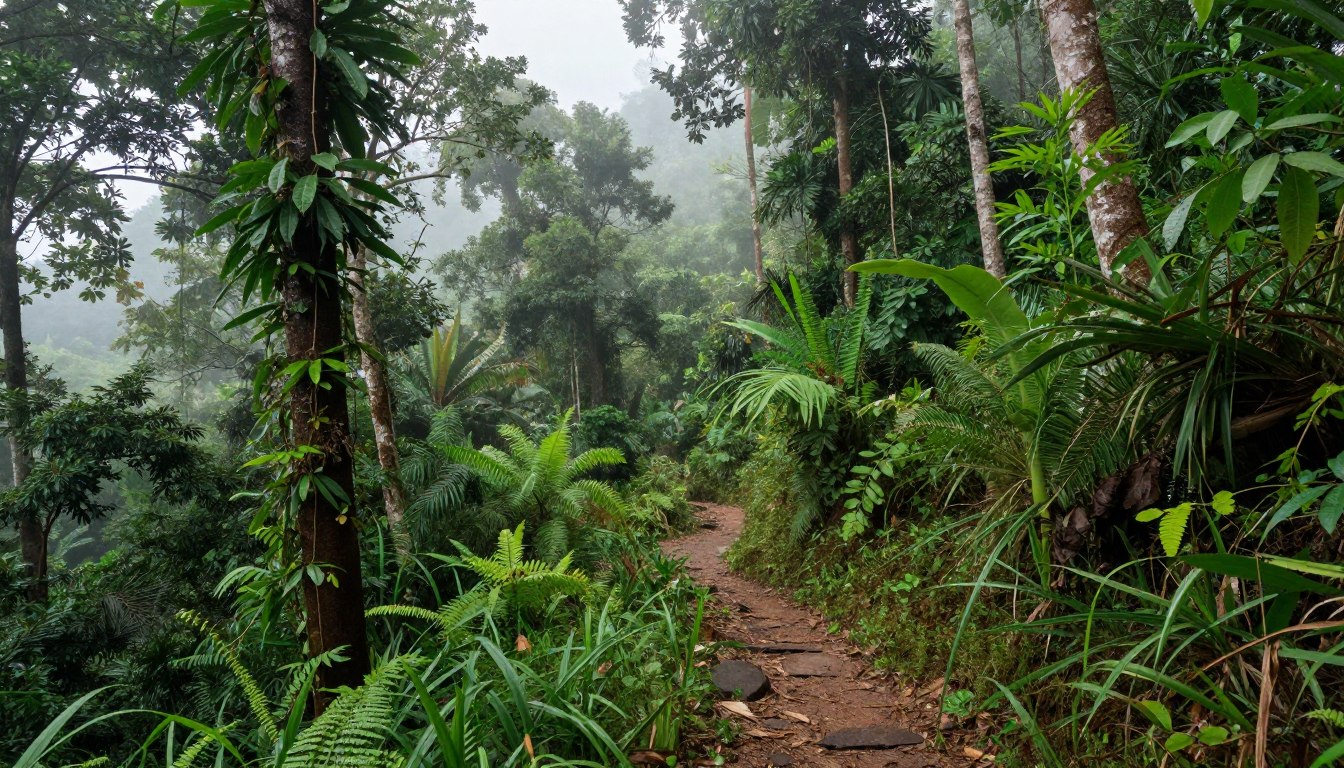
Khao Yai National Park offers pristine rainforest trails perfect for wildlife watching
Khao Yai National Park stands as Thailand’s oldest and most celebrated national park. Located just three hours from Bangkok, this UNESCO World Heritage site spans over 2,100 square kilometers of pristine forest. The park attracts nature enthusiasts with its incredible biodiversity and accessible location.
Wildlife and Natural Attractions
Khao Yai National Park hosts over 300 bird species and diverse mammals including elephants, gibbons, and hornbills. The park’s network of trails leads visitors through multiple ecosystems. Haew Narok Waterfall cascades 150 meters, creating one of Thailand’s most impressive water features.
Wildlife watching opportunities abound throughout the year. Early morning and late afternoon provide the best chances to spot animals. The park’s observation towers offer elevated views of the forest canopy where gibbons swing between trees.
Best Time to Visit
November through February delivers ideal weather conditions. Cool temperatures make hiking comfortable. The dry season from November to April provides clear trails and active wildlife. Waterfalls flow strongest during and immediately after the rainy season.
Park Highlights
- Haew Suwat Waterfall featured in “The Beach” movie
- Night safari drives for nocturnal wildlife
- Over 50 kilometers of marked trails
- Elephant observation platforms
- Bat cave with millions of residents
How to Get to Khao Yai National Park
Khao Yai National Park location in central Thailand
From Bangkok, drive northeast on Highway 1 for approximately 205 kilometers. The journey takes about three hours by private car. Public buses depart from Bangkok’s Mo Chit Bus Terminal to Pak Chong town. From Pak Chong, hire a songthaew or taxi for the 30-kilometer trip to the park entrance.
Organized day tours from Bangkok include transportation and guided wildlife walks. Many visitors choose to stay overnight in Pak Chong to maximize their time exploring trails. The park maintains several accommodation options including bungalows and camping areas. Book guided Khao Yai tours and accommodation here.
Pro Tip: Hire a local guide at the visitor center to dramatically increase your chances of spotting elephants and other wildlife. Guides know animal movement patterns and can identify calls and tracks invisible to untrained eyes.
2. Khao Sok National Park: Ancient Rainforest and Emerald Lake
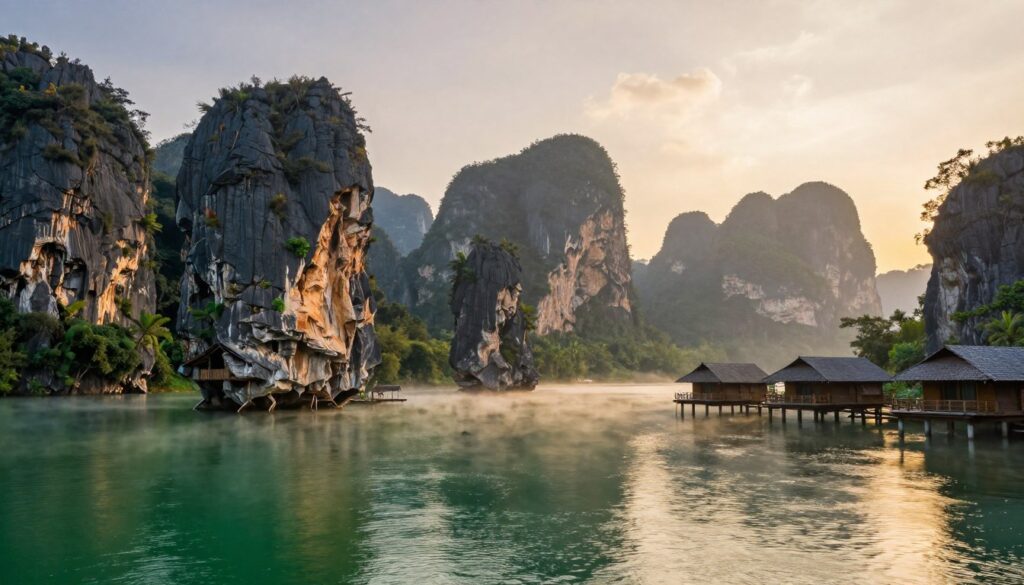
Cheow Lan Lake in Khao Sok National Park features spectacular limestone formations
Khao Sok National Park protects one of the world’s oldest rainforests. This 739-square-kilometer park in southern Thailand predates even the Amazon. The park’s centerpiece, Cheow Lan Lake, creates a surreal landscape of towering limestone karsts emerging from turquoise waters.
Exploring Cheow Lan Lake
Cheow Lan Lake formed in 1982 when the Ratchaprapha Dam flooded the valley. The reservoir stretches 165 square kilometers, dotted with over 100 islands. Floating bungalows provide unique overnight accommodations surrounded by pristine nature. Longtail boats transport visitors across the waters to hidden caves and secluded swimming spots.
The lake offers exceptional kayaking opportunities. Paddle through narrow channels between limestone cliffs. Wildlife flourishes around the water’s edge. Hornbills, kingfishers, and macaques frequent the shoreline. The surrounding Khao Sok National Park forest harbors wild elephants, gibbons, and the rare Malayan sun bear.
Jungle Trekking Adventures
Khao Sok National Park trail system winds through ancient rainforest. Multi-day treks take adventurers deep into wilderness areas rarely visited by tourists. Trails range from easy nature walks to challenging mountain climbs. The forest canopy towers 50 meters overhead in places. Massive trees draped in vines create a prehistoric atmosphere.
How to Get to Khao Sok National Park
Khao Sok National Park location in southern Thailand
Khao Sok sits between Phuket and Koh Samui on Thailand’s southern peninsula. From Phuket, drive north on Route 4 for approximately 110 kilometers. The journey takes about two hours. From Surat Thani, head west on Route 401 for 100 kilometers.
Buses run regularly from Phuket, Krabi, and Surat Thani to Khao Lak. From Khao Lak town, arrange transport to the park entrance or your accommodation. Many resorts near the park provide pickup services. Organized tours from nearby islands include transportation to Cheow Lan Lake. Most overnight lake tours depart from the Ratchaprapha Dam pier.
3. Erawan National Park: Seven-Tiered Waterfall Wonder
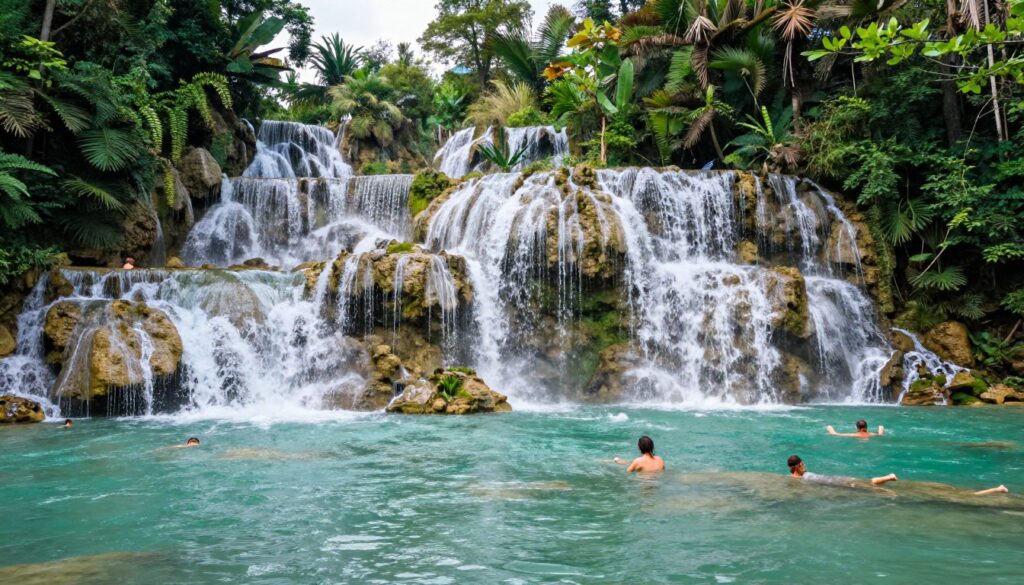
Erawan Waterfall’s seven tiers create stunning turquoise swimming pools
Erawan National Park protects 550 square kilometers of forest in western Thailand. The park’s namesake Erawan Waterfall ranks among the country’s most beautiful natural features. This seven-tiered cascade flows year-round, fed by mountain springs. Each level offers unique swimming opportunities in mineral-rich pools.
The Seven Tiers of Erawan Falls
The trail to the waterfall’s summit covers two kilometers with moderate elevation gain. Level one through three remain easily accessible for all fitness levels. These lower tiers feature the largest pools perfect for swimming. Fish nibble at visitors’ feet, providing a natural spa experience.
Levels four through seven require more effort to reach. The path becomes steeper and rockier. Fewer crowds reward those who make the climb. The seventh tier, named after Erawan, the three-headed elephant from Hindu mythology, creates the most dramatic cascades. The top offers panoramic forest views.
Getting There
Erawan National Park lies 70 kilometers northwest of Kanchanaburi town. From Bangkok, take Highway 323 west for about 200 kilometers. The drive requires approximately three hours. Buses depart Bangkok’s Southern Bus Terminal to Kanchanaburi hourly. From Kanchanaburi, catch a local bus or hire a songthaew to the park entrance.
Essential Tips
- Start early to avoid afternoon crowds
- Wear water shoes for slippery rocks
- Bring waterproof bag for electronics
- Allow 3-4 hours for the complete hike
- Pack snacks and water for the trail
Erawan National Park location near Kanchanaburi
Most visitors combine Erawan with other Kanchanaburi attractions like the Bridge over the River Kwai. Day tours from Bangkok include round-trip transportation and park entry. These tours typically allow 3-4 hours at the waterfalls. Independent travelers can stay overnight in Kanchanaburi to explore at a leisurely pace.
Overwhelmed by Choices? Let Us Help Plan Your Perfect Itinerary
Our Thailand travel experts have visited every national park on this list. We’ll create a personalized itinerary matching your interests, fitness level, and schedule. Get free consultation to maximize your Thailand nature adventure.
4. Doi Inthanon National Park: Roof of Thailand
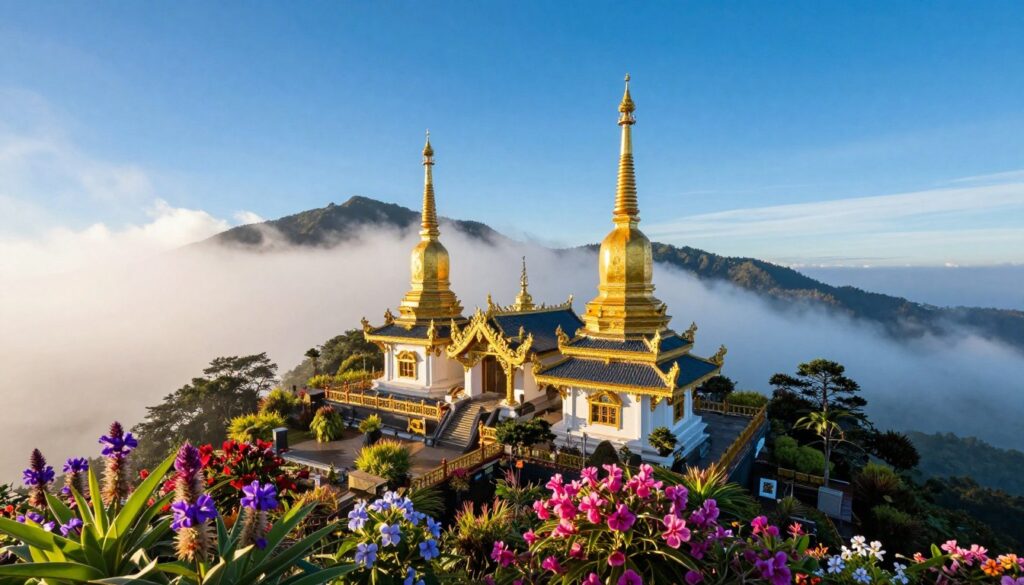
Twin pagodas at Doi Inthanon National Park’s summit honor Thai royalty
Doi Inthanon National Park encompasses Thailand’s highest peak at 2,565 meters above sea level. Located in Chiang Mai province, this mountain park offers cool climate year-round. The temperature at the summit can drop to near freezing during winter months. This elevation creates unique ecosystems found nowhere else in Thailand.
Summit and Royal Pagodas
The road to Doi Inthanon summit winds through changing vegetation zones. Tropical forest gives way to pine forests, then montane vegetation near the top. Twin pagodas built in 1987 honor the King and Queen’s 60th birthdays. These ornate structures offer stunning 360-degree mountain views. Gardens surrounding the pagodas showcase alpine flowers.
The summit itself features a stupa containing the ashes of Chiang Mai’s last king. A viewing platform provides panoramic vistas of the surrounding peaks. On clear days, visitors can see for dozens of kilometers across the mountain range.
Waterfalls and Trails
Doi Inthanon National Park contains numerous waterfalls fed by mountain streams. Wachirathan Waterfall plunges 80 meters, creating a powerful cascade visible from the main road. Mae Ya Waterfall spreads across a wide rock face, forming one of Thailand’s most beautiful curtain falls. Multiple trails wind through the forest connecting viewpoints and waterfalls.
Kew Mae Pan Trail
This 3-kilometer circular trail offers the park’s best views. The path traverses ridgelines with panoramic mountain vistas. Rhododendrons bloom pink along the trail from December to February. The trail requires a guide between June and October.
Ang Ka Nature Trail
A short 360-meter boardwalk loop near the summit. This easy walk passes through rare cloud forest. Moss-covered trees create an ethereal atmosphere. Informative signs explain the unique mountain ecosystem. Perfect for families and those with limited time.
Pha Dok Siew Trail
An overnight trek through Karen hill tribe villages. The 15-kilometer trail descends from high elevation forests. Visitors stay in traditional village homestays. The route offers cultural immersion alongside natural beauty. Porters and guides available at the trailhead.
How to Get to Doi Inthanon National Park
Doi Inthanon National Park location southwest of Chiang Mai
Drive southwest from Chiang Mai city on Highway 108 toward Hod. After about 60 kilometers, turn onto Highway 1009 leading to the park entrance. The total journey covers approximately 90 kilometers and takes about 90 minutes. The road continues another 48 kilometers from the entrance to the summit.
Renting a scooter or car provides flexibility to explore at your own pace. Organized day tours from Chiang Mai include all major attractions. These tours typically visit the twin pagodas, two major waterfalls, and a hill tribe village. Tours provide transportation, lunch, and guide services.
5. Khao Sam Roi Yot National Park: Coastal Peaks and Royal Cave
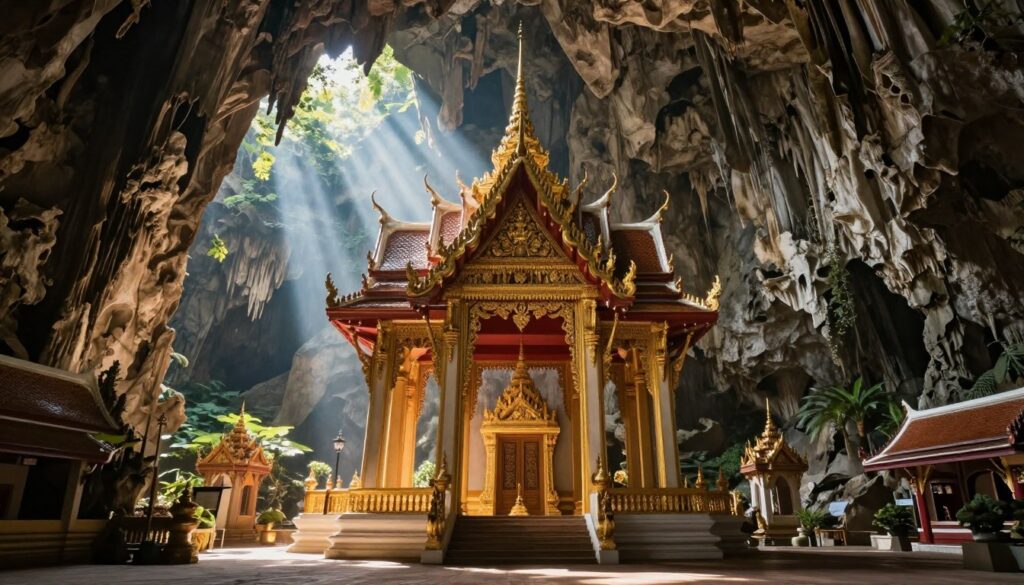
Sunlight illuminates the royal pavilion inside Phraya Nakhon Cave
Khao Sam Roi Yot National Park translates to “mountain with three hundred peaks.” This coastal park in Prachuap Khiri Khan province combines limestone mountains with wetlands and beaches. The park stretches along the Gulf of Thailand, creating diverse habitats. It became Thailand’s first marine national park in 1966.
Phraya Nakhon Cave: Crown Jewel
Phraya Nakhon Cave stands as the park’s most iconic attraction. This massive cave chamber houses a golden pavilion built in 1890 for King Rama V. Sunlight streams through the collapsed cave ceiling, illuminating the ornate structure during morning hours. The dramatic light show occurs between 10-11 AM when sun rays create magical beams.
Reaching the cave requires effort. Visitors choose between two trails. The main route climbs 430 meters up a steep mountain path. The hike takes 30-45 minutes and can be challenging in heat. An alternative boat ride to Laem Sala Beach reduces hiking to 20 minutes. Most photographers arrive early to capture the perfect light moment.
Best Features
- Unique cave temple with natural lighting
- Pristine beaches with few tourists
- Excellent bird watching wetlands
- Close proximity to Hua Hin resorts
- Coastal mountain scenery
Challenges
- Steep climb to main cave
- Limited shade on trails
- Can get extremely hot mid-day
- Fewer facilities than other parks
- Timing crucial for cave photography
Beaches and Viewpoints
Sam Phraya Beach offers secluded coastline rarely crowded with visitors. The beach stretches several kilometers with clear waters. Limestone peaks create a dramatic backdrop. Sam Roi Yot National Park maintains several viewpoints accessible by short hikes. These overlooks provide panoramic views of mountains meeting sea.
How to Get to Khao Sam Roi Yot National Park
Khao Sam Roi Yot National Park location south of Hua Hin
The park sits 58 kilometers south of Hua Hin on Highway 3169. From Hua Hin, drive south on Highway 4 (Phetkasem Road), then turn onto Highway 3169. The journey takes about one hour by car. Buses run from Bangkok to Pranburi town. From Pranburi, hire a songthaew or motorbike taxi to the park entrance.
Many visitors base themselves in Hua Hin and visit as a day trip. Book guided tours to Phraya Nakhon Cave departing from Hua Hin. Tours typically include transportation, park entry, and boat transfers. Private tours allow flexible timing to catch the best cave lighting.
6. Mu Ko Ang Thong National Marine Park: Archipelago Paradise
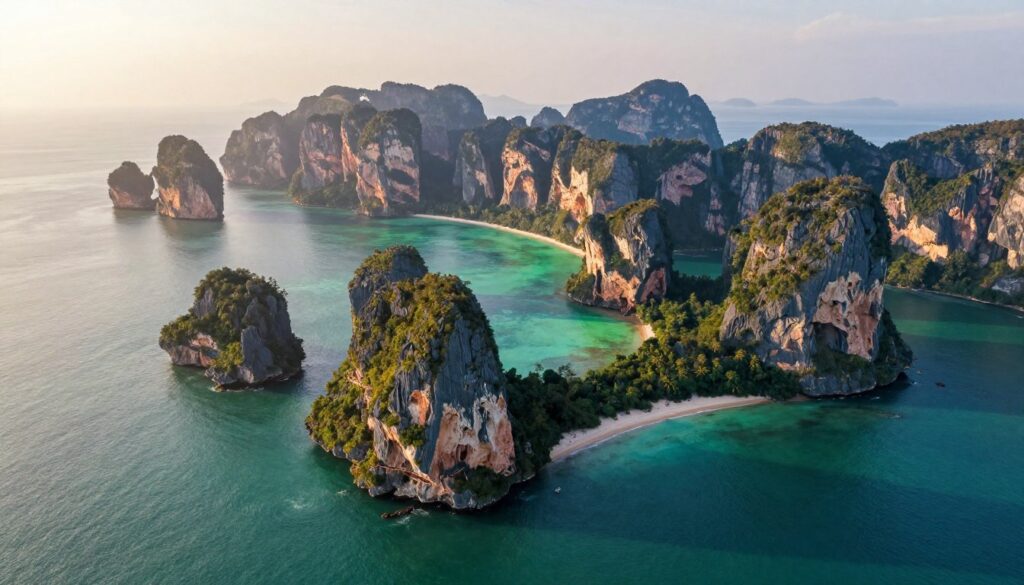
Mu Ko Ang Thong’s 42 islands create a stunning Gulf of Thailand archipelago
Mu Ko Ang Thong National Marine Park comprises 42 islands in the Gulf of Thailand. The archipelago spreads across 102 square kilometers of protected waters near Koh Samui. Towering limestone cliffs rise dramatically from turquoise seas. Hidden lagoons, secret beaches, and dramatic viewpoints make this one of Thailand’s most spectacular marine parks.
Emerald Lagoon and Viewpoint Trail
The park’s centerpiece is Talay Nai, an inland saltwater lake on Mae Ko island. This emerald lagoon connects to the sea through underground passages. Steep stairs climb 200 meters to a viewpoint overlooking the entire archipelago. The vista ranks among Southeast Asia’s most photographed landscapes. The hike proves challenging but rewards effort with unforgettable panoramas.
Wua Ta Lap island serves as park headquarters. Visitors can climb to the island’s highest point for 360-degree views of surrounding islands. The trail ascends through tropical forest before emerging at rocky summit. Multiple beaches around the island offer swimming and snorkeling opportunities.
Island Activities
Kayaking
Paddle between islands exploring hidden coves. Calm protected waters make kayaking accessible for beginners. Most tours provide kayaks for exploring the shoreline. Discover secret beaches unreachable by larger boats.
- Sea kayak rentals available on main islands
- Guided kayak tours explore caves
- Calm conditions year-round
- Wildlife viewing from water level
Snorkeling
Clear waters around the islands teem with marine life. Coral reefs host colorful tropical fish. Several designated snorkeling spots offer the best underwater viewing. Visibility remains good throughout the year.
- Equipment included in most tours
- Protected reefs near several islands
- Shallow areas perfect for beginners
- Occasional sea turtle sightings
Beach Relaxation
Pristine white sand beaches fringe many islands. Most beaches remain undeveloped and uncrowded. Crystal clear water laps against powdery shores. Perfect spots for swimming and sunbathing between activities.
- Secluded beaches on smaller islands
- Shaded areas under palm trees
- Calm waters for swimming
- Picnic facilities on main islands
Wildlife Watching
The marine park protects diverse ecosystems. Macaques inhabit several islands. Monitor lizards sun themselves on beaches. Dolphins occasionally swim through the channels. Bird species nest in cliff faces.
- Dusky langurs in island forests
- Sea birds nesting on cliffs
- Dolphins in deeper waters
- Monitor lizards on beaches
How to Get to Mu Ko Ang Thong
Mu Ko Ang Thong location between Koh Samui and mainland Thailand
Day trips depart from Koh Samui, Koh Phangan, and Koh Tao. Speedboats from Koh Samui reach the park in 90 minutes. Tours typically run from 8 AM to 5 PM, providing full-day island exploration. Most packages include park fees, snorkeling equipment, kayaks, lunch, and guided activities. Overnight stays are possible but require advance booking of limited park accommodation.
Book Your Park Accommodations
Secure your stay near Thailand’s national parks. From luxury resorts to budget bungalows, find the perfect base for your nature adventures. Early booking recommended for peak season.
Join Guided Park Tours
Maximize wildlife sightings and park experiences with expert local guides. Choose from day trips, multi-day adventures, or custom private tours matching your interests and schedule.
Rent Transportation
Freedom to explore Thailand’s parks at your pace. Rent cars, scooters, or book private drivers. Compare prices and reserve vehicles in advance for the best rates and availability.
7. Similan Islands National Park: Underwater Paradise
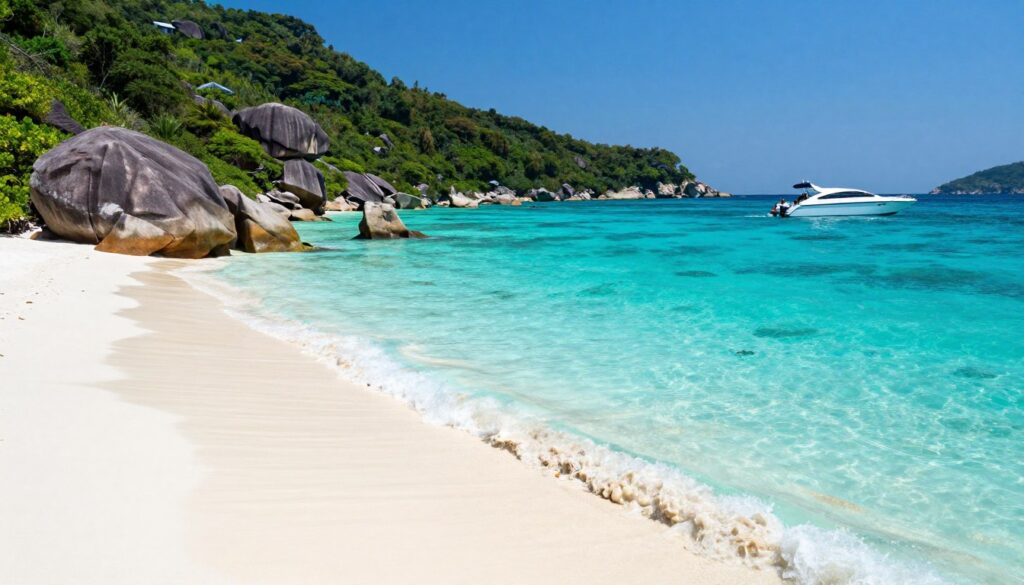
Similan Islands offer world-class diving and pristine beaches
Similan Islands National Park ranks among the world’s top diving destinations. Nine granite islands rise from the Andaman Sea, 70 kilometers northwest of Khao Lak. The park protects both islands and surrounding waters. Underwater visibility often exceeds 30 meters. Spectacular coral reefs and diverse marine life attract divers from around the globe.
World-Class Diving Sites
The Similans feature dramatic underwater landscapes. Massive granite boulders create swim-throughs and caves. Hard and soft corals blanket the reefs in rainbow colors. Divers encounter manta rays, whale sharks, and sea turtles. Numerous dive sites cater to all experience levels. Advanced divers explore deeper pinnacles and walls. Beginners enjoy shallow reef dives with abundant fish.
Richelieu Rock, slightly north of the main islands, offers Thailand’s best diving. This submerged pinnacle attracts schooling barracuda, trevally, and seasonal whale sharks. The site requires experienced divers due to currents. Most liveaboard dive trips include Richelieu Rock in their itineraries.
Snorkeling and Beaches
Non-divers find plenty to enjoy above water. Several islands feature spectacular beaches with powder-white sand. Island Number 8 (Similan Island) has the most developed facilities. A viewpoint trail climbs to Sail Rock, an iconic boulder formation. The panoramic view encompasses multiple islands and turquoise waters.
Snorkeling sites around the islands rival many dive spots. Shallow reefs teem with tropical fish. Christmas Point and Donald Duck Bay offer excellent snorkeling from shore. Sea turtles frequently appear in these areas. The clear water makes underwater photography easy even for beginners.
| Island | Thai Name | Main Attractions | Activities |
| Island 4 | Ko Miang | Park headquarters, beaches, trails | Snorkeling, camping, hiking |
| Island 8 | Ko Similan | Sail Rock viewpoint, Donald Duck Bay | Photography, snorkeling, beach |
| Island 9 | Ko Bangu | Best diving sites, Christmas Point | Diving, snorkeling |
How to Get to Similan Islands
Similan Islands location off the Andaman coast near Khao Lak
The park operates seasonally from mid-October to mid-May when seas are calm. Speedboats depart daily from Thap Lamu Pier near Khao Lak. The journey takes 90 minutes. Day trips include multiple snorkeling stops, lunch, and park fees. Overnight stays require camping permits available at park headquarters on Ko Miang island.
Liveaboard dive boats offer multi-day trips exploring all the Similan sites plus neighboring areas. These boats depart from Khao Lak and Phuket. Compare Similan diving and snorkeling tours here. Most visitors stay in Khao Lak before and after their island trips.
8. Kaeng Krachan National Park: Thailand’s Largest Wilderness
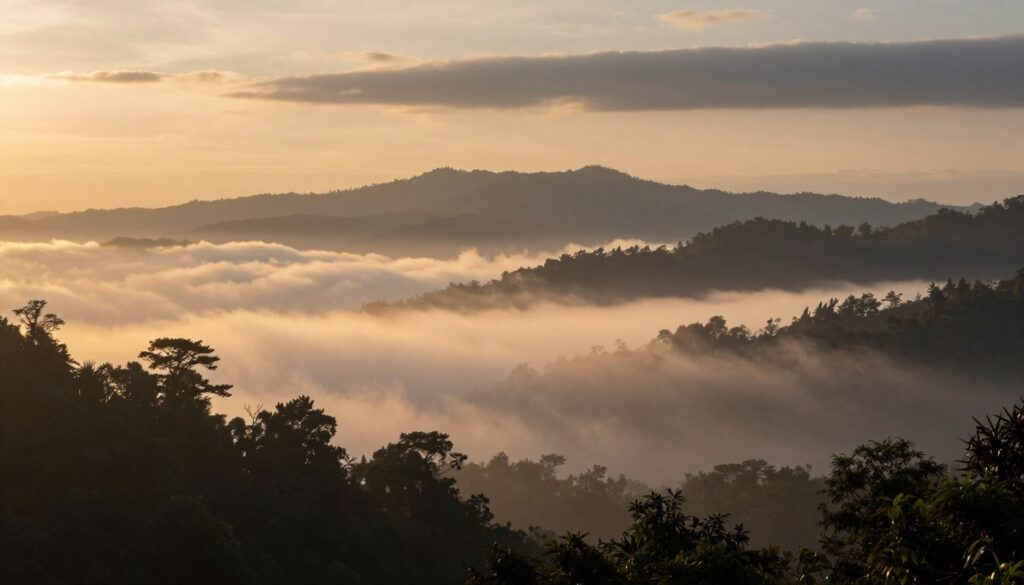
Sunrise reveals a sea of clouds over Kaeng Krachan’s vast forest
Kaeng Krachan National Park sprawls across 2,915 square kilometers, making it Thailand’s largest national park. The park borders Myanmar’s mountains in western Thailand. Dense evergreen forest blankets the landscape. This remote wilderness harbors elephants, tigers, and bears. Kaeng Krachan became a UNESCO World Heritage site in 2021.
Sea of Clouds Phenomenon
Early morning mist creates spectacular “sea of clouds” views. Mountain peaks emerge like islands from white fog. The phenomenon occurs most reliably during cool season months from November to February. Several viewpoints offer this magical scene. Pa La-U viewpoint requires a 30-minute pre-dawn hike but rewards with stunning sunrise vistas.
Photographers flock to Kaeng Krachan during cool season specifically for these conditions. The clouds typically dissipate by 8 AM as temperatures rise. Timing visits for clear nights followed by cool mornings increases chances of witnessing the spectacle.
Wildlife and Birdwatching
Kaeng Krachan protects over 400 bird species, making it Thailand’s premier birdwatching destination. Rare species like the giant nuthatch and rufous-necked hornbill inhabit the forests. Serious birders hire specialized guides to find target species. The park’s size and habitat diversity support incredible biodiversity.
Large mammals roam the forest though sightings remain unpredictable. Wild elephants leave fresh tracks and droppings along trails. Tigers and clouded leopards exist in small numbers. Deer, wild boar, and various monkey species appear more frequently. Night drives sometimes reveal nocturnal wildlife.
Planning Your Visit
Kaeng Krachan’s remote location requires more planning than other parks. Limited facilities mean bringing supplies. Book accommodation in advance as options fill quickly during peak season. Four-wheel drive vehicles recommended for some park roads, especially during rainy season.
How to Get to Kaeng Krachan National Park
Kaeng Krachan National Park location west of Hua Hin
Drive southwest from Hua Hin approximately 80 kilometers to the park entrance. The journey takes about 90 minutes. From Bangkok, take Highway 35 south toward Cha-am, then head west on Highway 3175. Total distance from Bangkok covers about 260 kilometers. The park entrance sits near Kaeng Krachan Dam.
Public transportation to the park remains limited. Most visitors drive or join organized tours from Hua Hin. The park maintains bungalows and campsites for overnight stays. Advanced reservations required through the National Parks booking system. Multi-day visits allow better wildlife viewing opportunities and access to remote areas.
9. Ao Phang Nga National Park: James Bond Island and Limestone Wonders
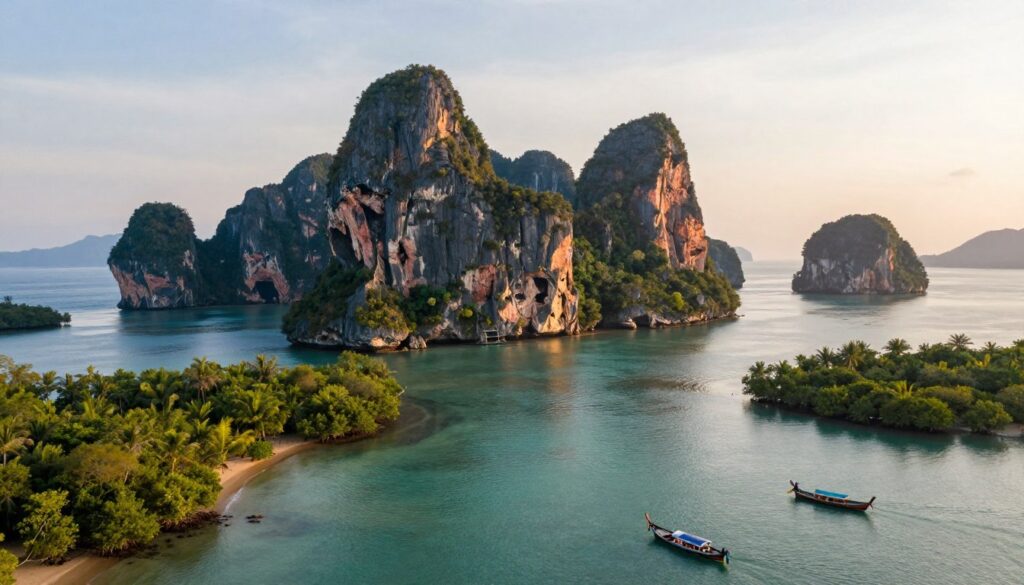
Iconic limestone karsts rise dramatically from Ao Phang Nga’s emerald waters
Ao Phang Nga National Park protects a spectacular bay dotted with limestone karsts. Over 100 islands rise vertically from the sea. Mangrove forests fringe the coastline. The park covers 400 square kilometers, mostly water. Hollywood made the park famous when filming “The Man with the Golden Gun” here in 1974.
James Bond Island
Ko Tapu, nicknamed James Bond Island, became one of Thailand’s most photographed landmarks. This vertical rock stack stands 20 meters tall, seemingly defying gravity. Thousands visit daily during high season. The island itself prohibits landing to prevent erosion. Nearby Ko Ping Kan island provides viewing platforms and photo opportunities.
Tours typically combine James Bond Island with other bay highlights. Longtail boats navigate between towering limestone formations. Many islands feature hidden lagoons called “hongs” accessible only at low tide. Kayaking through these lagoons reveals cave systems and sheltered beaches.
Koh Panyee Muslim Village
This unique floating village sits entirely on stilts above the water. Muslim fishing families have lived here for generations. The village includes a mosque, school, and restaurants. Visitors can explore wooden walkways connecting houses and shops. Fresh seafood restaurants serve lunch to tour groups. The community welcomes respectful tourists interested in their lifestyle.
Best Activities
- Sea kayaking through limestone caves and hongs
- Longtail boat tours to multiple islands
- Photography of dramatic karst landscapes
- Visiting traditional fishing villages
- Exploring mangrove forests by kayak
- Swimming in secluded lagoons
- Sunset cruises across the bay
Tour Options
Choose from various tour styles based on preferences and budget. Standard longtail boat tours visit 4-5 islands in half-day trips. Premium speedboat tours cover more ground with smaller groups. Kayak-focused tours spend maximum time paddling through caves. Overnight trips include sunset viewing and dinner at floating villages.
How to Get to Ao Phang Nga
Ao Phang Nga National Park location between Phuket and Krabi
Most tours depart from Phuket, just 75 kilometers south of the bay. The drive to boat departure points takes about 90 minutes. Tours also run from Krabi and Khao Lak. Departure piers include Ao Po Pier and Suwan Khuha Temple pier. Compare Phang Nga bay tour options and book online.
Independent travelers can drive to Phang Nga town and arrange boats at the pier. This offers flexibility but requires negotiating prices and itinerary. Most visitors prefer organized tours providing lunch, equipment, and guides. Full-day tours typically run from 8 AM to 5 PM.
Ready to Experience Thailand’s Natural Wonders?
Our team has personally explored every park on this list. We’ll help you select the perfect parks for your interests, arrange all transportation and guides, and handle complex logistics. Get your custom Thailand national parks itinerary created by local experts.
Or call our Thailand specialists directly:
10. Tarutao National Marine Park: Remote Island Sanctuary
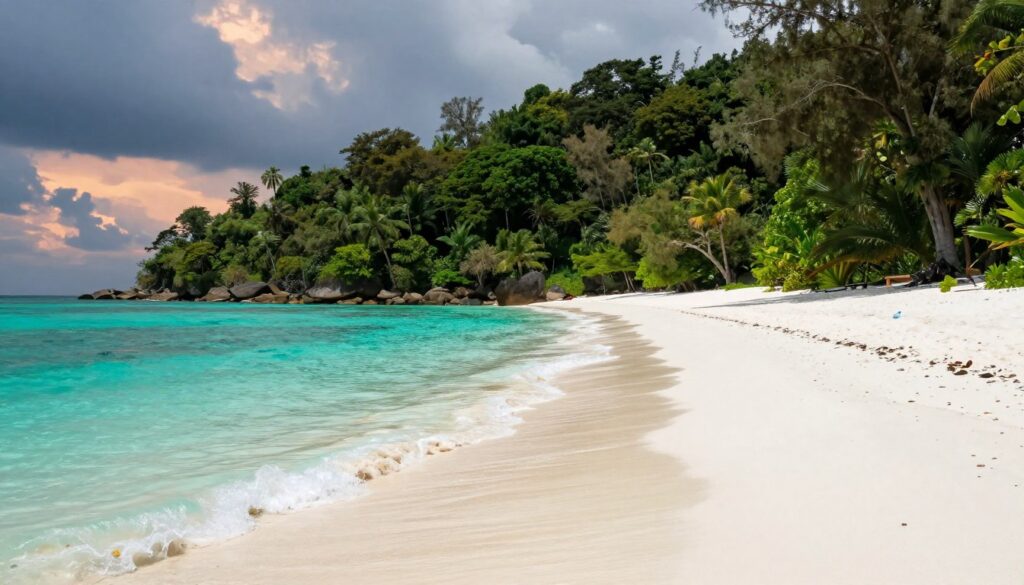
Tarutao’s untouched beaches offer true wilderness escape
Tarutao National Marine Park encompasses 51 islands near Thailand’s border with Malaysia. This remote archipelago in the Andaman Sea remains relatively undeveloped. The park protects 1,490 square kilometers of islands, reefs, and waters. Ko Tarutao island served as a prison colony until 1948. Today, it offers some of Thailand’s most pristine beaches and forests.
Ko Tarutao Island
The main island stretches 26 kilometers long and 11 kilometers wide. Dense rainforest covers most of the interior. Long empty beaches line the west coast. Ao Pante Malacca serves as the main arrival point with park headquarters. Basic bungalows and camping areas provide accommodation options. Trails lead to waterfalls, caves, and viewpoints.
The island’s prison history adds intrigue. Ruins of former prison buildings can be explored. Interpretive signs explain the camp’s operation. During World War II, supply disruptions turned the prison into a desperate survival situation. The isolated location prevented escapes. After closure, nature reclaimed most structures.
Ko Lipe and Ko Adang
Ko Lipe sits just outside the official park boundary. This small island developed into a backpacker haven. Dozens of resorts and restaurants now operate here. Lipe serves as the main base for exploring the marine park. Day trips reach surrounding uninhabited islands. Excellent snorkeling and diving sites scatter throughout the area.
Ko Adang remains undeveloped with camping facilities only. The island features dramatic cliffs and dense jungle. A steep trail climbs to a spectacular viewpoint overlooking multiple islands. The summit rewards hikers with 360-degree panoramas. Ko Adang’s beaches rival any in Thailand for beauty and solitude.
“Tarutao represents Thailand’s national parks as they should be – wild, pristine, and largely untouched by mass tourism. The remoteness filters out casual visitors, leaving paradise for those willing to make the effort.”
Marine Life and Diving
The park’s waters support healthy coral reefs. Over 25 percent of the world’s tropical fish species swim in these waters. Sea turtles nest on remote beaches. Dugongs inhabit seagrass beds though sightings remain rare. Dive sites offer walls, pinnacles, and coral gardens. Visibility averages 15-25 meters depending on season and location.
How to Get to Tarutao National Marine Park
Tarutao National Marine Park location in southern Thailand near Malaysia
The park operates seasonally from mid-November to mid-May when seas are calm. Boats depart Pak Bara pier in Satun province. The ferry to Ko Tarutao takes 90 minutes. Speedboats to Ko Lipe take 60 minutes. From Ko Lipe, arrange boat transfers to other islands. The nearest airport is in Hat Yai, 150 kilometers northeast of Pak Bara.
Most visitors fly to Hat Yai then take minivan transfers to Pak Bara. The drive takes about three hours. Advance booking recommended for boats during peak season. The park’s remote location and limited services mean bringing necessary supplies. Ko Lipe offers the most developed infrastructure for those wanting more comfort.
Planning Your Thailand National Parks Adventure
Thailand national parks offer incredible diversity. From mountain peaks to tropical islands, each park delivers unique experiences. The ten parks covered here represent the country’s finest protected areas. Whether seeking wildlife encounters, waterfall hikes, or beach paradise, Thailand’s national parks provide unforgettable adventures.
Choosing the Right Parks for Your Trip
Consider your interests and physical fitness when selecting parks. Khao Yai and Khao Sok offer the best wildlife watching opportunities. Doi Inthanon appeals to mountain lovers and those seeking cooler climates. Marine parks like Similan Islands and Mu Ko Ang Thong cater to divers and beach enthusiasts. Most visitors choose 2-3 parks to explore thoroughly rather than rushing through many.
Best Time to Visit
Cool season from November to February provides ideal conditions for most parks. Temperatures remain comfortable. Waterfalls flow well. Wildlife stays active. This period coincides with peak tourist season. Marine parks operate during this window when seas are calm. Hot season from March to May brings intense heat but fewer crowds. Rainy season from June to October creates lush landscapes though some parks limit access.
Essential Tips
- Book accommodations well in advance for peak season
- Hire local guides to maximize wildlife sightings
- Start hikes early to avoid midday heat
- Bring appropriate footwear for trails and water
- Pack insect repellent and sun protection
- Respect park rules and leave no trace
Sustainable Tourism Practices
Thailand’s national parks face increasing visitor pressure. Practice responsible tourism to protect these treasures. Stay on marked trails to prevent erosion. Never feed wildlife or disturb animals. Remove all trash including biodegradable items. Choose eco-certified tour operators. Support local communities through guided services and authentic experiences. Small actions collectively make significant impact preserving these natural wonders for future generations.
Each of these ten national parks deserves exploration. The variety ensures every traveler finds their perfect Thailand nature experience. From the misty peaks of Doi Inthanon to the pristine beaches of Tarutao, adventure awaits in Thailand’s protected wilderness areas.
Frequently Asked Questions About Thailand National Parks
Do I need permits to visit Thailand national parks?
Most Thailand national parks require only an entrance fee paid at the gate. Fees typically range from 200-400 baht for foreign adults. Some parks require advance registration for camping or overnight stays. Popular marine parks like Similan Islands sell limited daily entry tickets that can sell out during peak season. Book tours or permits in advance for these locations.
What is the best time of year to visit Thailand national parks?
November through February offers the best overall conditions. Temperatures stay moderate, humidity drops, and rainfall remains minimal. This cool season provides comfortable hiking weather and active wildlife. Marine parks operate only during this period due to rough seas at other times. March through May brings extreme heat. June through October is rainy season when some parks limit access due to flooding or trail conditions.
Can I visit multiple national parks in one trip?
Absolutely. Many travelers combine several parks in one Thailand trip. Khao Yai makes an easy addition to Bangkok itineraries. Khao Sok pairs well with Phuket or Krabi beach time. Northern parks like Doi Inthanon fit into Chiang Mai visits. Plan at least 1-2 full days per park to truly experience them. Focus on 2-3 parks rather than rushing through many. Geographic proximity helps – combine parks in the same region.
Are Thailand national parks safe for solo travelers?
Yes, Thailand national parks are generally safe for solo travelers. Stick to marked trails and inform rangers of your plans. Hire guides for remote areas or challenging treks. Wildlife poses minimal danger if you maintain proper distance. The main risks involve slippery trails, heat exhaustion, and getting lost. Travel during daylight hours. Join group tours if concerned about solo trekking. Park rangers assist visitors and most speak basic English.
What wildlife can I expect to see in Thailand national parks?
Wildlife sightings vary by park and season. Khao Yai offers the best chances for elephants, gibbons, and hornbills. Khao Sok harbors wild elephants and Malayan sun bears though sightings remain rare. Marine parks showcase sea turtles, tropical fish, and occasional dolphins. Monkeys appear frequently in most parks. Tigers and leopards exist in small numbers but rarely show themselves. Birds abound with over 1,000 species throughout Thailand’s parks. Hiring experienced guides dramatically increases wildlife encounter success.
Do I need special equipment to visit Thailand national parks?
Most parks require only basic hiking gear. Bring sturdy walking shoes with good grip. Water shoes help for waterfall visits. Pack sunscreen, insect repellent, and a hat. Lightweight rain jacket proves useful year-round. Reusable water bottle essential for staying hydrated. Marine parks provide snorkeling equipment on tours. Serious divers bring their own gear. Camera equipment optional but recommended for photography opportunities. Parks with overnight stays need sleeping bags if camping.