

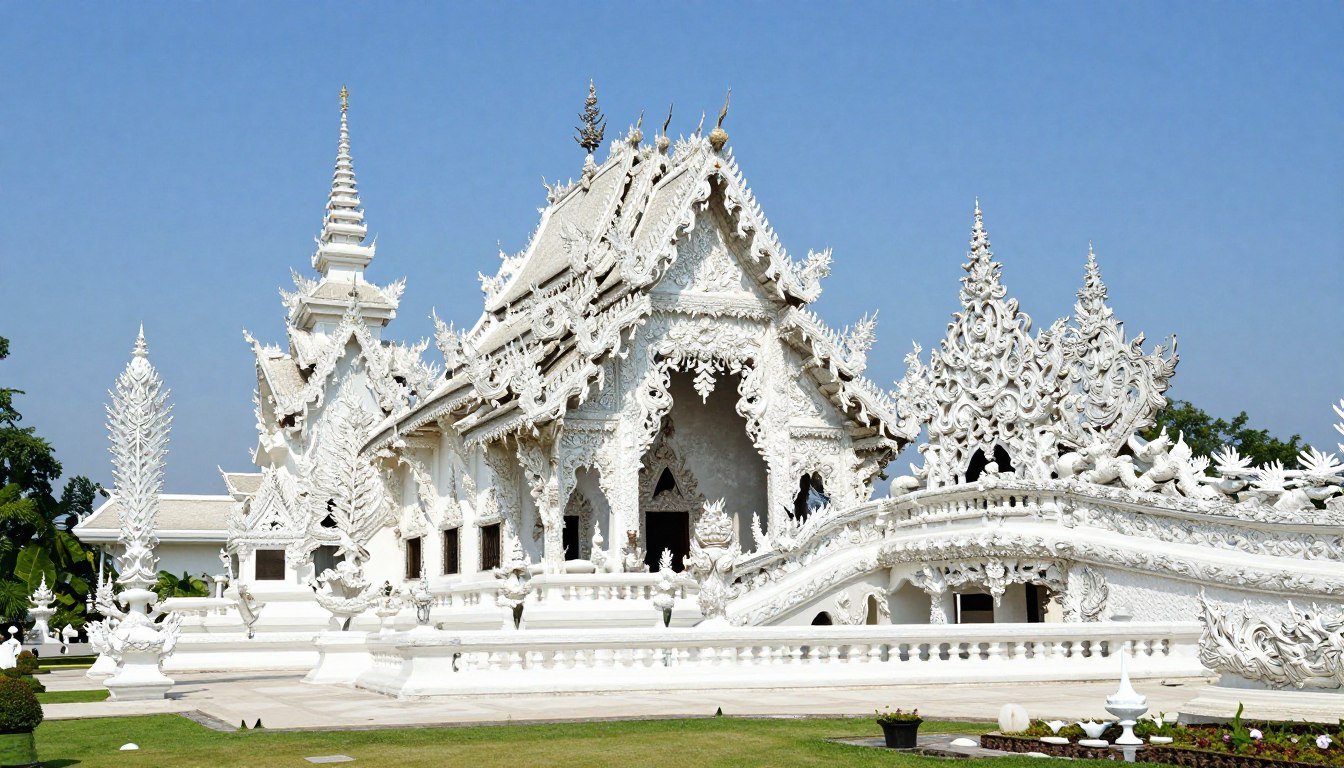
Chiang Rai stands as northern Thailand’s hidden artistic treasure. This gateway city to the Golden Triangle offers experiences that feel worlds apart from its larger neighbor, Chiang Mai.
Art lovers discover contemporary masterpieces at the White Temple. History enthusiasts explore the meeting point of three nations. Nature seekers find mist-covered mountains and emerald tea plantations just beyond the city limits.
This Chiang Rai travel guide covers everything you need for 2026. You will learn when to visit Chiang Rai, how to reach the famous temples, where to find authentic northern Thai food, and which day trips deserve your time.
The city rewards travelers who venture beyond Bangkok’s bright lights and Phuket’s beaches. Smaller crowds, lower prices, and genuine cultural encounters await those who make the journey north.
Secure Your Trip Before You Go
Comprehensive travel insurance protects you from medical emergencies, trip disruptions, and unexpected cancellations. Coverage starts at just $2 daily for complete peace of mind throughout your Chiang Rai adventure.
Best Time to Visit Chiang Rai: Seasonal Weather Guide
Your travel dates significantly impact your Chiang Rai experience. Each season brings different weather conditions and unique opportunities to visit Chiang Rai.
Cool Season: November Through February
The cool season delivers ideal conditions for exploring temples and outdoor attractions. Daytime temperatures hover between 20°C and 28°C with minimal rainfall.
Mornings can feel surprisingly cool in the mountains. Pack a light sweater for early visits to Phu Chi Fa or dawn photography sessions at the White Temple. Clear skies create perfect conditions for temple photography.
This period attracts peak visitor numbers. Popular sites like Wat Rong Khun see larger crowds between 10 AM and 2 PM. Hotel rates increase during December and January, especially around Christmas and New Year holidays.
The Chiang Rai Flower Festival brightens the city each February. Colorful parades and elaborate floral displays transform the streets into gardens.
Hot Season: March Through May
Heat intensifies from March onward with temperatures regularly exceeding 35°C. April typically records the highest temperatures of the year.
The burning season affects air quality during March and early April. Farmers clearing agricultural land create hazy conditions. Sensitive individuals should monitor air quality indexes during this period.
Songkran celebrations erupt across Chiang Rai from April 13 to 15. The Thai New Year transforms into a citywide water festival. Streets fill with locals and visitors engaging in spirited water fights.
Fewer tourists visit during hot months. You will find better accommodation deals and shorter lines at major attractions. Early morning temple visits beat the afternoon heat.
Rainy Season: June Through October
Monsoon rains arrive in June and continue through October. Most precipitation falls during short afternoon downpours rather than all-day rain.
Mornings typically stay dry and pleasant. Plan temple visits and outdoor activities before 2 PM. The countryside explodes in green as rice paddies and tea plantations flourish.
Accommodation prices drop significantly during rainy months. You will discover excellent value while experiencing fewer crowds at popular sites. The rainy season offers authentic glimpses of local life.
Smart Booking Strategy
Reserve accommodations and popular tours at least four weeks ahead for November through February visits. The White Temple tour groups and quality guesthouses fill quickly during peak season. Early booking guarantees better selection and pricing.
Festival Highlights
Time your visit around these cultural celebrations: Loy Krathong lantern festival in November, Chiang Rai Flower Festival in February, or Songkran water celebrations in April. Each event adds special magic to your northern Thailand experience.
Getting to Chiang Rai: Transportation Options for 2026
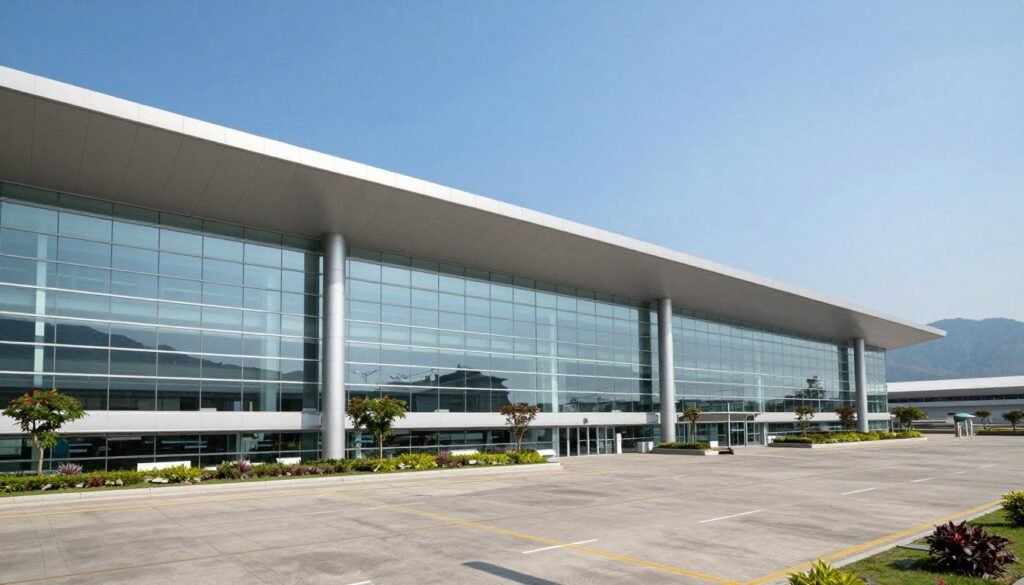
Several transportation routes connect Chiang Rai to other Thai destinations and international airports. Your choice depends on budget, schedule, and departure city.
Flying to Chiang Rai
Mae Fah Luang Chiang Rai International Airport receives domestic flights from Bangkok, Chiang Mai, and Phuket. International connections serve several Chinese cities plus limited Southeast Asian destinations.
The Bangkok to Chiang Rai flight takes approximately 90 minutes. Airlines including Thai Airways, Bangkok Airways, and budget carriers operate multiple daily departures. Advance booking often yields fares below 2,000 baht.
The airport sits about eight kilometers north of the city center. Taxi services charge fixed rates around 200 baht to downtown hotels. Ride-sharing apps operate from the airport with slightly lower fares.
Bus Services from Major Cities
Bus companies run comfortable coaches between Bangkok and Chiang Rai. VIP buses feature reclining seats, air conditioning, and onboard restrooms for the long journey.
The Bangkok route covers approximately 800 kilometers in 11 to 13 hours. Overnight departures let you sleep during travel and arrive fresh in the morning. Tickets cost 600 to 900 baht depending on service class.
Buses from Chiang Mai reach Chiang Rai in three to four hours. This popular route runs frequently throughout the day. The scenic journey showcases northern Thailand’s mountain landscapes.
Chiang Rai’s main bus terminal (Bor Kor Sor) sits about three kilometers southeast of the city center. Songthaews and taxis wait outside for arriving passengers.
Private Transportation
Renting a car provides flexibility for exploring Chiang Rai and surrounding areas. The drive from Chiang Mai follows well-maintained Highway 118 through scenic countryside.
International driving permits are required for foreign visitors. Traffic drives on the left side of the road. Mountain roads can be challenging for inexperienced drivers.
Private transfers and car services offer comfortable alternatives. These door-to-door services eliminate navigation concerns while costing more than public options.
Compare Transportation to Chiang Rai
Find the best prices on flights, buses, and private transfers to Chiang Rai. Book tickets in advance for guaranteed seats and preferred departure times. Compare all options in one place.
Getting Around Chiang Rai: Local Transportation in 2026
Chiang Rai offers multiple transportation options for navigating the city and reaching nearby attractions. The compact downtown area makes some destinations walkable.
Songthaews and Local Transport
Blue songthaews function as shared pickup trucks throughout Chiang Rai. These vehicles follow set routes around the city with flexible pickup and drop-off points.
Flag down any songthaew heading your direction. Rides within the city center cost 20 to 30 baht per person. Communicate your destination clearly before boarding to ensure the vehicle goes your way.
Songthaews operate primarily during daylight hours. Evening service becomes sporadic after 6 PM. Plan alternative transportation for late-night returns.
Tuk-Tuks for Short Trips
Three-wheeled tuk-tuks provide private transportation around Chiang Rai. Drivers congregate near the clock tower, night bazaar, and major hotels.
Negotiate fares before departure. Short trips within downtown should cost 60 to 100 baht. Longer journeys to attractions like Wat Rong Khun run 150 to 200 baht depending on negotiation skills.
Tuk-tuks work well for groups of two or three passengers. They offer more privacy than songthaews and navigate through traffic efficiently.
Grab and Ride-Sharing Services
Grab operates in Chiang Rai similarly to Uber in Western countries. The smartphone app displays exact fares before booking, eliminating price negotiations.
Both cars and motorcycle taxis use the Grab platform. Motorcycles cost less but only accommodate solo travelers with minimal luggage. They weave through traffic faster during busy periods.
Download the Grab app before arriving. Set up payment methods in advance for seamless transportation throughout your stay.
Bicycle and Scooter Rentals
Many guesthouses and dedicated shops rent bicycles for exploring the city. The relatively flat downtown area makes cycling manageable for most fitness levels.
Bicycle rentals typically cost 50 to 100 baht daily. Scooters rent for 150 to 250 baht per day. Always inspect the vehicle condition and photograph any existing damage before accepting.
An International Driving Permit is legally required for operating scooters. Police conduct regular license checks with fines reaching several thousand baht. Helmets are mandatory and usually included with rentals.
Important: Traffic Safety
Thailand ranks among the world’s most dangerous countries for road accidents. Wear helmets on motorcycles, avoid riding after dark on unfamiliar roads, and never operate vehicles after consuming alcohol. Your travel insurance may not cover accidents involving unlicensed vehicle operation.
Where to Stay in Chiang Rai: Accommodation Guide
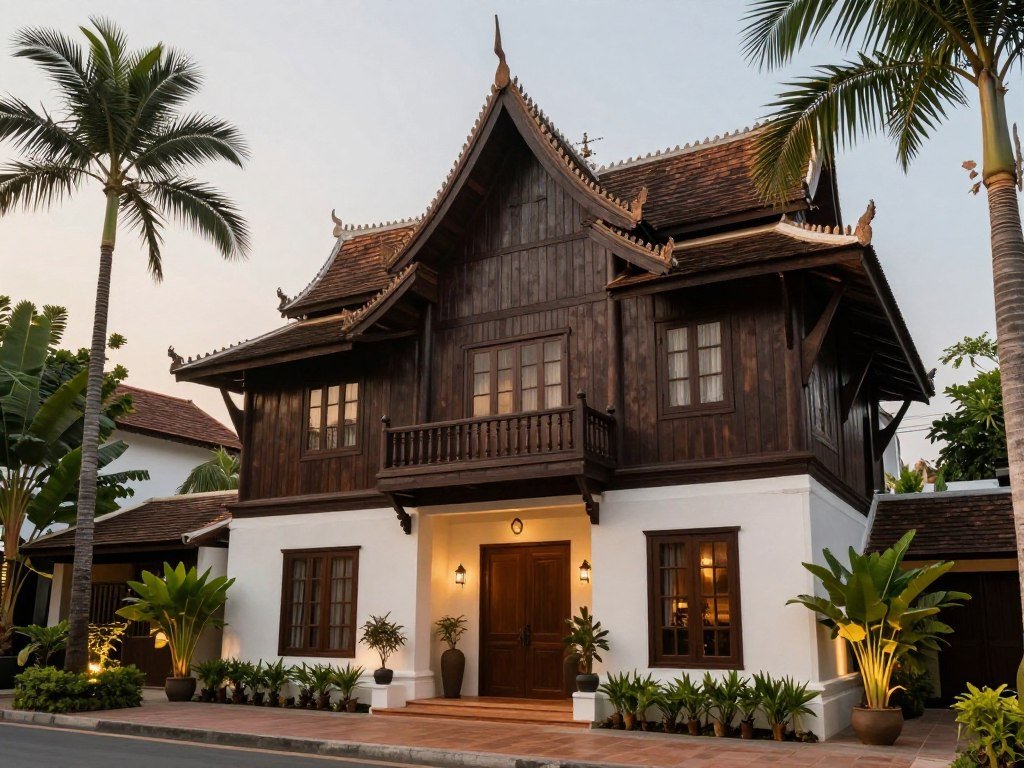
Selecting the right location and accommodation style enhances your Chiang Rai experience. The city offers diverse options across different neighborhoods and price ranges.
City Center: Convenient Base
The area around the clock tower serves as Chiang Rai’s central hub. This neighborhood places you within walking distance of the night bazaar, restaurants, banks, and local markets.
Accommodation ranges from basic guesthouses to mid-range hotels. The night bazaar operates just blocks away, offering evening entertainment and dining options. Temples like Wat Phra Kaew sit within easy reach.
Traffic noise can be noticeable on main roads. Request rooms facing interior courtyards or side streets for quieter rest. The central location compensates with convenience and accessibility.
Riverside: Peaceful Atmosphere
The Kok River area provides a more tranquil setting while remaining close to downtown. Several guesthouses and small resorts line the riverbank offering garden views and peaceful surroundings.
This zone suits travelers seeking relaxation after busy sightseeing days. River views and natural settings create calming environments. Downtown attractions remain accessible by short songthaew or tuk-tuk rides.
Fewer restaurants and shops operate in immediate proximity. Plan to travel to the city center for diverse dining options and evening activities.
Outskirts: Nature and Serenity
Properties outside the city offer mountain views and resort-style amenities. These accommodations work well for visitors prioritizing relaxation and nature over urban convenience.
Resorts near tea plantations or mountain viewpoints provide unique experiences. Swimming pools, spa facilities, and on-site restaurants become important amenities when staying outside town.
Transportation to city attractions requires planning. Rental vehicles or arranged tours work better than relying on public transport from remote locations.
Near the White Temple
Some travelers choose accommodations near Wat Rong Khun for easy temple access. This area sits about 13 kilometers south of the city center along Highway 1.
Staying near the White Temple allows early morning visits before tour buses arrive. You can photograph the temple in beautiful morning light without crowds. The location requires transportation for other Chiang Rai attractions.
Budget: Guesthouse Stay
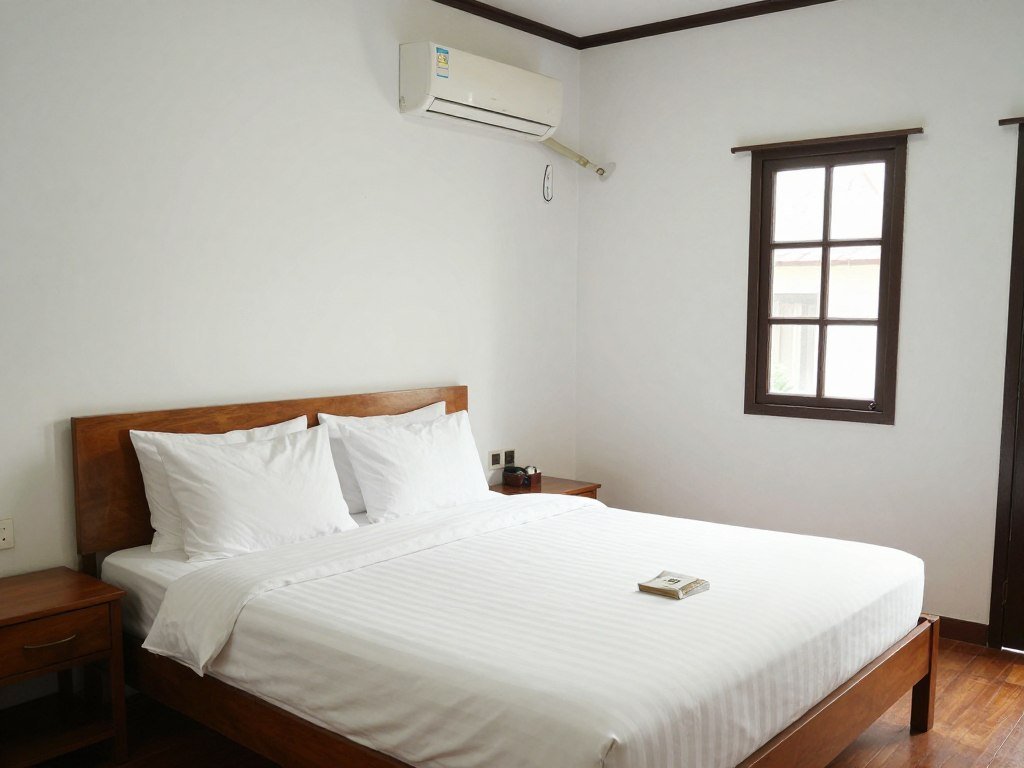
Family-run guesthouses offer private rooms from 300 to 600 baht nightly. Expect clean accommodations with fan or air conditioning, private bathrooms, and basic furnishings. Many include free WiFi and helpful owners who share local knowledge.
Mid-Range: Comfortable Hotel
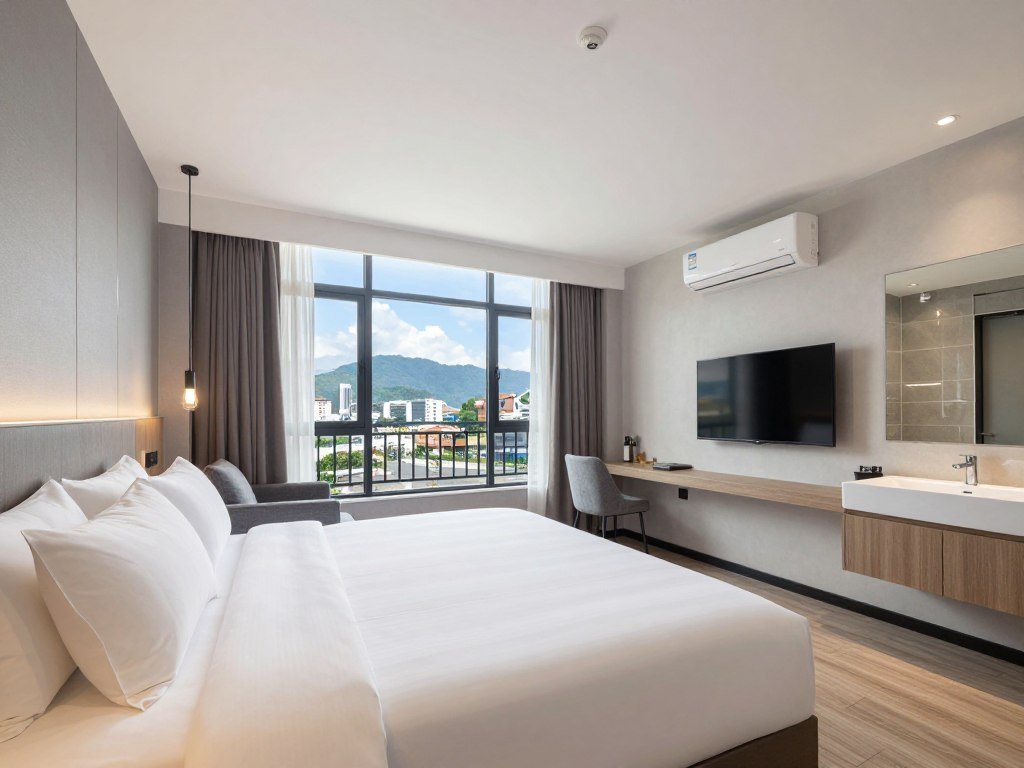
Three-star hotels charge 800 to 1,500 baht per night for superior comfort. Rooms include air conditioning, hot water, quality beds, and modern bathrooms. Many properties feature swimming pools, restaurants, and tour booking services.
Luxury: Resort Experience
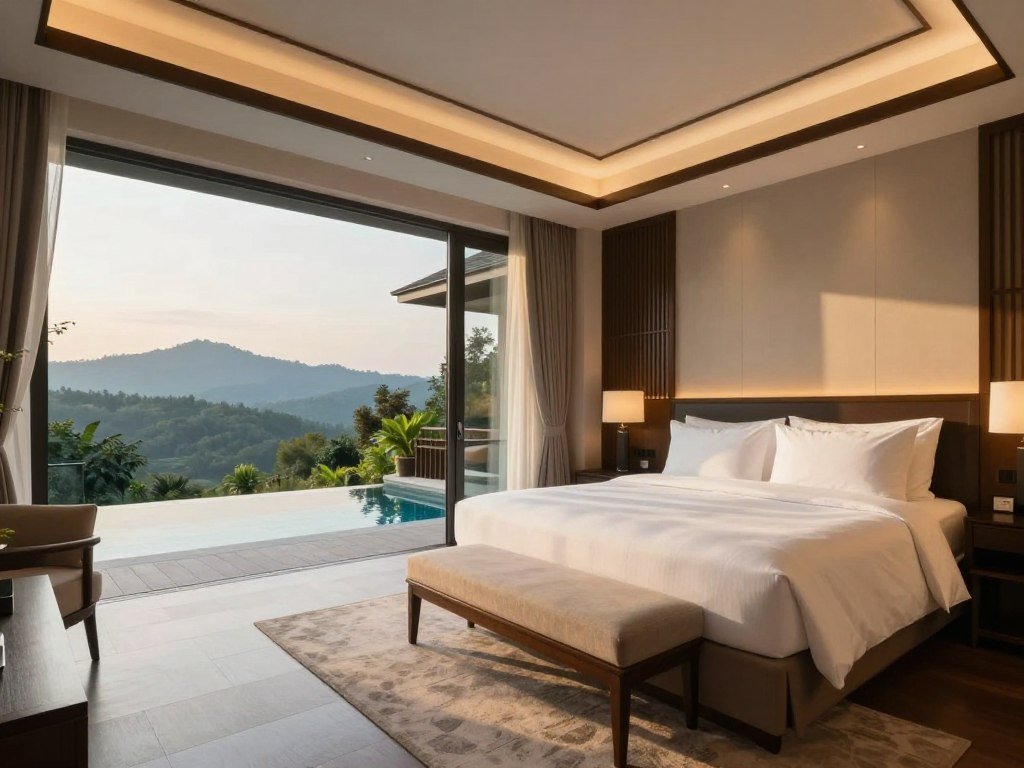
Upscale resorts and boutique properties range from 2,500 to 6,000+ baht nightly. Expect exceptional service, beautiful design, spa facilities, fine dining, and stunning locations. Perfect for special occasions or luxury seekers.
The White Temple: Wat Rong Khun Masterpiece
Wat Rong Khun stands as Chiang Rai’s most photographed attraction. Artist Chalermchai Kositpipat began this contemporary Buddhist temple in 1997, creating an ongoing masterpiece that redefines traditional temple architecture.
The all-white structure symbolizes Buddha’s purity. Thousands of mirrored glass pieces embedded in the plaster sparkle in sunlight, creating an otherworldly appearance. Every detail carries symbolic meaning, from the entrance bridge representing the transition from suffering to happiness.
Ornate sculptures cover every surface. Traditional Buddhist imagery mixes with contemporary pop culture references inside the main building. The artist uses modern icons to convey timeless spiritual lessons to younger generations.
The bridge of “the cycle of rebirth” leads visitors over a sea of reaching hands representing desire and suffering. This dramatic entrance prepares visitors for the temple’s deeper messages about human existence.
Photography is permitted in outdoor areas but strictly prohibited inside the main ordination hall. Signs clearly mark restricted zones. Respectful behavior is essential at this sacred artistic space.
Visiting the White Temple
Wat Rong Khun sits about 13 kilometers south of Chiang Rai city center on Highway 1. The temple opens daily from 8 AM to 5 PM with the last entry at 4:30 PM.
Entrance fees support ongoing construction and maintenance. Foreign visitors pay 100 baht while Thai nationals enter free. The fee grants access to all public areas including the golden building and art gallery.
Arrive early for the best experience. Tour buses flood the site between 10 AM and 2 PM. Early morning visits around 8 AM or late afternoon after 3 PM offer smaller crowds and superior lighting for photographs.
Dress modestly with covered shoulders and knees. Remove shoes before entering buildings. The temple provides sarongs and coverings for visitors wearing inappropriate clothing, but bringing proper attire saves time.
Allow at least 90 minutes to fully appreciate the complex. The main white temple, golden building, art gallery, and grounds each deserve exploration. Detailed observation reveals hidden artistic elements throughout.
Guided White Temple Tour with Hotel Pickup
Skip the transportation hassle with a comprehensive guided tour. Expert English-speaking guides explain the symbolism and stories behind the artwork. Tours include hotel pickup, entrance fees, and visits to additional temples around Chiang Rai.
Beyond the White Temple
The temple complex continues expanding. New buildings and sculptures appear regularly as the artist realizes his grand vision. Construction is expected to continue for decades, with each visit potentially revealing new elements.
The golden building serves as restrooms, featuring elaborate decorations that transform functional spaces into art installations. Even these facilities reflect the project’s uncompromising artistic vision.
An art gallery near the entrance displays Chalermchai’s paintings and designs. The exhibition provides context for understanding his unique artistic style and Buddhist philosophy.
Blue Temple and Other Sacred Sites in Chiang Rai
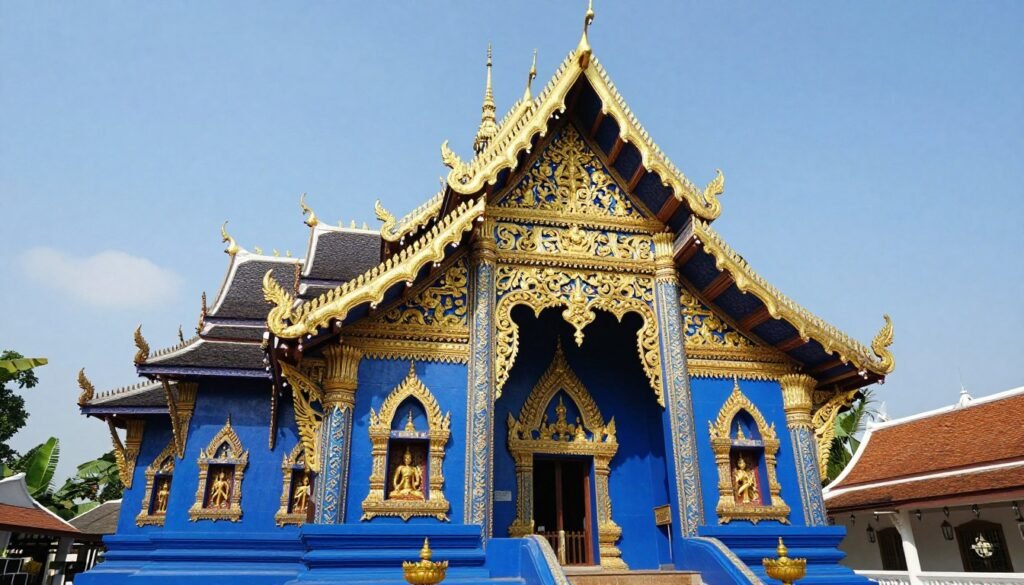
While the White Temple draws most attention, Chiang Rai shelters numerous other significant temples. Each offers unique architecture and spiritual experiences.
Wat Rong Suea Ten: The Blue Temple
Wat Rong Suea Ten explodes with vibrant blue and gold colors. This contemporary temple was completed in 2016 by students of the White Temple’s creator, carrying forward his innovative approach to sacred architecture.
The striking blue color represents Buddhist wisdom and the ascension to heaven. Golden details accent the blue base, creating a visual impact rivaling its famous white counterpart. The color scheme feels both traditional and daringly modern.
The main ordination hall interior showcases an enormous white Buddha statue against deep blue walls covered in intricate murals. The artwork depicts Buddhist cosmology with contemporary artistic techniques.
The temple sits within Chiang Rai city limits, making access easier than the White Temple. Entry is free, though donations support ongoing maintenance. The site sees fewer visitors, allowing more peaceful contemplation.
Photography is permitted throughout the complex. The blue temple photographs beautifully during the golden hour before sunset when warm light contrasts with cool blue tones.
Wat Huay Pla Kang: The Big Buddha
Wat Huay Pla Kang features an enormous white Guanyin statue visible from kilometers away. This nine-story Chinese-style temple reflects the region’s diverse cultural influences.
The 79-meter tall goddess of mercy statue dominates the skyline northwest of the city. An elevator inside the statue carries visitors to viewpoints offering panoramic vistas of the surrounding countryside.
The main temple building displays Chinese architectural elements alongside Thai Buddhist design. The fusion represents the significant Chinese population’s cultural contributions to northern Thailand.
The temple complex sits about 10 kilometers from the city center. Most visitors combine this stop with trips to the White Temple or Blue Temple. Entry is free with donations encouraged.
Wat Phra Kaew: Historical Significance
Wat Phra Kaew holds deep historical importance despite modest appearances. This temple once housed the Emerald Buddha now residing in Bangkok’s Grand Palace.
A replica Emerald Buddha sits in the temple’s main hall. The original was discovered here in 1434 when lightning struck the chedi, revealing the precious statue inside.
The temple sits in central Chiang Rai near the city pillar shrine. The location makes it easy to combine with downtown exploration. The peaceful grounds offer respite from surrounding urban activity.
Temple Visit Tips
- Start with the White Temple at 8 AM before crowds arrive
- Visit the Blue Temple in late afternoon for beautiful lighting
- Dress modestly for all temples – cover shoulders and knees
- Bring small bills for donation boxes at each temple
- Remove shoes before entering any temple building
- Stay hydrated and use sunscreen between sites
Common Mistakes to Avoid
- Arriving at popular temples during midday tour bus rush
- Wearing inappropriate clothing requiring cover-up rentals
- Taking photos in prohibited areas like ordination halls
- Touching Buddha images or showing disrespect
- Rushing through temples without appreciating details
- Forgetting water and sun protection during temple tours
Baan Dam Museum: The Black House Experience
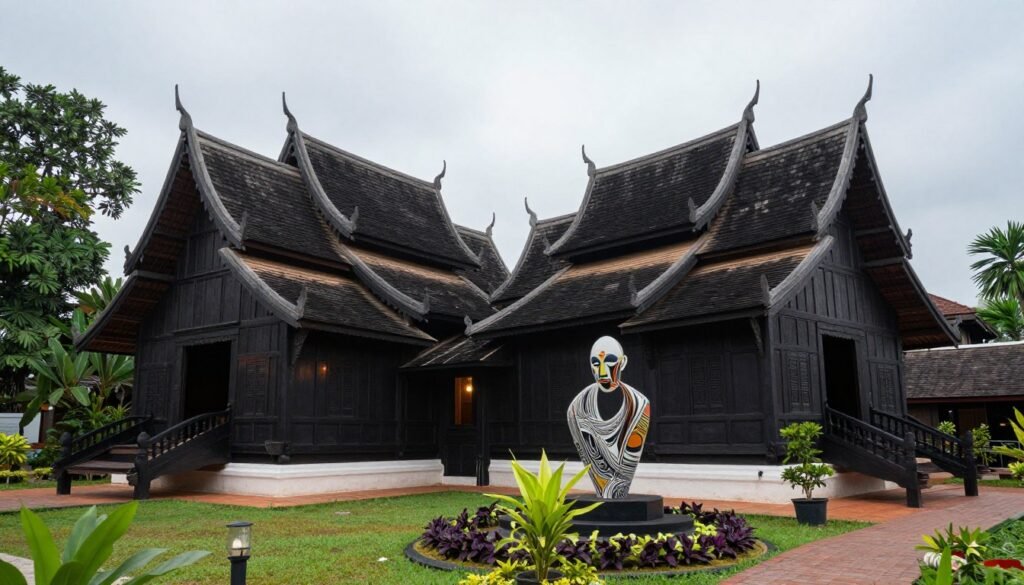
Baan Dam Museum offers a stark counterpoint to the White Temple’s heavenly aesthetic. National Artist Thawan Duchanee created this collection of nearly 40 black buildings exploring themes of death, darkness, and the shadow aspects of human nature.
The structures showcase traditional Lanna architecture reimagined in dark tones. Black-stained teak wood and dark paint create dramatic exteriors. The buildings range from large halls to small pavilions scattered across landscaped grounds.
Interior displays feature unusual collections including animal bones, skins, horns, and hunting trophies. The artist incorporated these elements into furniture, sculptures, and installations exploring mortality and the relationship between humans and nature.
While some find the dark themes unsettling, the craftsmanship and artistic vision command respect. The buildings themselves represent masterful traditional construction techniques applied to contemporary artistic expression.
The museum sits about 10 kilometers north of Chiang Rai near the village of Nang Lae. The location along Highway 1 makes it accessible for visitors heading to or from Mae Sai and the Golden Triangle.
Visiting Baan Dam Museum
The museum opens daily from 9 AM to 5 PM except during occasional closures for maintenance or private events. Entrance fees are 80 baht for foreign visitors with proceeds supporting site preservation.
Allow at least 90 minutes to explore the grounds and buildings thoroughly. The property spans several acres with buildings connected by walking paths through gardens.
Photography is permitted throughout the site. The dark architecture photographs dramatically against green gardens and blue skies. Artistic compositions abound in the architectural details and sculptural elements.
The site offers limited shade. Visit during cooler morning hours or late afternoon to avoid the strongest sun. Bring water as few vendors operate in the immediate area.
Understanding the Artist’s Vision
Thawan Duchanee worked on Baan Dam from 1975 until his death in 2014. The project expressed his philosophical explorations of darkness, death, and spiritual transformation.
While the White Temple represents purity and heaven, Baan Dam acknowledges life’s shadow aspects. The contrast between these two artistic visions represents complementary perspectives on Buddhist philosophy and human existence.
Many visitors tour both sites in a single day to experience the full spectrum from white to black, light to dark, heaven to earth. The juxtaposition deepens appreciation for each artist’s unique vision.
Golden Triangle Day Trip from Chiang Rai
The Golden Triangle marks the meeting point where Thailand, Myanmar, and Laos converge along the Mekong River. This historically significant region once served as the heart of Southeast Asia’s opium production.
The area gained its name from the opium trade that flourished here for decades. While opium production has largely ceased, the region’s fascinating history draws visitors interested in understanding this complex past.
The viewpoint at Sop Ruak village offers panoramic vistas where the Ruak River joins the Mekong. Thailand lies on one bank while Myanmar and Laos occupy opposite shores. The geographical convergence creates a powerful sense of standing between nations.
Several museums explain the Golden Triangle’s history. The Hall of Opium presents comprehensive exhibits on opium cultivation, addiction, and the social impacts of the drug trade. The museum takes an educational approach to this difficult subject.
The House of Opium operates as a smaller private museum displaying tools and artifacts from the opium era. Exhibits include opium pipes, weights, and photographs documenting the trade’s history.
Reaching the Golden Triangle
The Golden Triangle sits about 60 kilometers north of Chiang Rai near the town of Chiang Saen. The drive takes approximately 90 minutes through scenic countryside.
Organized day tours from Chiang Rai typically combine the Golden Triangle with stops at the White Temple, Blue Temple, and Mae Sai border market. Full-day tours run from 8 AM to 6 PM including lunch.
Independent travelers can reach the area by rental vehicle or hired songthaew. Public buses run from Chiang Rai to Chiang Saen with less frequent connections to the actual Golden Triangle viewpoint.
Boat tours on the Mekong River depart from Sop Ruak. Short cruises explore the river border for 30 to 45 minutes. Some tours stop at Don Sao Island in Laotian waters for duty-free shopping.
Golden Triangle Full-Day Tour
Explore the Golden Triangle region with expert guides who bring history to life. Tours include the tripoint viewpoint, Hall of Opium museum, Chiang Saen temples, Mae Sai border market, and lunch. Hotel pickup and drop-off included.
Mae Sai: Thailand’s Northern Border
Mae Sai marks Thailand’s northernmost point, where a bridge crosses into Myanmar’s Tachileik. The border town buzzes with cross-border commerce and cultural exchange.
The market along the main street sells everything from Burmese handicrafts to Chinese electronics. Vendors display jade, textiles, tea, and countless other goods. Bargaining is expected and part of the experience.
Visitors with proper documentation can cross into Myanmar for a few hours. A day pass costs $10 or 500 baht and permits exploration within Tachileik town only. Bring your passport and check current border crossing regulations before attempting to cross.
The border viewpoint near Wat Phra That Doi Wao overlooks the town and Myanmar beyond. The climb rewards visitors with panoramic views and a hilltop temple complex.
Chiang Saen: Ancient Capital
Chiang Saen served as an important kingdom center centuries before Chiang Rai existed. Ancient ruins and temples scattered around the modern town reveal its historical significance.
Wat Phra That Chedi Luang features a large Lanna-style chedi dating to the 14th century. The partially ruined structure evokes the passage of time and former glories.
The Chiang Saen National Museum displays artifacts excavated from the area. Bronze Buddha images, pottery, and historical exhibits explain the region’s ancient history.
The quiet riverside town moves slowly compared to tourist-heavy destinations. The relaxed atmosphere and historical sites reward visitors who venture beyond the Golden Triangle viewpoint.
Food and Dining in Chiang Rai: Northern Thai Cuisine
Chiang Rai’s food scene blends northern Thai traditions with influences from neighboring Myanmar and Yunnan, China. The local cuisine offers distinct flavors different from central Thai cooking found in Bangkok.
Khao Soi: Regional Specialty
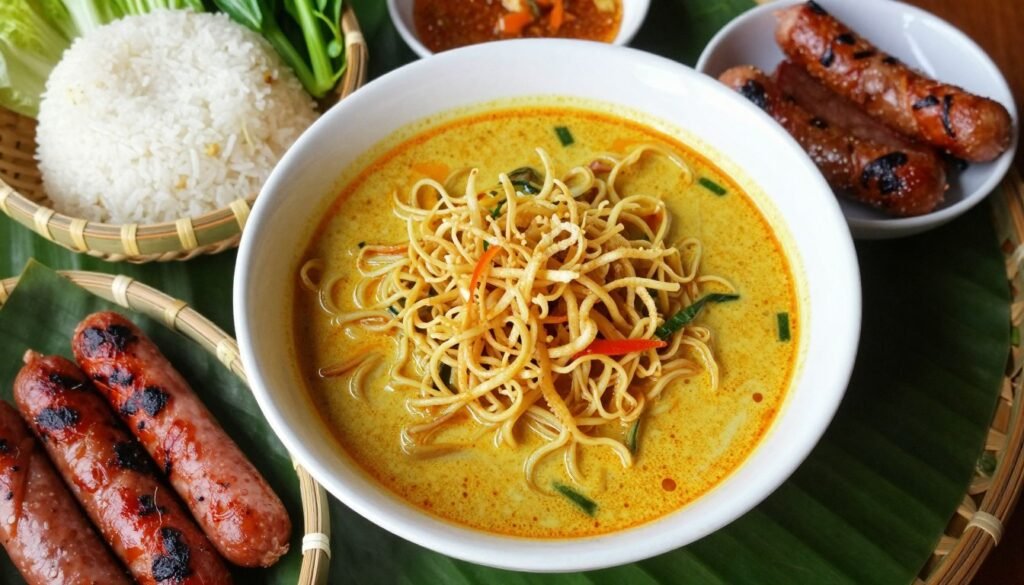
Khao soi dominates northern Thai menus despite originating from Burmese cuisine. The coconut curry noodle soup combines soft egg noodles in rich broth topped with crispy fried noodles, pickled cabbage, and lime.
Chiang Rai versions tend slightly less rich than Chiang Mai interpretations. Local shops each guard their own recipe variations. Some add more chili heat while others emphasize coconut creaminess.
Small family restaurants throughout the city serve khao soi from late morning through early afternoon. Prices range from 40 to 70 baht per bowl. Most shops close once the soup sells out.
Kaeng Hang Lay: Pork Belly Curry
This Burmese-influenced curry features tender pork belly slow-cooked in a mildly sweet and savory sauce. Tamarind, ginger, and turmeric create complex flavors unlike typical Thai curries.
The dish pairs perfectly with sticky rice, which soaks up the flavorful sauce. Many restaurants serve kaeng hang lay as part of northern Thai set meals alongside other regional specialties.
Sai Oua: Northern Sausage
Sai oua sausage contains minced pork mixed with lemongrass, kaffir lime leaves, galangal, and aromatic herbs. The distinctive flavor profile sets it apart from any other Thai sausage.
Markets and street vendors grill fresh sausages throughout the day. The aroma draws attention from blocks away. Vendors typically serve sai oua with sticky rice and fresh vegetables for 30 to 50 baht.
The night bazaar features several sai oua vendors. Buying directly from market stalls ensures freshness while supporting local food vendors.
Where to Eat in Chiang Rai
The Chiang Rai night bazaar food section offers the widest variety in one location. Dozens of stalls serve everything from pad thai to regional specialties. Prices stay reasonable with most dishes costing 40 to 80 baht.
Pho Chai Restaurant near the clock tower serves excellent northern Thai dishes in a simple local setting. The menu includes hard-to-find regional specialties. Expect to pay 60 to 120 baht per dish.
Melt In Your Mouth operates a popular local restaurant specializing in northeastern Isaan cuisine alongside northern dishes. The grilled chicken and papaya salad draw devoted regulars. Located on Thanalai Road, the restaurant opens daily for lunch and dinner.
Vegetarian and vegan travelers find options at several restaurants around the city. Phu Lae serves vegetarian Thai and international dishes near the city center. The menu clearly marks vegan options.
Markets and Street Food
The morning market near Wat Ming Muang operates daily from dawn until mid-morning. Local people shop for fresh produce, prepared foods, and breakfast items. Visitors can sample authentic street food at rock-bottom prices.
Walking Street market takes over Thanalai Road every Saturday evening. Food vendors set up alongside craft sellers creating a festive atmosphere. This weekly event offers excellent people-watching and snacking opportunities.
Chiang Rai Cooking Class Experience
Learn to prepare authentic northern Thai dishes in a hands-on cooking class. Visit local markets, select fresh ingredients, and cook traditional recipes including khao soi and som tam. Small groups ensure personal attention from expert instructors.
Chiang Rai Night Bazaar and Shopping Markets
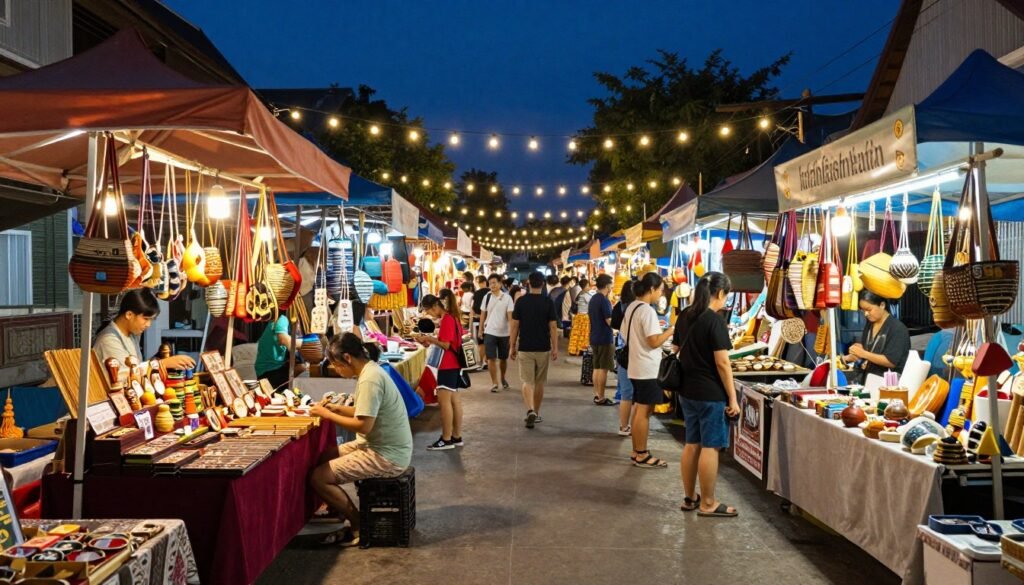
Markets define the shopping experience in Chiang Rai. Evening markets combine commerce with entertainment while daytime markets serve local needs.
Chiang Rai Night Bazaar
The Chiang Rai night bazaar operates every evening near the bus station. This permanent market features dozens of stalls selling handicrafts, clothing, accessories, and souvenirs aimed at tourists.
Hill tribe crafts include embroidered textiles, silver jewelry, and woven bags. Quality varies significantly between vendors. Take time to compare similar items at multiple stalls before committing to purchases.
The food court section serves northern Thai dishes, grilled meats, fresh fruit smoothies, and desserts. The relaxed atmosphere encourages lingering over dinner while live music performances provide entertainment.
Prices at the night bazaar generally target tourists. Bargaining can reduce prices by 20 to 30 percent. Remain friendly and respectful during negotiations as aggressive bargaining is considered rude.
The market opens around 6 PM and runs until 11 PM daily. Peak activity occurs between 7 PM and 9 PM when both tourists and locals fill the walkways.
Saturday Walking Street Market
Every Saturday evening, Thanalai Road transforms into a pedestrian walking street market. This weekly event feels more authentic than the nightly bazaar with better prices and quality.
Local artisans and vendors sell handmade crafts, artwork, plants, vintage items, and food. The selection emphasizes locally-made goods over mass-produced tourist souvenirs.
Street musicians and performers add to the festive atmosphere. Families with children, young couples, and elderly locals stroll together creating genuine community feeling.
The market runs from approximately 4 PM to 10 PM every Saturday. Arrive early for the best selection before popular items sell out.
Central Plaza and Shopping Malls
Central Plaza anchors modern shopping in Chiang Rai. This air-conditioned mall contains Thai retail chains, international brands, a food court, and a cinema.
The mall provides refuge during hot afternoons or rainy weather. Prices stay fixed without bargaining, offering transparent shopping for those uncomfortable with market negotiations.
Big C Supercenter near the city center supplies groceries and household goods at local prices. The store stocks Western products alongside Thai goods. Useful for long-term visitors or those seeking specific ingredients.
Tea Plantations and Natural Attractions Around Chiang Rai
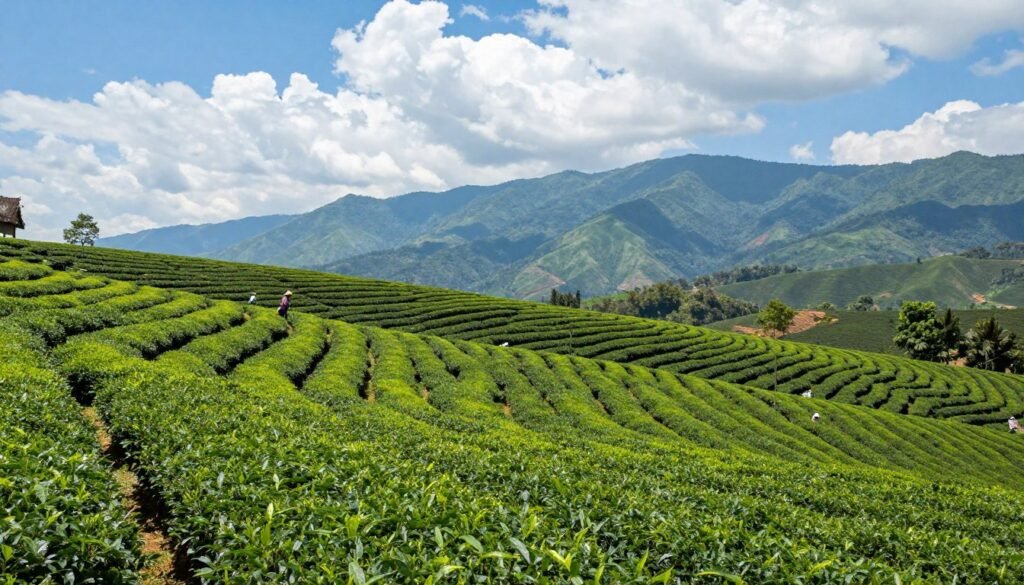
The mountains surrounding Chiang Rai support tea cultivation and offer stunning natural scenery. Several plantations welcome visitors to experience tea culture firsthand.
Choui Fong Tea Plantation
Choui Fong ranks as Chiang Rai’s most developed tea plantation tourism destination. Rolling hillsides covered in tea bushes create Instagram-worthy landscapes.
The plantation sits about 40 kilometers north of the city near Mae Chan. The drive takes approximately one hour through scenic countryside.
Visitors can walk through tea fields, photograph the stunning vistas, and sample various tea varieties in the on-site café. The café serves tea-infused desserts and dishes alongside spectacular valley views.
Entrance to the plantation is free. The business model relies on café and shop sales rather than admission fees. Most visitors spend 60 to 90 minutes exploring the grounds and enjoying refreshments.
Singha Park
Singha Park combines agricultural tourism with recreation on a massive property owned by the Singha beer company. The park features tea plantations, barley fields, farm animals, and adventure activities.
Free tram tours circle the vast property explaining agricultural operations. Bicycle rentals allow independent exploration of the scenic grounds. A zip-line course and other activities cater to adventure seekers.
The park sits just outside Chiang Rai on the road toward Chiang Saen. Entry is free with charges only for specific activities and food. The beautifully landscaped grounds make pleasant afternoon destinations.
Phu Chi Fa: Mountain Viewpoint
Phu Chi Fa delivers jaw-dropping sunrise views from a cliff-top viewpoint on the Thai-Lao border. On clear mornings, a sea of mist fills the valleys while mountain peaks emerge like islands.
The viewpoint requires an early start. Most visitors depart Chiang Rai around 3:30 AM to arrive before dawn. The rough road takes about 90 minutes to drive.
Basic accommodations near the viewpoint allow overnight stays avoiding the predawn drive. Sleeping bags or warm clothing are essential as temperatures drop significantly at this elevation.
The best weather for visiting Phu Chi Fa occurs during cool season from November through February. Mist formations peak during these months creating magical conditions.
Doi Tung Royal Villa and Garden
The late Princess Mother’s mountain retreat features beautiful Swiss-style architecture and elaborate gardens. The royal project transformed this area from opium-growing region to sustainable agricultural showcase.
The Mae Fah Luang Garden displays thousands of flowering plants across meticulously landscaped hillsides. Walking paths wind through themed gardens featuring temperate climate plants rare in tropical Thailand.
The villa itself opens for tours showcasing the Princess Mother’s personal quarters and royal memorabilia. Respectful dress is required as this remains a sacred site honoring beloved royalty.
Doi Tung sits about 45 kilometers from Chiang Rai near the Myanmar border. Combined tickets grant access to both the garden and villa at reduced prices compared to separate admission.
Day Trips Around Chiang Rai in 2026
The region surrounding Chiang Rai offers diverse destinations within day-trip distance. These excursions provide variety beyond the city’s main attractions.
Chiang Khong and the Mekong
Chiang Khong hugs the Mekong River directly across from Laos. The sleepy border town offers river views, laid-back atmosphere, and cross-border shopping opportunities.
The Fourth Thai-Lao Friendship Bridge connects Thailand to Laos here. Visitors with valid visas can cross for Lao stamps and shopping in Houayxay. The border crossing takes about 30 minutes each direction.
Riverside restaurants serve Mekong fish specialties while overlooking river traffic. The town moves slowly, providing peaceful contrast to busier tourist destinations.
Chiang Khong sits about 60 kilometers from Chiang Rai along scenic Highway 1129. The drive takes approximately 90 minutes through rural countryside.
Doi Mae Salong: Tea and Chinese Culture
Doi Mae Salong occupies a mountain ridge settled by former Chinese Nationalist soldiers after 1949. The community maintains distinct Chinese character visible in architecture, language, and culture.
Tea shops line the steep main street selling locally-grown oolong tea. The mountain climate produces high-quality tea comparable to Chinese and Taiwanese varieties.
Guesthouses offer stunning mountain views and cool temperatures. Many visitors overnight here escaping lowland heat. Morning mist often blankets the valleys creating atmospheric conditions.
The winding mountain road from Chiang Rai takes about two hours. The route features hundreds of curves climbing to over 1,000 meters elevation. Those prone to motion sickness should consider medication.
Akha and Lahu Hill Tribe Villages
Several hill tribe communities near Chiang Rai welcome respectful visitors. These ethnic minority groups maintain traditional cultures distinct from mainstream Thai society.
Organized tours provide cultural context and ensure visits benefit communities rather than exploit them. Responsible tour operators work directly with villages, ensuring tourism income reaches residents.
Photography requires permission and sensitivity. Some tribal groups have religious beliefs against having photos taken. Always ask before photographing people, especially at ceremonies or sacred sites.
Village visits work best when combined with trekking or other activities. Half-day to multi-day treks through mountains include village homestays providing deeper cultural immersion.
Interactive map showing Chiang Rai city and key attractions including temples, the Golden Triangle, and nearby natural sites
Practical Travel Tips for Visiting Chiang Rai in 2026
These essential details help your Chiang Rai visit run smoothly. Understanding practical matters prevents common problems.
Money Matters
Thai baht is the only accepted currency. ATMs throughout Chiang Rai dispense cash using foreign cards. Thai banks charge 220 baht per withdrawal plus your home bank’s international fees.
Exchange booths near the night bazaar and clock tower offer competitive rates for changing foreign currency. Rates typically beat banks and airport exchanges. Bring clean, newer bills in good condition for best exchange rates.
Credit cards work at hotels and some restaurants but most businesses operate cash-only. Carry sufficient baht for daily expenses including food, transportation, and shopping.
Daily budgets vary by travel style. Budget travelers can manage on 800 to 1,200 baht covering basic accommodation, street food, and local transport. Mid-range budgets of 2,000 to 3,500 baht allow comfortable hotels and restaurant meals. Luxury travelers easily spend 5,000+ baht daily.
Staying Connected
Thai mobile networks provide excellent coverage throughout Chiang Rai. AIS, DTAC, and TrueMove sell tourist SIM packages at the airport and 7-Eleven stores.
Tourist SIM packages include 10 to 20GB data plus calling credit for 7 to 30 days. Prices range from 299 to 599 baht. Data speeds support navigation apps, social media, and video calls.
Free WiFi functions at most hotels, guesthouses, cafes, and restaurants. Speeds suffice for messaging and browsing. Large file uploads may require patience.
Health and Safety
Chiang Rai remains very safe for travelers. Violent crime is extremely rare. Petty theft occasionally occurs in crowded markets and on public transport. Use common sense securing valuables.
Never drink tap water. Purchase bottled water or use filtered water at accommodations. Ice in restaurants generally comes from purified sources and is safe.
Overland Hospital Chiang Rai provides international-standard medical care. English-speaking staff treat foreign patients regularly. Travel insurance should cover treatment costs at private facilities.
Dengue fever occurs year-round with higher risk during rainy season. Apply mosquito repellent containing DEET, especially during dawn and dusk. Accommodations with screens and air conditioning reduce exposure.
Important: Burning Season Air Quality
Air quality deteriorates significantly during March and early April burning season. Those with respiratory conditions should avoid these months or wear N95 masks outdoors. Monitor Air Quality Index readings and limit outdoor activities when pollution reaches unhealthy levels.
Cultural Etiquette
Thai culture values politeness and respect above directness. Maintain calm demeanor even when frustrated. Raising your voice or showing anger causes embarrassment and loses respect.
The monarchy commands deep reverence. Never criticize or joke about royal family members. Strict laws prohibit any perceived insult to royalty with serious penalties.
Buddhist monks deserve special respect. Women should never touch monks or hand items directly to them. Place offerings on a cloth for monks to retrieve.
Remove shoes before entering temples, homes, and some shops. Look for shoes left by the door as a signal. Feet are considered spiritually lowest, so never point feet at people or Buddha images.
Visa Information
Many nationalities receive 30-day visa exemptions on arrival at Thai airports and land borders. Check current requirements for your specific passport before traveling.
Visa extensions cost 1,900 baht and grant an additional 30 days. The Chiang Rai Immigration Office processes extensions. Bring your passport, departure card, passport photo, and copies of relevant passport pages.
Visitors planning extended stays should research appropriate visa categories before arriving. Tourist visas issued at Thai embassies abroad provide 60 days with possible extension.
Sample Chiang Rai Itineraries for Different Trip Lengths
These suggested schedules help organize your time based on available days. Adjust activities to match personal interests and energy levels.
Two-Day Express Itinerary
Day One: Start early at Wat Rong Khun White Temple arriving at 8 AM. Spend 90 minutes exploring before tour buses arrive. Return to the city for lunch at a local restaurant. Visit Wat Rong Suea Ten Blue Temple in the afternoon around 3 PM for beautiful lighting. Spend the evening at Chiang Rai night bazaar sampling street food and browsing handicrafts.
Day Two: Depart for Golden Triangle area around 8 AM. Visit the tripoint viewpoint and Hall of Opium museum. Continue to Mae Sai for border market shopping and optional Myanmar crossing. Return through Chiang Saen to see ancient temples if time permits. Arrive back in Chiang Rai by 6 PM.
Four-Day Cultural Exploration
Day One: White Temple in the morning, Blue Temple in the afternoon, night bazaar in the evening as per two-day itinerary.
Day Two: Golden Triangle full-day tour including Mae Sai and Chiang Saen temples as described above.
Day Three: Visit Baan Dam Museum (Black House) in the morning. Afternoon at Choui Fong tea plantation enjoying scenery and tea tasting. Evening cooking class learning northern Thai cuisine.
Day Four: Morning visit to Wat Phra Kaew and city center temples. Afternoon exploring local markets and shopping. Final evening at a favorite restaurant or trying spots missed earlier.
Six-Day Complete Experience
Days One through Four: Follow the four-day itinerary covering major temples, Golden Triangle, tea plantations, and cooking class.
Day Five: Early departure for Phu Chi Fa sunrise viewpoint (3:30 AM start). After sunrise, visit Doi Tung Royal Villa and gardens on the return journey. Afternoon rest after the early start. Evening at Saturday Walking Street market if your schedule aligns.
Day Six: Day trip to Doi Mae Salong mountain village. Explore Chinese cultural influences, sample local tea, and enjoy mountain scenery. Alternatively, arrange hill tribe village trek with ethical tour operator. Final evening enjoying Chiang Rai’s laid-back atmosphere.
Flexible Planning
These itineraries provide frameworks rather than rigid schedules. Weather, personal energy, and unexpected discoveries should influence daily plans. Build rest time into busy schedules. Some travelers prefer slower paces while others maximize activities. Listen to your body and adjust accordingly.
Budget Planning for Your 2026 Chiang Rai Trip
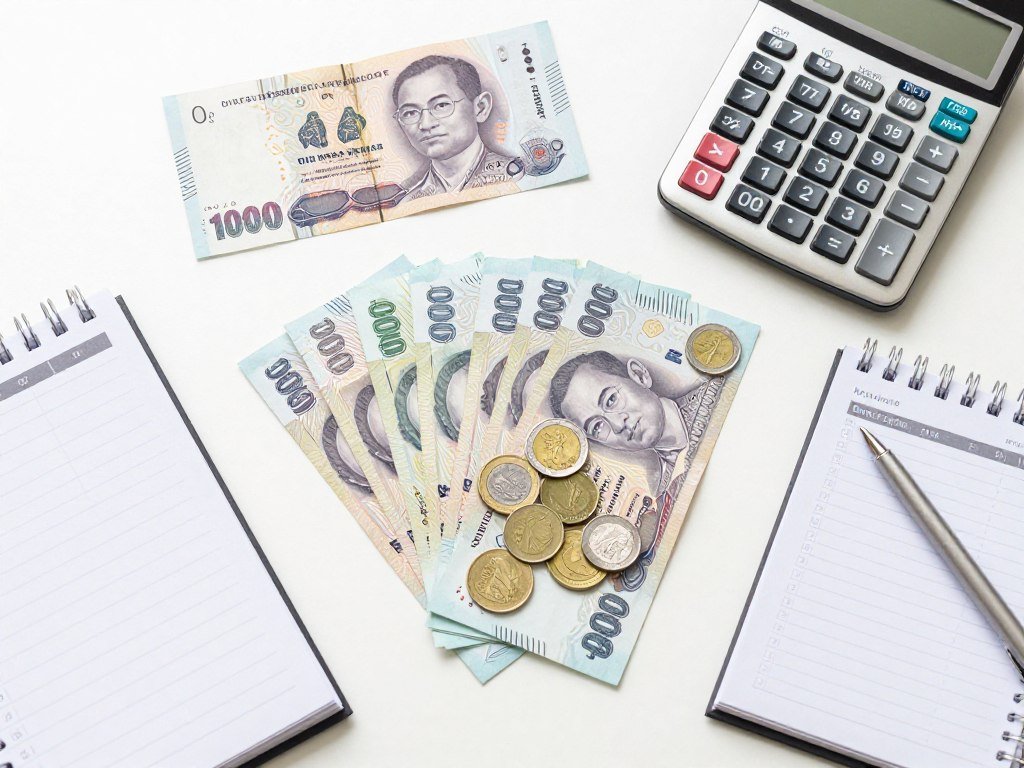
Chiang Rai offers excellent value compared to Western destinations and even other Thai cities. Understanding costs helps create realistic budgets.
Accommodation Expenses
Budget guesthouses charge 300 to 600 baht for private rooms with fan or air conditioning. Mid-range hotels with amenities cost 800 to 1,800 baht nightly. Luxury resorts and boutique properties range from 2,500 to 7,000+ baht per night.
Long-term monthly rates bring significant savings for extended stays. Simple apartments rent from 6,000 baht monthly while serviced apartments with cleaning cost 12,000 to 20,000 baht monthly.
Food Costs
Street food meals cost 40 to 70 baht. Local restaurants charge 60 to 120 baht per dish. Mid-range restaurants run 150 to 350 baht per meal. Upscale dining reaches 500 to 1,000+ baht per person.
Daily food budgets span wide ranges. Budget travelers eating street food spend 250 to 400 baht daily. Mid-range budgets allowing nice restaurant meals need 500 to 800 baht. Food enthusiasts trying premium restaurants allocate 1,000+ baht daily.
Transportation Budget
Songthaew rides cost 20 to 40 baht within the city. Tuk-tuks charge 60 to 150 baht for short trips. Grab rides average 50 to 120 baht around town. Bicycle rentals cost 50 to 100 baht daily while scooters rent for 150 to 250 baht per day.
Day tour costs vary by destination and group size. White Temple tours start around 600 baht. Full-day Golden Triangle tours run 1,000 to 2,000 baht including lunch and guide.
Activity and Attraction Costs
Temple entrance fees range from free to 100 baht. The White Temple charges 100 baht while most other temples are free. Baan Dam Museum costs 80 baht. Singha Park is free while Doi Tung Royal Villa charges 90 baht.
Cooking classes cost 800 to 1,500 baht per person. Thai massage runs 200 to 350 baht per hour. Spa treatments at upscale facilities charge 800 to 2,500+ baht.
| Expense Category | Budget Range | Mid-Range | Luxury Range |
| Daily Accommodation | 300-600 baht | 800-1,800 baht | 2,500-7,000 baht |
| Daily Food | 250-400 baht | 500-800 baht | 1,000+ baht |
| Daily Transport | 100-200 baht | 200-400 baht | 500+ baht |
| Activities/Tours | 200-500 baht | 600-1,500 baht | 2,000+ baht |
| Miscellaneous | 100-200 baht | 300-500 baht | 1,000+ baht |
| Total Per Day | 950-1,900 baht | 2,400-5,000 baht | 7,000+ baht |
Money-Saving Strategies
- Eat at local markets and street stalls rather than tourist-oriented restaurants for authentic flavors at lower prices
- Walk or bicycle around the compact city center instead of using taxis for every journey
- Visit temples during early morning or late afternoon to avoid needing drinks and sun protection
- Book accommodation directly with properties when possible to avoid platform commission fees
- Join shared group tours instead of private options for popular destinations like the Golden Triangle
- Shop for snacks and drinks at 7-Eleven or local markets rather than hotel convenience stores
- Travel during shoulder seasons (March-May, September-October) for lower accommodation rates
- Use refillable water bottles with filtered water instead of constantly buying bottled water
Begin Your Chiang Rai Journey
Chiang Rai rewards curious travelers with artistic treasures, cultural depth, and natural beauty. The White Temple’s brilliant architecture, the Golden Triangle’s historical significance, and surrounding mountains create diverse experiences in one compact region.
This complete Chiang Rai travel guide covered essential planning elements for your 2026 visit. You learned optimal travel times, transportation options, accommodation choices, must-see attractions, local cuisine, and practical tips for smooth travels.
The city’s manageable size lets you see major highlights in just two or three days. Longer stays reveal deeper layers including tea plantations, mountain viewpoints, hill tribe cultures, and the relaxed rhythm of northern Thai life.
Chiang Rai offers something special that larger cities lack. Smaller crowds allow genuine interactions. Lower prices stretch travel budgets further. The artistic vision displayed at temples and museums inspires contemplation.
Start planning your journey by selecting travel dates and booking accommodations. Research tours that match your interests whether art, history, nature, or cuisine. Prepare for an adventure that balances famous attractions with authentic local experiences.
Northern Thailand’s artistic capital awaits your discovery. The temples, markets, mountains, and warm hospitality of Chiang Rai create memories lasting far beyond your departure date.
Book Your Chiang Rai Adventure Today
Ready to explore northern Thailand’s hidden gem? Start planning your perfect Chiang Rai trip now. Compare flights, reserve quality accommodation, and book unforgettable tours to create your ideal 2026 adventure.