

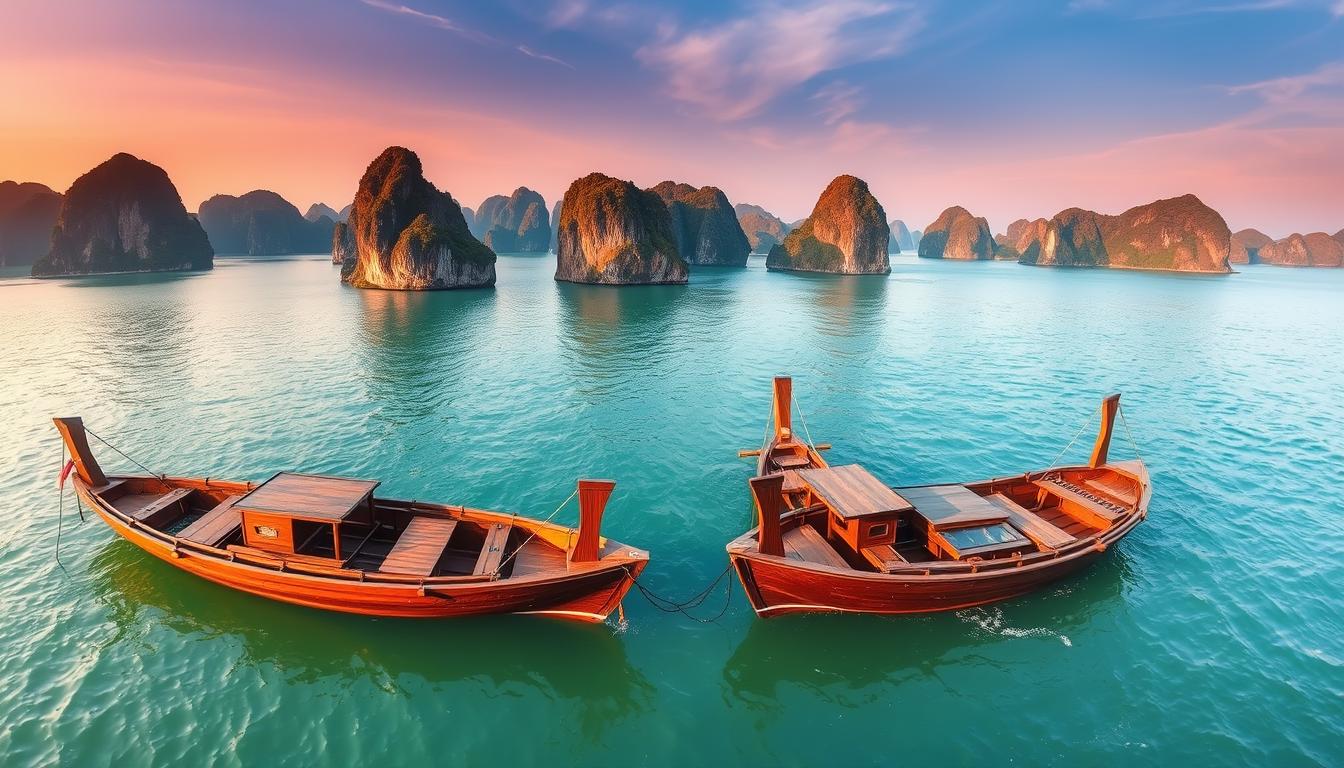
Welcome to our comprehensive Vietnam Travel Guide, your gateway to exploring one of Southeast Asia’s most captivating destinations. From the emerald waters of Ha Long Bay to the bustling streets of Hanoi, Vietnam offers a perfect blend of breathtaking landscapes, rich cultural heritage, and unforgettable experiences. Whether you’re planning your first visit or returning to discover more, this guide will help you navigate Vietnam’s diverse regions, understand its unique culture, and create memories that will last a lifetime.
Ready to Experience Vietnam?
Start planning your perfect Vietnam adventure with our expert travel resources.
Regions & Key Cities of Vietnam
Vietnam stretches over 1,650 kilometers from north to south, creating distinct regional experiences. From the mountainous north to the tropical south, each area offers unique landscapes, cuisines, and cultural experiences.
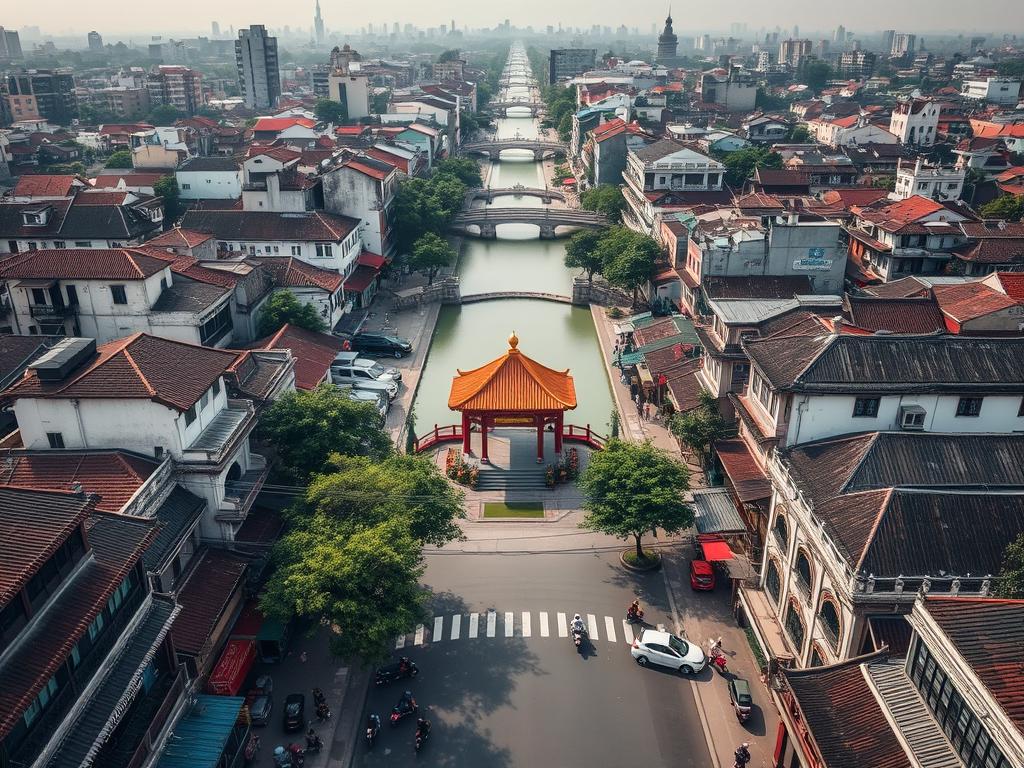
Northern Vietnam
Home to the capital city Hanoi, the stunning Ha Long Bay, and the mountainous regions of Sapa and Ha Giang. Northern Vietnam offers cooler temperatures, dramatic landscapes, and strong cultural traditions.
Key Cities: Hanoi, Haiphong, Ninh Binh
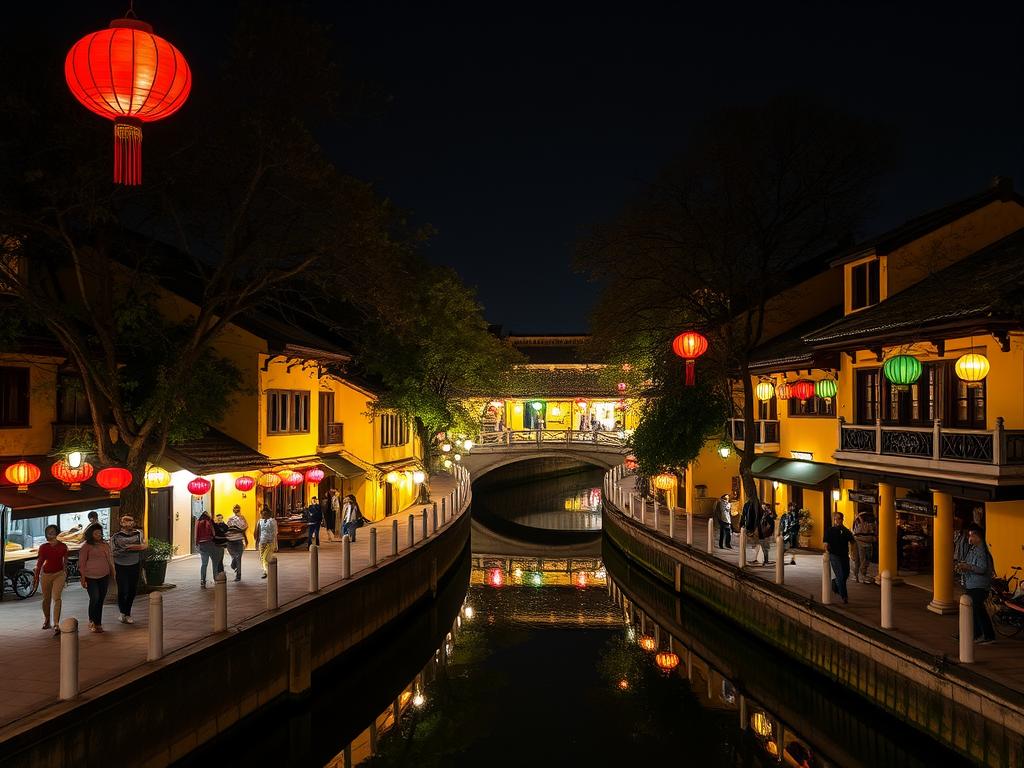
Central Vietnam
Known for its historic sites, beautiful beaches, and cultural heritage. Central Vietnam includes the former imperial capital of Hue and the charming ancient town of Hoi An.
Key Cities: Da Nang, Hoi An, Hue, Nha Trang
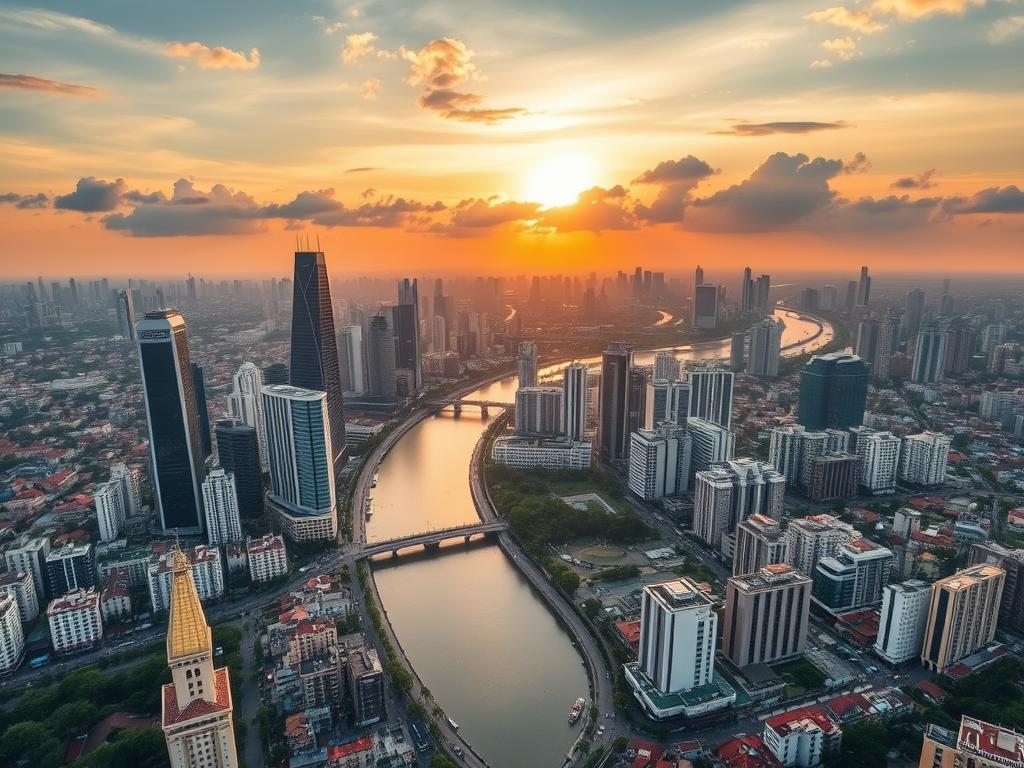
Southern Vietnam
Features the bustling Ho Chi Minh City (formerly Saigon), the lush Mekong Delta, and tropical islands like Phu Quoc. The south offers year-round warmth and showcases Vietnam’s rapid development.
Key Cities: Ho Chi Minh City, Can Tho, Vung Tau
Must-Visit Cities in Vietnam
Hanoi
Vietnam’s capital blends ancient temples with French colonial architecture. Explore the maze-like Old Quarter, sample street food at Dong Xuan Market, and experience the city’s vibrant cafe culture. Don’t miss the Temple of Literature and Ho Chi Minh Mausoleum.
Ho Chi Minh City
The southern metropolis pulses with energy and showcases Vietnam’s rapid modernization. Visit the War Remnants Museum, explore the historic Ben Thanh Market, and marvel at the French colonial architecture of Notre-Dame Cathedral and the Central Post Office.
Hoi An
This UNESCO World Heritage site enchants visitors with its well-preserved Ancient Town, colorful lanterns, and tailor shops. Stroll along the Thu Bon River, explore centuries-old merchant houses, and enjoy the town’s famous cuisine.
Da Nang
A coastal city offering beautiful beaches, modern bridges, and proximity to both Hoi An and Hue. Visit the Marble Mountains, relax on My Khe Beach, and explore the Museum of Cham Sculpture.
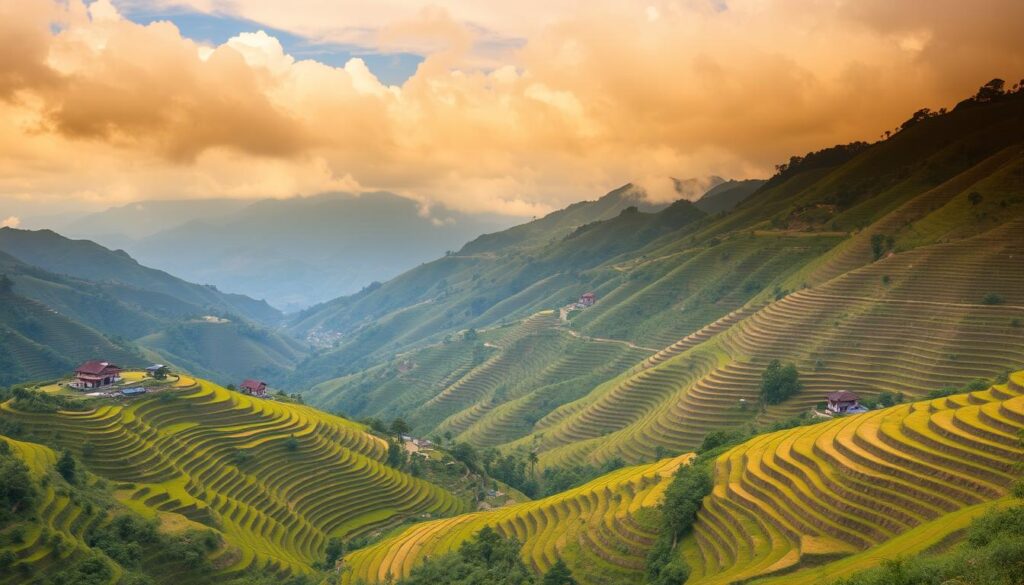
Explore Vietnam’s Diverse Regions
Discover detailed guides for each of Vietnam’s fascinating regions.
Must-Visit Attractions in Vietnam
Vietnam boasts an impressive array of natural wonders, historical sites, and cultural landmarks. Here are the top attractions you shouldn’t miss during your visit:
UNESCO World Heritage Sites
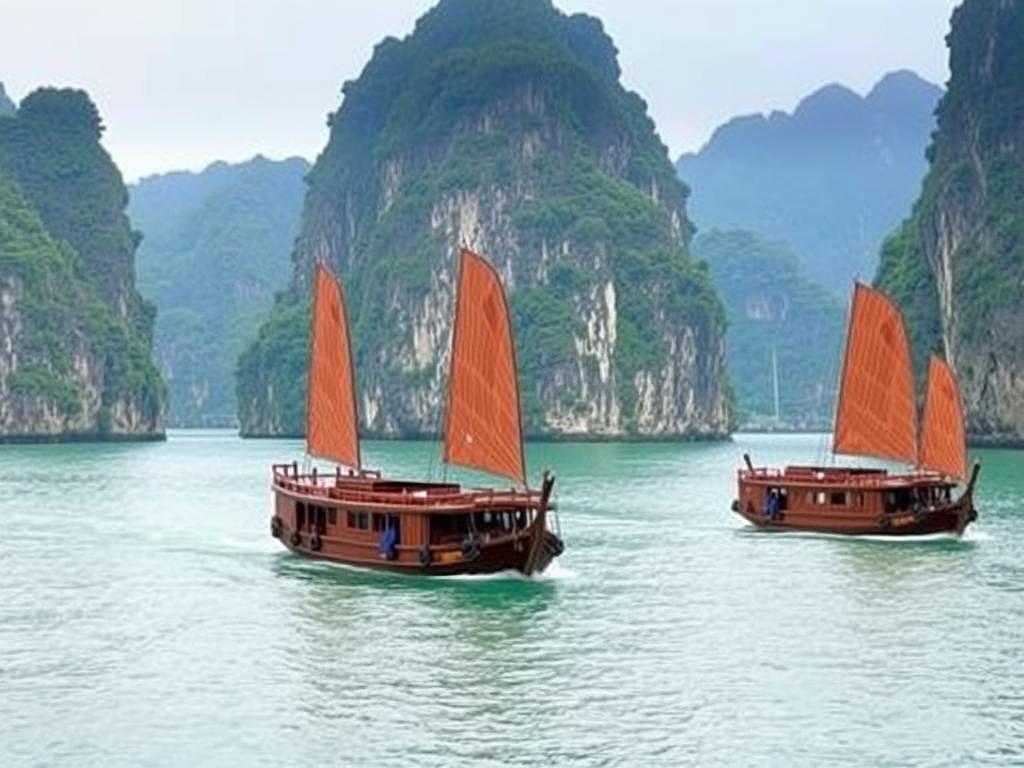
Ha Long Bay
This breathtaking bay features thousands of limestone karsts and isles rising from emerald waters. Take an overnight cruise to fully experience the bay’s changing moods and explore hidden caves and floating villages.
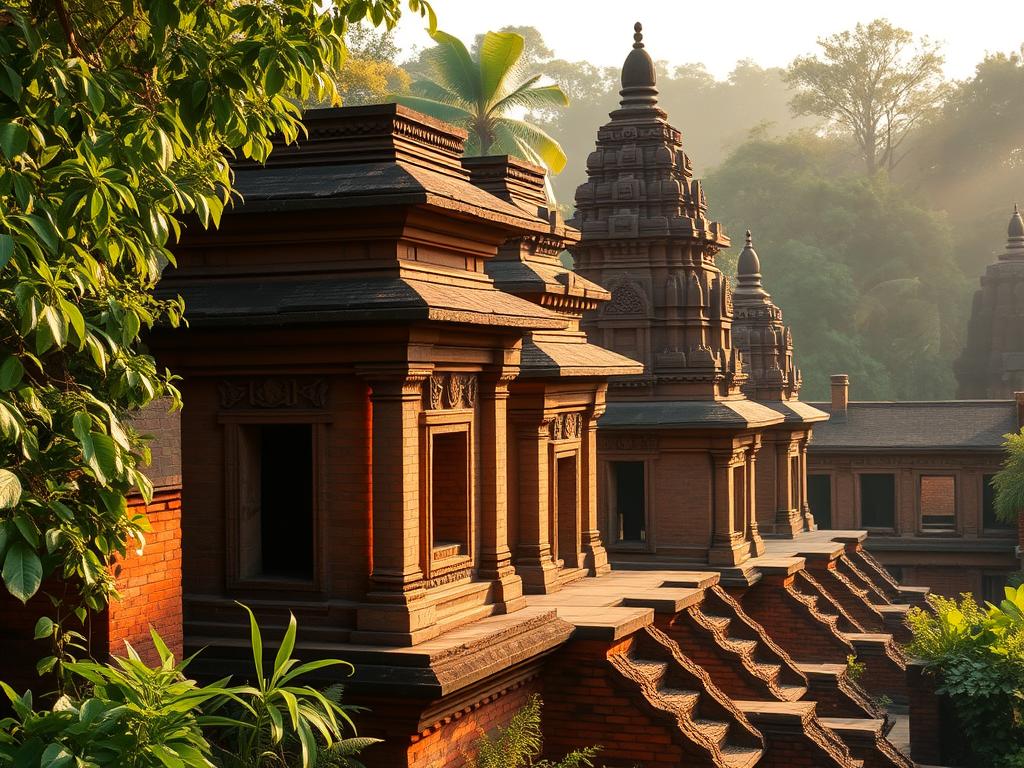
My Son Sanctuary
Explore the ruins of the ancient Champa civilization at this archaeological site near Hoi An. The Hindu-influenced temples date back to the 4th century and showcase impressive brick structures and carvings.

Phong Nha-Ke Bang National Park
Home to some of the world’s most spectacular caves, including Son Doong (the world’s largest cave). The park features ancient limestone karsts, underground rivers, and pristine forests with rich biodiversity.
Cultural and Historical Landmarks
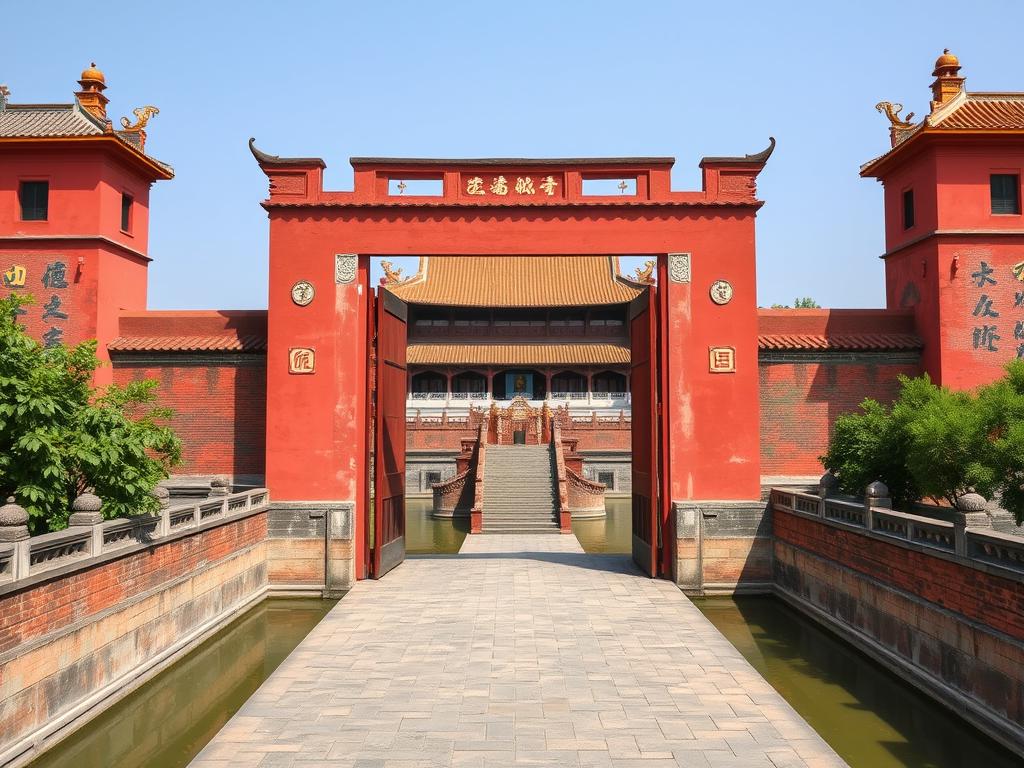
Imperial City of Hue
The former imperial capital houses the Citadel, a vast complex of palaces, temples, and gardens surrounded by a moat. Explore the Purple Forbidden City and the elaborate royal tombs scattered around the countryside.
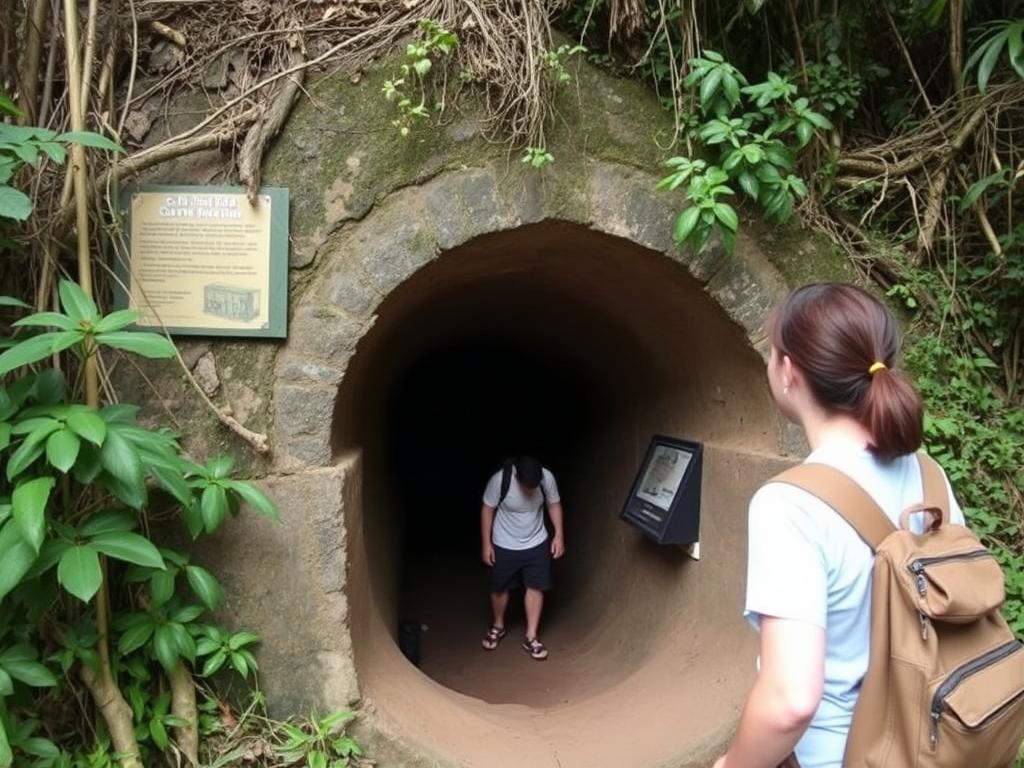
Cu Chi Tunnels
This vast network of underground tunnels near Ho Chi Minh City offers insight into the Vietnam War. Visitors can crawl through sections of the tunnels and learn about the ingenious tactics used during the conflict.
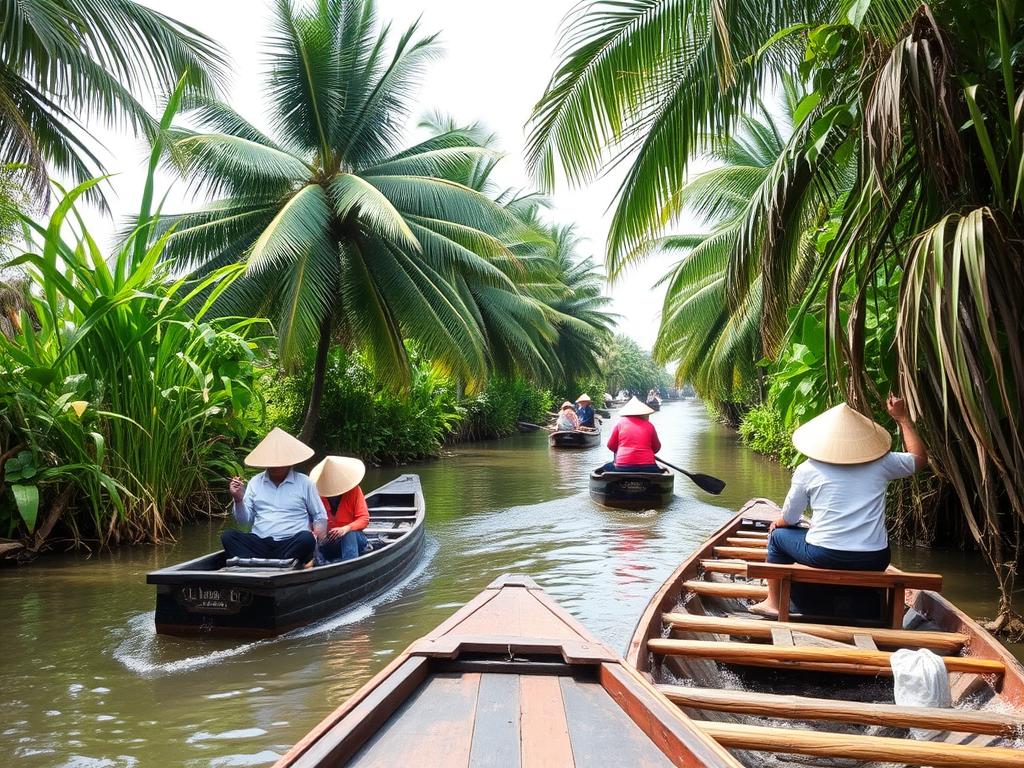
Mekong Delta
Known as Vietnam’s “rice bowl,” this fertile region is a maze of rivers, swamps, and islands. Take a boat tour to explore floating markets, fruit orchards, and traditional villages that showcase rural Vietnamese life.
Hidden Gems
Ninh Binh
Often called “Ha Long Bay on land,” this area features limestone karsts rising from rice paddies. Take a boat ride through Tam Coc or Trang An to experience the breathtaking scenery.
Mui Ne Sand Dunes
These striking red and white sand dunes create an unexpected desert landscape near the coastal town of Mui Ne. Visit at sunrise or sunset for the most dramatic views and colors.
Ha Giang Loop
This remote northern region offers Vietnam’s most spectacular mountain scenery. The winding road takes you through dramatic passes, terraced rice fields, and ethnic minority villages.
Con Dao Islands
This remote archipelago offers pristine beaches, coral reefs, and a somber history as a former prison island. Now a national park, it’s perfect for those seeking untouched natural beauty.
Discover Vietnam’s Hidden Treasures
Get insider tips on lesser-known destinations that will make your trip unforgettable.
Cultural Insights & Etiquette
Understanding Vietnamese culture will enrich your travel experience and help you connect with locals. Here are some key cultural insights and etiquette tips:
Local Customs & Traditions
- Remove your shoes when entering homes, temples, and some businesses
- Use both hands when giving or receiving items from elders or respected individuals
- Dress modestly when visiting religious sites (cover shoulders and knees)
- Ask permission before taking photos of people, especially in rural areas
- The head is considered sacred in Vietnamese culture—avoid touching someone’s head
- Public displays of affection are generally frowned upon
Communication Tips
- Learn basic Vietnamese phrases—locals appreciate the effort
- Vietnamese people may smile when uncomfortable or confused
- Avoid raising your voice or showing anger in public
- Use your whole hand to point rather than a single finger
- The Vietnamese often ask personal questions (about age, marital status, income) out of friendliness, not rudeness
Major Festivals & Events
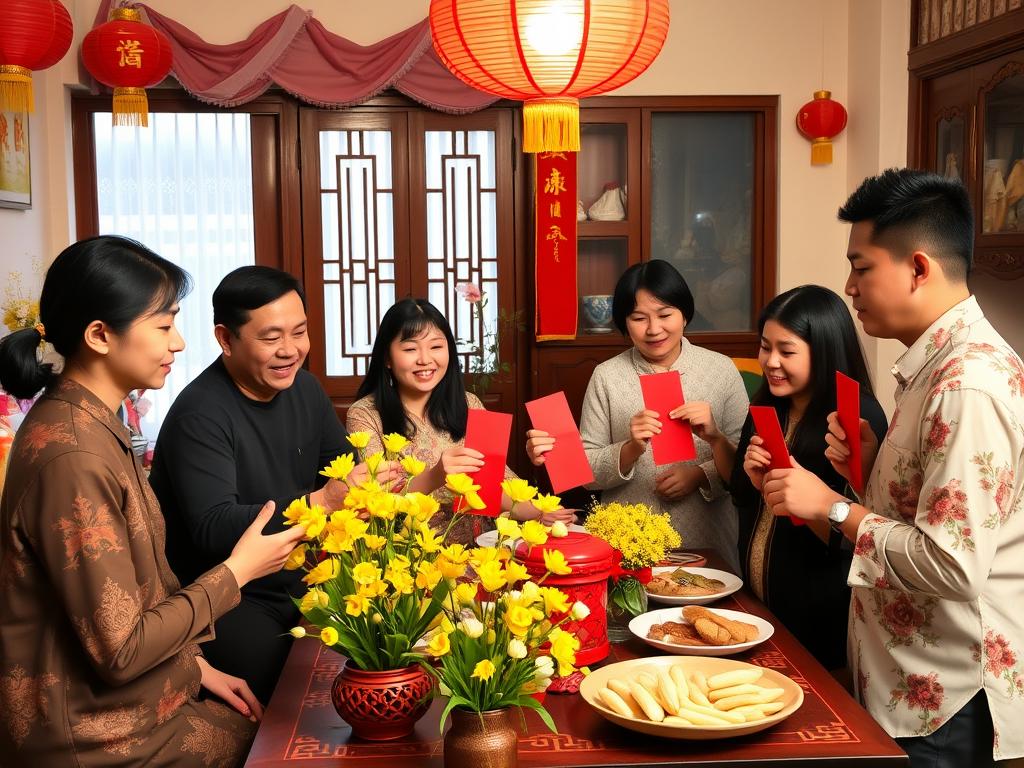
Tet (Lunar New Year)
Vietnam’s most important holiday usually falls in late January or early February. Families gather, homes are decorated with peach and kumquat trees, and children receive lucky money in red envelopes. Many businesses close for up to a week, and transportation can be crowded.
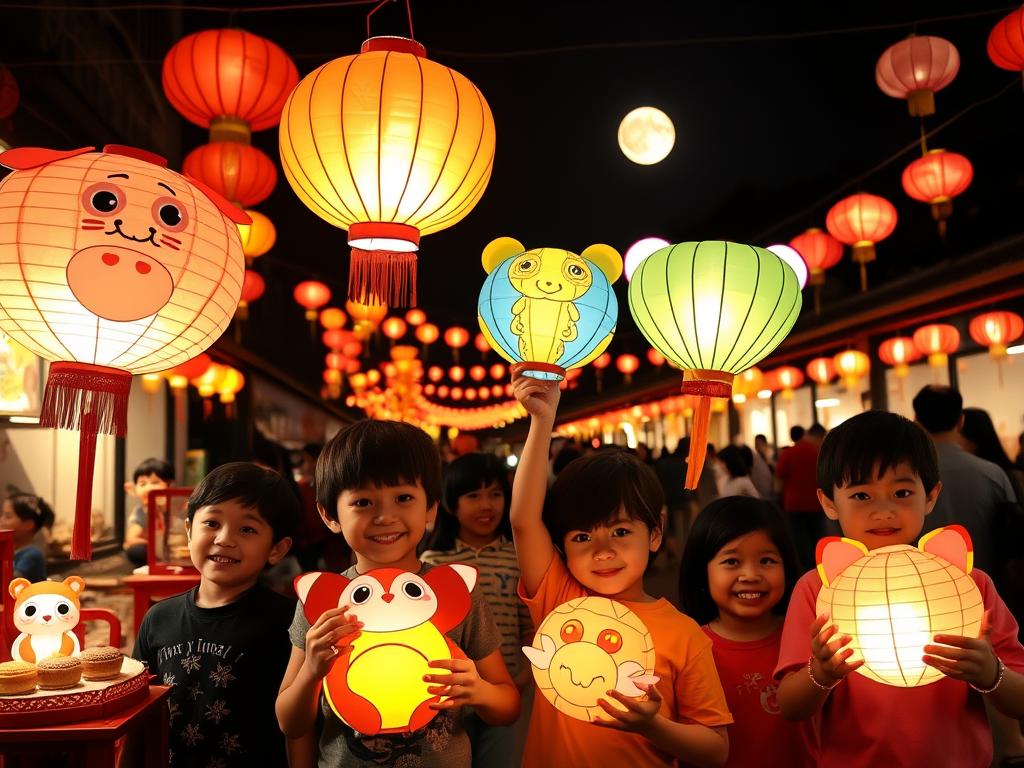
Mid-Autumn Festival
Celebrated on the 15th day of the 8th lunar month (usually September), this children’s festival features colorful lanterns, lion dances, and mooncakes. Cities and towns come alive with lantern processions and cultural performances.
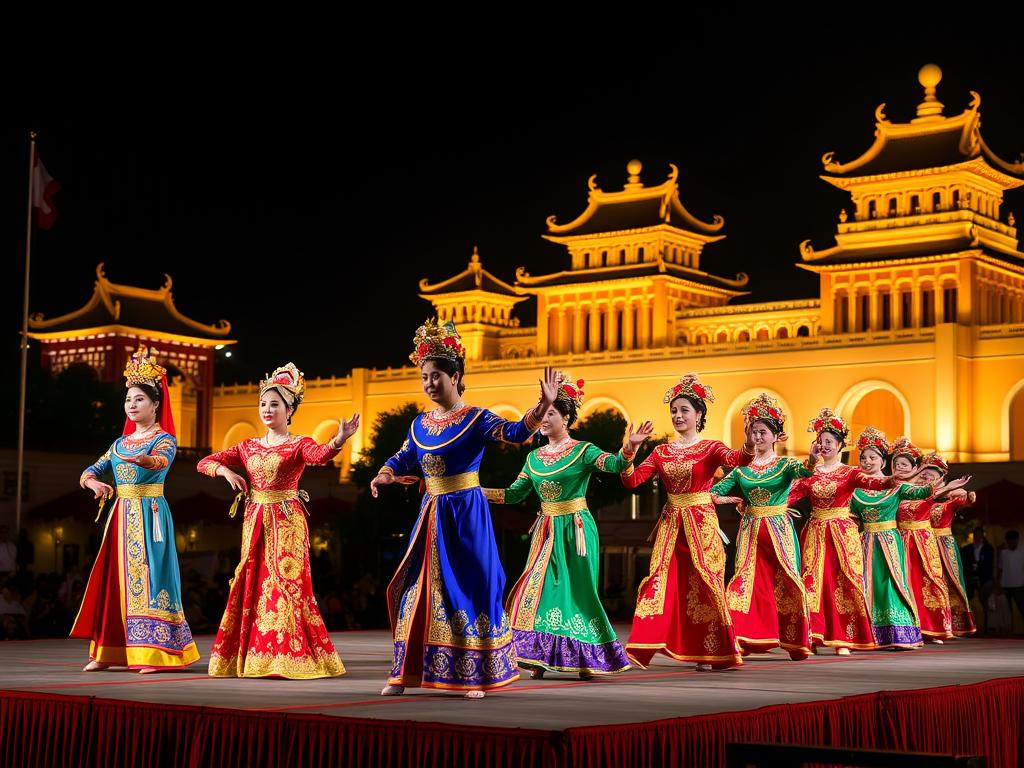
Hue Festival
This biennial event (held in even-numbered years) celebrates the cultural heritage of Vietnam’s former imperial capital. The week-long festival includes royal court music, traditional crafts, boat races, and culinary showcases.
Practical Information for Travelers
Visa Requirements & Entry Rules
Visa requirements for Vietnam vary depending on your nationality and length of stay:
- E-visa: Available to citizens of most countries for stays up to 90 days. Apply online through the official government website at least 7 days before arrival.
- Visa Exemptions: Citizens of select countries (including many ASEAN nations, UK, France, Germany, Italy, and Spain) can enter visa-free for stays of 15-45 days, depending on nationality.
- Visa on Arrival: Available at international airports with a pre-approval letter from a Vietnamese travel agency.
- Important: Ensure your passport is valid for at least 6 months beyond your planned departure date from Vietnam.
Best Time to Visit
Vietnam’s climate varies significantly by region, making it a year-round destination. However, certain times are better for specific areas:
| Region | Best Time to Visit | Weather Conditions | Notes |
| Northern Vietnam | October to April | Cool and dry | December-February can be quite cold in mountainous areas like Sapa |
| Central Vietnam | January to August | Warm and mostly dry | Avoid October-November (heavy rainfall and potential flooding) |
| Southern Vietnam | December to April | Warm and dry | May-November brings afternoon rain showers but fewer tourists |
Transportation Options
Domestic Flights
The fastest way to travel between major cities. Vietnam Airlines, VietJet Air, and Bamboo Airways offer extensive domestic networks. Book in advance for the best rates, especially during peak seasons and holidays.
Trains
The Reunification Express runs the length of the country from Hanoi to Ho Chi Minh City. Trains offer various classes from hard seats to soft sleeper cabins. The journey takes about 35 hours in total, but most travelers break it into segments.
Buses & Coaches
An extensive network of buses connects cities and towns throughout Vietnam. Sleeper buses are available for longer journeys. While affordable, road conditions and driving styles can make for adventurous trips.
Motorbikes
Renting a motorbike gives you freedom to explore at your own pace. However, traffic can be chaotic, and international driving permits are technically required. Consider your experience level and always wear a helmet.
Taxis & Ride-Sharing
Grab is the most popular ride-sharing app in Vietnam. Traditional taxis are also widely available—look for reputable companies like Mai Linh and Vinasun. Always ensure the meter is running or agree on a price before departing.
Currency & Budgeting
The Vietnamese currency is the dong (VND). While credit cards are accepted at higher-end establishments, cash is king for most transactions.
Daily Budget Guidelines
- Budget traveler: 700,000-1,000,000 VND ($30-45 USD) per day
- Mid-range traveler: 1,500,000-3,000,000 VND ($65-130 USD) per day
- Luxury traveler: 5,000,000+ VND ($215+ USD) per day
Money Tips
- ATMs are widely available in cities and tourist areas
- Inform your bank of your travel plans to prevent card blocks
- Always carry some cash, especially in rural areas
- Be aware of the many zeros in Vietnamese currency—1 USD is approximately 23,000 VND
Plan Your Vietnam Trip with Confidence
Get personalized advice and support for your Vietnam adventure.
Vietnamese Food & Drink
Vietnamese cuisine is one of the healthiest and most flavorful in the world, emphasizing fresh ingredients, minimal use of oil, and a perfect balance of flavors and textures.
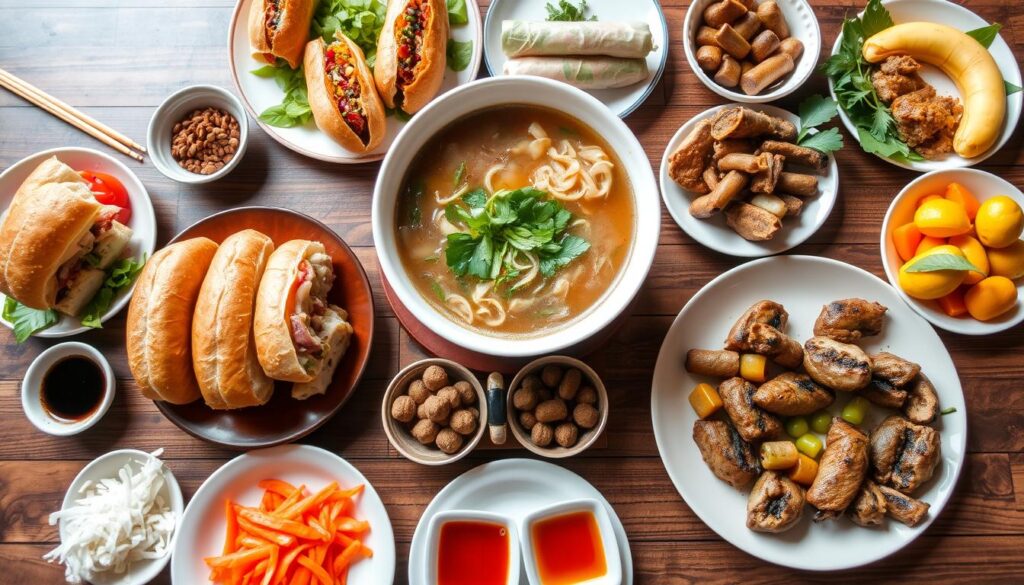
Iconic Vietnamese Dishes
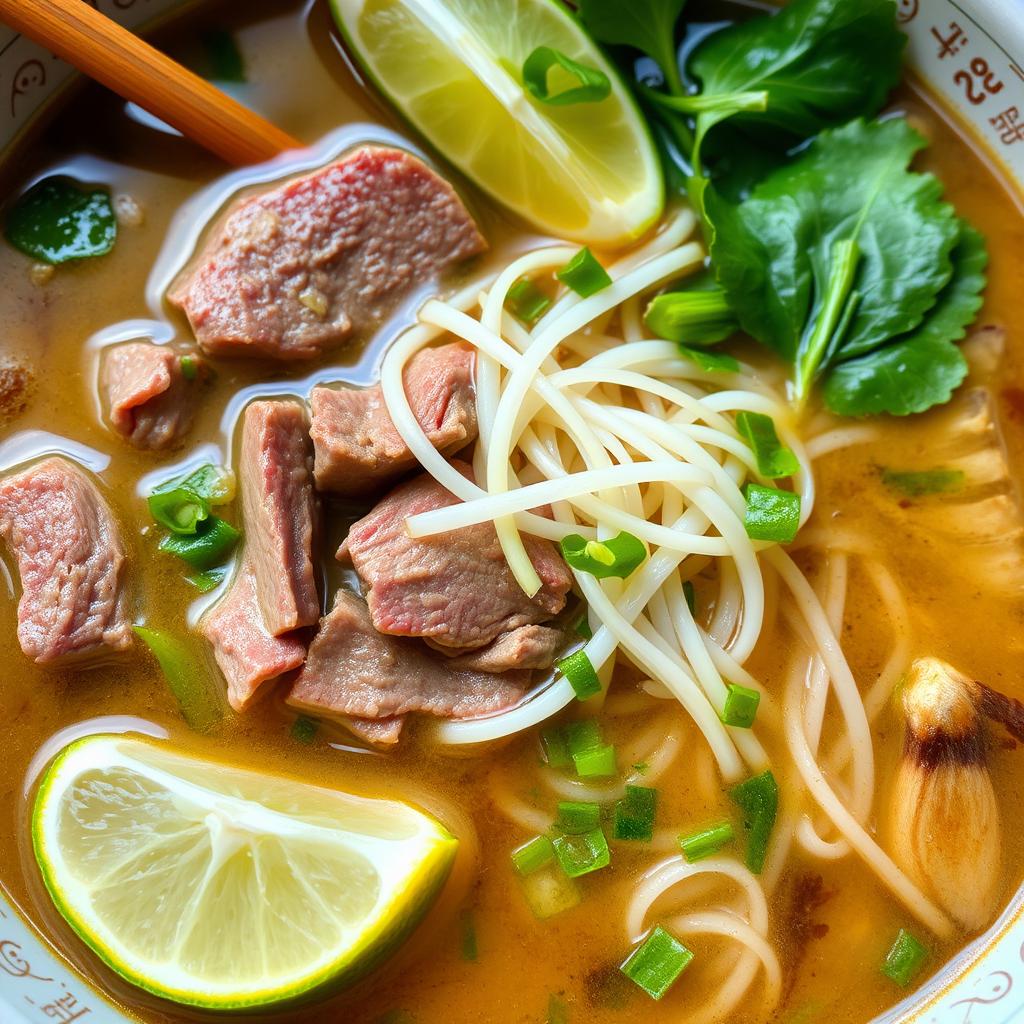
Pho
This iconic noodle soup features a rich, aromatic broth, rice noodles, herbs, and meat (usually beef or chicken). Traditionally eaten for breakfast but available all day. Regional variations exist, with northern pho being more subtle and southern versions more herb-heavy.
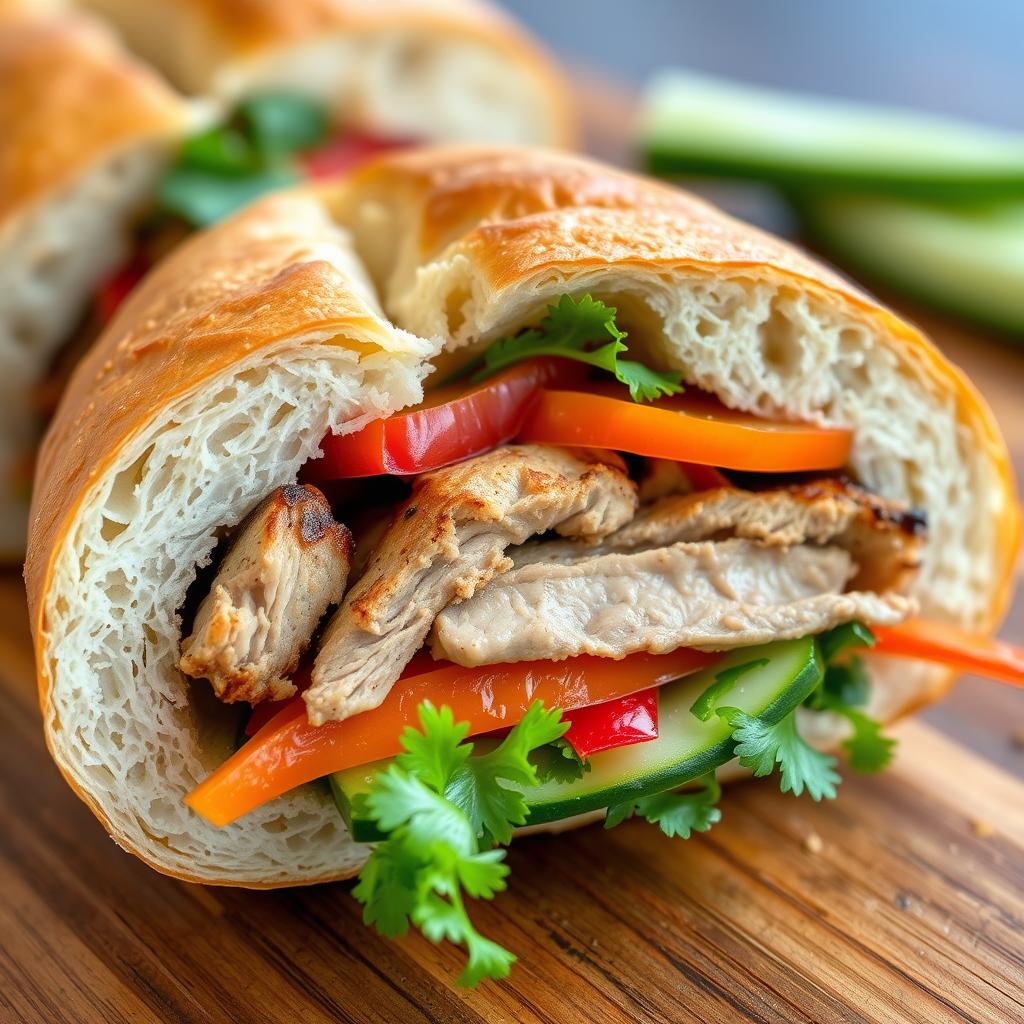
Banh Mi
A perfect fusion of French and Vietnamese influences, this baguette sandwich is filled with a combination of meats, pâté, pickled vegetables, cilantro, and chili. Each region and vendor has their own special recipe.
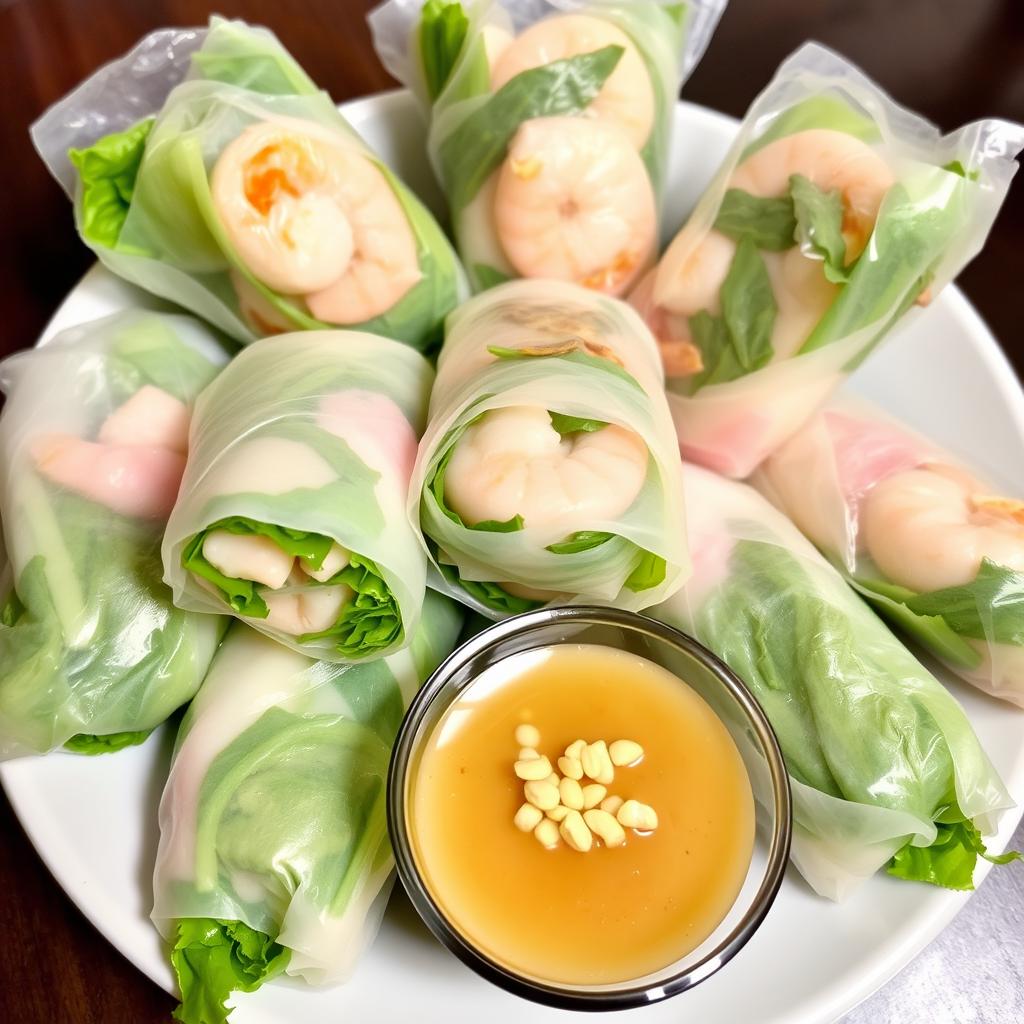
Goi Cuon (Fresh Spring Rolls)
These translucent rice paper rolls are filled with shrimp, pork, herbs, and rice vermicelli. Served with a hoisin-peanut dipping sauce, they’re a refreshing appetizer or light meal.
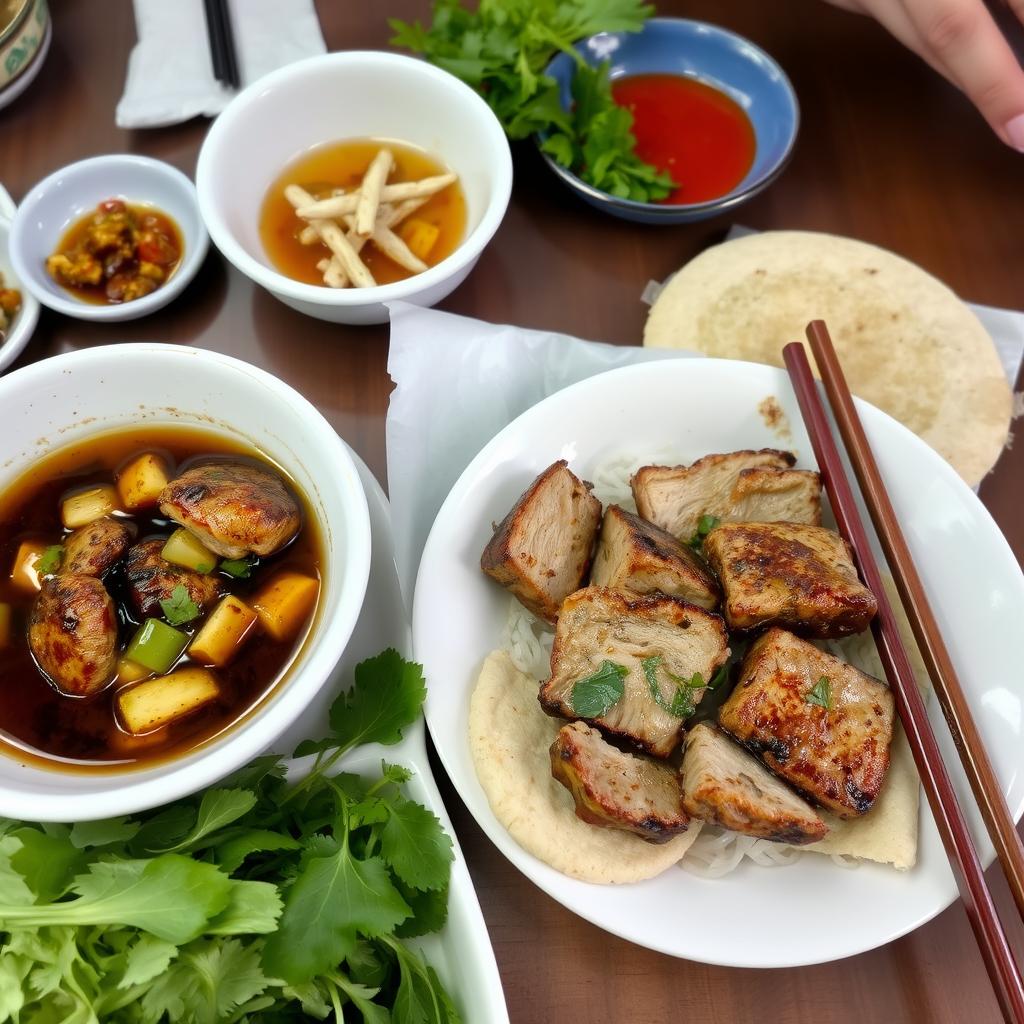
Bun Cha
A Hanoi specialty consisting of grilled pork served with rice noodles, herbs, and a dipping sauce made from fish sauce, vinegar, and sugar. Made famous internationally when Anthony Bourdain and President Obama shared this dish in Hanoi.
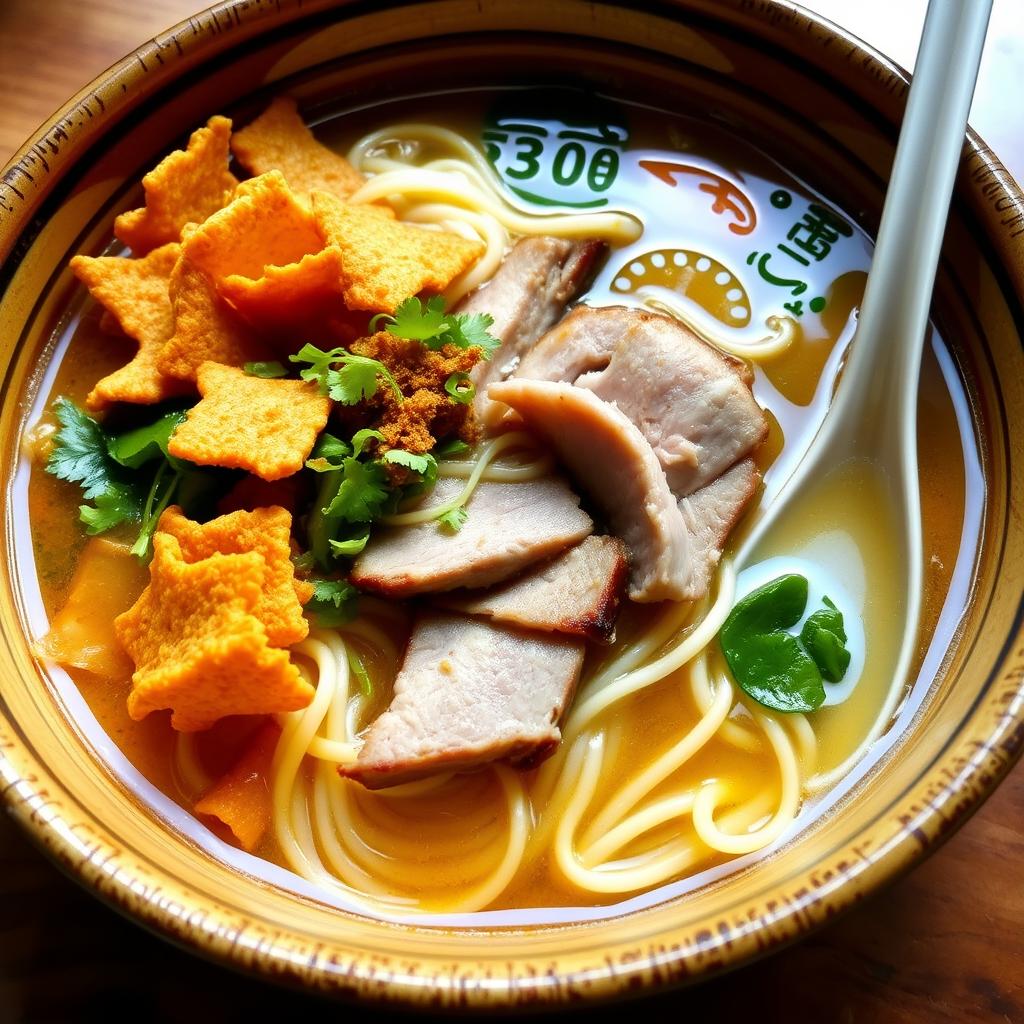
Cao Lau
Unique to Hoi An, these chewy noodles are served with sliced pork, crispy crackers, bean sprouts, and herbs. Legend says the noodles must be made with water from a specific ancient well in Hoi An to be authentic.
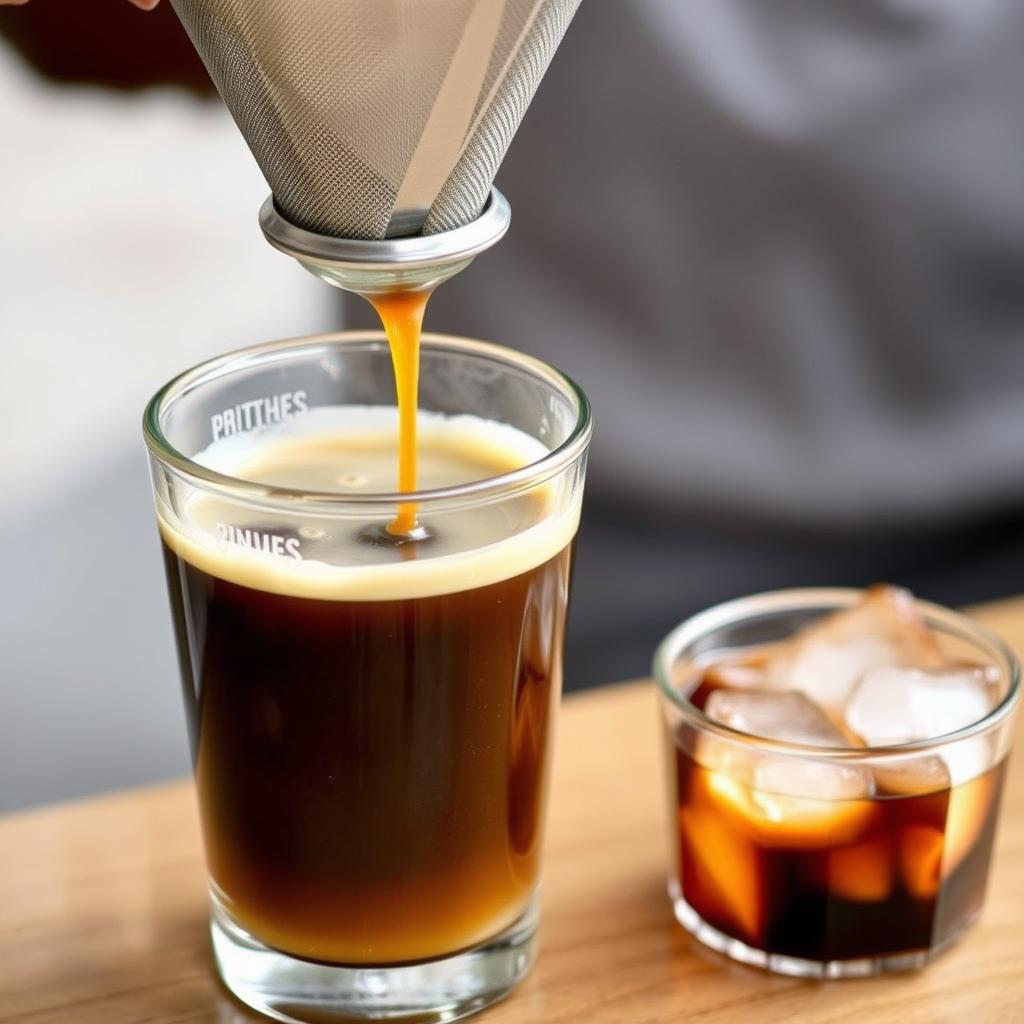
Ca Phe (Vietnamese Coffee)
Strong and flavorful, Vietnamese coffee is typically served with condensed milk (ca phe sua) or black (ca phe den). The traditional drip filter (phin) creates a rich, slow-brewed coffee that’s perfect hot or iced.
Street Food Culture
Some of Vietnam’s best food is found on the streets. Look for busy stalls with locals, plastic stools, and specialized vendors who perfect a single dish. Each city has its own street food specialties:
Hanoi Street Food Highlights
- Bun Cha: Grilled pork with noodles
- Cha Ca: Turmeric-marinated fish with dill
- Egg Coffee: Coffee topped with egg custard
Ho Chi Minh City Street Food Highlights
- Com Tam: Broken rice with grilled pork
- Banh Xeo: Crispy savory pancakes
- Hu Tieu: Southern-style noodle soup
Food Safety Tips
- Choose busy stalls where food turnover is high
- Ensure meat is thoroughly cooked
- Stick to bottled water and avoid ice in rural areas
- Bring medication for potential stomach issues
- Consider vegetarian options if you’re concerned about meat safety
Accommodation Options in Vietnam
Vietnam offers accommodations for every budget and travel style, from luxury resorts to budget hostels and unique homestays.
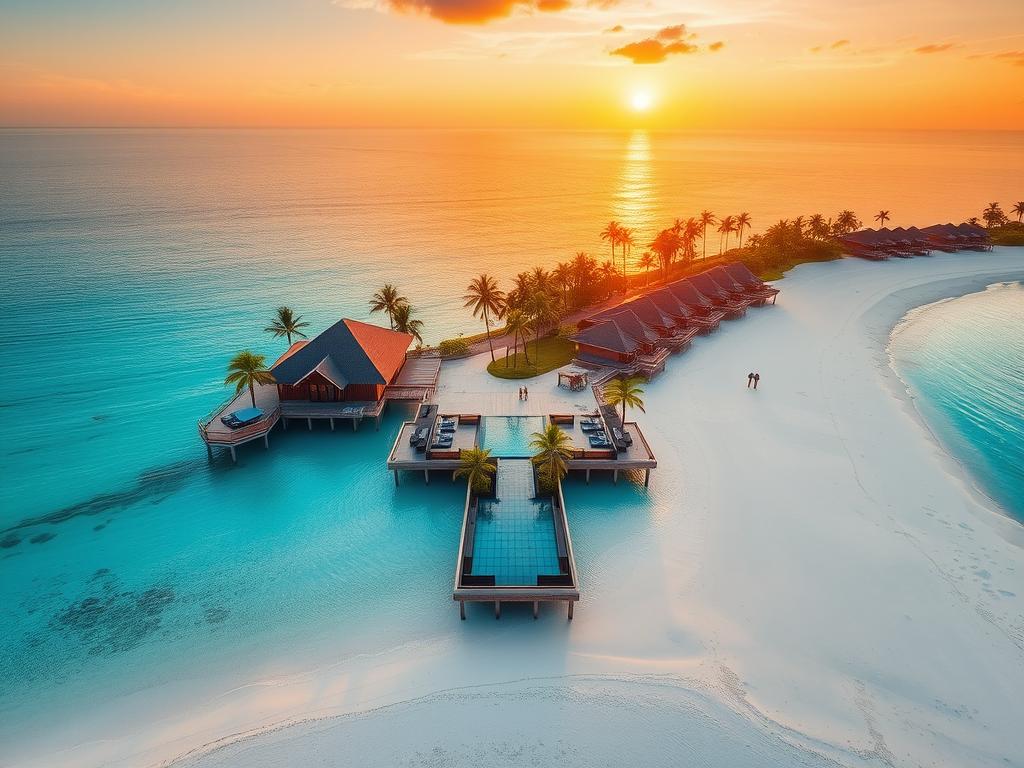
Luxury Resorts & Hotels
Vietnam’s luxury sector has expanded dramatically, with international brands and boutique properties offering world-class amenities. Beachfront resorts in Da Nang, Nha Trang, and Phu Quoc provide stunning settings, while historic properties like the Sofitel Legend Metropole in Hanoi offer colonial charm.
Price range: $150-500+ USD per night
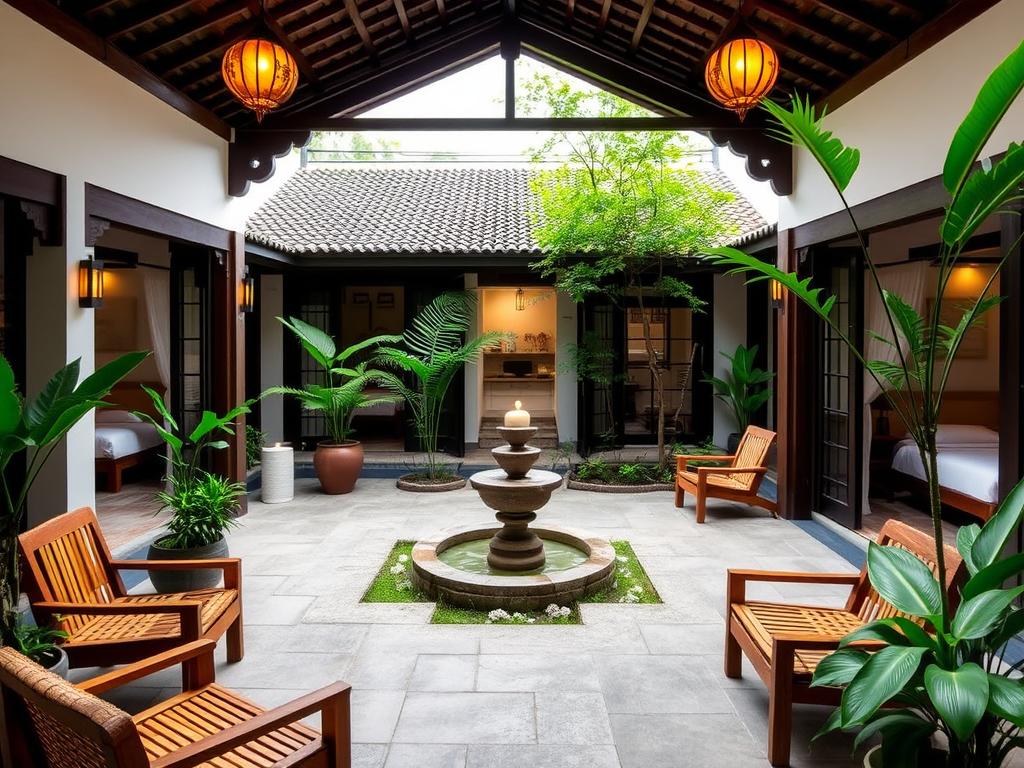
Mid-Range Hotels & Boutique Properties
Excellent value can be found in Vietnam’s mid-range options. Boutique hotels in Hoi An and Hanoi often feature charming designs that blend traditional elements with modern comforts. Many include breakfast, swimming pools, and central locations.
Price range: $40-150 USD per night
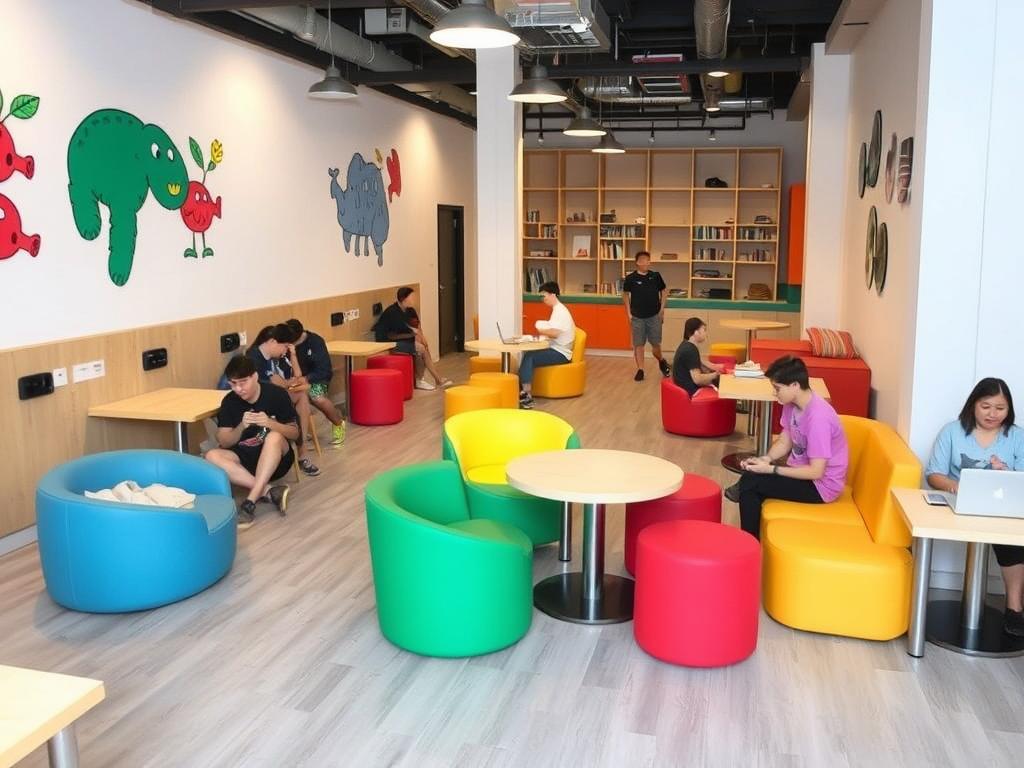
Hostels & Budget Accommodations
Vietnam is a backpacker’s paradise with clean, affordable hostels in every tourist destination. Many offer both dormitory and private rooms, social activities, and travel services. Budget hotels provide simple but comfortable private rooms for those seeking more privacy.
Price range: $5-40 USD per night
Unique Accommodation Experiences
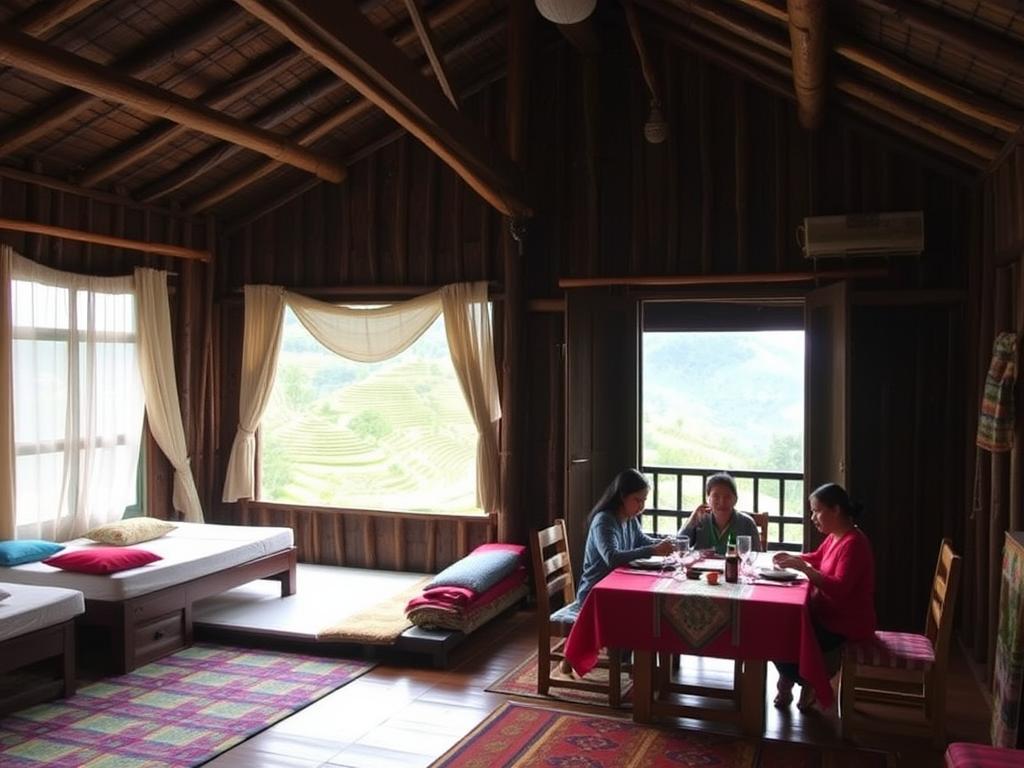
Homestays
Particularly popular in rural areas like Sapa, Mai Chau, and the Mekong Delta, homestays offer authentic cultural experiences and the chance to live with local families. Accommodations range from basic to comfortable, with home-cooked meals often included.
Overnight Cruises
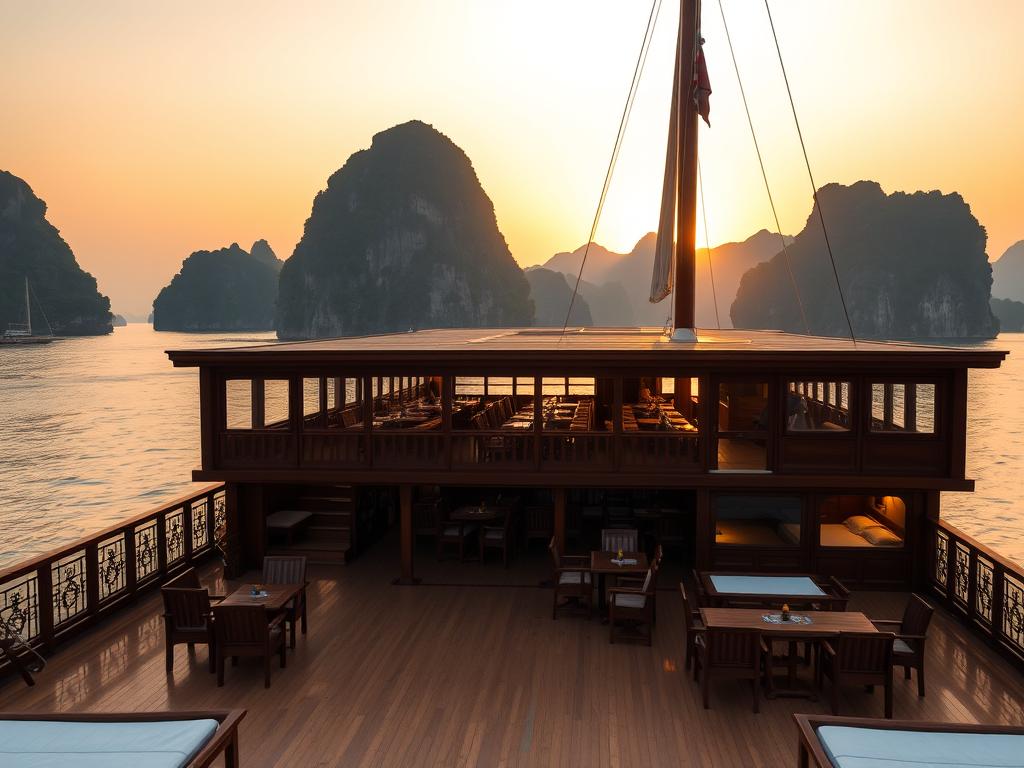
In Ha Long Bay and Lan Ha Bay, overnight cruises on traditional-style boats offer a unique way to experience these stunning seascapes. Options range from budget to ultra-luxury, with activities like kayaking, cave exploration, and cooking classes.
Accommodation Booking Tips
- Book in advance for high season (December-February) and holidays
- Check if the price includes taxes and breakfast
- Confirm the location—many hotels claim to be “central” but aren’t
- Read recent reviews focusing on cleanliness, noise levels, and Wi-Fi quality
- Consider booking directly with smaller properties for better rates
Safety & Health Information
Safety Overview
Vietnam is generally a safe country for travelers, with violent crime against tourists rare. However, petty theft and scams can occur in tourist areas. Take normal precautions:
- Keep valuables secure and be aware of your surroundings
- Use reputable transportation and tour providers
- Be cautious when crossing streets—traffic can be chaotic
- Research common scams before your trip
- Register with your country’s embassy or consulate
Health Considerations
Prepare for your trip by taking these health precautions:
- Consult a travel doctor 4-8 weeks before your trip
- Consider vaccinations for hepatitis A and B, typhoid, and tetanus
- Malaria prevention may be recommended for rural areas
- Bring a basic medical kit with remedies for common travel ailments
- Purchase comprehensive travel insurance with medical coverage
Important Health Tips
- Drink only bottled or purified water
- Use mosquito repellent, especially in rural areas and during rainy season
- Be cautious with street food—choose busy stalls with high turnover
- Avoid raw vegetables and unpeeled fruits in remote areas
- Use sunscreen and stay hydrated in the tropical climate
Emergency Contacts
| Emergency Service | Phone Number | Notes |
| Police | 113 | For crimes and emergencies |
| Fire | 114 | For fire emergencies |
| Ambulance | 115 | Medical emergencies |
| Tourist Police (Hanoi) | +84 24 3942 1243 | English-speaking officers available |
| Tourist Police (HCMC) | +84 28 3829 7643 | English-speaking officers available |
Save these numbers in your phone and keep a written copy in your wallet. It’s also advisable to have your hotel’s contact information and address in both English and Vietnamese.
Sample Vietnam Itineraries
These itineraries can be customized based on your interests, budget, and travel pace. Consider the weather patterns in different regions when planning your route.
7-Day Highlights Tour
Perfect for first-time visitors with limited time.
- Day 1-2: Hanoi (Old Quarter, Temple of Literature, Ho Chi Minh Complex)
- Day 3-4: Ha Long Bay overnight cruise
- Day 5: Fly to Da Nang, transfer to Hoi An
- Day 6-7: Explore Hoi An Ancient Town and nearby beaches
10-Day North to Central
Experience the cultural and natural highlights of northern and central Vietnam.
- Day 1-2: Hanoi exploration
- Day 3-4: Sapa trekking and hill tribe villages
- Day 5-6: Ha Long Bay cruise
- Day 7: Fly to Hue, explore Imperial City
- Day 8: Drive to Hoi An via Hai Van Pass
- Day 9-10: Hoi An and My Son Sanctuary
14-Day Complete Vietnam
A comprehensive journey from north to south.
- Day 1-3: Hanoi and day trip to Ninh Binh
- Day 4-5: Ha Long Bay cruise
- Day 6-7: Hue’s Imperial sites and Perfume River
- Day 8-9: Hoi An Ancient Town and countryside
- Day 10-11: Ho Chi Minh City and Cu Chi Tunnels
- Day 12-13: Mekong Delta homestay and floating markets
- Day 14: Return to Ho Chi Minh City, departure
Specialized Itineraries
Adventure Seeker’s Route (10 Days)
- Motorbiking the Ha Giang Loop (4 days)
- Trekking in Sapa (2 days)
- Caving in Phong Nha-Ke Bang National Park (2 days)
- Kayaking in Ha Long Bay (2 days)
Food Lover’s Journey (10 Days)
- Street food tours in Hanoi (2 days)
- Cooking classes in Hoi An (2 days)
- Imperial cuisine in Hue (2 days)
- Southern specialties in Ho Chi Minh City (2 days)
- Seafood feasts in Phu Quoc (2 days)
Itinerary Planning Tips
- Don’t try to see everything—Vietnam rewards slow travel
- Build in rest days, especially when changing locations
- Consider overnight trains and flights to maximize time
- Check for festivals or events that might affect your plans
- Be flexible—some of the best experiences are unplanned
Ready for Your Vietnam Adventure?
Get expert help creating your perfect Vietnam itinerary.
Why Vietnam Should Be Your Next Destination
Vietnam offers a rare combination of natural beauty, rich cultural heritage, delicious cuisine, and warm hospitality that makes it a standout destination in Southeast Asia. From the misty mountains of the north to the tropical beaches of the south, Vietnam rewards travelers with authentic experiences and unforgettable memories.
What makes Vietnam truly special is its resilience and forward-looking spirit. Despite a turbulent history, the Vietnamese people have preserved their cultural traditions while embracing the future with optimism. This dynamic energy is palpable everywhere you go—from the ancient temples and colonial buildings to the modern skyscrapers and innovative cuisine.
Whether you’re seeking adventure, relaxation, cultural immersion, or culinary delights, Vietnam delivers in abundance. The country’s incredible diversity means you can have a different experience every day of your journey. And with tourism infrastructure improving rapidly while prices remain reasonable, there’s never been a better time to discover the wonders of Vietnam.
As the Vietnamese saying goes, “A hundred hearings aren’t worth one seeing.” No travel guide can fully capture the magic of Vietnam—you simply have to experience it for yourself. So pack your bags, bring your sense of adventure, and prepare to fall in love with this extraordinary country.