

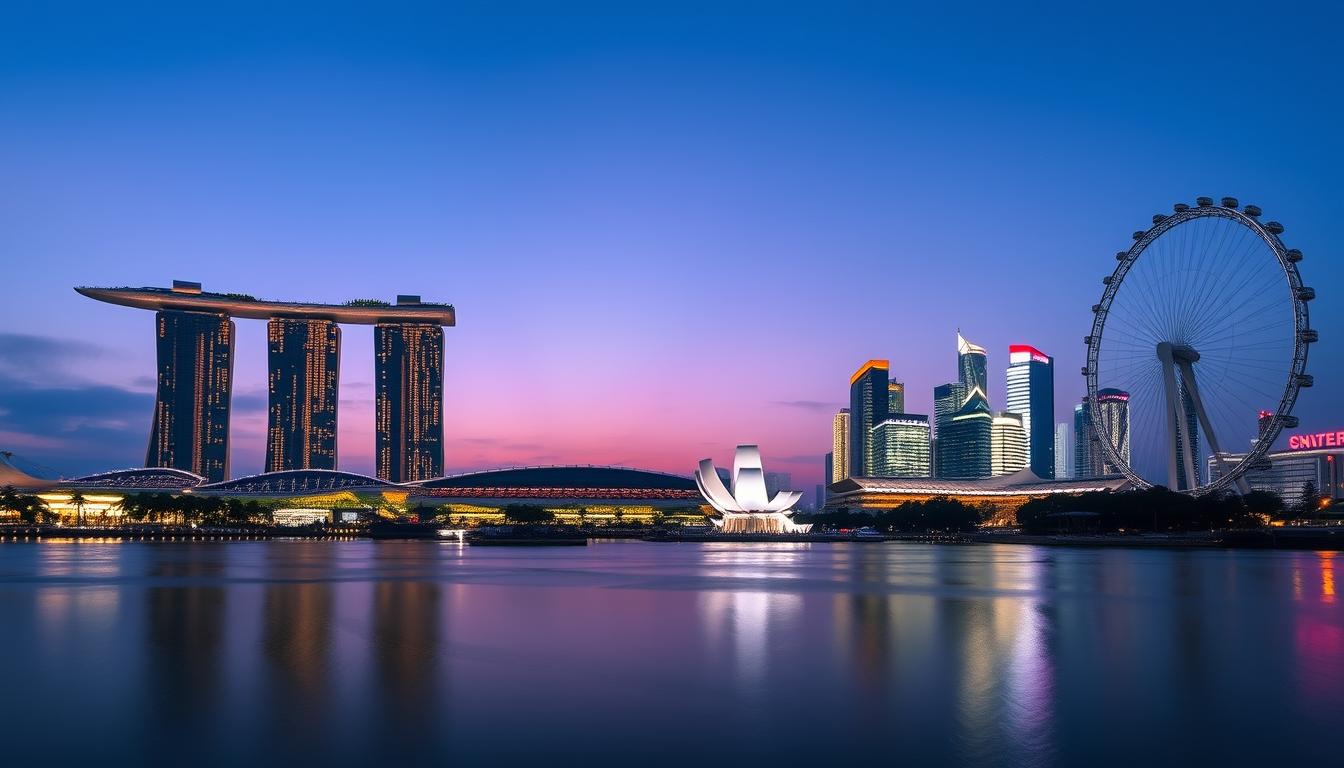
Welcome to Singapore, a dazzling city-state where ultramodern skyscrapers meet lush gardens, and diverse cultures blend seamlessly. This tiny island nation packs an incredible punch with its world-class attractions, mouth-watering cuisine, and efficient infrastructure. Whether you’re drawn to the futuristic skyline of Marina Bay, the vibrant cultural enclaves of Chinatown and Little India, or the family-friendly attractions of Sentosa Island, Singapore offers unforgettable experiences for every type of traveler.
As a melting pot of Chinese, Malay, Indian, and Western influences, Singapore presents a unique cultural tapestry that’s reflected in its architecture, festivals, and especially its food. From luxurious shopping on Orchard Road to exploring the UNESCO-listed Botanic Gardens, this Singapore travel guide will help you navigate this remarkable destination and create memories that will last a lifetime.
Best Time to Visit Singapore
Singapore enjoys a tropical climate with consistently warm temperatures year-round, typically ranging between 26-32°C (79-90°F). The humidity hovers around 80% throughout the year, so prepare for a warm, humid experience regardless of when you visit.
Weather Patterns
Singapore experiences two main monsoon seasons:
- Northeast Monsoon (November-March): Brings more rainfall, particularly from November to January, which are the wettest months.
- Southwest Monsoon (June-September): Generally drier with occasional showers, making it a popular time to visit.
- Inter-monsoon periods (April-May and October): Characterized by afternoon thunderstorms and slightly higher temperatures.
Seasonal Events
Consider timing your visit to coincide with these popular events:
- Chinese New Year (January/February): Vibrant celebrations throughout the city, especially in Chinatown.
- Singapore Food Festival (July): A paradise for food lovers with special menus and culinary events.
- Great Singapore Sale (June-August): Significant discounts at shopping centers across the city.
- Formula 1 Singapore Grand Prix (September): The exciting night race transforms the city with concerts and events.
Traveler’s Tip: February to April is often considered the sweet spot for visitors, offering a balance of relatively dry weather and fewer tourists. However, Singapore is a year-round destination, and brief rain showers rarely disrupt plans for long.
Top Attractions in Singapore
Marina Bay Sands
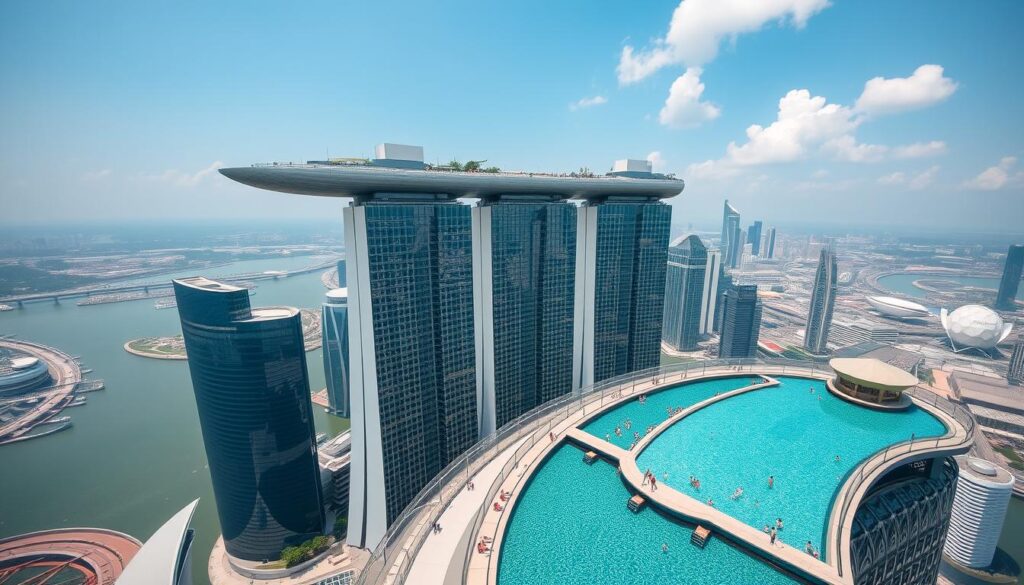
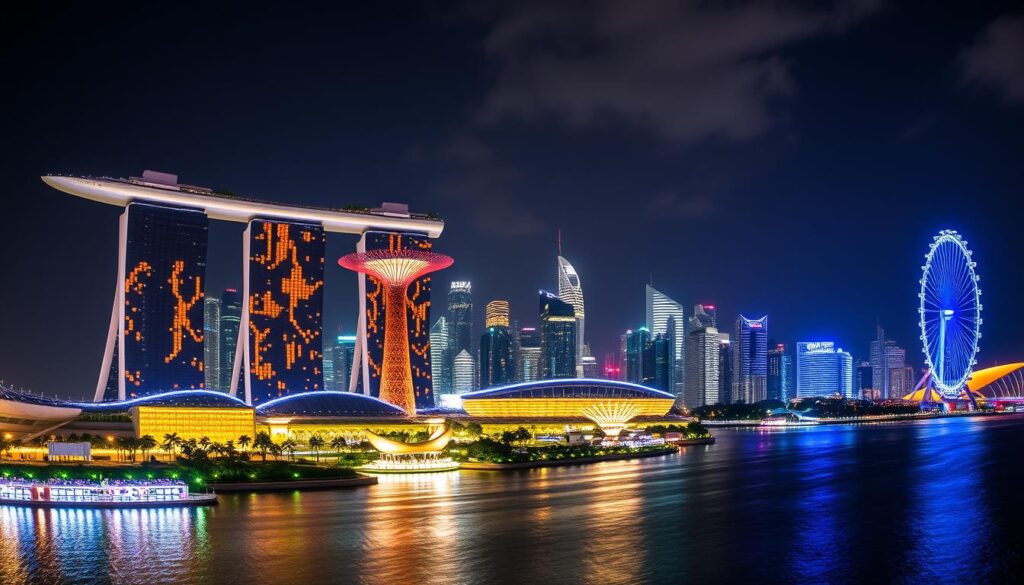
This iconic integrated resort has become synonymous with Singapore’s skyline. The three towering hotel buildings are connected by the spectacular SkyPark, which features the world’s largest rooftop infinity pool (hotel guests only) and an observation deck offering breathtaking panoramic views of the city. The complex also houses a luxury shopping mall, museum, theaters, celebrity chef restaurants, and one of Singapore’s two casinos.
Experience Marina Bay Sands
Get access to the SkyPark Observation Deck and enjoy stunning 360° views of Singapore’s skyline.
Gardens by the Bay
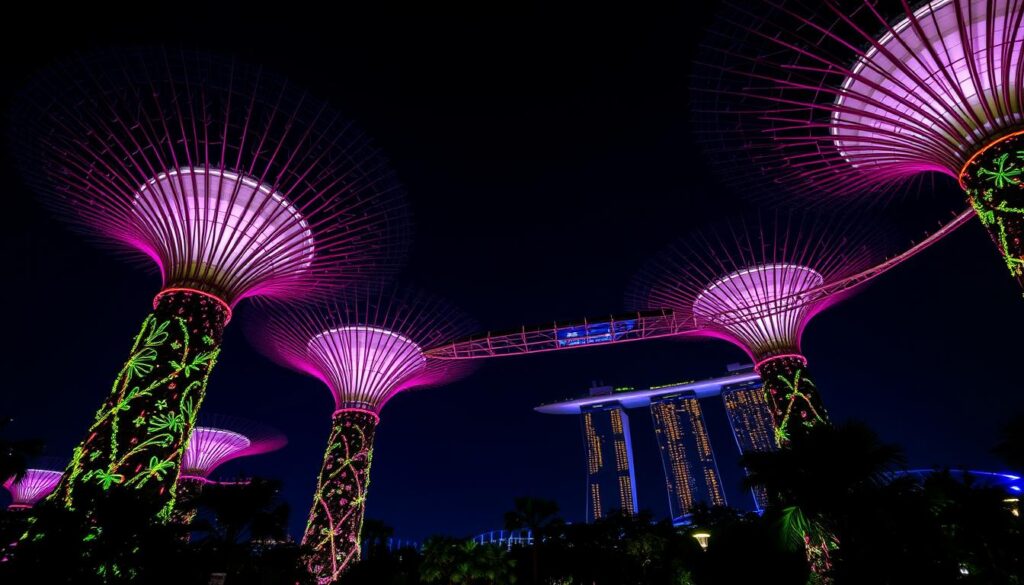
This award-winning horticultural attraction spans 101 hectares of reclaimed land. The garden’s most recognizable features are the futuristic Supertrees—vertical gardens that reach heights of up to 50 meters. Don’t miss the climate-controlled conservatories: Cloud Forest, with its 35-meter indoor waterfall and mountain covered in lush vegetation, and Flower Dome, the world’s largest glass greenhouse featuring plants from Mediterranean and semi-arid regions.
Must-See at Gardens by the Bay:
- Supertree Grove: Enjoy the free Garden Rhapsody light and sound show at 7:45 PM and 8:45 PM daily.
- Cloud Forest: Explore seven levels of mountain and discover rare plants and a stunning waterfall.
- Flower Dome: Wander through diverse gardens representing different regions of the world.
- OCBC Skyway: Walk along the 128-meter aerial walkway connecting two Supertrees.
Visit Gardens by the Bay
Save time and money with combined tickets to Cloud Forest and Flower Dome.
Sentosa Island
Known as the “State of Fun,” Sentosa is Singapore’s premier island resort getaway. Connected to the mainland by road, cable car, pedestrian boardwalk, and monorail, this playground offers beaches, luxury resorts, golf courses, and numerous attractions. Universal Studios Singapore, S.E.A. Aquarium, Adventure Cove Waterpark, and Madame Tussauds are just a few of the many entertainment options available.
Popular Sentosa Attractions:
- Universal Studios Singapore: Experience movie-themed rides and attractions across seven zones.
- S.E.A. Aquarium: One of the world’s largest aquariums with over 100,000 marine animals.
- Siloso Beach: Enjoy beach activities, bars, and restaurants along this man-made beach.
- Skyline Luge: Combine go-kart and toboggan for a thrilling ride down the hill.
- Wings of Time: Watch the spectacular night show featuring water, laser, and fire effects.
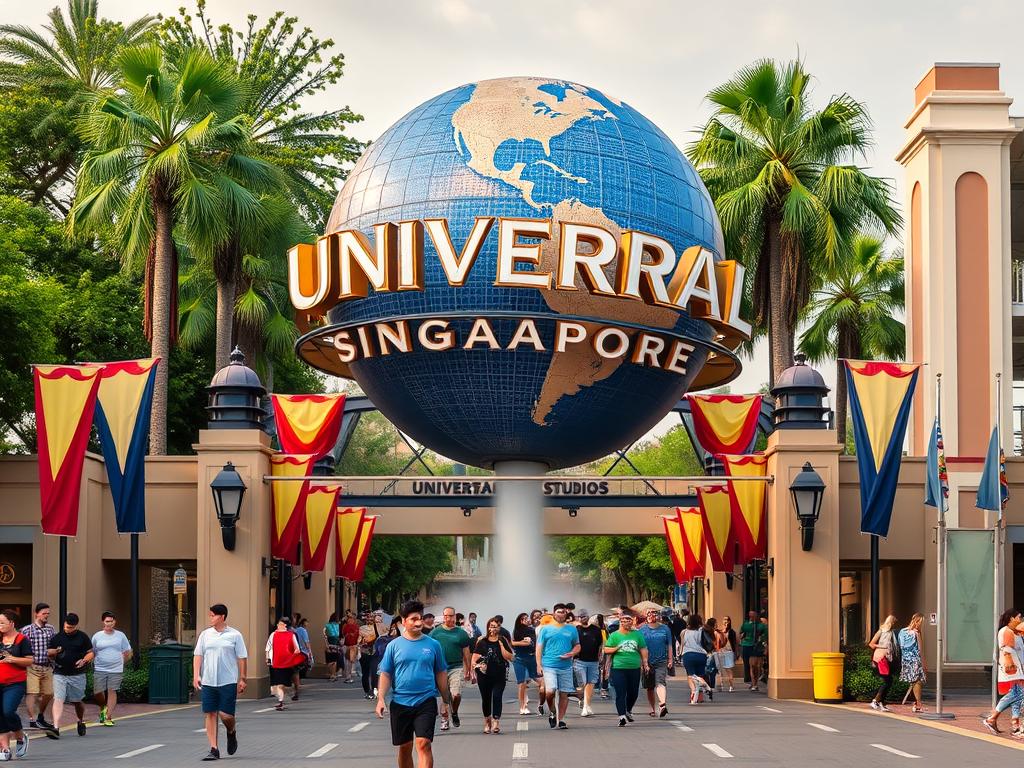
Explore Sentosa Island
Get your Universal Studios Singapore tickets in advance to skip the lines.
Cultural Neighborhoods
Singapore’s diverse cultural heritage is best experienced through its distinct ethnic neighborhoods, each offering unique sights, sounds, and flavors.
Chinatown
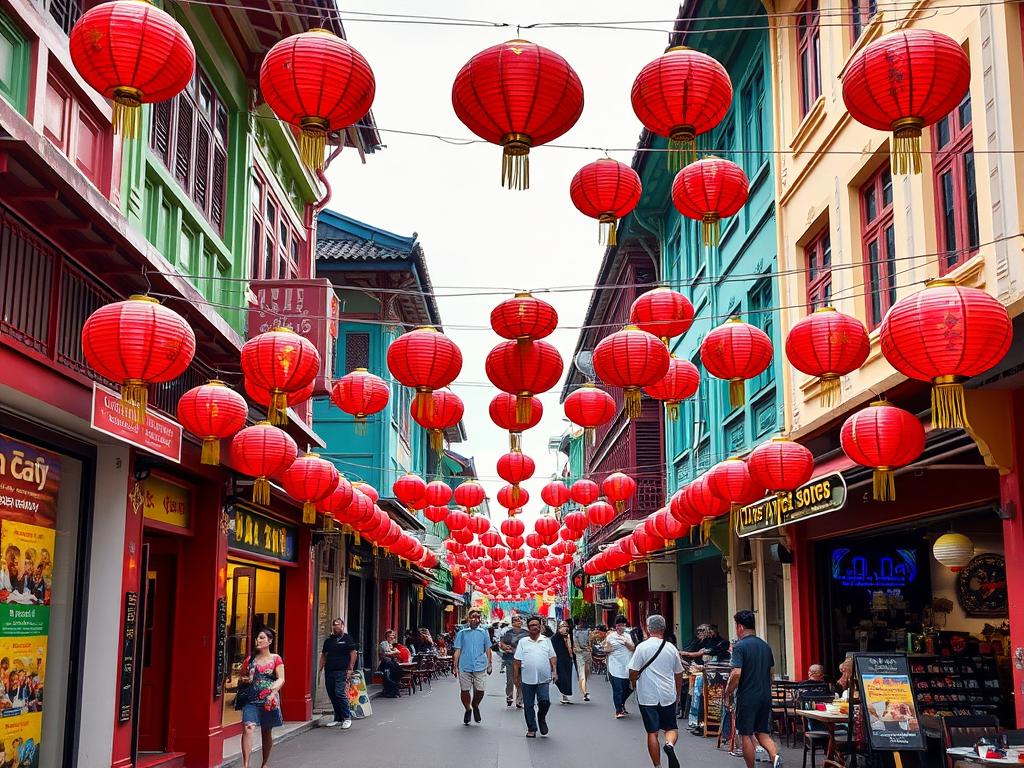
Explore temples like Buddha Tooth Relic Temple, shop at Chinatown Street Market, and enjoy authentic Chinese cuisine at hawker centers. Don’t miss the Chinatown Heritage Centre to learn about early Chinese immigrants’ lives.
Little India
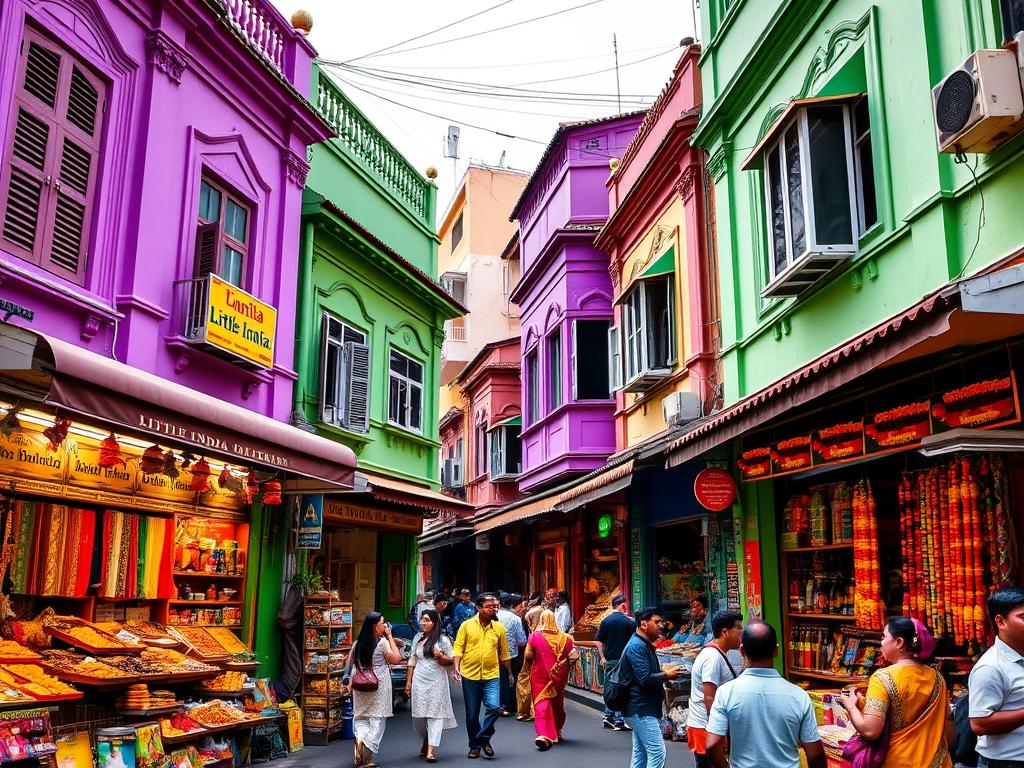
Immerse yourself in the sights and scents of Indian culture at the Sri Veeramakaliamman Temple, Tekka Centre, and Mustafa Centre (open 24/7). The area comes alive during festivals like Deepavali.
Kampong Glam
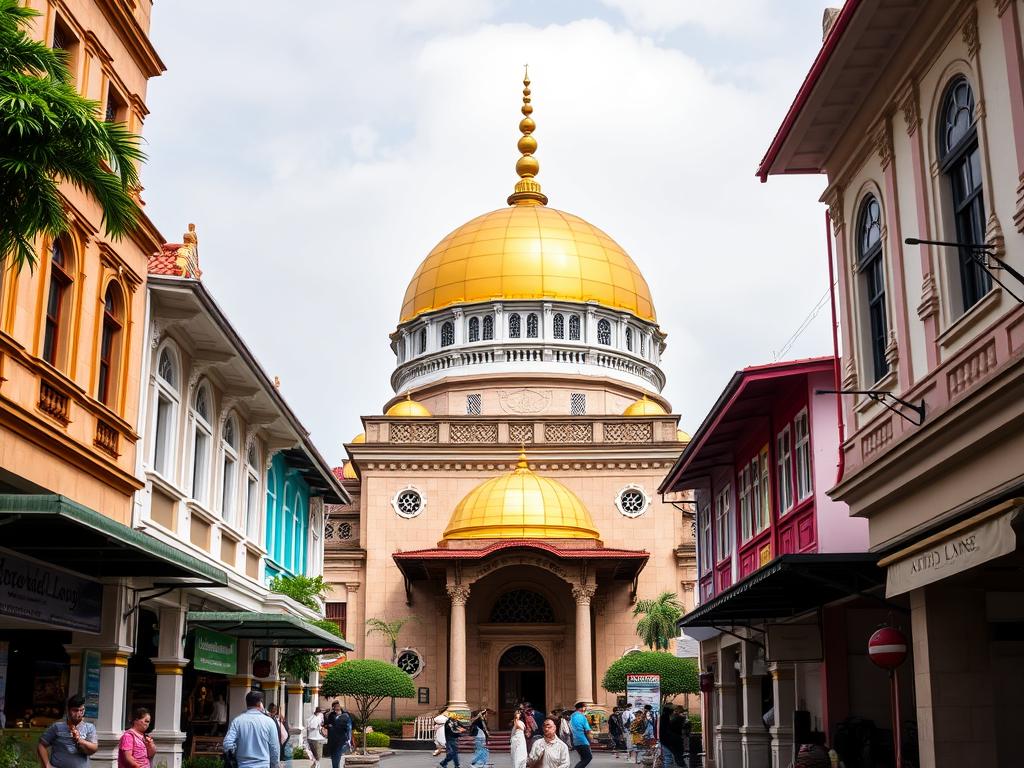
Singapore’s Muslim quarter features the magnificent Sultan Mosque, trendy Haji Lane with its boutiques and cafes, and Arab Street with textile shops and Middle Eastern restaurants.
Singapore Zoo and Night Safari
Singapore’s world-class wildlife attractions offer immersive experiences in naturalistic habitats. The Singapore Zoo pioneered the “open concept” design, where animals are kept in spacious, landscape-designed enclosures separated from visitors by hidden barriers. The Night Safari, the world’s first nocturnal wildlife park, allows visitors to observe over 900 animals in their nighttime habitats.
Singapore Zoo Highlights:
- Orangutan free-ranging area
- Fragile Forest biodome
- Splash Safari sea lion presentation
- Rainforest Kidzworld
- Australian Outback exhibit
Night Safari Experience:
- Tram ride through six geographical zones
- Walking trails for close-up animal viewing
- Creatures of the Night show
- Thumbuakar fire performance
- Themed dining options
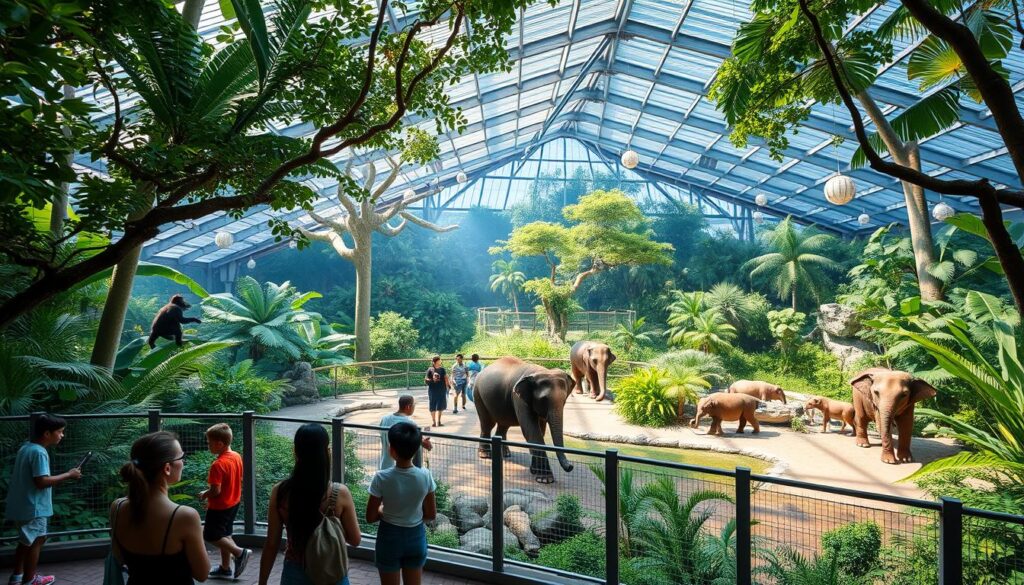
Experience Singapore’s Wildlife
Save with combo tickets to Singapore Zoo, Night Safari, River Wonders, and Bird Paradise.
Food & Dining in Singapore
Singapore’s food scene is legendary, offering everything from affordable hawker fare to Michelin-starred fine dining. The city’s multicultural heritage has created a unique culinary landscape where Chinese, Malay, Indian, and Western influences blend to create distinctive flavors.
Must-Try Singaporean Dishes
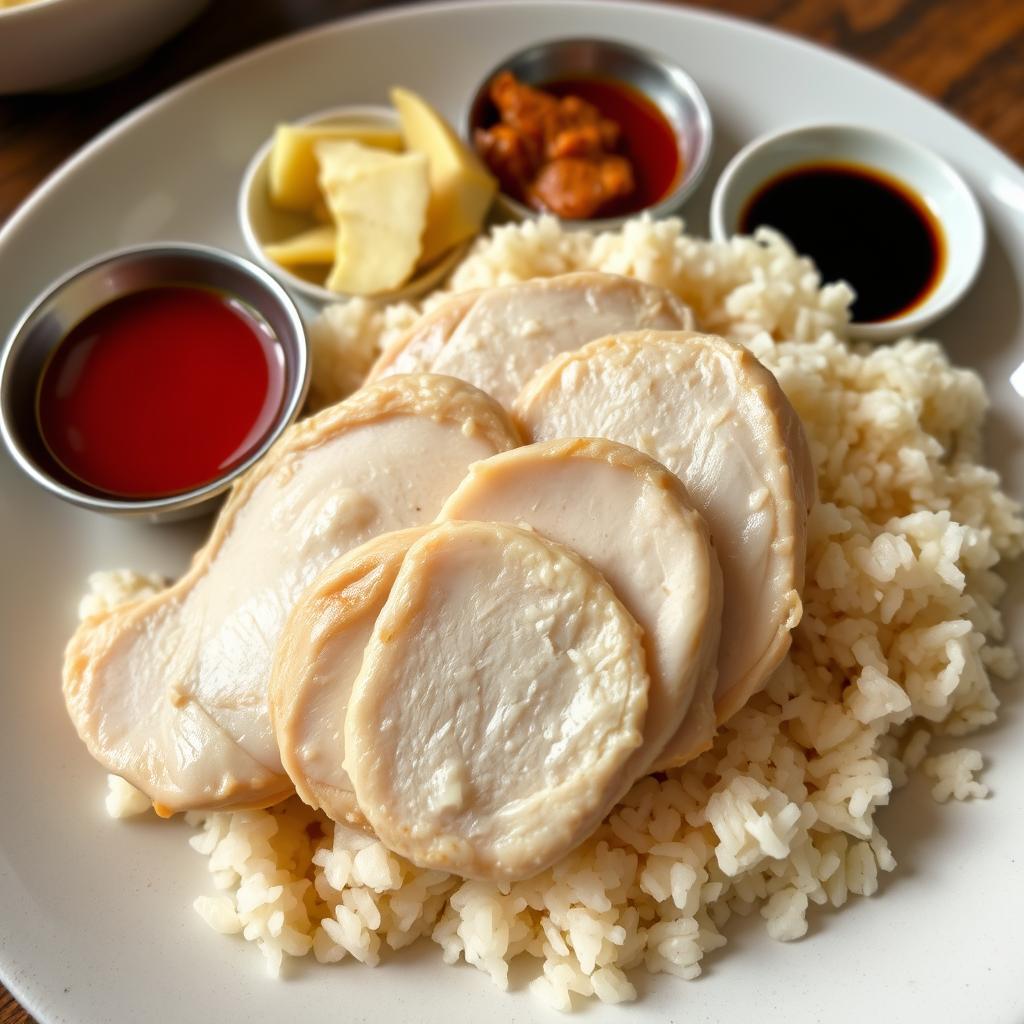
Hainanese Chicken Rice
Often considered Singapore’s national dish, this simple yet flavorful meal consists of poached chicken served with fragrant rice cooked in chicken stock, accompanied by chili sauce, ginger paste, and dark soy sauce.
Where to try: Tian Tian Hainanese Chicken Rice (Maxwell Food Centre), Wee Nam Kee Chicken Rice
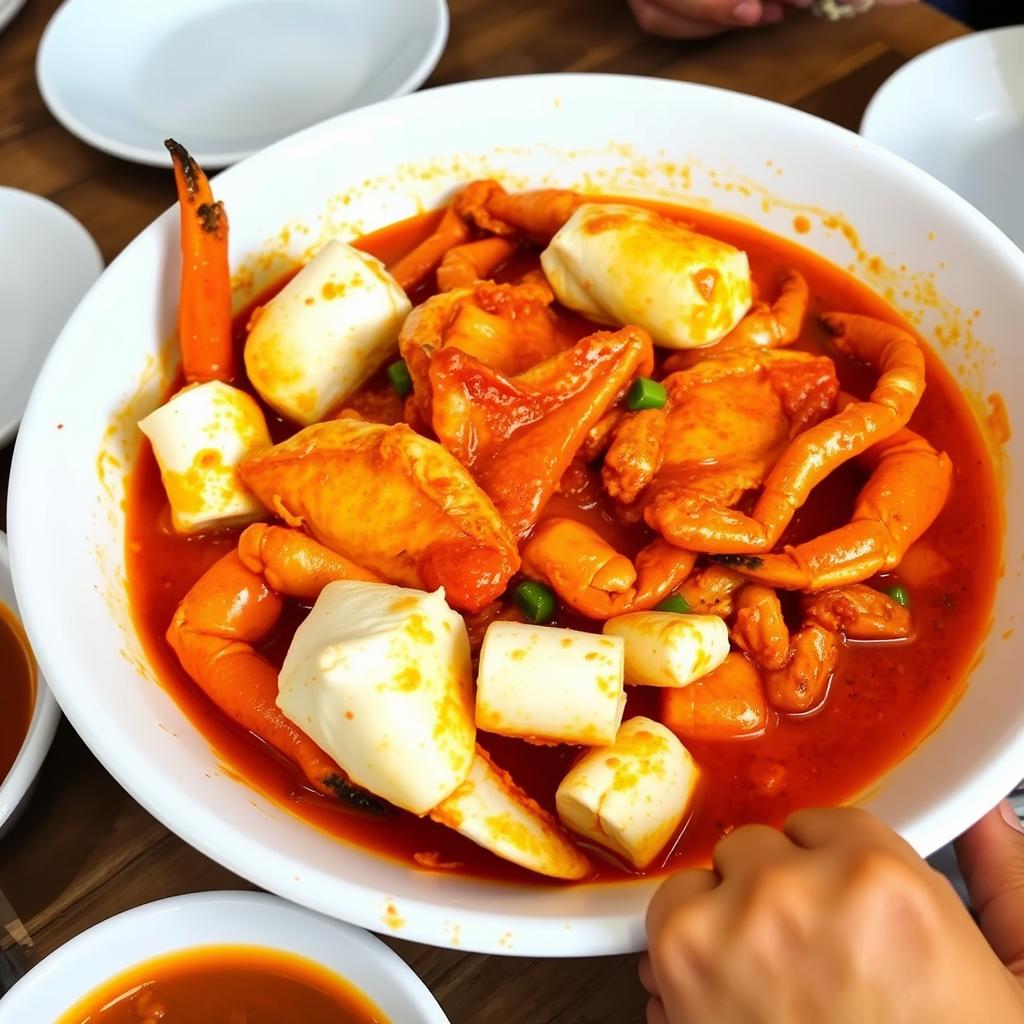
Chili Crab
Singapore’s most famous seafood dish features mud crabs stir-fried in a sweet, savory, and slightly spicy tomato-based sauce. It’s typically eaten with mantou (fried buns) to soak up the delicious gravy.
Where to try: JUMBO Seafood, Red House Seafood, No Signboard Seafood
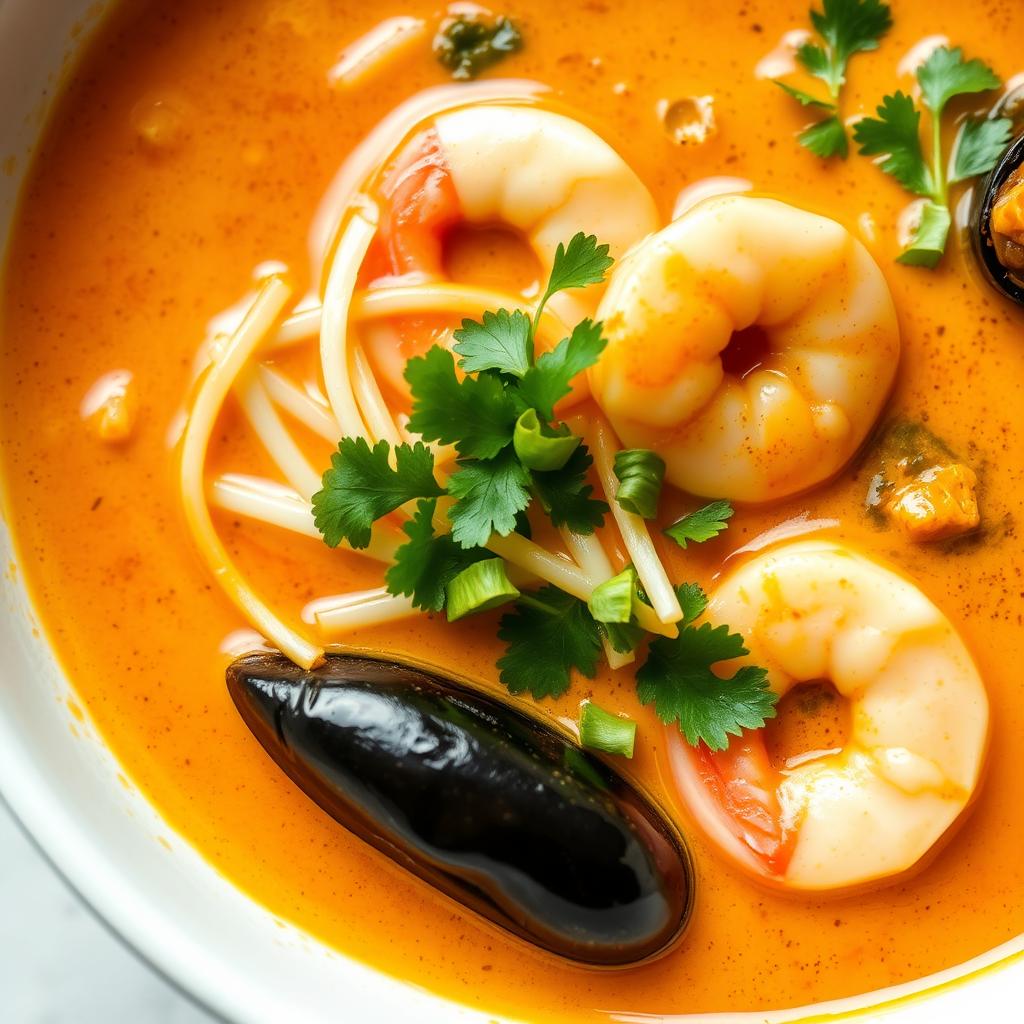
Laksa
This spicy noodle soup combines Chinese and Malay influences with rice noodles in a rich and spicy coconut curry broth, topped with prawns, fish cakes, bean sprouts, and cockles.
Where to try: 328 Katong Laksa, Sungei Road Laksa
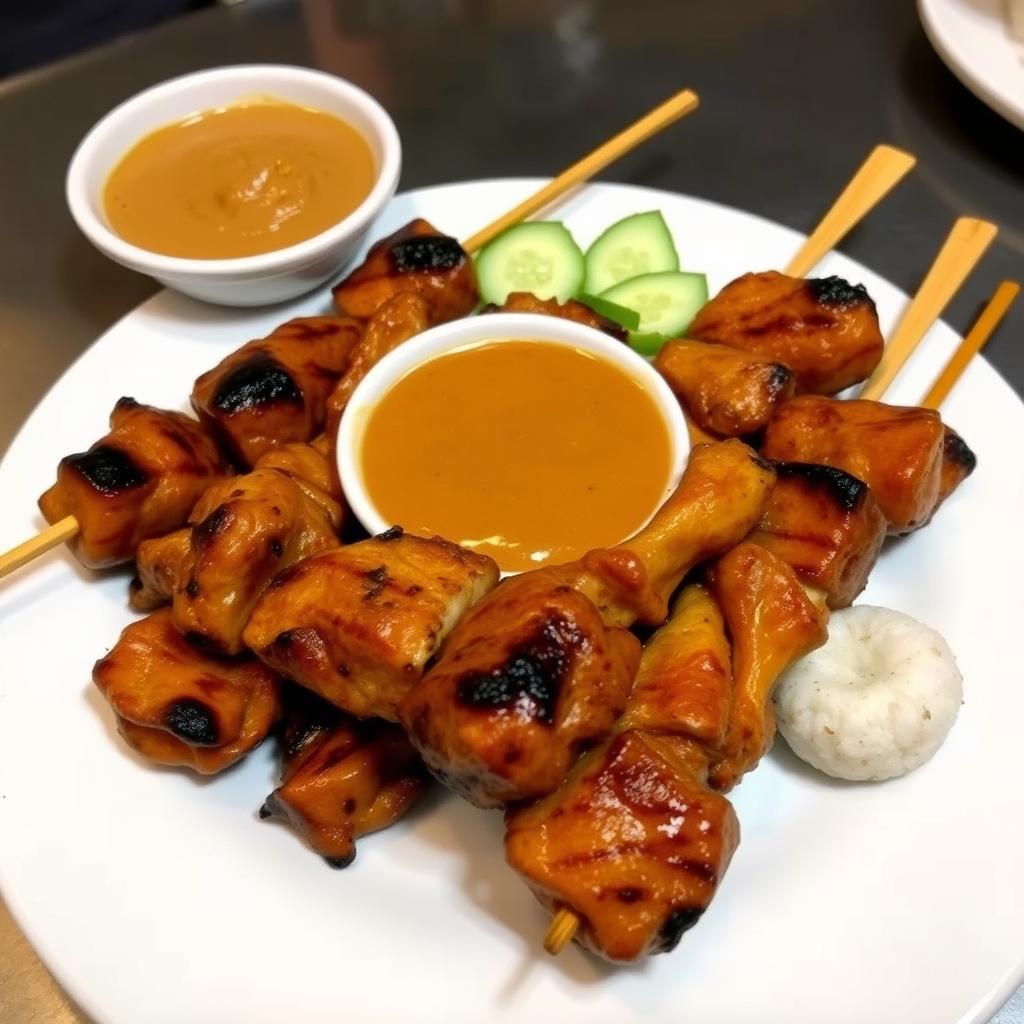
Satay
These grilled meat skewers (chicken, beef, or mutton) are marinated in spices, grilled over charcoal, and served with a rich peanut sauce, cucumber slices, and rice cakes (ketupat).
Where to try: Satay by the Bay, Lau Pa Sat Festival Market (Satay Street)
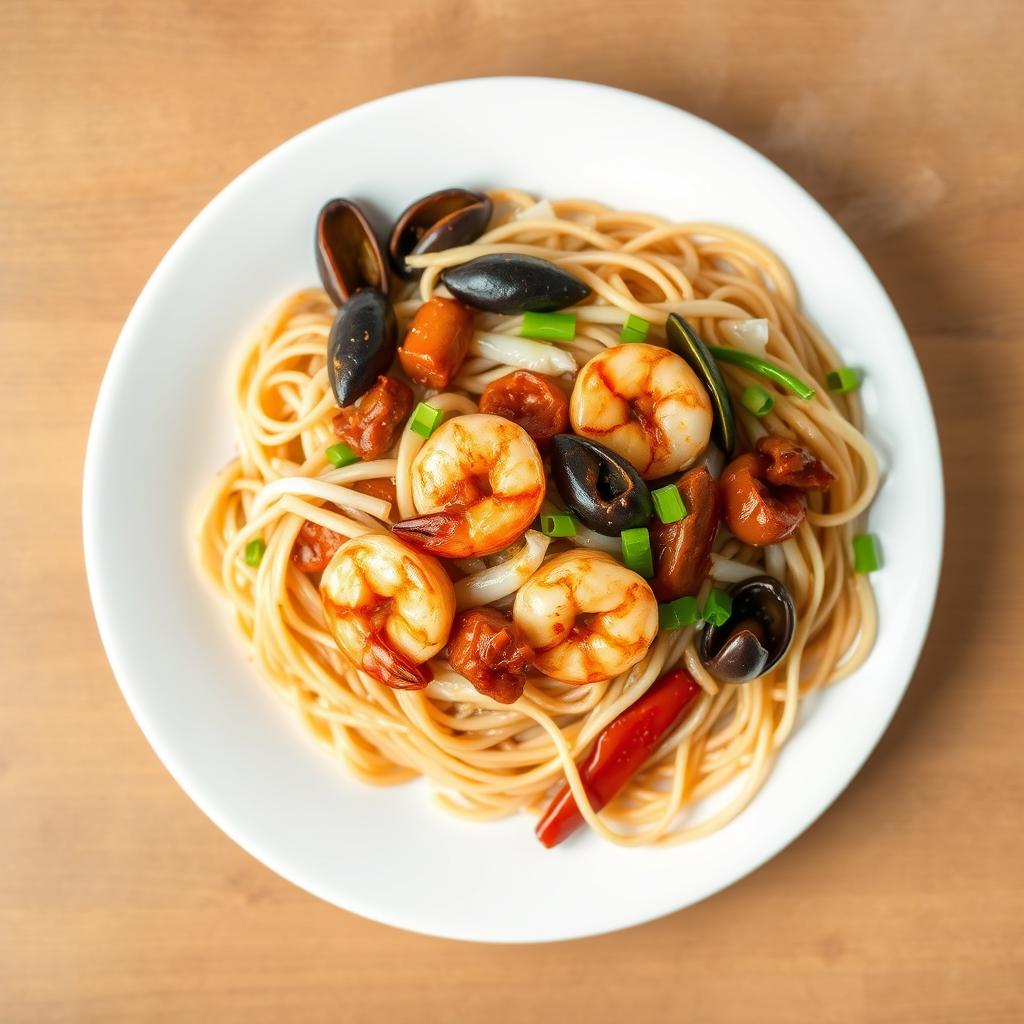
Char Kway Teow
This stir-fried noodle dish features flat rice noodles with light and dark soy sauce, chili, prawns, blood cockles, Chinese sausage, bean sprouts, and chives, all fried in pork lard for extra flavor.
Where to try: Hill Street Char Kway Teow, Outram Park Fried Kway Teow
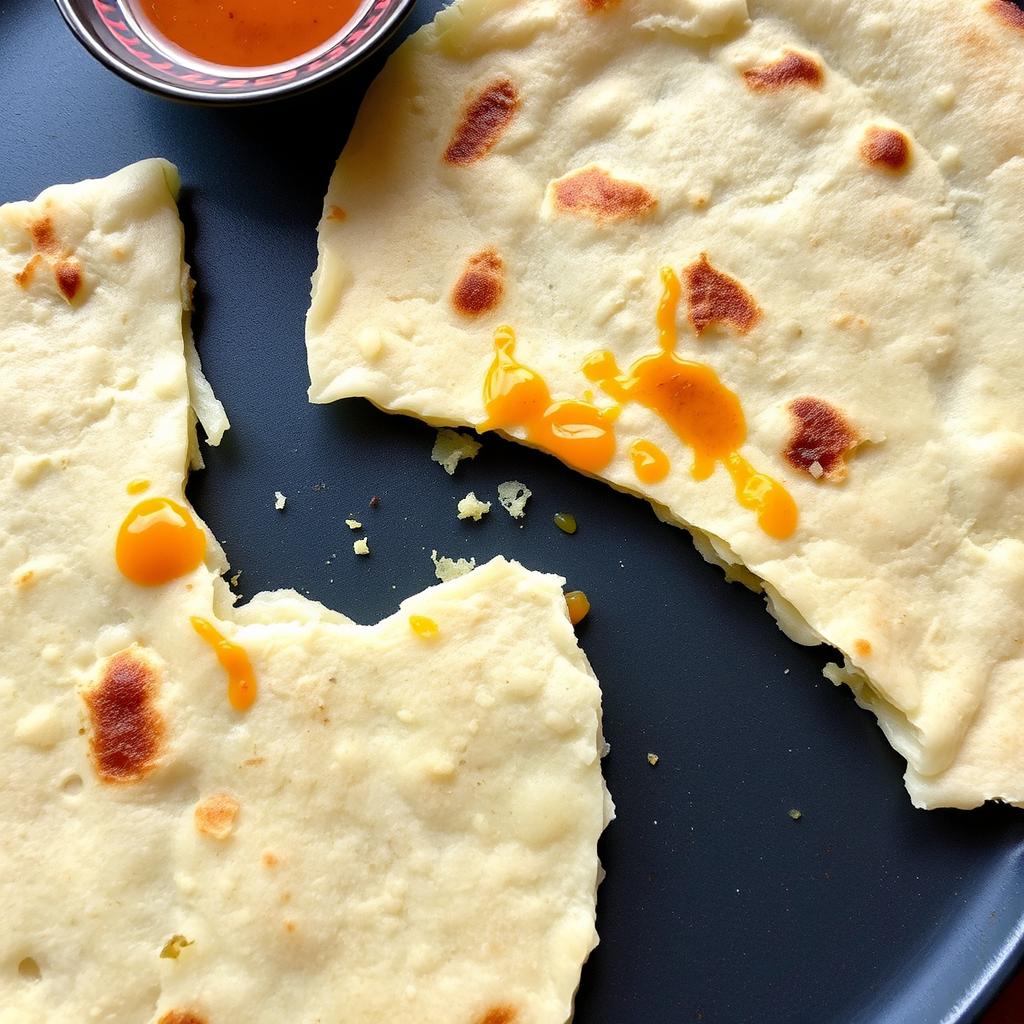
Roti Prata
This Indian-influenced flatbread is stretched and flipped until thin, then folded and cooked on a flat grill. It’s typically served with curry but can also be ordered with sweet toppings.
Where to try: Mr. and Mrs. Mohgan’s Super Crispy Roti Prata, The Roti Prata House
Where to Eat in Singapore
Hawker Centers
These open-air food complexes are the heart of Singapore’s food culture, offering affordable and authentic local dishes. Most dishes cost between S$3-6, making them perfect for budget travelers wanting to sample a variety of foods.
Maxwell Food Centre
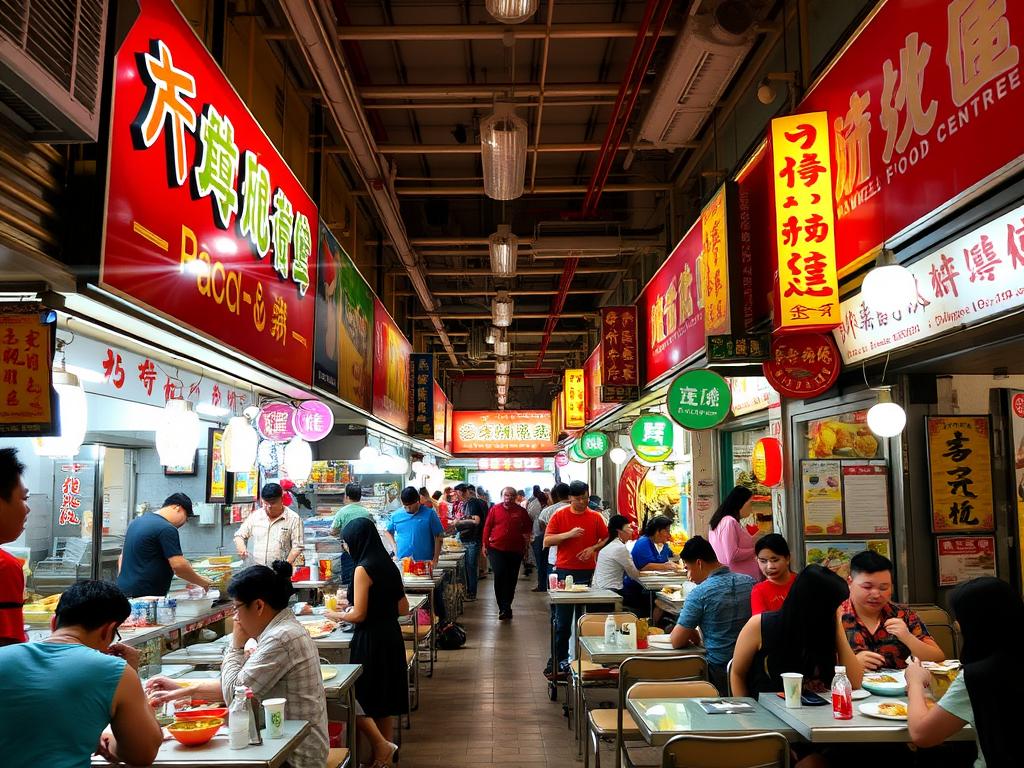
Located in Chinatown, this popular hawker center houses the famous Tian Tian Hainanese Chicken Rice and other notable stalls like Zhen Zhen Porridge and Maxwell Fuzhou Oyster Cake.
Lau Pa Sat
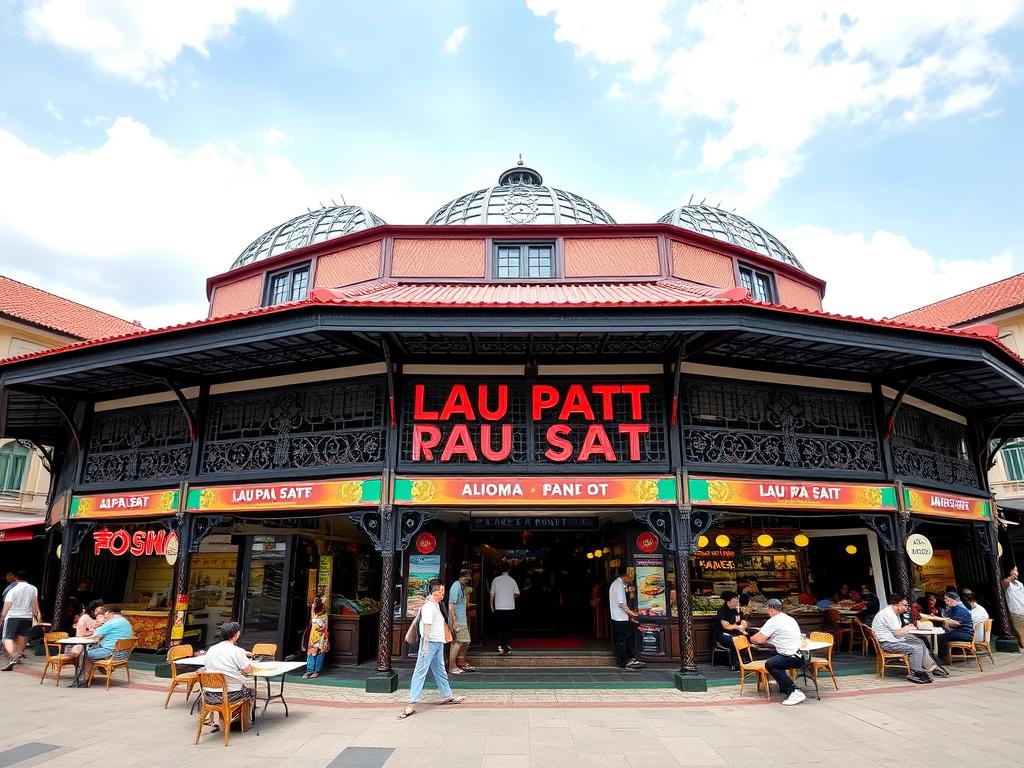
This historic Victorian-era structure transforms into “Satay Street” in the evenings when the adjacent street closes to traffic and fills with satay vendors grilling skewers over charcoal.
Old Airport Road Food Centre
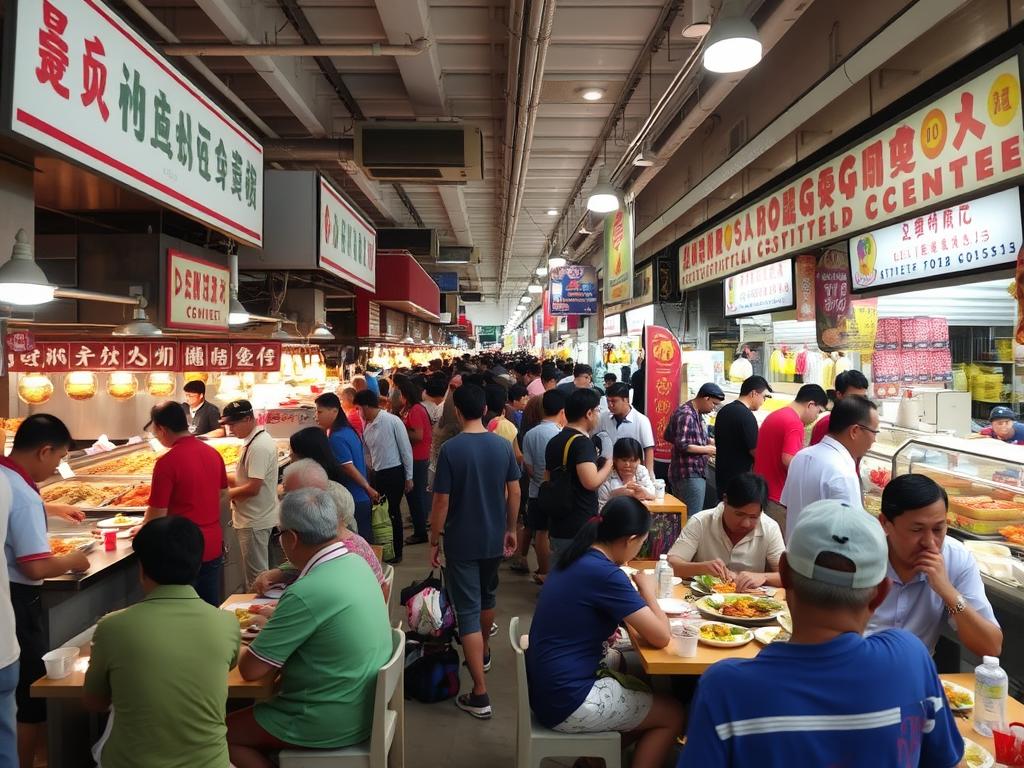
Less touristy than other hawker centers, this local favorite offers some of the best traditional hawker food in Singapore, including famous stalls like Dong Ji Fried Kway Teow and Roast Paradise.
Hawker Center Etiquette: “Chope” (reserve) your table by placing a packet of tissues on it before queuing for food. Return your trays to designated areas after eating. Most stalls are cash-only, so come prepared with small denominations.
Fine Dining Experiences
Singapore boasts numerous Michelin-starred restaurants and establishments by celebrity chefs, offering world-class dining experiences for special occasions.
- Odette (3 Michelin stars) – Modern French cuisine by Chef Julien Royer at National Gallery Singapore.
- Restaurant Zén (3 Michelin stars) – Nordic-Asian fusion in an intimate setting.
- Burnt Ends (1 Michelin star) – Modern Australian barbecue with open-concept kitchen.
- Candlenut (1 Michelin star) – The world’s first Michelin-starred Peranakan restaurant.
- CUT by Wolfgang Puck (1 Michelin star) – Premium steakhouse at Marina Bay Sands.
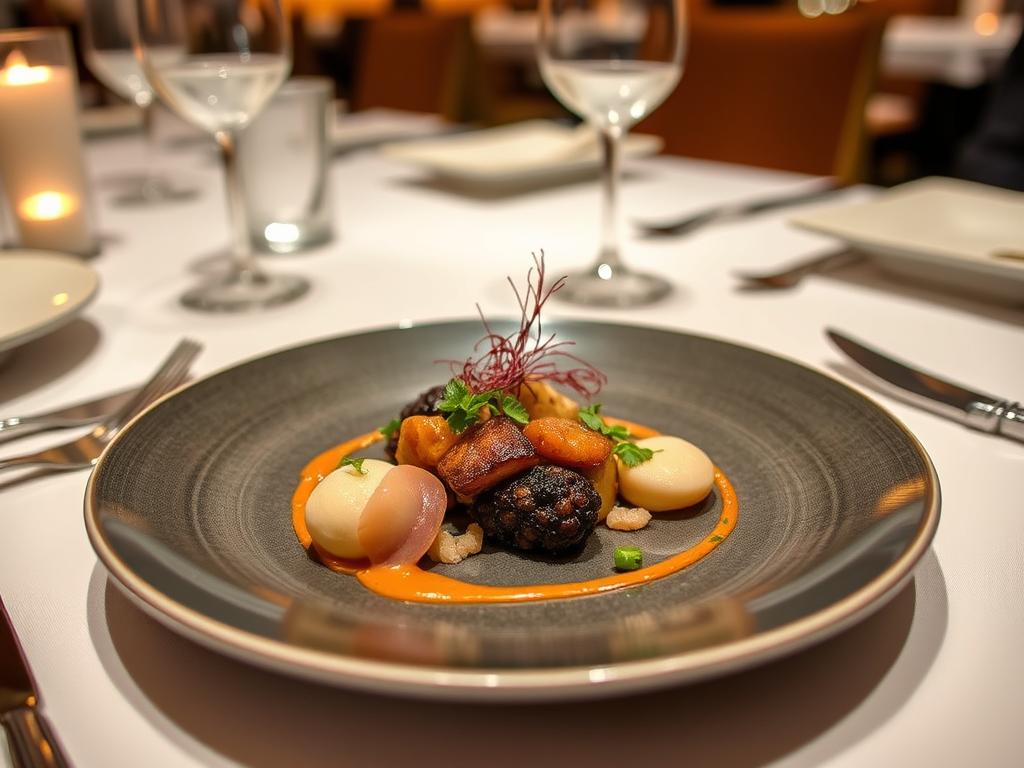
Discover Singapore’s Food Scene
Join a guided food tour to sample the best local dishes with expert commentary.
Where to Stay in Singapore
Singapore offers accommodation options for every budget and preference, from luxury hotels with stunning views to affordable hostels in central locations. Here’s a breakdown of the best areas to stay and recommended properties in each category.
Best Areas to Stay
Marina Bay
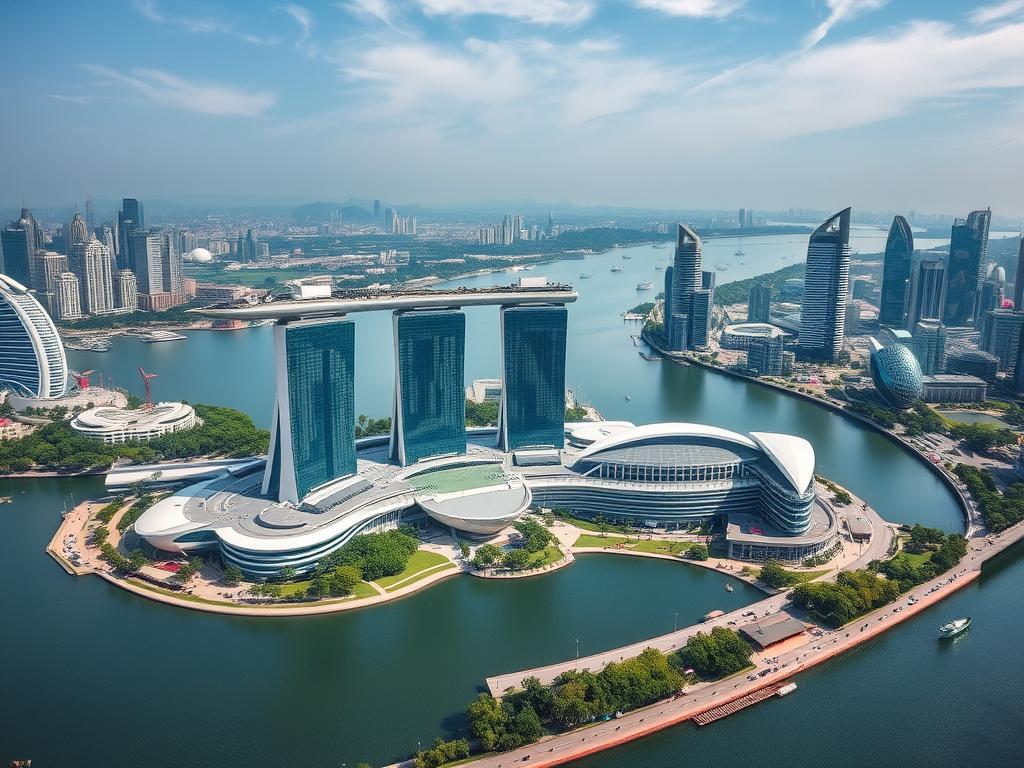
Best for: Luxury travelers, first-time visitors
Home to iconic hotels and attractions with stunning views of the skyline. Convenient for major sights but typically the most expensive area.
Orchard Road
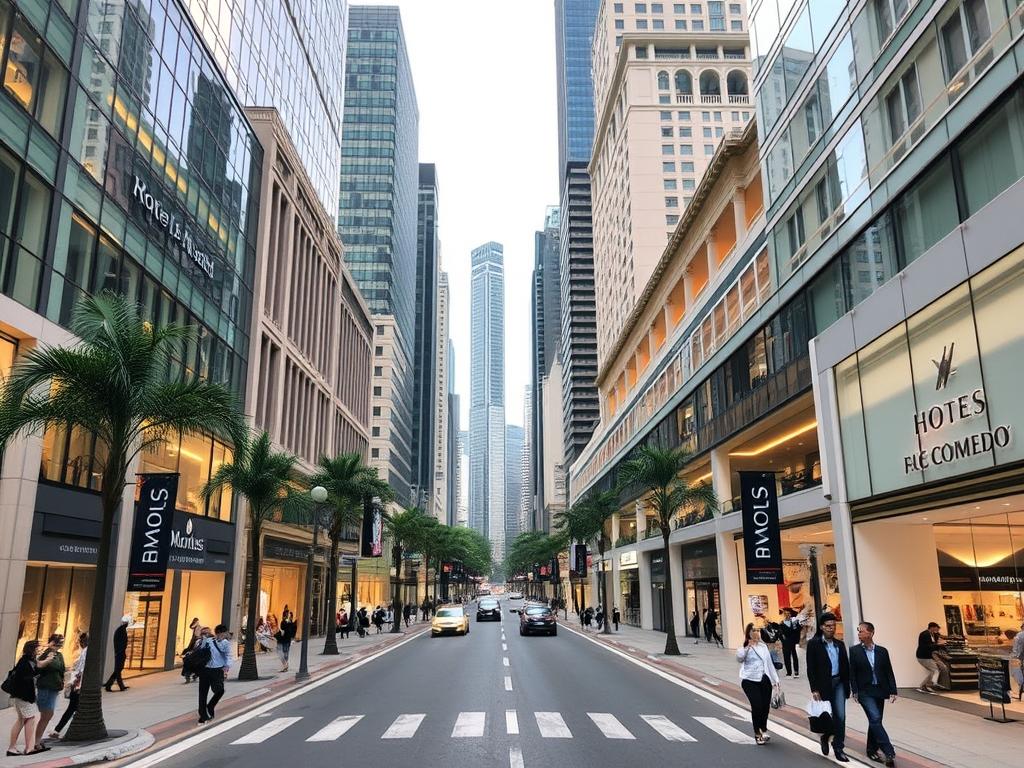
Best for: Shoppers, business travelers
Singapore’s premier shopping district with numerous malls and restaurants. Well-connected by MRT and offers a range of mid to high-end accommodations.
Chinatown & Clarke Quay
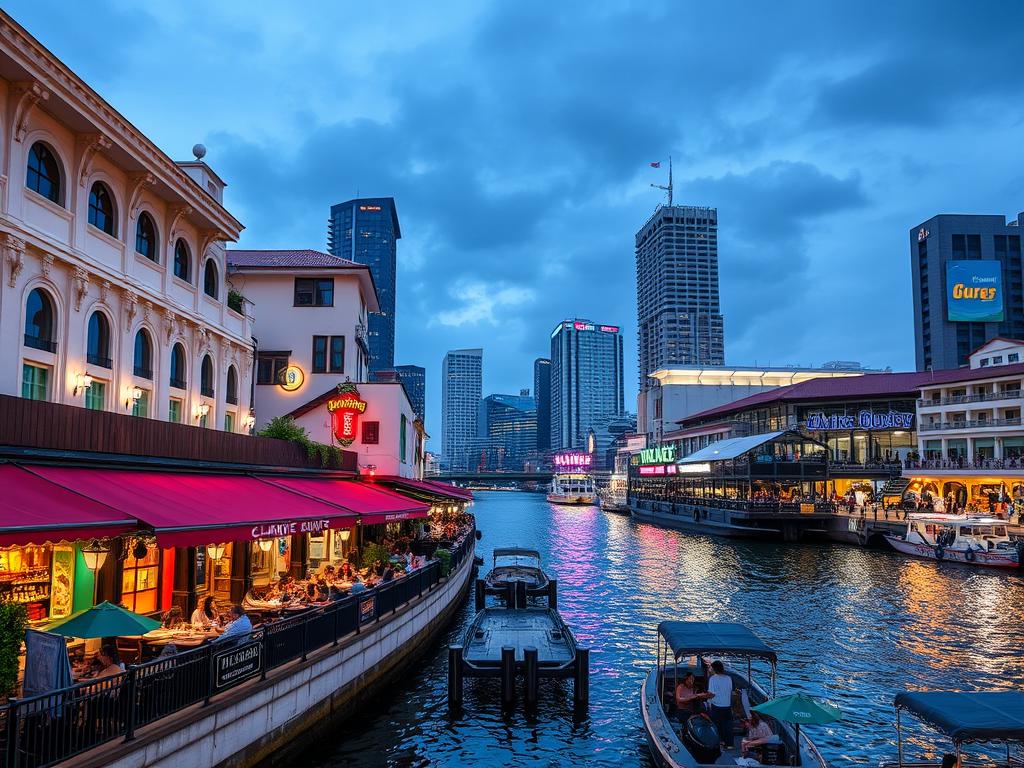
Best for: Foodies, nightlife enthusiasts
Central location with rich cultural heritage, excellent food options, and vibrant nightlife along the river. Good mix of boutique hotels and budget options.
Accommodation Options
Luxury Hotels (S$400+ per night)
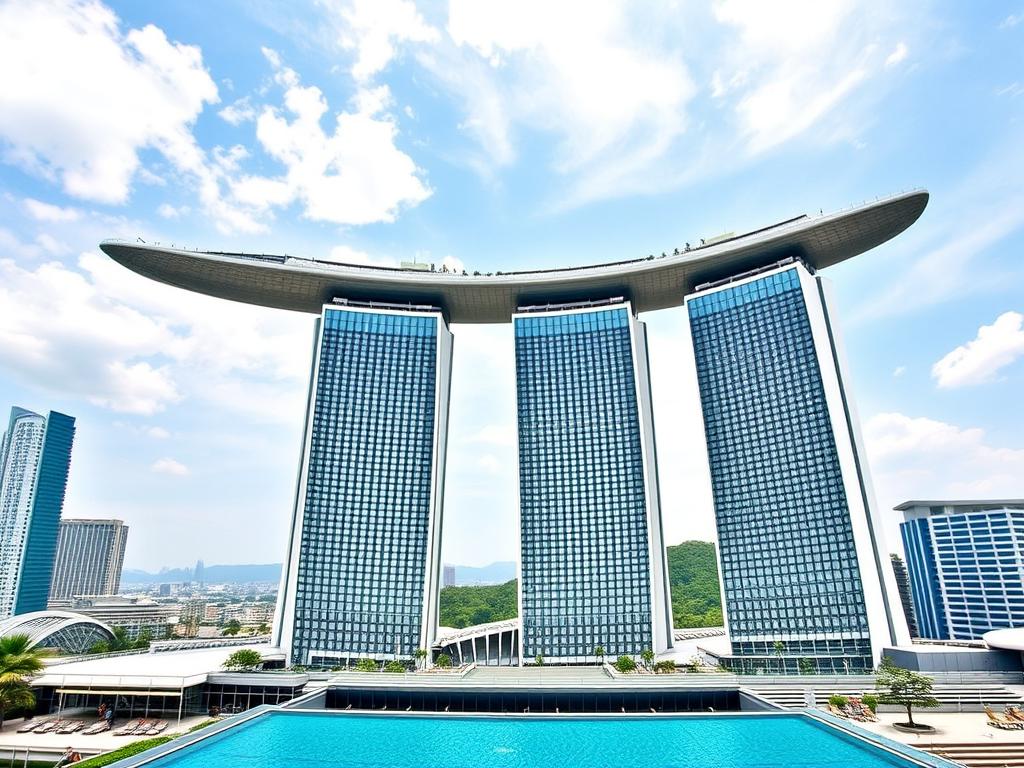
Marina Bay Sands
The iconic three-towered hotel with the world’s largest rooftop infinity pool offers unparalleled views of the city. Features luxury shopping, celebrity chef restaurants, and direct access to Gardens by the Bay.
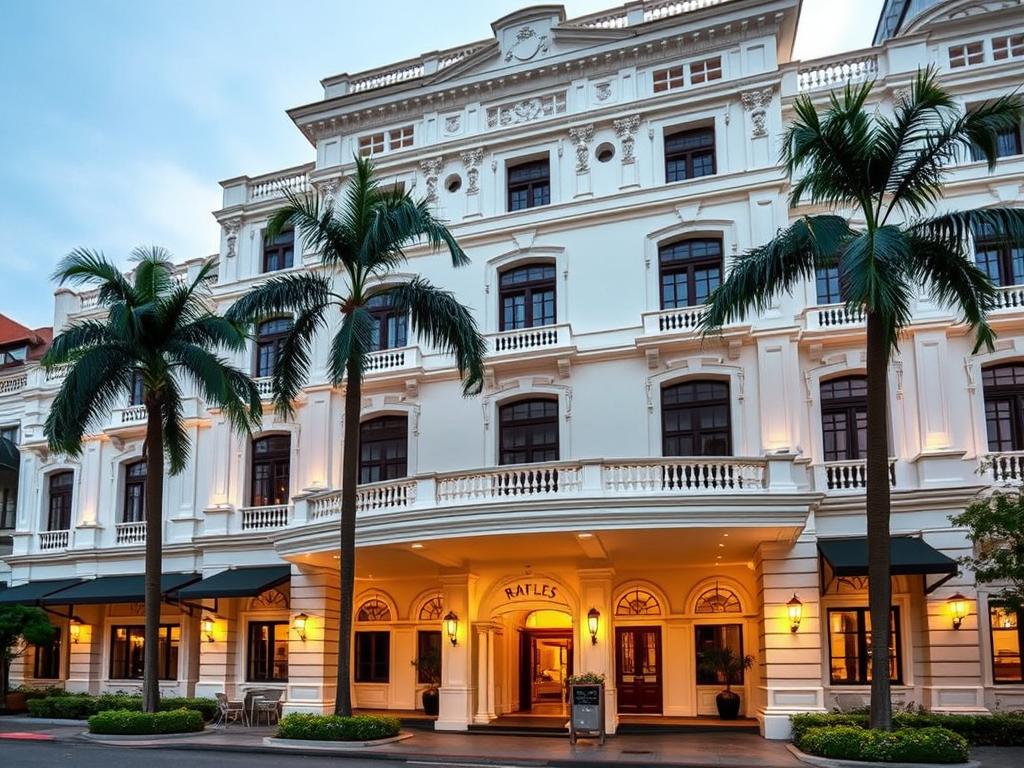
Raffles Hotel Singapore
This historic colonial-style hotel dates back to 1887 and offers the ultimate in old-world luxury. Home to the famous Long Bar where the Singapore Sling cocktail was invented.
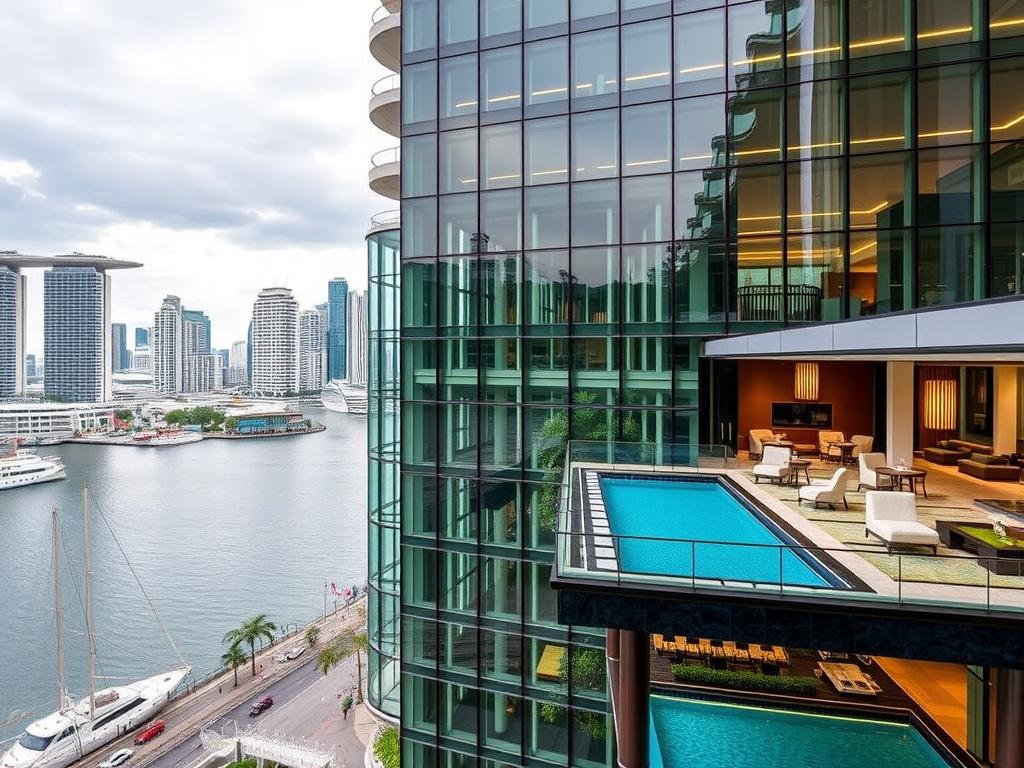
The Fullerton Bay Hotel
Built on stilts over Marina Bay, this contemporary luxury hotel offers stunning waterfront views, elegant rooms with floor-to-ceiling windows, and a rooftop pool with panoramic vistas.
Mid-Range Hotels (S$150-400 per night)
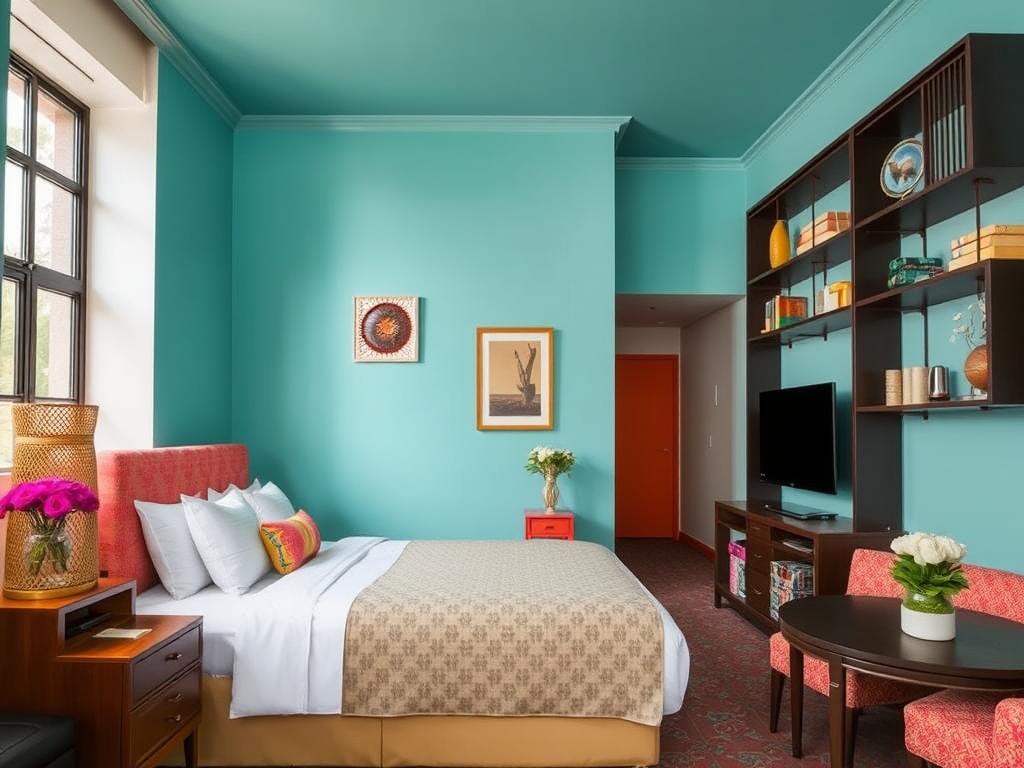
Hotel Indigo Singapore Katong
Located in the charming Katong district, this boutique hotel celebrates Peranakan culture with colorful design elements. Features a rooftop infinity pool and easy access to local eateries.
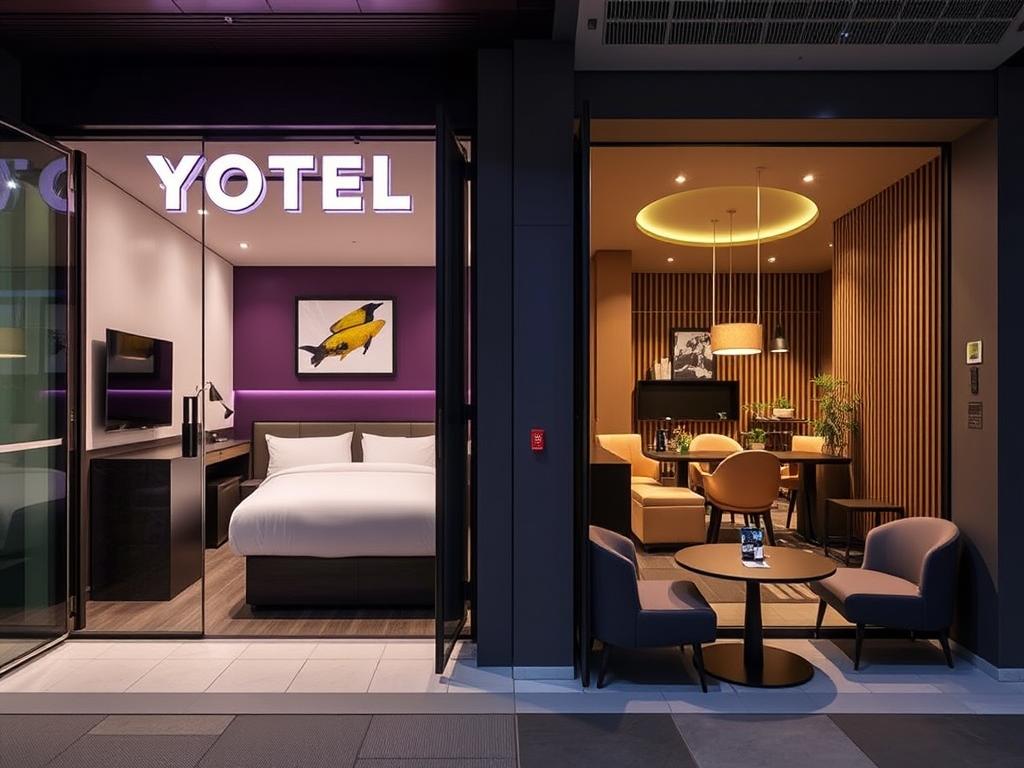
YOTEL Singapore Orchard Road
This tech-forward hotel offers compact but cleverly designed “cabins” in a prime location on Orchard Road. Features a rooftop pool, 24/7 gym, and self-service check-in kiosks.
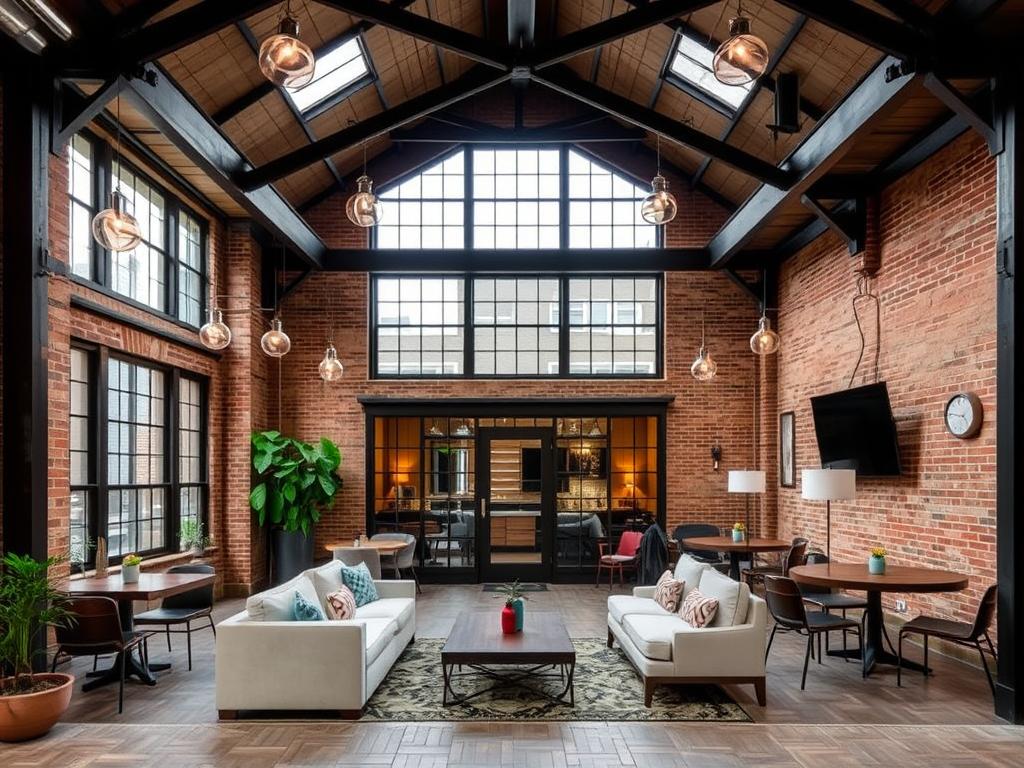
The Warehouse Hotel
This beautifully restored heritage building on Robertson Quay combines industrial-chic design with luxury touches. The former warehouse now houses 37 unique rooms, a rooftop pool, and an excellent restaurant.
Budget Options (Under S$150 per night)

Capsule Pod Hotels
Singapore has several modern capsule hotels offering private sleeping pods with shared facilities. Options include Cube Boutique Capsule Hotel, Met A Space Pod, and Atlantis Pods at Little India.
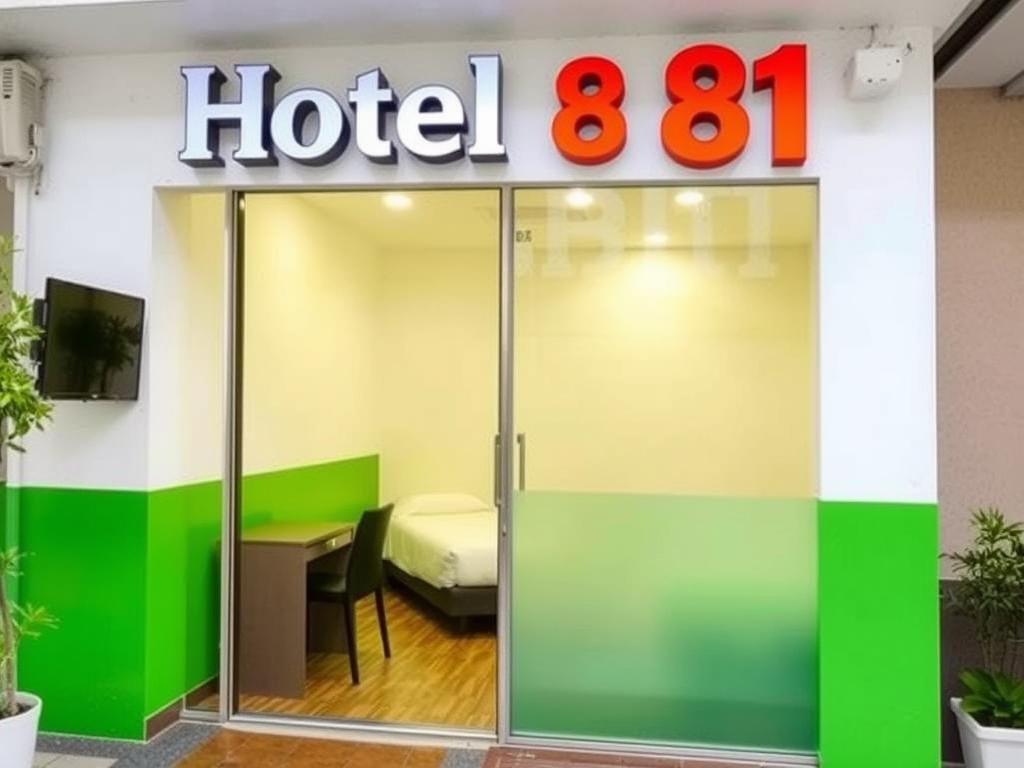
Hotel 81 Chain
This local budget hotel chain has locations throughout Singapore, offering clean, no-frills accommodations at affordable prices. Most are located in convenient areas with good access to public transportation.
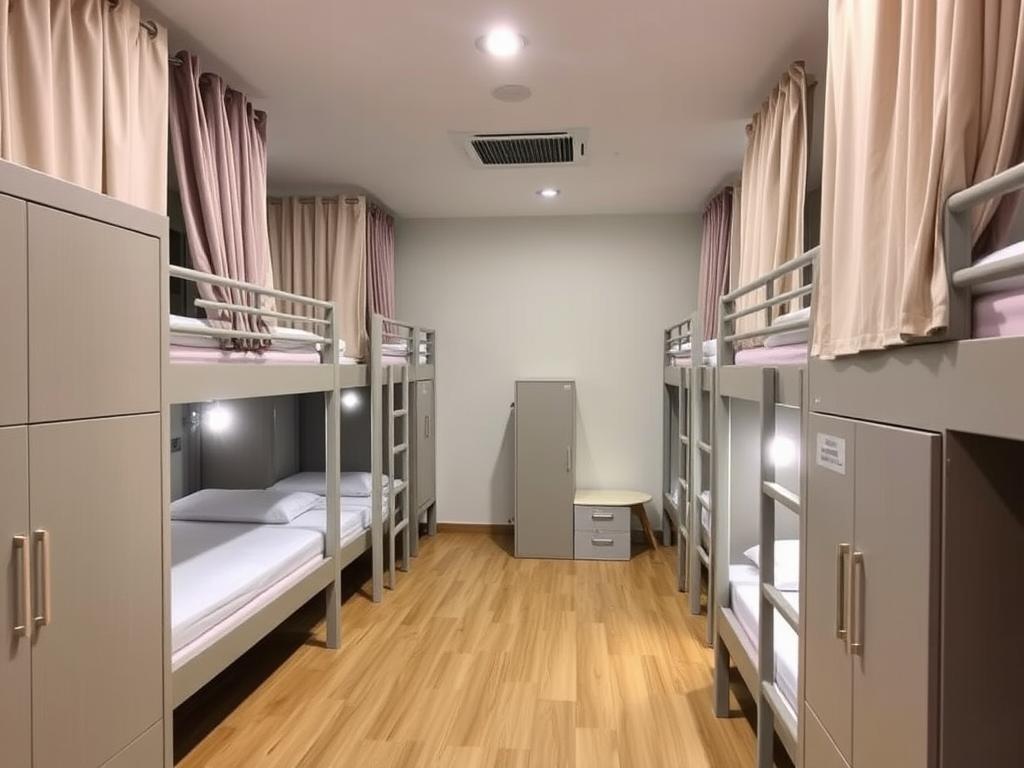
Hostels
For backpackers and solo travelers, Singapore offers numerous clean, well-run hostels with dormitory-style accommodations. Popular options include The InnCrowd Hostel, Footprints Hostel, and Rucksack Inn.
Find Your Perfect Singapore Stay
Book early to secure the best rates, especially during peak seasons and events.
Getting Around Singapore
Singapore boasts one of the world’s most efficient public transportation systems, making it easy and affordable to explore the city. The comprehensive network of MRT (Mass Rapid Transit) trains, buses, and taxis can get you virtually anywhere on the island quickly and comfortably.
MRT and LRT
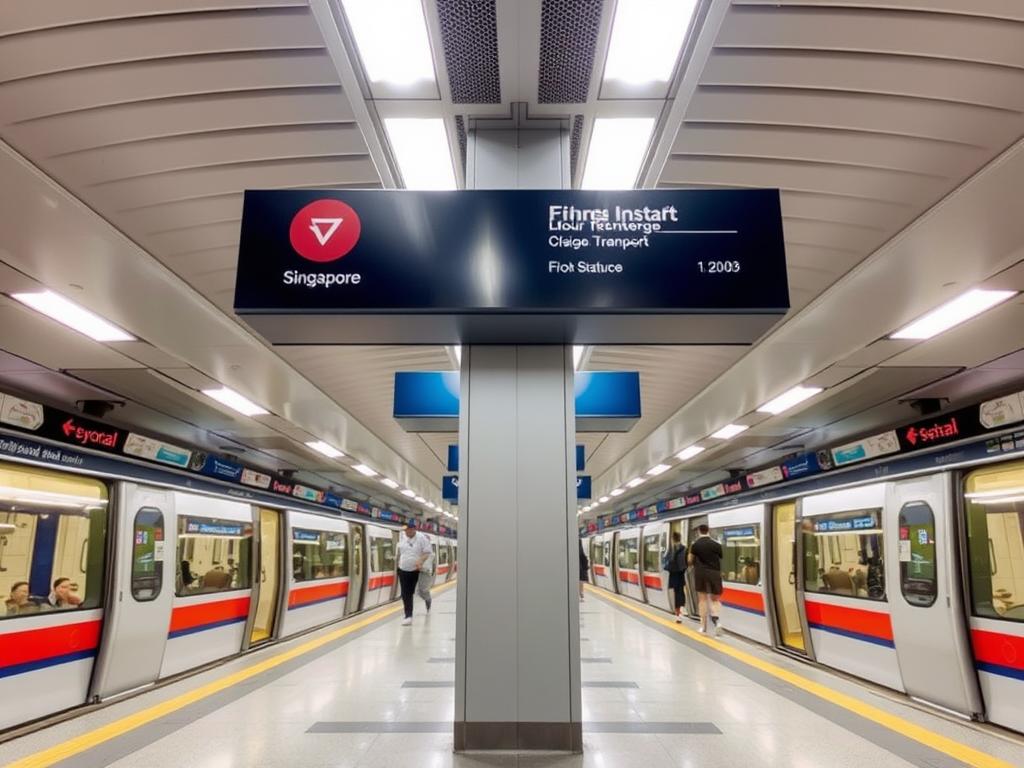
Singapore’s clean, air-conditioned subway system is the fastest way to get around the city. The network consists of six MRT lines and three LRT (Light Rail Transit) lines that connect most major attractions.
- Operating hours: 5:30 AM to midnight daily
- Frequency: Every 2-3 minutes during peak hours, 5-7 minutes during off-peak
- Cost: S$0.80-2.20 per trip, depending on distance
- Payment: EZ-Link card, Singapore Tourist Pass, or contactless credit/debit cards
Public Buses
Singapore’s extensive bus network reaches areas not covered by the MRT and offers a more scenic way to travel. All buses are air-conditioned and equipped with free Wi-Fi.
- Operating hours: 5:30 AM to midnight, with limited Night Rider services after midnight
- Cost: S$0.90-2.50 per trip, depending on distance
- Payment: Same as MRT (exact cash fare also accepted but no change given)
- Tips: Use Google Maps or the SG Buses app to check routes and arrival times
Travel Cards and Passes

EZ-Link Card
This stored-value card can be used on all public transportation and at many retail outlets. Purchase for S$12 (S$5 non-refundable card cost + S$7 stored value) at MRT stations and top up as needed.
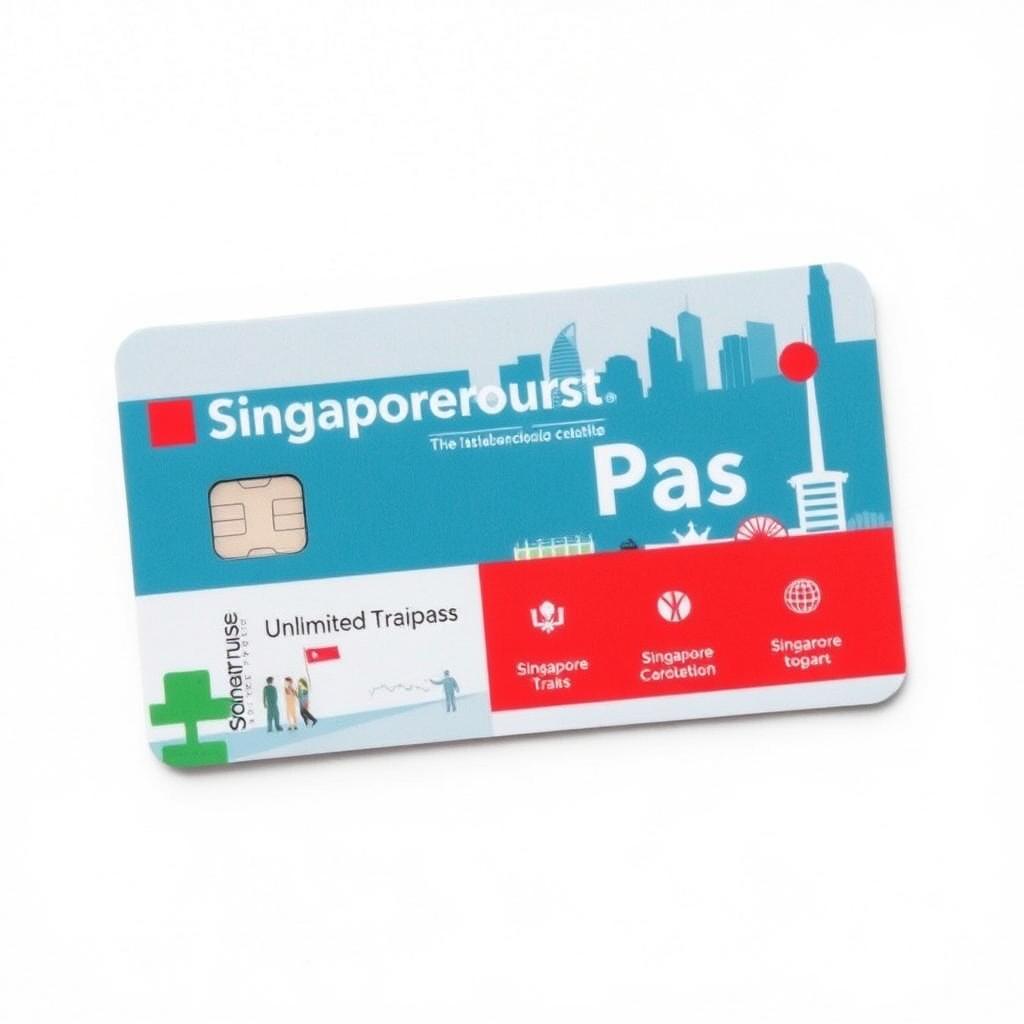
Singapore Tourist Pass
Offers unlimited travel on MRT and basic bus services. Available as 1-day (S$10), 2-day (S$16), or 3-day (S$20) passes. Requires a S$10 refundable deposit and must be used on consecutive days.
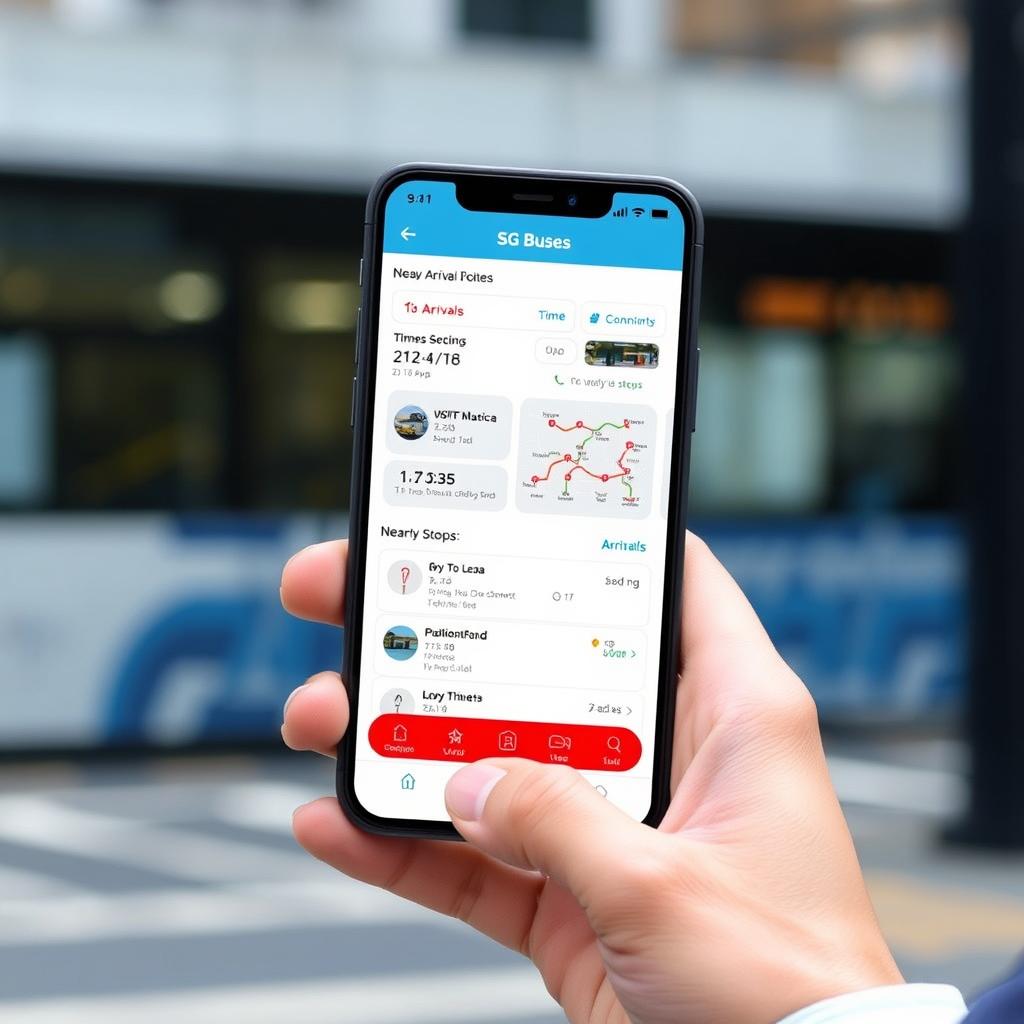
Mobile Apps
Download apps like SG Buses, Citymapper, or Google Maps for real-time transportation information. The official Land Transport Authority app “MyTransport.SG” provides comprehensive transit details.
Other Transportation Options
Taxis and Ride-Hailing
Taxis in Singapore are metered, safe, and relatively affordable compared to other major cities. The main taxi companies are Comfort DelGro, SMRT, and Trans-Cab. Grab is the dominant ride-hailing app in Singapore after acquiring Uber’s Southeast Asian operations.
- Flag-down rate: S$3.20-3.90
- Surcharges: 25% during peak hours, 50% after midnight
- Booking fee: S$2.30-3.30 depending on time
- Payment: Cash and credit cards accepted in all taxis
Bicycle Rentals and Bike-Sharing
Singapore has an expanding network of cycling paths, making biking an increasingly viable option for short trips. Several bike-sharing services operate in the city, including SG Bike and Anywheel.
- Cost: From S$0.50 for 15 minutes with bike-sharing apps
- Dedicated paths: Park Connector Network links parks across the island
- Regulations: Helmets are not mandatory but recommended
- Rental shops: Available at East Coast Park and Sentosa Island
Transportation Tip: Download the SingaporeMap app (official from Singapore Land Authority) for offline navigation. It includes detailed information about MRT stations, bus stops, and points of interest throughout the city.
Get Your Singapore Tourist Pass
Save on transportation with unlimited travel on buses and MRT.
Cultural Etiquette in Singapore
Singapore is a multicultural society with influences from Chinese, Malay, Indian, and Western traditions. Understanding and respecting local customs will enhance your experience and help you avoid unintentional offense.
Social Customs
- Greetings: A handshake is the standard greeting. When meeting elderly Chinese Singaporeans, a slight bow shows respect.
- Shoes: Remove your shoes before entering homes, temples, and mosques.
- Public behavior: Avoid public displays of affection, which may be considered inappropriate.
- Pointing: Use your entire hand rather than your index finger, which can be seen as rude.
- Head: Avoid touching someone’s head, as it’s considered sacred in many Asian cultures.
- Personal space: Singaporeans generally maintain a comfortable distance during conversations.
Religious Respect
- Temples and mosques: Dress modestly (covering shoulders and knees) when visiting religious sites.
- Photography: Ask permission before taking photos in places of worship.
- Religious artifacts: Don’t touch or point at religious statues or offerings.
- Buddhist temples: Walk clockwise around stupas and prayer wheels.
- Hindu temples: Remove leather items before entering.
- Mosques: Women should cover their hair with a scarf (usually provided at entrances).
Dining Etiquette
General Dining Tips
- Wait for the host or eldest person to begin eating before you start.
- It’s polite to try everything that is offered to you.
- Leave a small amount of food on your plate to indicate you’re satisfied.
- Slurping noodles is acceptable and even complimentary in Chinese culture.
- When dining with Muslims, use your right hand for eating and passing food.
Hawker Center Etiquette
- “Chope” (reserve) your seat by placing a packet of tissues on the table.
- Return your tray and dishes to designated collection points after eating.
- Share tables with strangers during busy periods.
- Queue orderly at popular stalls – queue-jumping is frowned upon.
- Most hawker stalls are cash-only, so come prepared with small bills.
Tipping Culture
Tipping is not customary or expected in Singapore, as most restaurants and hotels include a 10% service charge and 7% GST (Goods and Services Tax) in the bill. However, additional tipping for exceptional service is appreciated but not required.
When tipping is appropriate:
- Tour guides (S$5-10 per day per person)
- Hotel porters (S$1-2 per bag)
- Exceptional restaurant service (round up the bill or leave small change)
Dress Code
Singapore’s climate is hot and humid year-round, but air conditioning indoors can be quite cold. Dress comfortably but respectfully.
Appropriate attire:
- Casual settings: Light, breathable clothing like shorts, t-shirts, and sundresses.
- Upscale restaurants: Smart casual attire; many fine dining establishments prohibit shorts and flip-flops.
- Business meetings: Conservative business attire despite the heat.
- Religious sites: Modest clothing covering shoulders and knees.
Important: Singapore strictly enforces its laws and regulations. Actions that might seem minor elsewhere can result in significant fines or penalties. These include littering (S$300 fine), jaywalking, eating/drinking on public transport, not flushing public toilets, and chewing gum (which is banned from import).
Day Trips from Singapore
While Singapore offers plenty to keep you busy, its strategic location makes it an excellent base for exploring nearby destinations. These day trips provide a refreshing contrast to the city’s urban landscape.
Pulau Ubin
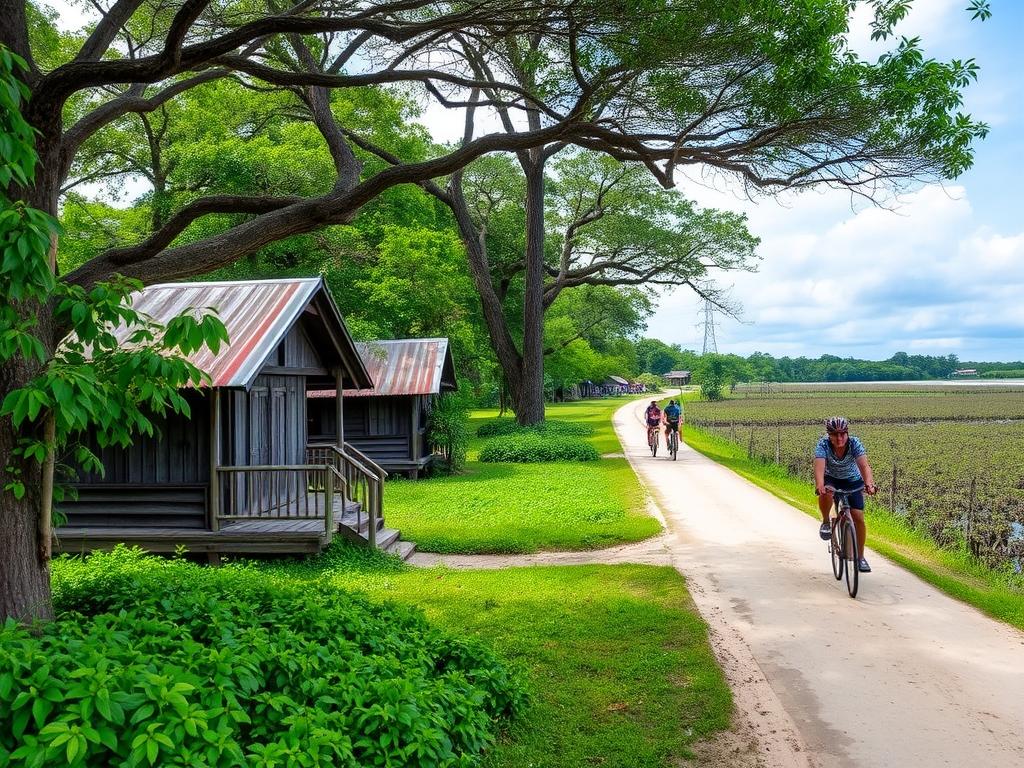
Step back in time on this rustic island that preserves the Singapore of the 1960s. Rent a bicycle to explore the island’s trails, visit the Chek Jawa Wetlands, and observe wildlife including wild boars, monkeys, and numerous bird species.
Getting there: 10-minute bumboat ride from Changi Point Ferry Terminal (S$4 each way)
Time needed: 4-6 hours
Southern Islands
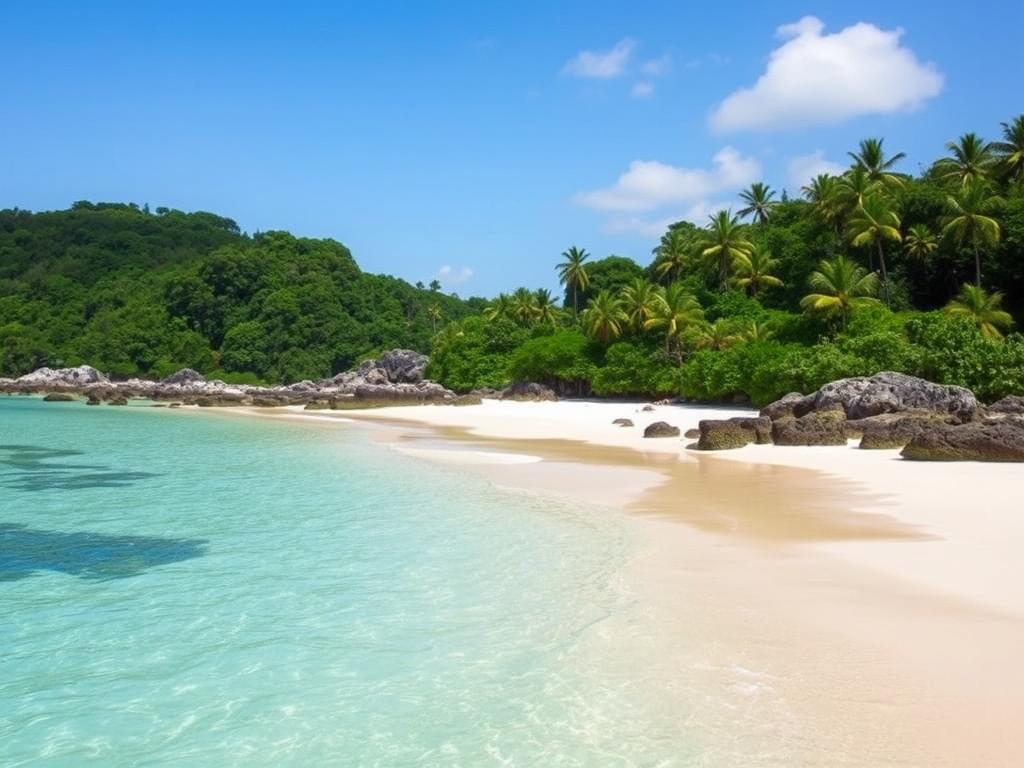
Visit the cluster of islands south of Singapore including St. John’s Island, Lazarus Island, and Kusu Island. Enjoy pristine beaches, picnic areas, and swimming in clear waters. Kusu Island features a Chinese temple and Malay shrines.
Getting there: Ferry from Marina South Pier (S$15 round trip)
Time needed: Full day to visit multiple islands
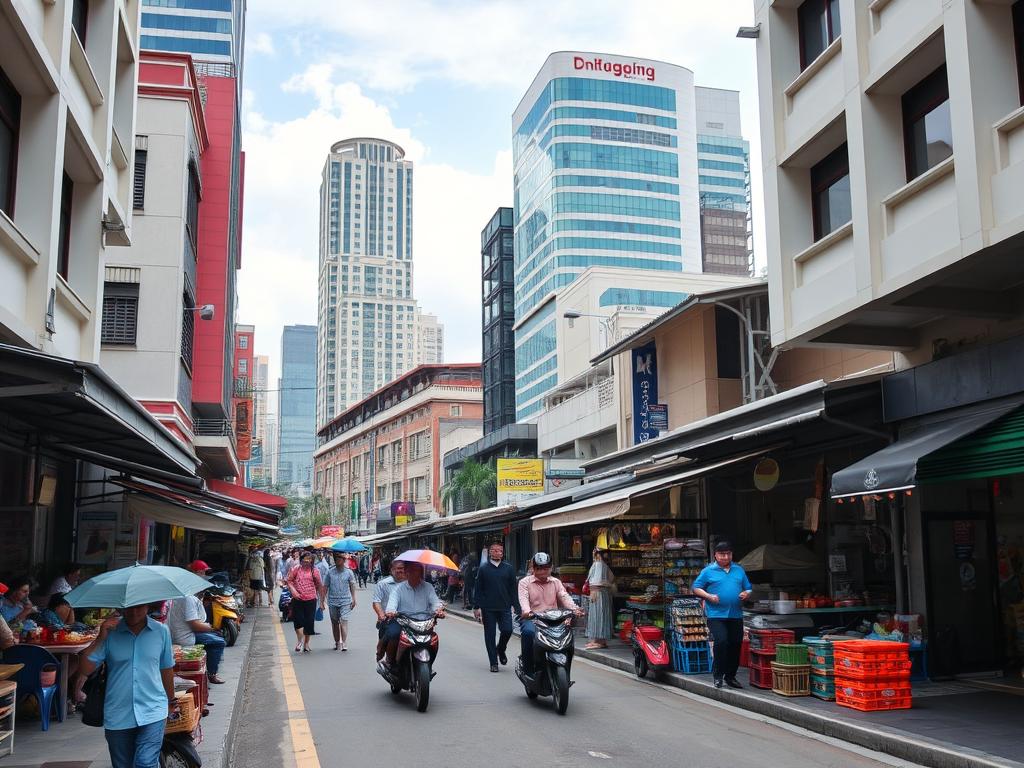
Johor Bahru, Malaysia
Cross the border to experience Malaysian culture, food, and shopping at significantly lower prices than Singapore. Visit attractions like Johor Bahru Old Town, Sultan Abu Bakar State Mosque, and Johor Premium Outlets.
Getting there: Bus or train from Woodlands Checkpoint (bring your passport!)
Time needed: Full day (allow time for immigration)
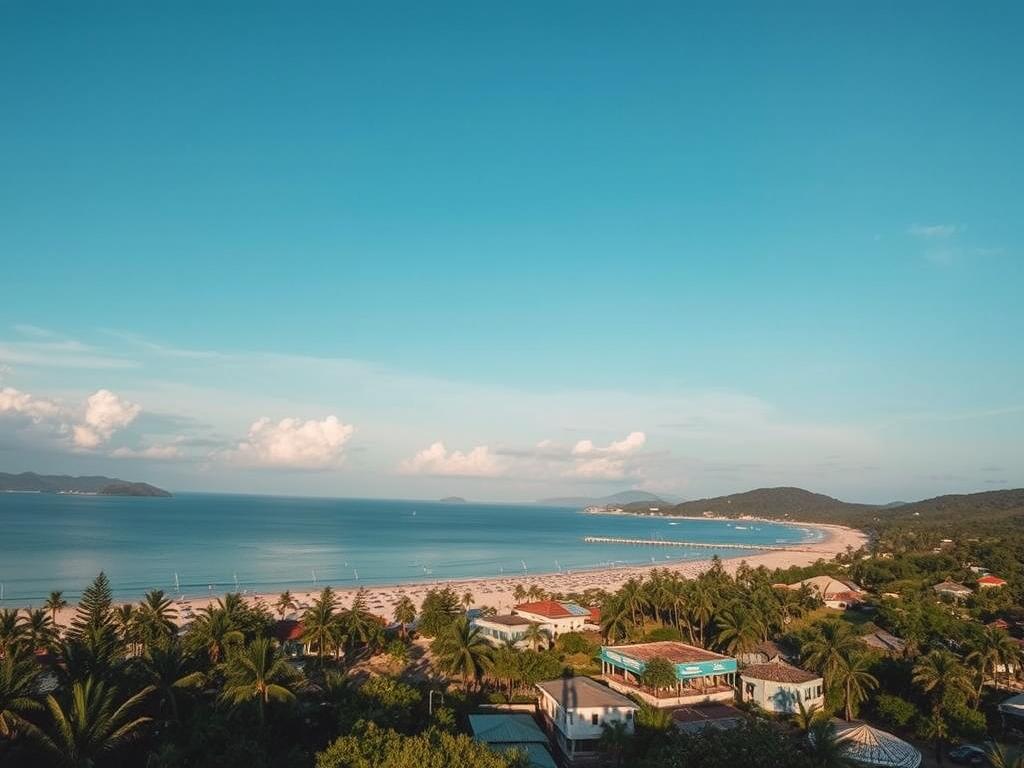
Batam Island, Indonesia
Enjoy a quick international getaway to this Indonesian island known for affordable spa treatments, seafood restaurants, golf courses, and shopping. Visit Barelang Bridge, Maha Vihara Duta Maitreya Temple, and Nagoya Hill Shopping Mall.
Getting there: 45-minute ferry from Tanah Merah or HarbourFront Ferry Terminal (from S$50 round trip)
Time needed: Full day (bring your passport!)
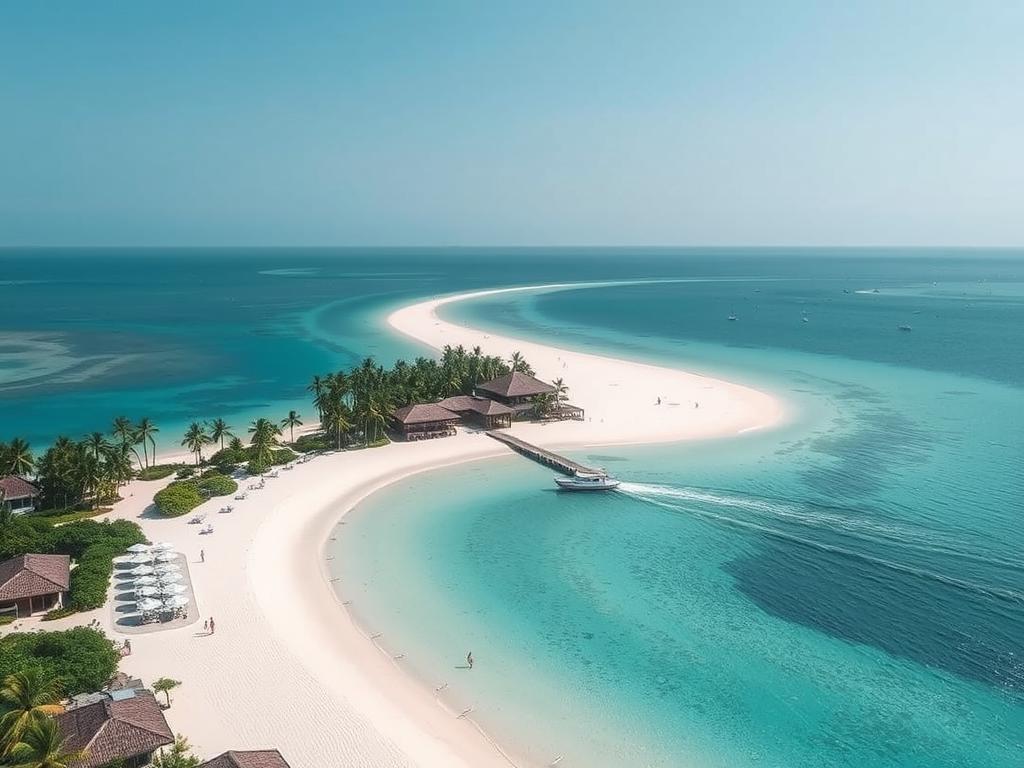
Bintan Island, Indonesia
This resort island offers beautiful beaches, water sports, golf courses, and luxury resorts. Perfect for a relaxing day trip or weekend getaway with activities like snorkeling, kayaking, and ATV rides through the mangroves.
Getting there: 1-hour ferry from Tanah Merah Ferry Terminal (from S$60 round trip)
Time needed: Full day or overnight (bring your passport!)
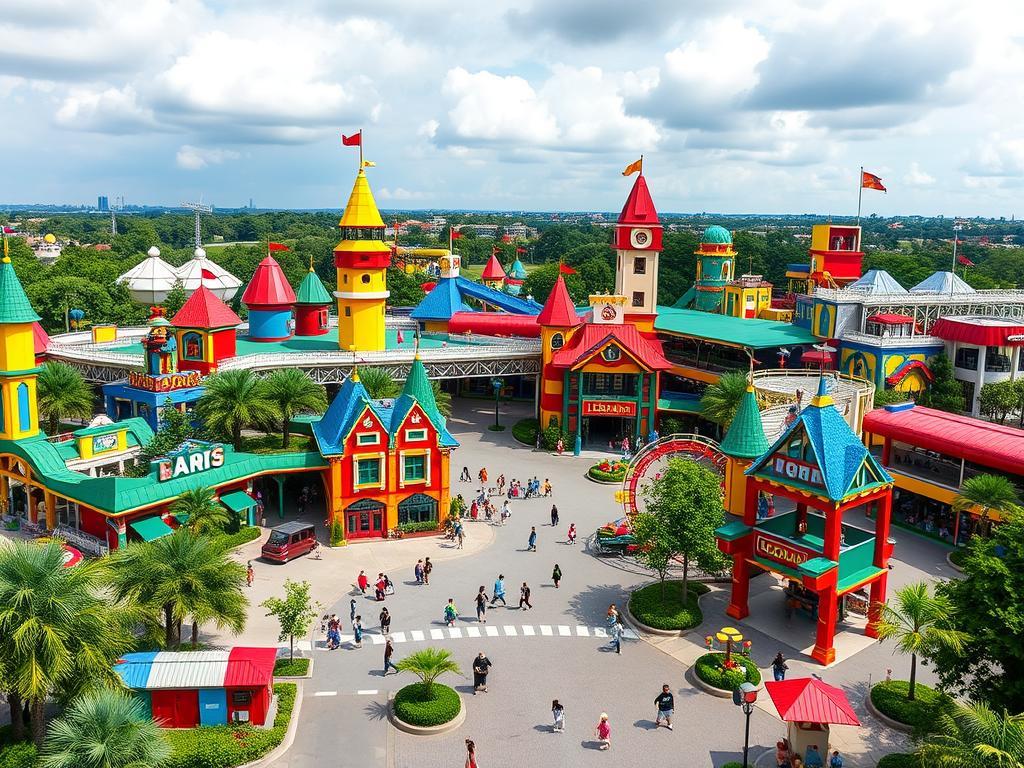
Legoland Malaysia
Perfect for families, this theme park features over 70 rides, shows, and attractions. Includes Miniland with Asian landmarks built from Lego bricks, a water park, and themed areas like Kingdom, Imagination, and Lego Technic.
Getting there: Direct bus from Singapore Flyer or via Johor Bahru (bring your passport!)
Time needed: Full day
Day Trip Tips: For international day trips, remember your passport and check visa requirements. Singapore citizens can enter Malaysia and Indonesia without visas, but requirements vary for other nationalities. Allow extra time for immigration, especially on weekends and holidays when border crossings can be crowded.
Explore Beyond Singapore
Book a guided day trip to maximize your time and avoid logistical hassles.
Practical Tips for Visiting Singapore
Visa Requirements
Many nationalities can enter Singapore visa-free for tourism or business for up to 30 or 90 days, depending on citizenship. Check the Immigration & Checkpoints Authority (ICA) website for specific requirements for your nationality.
Entry Requirements:
- Passport valid for at least six months beyond your stay
- Proof of onward/return travel
- Sufficient funds for your stay
- Completed Singapore Arrival Card (submitted electronically before arrival)
Currency
The Singapore dollar (SGD or S$) is the official currency. Notes come in denominations of S$2, S$5, S$10, S$50, S$100, S$1,000, and S$10,000. Coins are available in 5, 10, 20, and 50 cents, and S$1.
Money Tips:
- Credit cards are widely accepted at most establishments
- ATMs are abundant throughout the city
- For the best exchange rates, change money at Mustafa Centre in Little India or The Arcade at Raffles Place
- Avoid exchanging money at the airport where rates are less favorable
Language
Singapore has four official languages: English, Mandarin Chinese, Malay, and Tamil. English is widely spoken and used for business and administration.
Useful Singlish Phrases:
- Lah – Added to the end of sentences for emphasis
- Can – Yes, it’s possible
- Cannot – No, it’s not possible
- Shiok – Delicious or enjoyable
- Kiasu – Fear of missing out or losing out
Weather and What to Pack
Singapore’s equatorial climate means it’s hot and humid year-round with temperatures typically between 26-32°C (79-90°F) and humidity levels of 70-80%.
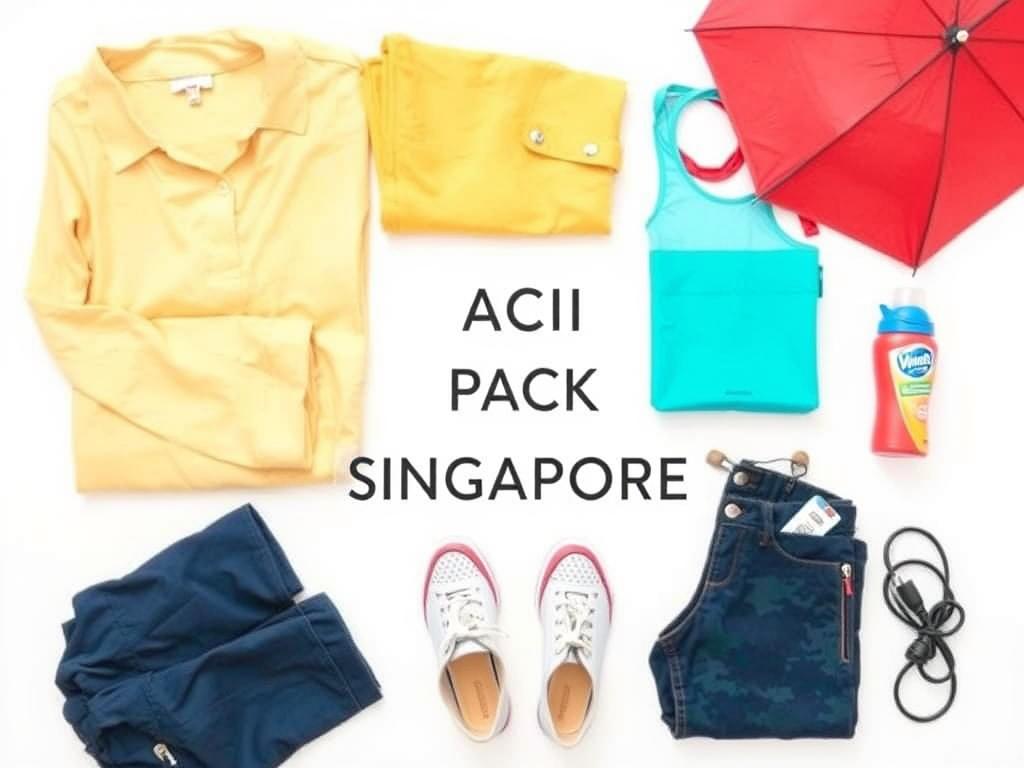
Essential items to pack:
- Lightweight, breathable clothing
- Comfortable walking shoes
- Umbrella or light raincoat for sudden showers
- Sunscreen, sunglasses, and a hat
- Light sweater or jacket for heavily air-conditioned indoor spaces
- Modest clothing for visiting religious sites
- Reusable water bottle (tap water is safe to drink)
- Universal power adapter (Singapore uses Type G sockets, 230V/50Hz)
Health and Safety
Health Precautions:
- Singapore’s tap water is safe to drink
- Food hygiene standards are high, even at hawker centers
- Protect against mosquitoes, especially during dengue season
- Stay hydrated in the hot, humid climate
- Medical care is excellent but expensive; travel insurance is recommended
Safety Information:
- Singapore is one of the safest cities in the world with very low crime rates
- Emergency number: 999 (Police), 995 (Ambulance/Fire)
- Tourist Police: 1800 924 5664
- Be aware of strict laws regarding littering, jaywalking, and public behavior
- Penalties for drug offenses are extremely severe
Internet and Connectivity
Singapore has excellent internet infrastructure with free public Wi-Fi available in many locations through the Wireless@SG network. For continuous connectivity, consider these options:
- Tourist SIM Card: Available at the airport and convenience stores (from S$12 for 7 days)
- Pocket Wi-Fi Rental: Available for pickup at the airport (from S$5 per day)
- Free Wi-Fi: Available at most cafes, shopping malls, and public libraries
Stay Connected in Singapore
Pre-book a Singapore SIM card or pocket Wi-Fi for pickup at Changi Airport.
Protect Your Trip
Singapore’s medical care is excellent but expensive. Get travel insurance for peace of mind.
Budgeting for Your Singapore Trip
Singapore has a reputation as one of Asia’s most expensive cities, but with careful planning, you can enjoy this destination on various budgets. Here’s a breakdown of estimated daily costs for different types of travelers.
| Expense Category | Budget Traveler | Mid-Range Traveler | Luxury Traveler |
| Accommodation | S$20-50 (Hostels, capsule hotels) | S$150-300 (3-4 star hotels) | S$400+ (5-star hotels, luxury resorts) |
| Food | S$15-30 (Hawker centers, food courts) | S$50-100 (Mid-range restaurants, some hawker meals) | S$150+ (Fine dining, celebrity chef restaurants) |
| Transportation | S$10-15 (MRT, public buses) | S$20-40 (MRT, occasional taxis) | S$50+ (Taxis, private transfers) |
| Attractions | S$0-30 (Free sights, selective paid attractions) | S$50-100 (Major attractions, some tours) | S$150+ (VIP experiences, private tours) |
| Shopping/Extras | S$10-20 | S$50-100 | S$200+ |
| Daily Total (approx.) | S$55-145 (US$40-110) | S$320-640 (US$240-480) | S$950+ (US$700+) |
Money-Saving Tips
Accommodation
- Book accommodations in Little India or Geylang for better rates
- Consider capsule hotels for affordable private sleeping spaces
- Use booking sites with price guarantees and watch for flash deals
- Stay during weekdays when business hotels offer better rates
Food & Dining
- Eat at hawker centers where meals cost S$3-6
- Look for set lunch menus at restaurants for better value
- Visit food courts in shopping malls for affordable meals
- Take advantage of happy hour specials at bars
- Drink tap water (it’s safe) instead of bottled water
Attractions & Activities
- Enjoy free attractions like Gardens by the Bay outdoor areas, Merlion Park, and hiking trails
- Visit museums during free admission hours (typically evenings)
- Purchase a Go City Singapore Pass for multiple attractions
- Check Klook and similar sites for discounted tickets
Tax Refund: Visitors can claim a refund of the 7% Goods and Services Tax (GST) for purchases above S$100 at participating retailers. Look for the “Tax-Free Shopping” logo, keep your receipts, and process your refund at Changi Airport before departure.
Save on Multiple Attractions
Get the Go City Singapore Pass for discounted entry to top attractions.
Singapore Travel Guide: Final Thoughts
Singapore may be small in size, but it offers an incredible diversity of experiences that can satisfy any traveler. From its futuristic architecture and world-class attractions to its rich cultural heritage and legendary food scene, the Lion City seamlessly blends tradition and innovation in a way that few destinations can match.
What makes Singapore truly special is its ability to constantly reinvent itself while preserving its multicultural roots. Whether you’re exploring the colonial district, wandering through ethnic neighborhoods, relaxing in lush gardens, or marveling at cutting-edge attractions, you’ll discover a city that embraces both its past and future with equal enthusiasm.
With its efficient infrastructure, cleanliness, safety, and English-speaking environment, Singapore is an ideal introduction to Southeast Asia for first-time visitors to the region. It’s also a perfect stopover destination that can easily be explored in a few days, though you could certainly spend much longer discovering all its hidden gems.
As you plan your visit to this remarkable city-state, remember that Singapore rewards those who look beyond the obvious attractions. Take time to explore local neighborhoods, chat with residents, and venture off the tourist trail. You’ll find that beneath Singapore’s polished exterior lies a vibrant, complex, and endlessly fascinating destination that will leave you eager to return.
Start Planning Your Singapore Adventure
Book your flights, accommodations, and experiences today for an unforgettable trip to the Lion City.