

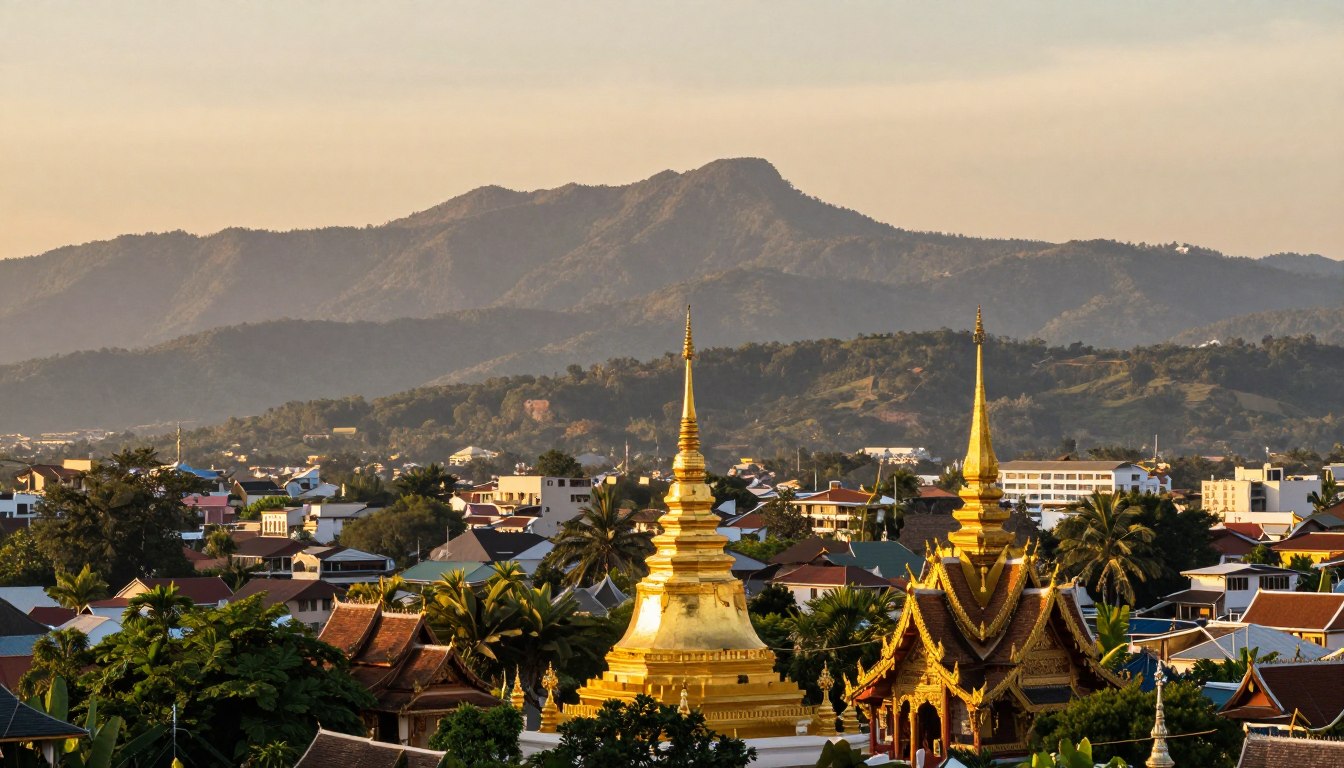
Chiang Mai captivates travelers with its perfect blend of ancient culture and modern energy. This northern Thailand gem offers something special that sets it apart from the beaches down south.
The city pulses with life around every corner. You will find centuries-old temples next to trendy coffee shops. Street food stalls serve authentic Thai food while night markets buzz with activity until late.
This Chiang Mai travel guide gives you everything needed to plan an unforgettable trip. Whether you come for the temples, the food, the mountains, or the laid-back atmosphere, you will discover why so many people fall in love with this city.
Let’s explore what makes Chiang Mai one of Thailand’s most beloved destinations.
Best Time to Visit Chiang Mai: Weather and Seasonal Guide
The timing of your visit to Chiang Mai shapes your entire experience. Each season brings distinct weather patterns and unique opportunities.
Cool Season: November to February
The cool season stands as the best time to visit Chiang Mai for most travelers. Temperatures range from 15°C to 28°C during the day.
Mornings can feel surprisingly crisp. You might need a light jacket for early temple visits. The air stays dry and comfortable throughout this period.
This season attracts the most visitors. Popular spots get crowded, especially around Wat Phra Singh and the old city temples. Hotel prices climb during these months.
December brings the beautiful Yi Peng Lantern Festival. Thousands of lanterns float into the night sky. This magical event draws visitors from around the world.
Hot Season: March to May
Heat dominates Chiang Mai from March through May. Temperatures soar above 35°C regularly. April ranks as the hottest month.
The burning season occurs during March and early April. Farmers clear fields, creating hazy skies. Air quality drops significantly during these weeks.
Mid-April celebrates Songkran, Thailand’s famous water festival. The entire city transforms into a massive water fight. Streets fill with people throwing water and celebrating the Thai New Year.
Fewer tourists come back during the hot months. You will find better deals on accommodation and fewer crowds at temples.
Rainy Season: June to October
Rain showers arrive regularly from June through October. Most rain falls in short, heavy bursts during afternoons.
Mornings often stay clear and sunny. You can still explore temples and markets before the rain comes. The countryside looks incredibly green and lush.
Accommodation prices drop significantly. You will discover great value during these months. The rainy season offers authentic experiences with fewer tourist crowds.
Pro Tip: Book in Advance
Make sure to book advance reservations for accommodation during November to February. Popular guesthouses and boutique hotels fill up quickly. The same applies for cooking classes and popular day trips.
Protect Your Chiang Mai Adventure
Travel insurance covers unexpected medical emergencies, trip cancellations, and lost belongings. Get comprehensive coverage starting at just $2 per day for complete peace of mind.
Festival Calendar
Chiang Mai celebrates numerous festivals throughout the year. These cultural events add magic to any trip.
- Yi Peng Lantern Festival (November) – Sky lanterns create an unforgettable spectacle
- Loy Krathong (November) – Floating lanterns on rivers and waterways
- Songkran Water Festival (April 13-15) – Citywide water celebrations
- Flower Festival (February) – Parades and floral displays throughout the city
- Chiang Mai Pride (February) – Vibrant LGBTQ+ celebration and parade
Getting to Chiang Mai: Transportation Options
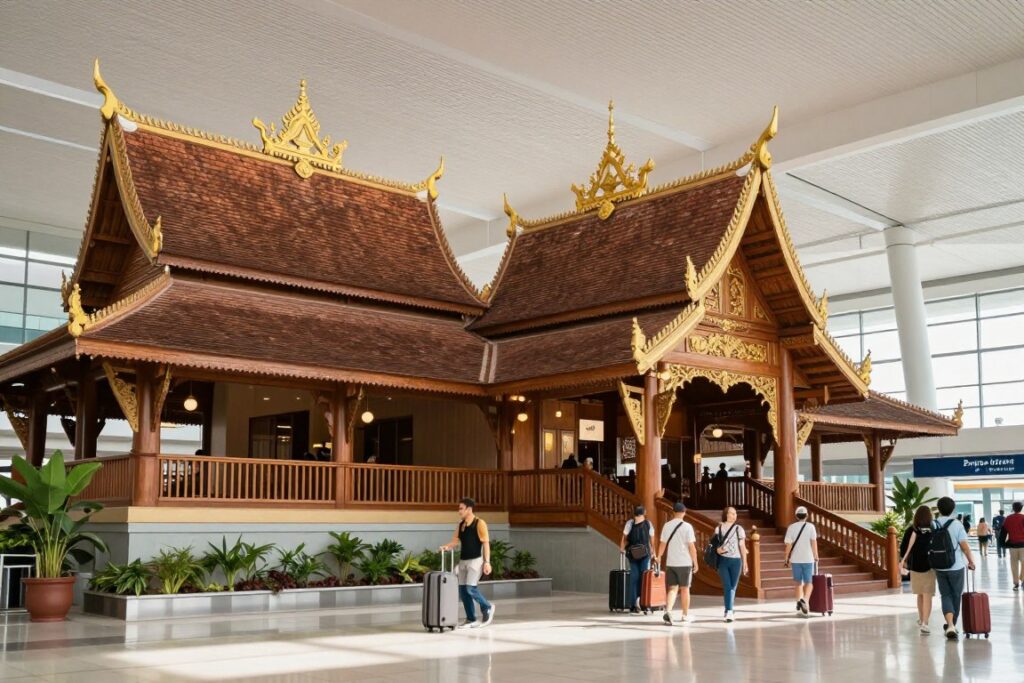
Multiple transportation options connect Chiang Mai to other parts of Thailand and international destinations. Your choice depends on budget, time, and travel style.
Flying to Chiang Mai
Chiang Mai International Airport receives flights from Bangkok, Phuket, and other Thai cities daily. International connections link to Singapore, Kuala Lumpur, and several Chinese cities.
The flight from Bangkok takes about one hour. Several airlines operate this route with dozens of daily departures. Prices vary from budget carriers to full-service options.
The airport sits just three kilometers from the old city center. Taxis and ride-sharing apps provide easy access. The ride takes 10 to 15 minutes without traffic.
Train Travel
Trains run daily between Bangkok and Chiang Mai. The journey covers 700 kilometers through central Thailand’s countryside.
The overnight sleeper train offers a memorable experience. You depart Bangkok in the evening and wake up approaching northern Thailand mountains. Second-class sleeper berths provide comfortable beds.
The train takes approximately 12 to 15 hours. Delays happen occasionally, so build flexibility into your schedule. Book advance tickets through the official railway website.
Bus Services
Several bus companies operate routes to Chiang Mai. VIP buses offer the most comfort with larger seats and fewer stops.
The bus journey from Bangkok takes 9 to 11 hours. Overnight buses let you save on a night of accommodation. Daytime buses show you the changing landscape.
Arcade Bus Terminal serves as the main station. It sits about three kilometers from the old city. Songthaews and taxis wait outside for arriving passengers.
Book Your Chiang Mai Transportation
Compare prices and schedules for buses, trains, and flights to Chiang Mai. Book in advance to secure the best rates and preferred departure times.
Getting Around Chiang Mai: Local Transportation
Chiang Mai offers various ways to navigate the city. Each option suits different needs and budgets.
Songthaews: The Red Trucks
Red songthaews function as shared taxis throughout Chiang Mai. These converted pickup trucks with bench seats follow main routes around the city.
Flag down any red songthaew traveling your direction. Tell the driver your destination before climbing in. Rides within the old city typically cost 30 to 40 baht per person.
The vehicles pick up multiple passengers along the route. You share the ride with locals and other travelers. This creates an authentic transportation experience.
Tuk-Tuks
Three-wheeled tuk-tuks provide private rides around Chiang Mai. Drivers wait near tourist areas, temples, and markets.
Always negotiate the price before starting your journey. Short trips within the old city should cost 60 to 100 baht. Longer journeys to Doi Suthep might reach 300 to 400 baht.
Tuk-tuks work well for groups or when carrying shopping bags. They offer more privacy than songthaews.
Grab and Ride-Sharing
Grab operates throughout Chiang Mai like Uber in other countries. The app shows exact prices before you book. Payment happens through the app, eliminating negotiation.
Cars and motorcycle taxis both use Grab. Motorcycle rides cost less but work only for solo travelers with minimal luggage. They navigate traffic faster than cars.
Bicycle and Scooter Rentals
Many travelers rent bicycles or scooters to explore Chiang Mai independently. The old city streets stay relatively flat and manageable.
Bicycle rentals cost 50 to 100 baht per day. Scooters run 150 to 250 baht daily. Always check the vehicle condition before renting. Make sure you receive a helmet.
Traffic drives on the left side. Streets get congested during rush hours. Wear protective gear and stay alert.
Some rental shops require you to leave your passport as deposit. This practice carries risk. Look for shops accepting cash deposits instead.
Important: International Driver’s License
Thai law requires an International Driving Permit for scooter rentals. Police checkpoints occur regularly. Fines reach several thousand baht. Make sure to carry proper documentation or use alternative transportation.
Where to Stay in Chiang Mai: Neighborhood Guide
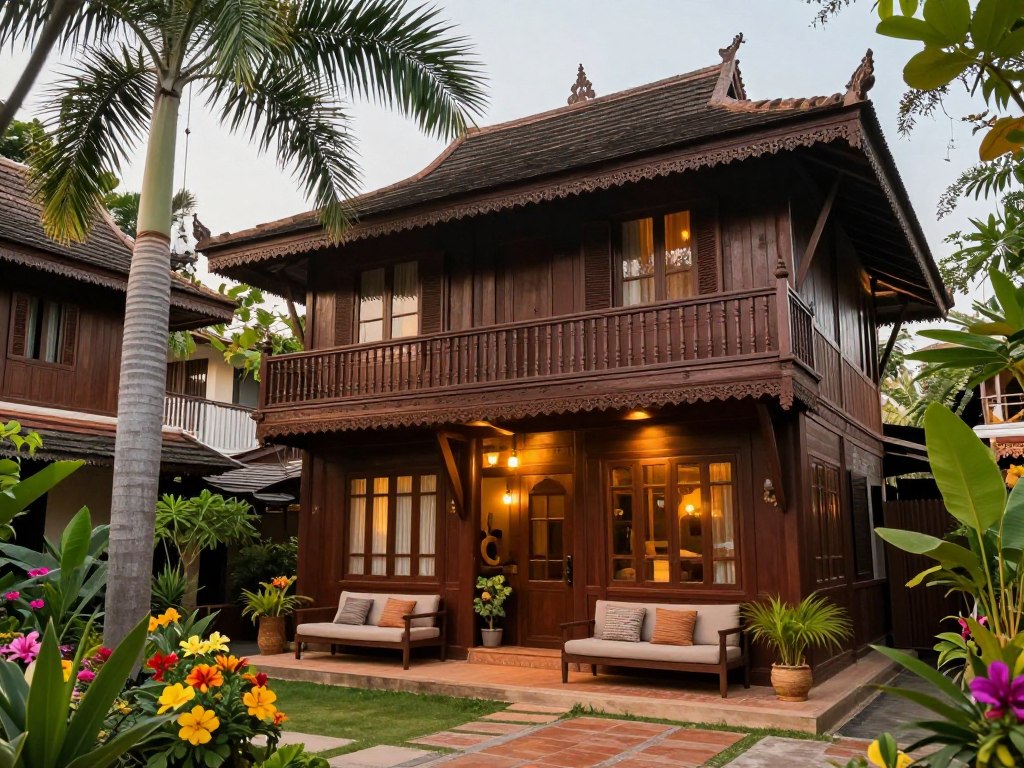
Choosing the right neighborhood shapes your Chiang Mai experience. Each area offers distinct character and advantages.
Old City: Historic Heart
The square old city sits within ancient walls and moats. This compact area contains dozens of temples, guesthouses, restaurants, and shops.
Walking becomes your primary transportation here. Major temples like Wat Chedi Luang and Wat Phra Singh stand just minutes apart. Sunday Walking Street market takes over the main road weekly.
Accommodation ranges from budget hostels to boutique hotels. The area attracts many tourists but maintains authentic charm. Night markets and food stalls operate throughout the old city.
Light sleepers should note that roosters crow at dawn. Some temples hold early morning chanting. The old city comes alive early each day.
Nimman: Modern and Trendy
Nimman (Nimmanhaemin Road) represents modern Chiang Mai. This hip neighborhood attracts digital nomads, students, and design enthusiasts.
Trendy cafes line every street. Art galleries, boutique shops, and co-working spaces fill the area. The vibe feels younger and more international than the old city.
Accommodation options include modern apartments, stylish hostels, and design hotels. Prices run slightly higher than the old city. The neighborhood offers excellent value for long-term stays.
Nimman sits about two kilometers from the old city. Walking between areas takes 30 minutes. Songthaews and Grab rides connect the neighborhoods easily.
Riverside: Relaxed Atmosphere
The Ping River area offers a more relaxed alternative to central areas. Guesthouses here provide garden settings and river views.
The night bazaar operates nearby. Saturday Walking Street market fills the riverside road weekly. Several popular restaurants and bars face the water.
This area suits travelers seeking quiet evenings while staying close to action. Prices tend lower than the old city and Nimman.
Santitham: Local Life
Santitham sits just north of the old city. This residential neighborhood shows authentic daily life in Chiang Mai.
Local markets sell fresh produce and street food. Small family restaurants serve traditional dishes. Fewer tourists mean lower prices and genuine interactions.
The area lacks major tourist attractions. You stay here for the authentic atmosphere and budget savings. The old city remains easily accessible by bicycle or songthaew.
Budget: Hostel
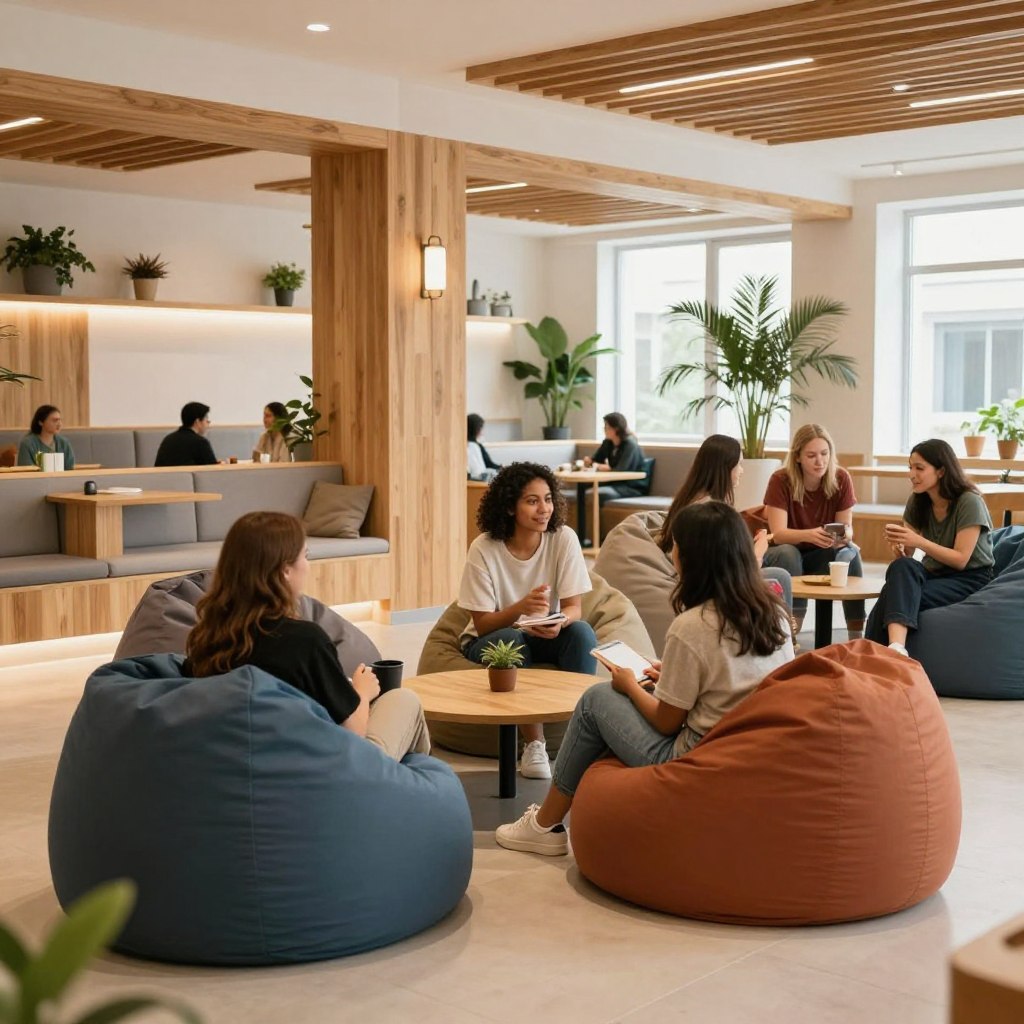
Dorm beds start at 150-300 baht per night. Clean facilities, social atmosphere, and central locations make hostels popular with backpackers and solo travelers.
Mid-Range: Guesthouse
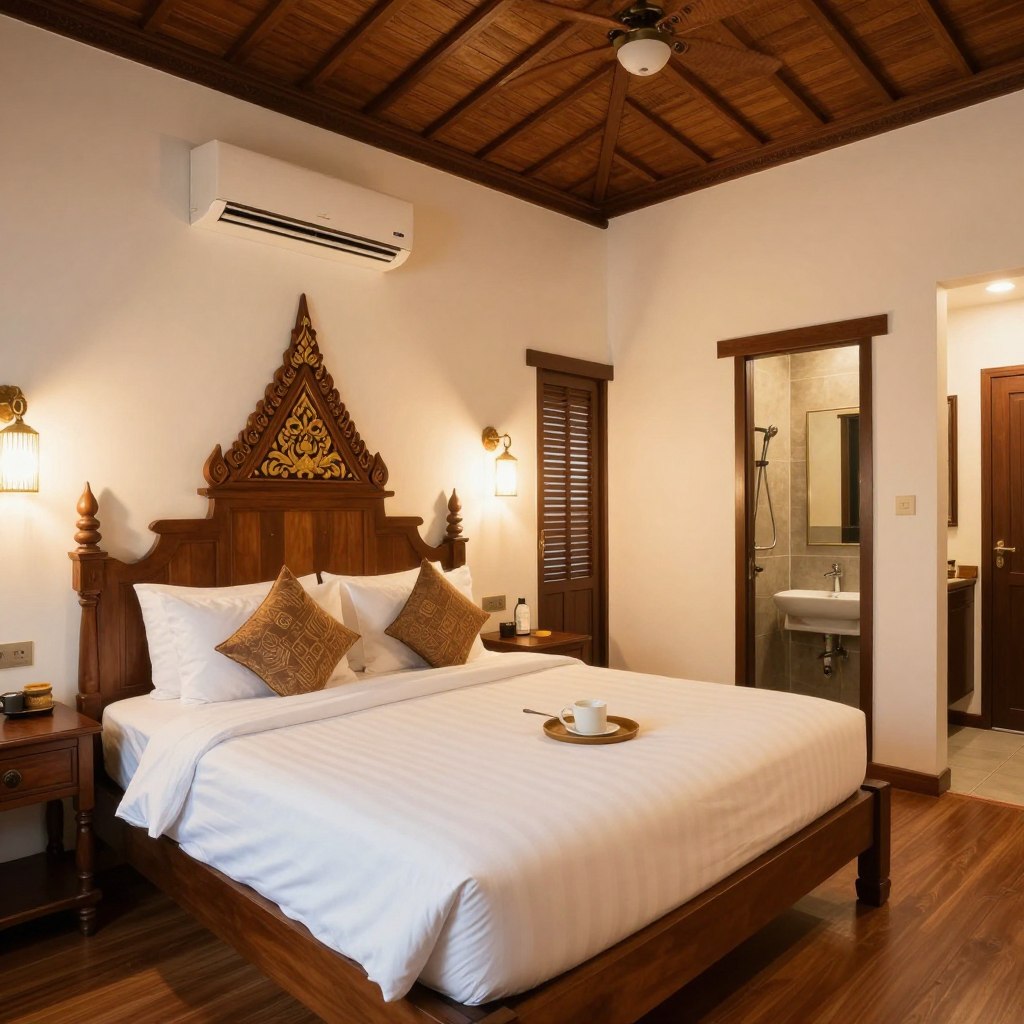
Guesthouses cost 600-1,200 baht nightly. Private rooms with en-suite bathrooms, air conditioning, and breakfast offer excellent value for couples and families.
Luxury: Boutique Hotel
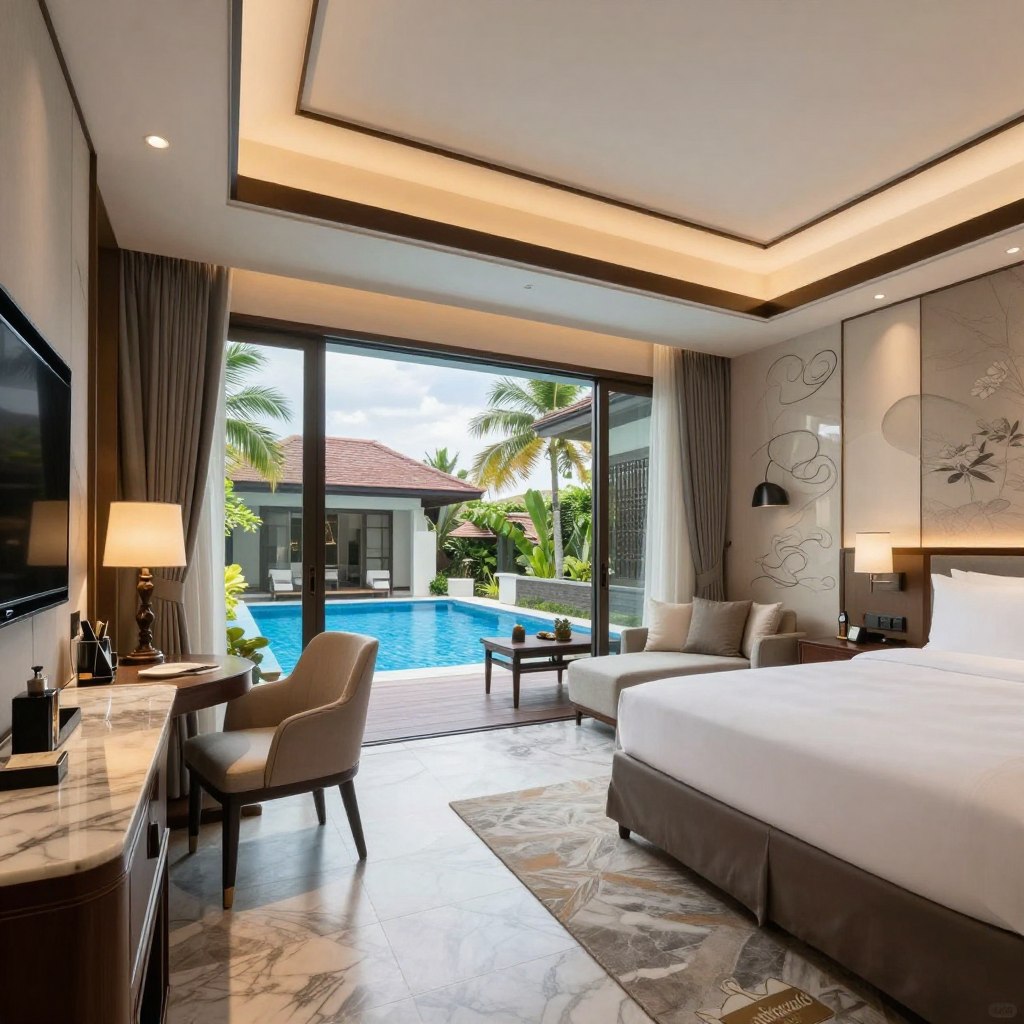
Boutique hotels range 2,000-5,000+ baht per night. Expect pools, spas, fine dining, and personalized service in beautiful settings throughout the city.
Booking Tip
Book advance reservations during November through February. Popular accommodations fill quickly. Budget places often require only email confirmation, while upscale hotels may ask for credit card deposits.
Top Temples and Spiritual Sites
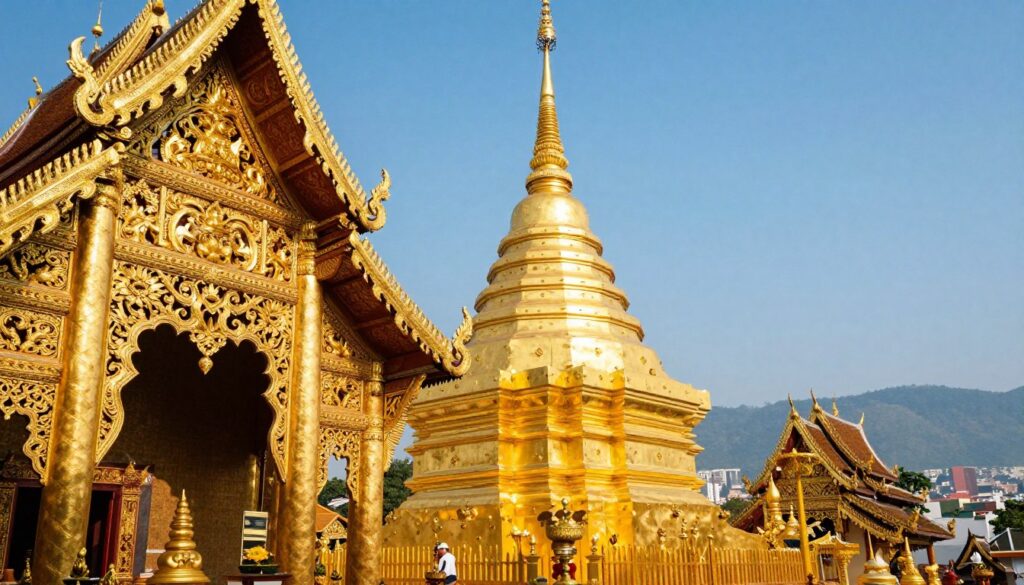
Chiang Mai earned its nickname “City of300 Temples” through centuries of Buddhist devotion. The city contains more than 300 active temples, each with unique history and architecture.
Wat Phra That Doi Suthep
Wat Phra Doi Suthep stands as Chiang Mai’s most sacred temple. The golden chedi sits atop Doi Suthep mountain, overlooking the entire city.
Legend says a white elephant carried a Buddha relic up the mountain in the 14th century. The elephant circled three times and trumpeted before dying at this spot. King Ku Na ordered a temple built to house the relic.
The climb includes 306 steps flanked by naga serpent railings. A funicular operates for those who prefer not to climb. The effort rewards you with stunning city views and the gleaming golden pagoda.
Visit Doi Suthep early morning to avoid crowds and heat. Monks chant at 6 AM daily. The peaceful morning atmosphere lets you experience the temple’s spiritual essence.
Dress modestly with covered shoulders knees. Remove shoes before entering temple buildings. Respectful behavior matters at this holy site.
Skip-the-Line Doi Suthep Temple Tour
Join a guided morning tour to Doi Suthep with hotel pickup, expert guide, and convenient transportation. Beat the crowds and learn the fascinating history from knowledgeable local guides.
Wat Chedi Luang: Ancient Grandeur
Wat Chedi Luang dominates the old city skyline. This massive temple complex dates to 1391, though earthquakes damaged the original structure.
The main chedi once stood 80 meters tall. An earthquake in 1545 toppled the upper portion. The partial ruins create an atmospheric and imposing presence.
Stone elephants guard the base of the chedi. These weathered sculptures have watched over the temple for centuries. The partially collapsed structure tells stories of time and natural forces.
The complex houses several smaller buildings and shrines. A city pillar shrine stands in one corner. Monks offer evening chanting sessions open to visitors.
The temple sits in the heart of the old city. You can easily walk here from most central accommodations. Entry requires a small donation.
Wat Phra Singh: Finest Lanna Architecture
Wat Phra Singh showcases the finest Lanna-style architecture in Chiang Mai. Built in 1345, this royal temple contains important Buddha images and exquisite murals.
The main viharn houses the Phra Singh Buddha image. Gold decorations cover the interior. Intricate wood carvings detail traditional motifs and Buddhist stories.
The Lai Kham chapel displays remarkable 19th-century murals. These paintings depict daily life in old Chiang Mai alongside religious scenes. Art historians consider them among Thailand’s finest temple paintings.
The temple grounds include several smaller buildings and a library. Monks study and practice here daily. The active religious life adds authenticity to any visit to Chiang Mai.
Wat Phra Singh anchors the western section of the old city. The Sunday Walking Street market passes directly in front of the temple.
Wat Chiang Man: Oldest Temple
Wat Chiang Man claims status as Chiang Mai’s oldest temple. King Mengrai founded it in 1296 when establishing the city.
The temple protects two very old Buddha images. The Crystal Buddha and Marble Buddha both predate the city itself. Scholars believe they originated in India or Sri Lanka centuries ago.
Stone elephant buttresses support the ancient chedi. Fifteen life-size elephant sculptures form the base. This unique architectural feature distinguishes the temple from others.
The temple receives fewer visitors than Wat Phra Singh or Wat Chedi Luang. This creates opportunities for peaceful contemplation. The grounds stay quiet even during busy tourist seasons.
Temple Etiquette
- Cover shoulders knees with appropriate clothing before entering any temple
- Remove shoes before entering temple buildings
- Speak quietly and move slowly within sacred spaces
- Never point your feet toward Buddha images
- Women should never touch monks or hand items directly to them
- Ask permission before photographing monks or religious ceremonies
- Make small donations to support temple maintenance
Morning Visits
Temple visits work best in early morning. The air stays cooler before 9 AM. Monks often chant at dawn, creating magical atmosphere.
- Fewer tourist crowds
- Better lighting for photos
- Active religious practice
- Comfortable temperatures
Proper Dress
Respectful clothing matters at temples. Pack appropriate items to avoid problems or rental fees at temple entrances.
- Long pants or skirts
- Shirts covering shoulders
- Easily removed shoes
- Modest overall appearance
Photography Tips
Most temples allow photography in public areas. Some restrictions apply to certain buildings or ceremonies.
- Check signs before photographing
- Never use flash inside buildings
- Respect worshippers’ privacy
- Focus on architecture, not people
Donation Practice
Temples operate through community support. Small donations help maintain these cultural treasures for future generations.
- 20-40 baht per temple
- Donation boxes near entrances
- No obligation to donate
- Supports temple upkeep
Chiang Mai Food Scene: What and Where to Eat
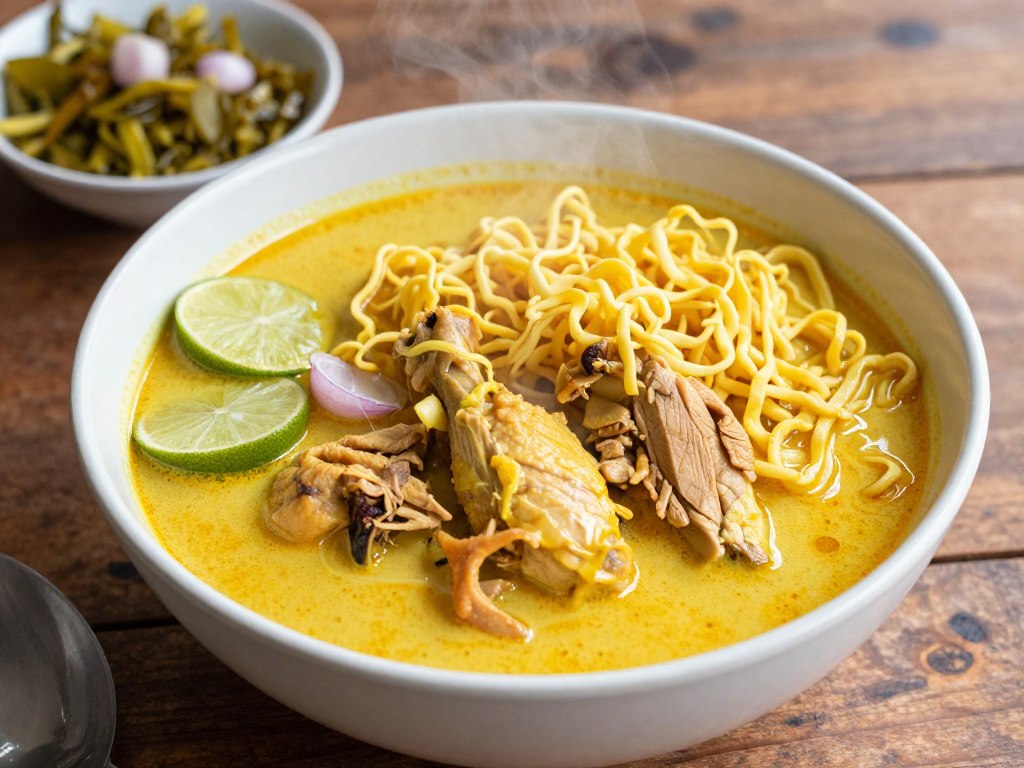
Chiang Mai ranks among Asia’s greatest food cities. The local cuisine blends northern Thai traditions with Burmese and Chinese influences. Food stalls and restaurants serve authentic dishes at remarkably low prices.
Khao Soi: Signature Dish
Khao soi defines northern Thai food. This coconut curry soup contains wheat noodles in a rich, slightly spicy broth. Crispy fried noodles top the bowl alongside pickled vegetables and lime.
The dish shows Burmese influence in its curry base and noodle combination. Each restaurant creates its own version with varying spice levels and toppings.
Khao Soi Khun Yai serves one of the city’s most popular versions. The small restaurant near Chang Phueak Gate draws long lines at lunch. The wait proves worth it for their perfectly balanced broth.
Prices range from 40 to 80 baht per bowl. Most places open for lunch only. You can find khao soi throughout the old city and beyond.
Sai Oua: Northern Sausage
Sai oua represents northern Thailand’s most distinctive sausage. Pork mingles with lemongrass, kaffir lime leaves, and aromatic spices. The flavor profile tastes nothing like other Thai dishes.
Markets and street food stalls grill the sausages fresh. The aroma draws you in from blocks away. Vendors serve it with sticky rice and fresh vegetables.
Warorot Market offers excellent sai oua from multiple vendors. Prices stay low at 20 to 40 baht per serving. The morning market presents the freshest options.
Nam Prik: Chili Dips
Northern Thai food features various nam prik chili dips. These spicy condiments accompany fresh and boiled vegetables plus sticky rice.
Nam prik ong contains tomatoes and minced pork. Nam prik num uses roasted green chilies. Each variety brings different heat levels and flavors.
Most traditional restaurants serve nam prik as part of khantoke dinners. You sit on the floor and share various dishes family-style. This authentic dining experience showcases northern food culture.
Where to Eat: Market Food
Night markets throughout Chiang Mai serve incredible street food. Vendors set up stalls selling everything from pad thai to fresh fruit smoothies.
Chang Phueak Night Market operates near the north gate. Local people eat here rather than tourists. Prices stay very low with most dishes costing 30 to 60 baht.
The market opens around 5 PM daily. Arrive hungry and sample multiple dishes. The vibrant atmosphere adds to the dining experience.
Warorot Market functions as the city’s main daytime market. The ground floor contains food stalls serving breakfast and lunch. Upper floors sell clothes, household items, and souvenirs.
Where to Eat: Restaurants
Huen Phen serves traditional northern Thai food in a wooden house setting. The menu includes rare dishes hard to find elsewhere. Lunch offers better value than dinner service.
Tong Tem Toh operates a simple shophouse restaurant near the old city. Their khao soi draws food lovers from around Chiang Mai. Arrive early as they close when the soup runs out.
SP Chicken delivers excellent grilled chicken and papaya salad. Multiple locations exist but the original spot on Suthep Road draws the biggest crowds. Expect lines during peak hours.
Learn to Cook Authentic Thai Food
Join a hands-on cooking class at a traditional cooking school. Shop for ingredients at local markets, then prepare and enjoy classic Thai dishes. Small groups and expert instruction guaranteed.
Cooking Classes: Hands-On Experience
Thai cooking classes rank among Chiang Mai’s most popular activities. Dozens of cooking schools offer half-day and full-day programs.
Most classes start with market visits to shop for ingredients. You learn about Thai produce, herbs, and spices. This education enhances your understanding of the cuisine.
Classes then move to cooking facilities. You prepare four to six dishes under instructor guidance. Everyone cooks their own portions at individual stations.
The best cooking schools maintain small class sizes. Groups of eight to twelve allow personal attention. You take home recipe books to recreate dishes later.
Popular cooking schools include Thai Farm Cooking School, Asia Scenic Cooking School, and Mama Noi Thai Cookery School. Prices range from 800 to 1,500 baht per person.
Book in advance during high season. Many schools fill up weeks ahead. Morning and afternoon sessions both operate daily.
Vegetarian and Vegan Options
Chiang Mai caters well to vegetarian and vegan diets. Many restaurants offer meat-free versions of traditional dishes.
The city contains several fully vegetarian restaurants. Pun Pun serves organic vegetarian food near Wat Suan Dok. Food4Thought offers vegan options in a social enterprise model.
Market vendors understand requests for “jay” food. This Buddhist vegetarian style excludes all animal products plus onions and garlic. Yellow flags mark jay food stalls during Buddhist festivals.
Top Attractions and Activities Beyond Temples
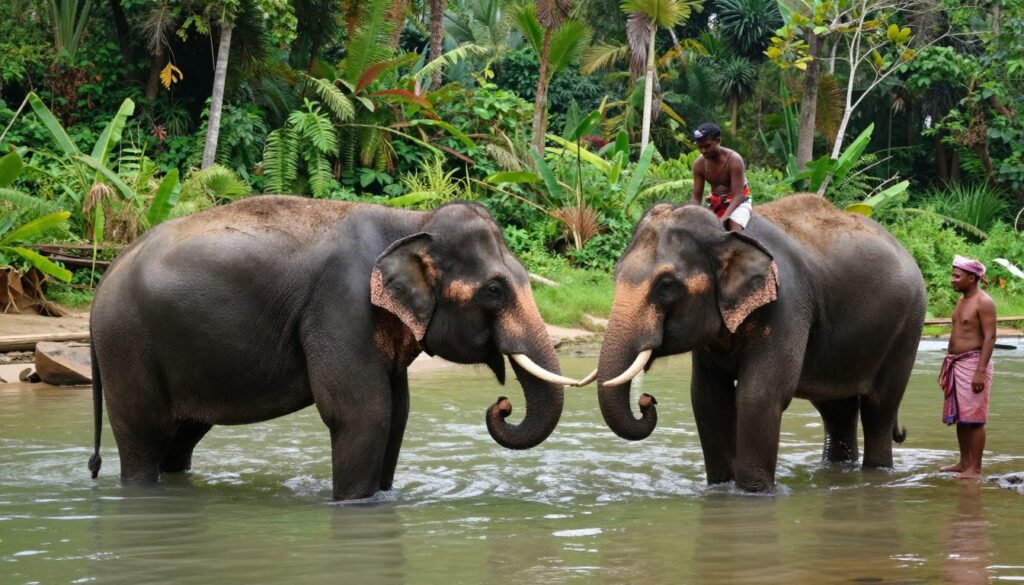
Chiang Mai offers much more than temple visits. The surrounding mountains, markets, and cultural activities create diverse experiences for every traveler.
Elephant Sanctuaries: Ethical Encounters
Several ethical elephant sanctuaries operate near Chiang Mai. These facilities rescue elephants from logging, tourism, and entertainment industries.
Genuine sanctuaries prohibit riding. Visitors observe, feed, and sometimes bathe elephants. The focus stays on elephant welfare rather than human entertainment.
Elephant Nature Park pioneered ethical elephant tourism decades ago. They rescue and rehabilitate elephants in a natural valley setting. Day visits include feeding, observation, and learning about elephant behavior.
Book well in advance as spots fill quickly. Prices range from 2,500 to 3,500 baht for day programs. Overnight options exist for deeper immersion.
Research carefully before booking any elephant experience. Avoid facilities offering rides, shows, or circus-style tricks. These practices harm elephant welfare.
Visit an Ethical Elephant Sanctuary
Spend a day at a responsible elephant sanctuary. Feed, bathe, and learn about these magnificent animals in a natural setting. All tours include transportation and vegetarian lunch.
Markets and Shopping
Markets define the Chiang Mai shopping experience. Each market offers distinct character and merchandise.
The Sunday Walking Street market transforms Ratchadamnoen Road every week. Hundreds of vendors sell handicrafts, clothing, art, and street food. The market runs from 4 PM until midnight.
Saturday Walking Street operates similarly on Wua Lai Road. This market focuses more on silver and metalwork. The street runs through the silversmith district outside the south gate.
The night bazaar opens daily near the Ping River. This touristy market sells everything from fake designer goods to hill tribe crafts. Negotiation is expected and prices start high.
Warorot Market serves local people rather than tourists. The sprawling complex contains sections for fresh produce, household goods, fabrics, and prepared foods. Prices stay very reasonable.
Doi Inthanon National Park
Doi Inthanon stands as Thailand’s highest peak at 2,565 meters. The national park contains the mountain plus waterfalls, hill tribe villages, and nature trails.
The summit area features two pagodas built to honor the king and queen. Gardens surround the structures with cold-climate flowers rare in Thailand.
Mae Ya Waterfall ranks among the park’s most beautiful natural features. The multi-tiered cascade flows strongest during rainy season. A short walk from the parking area reaches viewing platforms.
Hill tribe villages dot the mountain slopes. Karen and Hmong communities maintain traditional lifestyles while engaging with tourism. Village visits provide cultural insights but require respectful behavior.
The park sits about 100 kilometers from Chiang Mai. Day tours include transportation, guide, and lunch. Private tours offer more flexibility than group options.
Night Bazaar Shopping
The night bazaar operates every evening along Chang Klan Road. This tourist-oriented market sprawls across several blocks and indoor buildings.
Vendors sell handicrafts, textiles, art, and souvenirs. Quality varies significantly between stalls. Bargaining can reduce prices by 30 to 50 percent.
The Kalare Night Bazaar building contains air-conditioned shops and a food court. Anusarn Market offers similar goods in open-air stalls. Both connect to the main street market.
Evening performances occur at some spots. Hill tribe dancers and musicians perform traditional arts. These shows add cultural context to the shopping experience.
Outdoor Adventures
Mountains surrounding Chiang Mai enable various outdoor activities. Companies offer everything from gentle nature walks to extreme sports.
Rock climbing at Crazy Horse Buttress attracts climbers worldwide. The limestone cliffs offer routes from beginner to advanced. Guide services and equipment rentals operate nearby.
Zip-lining through the jungle canopy provides adrenaline rushes safely. Several companies operate courses north of the city. The longest lines extend hundreds of meters between trees.
Mountain biking trails wind through forests and villages. Guided tours take you down mountain roads and through countryside. Technical single-track routes challenge experienced riders.
White-water rafting operates seasonally on nearby rivers. The Mae Taeng River offers class III and IV rapids during rainy season. Companies provide safety equipment and trained guides.
Zip-Lining Adventure
Soar through jungle canopy on thrilling zip-line courses. Multiple platforms and lines provide hours of excitement. All safety equipment and training included with pickup service.
Doi Inthanon Day Trip
Visit Thailand’s highest peak with stops at waterfalls, hill tribe villages, and royal pagodas. Expert guides explain local ecology and culture throughout the journey.
White-Water Rafting
Navigate exciting rapids on the Mae Taeng River. Professional guides ensure safety while delivering thrilling adventure. Seasonal operation from June to December.
Nightlife and Entertainment in Chiang Mai
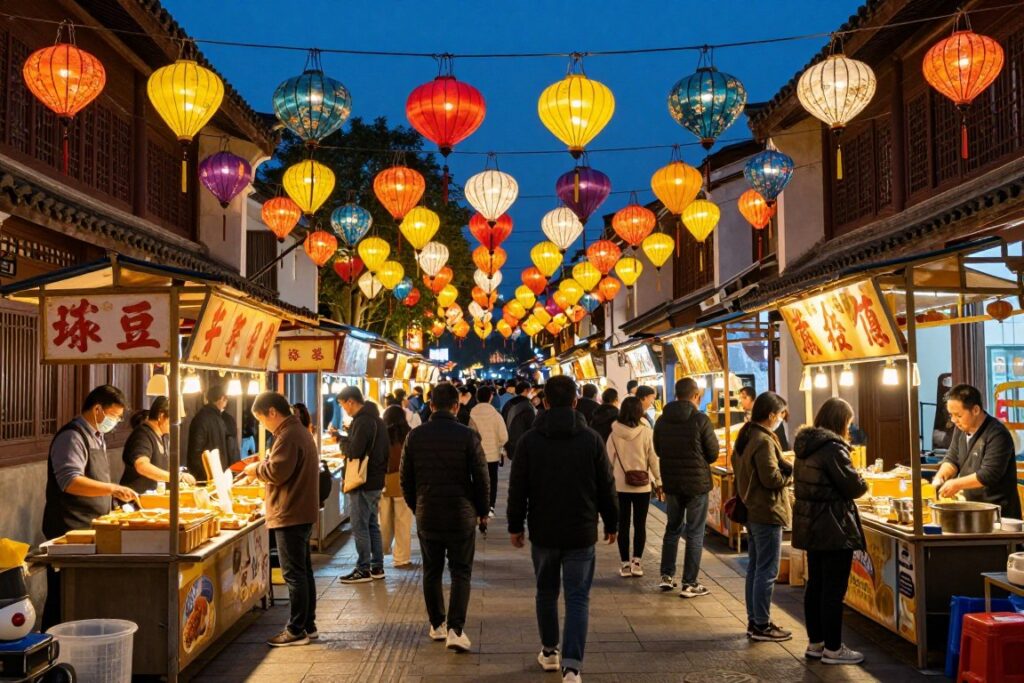
Chiang Mai nightlife balances energy with the city’s laid-back character. Options range from rooftop bars to night markets and live music venues.
Bars and Pubs
The Nimman area concentrates most of Chiang Mai’s trendy bars. Rooftop venues offer city views while craft beer bars serve local and imported brews.
Zoe in Yellow creates a unique bar complex. Multiple connected venues play different music styles. The crowd mixes tourists with local university students.
The old city contains quieter bar options. Many guesthouses operate small bars where travelers gather. These spots foster conversation over loud music.
Last call typically arrives around 1 AM. Some places close earlier on quiet nights. The scene stays much more relaxed than Bangkok or Phuket.
Live Music Venues
Several venues feature live music nightly. Boy Blues Bar draws music lovers with blues and rock performances. The intimate setting creates great atmosphere.
North Gate Jazz Co-Op showcases jazz and improvisational music. Local and visiting musicians jam regularly. The audience appreciates serious musicianship.
The Riverside Bar and Restaurant presents acoustic performances. Musicians play Thai and Western songs in an open-air riverside setting. Dinner service complements the evening entertainment.
Night Markets as Entertainment
Many visitors treat night markets as evening entertainment. The Sunday Walking Street creates a festival atmosphere with performers, vendors, and crowds.
Street musicians perform at various spots. Traditional Thai instruments mix with modern acoustic guitars. Some artists demonstrate genuine talent while others simply entertain.
The night bazaar area includes the Kalare food court. Cultural shows feature hill tribe dancing and music. These performances offer glimpses into northern Thailand traditions.
Cultural Performances
Khantoke dinners combine traditional food with cultural performances. Guests sit on floor cushions while dancers perform Lanna-style dances.
The Old Chiang Mai Cultural Center presents elaborate shows nightly. Dinner service precedes the performance. The production values exceed smaller venues though the experience feels more tourist-oriented.
Smaller, more authentic performances happen at some temples during festivals. These community events welcome respectful visitors. Check local listings for special occasions.
Best Day Trips from Chiang Mai
The region surrounding Chiang Mai rewards exploration. Several destinations make excellent day trips while staying based in the city.
Chiang Rai and the Golden Triangle
Chiang Rai sits three hours north of Chiang Mai. The city contains unique temples including the famous White Temple.
Wat Rong Khun dazzles with its white exterior and mirror mosaics. Artist Chalermchai Kositpipat designed this contemporary temple mixing traditional Buddhist imagery with modern elements.
The Golden Triangle marks where Thailand, Myanmar, and Laos meet. The Mekong River forms natural borders between countries. Museums explain the region’s opium trade history.
Day tours combine Chiang Rai temples with Golden Triangle visits. Long days in vehicles make these trips tiring but worthwhile. Early departure times maximize sightseeing hours.
Pai: Mountain Town Escape
Pai attracts travelers seeking a smaller town atmosphere. The journey north takes three to four hours through mountain curves.
The town itself offers hot springs, waterfalls, and walking street markets. The pace moves even slower than Chiang Mai. Many visitors extend planned overnight stays into longer periods.
The route features 762 curves through mountains. Motion sickness affects some passengers. Consider motion sickness medication if you feel susceptible.
Lampang: Authentic Northern City
Lampang receives fewer tourists than other northern cities. This creates opportunities for authentic experiences without tourist crowds.
Horse-drawn carriages still transport passengers through the old town. Wat Phra That Lampang Luang ranks among northern Thailand’s most beautiful temples. The ancient teak structures showcase traditional Lanna architecture.
The Thai Elephant Conservation Center operates near Lampang. This government facility focuses on elephant welfare and breeding programs. Visits feel more educational than typical tourist attractions.
Lampang sits 100 kilometers from Chiang Mai. The drive takes about 90 minutes. Public buses run regularly between the cities.
Day trip destinations from Chiang Mai including national parks and nearby cities
Practical Travel Tips for Chiang Mai
Understanding practical details helps your trip run smoothly. These essential tips cover money, communication, health, and safety.
Money and Budget
Thai baht serves as the local currency. ATMs throughout Chiang Mai dispense cash with foreign cards. Banks charge 220 baht withdrawal fees plus your bank’s international charges.
Exchange rates at currency exchange booths often beat bank rates. Super Rich exchanges in major malls offer competitive rates. Avoid airport exchange counters which charge higher margins.
Daily budget varies by travel style. Budget travelers manage on 800 to 1,200 baht including hostel accommodation and street food. Mid-range travelers spend 2,000 to 3,500 baht comfortably. Luxury travelers easily spend 5,000+ baht daily.
Most restaurants and shops accept cash only. Some upscale establishments take credit cards but may add service charges. Carry sufficient cash for daily expenses.
Communication and Internet
Thai SIM cards work in unlocked phones. Providers AIS, DTAC, and TrueMove sell tourist SIM packages at the airport and convenience stores.
Packages typically include 10-15GB data plus calling credit. Prices range from 299 to 599 baht for 7 to 30-day validity. Data speeds support navigation apps and social media.
WiFi works reliably at most accommodations, cafes, and restaurants. Speeds suffice for email and web browsing. Video streaming may encounter buffering.
Translation apps help with communication. Google Translate downloads Thai language packs for offline use. Many Thai people speak basic English in tourist areas.
Health and Safety
Chiang Mai stays generally safe for travelers. Violent crime remains rare. Petty theft occurs occasionally in crowded markets and on public transportation.
Tap water should not be consumed. Buy bottled water or use filtered water at accommodations. Ice in restaurants usually comes from purified water sources.
Several hospitals provide international-standard care. Bangkok Hospital Chiang Mai and Chiang Mai Ram Hospital treat foreign patients. Travel insurance covers medical expenses at private facilities.
Dengue fever occurs year-round with peaks during rainy season. Use mosquito repellent containing DEET. Accommodations with screens and air conditioning reduce exposure.
Pollution levels spike during burning season from March to early April. Air quality reaches unhealthy levels. Sensitive individuals should avoid these months or wear masks outdoors.
Scam Awareness
Common scams target tourists. Tuk-tuk drivers may take you to gem shops or tailors offering commissions. Politely decline unsolicited shopping suggestions. Use metered taxis or ride-sharing apps for transportation.
Visa Requirements
Many nationalities receive 30-day visa exemptions upon arrival. Check current requirements for your specific passport. Extensions of 30 days cost 1,900 baht at immigration offices.
The Chiang Mai Immigration Office processes visa extensions and other matters. Bring passport, departure card, one passport photo, and copies of passport pages. Arrive early as lines form quickly.
Cultural Sensitivity
Thai culture values respect and harmony. Loud voices and aggressive behavior offend locals. Maintain calm demeanor even when frustrated.
The royal family commands deep respect. Never speak negatively about the monarchy. Strict laws prohibit criticism of royal figures.
Buddhist monks deserve particular respect. Women should never touch monks or hand items directly to them. Stand or step aside when monks pass by.
The head holds spiritual significance while feet are considered lowest. Never touch someone’s head or point feet at people or Buddha images.
Essential Items to Pack
- Light, modest clothing for temples
- Comfortable walking shoes
- Mosquito repellent with DEET
- Sunscreen and sunglasses
- Reusable water bottle
- Small daypack for excursions
- Power adapter (Type A, B, C)
- Basic first-aid supplies
What Not to Bring
- Heavy winter clothing
- Expensive jewelry
- Large amounts of cash
- Bulky guidebooks (use apps)
- Hair dryer (hotels provide)
- Too many shoes
- Formal business attire
- Non-essential electronics
Sample Itineraries for Different Trip Lengths
These suggested itineraries help you plan based on available time. Adjust activities to match personal interests and energy levels.
Three-Day Itinerary: Highlights Tour
Day One: Arrive and settle into accommodation in the old city. Visit Wat Phra Singh and Wat Chedi Luang in the afternoon. The temples sit close together allowing easy walking. Explore the Sunday Walking Street market if your visit falls on Sunday. Otherwise, check out the regular night bazaar.
Day Two: Wake early for the trip to Wat Phra Doi Suthep. Arrive before 9 AM to beat crowds and heat. Return to the city for lunch at a khao soi restaurant. Spend the afternoon at Warorot Market experiencing local life. Evening options include a traditional khantoke dinner or exploring Nimman cafes and bars.
Day Three: Take a cooking class in the morning. Most classes run from 9 AM to 1 PM including market visits. Afternoon free for shopping, massage, or visiting any missed temples. Final evening for favorite restaurants or last-minute market visits.
Five-Day Itinerary: Cultural Immersion
Days One and Two: Follow the three-day itinerary above for temple visits, Doi Suthep, and cooking class.
Day Three: Full day at an ethical elephant sanctuary. Programs typically run from 8 AM to 5 PM including transportation. Return tired but fulfilled from meaningful animal interaction.
Day Four: Day trip to Doi Inthanon National Park. Visit waterfalls, hill tribe villages, and summit pagodas. Tour companies handle transportation and guide services. Bring warm clothing for the cool mountain summit.
Day Five: Relaxed morning sleeping in or getting massage treatments. Afternoon bike ride around the old city and quieter neighborhoods. Final evening revisiting favorite spots or trying new restaurants.
Seven-Day Itinerary: Complete Experience
Days One through Five: Follow the five-day itinerary covering temples, cooking, elephants, and Doi Inthanon.
Day Six: Day trip to Chiang Rai. See the White Temple and other unique architecture. Visit the Golden Triangle if time permits. Long day but worthwhile for these distinctive attractions.
Day Seven: Morning at leisure for shopping or final temple visits. Consider Wat Umong, a forest temple with tunnels and peaceful grounds. Afternoon massage and spa treatments. Evening farewell dinner at a top restaurant.
Itinerary Flexibility
These schedules provide frameworks rather than rigid plans. Make sure to build rest time into busy days. Listen to your energy levels and adjust accordingly. Some travelers prefer slower paces while others pack maximum activities.
Budget Planning for Chiang Mai
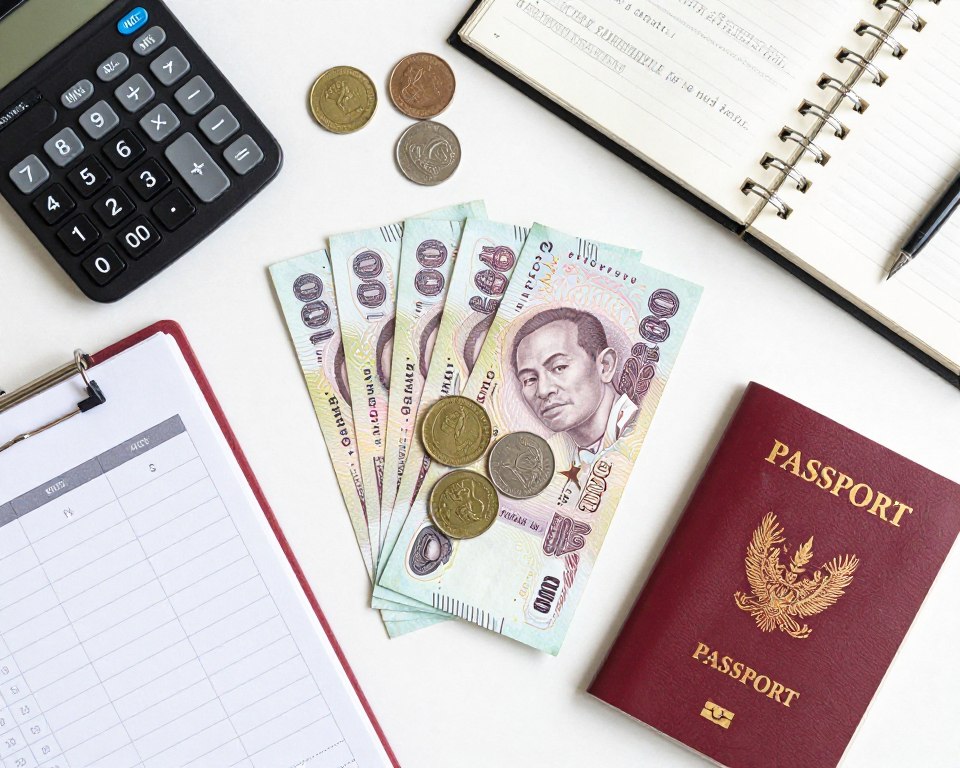
Chiang Mai offers excellent value compared to Western destinations. Understanding costs helps you budget appropriately for your trip length and style.
Accommodation Costs
Budget options start around 150 baht for hostel dorm beds. Private rooms in basic guesthouses cost 400 to 700 baht nightly. Mid-range hotels with pools and amenities range from 1,000 to 2,500 baht. Luxury boutique properties command 3,000 to 8,000+ baht per night.
Long-term stays unlock better rates. Monthly apartment rentals in Nimman start around 8,000 baht for studios. Serviced apartments with cleaning and utilities included cost 12,000 to 25,000 baht monthly.
Food and Dining Expenses
Street food meals cost 40 to 80 baht. Local restaurants charge 60 to 150 baht per dish. Mid-range restaurant meals run 200 to 400 baht. Upscale dining reaches 500 to 1,000+ baht per person.
Daily food budgets vary widely. Budget travelers eating mostly street food spend 200 to 400 baht. Mid-range budgets allowing restaurant meals need 500 to 800 baht. Food lovers trying top restaurants allocate 1,000+ baht daily.
Activity and Tour Costs
Temple admission ranges from free to 50 baht. Cooking classes cost 800 to 1,500 baht. Elephant sanctuary visits run 2,500 to 3,500 baht. Day tours to Doi Inthanon or Chiang Rai cost 1,000 to 2,500 baht depending on group size and inclusions.
Massage treatments start at 200 baht for foot massage. Traditional Thai massage costs 250 to 400 baht per hour. Spa treatments at upscale facilities charge 1,000 to 3,000+ baht.
Transportation Budget
Songthaew rides cost 30 to 40 baht within the old city. Tuk-tuks charge 60 to 150 baht for short trips. Grab rides average 50 to 120 baht for city transportation. Bicycle rentals cost 50 to 100 baht daily. Scooters rent for 150 to 250 baht per day.
Sample Daily Budgets
| Category | Budget Traveler | Mid-Range Traveler | Luxury Traveler |
| Accommodation | 200-400 baht | 800-1,500 baht | 3,000+ baht |
| Food | 250-400 baht | 500-800 baht | 1,000+ baht |
| Transportation | 100-200 baht | 200-400 baht | 500+ baht |
| Activities | 200-500 baht | 500-1,500 baht | 2,000+ baht |
| Miscellaneous | 100-200 baht | 300-500 baht | 1,000+ baht |
| Daily Total | 850-1,700 baht | 2,300-4,700 baht | 7,500+ baht |
Money-Saving Tips
- Eat at local markets rather than tourist restaurants for authentic food at low prices
- Walk or bicycle around the compact old city instead of taking taxis
- Visit temples during morning hours to avoid paying for shade and drinks
- Book accommodation directly with properties to skip booking site commissions
- Join group tours instead of private options for popular day trips
- Shop at Warorot Market for groceries and snacks at local prices
- Take advantage of happy hour drink specials at bars and restaurants
- Use refillable water bottles and avoid buying bottled water constantly
Chiang Mai for Digital Nomads and Remote Workers
Chiang Mai ranks among the world’s top digital nomad destinations. The city combines low costs, reliable infrastructure, and community with pleasant lifestyle.
Coworking Spaces
Dozens of coworking spaces operate throughout Chiang Mai. Punspace pioneered the concept here and maintains three locations. Day passes cost 200 to 300 baht while monthly memberships run 3,000 to 5,000 baht.
CAMP offers stylish workspace in central Nimman. The industrial design attracts creative professionals. Prices start at 250 baht daily or 4,500 baht monthly.
Mana Coworking provides quieter atmosphere with strong community focus. Regular events connect members. The space sits outside the tourist center creating a more local feel.
Most spaces offer high-speed internet, meeting rooms, printing, and coffee. Air conditioning keeps the tropical heat manageable during hot season.
Internet Reliability
Internet speeds in Chiang Mai support most remote work needs. Fiber connections deliver 100+ Mbps at many accommodations and coworking spaces.
Occasional outages occur during storms. Keep mobile data as backup. Most digital nomads maintain Thai SIM cards with substantial data packages.
Video calls and cloud services work reliably. Uploading large files may take time depending on connection speeds. Test internet before committing to long-term accommodation.
Cost of Living
Digital nomads live comfortably in Chiang Mai on 30,000 to 50,000 baht monthly. This budget covers nice apartment, coworking membership, food, and entertainment.
Studio apartments in Nimman rent for 8,000 to 15,000 baht monthly. One-bedroom units cost 12,000 to 25,000 baht. Furnished options include utilities and internet.
Living costs stay significantly lower than Western cities while offering better quality of life than many developing countries. The equation attracts remote workers worldwide.
Community and Networking
The digital nomad community thrives through regular meetups and events. Chiang Mai Digital Nomads Facebook group has over 20,000 members sharing resources and organizing gatherings.
Weekly meetups happen at various cafes and coworking spaces. These casual events facilitate networking and friendship. The welcoming atmosphere helps newcomers integrate quickly.
Skill-sharing workshops and presentations occur regularly. Topics cover business, technology, marketing, and personal development. The knowledge exchange benefits everyone.
Visa Considerations
Thailand offers several visa options for longer stays. Tourist visas allow 60 days with possible 30-day extension. Multiple-entry tourist visas enable six months of stay through border runs.
The new Long-Term Resident visa targets remote workers. Requirements include minimum income and health insurance. This option suits established professionals planning extended stays.
Many digital nomads use visa runs to neighboring countries. Quick trips to Myanmar or Laos reset visa clocks. Immigration rules change periodically so verify current requirements.
Sustainable and Responsible Travel in Chiang Mai
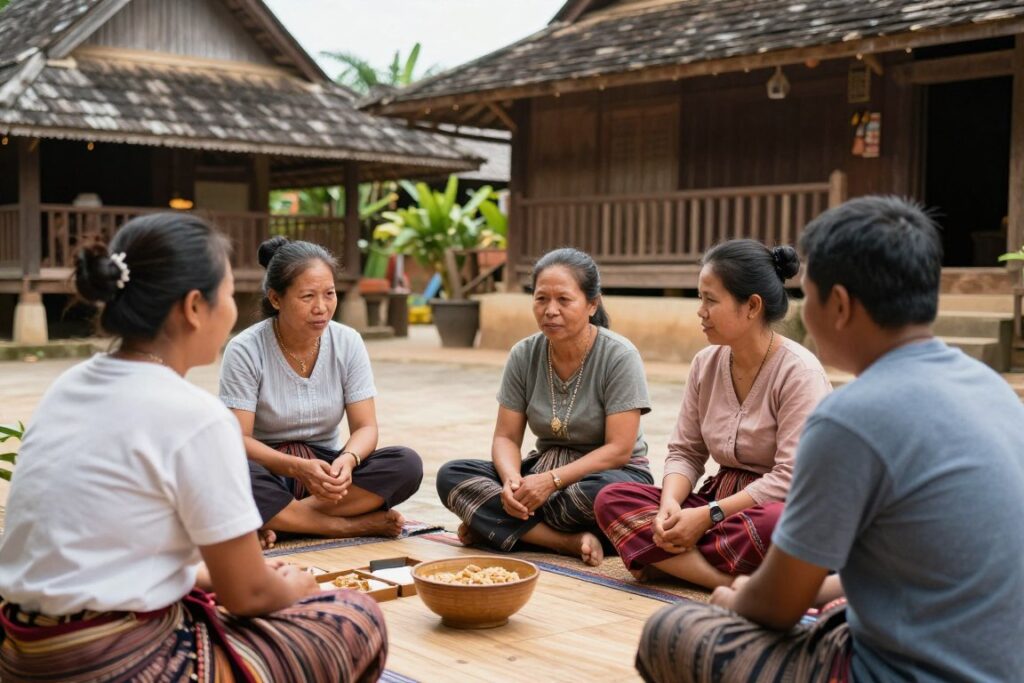
Thoughtful travel choices minimize negative impacts while supporting local communities. Chiang Mai offers many opportunities for responsible tourism.
Supporting Local Businesses
Choose locally-owned guesthouses over international hotel chains. Your money stays in the community rather than leaving to corporate headquarters.
Eat at family-run restaurants instead of franchise establishments. These spots serve authentic Thai food while supporting local families. Markets provide direct income to farmers and producers.
Shop at artisan workshops purchasing directly from creators. This ensures fair prices reach makers rather than middlemen. Quality often exceeds mass-produced alternatives.
Environmental Considerations
Refuse single-use plastics whenever possible. Carry a reusable water bottle and shopping bags. Many shops still automatically provide plastic bags.
The burning season creates serious air pollution. Visitors can reduce impact by avoiding these months. This signals to authorities that environmental quality affects tourism.
Choose walking, cycling, or public transportation over private vehicles. The compact old city allows easy walking. Bicycle rentals provide sustainable mobility.
Ethical Animal Experiences
Avoid elephant riding and animal shows. These activities harm animal welfare despite appearing fun. Research facilities thoroughly before booking any animal encounter.
Genuine sanctuaries prioritize animal welfare over human entertainment. They prohibit riding, tricks, and close contact that stresses animals. Higher prices often reflect better care standards.
The same principles apply to tiger temples and other wildlife attractions. If animals perform or allow unlimited contact, welfare likely suffers.
Cultural Respect
Learn basic Thai phrases showing effort to engage respectfully. Simple greetings earn smiles and appreciation. Most Thai people help foreigners attempting their language.
Dress modestly at temples covering shoulders knees. This shows respect for sacred spaces and local customs. Remove shoes before entering buildings.
Ask permission before photographing people, especially hill tribe members. Some communities tire of constant photography. Respect refusals graciously.
Volunteer Opportunities
Several organizations facilitate meaningful volunteer work in Chiang Mai. Focus on skills-based contributions rather than short-term projects. Teaching English, providing professional expertise, or supporting established programs create more impact than feel-good voluntourism.
Traveling to Chiang Mai with Children
Chiang Mai welcomes families with child-friendly attractions and infrastructure. The relaxed pace suits families better than hectic Bangkok.
Kid-Friendly Activities
The Chiang Mai Zoo houses pandas and diverse animals. Children enjoy the aquarium tunnel and feeding stations. The zoo covers large grounds so consider the tram service.
Night Safari offers unique evening animal viewing. Trams carry visitors through zones with nocturnal species. The concept excites children more than standard daytime zoos.
Flight of the Gibbon provides family zip-lining with special children’s courses. Height and weight minimums apply. The experience thrills older children while staying safe.
Elephant sanctuaries welcome families. Children learn about conservation while observing gentle interactions. The experiences create lasting memories and teach compassion.
Family Accommodation
Many guesthouses and hotels offer family rooms with multiple beds. Kitchen facilities help when children need familiar food. Pools provide afternoon entertainment.
The Nimman area contains family-friendly hotels near parks and shopping. Old city guesthouses place you near temples and markets. Consider location based on planned activities.
Dining with Kids
Thai cuisine includes many mild dishes children enjoy. Fried rice, noodle soups, and grilled meats work for picky eaters. Request “mai phet” meaning not spicy.
Western restaurants exist throughout tourist areas. Pizza, burgers, and pasta provide familiar options. However, trying local food creates cultural experiences.
Markets let children see food preparation and choose items. The visual displays engage young minds. Fresh fruit smoothies make healthy treats.
Health and Safety for Families
Pediatric care exists at major hospitals. English-speaking doctors understand foreign health concerns. Travel insurance should cover children’s medical needs.
Pack children’s medications from home. Pharmacies stock basics but familiar brands comfort parents. Bring adequate sunscreen and mosquito repellent.
The relaxed culture creates safe environments. Thai people adore children and often help families. Traffic requires caution but violent crime stays rare.
Frequently Asked Questions About Chiang Mai
How many days should I spend in Chiang Mai?
Plan at least three to five days to visit Chiang Mai properly. Three days covers major temples, food experiences, and one day trip. Five to seven days allows deeper exploration including elephant sanctuaries, cooking classes, and surrounding areas. Many travelers extend stays after arriving because the city offers so much.
Is Chiang Mai safe for solo travelers?
Chiang Mai ranks as very safe for solo travelers including women. Violent crime remains extremely rare. Take normal precautions against petty theft. The welcoming atmosphere and large traveler community make solo exploration comfortable. Many people come back specifically for the safety and friendly culture.
What is the best way to get from Bangkok to Chiang Mai?
Flying takes one hour and costs 1,000 to 3,000 baht depending on booking time. The overnight train provides an experience while saving accommodation costs. Buses offer the budget option at 500 to 800 baht. Your choice depends on time, budget, and interest in the journey versus destination.
Do I need to book hotels in advance?
Book advance reservations for November through February when tourism peaks. Popular places fill quickly during these months. Other seasons allow more flexibility. However, booking a few days ahead ensures better selection and sometimes better rates. Last-minute options exist but limit choices.
Can I drink the tap water in Chiang Mai?
Never drink tap water in Chiang Mai. Buy bottled water or use filtered water at accommodations. Ice in restaurants typically comes from purified sources and poses little risk. Brushing teeth with tap water generally causes no problems for most people. Carry a reusable bottle and refill from filtered sources.
What should I wear when visiting temples?
Cover shoulders knees with modest clothing at all temples. Long pants or skirts work well. Shirts must cover shoulders completely. Remove shoes before entering temple buildings. Some temples rent appropriate clothing but bringing your own avoids fees and sizing issues. Comfortable walking shoes help since you remove them frequently.
How much does a Thai cooking class cost?
Cooking classes in Chiang Mai cost 800 to 1,500 baht per person. Prices include market visits, ingredients, instruction, and the meal you prepare. Higher-end schools charge more for smaller class sizes and better facilities. Book in advance during peak season as popular schools fill quickly. Most classes run four to six hours.
Is it easy to find vegetarian food in Chiang Mai?
Vegetarian and vegan options exist throughout Chiang Mai. Many restaurants prepare meat-free versions of dishes. Several fully vegetarian restaurants operate in tourist areas. Learn the word “jay” for Buddhist vegetarian food. Market vendors understand dietary requests. The city accommodates plant-based diets much better than rural areas.
What is the pollution like in Chiang Mai?
Air quality stays generally good except during burning season from March to early April. Farmers clearing fields create hazardous smog levels during these weeks. Sensitive individuals should avoid these months or wear masks. The rest of the year features clean air in a mountain setting. Check air quality indexes before traveling during March and April.
Can I use credit cards in Chiang Mai?
Cash remains king in Chiang Mai. Most restaurants, markets, and small shops accept only cash. Upscale hotels and some restaurants take credit cards but may add service fees. ATMs exist throughout the city charging 220 baht withdrawal fees. Carry sufficient cash for daily expenses and use cards only when necessary.
Start Planning Your Chiang Mai Adventure
Chiang Mai delivers experiences that linger long after you return home. The ancient temples, incredible Thai food, friendly people, and mountain scenery create memories worth treasuring.
This complete Chiang Mai travel guide provided everything needed to plan your trip. You learned about the best time to visit, how to get around, where to stay, and what to see. The food scene, activities, and practical tips prepare you for the journey ahead.
Start by choosing your travel dates. Book advance accommodation if visiting during peak season. Research cooking classes and day trips that interest you. Make a list of temples and neighborhoods to explore.
Remember that Chiang Mai rewards slow travel. The city reveals itself gradually to those who take time. Some travelers come for a week and stay for months. The laid-back atmosphere and affordable living make extended visits tempting.
Whether you spend three days or three months, Chiang Mai will capture your heart. The city offers something special that few places match. Ancient culture meets modern comfort in perfect harmony.
Your northern Thailand adventure awaits. The temples, mountains, markets, and friendly faces of Chiang Mai are ready to welcome you. Safe travels and enjoy every moment of this remarkable city.
Ready to Book Your Chiang Mai Trip?
Start planning your perfect Chiang Mai adventure today. Compare flights, find the best accommodation, and book popular tours and activities. Early booking ensures the best selection and prices.