
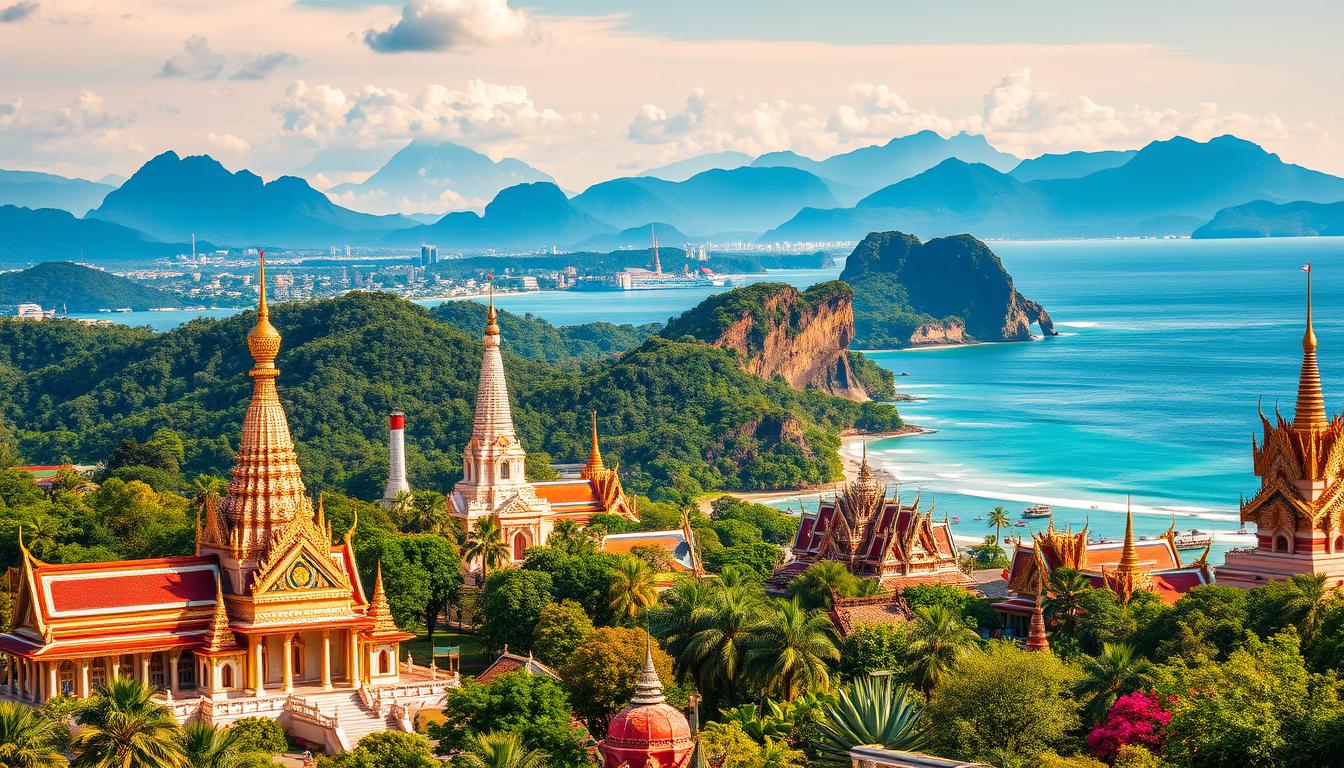
Thailand’s reputation as a must-visit country is no accident. Known for its stunning contrasts, it blends modern comforts with wild adventures, making it a favorite for travelers worldwide. From the golden temples of Chiang Mai to the turquoise waters of the Andaman Sea, this Southeast Asian gem offers endless possibilities.
The nation’s landscapes are as varied as its culture. In the north, misty mountains cradle lush jungles perfect for trekking. Down south, beaches lined with palm trees meet dramatic limestone cliffs. Cities like Bangkok buzz with energy, while ancient ruins whisper stories of the past.
What truly sets Thailand apart is its accessibility. Well-developed infrastructure makes exploring easy, whether you’re a first-time visitor or a seasoned explorer. Affordable prices and legendary hospitality mean you can enjoy luxury stays or backpacker hostels without breaking the bank.
Adventure seekers find paradise here. Dive into coral reefs, zip-line through rainforests, or sample street food at bustling night markets. Culture lovers marvel at ornate temples, each showcasing intricate designs and spiritual significance. Every corner promises something new.
Key Takeaways
- Thailand combines modern amenities with untouched natural beauty
- Diverse regions offer mountains, beaches, cities, and historical sites
- Excellent tourism infrastructure supports all travel styles
- Rich Buddhist heritage reflected in thousands of temples
- Affordable prices enhance the overall experience
- Activities range from relaxing beach days to adrenaline-packed adventures
Introduction to Thailand’s Diverse Attractions
A land where ancient traditions meet modern adventures, Thailand offers endless discoveries. Whether you crave spicy street food or peaceful temple retreats, this kingdom delivers unforgettable experiences. Its unique mix of cultural heritage and natural wonders creates something special for every visitor.
Where Flavors Meet Spirituality
Food lovers find paradise in Bangkok’s sizzling wok stalls and Chiang Mai’s night markets. Crispy pork belly, tangy papaya salad, and coconut-rich curries tempt taste buds at every turn. For those seeking calm, golden-spired temples like Wat Arun provide serene spaces for reflection.
Beyond cities, jungles teem with wildlife while islands boast powder-soft sands. Hike through misty mountains in the north or snorkel vibrant coral reefs down south. Each region reveals new surprises.
Smart Travel Strategies
Timing matters when exploring Thailand’s attractions. November-February brings cool, dry weather perfect for beach trips and city tours. Summer months offer lush landscapes but prepare for tropical showers.
Efficient buses and domestic flights connect major destinations smoothly. Mix popular spots with hidden gems for balanced itineraries. Always leave room for spontaneous discoveries – that’s where the real magic happens.
Top 20 places to visit in Thailand
Thailand’s geography unfolds like a storybook, each page revealing new wonders. From northern peaks draped in morning fog to southern shores where waves kiss untouched sands, the country offers countless discoveries. Beyond famous landmarks lie hidden spots where culture thrives undisturbed by crowds.
Highlights from Beaches to Temples
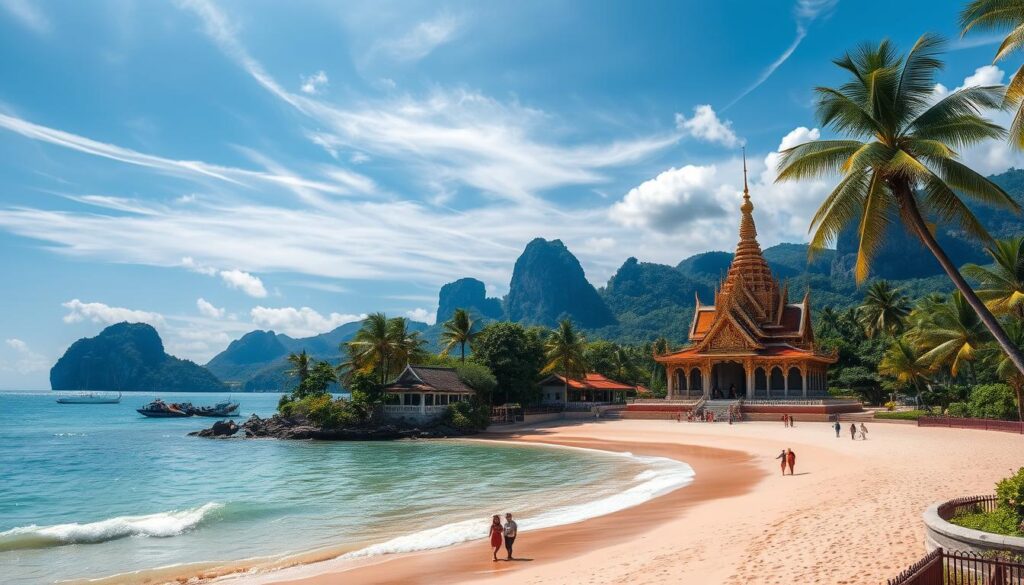
The kingdom’s architectural marvels span centuries. Chiang Rai’s White Temple dazzles with modern symbolism, while Sukhothai’s ancient ruins whisper tales of fallen empires. Coastal gems surprise travelers – think limestone karsts rising from emerald waters in Trang Province.
| Region | Highlight | Experience Type |
|---|---|---|
| Northern Mountains | Mae Hong Son Loop | Scenic road trips |
| Central Plains | Ayutthaya Historical Park | Cultural exploration |
| Southern Coast | Koh Kood Island | Secluded beach relaxation |
Insights from Local and Tourist Perspectives
Residents often recommend lesser-known attractions like Nan Province’s tea plantations. “The real magic happens when you share meals with hill tribe communities,” says Bangkok-based guide Lek Srisomwong. Travelers praise hidden waterfalls in Khao Sok National Park, accessible via bamboo raft adventures.
Coastal areas reveal contrasts. While Phuket buzzes with energy, nearby Yao Noi Island maintains fishing village charm. This balance makes visit Thailand journeys uniquely rewarding – modern comforts meet timeless traditions at every turn.
Discover Thailand’s Hidden Beaches
Beyond Thailand’s famous shores lie untouched stretches of sand waiting to be explored. These coastal treasures remain blissfully quiet, offering space to unwind without competing for towel space. Crystal-clear water shimmers in endless shades of blue, while jungle-backed shores create postcard-perfect scenes.
Pristine Seaside Escapes
Koh Yao Noi redefines tropical getaways. This island gem balances eco-conscious resorts with empty beaches where hermit crabs outnumber people. Rock climbers scale limestone cliffs by day, while yogis practice sunset salutations on powdery sand. Nearby Koh Yao Yai’s Laam Haed beach stays similarly serene, its tidal pools teeming with marine life.
Off-the-Beaten-Path Coastal Gems
Adventure rewards those willing to venture further. Koh Lipe’s nickname as “Thailand’s Maldives” comes alive in its baby-blue lagoons and sugar-white sands. To reach Bottle Beach on Koh Pha-ngan, travelers navigate jungle trails or hop fishing boats – efforts repaid with complete seclusion.
These hidden beaches share common traits: zero high-rises, limited Wi-Fi, and nature’s soundtrack of lapping waves. As one longtime visitor notes: “You don’t find paradise – it finds you when you slow down enough to notice.”
Exploring Thailand’s Sacred Temples
Thailand’s spiritual identity comes alive through its sacred spaces, where golden spires pierce blue skies and whispered prayers mingle with temple bells. These architectural wonders serve as living museums of Buddhist culture, blending artistic mastery with deep religious significance.
Cultural and Spiritual Landmarks
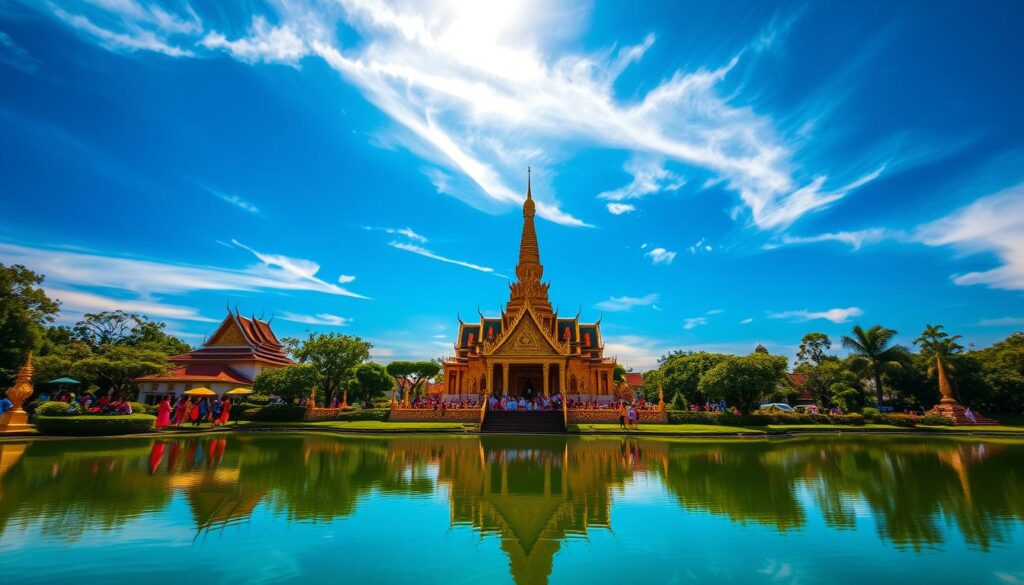
The Grand Palace in Bangkok stands as Thailand’s most iconic complex. Within its walls lies Wat Phra Kaeo, home to the revered Emerald Buddha. This jade statue, dressed in seasonal gold robes, symbolizes the nation’s spiritual heart.
Modern interpretations push boundaries at Chiang Rai’s White Temple. Artist Chalermchai Kositpipat reimagined traditional designs with mirrored mosaics and surreal murals featuring pop culture icons. Contrast this with Chiang Mai’s Silver Temple, where hand-carved panels depict Buddhist teachings in metallic detail.
Three essentials for temple visits:
- Cover shoulders and knees to show respect
- Remove shoes before entering prayer halls
- Point feet away from Buddha images
From ancient stupas to avant-garde designs, these temples reveal Thailand’s ability to honor tradition while embracing innovation. Each visit offers fresh perspectives on how culture shapes sacred spaces.
Island Escapes and Secluded Retreats
Thailand’s coastline unfolds like a necklace of pearls, each island offering distinct charms. Travelers face delightful choices: vibrant hubs buzzing with energy or quiet coves where time slows. This contrast defines the kingdom’s coastal magic.
https://www.youtube.com/watch?v=T-bYknmjUUk
Popular Islands vs. Tranquil Locales
Koh Samui showcases this diversity perfectly. Chaweng Beach thrills with jet skis and beach bars, while Maenam’s palm-fringed shores invite lazy hammock days. North of Koh Samui, Bophut’s wooden shophouses offer sunset cocktails with fisherfolk charm.
Adventure seekers head northwest to the Surin Islands. These granite outcrops rise from turquoise water, sheltering manta rays and neon corals. Liveaboard trips here often include Similan Islands dives, where underwater worlds dazzle.
Budget travelers praise Koh Chang. Just hours from Bangkok, its jungle-clad hills meet affordable beach bungalows. Unlike southern islands, elephants still roam waterfalls here, adding wild surprises to beach vacations.
Three tips for island hoppers:
- Mix 1-2 busy islands with lesser-known stops
- Visit November-April for calm seas
- Pack reef-safe sunscreen to protect marine life
Majestic Waterfalls and National Parks
Thailand’s wilderness areas showcase nature’s grandeur through roaring cascades and protected ecosystems. These national parks preserve habitats where misty forests meet crystal-clear streams, creating playgrounds for adventurers and wildlife alike.
Scenic Trails and Cascading Waterfalls
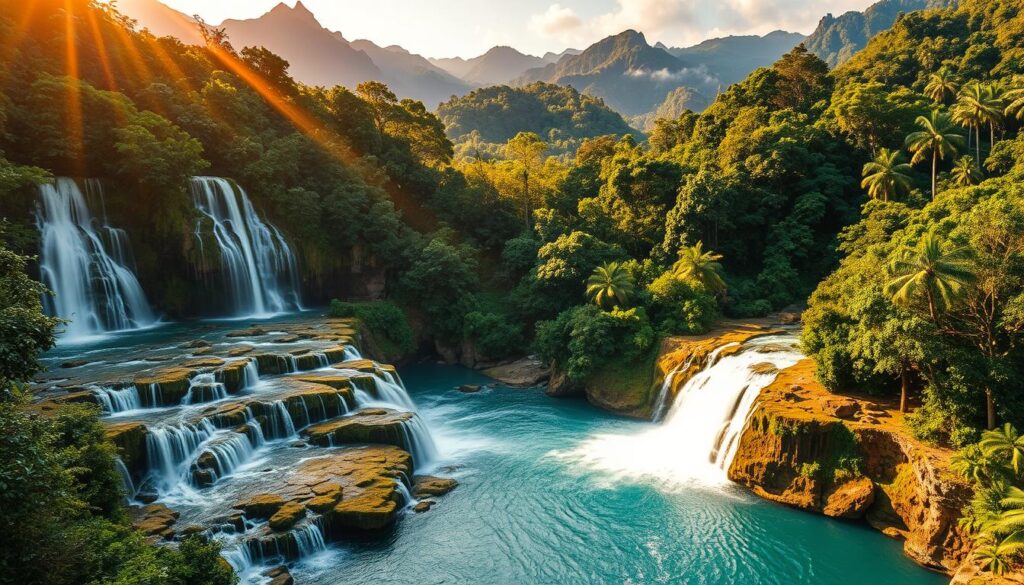
Erawan National Park stuns visitors with its seven-tiered waterfall, named after the three-headed elephant from Hindu mythology. Each level reveals emerald pools where tiny fish nibble at swimmers’ toes. Hikers follow trails past limestone formations draped in jungle vines, discovering hidden grottos along the way.
At Doi Inthanon National Park, Thailand’s highest peak towers above flower-filled meadows. The waterfalls here cascade beside twin pagodas honoring royalty, blending natural beauty with cultural significance. Well-marked paths wind through cloud forests, offering cool relief from lowland heat.
Wildlife Encounters in Lush Nature
Khao Yai National Park teems with biodiversity. Dawn hikes might reveal elephants bathing in streams or hornbills soaring overhead. Night safaris expose another world – glowing fungi illuminate trails while civets hunt under moonlight.
These protected zones serve as vital corridors for endangered species. Rangers maintain viewing platforms where visitors safely observe gibbons swinging through canopies or monitor lizards basking on rocks. As one park guide notes: “Every rustle in the bushes could reveal Thailand’s wild heartbeat.”
Experience Thailand’s Bustling Capital Cities
Thailand’s urban centers pulse with energy, offering cultural depth alongside modern thrills. Bangkok’s skyline dazzles with golden temples beside glass towers, while Chiang Mai’s ancient walls hide trendy cafes in leafy alleys. These capitals showcase the nation’s ability to honor tradition while embracing progress.
Urban Attractions and Hidden Corners
Bangkok reigns as Southeast Asia’s ultimate city experience. Dive into Chinatown’s maze of sizzling woks and gold shops by day, then watch the capital transform at night with rooftop bars overlooking the Chao Phraya River. Don’t miss the flower market’s 2 AM hustle – where monks buy lotus buds and chefs source fresh ingredients.
Chiang Mai offers cooler mountain air and slower rhythms. The Old City’s moat-encircled center contains 30 temples within walking distance. Beyond tourist-favorite Wat Phra Singh, discover Wat Umong’s forest tunnels adorned with Buddhist murals. Local guides recommend timing visits to catch evening chanting sessions.
Three ways to maximize your urban adventures:
- Use Bangkok’s BTS Skytrain to beat traffic between attractions
- Join a Chiang Mai cooking class using ingredients from Warorot Market
- Take day trips to Ayutthaya ruins or Doi Inthanon’s peak
These cities reward curious explorers. “The real magic happens when you wander without maps,” advises Bangkok resident Narin Chompoo. From hidden art galleries to family-run noodle shops, urban Thailand constantly surprises those willing to look beyond guidebook highlights.
Markets and Floating Markets: A Cultural Feast
Thailand’s markets pulse with life, blending commerce with centuries-old traditions. Visitors find vibrant hubs where farmers, artisans, and chefs converge. These spaces offer more than shopping – they’re windows into daily rhythms and creative heritage.
Traditional Shopping and Local Crafts
Floating markets like Damnoen Saduak buzz before dawn. Vendors paddle boats piled with mangoes, orchids, and coconut pancakes. For a quieter day trip, Amphawa’s evening market glows with lanterns as locals grill river prawns.
The Maeklong Railway Market delivers drama six times daily. Stalls fold like origami as trains rumble through. Nearby, towns like Chiang Mai shine after sunset. Their night markets overflow with handwoven silks and spicy larb salads.
Three market essentials:
- Bargain politely – it’s part of the culture
- Try boat-to-table noodles at floating markets
- Visit railway markets early to avoid crowds