

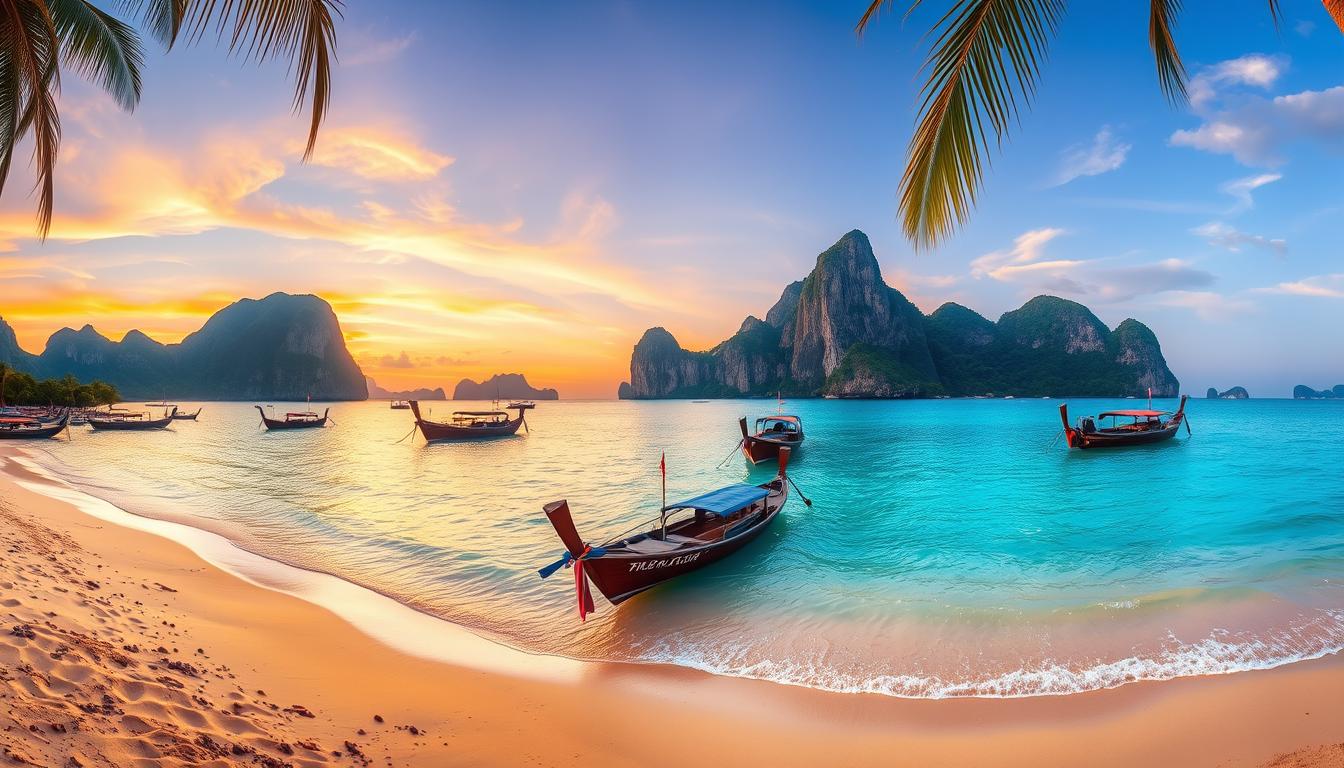
Welcome to Thailand, where pristine beaches meet ancient temples, vibrant street markets burst with flavor, and warm smiles greet you at every turn. From the bustling energy of Bangkok to the serene islands of the south, Thailand offers unforgettable experiences for every type of traveler. Whether you’re planning your first visit or returning to explore more of this captivating country, our comprehensive guide will help you create the perfect Thai adventure.
Ready to Experience Thailand’s Magic?
Join thousands of travelers who’ve discovered the perfect balance of adventure, relaxation, and cultural immersion in Thailand.
Top 5 Must-Visit Destinations in Thailand
Thailand’s diverse landscapes offer everything from bustling metropolises to tranquil beaches and mountain retreats. Here are the five destinations you simply can’t miss on your Thai adventure.
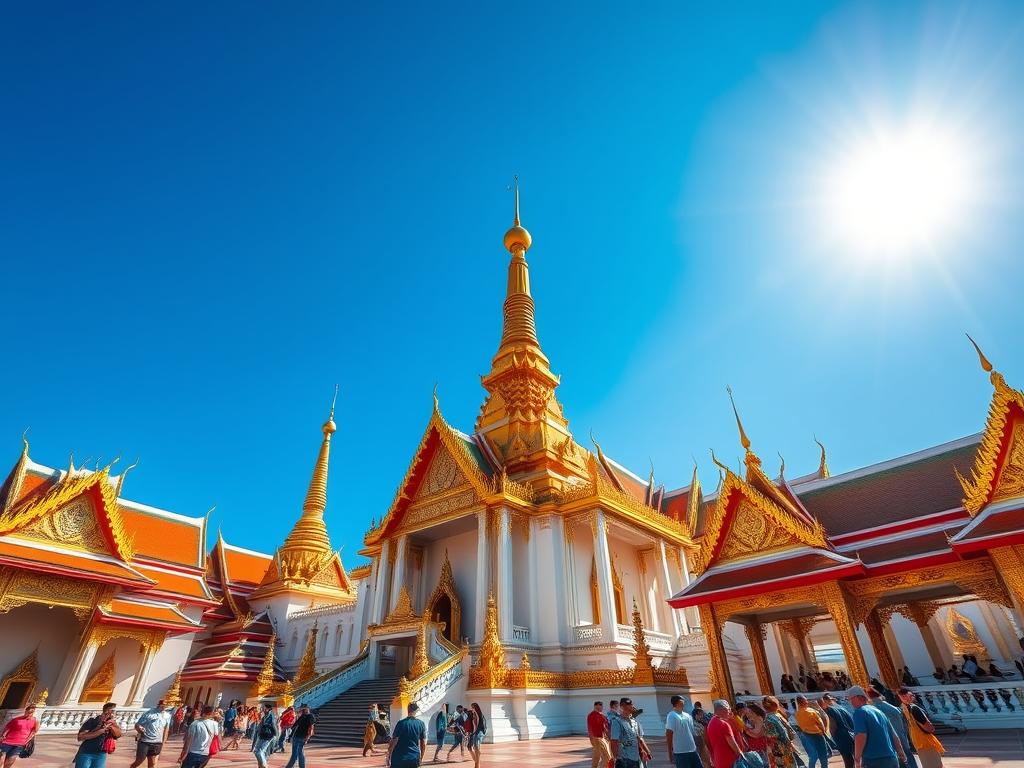
1. Bangkok
Thailand’s capital is a city of contrasts where ancient temples stand alongside modern skyscrapers. Explore the Grand Palace, marvel at Wat Pho’s reclining Buddha, cruise the Chao Phraya River, and dive into the world-famous street food scene at Chatuchak Market.
Don’t Miss: The Grand Palace, Wat Pho, Chatuchak Weekend Market, and a dinner cruise on the Chao Phraya River.
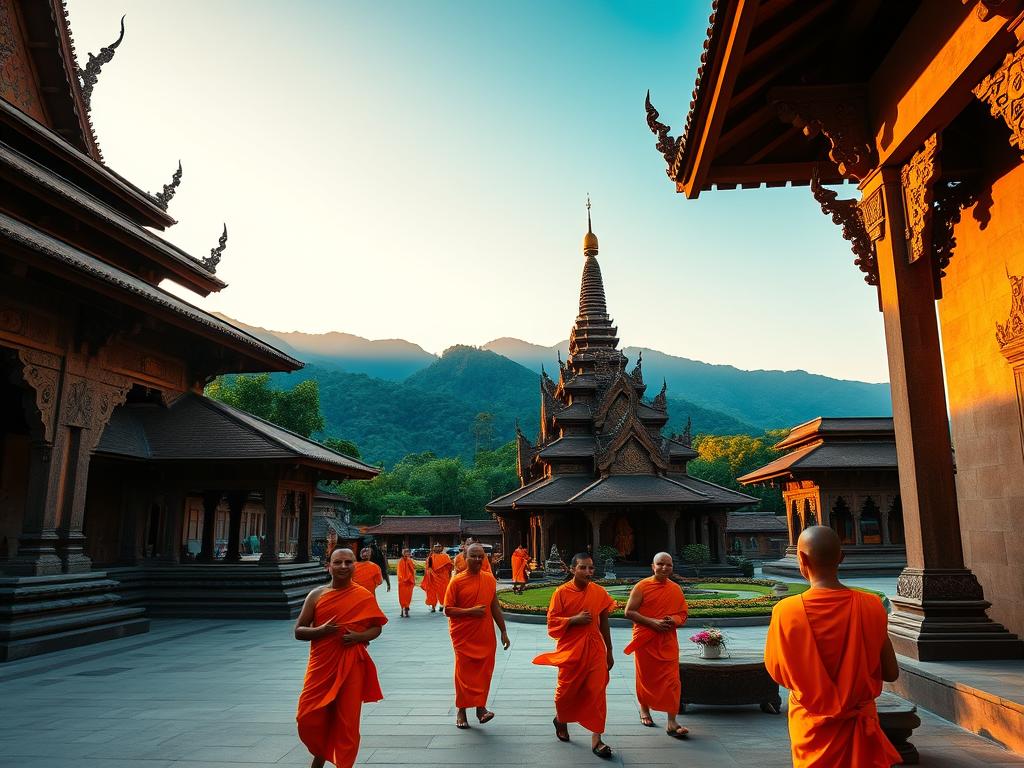
2. Chiang Mai
The cultural heart of northern Thailand, Chiang Mai offers a more relaxed atmosphere than Bangkok. Wander through the old city’s temples, take a Thai cooking class, visit ethical elephant sanctuaries, and shop at the famous night bazaar for authentic handicrafts.
Don’t Miss: Doi Suthep Temple, ethical elephant experiences, Sunday Walking Street, and traditional Khantoke dinner.
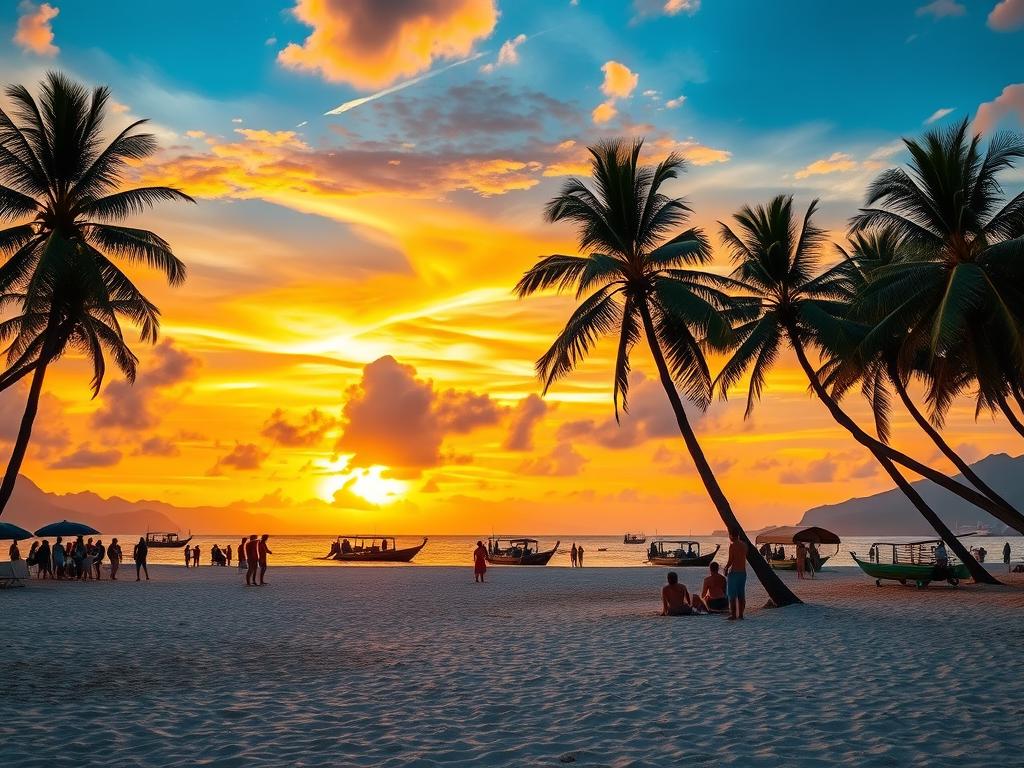
3. Phuket
Thailand’s largest island offers something for everyone – from luxury resorts and vibrant nightlife to secluded beaches and family-friendly activities. Enjoy water sports, island-hopping tours to nearby Phi Phi Islands, and the colorful culture of Phuket Old Town.
Don’t Miss: Patong Beach, Big Buddha, Phi Phi Islands day trip, and exploring the Sino-Portuguese architecture of Phuket Old Town.
4. Krabi
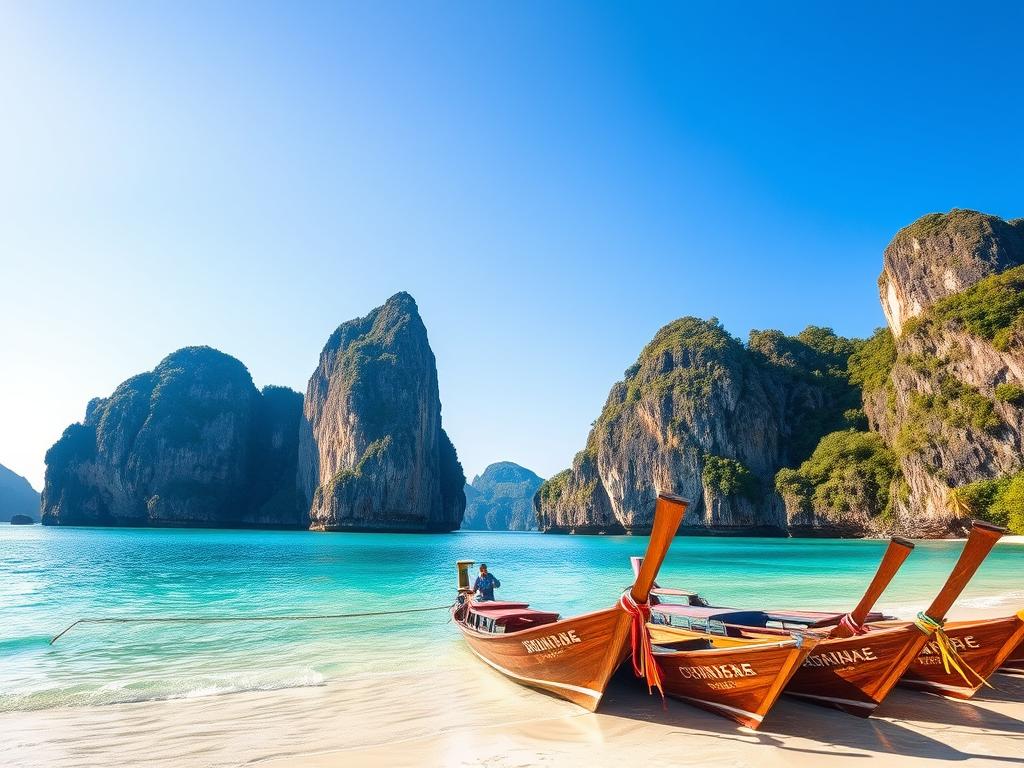
Known for its dramatic limestone karsts jutting from both land and sea, Krabi offers a more laid-back alternative to Phuket. Railay Beach, accessible only by boat, is famous for rock climbing, while the Emerald Pool and Hot Springs provide natural relaxation spots.
Don’t Miss: Railay Beach, Four Islands Tour, Tiger Cave Temple, and the Emerald Pool.
5. Koh Samui
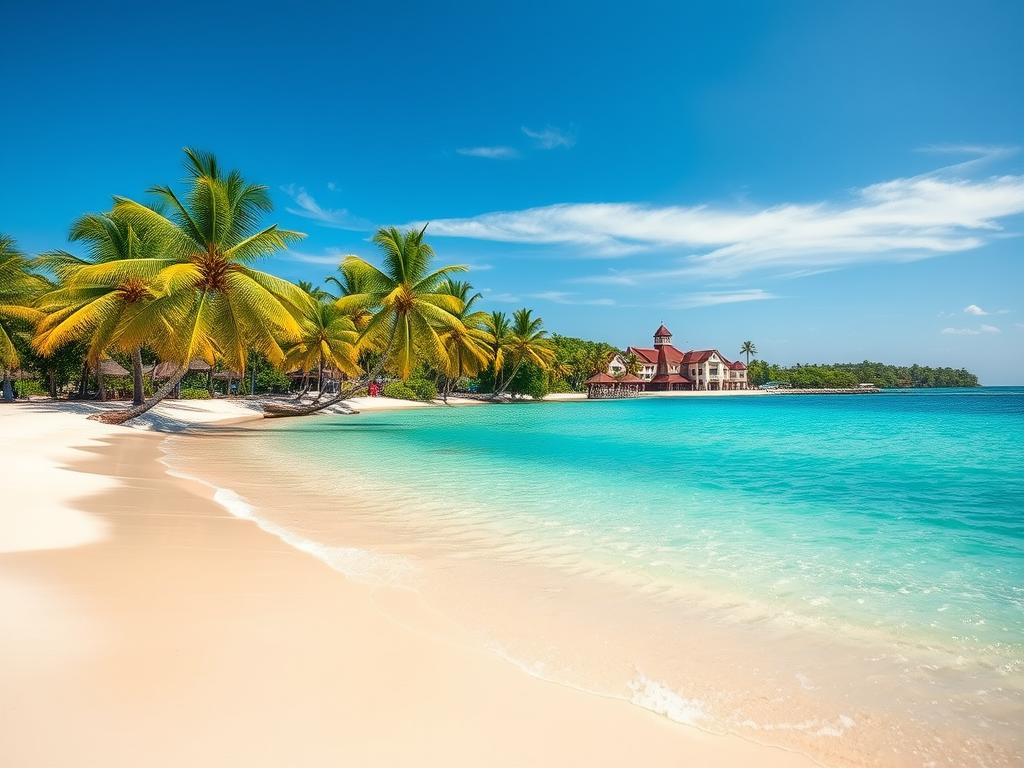
This Gulf of Thailand island offers a perfect balance of development and natural beauty. Enjoy pristine beaches, luxury resorts, and a more refined atmosphere than some of Thailand’s more party-oriented islands. Don’t miss the iconic Big Buddha Temple and refreshing Na Muang Waterfall.
Don’t Miss: Chaweng Beach, Big Buddha Temple, Angthong Marine Park, and the Fisherman’s Village Walking Street.
6. Off-the-Beaten-Path Gems
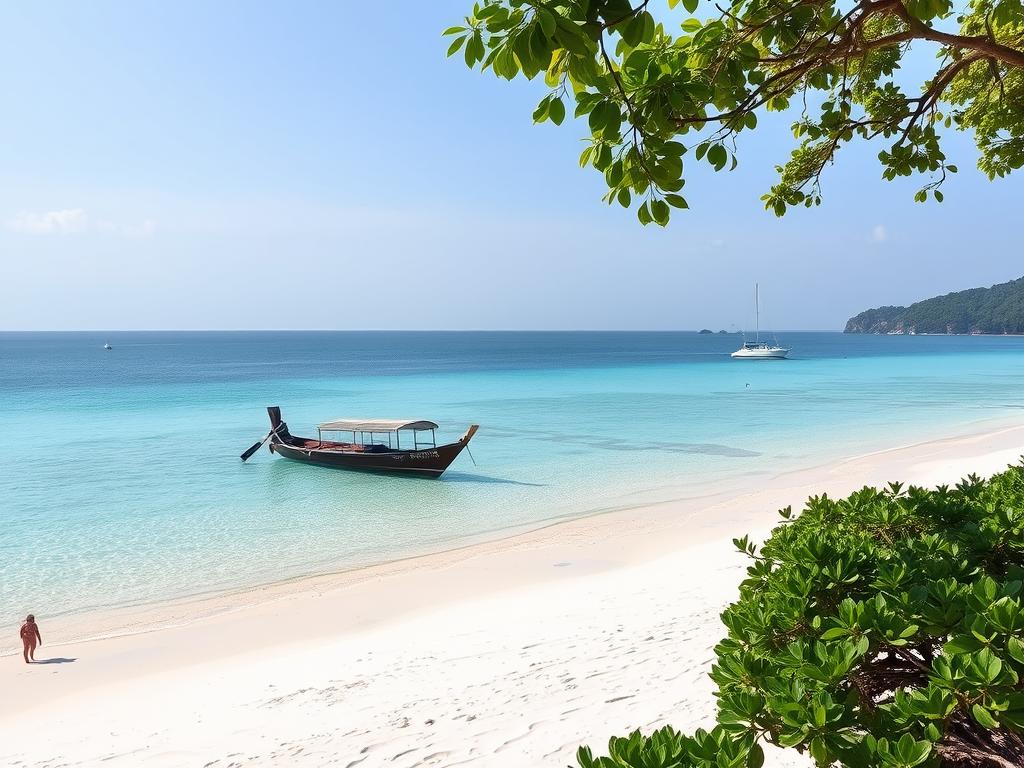
For travelers seeking less crowded experiences, Thailand offers many hidden treasures. Consider visiting Koh Lanta for relaxed vibes, Koh Lipe for incredible snorkeling, Pai for mountain scenery, or Kanchanaburi for its historical sites and natural beauty.
Don’t Miss: Koh Lanta’s Long Beach, Koh Lipe’s coral reefs, Pai’s hot springs, and the Bridge over the River Kwai in Kanchanaburi.
Not Sure Which Destinations Fit Your Travel Style?
Our Thailand experts can help you create the perfect itinerary based on your interests, budget, and travel dates.
Cultural Highlights: Experience Authentic Thailand
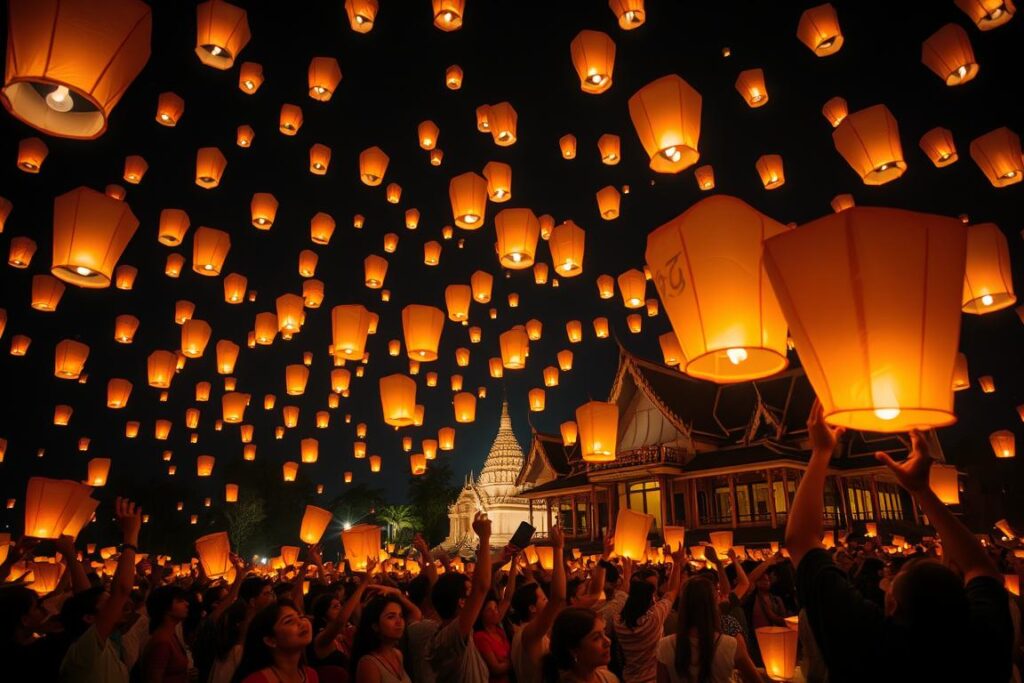
Thailand’s rich cultural heritage offers travelers countless opportunities to connect with local traditions, festivals, and daily life. Here’s how to experience the authentic side of the Land of Smiles.
Festivals Worth Planning Your Trip Around
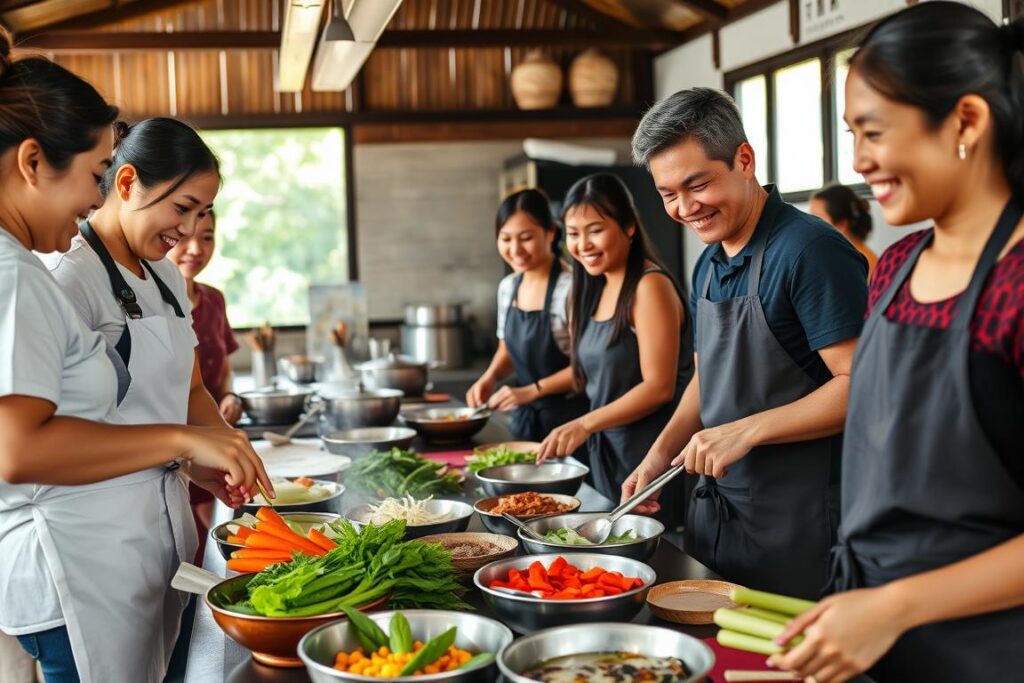
Cultural Experiences You Shouldn’t Miss
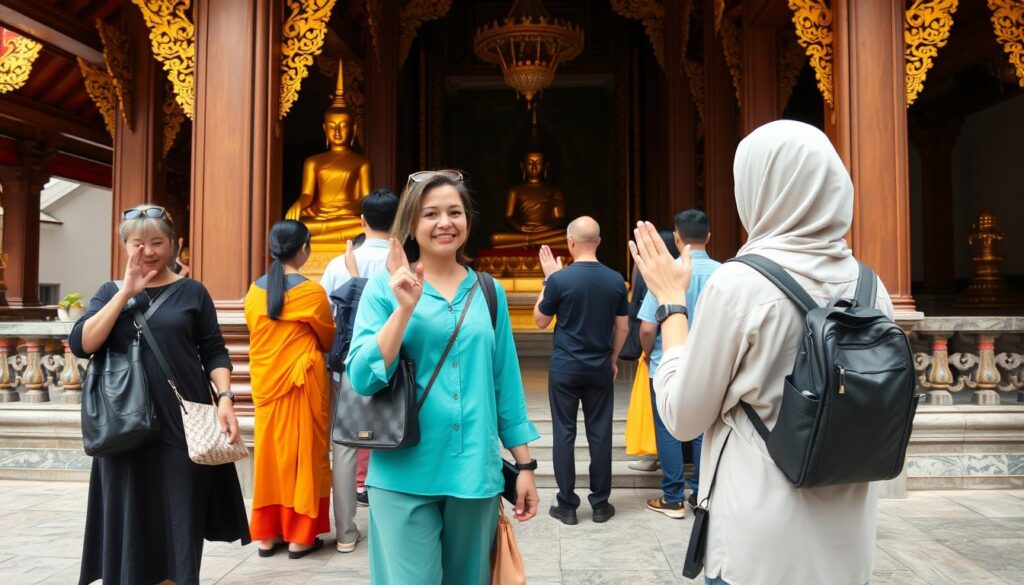
Essential Thai Etiquette Tips
Temple Etiquette
Social Customs
Royal Respect
Experience Authentic Thai Culture
Our cultural immersion packages connect you with local experiences most tourists miss.
Thai Food: A Culinary Adventure
Thai cuisine is famous worldwide for its bold flavors, aromatic herbs, and perfect balance of sweet, sour, salty, and spicy elements. Here’s your guide to navigating Thailand’s incredible food scene.
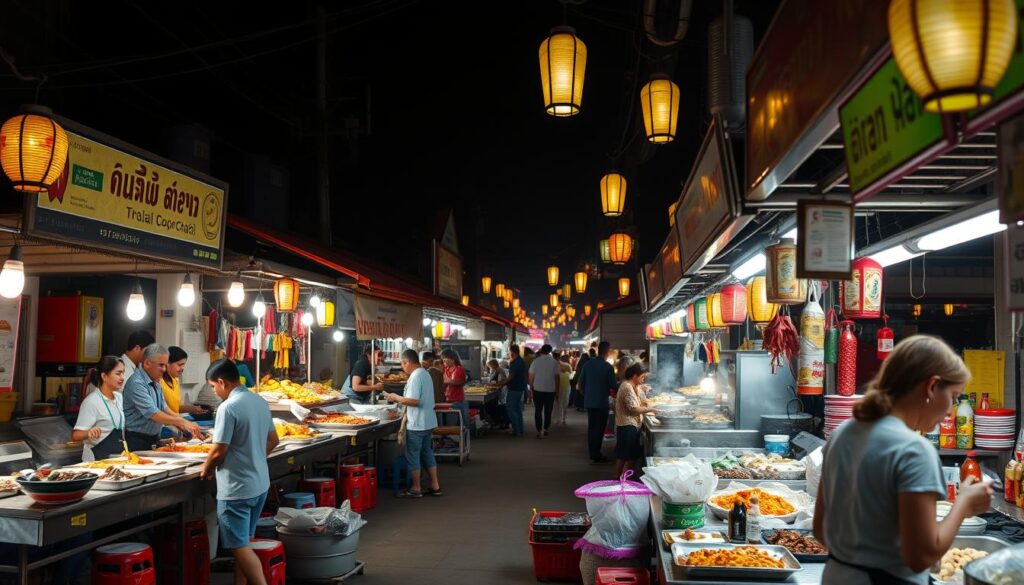
Must-Try Thai Dishes
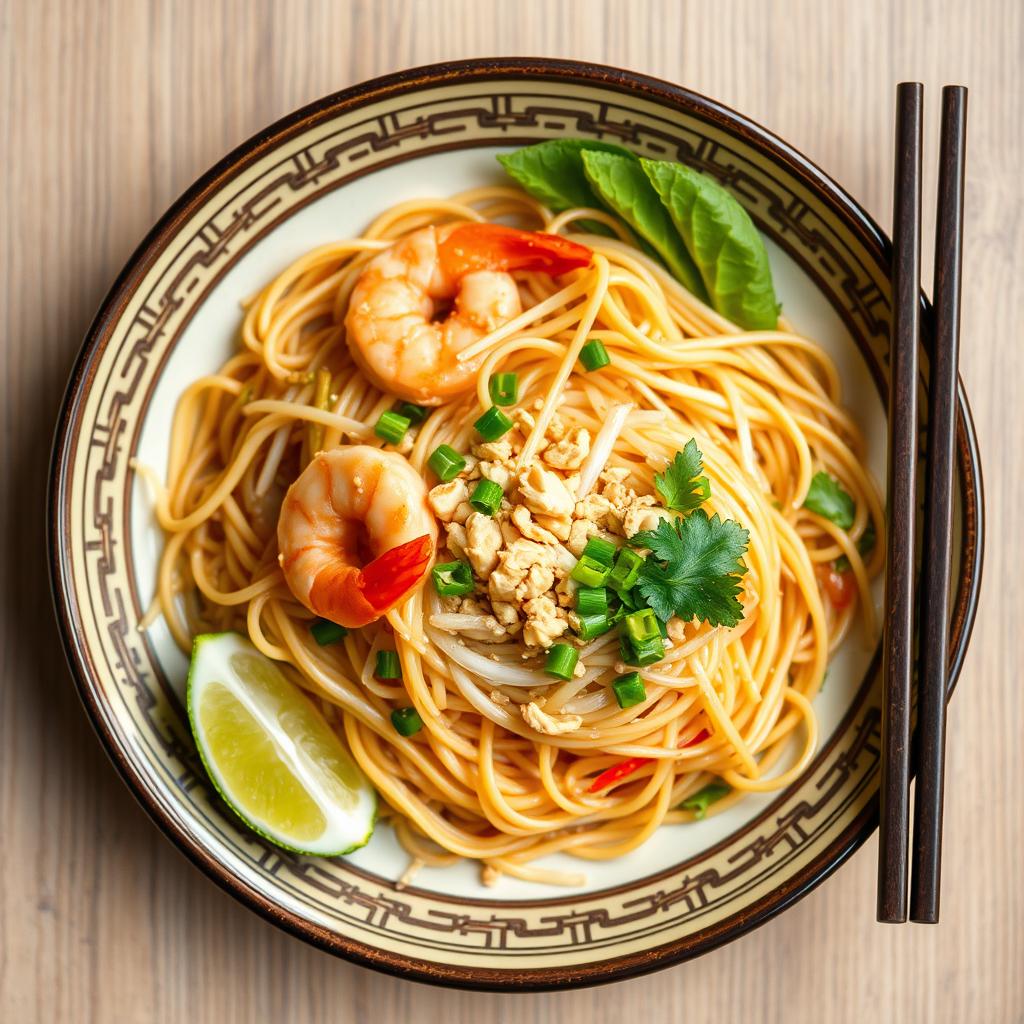
Pad Thai
This stir-fried noodle dish is Thailand’s most famous export. Rice noodles are cooked with egg, tofu, bean sprouts, and either shrimp, chicken, or vegetables, then flavored with tamarind, fish sauce, and palm sugar.
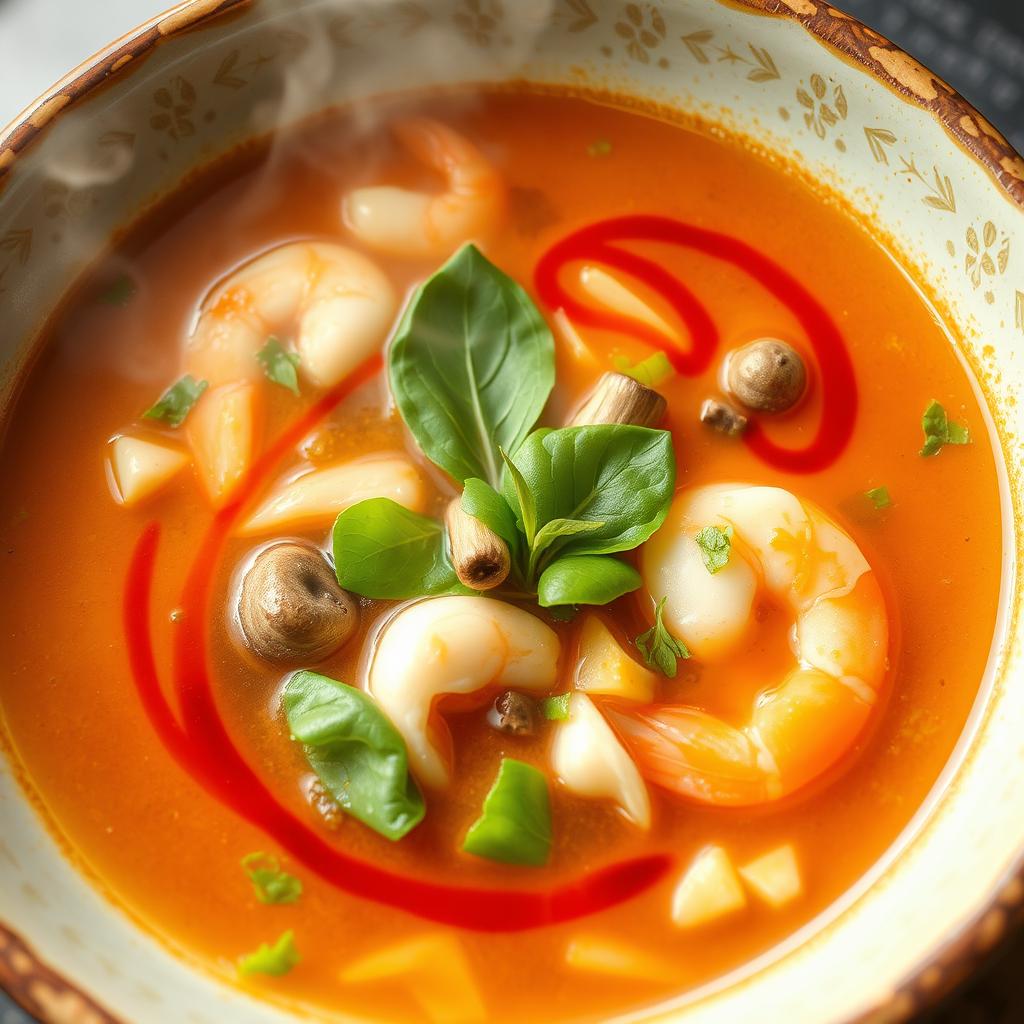
Tom Yum Goong
This hot and sour shrimp soup features lemongrass, galangal, kaffir lime leaves, and chilies. The perfect balance of spicy, sour, and aromatic flavors makes it a Thai classic.
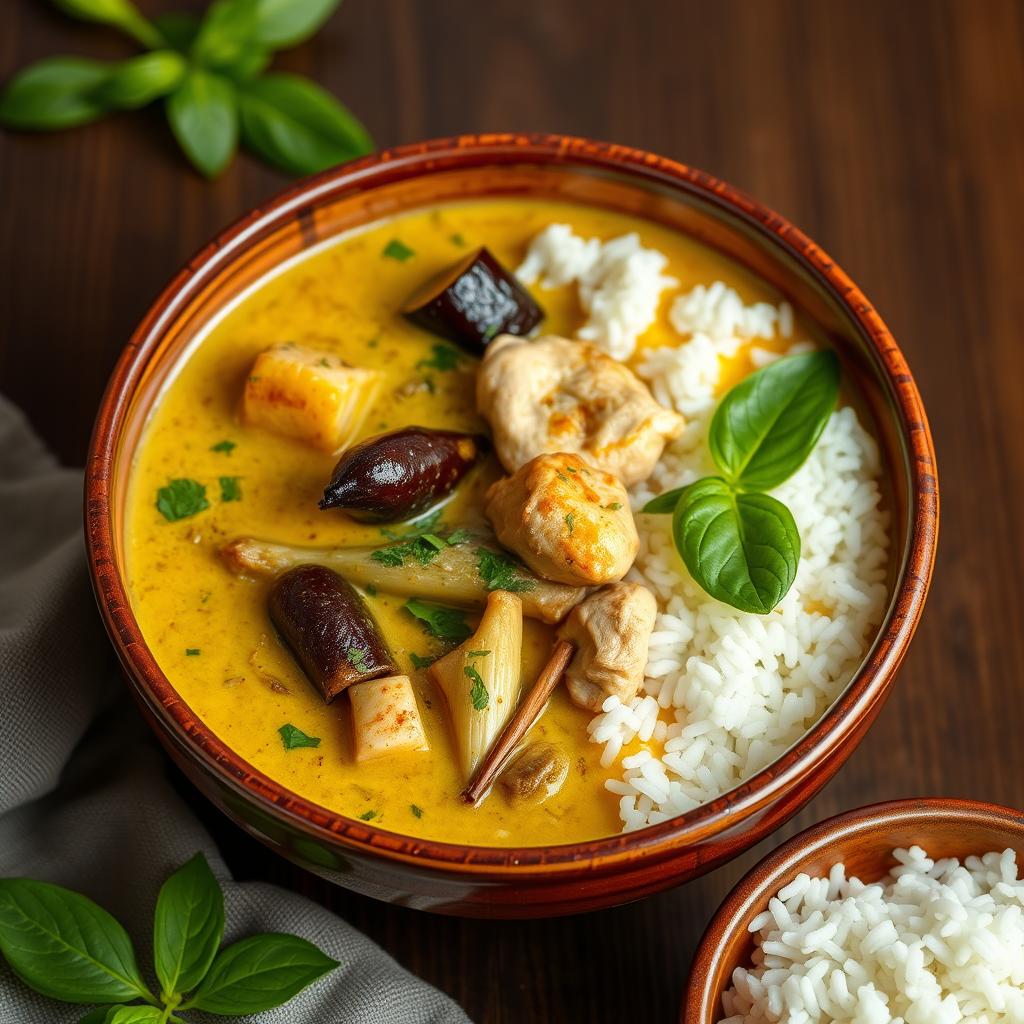
Green Curry
Made with green curry paste, coconut milk, Thai eggplant, and your choice of protein, this aromatic curry is known for its perfect balance of spicy and sweet flavors.
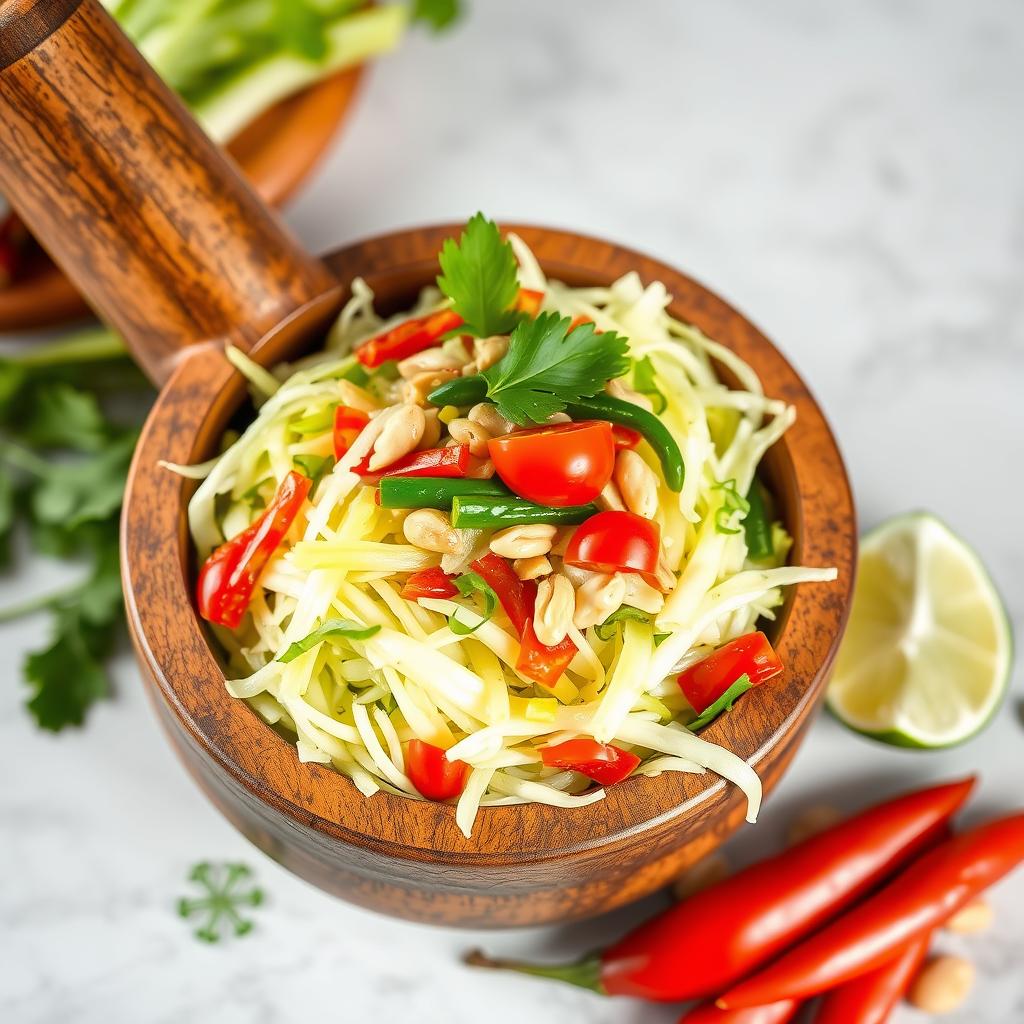
Som Tam
This spicy green papaya salad combines sweet, sour, and spicy flavors with a satisfying crunch. Made by pounding shredded unripe papaya with tomatoes, long beans, peanuts, dried shrimp, and a spicy lime dressing.
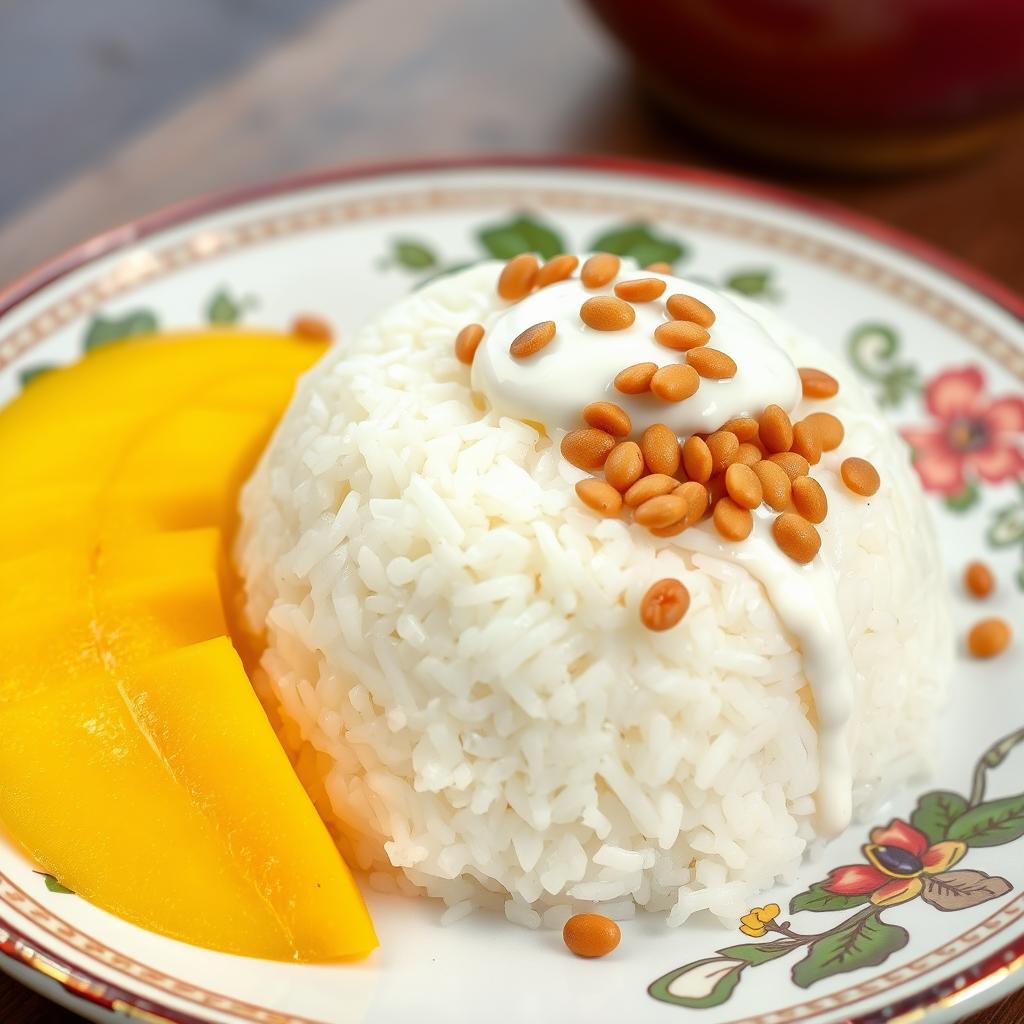
Mango Sticky Rice
Thailand’s beloved dessert features sweet glutinous rice soaked in coconut milk, served with perfectly ripe mango slices and sometimes topped with crispy mung beans.
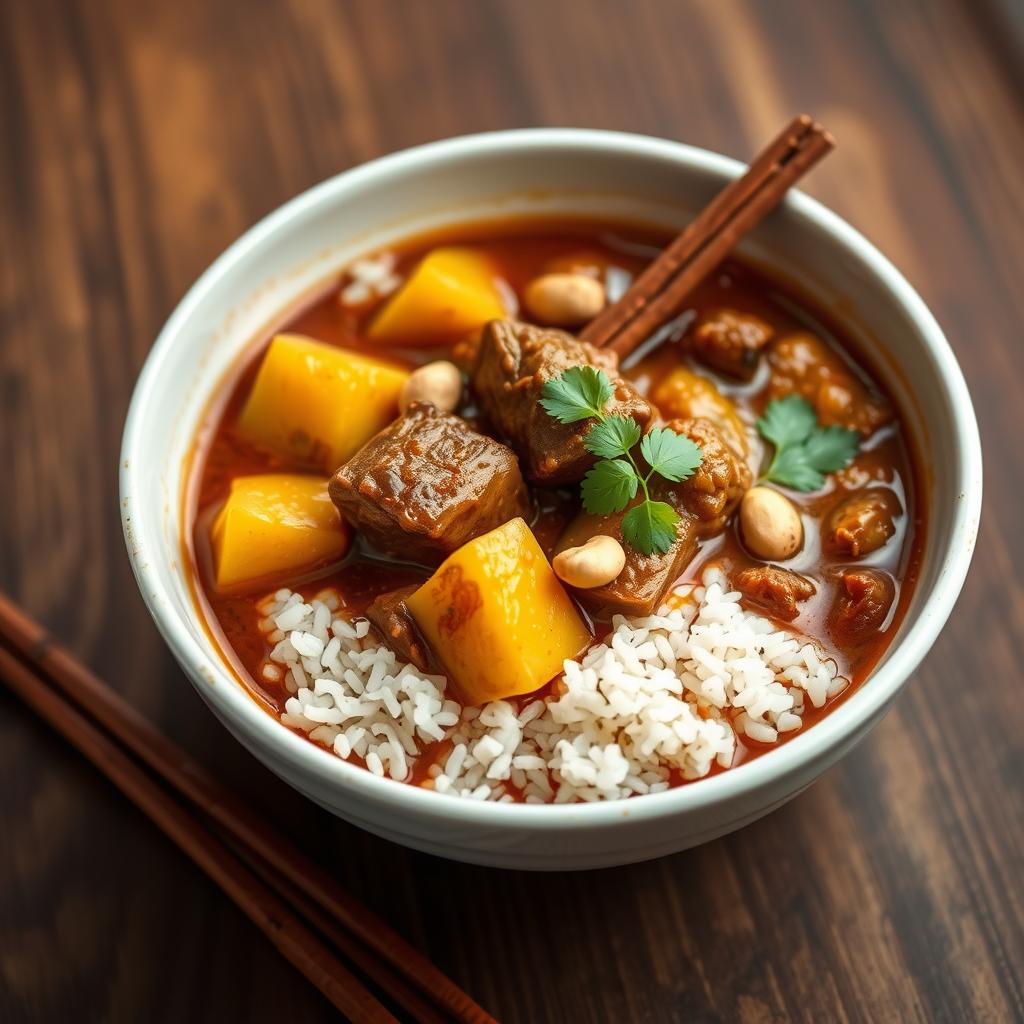
Massaman Curry
This mild, slightly sweet curry shows the Persian influence on Thai cuisine. Made with potatoes, peanuts, and usually beef, it’s flavored with unique spices like cardamom, cinnamon, and star anise.
Street Food Safety Tips
Hungry for Authentic Thai Flavors?
Our culinary tours include cooking classes, market visits, and meals at both street stalls and fine restaurants.
Travel Essentials: Planning Your Thailand Trip
Proper planning ensures a smooth and enjoyable Thailand experience. Here’s what you need to know before you go.

Best Time to Visit
Thailand has three distinct seasons that affect your travel experience:
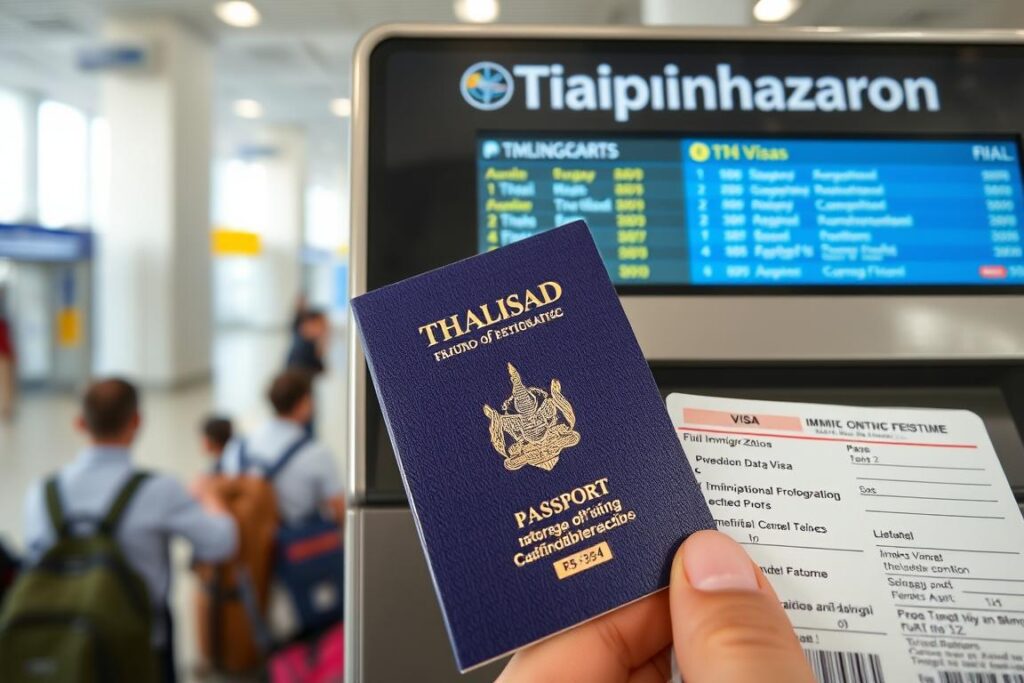
Visa Requirements
Entry requirements vary by nationality:
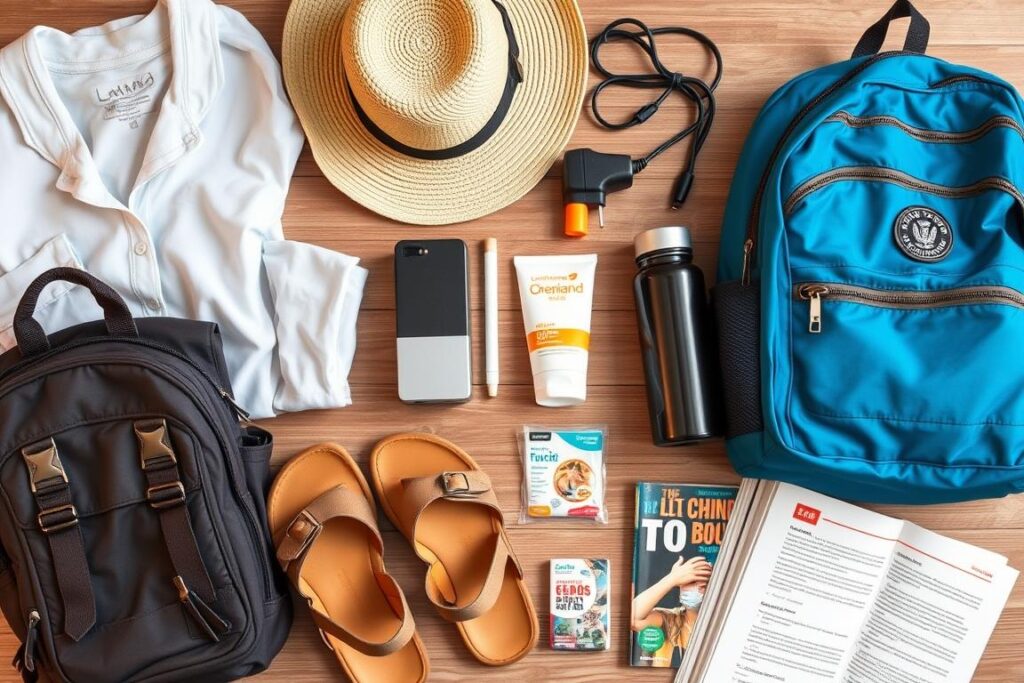
Packing Essentials
Pack smart for Thailand’s climate and activities:
Get Your Free Thailand Packing Checklist
Our comprehensive packing guide ensures you’ll have everything you need for your Thai adventure.
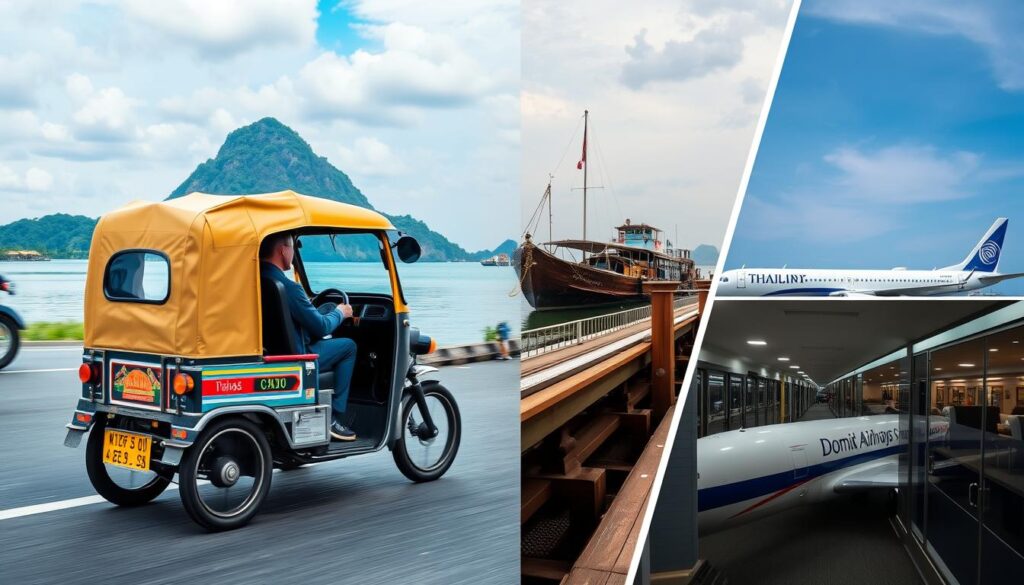
Transportation in Thailand
Getting Around Cities
Traveling Between Destinations
7-Day Thailand Itinerary Sample
Perfect for first-time visitors, this balanced itinerary combines Bangkok’s energy with southern Thailand’s beautiful beaches.
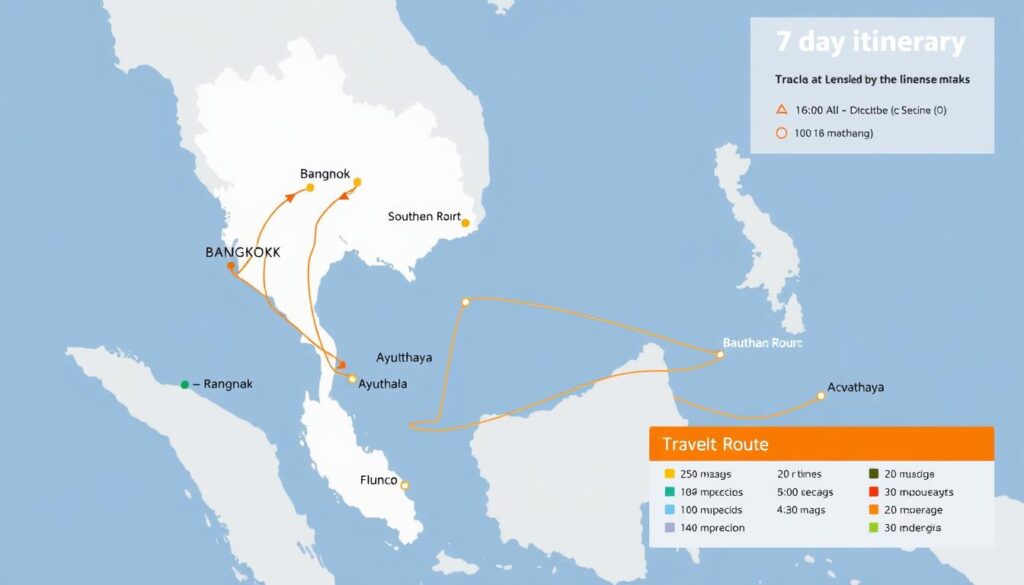
Days 1-3: Bangkok
Day 4: Travel Day
Days 5-7: Southern Beaches
Want a Customized Itinerary?
Our travel experts can tailor this sample itinerary to your interests, timeframe, and budget.
Frequently Asked Questions About Thailand Travel
Is Thailand safe for tourists?
Thailand is generally very safe for tourists. Like any destination, exercise normal precautions regarding your belongings. The most common issues are minor scams in tourist areas and motorbike accidents. Avoid isolated areas at night, especially in beach destinations, and always wear a helmet if renting a motorbike.
How much money should I budget per day in Thailand?
Daily budgets vary widely depending on your travel style:
- Budget travelers: -50 per day (hostel dorms, street food, local transportation)
- Mid-range travelers: -100 per day (nice hotels, mix of restaurants, some activities)
- Luxury travelers: 0+ per day (high-end resorts, fine dining, premium experiences)
Food is generally inexpensive, with street meals from
Frequently Asked Questions About Thailand Travel
Is Thailand safe for tourists?
Thailand is generally very safe for tourists. Like any destination, exercise normal precautions regarding your belongings. The most common issues are minor scams in tourist areas and motorbike accidents. Avoid isolated areas at night, especially in beach destinations, and always wear a helmet if renting a motorbike.
How much money should I budget per day in Thailand?
Daily budgets vary widely depending on your travel style:
- Budget travelers: $30-50 per day (hostel dorms, street food, local transportation)
- Mid-range travelers: $50-100 per day (nice hotels, mix of restaurants, some activities)
- Luxury travelers: $150+ per day (high-end resorts, fine dining, premium experiences)
Food is generally inexpensive, with street meals from $1-3 and restaurant meals from $5-15. Activities range from free temple visits to $100+ for premium experiences like private boat tours.
Do I need vaccinations for Thailand?
While no vaccinations are officially required for entry (unless arriving from a Yellow Fever region), healthcare professionals typically recommend:
- Hepatitis A and B
- Typhoid
- Tetanus-diphtheria
- Measles-mumps-rubella (MMR)
Consult your doctor or a travel health clinic 4-8 weeks before your trip for personalized advice based on your health history and specific itinerary.
What’s the best way to handle money in Thailand?
The Thai currency is the Baht (THB). For the best approach:
- Bring a small amount of Thai Baht or exchange some money at the airport for immediate needs
- Use ATMs for withdrawing cash (inform your bank before traveling)
- Carry a credit card for larger purchases (hotels, upscale restaurants)
- Keep small denominations handy for street vendors, taxis, and markets
Be aware that most ATMs charge a 220 THB fee per withdrawal in addition to any fees from your bank.
-3 and restaurant meals from -15. Activities range from free temple visits to 0+ for premium experiences like private boat tours.
Do I need vaccinations for Thailand?
While no vaccinations are officially required for entry (unless arriving from a Yellow Fever region), healthcare professionals typically recommend:
- Hepatitis A and B
- Typhoid
- Tetanus-diphtheria
- Measles-mumps-rubella (MMR)
Consult your doctor or a travel health clinic 4-8 weeks before your trip for personalized advice based on your health history and specific itinerary.
What’s the best way to handle money in Thailand?
The Thai currency is the Baht (THB). For the best approach:
- Bring a small amount of Thai Baht or exchange some money at the airport for immediate needs
- Use ATMs for withdrawing cash (inform your bank before traveling)
- Carry a credit card for larger purchases (hotels, upscale restaurants)
- Keep small denominations handy for street vendors, taxis, and markets
Be aware that most ATMs charge a 220 THB fee per withdrawal in addition to any fees from your bank.
Plan Your Perfect Thailand Adventure
Fill out this form to receive personalized Thailand travel recommendations based on your interests, budget, and travel dates.
Ready to Experience the Magic of Thailand?
From bustling cities to serene beaches, ancient temples to vibrant markets, Thailand offers unforgettable experiences for every type of traveler. With proper planning and local insights, your journey through the Land of Smiles will be filled with authentic encounters, delicious cuisine, and memories to last a lifetime.
Your Thailand Adventure Awaits
Contact our Thailand travel specialists today to start planning your perfect journey.