

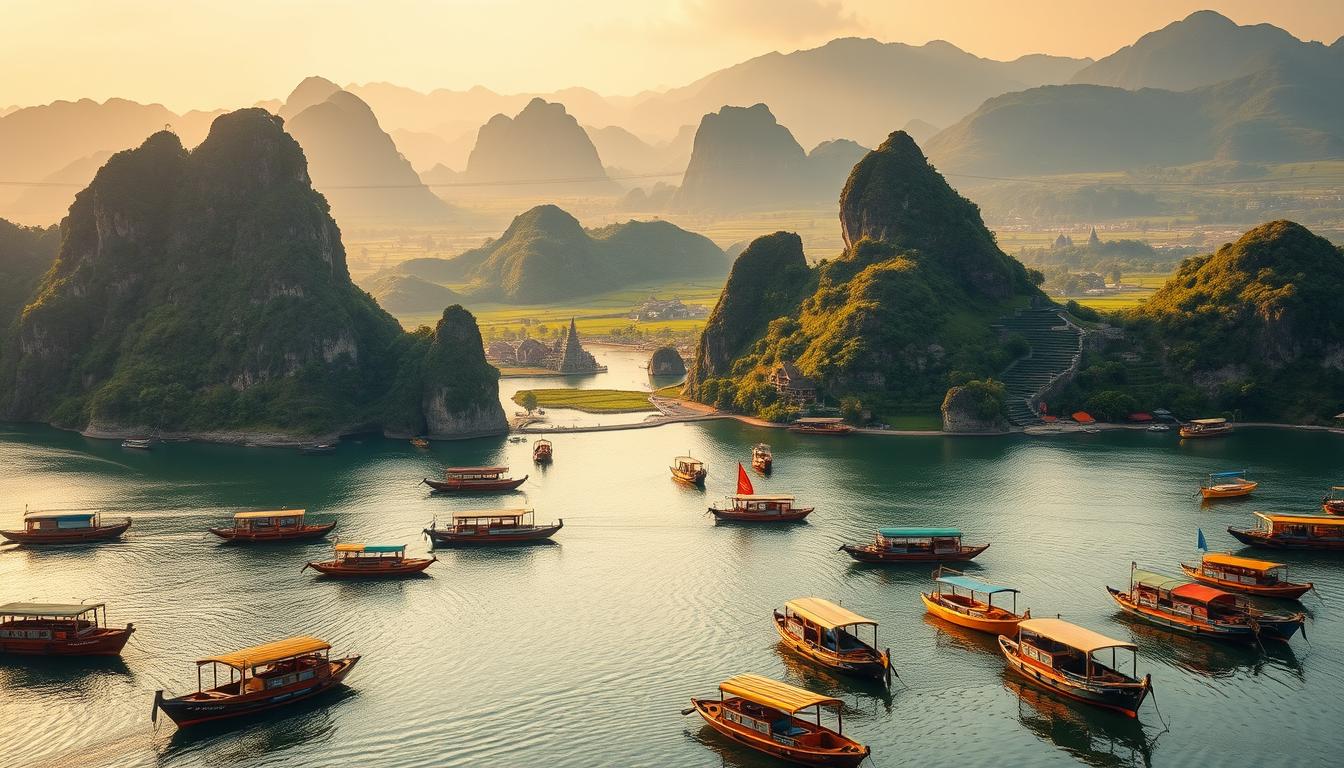
Vietnam is a country that boasts a rich tapestry of cultures, landscapes, and histories, making it a fascinating destination for travelers. From the bustling streets of Hanoi to the serene waters of Ha Long Bay, Vietnam offers a diverse array of experiences that cater to all kinds of travelers.
The country’s cultural heritage is evident in its ancient temples, vibrant cities, and traditional festivals. Meanwhile, its diverse landscapes range from the terraced rice fields of Sapa to the beautiful beaches of Nha Trang, providing endless opportunities for exploration and adventure.
Whether you’re interested in history, culture, or simply enjoying the natural beauty of Southeast Asia, Vietnam has something to offer. As we explore the unforgettable spots to see in Vietnam, you’ll discover why it’s become a favorite among travelers worldwide.
Key Takeaways
- Vietnam offers a rich cultural heritage and diverse landscapes.
- From bustling cities to serene natural beauty, there’s something for every traveler.
- Explore ancient temples, vibrant cities, and traditional festivals.
- Enjoy the country’s natural beauty, from terraced rice fields to beautiful beaches.
- Vietnam is a must-visit destination for any traveler to Southeast Asia.
Discovering Vietnam’s Diverse Landscapes and Culture
Vietnam’s allure lies in its vibrant culture, stunning natural beauty, and warm hospitality, making it a top destination for travelers. The country’s diverse landscapes range from the majestic mountains of the north to the lush deltas of the south, offering a wealth of experiences for visitors.
Why Vietnam Has Become a Top Travel Destination
Vietnam has become a favorite among travelers due to its rich cultural heritage and breathtaking natural scenery. The country’s history, marked by periods of Chinese rule and French colonization, has left a legacy of architectural and cultural treasures. From the ancient town of Hoi An to the imperial city of Hue, Vietnam’s historical sites are a major draw.
Understanding Vietnam’s Three Distinct Regions
Vietnam is divided into three main regions: North, Central, and South. Each region has its unique characteristics. Northern Vietnam is known for its stunning natural beauty, with landscapes like Ha Long Bay and Sapa. Central Vietnam is home to historical sites and vibrant cities like Da Nang and Hoi An. Southern Vietnam, with its Mekong Delta and bustling Ho Chi Minh City, offers a glimpse into the country’s agricultural heartland and modern urban life.
Best Seasons to Experience Vietnam’s Attractions
The best time to visit Vietnam varies by region. Generally, the spring (March to April) and autumn (September to November) are considered the best seasons, with mild weather and fewer tourists. Understanding the climate and seasonal events can help travelers plan their trip to make the most of Vietnam’s diverse attractions.
Northern Vietnam’s Natural Wonders
From the majestic Ha Long Bay to the serene landscapes of Sapa, Northern Vietnam is a nature lover’s paradise. This region is characterized by its diverse and breathtaking natural beauty, ranging from limestone karsts to terraced rice fields.
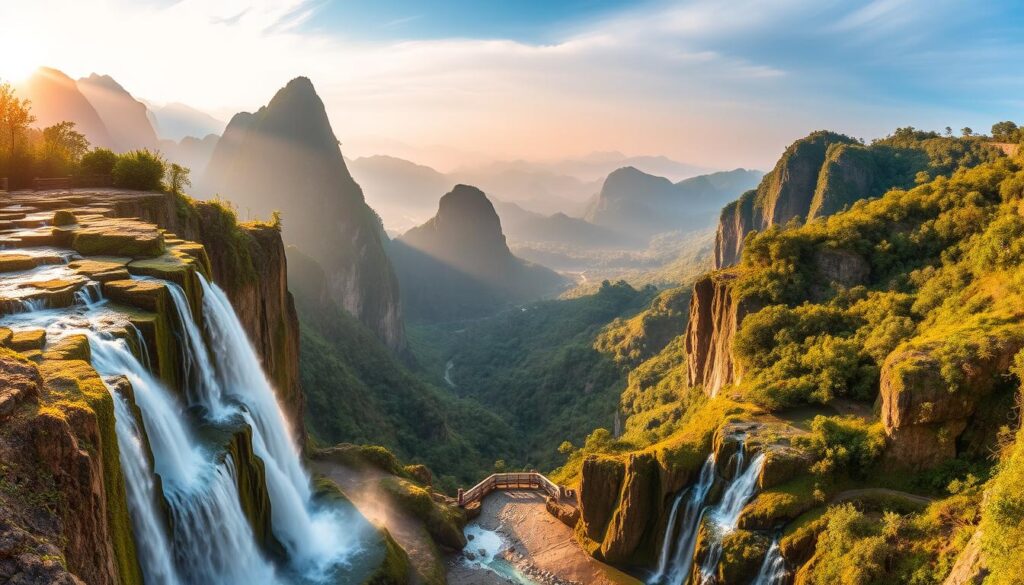
Ha Long Bay: Cruising Among Limestone Karsts
Ha Long Bay is one of Vietnam’s most iconic natural wonders, featuring over 1,600 limestone islands and islets rising dramatically out of the emerald green waters of the Gulf of Tonkin. Visitors can enjoy a serene cruise among these towering karsts, exploring hidden caves and grottos.
Sapa: Trekking Through Terraced Rice Fields
In Sapa, trekking through the terraced rice fields offers a glimpse into traditional hill tribe life and the region’s stunning landscapes. The area is known for its vibrant local markets and the opportunity to experience the rich cultural heritage of ethnic minority groups.
Ninh Binh: Exploring “Dry Ha Long Bay” by Boat
Ninh Binh is often referred to as “Dry Ha Long Bay” due to its similar limestone karst landscape. Visitors can explore this natural beauty by boat, navigating through the tranquil waters of the Trang An Grottoes, a UNESCO World Heritage Site.
Ha Giang Loop: Motorbiking Vietnam’s Most Scenic Route
The Ha Giang Loop is a motorbiking route that offers some of the most spectacular scenery in Vietnam. The loop takes riders through remote areas, passing by rugged mountains, deep valleys, and traditional hill tribe villages.
Northern Vietnam’s natural wonders provide a diverse range of experiences for travelers, from cruising and trekking to motorbiking through some of the most beautiful landscapes in Southeast Asia.
Historic Cities of Northern Vietnam
The historic cities of Northern Vietnam offer a glimpse into the region’s rich cultural heritage and architectural diversity. These cities are not just repositories of the past but are vibrant, living embodiments of Vietnam’s history and identity.
Hanoi, the capital city, is a treasure trove of history, with the Old Quarter being a highlight. Visitors can explore the narrow streets on foot or by cyclo, taking in the local cuisine and shopping for traditional goods. The French Quarter, with its grand colonial architecture, offers a stark contrast to the Old Quarter’s chaos, providing a glimpse into Vietnam’s colonial past.
Hue: Exploring the Imperial Citadel and Royal Tombs
Hue, once the imperial capital, is home to the Imperial Citadel, a UNESCO World Heritage Site. The citadel houses the Forbidden Purple City, once the emperor’s private residence. Beyond the citadel, Hue is also known for its Royal Tombs, grand monuments to the emperors of the Nguyen Dynasty, showcasing a blend of Vietnamese and European architectural styles.
Mai Chau: Experiencing Authentic Village Life
For a more serene experience, Mai Chau offers a glimpse into traditional Vietnamese village life. Visitors can stay in local stilt houses, trek through the surrounding countryside, and enjoy the warm hospitality of the local Thai and Hmong communities. It’s an opportunity to experience rural Vietnam’s culture and natural beauty firsthand.
| City | Main Attractions | Best Time to Visit |
|---|---|---|
| Hanoi | Old Quarter, French Quarter, Hoan Kiem Lake | Autumn (September to November) |
| Hue | Imperial Citadel, Royal Tombs, Thien Mu Pagoda | Spring (January to March) |
| Mai Chau | Traditional Villages, Stilt Houses, Trekking Trails | Spring (March to May) |
Central Vietnam’s Cultural Heritage
From ancient towns to breathtaking natural wonders, Central Vietnam is a region that promises to captivate and inspire visitors. This part of Vietnam is home to a rich cultural heritage, with numerous historical sites and stunning landscapes that reflect the country’s diverse history and geography.
Hoi An: Walking Through the Ancient Trading Port
Hoi An is one of Vietnam’s most charming ancient towns, known for its well-preserved architecture, vibrant local culture, and traditional crafts. Visitors can walk through the narrow streets, admiring the ancient houses, temples, and assembly halls, and experience the local way of life. The town is also famous for its tailor shops, where visitors can have custom-made clothing created.
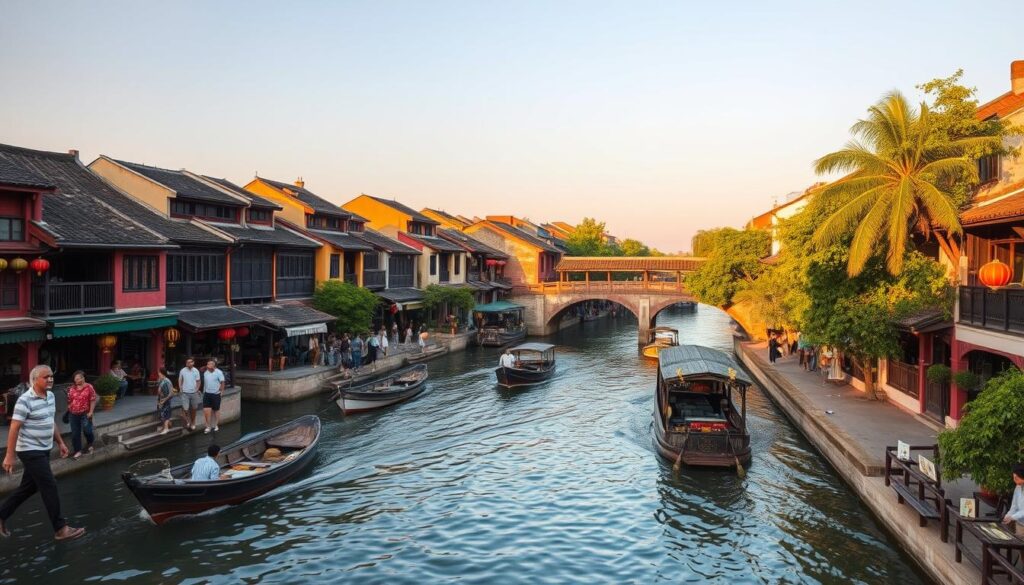
Da Nang: Relaxing on My Khe Beach and Marble Mountains
Da Nang is a coastal city in Central Vietnam, renowned for its beautiful beaches, particularly My Khe Beach, and the Marble Mountains. The city offers a mix of relaxation and adventure, with activities ranging from swimming and sunbathing to exploring the caves and pagodas in the Marble Mountains.
My Son Sanctuary: Discovering Ancient Champa Temples
My Son Sanctuary is a UNESCO World Heritage Site, featuring a complex of ancient Champa temples that date back to the 4th century. The site provides a glimpse into the history and culture of the Champa civilization, with its intricate carvings and architecture.
Phong Nha-Ke Bang: Venturing into World-Class Caves
Phong Nha-Ke Bang National Park is another UNESCO World Heritage Site in Central Vietnam, known for its spectacular caves, including Son Doong, the world’s largest cave. Visitors can explore the park’s many caves, as well as its diverse flora and fauna, making it a paradise for nature lovers and adventure seekers.
Central Vietnam’s cultural heritage is a testament to the region’s rich history and its significance in Vietnamese culture. From the ancient streets of Hoi An to the natural wonders of Phong Nha-Ke Bang, this region offers a wealth of experiences that are sure to leave a lasting impression on visitors.
Top20 Places to Visit in Vietnam: Southern Destinations
Southern Vietnam is a treasure trove of diverse experiences, from the bustling streets of Ho Chi Minh City to the serene landscapes of the Mekong Delta. This region is home to some of Vietnam’s most unforgettable destinations, each offering a unique perspective on the country’s culture, history, and natural beauty.
Ho Chi Minh City: Experiencing Vietnam’s Modern Metropolis
Ho Chi Minh City, formerly known as Saigon, is the pulsating heart of Southern Vietnam. This vibrant metropolis is a blend of traditional Vietnamese culture and modern urban life. Visitors can explore the War Remnants Museum, showcasing the country’s turbulent past, or stroll through the Ben Thanh Night Market, sampling local street food and shopping for souvenirs.
Mekong Delta: Floating Markets and Riverside Life
The Mekong Delta is a tranquil region characterized by its intricate network of rivers and floating markets. Visitors can take a boat tour through the delta, witnessing the local way of life and experiencing the region’s unique floating markets, where vendors sell everything from fresh produce to handmade crafts.
Phu Quoc Island: Enjoying Vietnam’s Premier Beach Destination
Phu Quoc Island is Vietnam’s largest island and a haven for beach lovers. With its pristine beaches, crystal-clear waters, and lush national parks, Phu Quoc is the perfect destination for those seeking relaxation and adventure. Visitors can enjoy snorkeling, diving, or simply basking in the sun on the island’s idyllic beaches.
Con Dao Islands: Discovering Secluded Beaches and History
The Con Dao Islands are a lesser-known gem in Southern Vietnam, offering a mix of history, culture, and natural beauty. The islands are home to secluded beaches, coral reefs, and historical sites, including the infamous Con Dao Prison, which played a significant role in Vietnam’s struggle for independence.
Southern Vietnam’s diverse destinations offer a wealth of experiences for travelers. From the urban excitement of Ho Chi Minh City to the natural beauty of Phu Quoc Island and the historical significance of Con Dao Islands, each location provides a unique perspective on the region’s rich cultural heritage and natural landscapes.
Vietnam’s Hidden Gems
Beyond the popular tourist destinations, Vietnam harbors numerous hidden gems waiting to be discovered. These lesser-known spots offer a unique blend of natural beauty, culture, and adventure, making them perfect for travelers looking to explore beyond the usual tourist trails.
Dalat: Escaping to the Mountain Resort Town
Dalat, with its cool climate and picturesque landscapes, is a haven for those seeking respite from the hustle and bustle of city life. The town is surrounded by rolling hills, lakes, and waterfalls, making it an ideal destination for outdoor activities such as hiking and cycling. Visitors can also explore the local markets and enjoy the region’s specialty coffee.
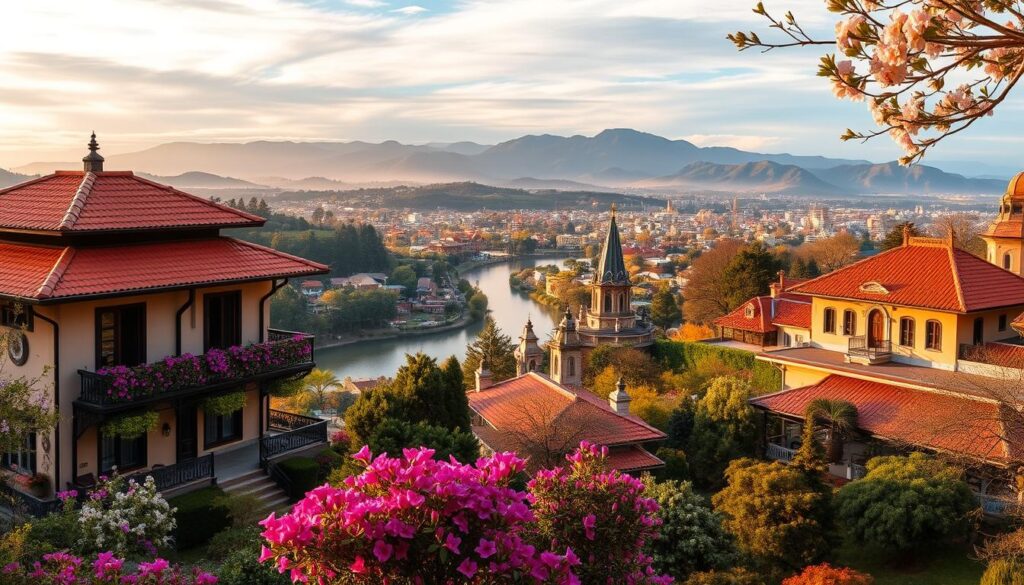
Mui Ne: Photographing Colorful Sand Dunes
Mui Ne is renowned for its stunning sand dunes, which provide a breathtaking backdrop for photography enthusiasts. The shifting sands create a kaleidoscope of colors that change with the light of the day, offering endless opportunities for capturing the perfect shot. Visitors can also enjoy sandboarding down the dunes or take a leisurely stroll through the surrounding countryside.
Ba Be National Park: Boating on Vietnam’s Largest Natural Lake
Ba Be National Park is home to Vietnam’s largest natural lake, surrounded by lush forests and towering limestone cliffs. Visitors can take a boat trip across the lake, exploring hidden caves and observing the local wildlife. The park’s diverse ecosystems make it a fascinating destination for nature lovers and those seeking adventure.
Cat Ba Island: Combining Nature and Adventure
Cat Ba Island offers a mix of natural beauty and adventure activities. The island is home to diverse wildlife, including the endangered white-headed langur, and features stunning beaches and hiking trails. Visitors can enjoy rock climbing, kayaking, or simply relaxing on the beach, making it a versatile destination for all types of travelers.
These hidden gems showcase the diversity and beauty of Vietnam, offering travelers a chance to experience the country’s rich culture and natural landscapes in a more intimate and authentic way.
Culinary Journeys Through Vietnam’s Regions
Vietnam’s culinary landscape is as diverse as its geography, offering a rich tapestry of flavors across its regions. Vietnamese cuisine is renowned for its fresh ingredients, aromatic flavors, and vibrant street food culture.
Northern Delicacies: Pho, Bun Cha, and Street Food Tours
Northern Vietnam is the birthplace of many iconic Vietnamese dishes. Pho, a fragrant noodle soup, is a staple breakfast item, while Bun Cha, grilled pork served with rice noodles, is a Hanoi specialty. The region’s street food tours offer an immersive culinary experience, guiding visitors through bustling markets and hidden eateries.
Central Specialties: Bun Bo Hue, Banh Xeo, and Royal Cuisine
Central Vietnam is known for its bold flavors and spicy dishes. Bun Bo Hue, a spicy beef noodle soup, originates from Hue, the former imperial capital. Banh Xeo, a crispy rice flour pancake filled with shrimp and pork, is another regional favorite. The cuisine of Central Vietnam is also influenced by its royal heritage, with intricate dishes served at the Imperial City.
Southern Flavors: Com Tam, Canh Chua, and Tropical Fruits
Southern Vietnam’s cuisine is characterized by its fresh and vibrant flavors. Com Tam, or broken rice, is a popular dish featuring grilled pork, egg, and various toppings. Canh Chua, a sour fish soup, showcases the region’s love for bold and tangy flavors. The South is also abundant in tropical fruits, such as durian and mango, which are enjoyed throughout the year.
Exploring Vietnamese cuisine is a journey through the country’s diverse regions, each offering a unique culinary identity shaped by local ingredients, history, and culture.
Practical Travel Information for American Visitors
For Americans visiting Vietnam, having the right travel information is crucial for a stress-free and enjoyable trip. Understanding the practical aspects of traveling in Vietnam can make a significant difference in your experience.
Getting Around: Trains, Buses, and Domestic Flights
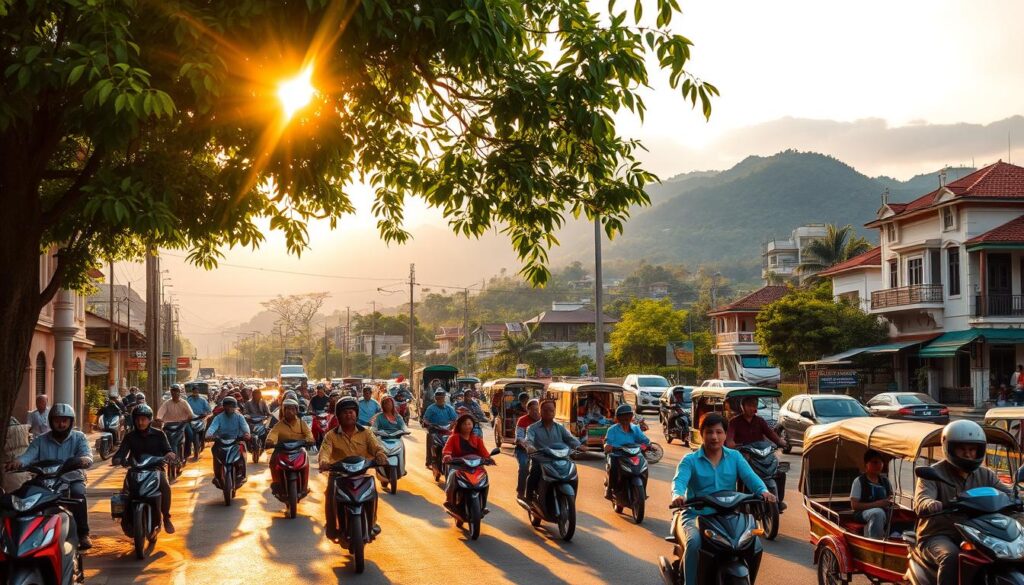
Vietnam has a well-developed transportation network that includes trains, buses, and domestic flights. The Reunification Express train is a popular option for traveling between major cities like Hanoi and Ho Chi Minh City. For shorter distances, buses are a convenient and affordable choice. If you’re short on time, domestic flights are available between major cities.
Accommodation Options for Every Budget
Vietnam offers a wide range of accommodation options to suit every budget. From luxury resorts to budget-friendly hostels, travelers can find something that fits their needs. In cities like Hanoi and Ho Chi Minh City, guesthouses and homestays are popular choices, offering a chance to experience local culture firsthand.
Visa Requirements and Safety Considerations
American citizens need a visa to enter Vietnam. The e-visa is a convenient option for travelers, available for a single entry and valid for 30 days. It’s also important to consider safety tips, such as being mindful of your belongings in crowded areas and using reputable taxi services.
Best Apps and Resources for Vietnam Travel
To navigate Vietnam with ease, several apps and resources can be invaluable. Grab is a popular ride-hailing app, while Google Translate can help with language barriers. For cultural insights and travel guides, websites like TripAdvisor and Lonely Planet are useful resources.
Conclusion: Planning Your Vietnam Adventure
With its rich history, stunning landscapes, and vibrant culture, Vietnam is a destination that promises an unforgettable experience. From the bustling streets of Ho Chi Minh City to the serene beauty of Ha Long Bay, there’s something for every kind of traveler.
As you start planning your Vietnam trip, consider the diverse experiences this country has to offer. Whether you’re interested in exploring ancient ruins, trekking through rice fields, or simply relaxing on pristine beaches, Vietnam’s regions have unique attractions that cater to all interests.
Using a comprehensive Vietnam travel guide can help you navigate the country’s many wonders. With this guide, you can create an itinerary that includes the top destinations, culinary delights, and hidden gems that suit your travel style.
So, begin planning your adventure today and discover why Vietnam has become a top travel destination for Americans and travelers worldwide.