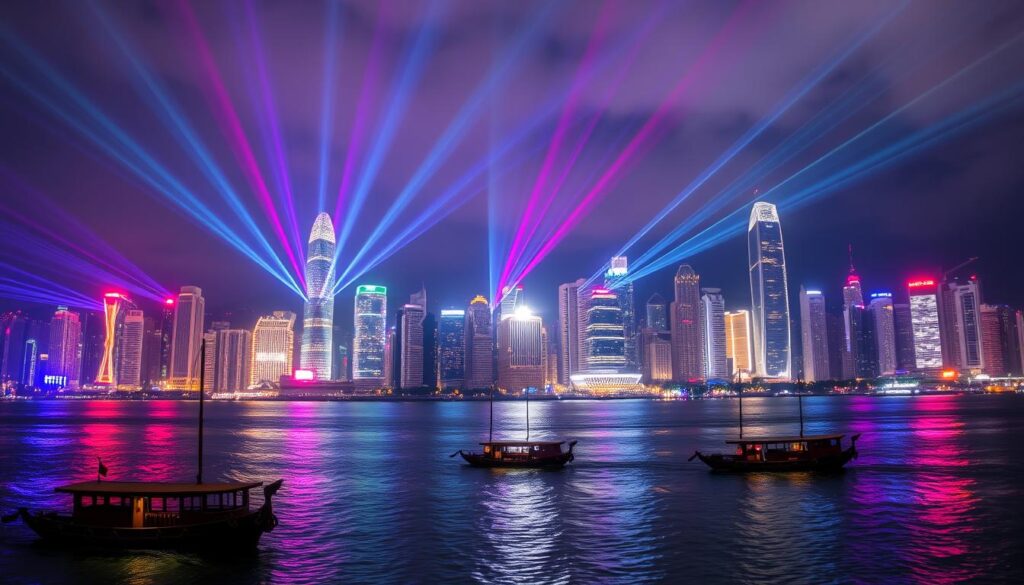

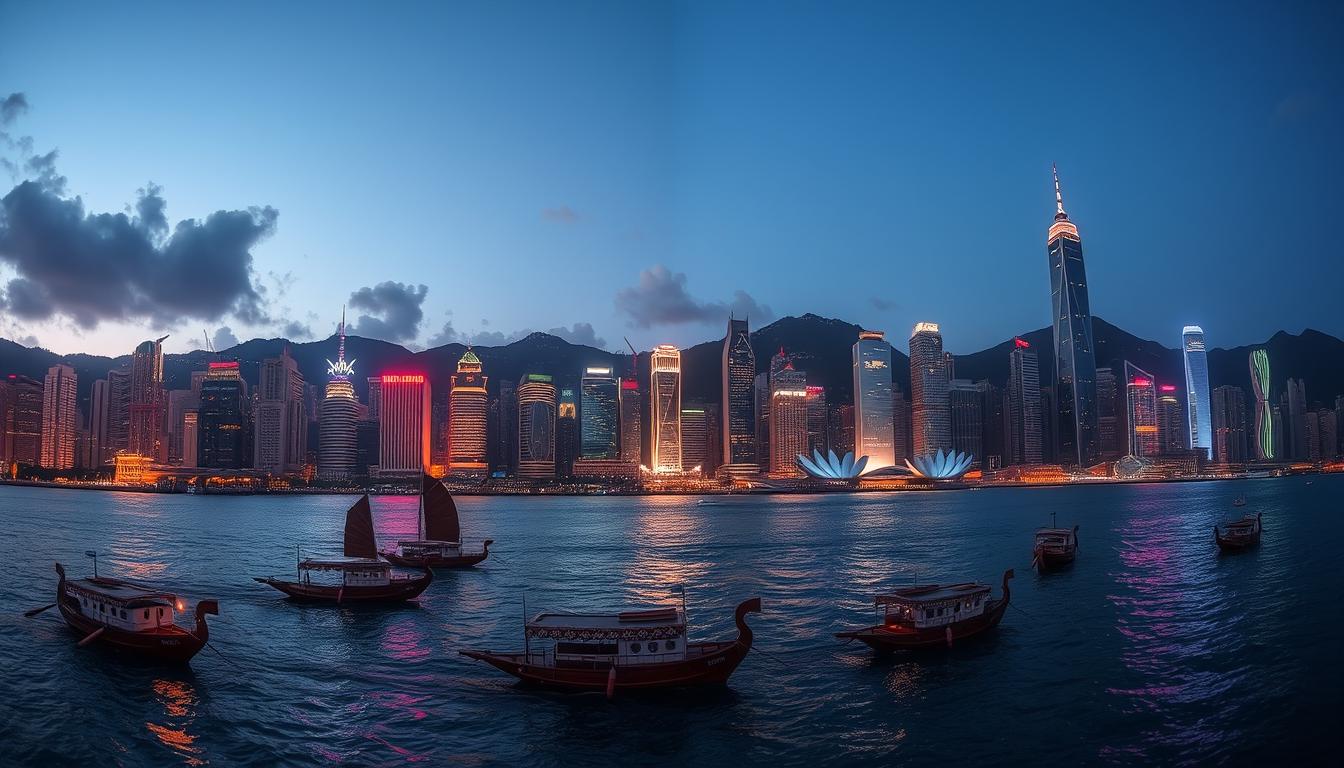
Hong Kong captivates visitors with its dramatic skyline, vibrant street life, and unique blend of Eastern traditions and Western influences. This dynamic city offers something for every traveler—from world-class shopping and dining to serene temples and lush hiking trails. Whether you’re planning your first visit or returning to discover more, our comprehensive Hong Kong travel guide will help you navigate this fascinating metropolis with confidence and uncover its many treasures.
Getting There & Around Hong Kong
Hong Kong boasts one of the world’s most efficient transportation systems, making it remarkably easy to navigate despite its bustling nature. From your arrival to exploring every corner of the city, here’s everything you need to know about getting to and around Hong Kong.
Arriving in Hong Kong
Most international travelers arrive at Hong Kong International Airport (HKIA), consistently ranked among the world’s best airports. Located on Lantau Island, it’s connected to the city by several transportation options:
Save Time & Money on Airport Transport
Pre-book your Airport Express tickets online for significant discounts and skip the queues upon arrival.
Getting Around Hong Kong
Hong Kong’s public transportation system is comprehensive, efficient, and affordable:
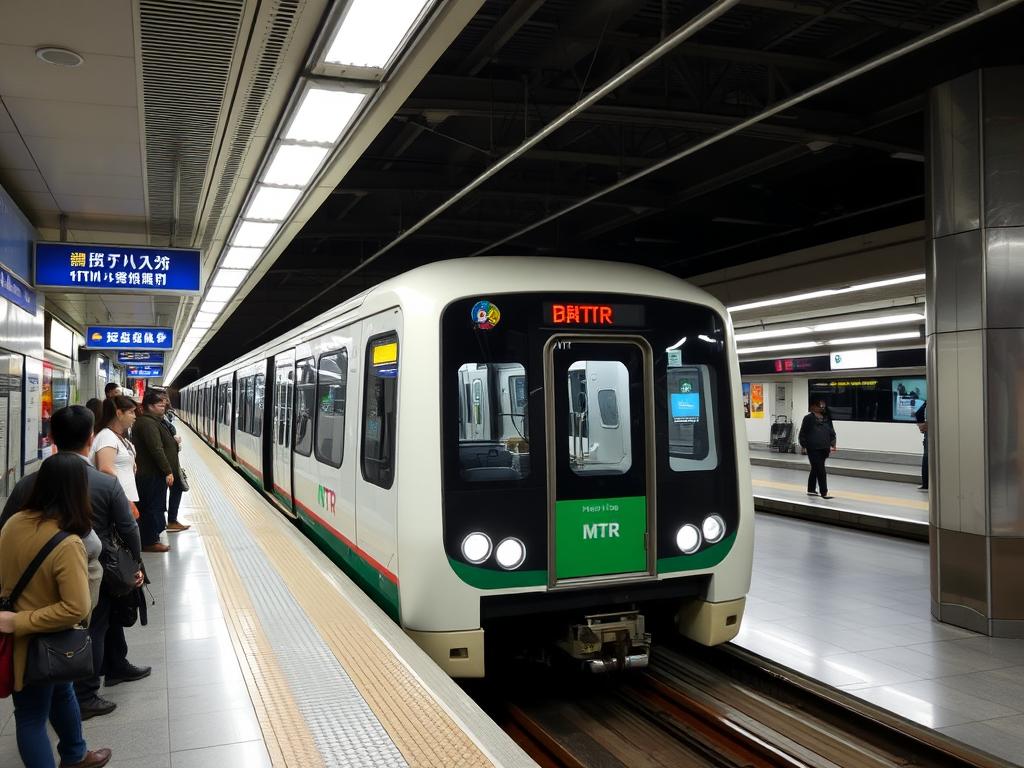
Mass Transit Railway (MTR)
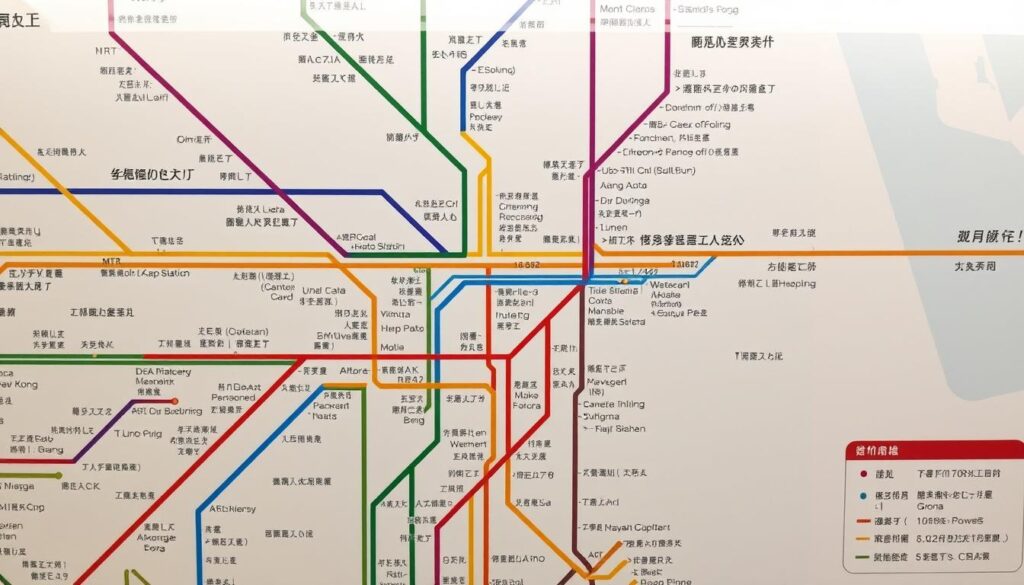
The backbone of Hong Kong’s transportation, the MTR connects most major areas with trains running from 6 AM to 1 AM. It’s fast, reliable, and features clear English signage throughout the network.
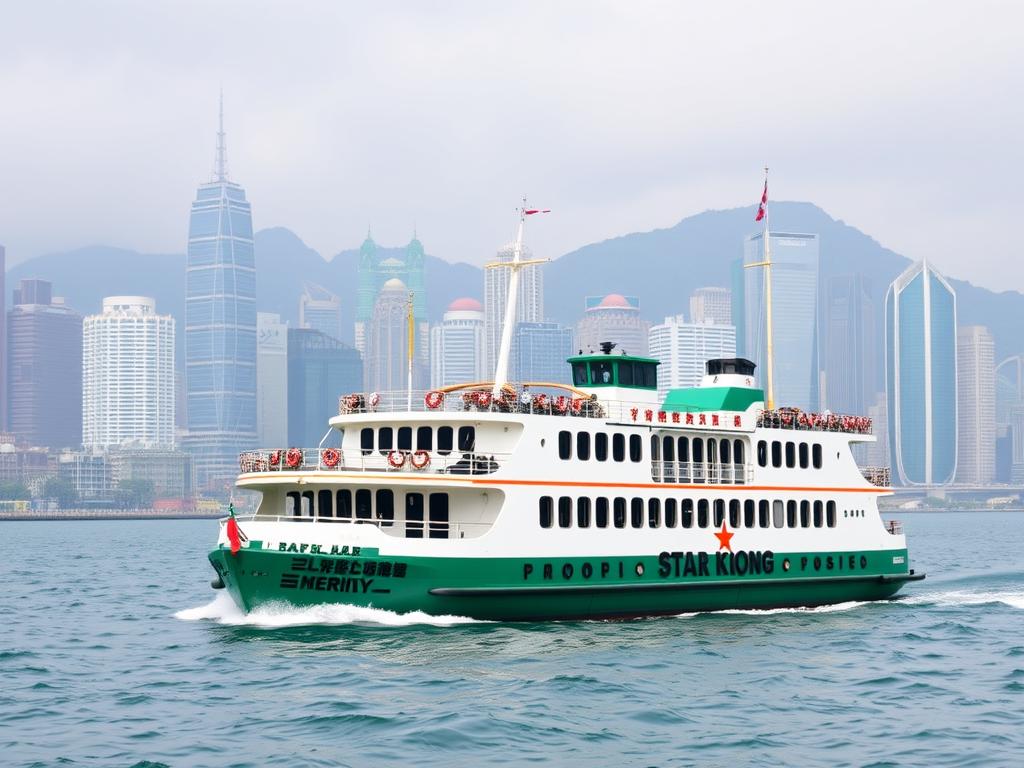
Star Ferry
More than just transportation, the Star Ferry is an experience itself, offering spectacular views of the harbor while traveling between Hong Kong Island and Kowloon for just a few Hong Kong dollars.
Trams
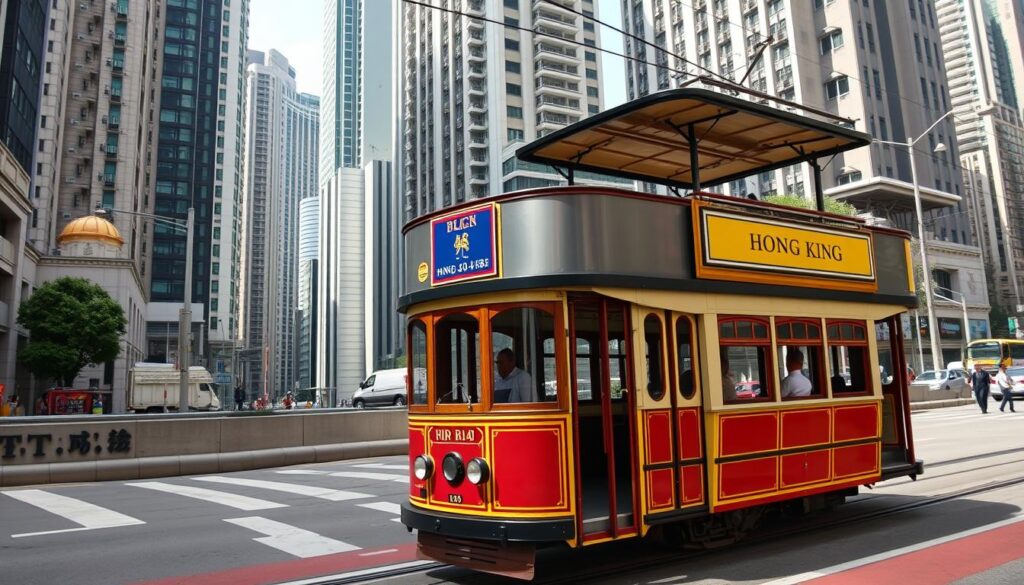
Hong Kong’s historic double-decker trams (ding-dings) have been running on Hong Kong Island since 1904. They’re slow but charming and incredibly affordable at just HKD 2.60 per ride regardless of distance.
Buses & Minibuses
An extensive network of buses and minibuses reaches areas not covered by the MTR. Red minibuses allow you to hop on/off anywhere along the route, while green minibuses stop only at designated stops.
Essential: Get Your Octopus Card
The Octopus Card is indispensable for seamless travel in Hong Kong. This stored-value card works on all public transportation and can be used at convenience stores, fast food restaurants, and many retail outlets.
Top Attractions in Hong Kong
Hong Kong offers an incredible mix of urban experiences, cultural sites, and natural beauty. From iconic skyline views to tranquil island escapes, here are the must-visit attractions that should be on every traveler’s itinerary.
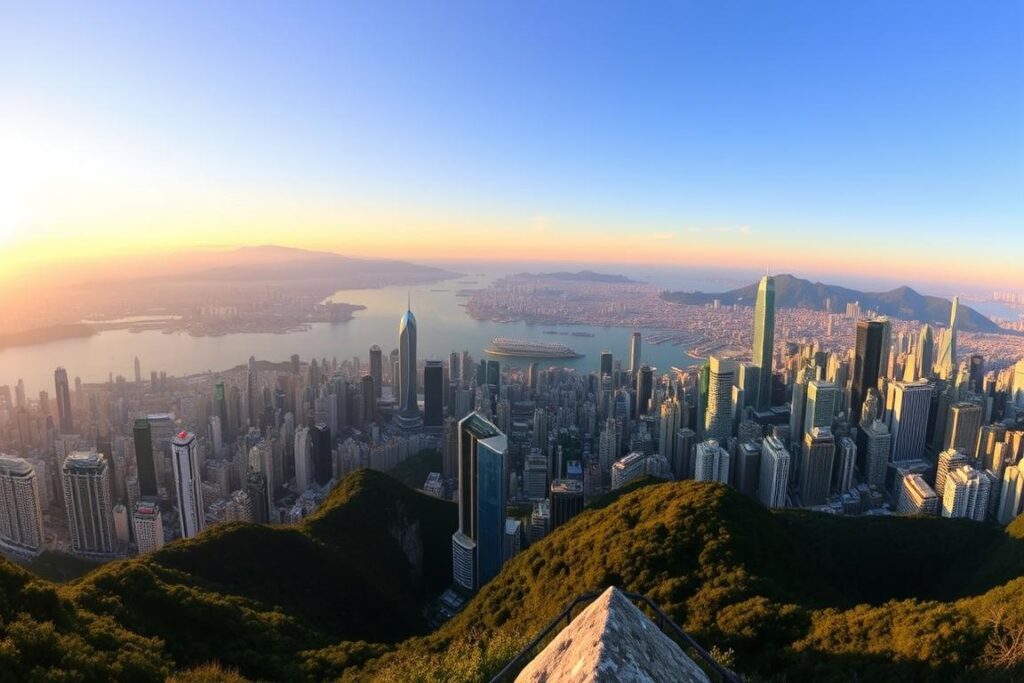
Victoria Peak
Hong Kong’s most famous attraction offers breathtaking 360° views of the city skyline, Victoria Harbor, and surrounding islands. Take the historic Peak Tram funicular railway for a scenic journey to the top.
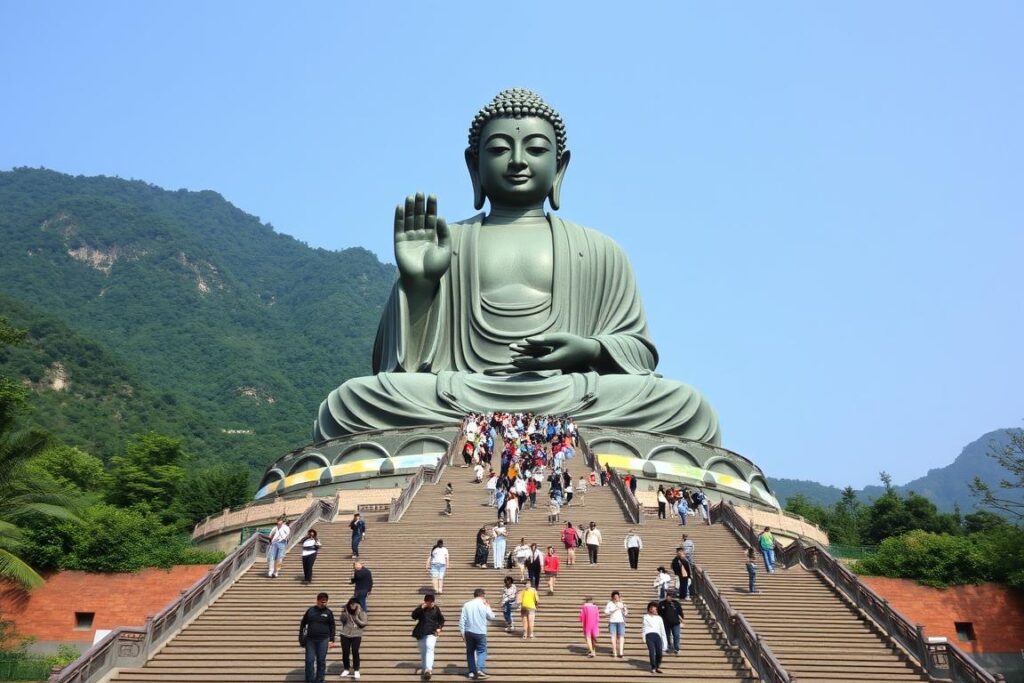
Tian Tan Buddha
This 34-meter bronze Buddha sits atop Lantau Island, reached via the scenic Ngong Ping 360 cable car. The site includes Po Lin Monastery and offers spectacular mountain views.
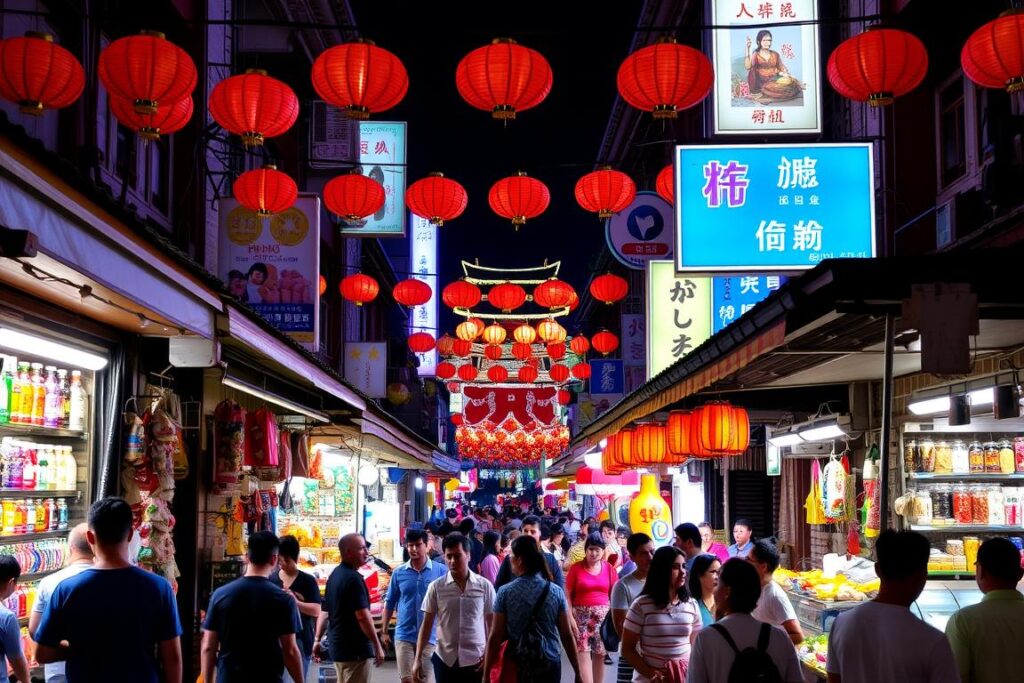
Temple Street Night Market
Experience the vibrant atmosphere of this iconic market where you can shop for souvenirs, sample street food, watch impromptu Cantonese opera performances, and even have your fortune told.
More Must-Visit Attractions
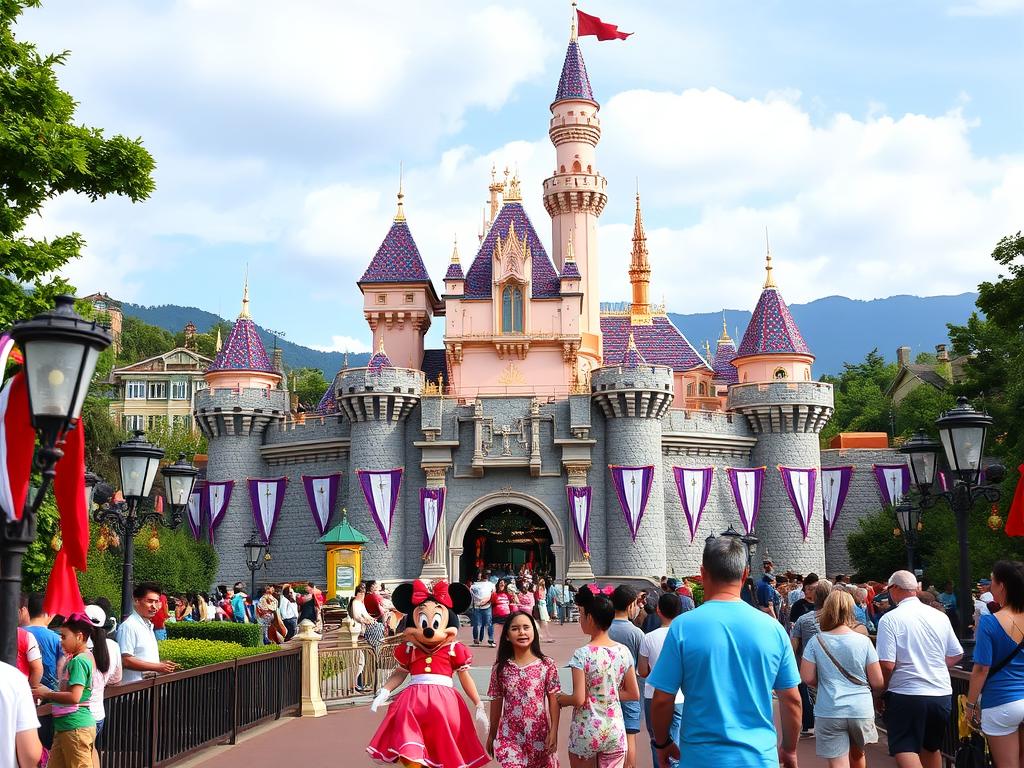
Hong Kong Disneyland
Perfect for families, Hong Kong Disneyland offers seven themed lands including Mystic Point and Grizzly Gulch, which are unique to this park. Don’t miss the spectacular nighttime “Momentous” show.
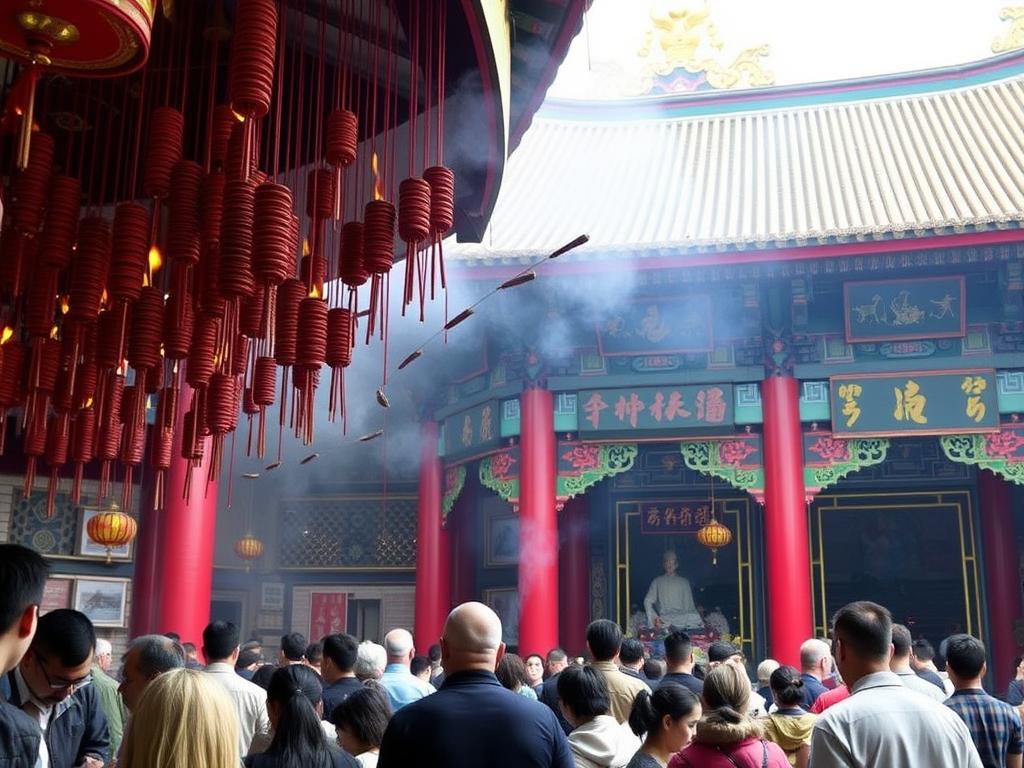
Wong Tai Sin Temple
This beautifully ornate temple is famous for “making every wish come true upon request.” Visitors come to have their fortunes told and pray for good health, success in business, and happiness.
Tai O Fishing Village
Experience traditional Hong Kong in this charming village known for its stilt houses built over the water. Take a boat tour to spot pink dolphins and sample the village’s famous dried seafood.
Hong Kong Museum of History
Gain insights into Hong Kong’s fascinating journey from fishing village to international financial center through eight galleries of immersive exhibits covering 400 million years of history.
Save on Multiple Attractions
If you’re planning to visit several attractions, consider purchasing a Hong Kong attractions pass for significant savings on entrance fees.
Hidden Gems Worth Discovering
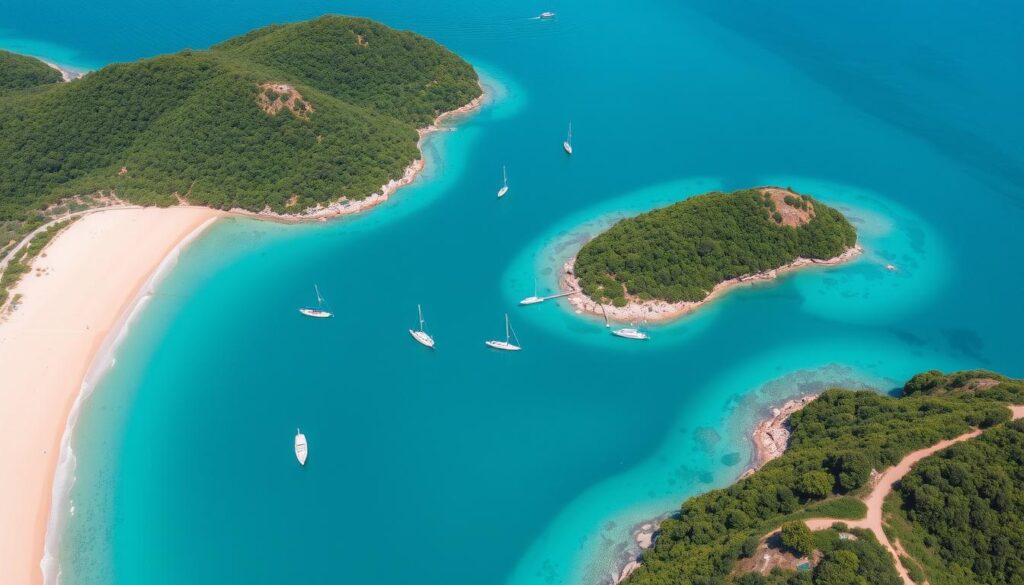
Beyond the famous attractions, Hong Kong offers many lesser-known spots that provide unique experiences away from the crowds:
Food & Dining in Hong Kong
Hong Kong is a food lover’s paradise, offering everything from Michelin-starred restaurants to humble street food stalls. The city’s cuisine reflects its history as a cultural crossroads, blending Cantonese traditions with international influences.
Must-Try Hong Kong Dishes
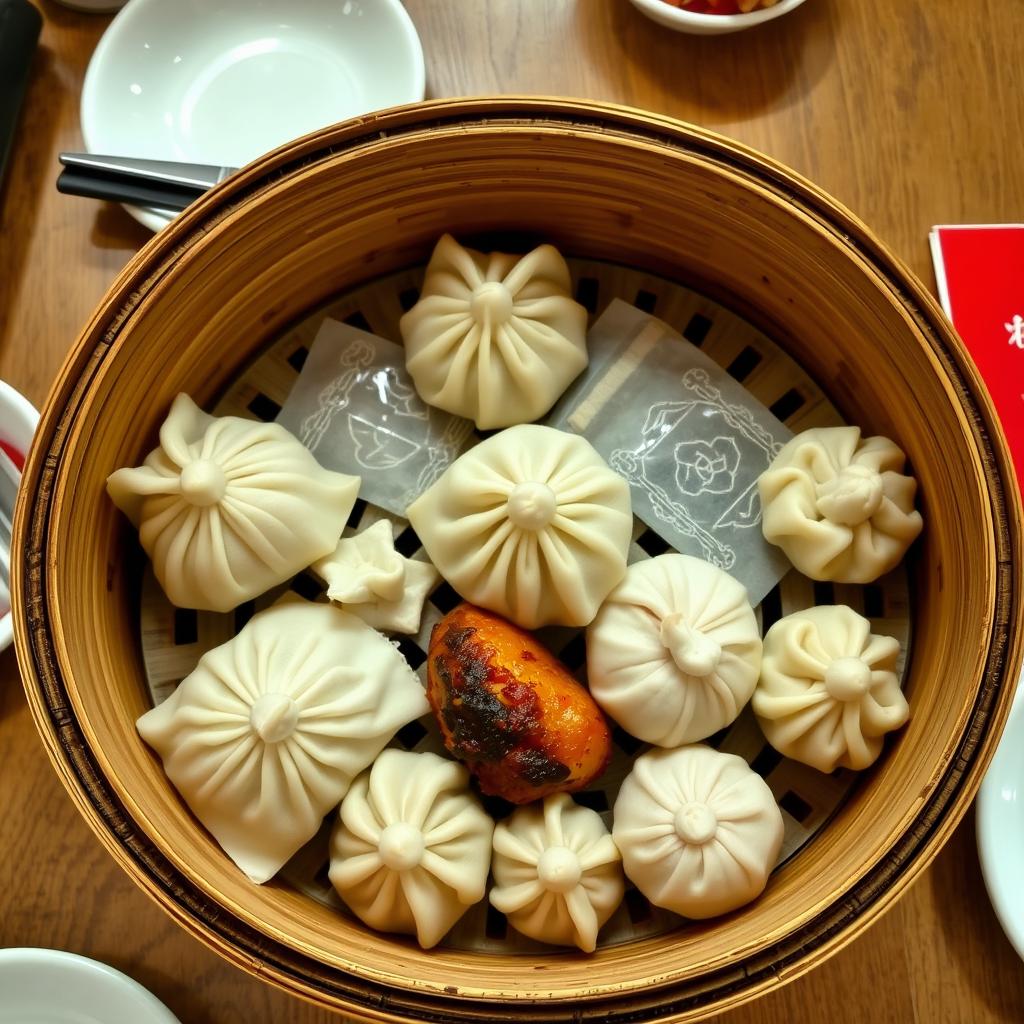
Dim Sum
These bite-sized portions served in bamboo steamers are the quintessential Hong Kong dining experience. Don’t miss classics like har gow (shrimp dumplings), siu mai (pork dumplings), and char siu bao (BBQ pork buns).
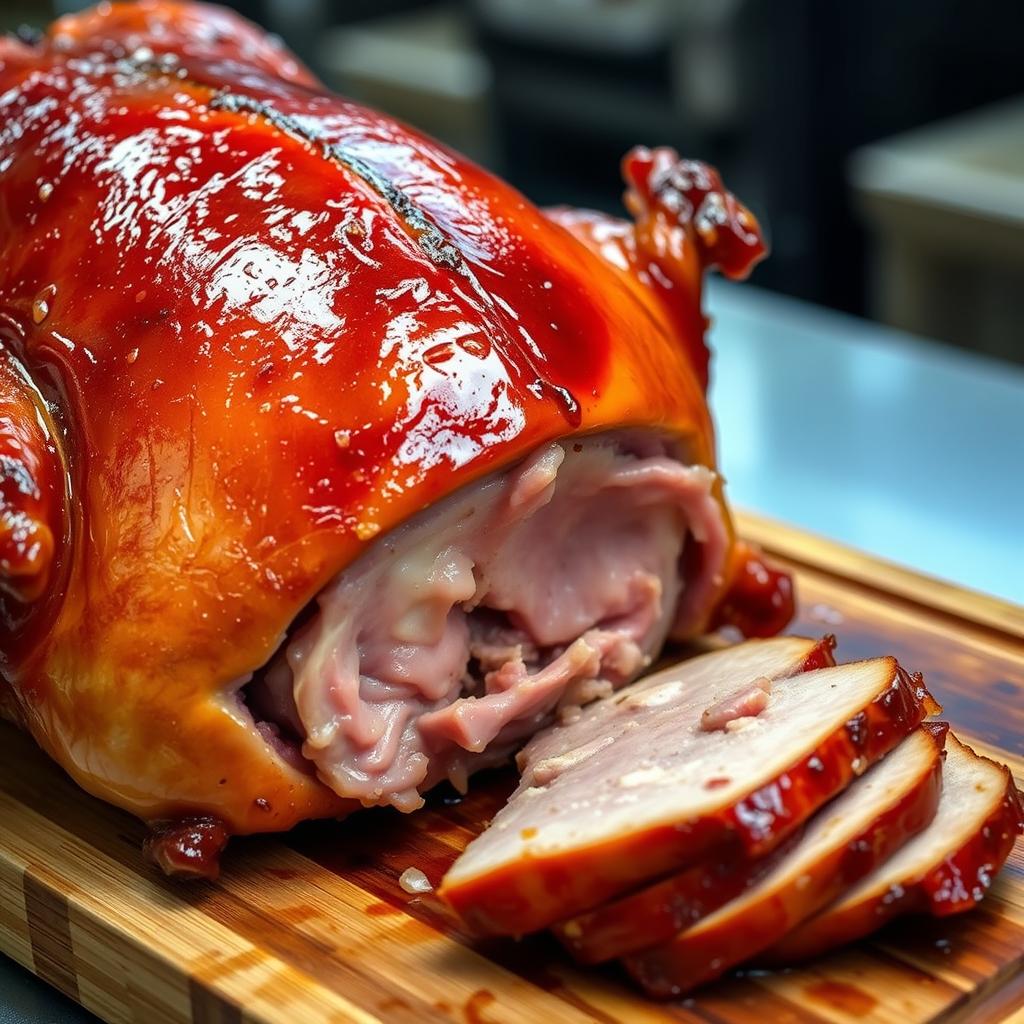
Roast Goose
Perfectly roasted to achieve crispy skin and tender, juicy meat, Hong Kong’s roast goose is legendary. Try it at renowned establishments like Yat Lok or Kam’s Roast Goose.
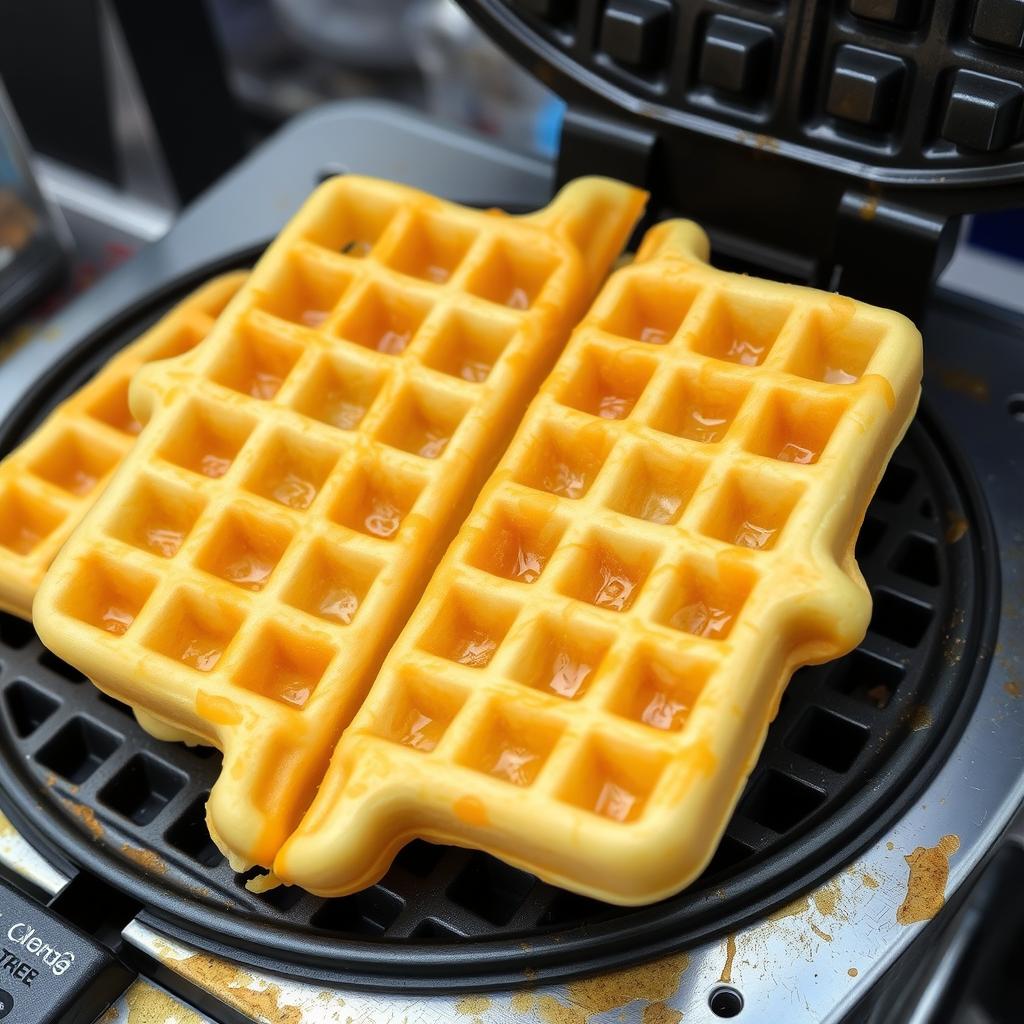
Egg Waffles (Gai Daan Jai)
This popular street snack features a crispy exterior and soft, eggy interior. Traditional versions are plain, but modern variations include chocolate, matcha, or served with ice cream.
Wonton Noodles
A bowl of thin, springy noodles in clear broth topped with plump shrimp wontons is comfort food at its finest. Mak’s Noodle is famous for this dish.
Pineapple Bun (Bo Lo Bao)
Despite the name, these contain no pineapple—they’re named for their crackly, pineapple-like crust. Try them with a thick slice of cold butter at Kam Wah Café.
Milk Tea
Hong Kong-style milk tea is made with black tea and evaporated milk, creating a smooth, creamy beverage that’s stronger than typical Western tea.
Discover Hong Kong’s Culinary Secrets
Join a food tour led by local experts to discover hidden gems and learn about the city’s rich culinary heritage.
Where to Eat in Hong Kong
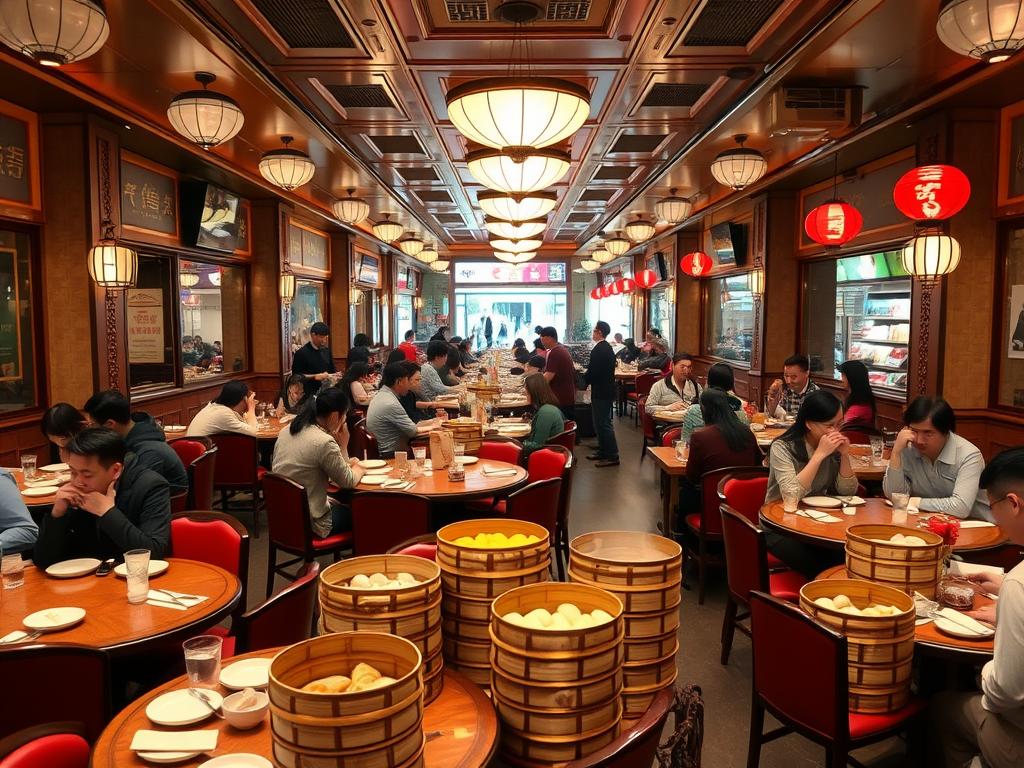
Best for Dim Sum
Tim Ho Wan: The world’s cheapest Michelin-starred restaurant offers exceptional dim sum at affordable prices.
Lin Heung Tea House: For an authentic old-school experience with dim sum carts and communal seating.
Maxim’s Palace: Enjoy dim sum with harbor views and the traditional cart service.
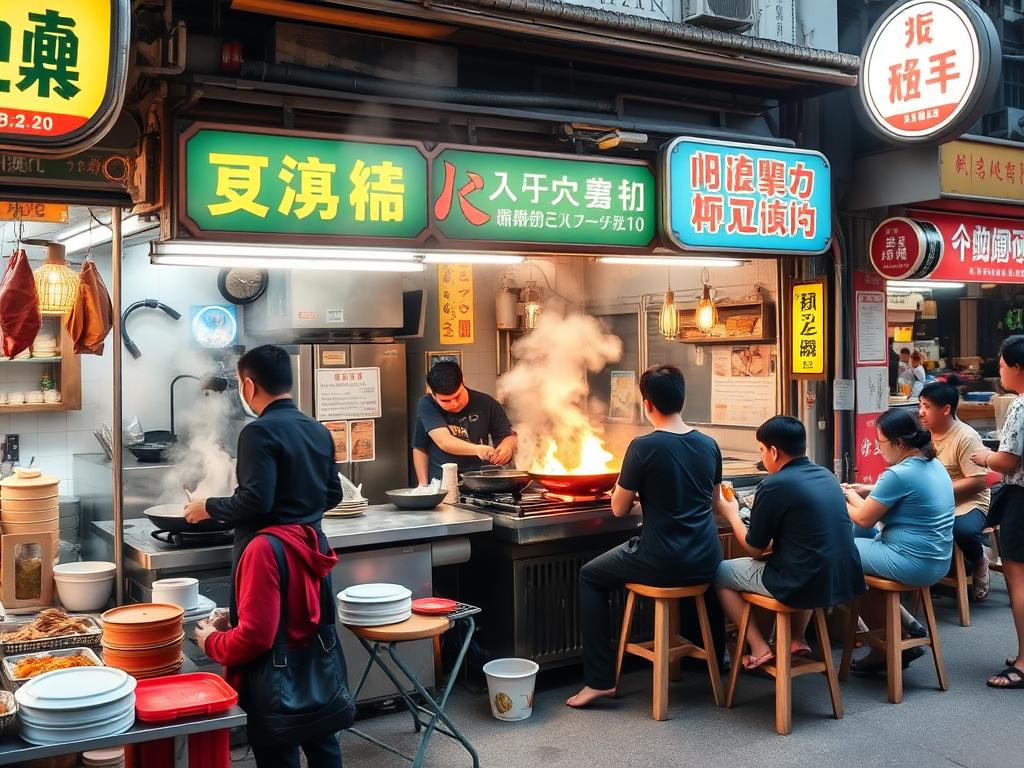
Street Food & Casual Dining
Dai Pai Dongs: These open-air food stalls offer authentic local dishes. Try Sing Kee or Bing Kee.
Mak’s Noodle: Famous for their wonton noodles with a recipe passed down through generations.
Joy Hing: A century-old establishment known for its perfectly charred char siu (BBQ pork).
Dining Etiquette Tips
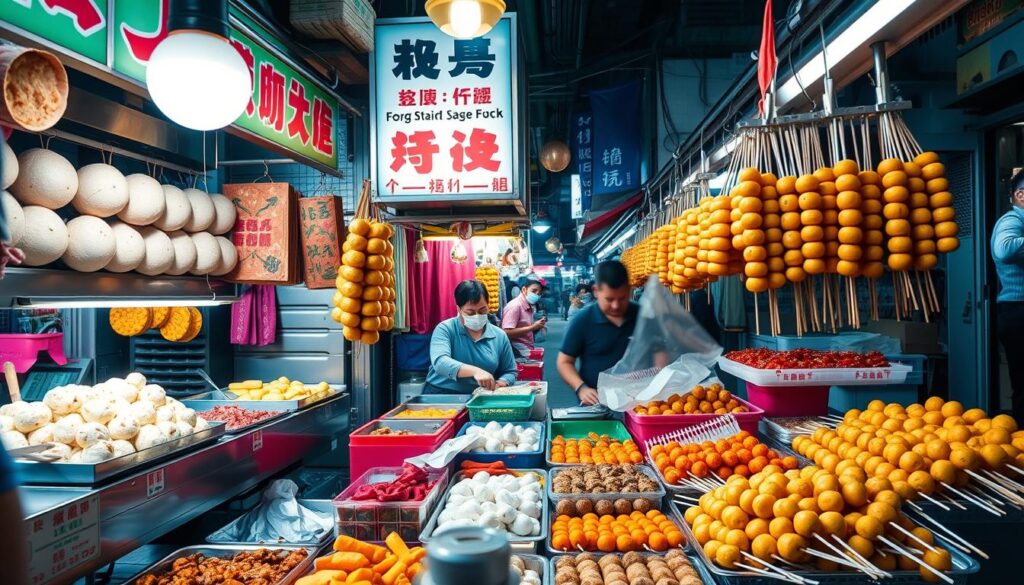
Hong Kong Shopping Guide
From luxury malls to bustling street markets, Hong Kong is a shopper’s paradise with options for every budget and style preference. The city’s compact nature means you can experience diverse shopping environments all in one day.
Luxury Shopping
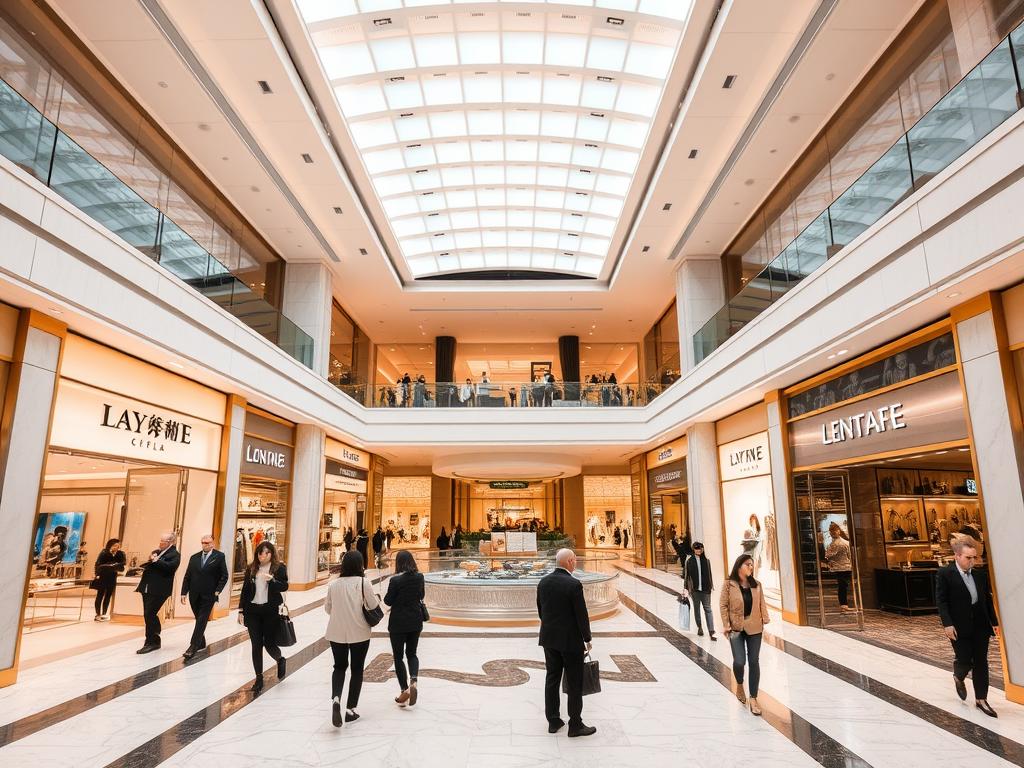
IFC Mall
Connected to Hong Kong Station, this upscale mall houses luxury brands like Chanel, Louis Vuitton, and Gucci, along with fine dining restaurants offering harbor views.
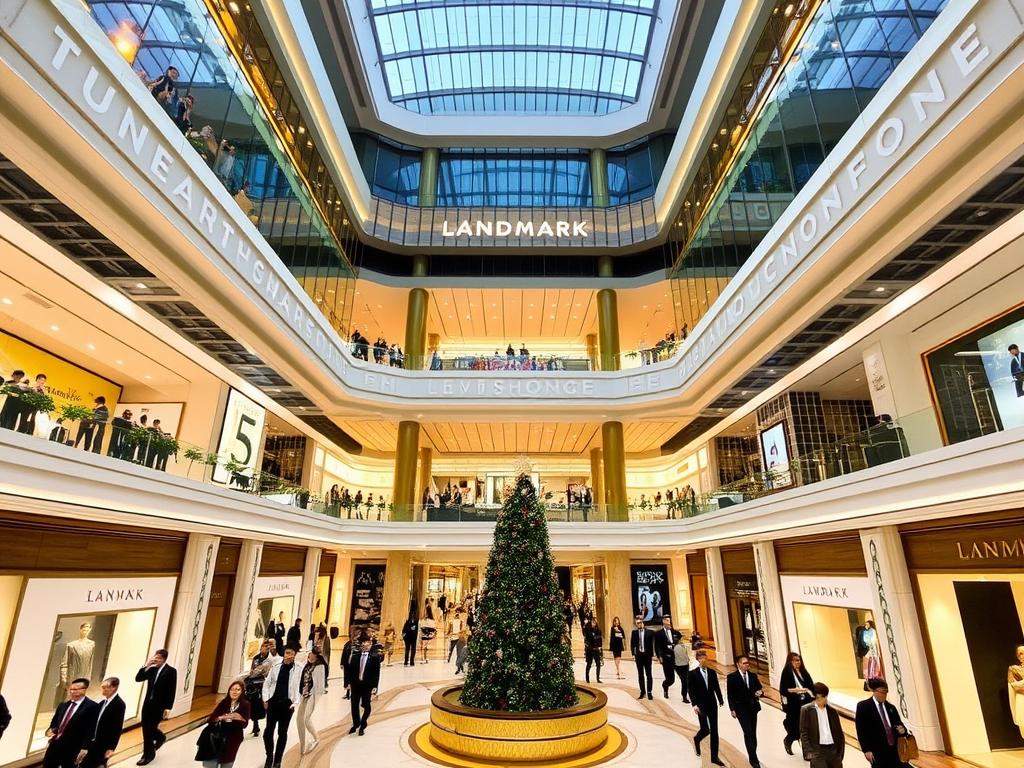
The Landmark
Located in Central, this is Hong Kong’s most exclusive shopping destination featuring flagship stores of the world’s most prestigious brands and Harvey Nichols department store.
Street Markets & Bargain Shopping
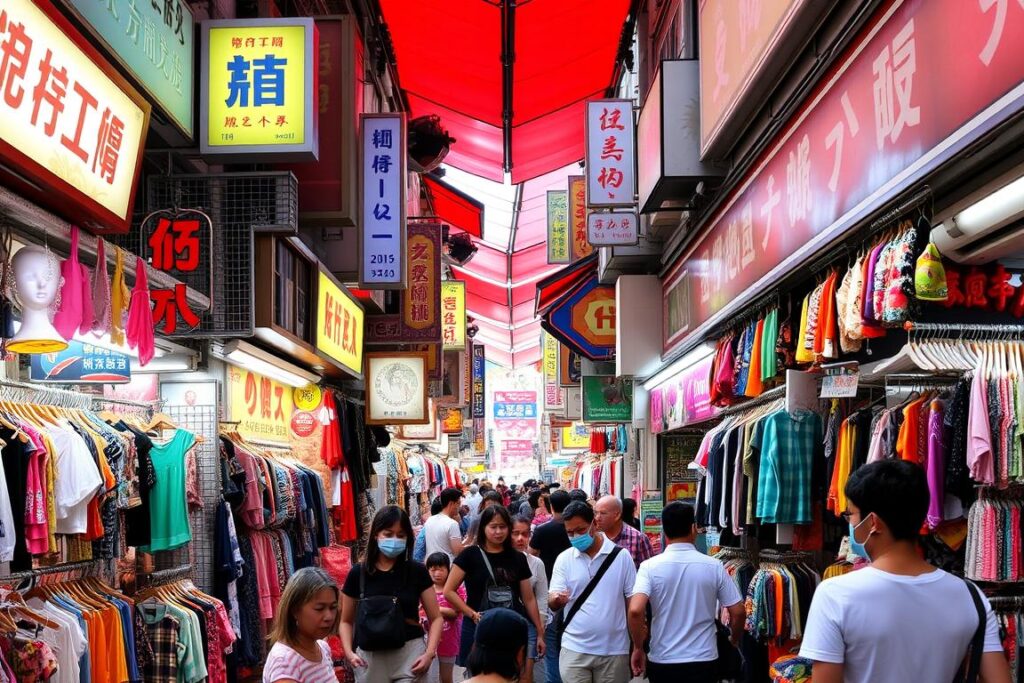
Ladies’ Market
Despite its name, this market on Tung Choi Street sells clothing, accessories, and souvenirs for everyone. It’s known for bargain shopping, but remember to haggle—start at 30-50% of the initial price.
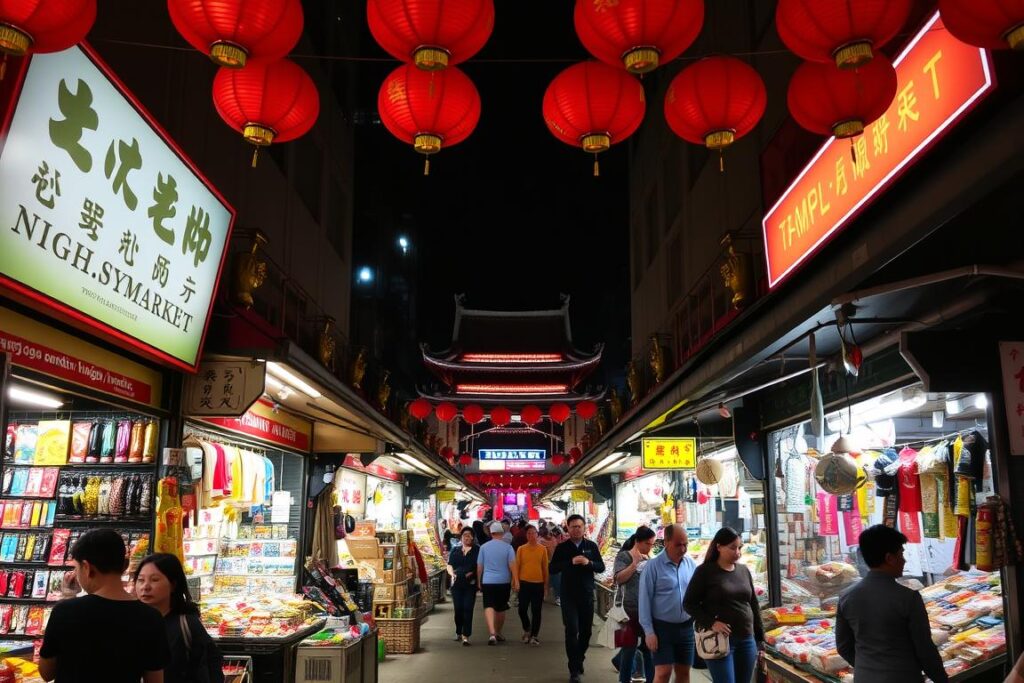
Temple Street Night Market
This atmospheric market comes alive after dark with stalls selling everything from electronics to clothing, souvenirs, and jade. The surrounding food stalls make it a great dinner destination too.
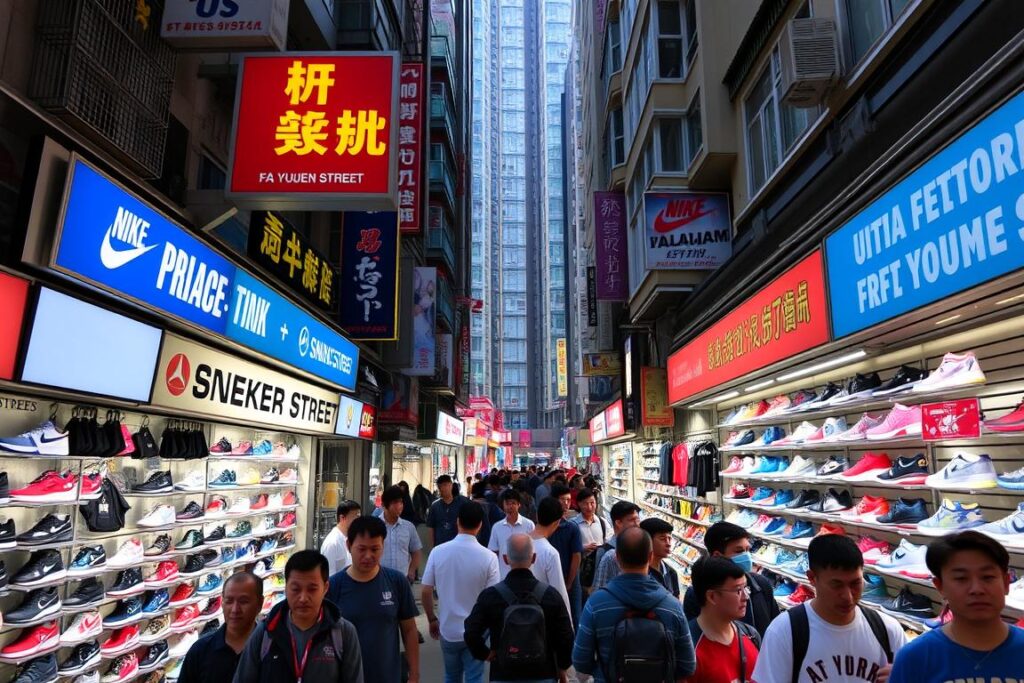
Sneaker Street
Fa Yuen Street in Mong Kok is heaven for sneaker enthusiasts, with dozens of shops selling the latest designs from major brands, often at better prices than in Western countries.
Electronics & Gadgets
Hong Kong is famous for its competitive electronics market, but shop carefully to ensure you’re getting genuine products with proper warranties.
Shopping Tips
- Always check that electronics are compatible with your home country’s voltage and plug type.
- For luxury goods, purchase from official stores to ensure authenticity.
- Bargaining is expected in markets but not in department stores or malls.
- Keep receipts for potential tax refunds if your country has such arrangements with Hong Kong.
- Most shops open around 10 AM and close between 8-10 PM, with longer hours in tourist areas.
Cultural Tips for Visiting Hong Kong
Understanding local customs and etiquette will enhance your experience in Hong Kong and help you connect more meaningfully with the culture and people.
Language
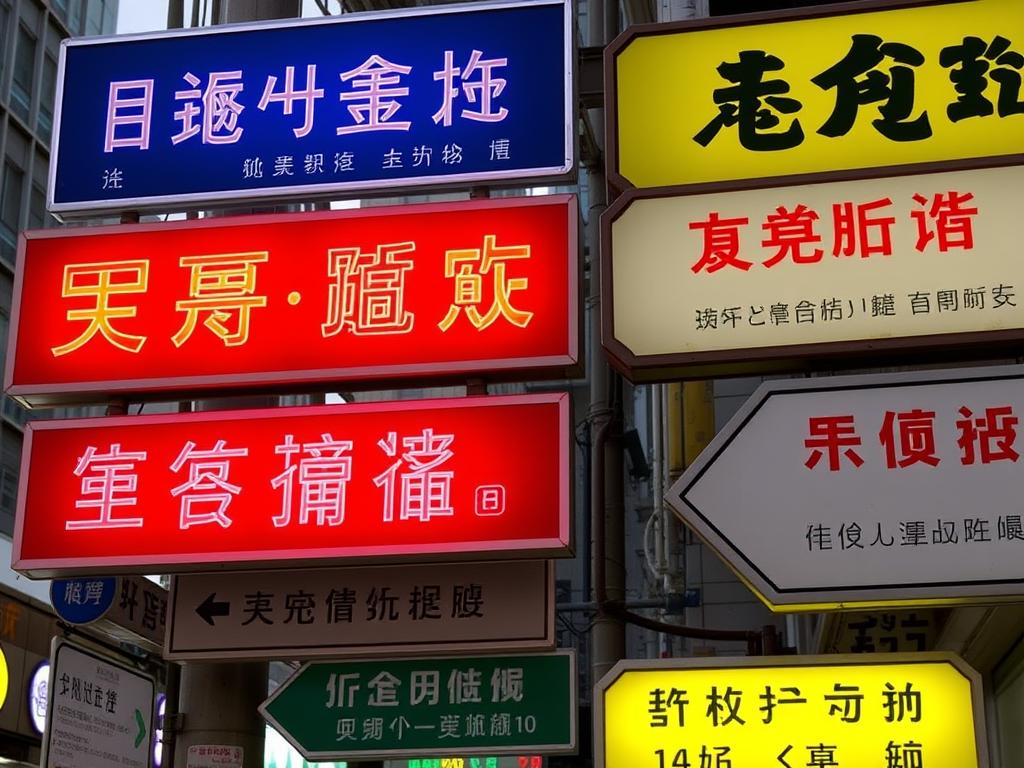
Cantonese is the primary language in Hong Kong, though Mandarin is increasingly common. English is widely spoken in tourist areas, hotels, and restaurants, making it relatively easy for English speakers to get around.
Useful Cantonese Phrases
Etiquette & Customs
Major Festivals & Events
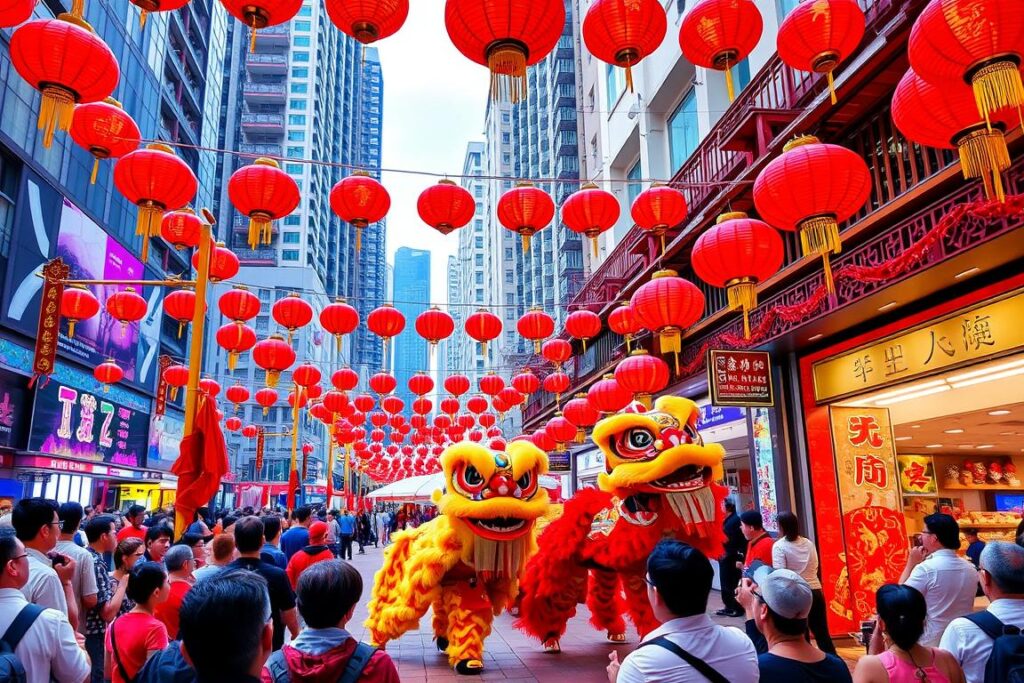
Chinese New Year (January/February)
The most important Chinese festival features spectacular parades, fireworks over Victoria Harbor, flower markets, and family gatherings. Many businesses close for several days.
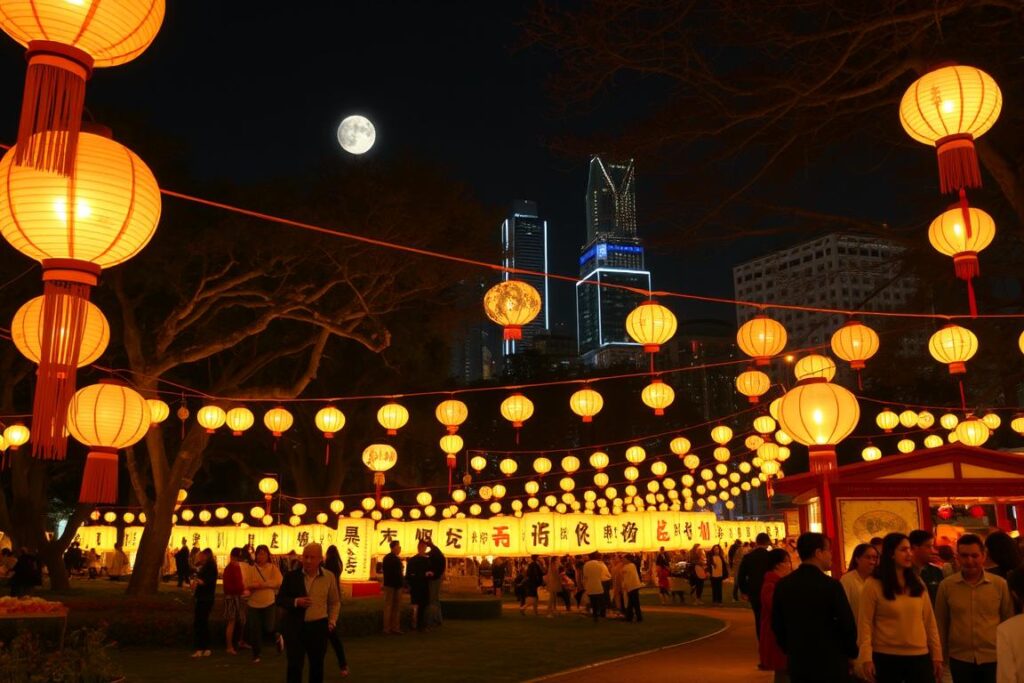
Mid-Autumn Festival (September/October)
This harvest festival is celebrated with mooncakes, lantern displays in parks, and fire dragon dances in Tai Hang. Victoria Park hosts a large lantern wonderland.
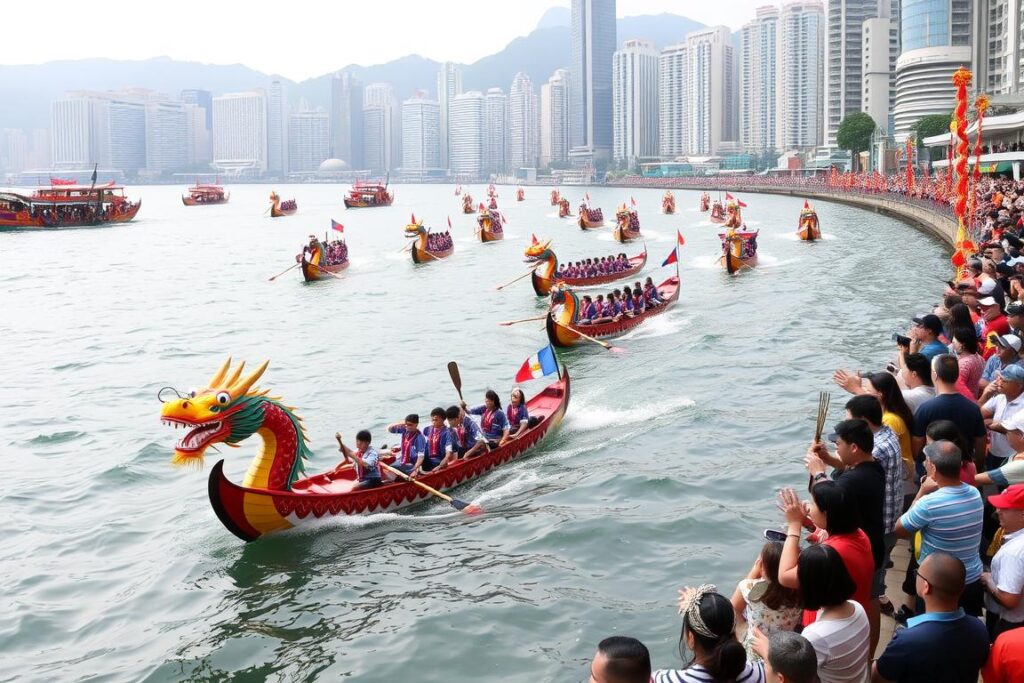
Dragon Boat Festival (May/June)
Watch exciting dragon boat races in various locations around Hong Kong, particularly at Stanley Beach. The festival also features rice dumplings (zongzi) and traditional ceremonies.
Experience Hong Kong’s Cultural Heritage
Discover Hong Kong’s rich traditions and history through an immersive cultural tour led by knowledgeable local guides.
Day Trips from Hong Kong
While Hong Kong itself offers endless exploration, several fascinating destinations lie just a short journey away. These day trips provide a perfect complement to your city experience.
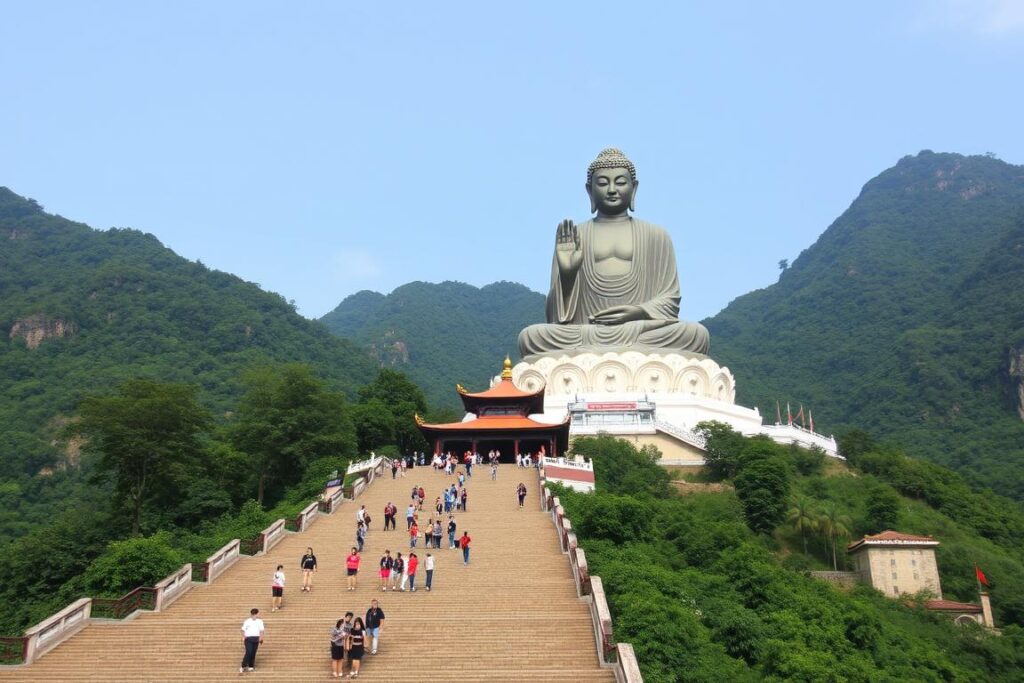
Lantau Island
Home to the iconic Tian Tan Buddha, Po Lin Monastery, and the traditional Tai O fishing village. Take the Ngong Ping 360 cable car for breathtaking views of the island’s mountains and sea.
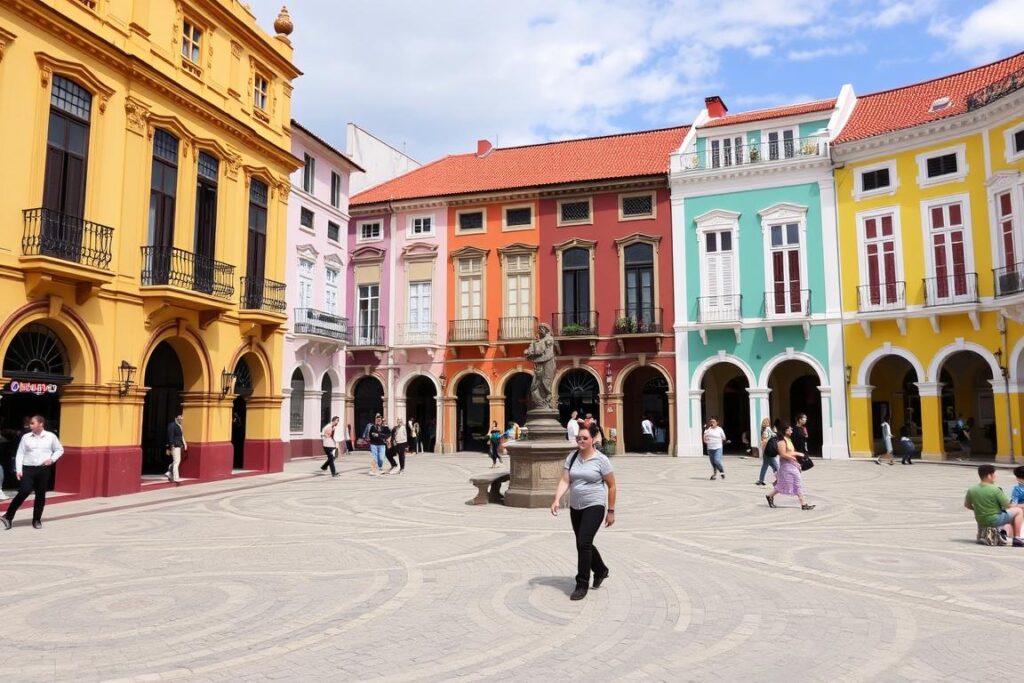
Macau
Just a one-hour ferry ride away, Macau blends Portuguese colonial heritage with Chinese culture. Explore the historic center, visit the ruins of St. Paul’s, and try your luck at world-class casinos.
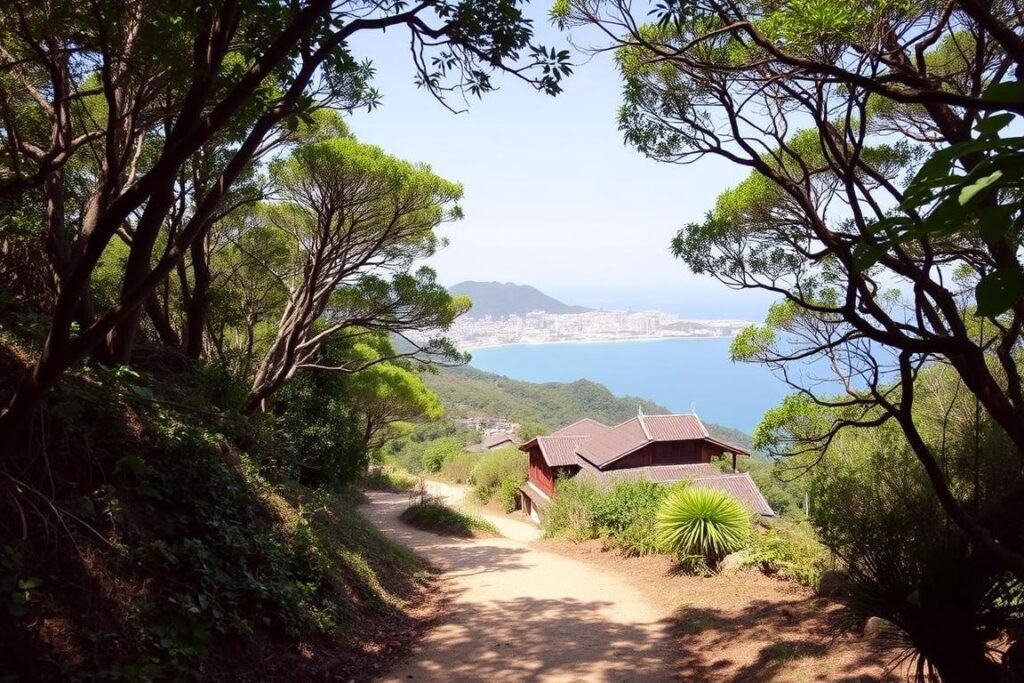
Lamma Island
This car-free island offers a peaceful escape with hiking trails, beaches, and excellent seafood restaurants. The Family Trail between Yung Shue Wan and Sok Kwu Wan is perfect for a leisurely day out.
More Exciting Day Trips
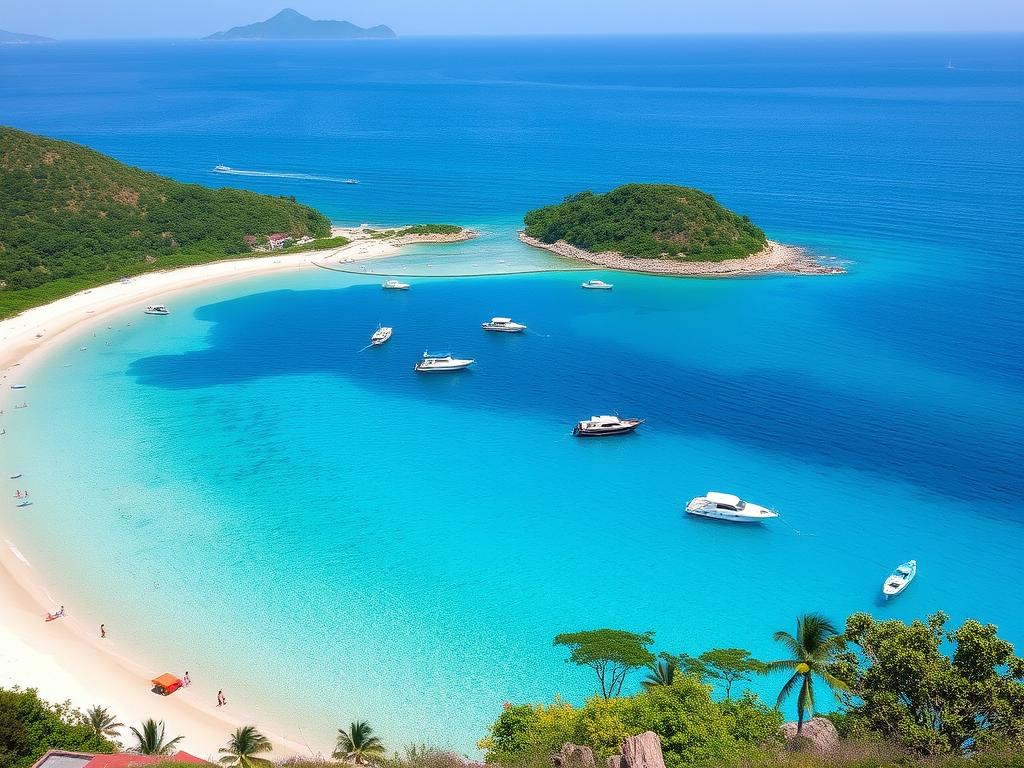
Sai Kung
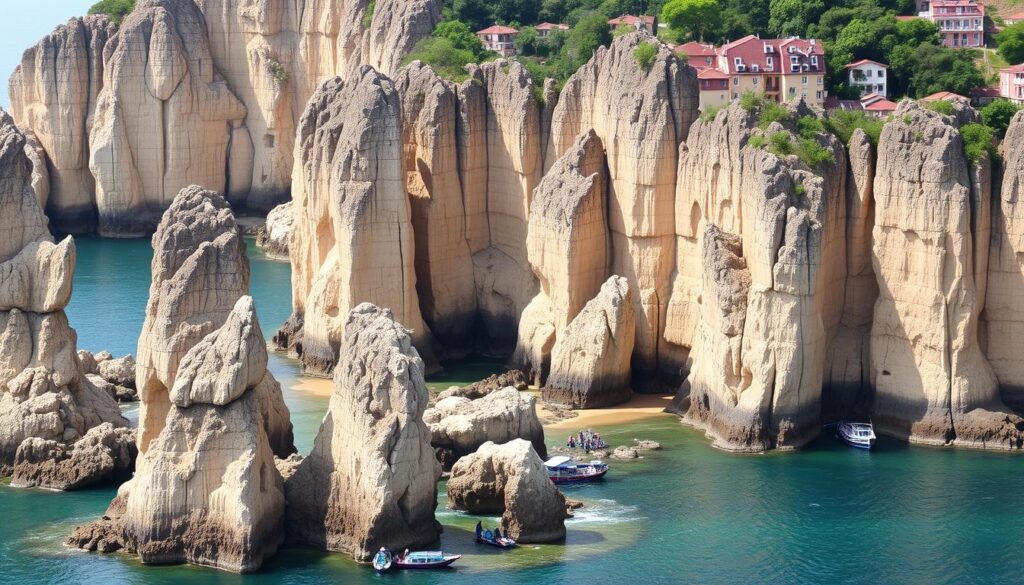
Known as the “back garden of Hong Kong,” Sai Kung offers beautiful beaches, hiking opportunities in the UNESCO Global Geopark, and fresh seafood restaurants along the waterfront.
Cheung Chau
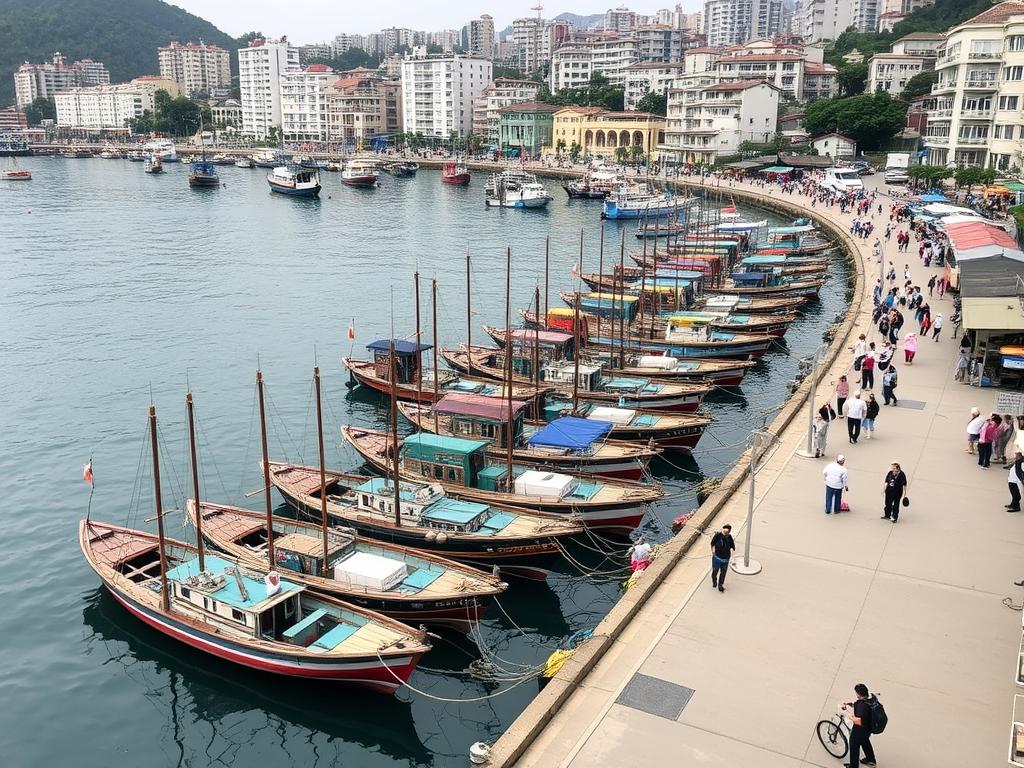
This dumbbell-shaped island is famous for its annual Bun Festival, seafood restaurants, and Mini Great Wall hiking path offering panoramic views of the South China Sea.
Explore Hong Kong’s Natural Beauty
Discover Hong Kong’s surprising natural landscapes with a guided hiking tour to some of the territory’s most scenic spots.
Transportation Tips for Day Trips
- Ferries to outlying islands depart from Central Pier on Hong Kong Island.
- Check the last ferry return times, as schedules vary by destination and day of the week.
- For Lantau Island, you can take the MTR to Tung Chung and then the Ngong Ping cable car or bus.
- Ferries to Macau depart from the Hong Kong-Macau Ferry Terminal in Sheung Wan or the China Ferry Terminal in Tsim Sha Tsui.
- Remember to bring your passport for day trips to Macau.
Budget Tips for Hong Kong
Hong Kong has a reputation as an expensive destination, but with some insider knowledge, you can experience the best of the city without breaking the bank.
Accommodation Savings
Budget-Friendly Areas
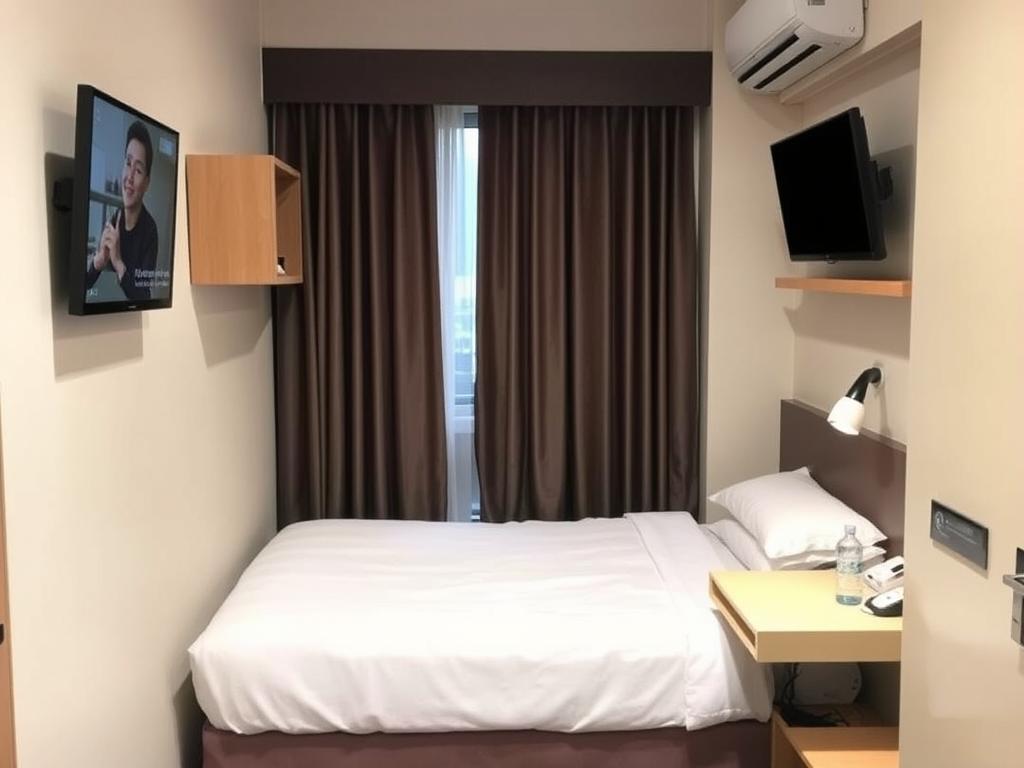
Stay in Kowloon neighborhoods like Mong Kok, Jordan, or Yau Ma Tei for more affordable accommodations that still offer convenient access to attractions via the MTR.
Booking Tips
Dining on a Budget
Find Budget-Friendly Accommodations
Compare hotel prices across multiple booking platforms to find the best deals for your Hong Kong stay.
Transportation Savings
Public Transportation Tips
Attraction Discounts
More Money-Saving Tips
- Bring a reusable water bottle—tap water is safe to drink after boiling, and many hotels provide kettles.
- Shop at local markets rather than luxury malls for souvenirs and necessities.
- Use free WiFi available in MTR stations, public libraries, and many cafes instead of buying a SIM card.
- Take advantage of happy hour specials at bars, typically between 5-8 PM.
- Consider a prepaid SIM card instead of international roaming for significant savings on data.
Frequently Asked Questions
What is the best time to visit Hong Kong?
The best time to visit Hong Kong is during autumn (October to December) when the weather is pleasant with mild temperatures, low humidity, and minimal rainfall. Spring (March to May) is also good, though slightly more humid with occasional showers. Summer (June to September) is hot, humid, and rainy, with potential typhoons. Winter (January to February) is cool and dry but can get chilly, especially in the evenings.
Do I need a visa to visit Hong Kong?
Visitors from many countries can enter Hong Kong visa-free for periods ranging from 7 to 180 days, depending on nationality. For example, citizens of the US, UK, EU, Australia, and Canada can stay for 90 days without a visa. Always check the latest requirements with the Hong Kong Immigration Department or your country’s foreign affairs office before traveling.
Is Hong Kong safe for tourists?
Hong Kong is generally very safe for tourists with low crime rates. The city has an efficient police force and excellent public transportation system. As with any major city, take standard precautions against pickpocketing in crowded areas and be aware of common tourist scams. The biggest safety concerns are usually related to natural events like typhoons during summer months.
How many days should I spend in Hong Kong?
A minimum of 3-4 days is recommended to experience Hong Kong’s highlights, including major attractions, shopping, and dining. If you want to include day trips to places like Macau or explore at a more relaxed pace, 5-7 days would be ideal. Hong Kong is compact but packed with experiences, so having extra time allows for deeper exploration of different neighborhoods and outlying islands.
What is the currency in Hong Kong?
Hong Kong uses the Hong Kong Dollar (HKD). Credit cards are widely accepted in hotels, restaurants, and larger stores, but it’s advisable to carry cash for markets, small shops, and taxis. ATMs are plentiful throughout the city. The best places to exchange currency are at money changers in Chungking Mansions in Tsim Sha Tsui or at World Wide House in Central, which typically offer better rates than hotels or the airport.
Do I need to know Cantonese to get around Hong Kong?
English is widely spoken in Hong Kong, especially in areas frequented by tourists, hotels, restaurants, and shops. All signs and announcements on public transportation are in both English and Chinese. While learning a few basic Cantonese phrases can enhance your experience and is appreciated by locals, you can easily navigate the city speaking only English.
Ready to Experience Hong Kong?
Hong Kong offers a fascinating blend of Eastern and Western influences, creating a unique cultural experience that captivates visitors from around the world. From its iconic skyline and world-class dining to tranquil temples and bustling markets, this dynamic city promises unforgettable memories for every type of traveler.
Whether you’re planning your first visit or returning to discover more hidden gems, Hong Kong’s efficient transportation, diverse attractions, and vibrant energy make it one of Asia’s most rewarding destinations. Use this guide to plan your perfect Hong Kong adventure, and prepare to be amazed by all this extraordinary city has to offer.
Start Planning Your Hong Kong Adventure
Find the best flight deals to Hong Kong and begin your journey to this captivating city.