
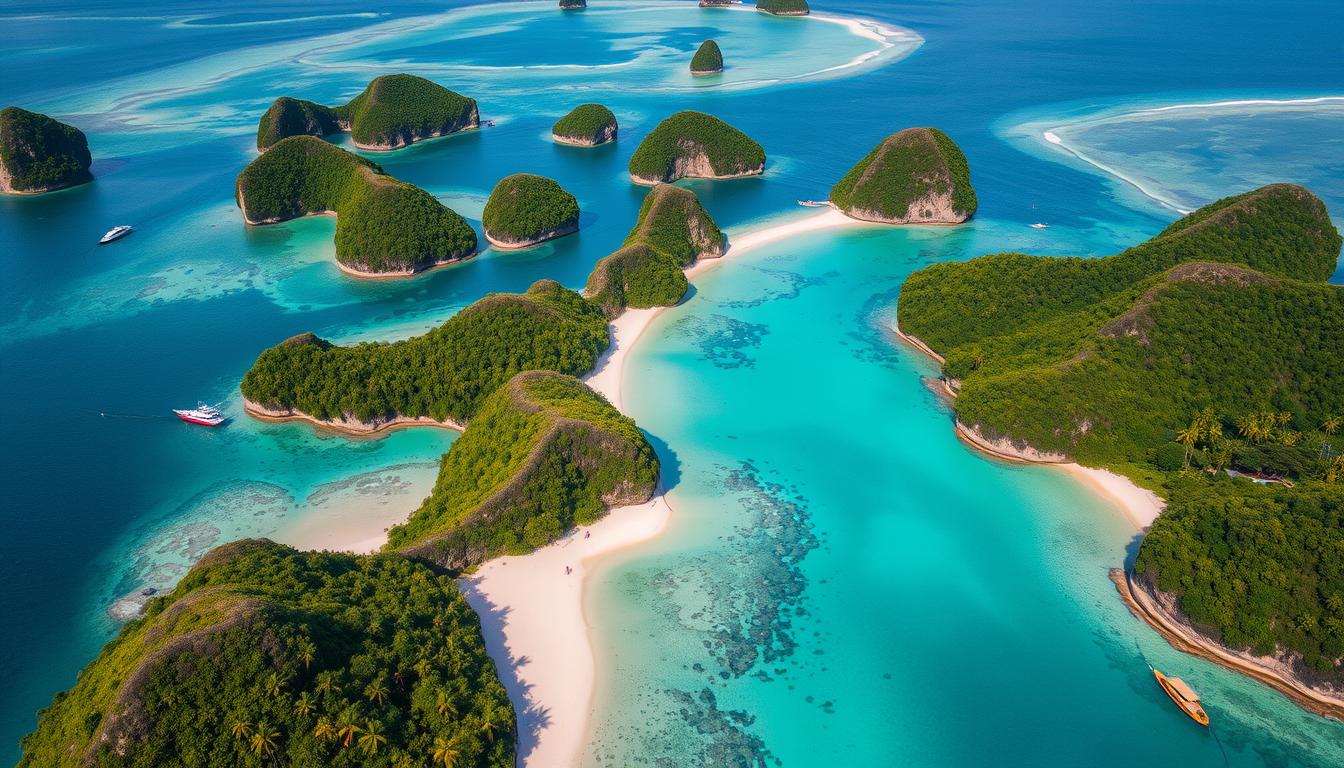
Welcome to the ultimate Indonesia travel guide, your gateway to exploring over 17,000 islands of breathtaking diversity. Indonesia offers an unparalleled blend of ancient temples, pristine beaches, lush jungles, and vibrant cultures. Whether you’re drawn to Bali’s spiritual charm, Java’s volcanic landscapes, or Komodo’s prehistoric dragons, this guide will help you navigate this fascinating archipelago and create unforgettable memories.
What’s Inside This Indonesia Travel Guide
- Introduction to Indonesia
- Essential Travel Information
- Best Time to Visit
- Top Destinations in Indonesia
- Bali: Island of the Gods
- Java: Cultural & Volcanic Heartland
- Lombok & Gili Islands
- Komodo National Park
- Raja Ampat
- Sumatra: Wildlife & Adventure
- Top Activities & Experiences
- Where to Stay
- Indonesian Cuisine
- Getting Around
- Cultural Tips & Etiquette
- Sustainable Travel
- Travel Resources
- Frequently Asked Questions
Essential Indonesia Travel Information
Quick Facts
- Capital: Jakarta
- Population: Over 270 million
- Language: Bahasa Indonesia (official), plus over 700 local languages
- Currency: Indonesian Rupiah (IDR)
- Religion: Islam (majority), Hinduism (Bali), Christianity, Buddhism
- Time Zone: GMT+7 (Western), GMT+8 (Central), GMT+9 (Eastern)
Visa Requirements
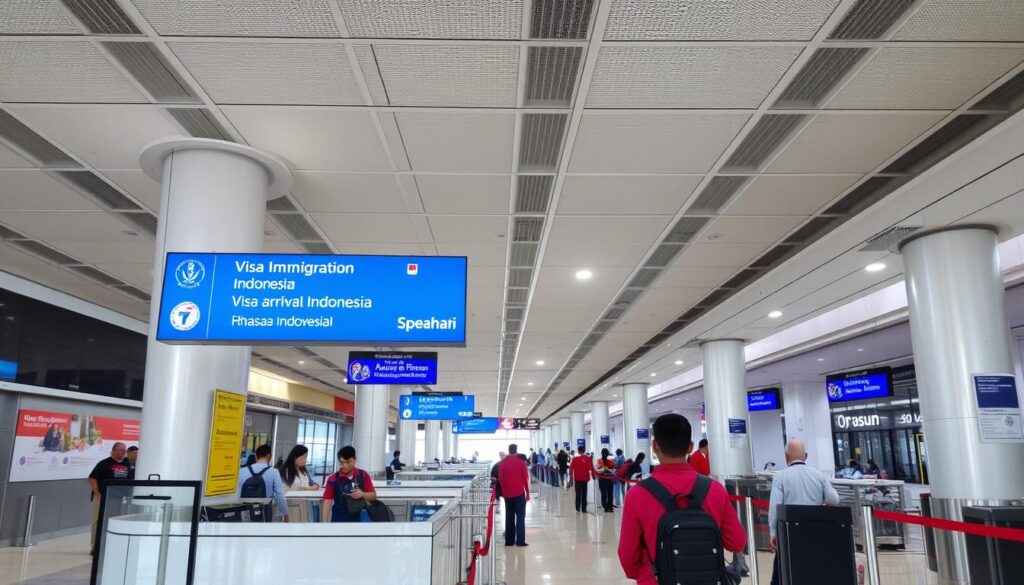
Most visitors can enter Indonesia visa-free for 30 days. This applies to over 160 countries including the US, UK, Australia, and most European nations. The visa-free stay cannot be extended.
For longer stays, you can apply for a Visa on Arrival (VOA) for $35 USD, which is valid for 30 days and can be extended once for another 30 days. For work or longer stays, you’ll need to apply for the appropriate visa before arrival.
Always check the latest visa requirements before your trip as regulations can change. Your passport must be valid for at least 6 months beyond your arrival date.
Best Time to Visit Indonesia
Indonesia has a tropical climate with two distinct seasons: dry and rainy. The best time to visit depends on your destination and planned activities.
| Season | Months | Weather | Best For | Considerations |
| Dry Season | May to September | Sunny, less humid, occasional rain | Beach activities, hiking, diving, island hopping | Peak tourist season, higher prices, advance booking recommended |
| Rainy Season | October to April | Brief heavy downpours, high humidity | Lush landscapes, fewer tourists, better deals | Some activities may be limited, island transportation disruptions |
Regional Variations: Indonesia spans a vast area, so weather patterns vary. Eastern Indonesia (including Papua) has opposite patterns, with the rainy season from May to October.
Month-by-Month Highlights
January-February
Rainy season peak. Great for waterfall visits in Bali and seeing rice terraces at their greenest. Lower prices and fewer crowds.
March-April
Transition months with decreasing rainfall. Good balance of value and weather. Perfect for cultural experiences like Nyepi in Bali (March/April).
May-June
Start of dry season with pleasant temperatures. Excellent for hiking volcanoes and exploring cultural sites before peak crowds arrive.
July-August
Peak season with perfect weather but highest prices and crowds. Ideal for beach activities and diving. Book accommodations well in advance.
September-October
Late dry season offers great weather with fewer tourists. September is ideal for Komodo National Park visits and diving in Raja Ampat begins.
November-December
Rainy season returns. Good for cultural immersion and jungle trekking in Sumatra when rain creates lush conditions. Holiday festivities in December.
Top Destinations in Indonesia
With thousands of islands to explore, Indonesia offers incredible diversity. Here are the must-visit destinations that showcase the best of this remarkable country.
Bali: Island of the Gods
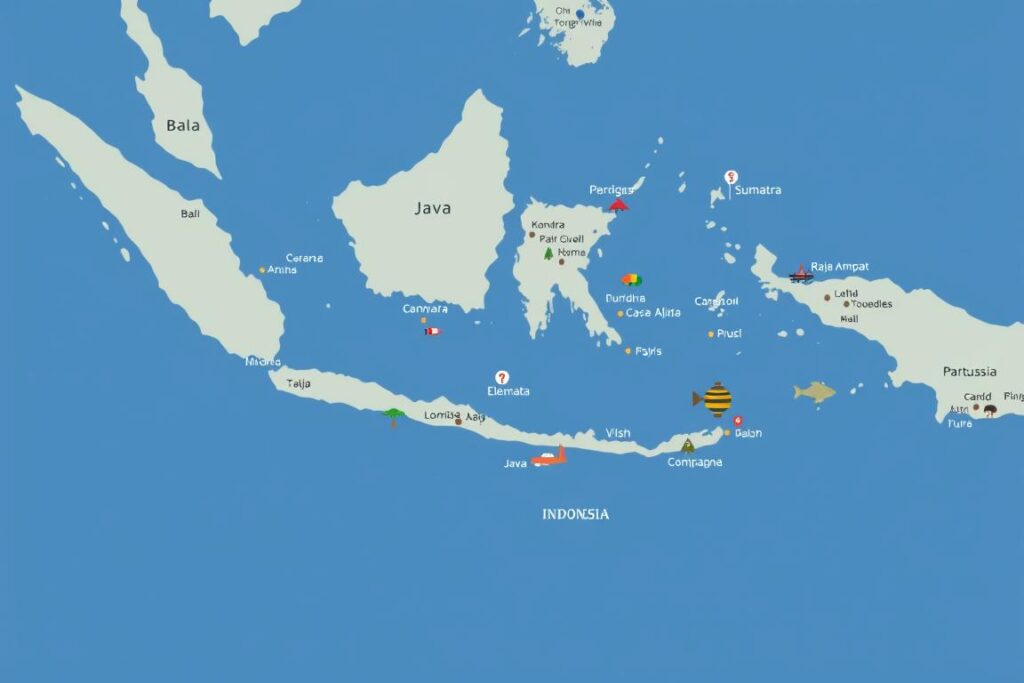
Bali remains Indonesia’s most popular destination, blending stunning landscapes with a rich Hindu culture. From terraced rice fields to clifftop temples, Bali offers something for every traveler.
Top Experiences in Bali
- Ubud – Cultural heart with art markets, monkey forest, and surrounding rice terraces
- Uluwatu Temple – Clifftop temple with traditional Kecak fire dance performances at sunset
- Tegallalang Rice Terraces – Stunning stepped rice fields perfect for photography
- Seminyak & Kuta – Beach areas with surfing, shopping, and vibrant nightlife
- Sacred Monkey Forest – Nature reserve with temples and hundreds of macaques
- Mount Batur – Active volcano offering spectacular sunrise treks
- Nusa Penida – Island with dramatic coastal cliffs and pristine beaches

Explore Bali’s Hidden Gems
Discover secret beaches, authentic villages, and spiritual experiences away from the crowds with our detailed Bali itineraries.
Java: Cultural & Volcanic Heartland
Java is Indonesia’s most populated island and home to its capital, Jakarta. Beyond the urban sprawl lies a landscape of smoking volcanoes, ancient temples, and traditional villages.
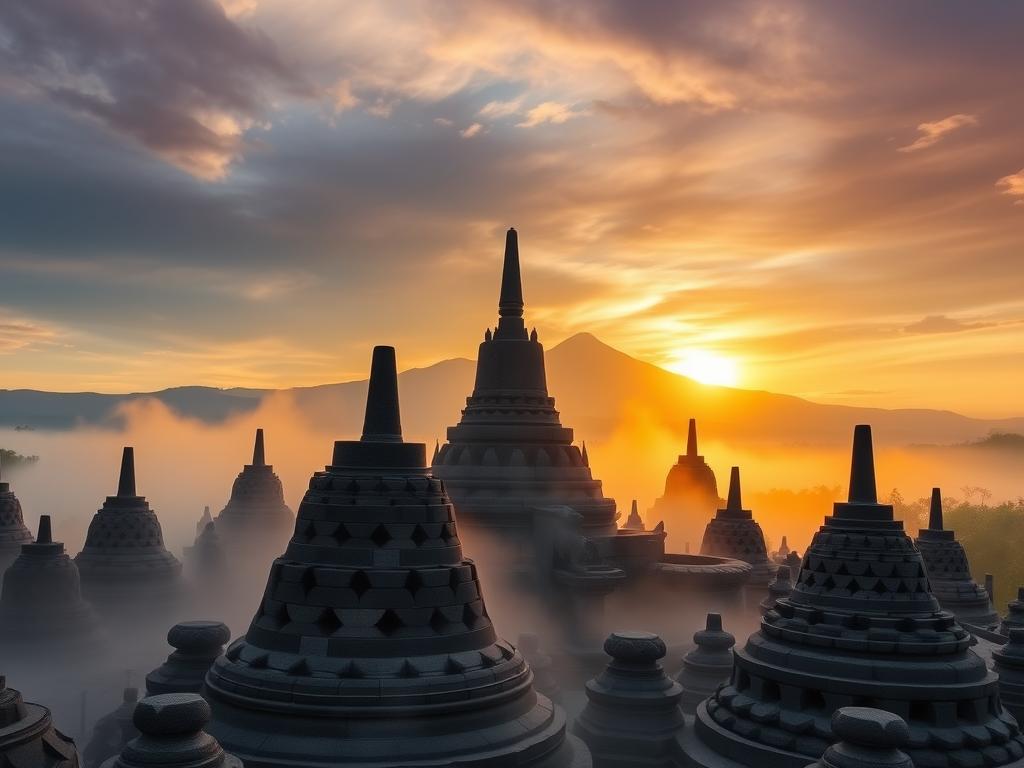
Must-Visit Places in Java
- Yogyakarta – Cultural center with royal palace (Kraton) and traditional arts
- Borobudur Temple – 9th-century Buddhist temple and UNESCO World Heritage site
- Prambanan Temple – Magnificent Hindu temple complex near Yogyakarta
- Mount Bromo – Iconic active volcano with otherworldly landscapes
- Kawah Ijen – Volcano with turquoise sulfur lake and blue fire phenomenon
- Dieng Plateau – Ancient temples and colorful lakes at 2,000m elevation
- Malang – Colonial city with access to waterfalls and mountain scenery
Mount Bromo and other volcanoes occasionally close due to increased activity. Always check current conditions before planning your visit.
Lombok & Gili Islands
Just east of Bali, Lombok offers a more laid-back atmosphere with pristine beaches, excellent surfing, and the towering Mount Rinjani. Offshore, the Gili Islands provide a paradise for snorkelers and those seeking island vibes.
Lombok Highlights
- Mount Rinjani – Indonesia’s second-highest volcano with crater lake
- Kuta Lombok – Stunning beaches and surf spots
- Sendang Gile & Tiu Kelep Waterfalls – Beautiful cascades near Senaru
- Selong Belanak – Perfect beginner-friendly surf beach
- Traditional Sasak Villages – Experience the indigenous culture
Gili Islands
- Gili Trawangan – Largest island with vibrant nightlife
- Gili Meno – Quietest island, perfect for couples and relaxation
- Gili Air – Balance of social scene and tranquility
- Snorkeling with turtles – Abundant marine life around all islands
- Car-free environment – Travel by bicycle or horse-drawn cart
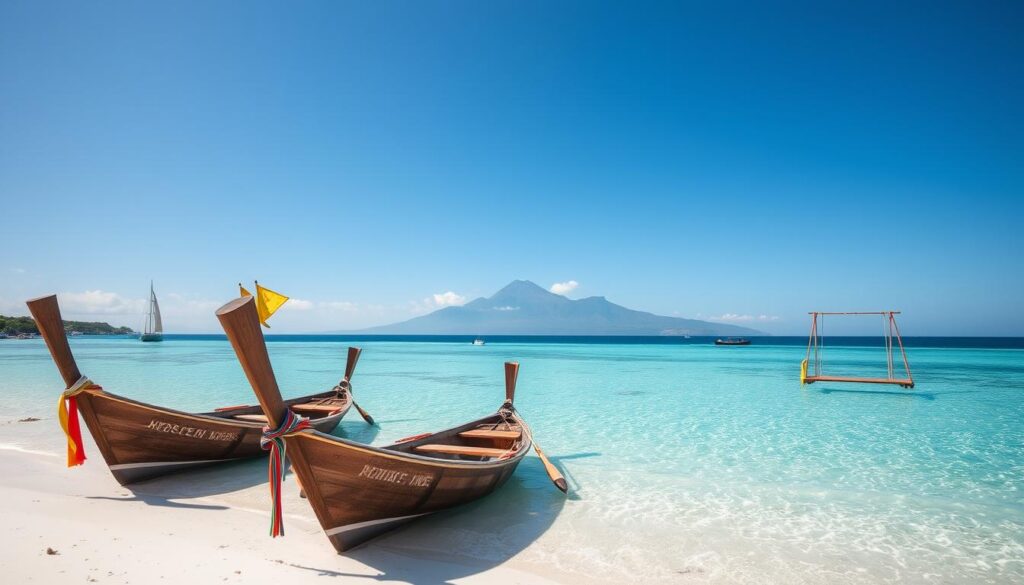
Komodo National Park
Home to the legendary Komodo dragons, this UNESCO World Heritage site encompasses several islands with stunning landscapes both above and below water. The park is part of the Coral Triangle, offering some of the world’s most diverse marine environments.

Komodo National Park Experiences
- Komodo and Rinca Islands – Guided treks to observe Komodo dragons
- Pink Beach – Rare pink-sand beach from crushed red coral
- Padar Island – Iconic viewpoint overlooking three differently colored bays
- Diving and snorkeling – World-class sites with manta rays and reef sharks
- Liveaboard trips – Multi-day boat excursions exploring the park
Komodo National Park entrance fees were significantly increased in 2023. Check current prices before planning your visit.
Raja Ampat: Underwater Paradise
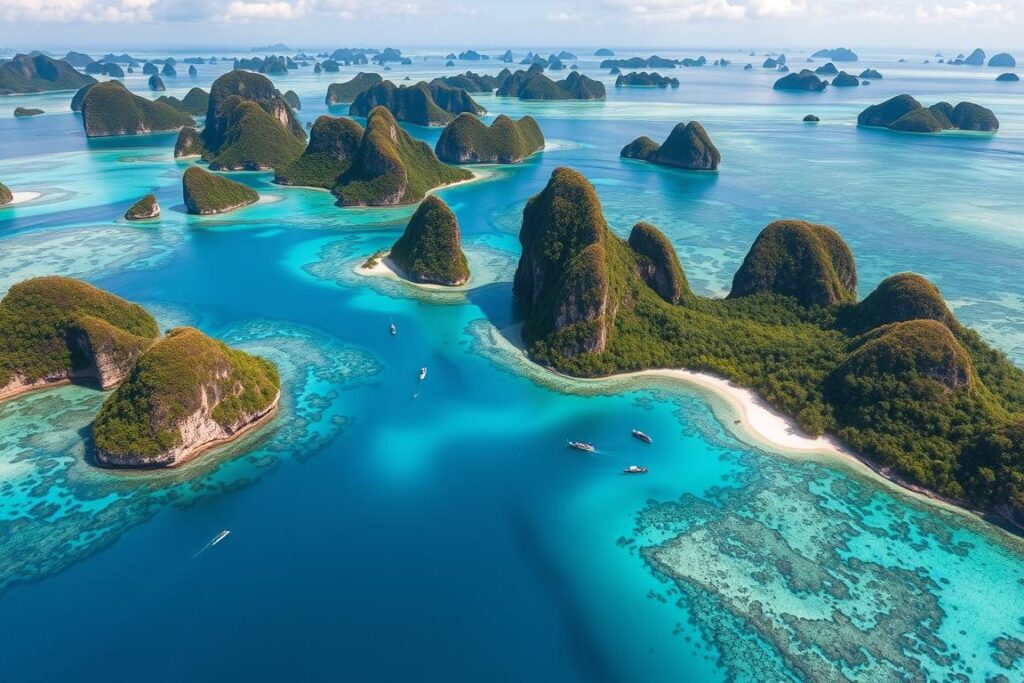
Located off the northwest tip of Papua, Raja Ampat is widely regarded as the epicenter of marine biodiversity with more species of fish and coral than anywhere else on Earth. This remote archipelago offers pristine diving and island scenery.
Raja Ampat Highlights
- Diving and snorkeling – Unparalleled marine biodiversity with over 1,500 fish species
- Wayag Islands – Iconic karst islands and viewpoint
- Pianemo – Stunning lagoon viewpoint
- Kabui Bay and Passage – Narrow channel between limestone cliffs
- Traditional villages – Experience Papuan culture and hospitality
- Birdwatching – Spot Wilson’s and Red Birds of Paradise
Raja Ampat is remote and expensive to reach, but the extraordinary natural beauty makes it worth the effort. Plan for at least 5-7 days to justify the journey.
Sumatra: Wildlife & Adventure
Indonesia’s largest island is a wild frontier of dense rainforests, volcanic lakes, and endangered wildlife. Sumatra offers authentic adventures for travelers seeking experiences off the beaten path.
Sumatra Must-See Destinations
- Bukit Lawang – Orangutan trekking in Gunung Leuser National Park
- Lake Toba – World’s largest volcanic lake with Samosir Island
- Mentawai Islands – World-class surfing and indigenous culture
- Kerinci Seblat National Park – Sumatra’s highest volcano and tiger habitat
- Weh Island – Excellent diving and relaxed atmosphere

Top Activities & Experiences in Indonesia
Indonesia offers endless possibilities for adventure, relaxation, and cultural immersion. Here are some of the best experiences to add to your itinerary.
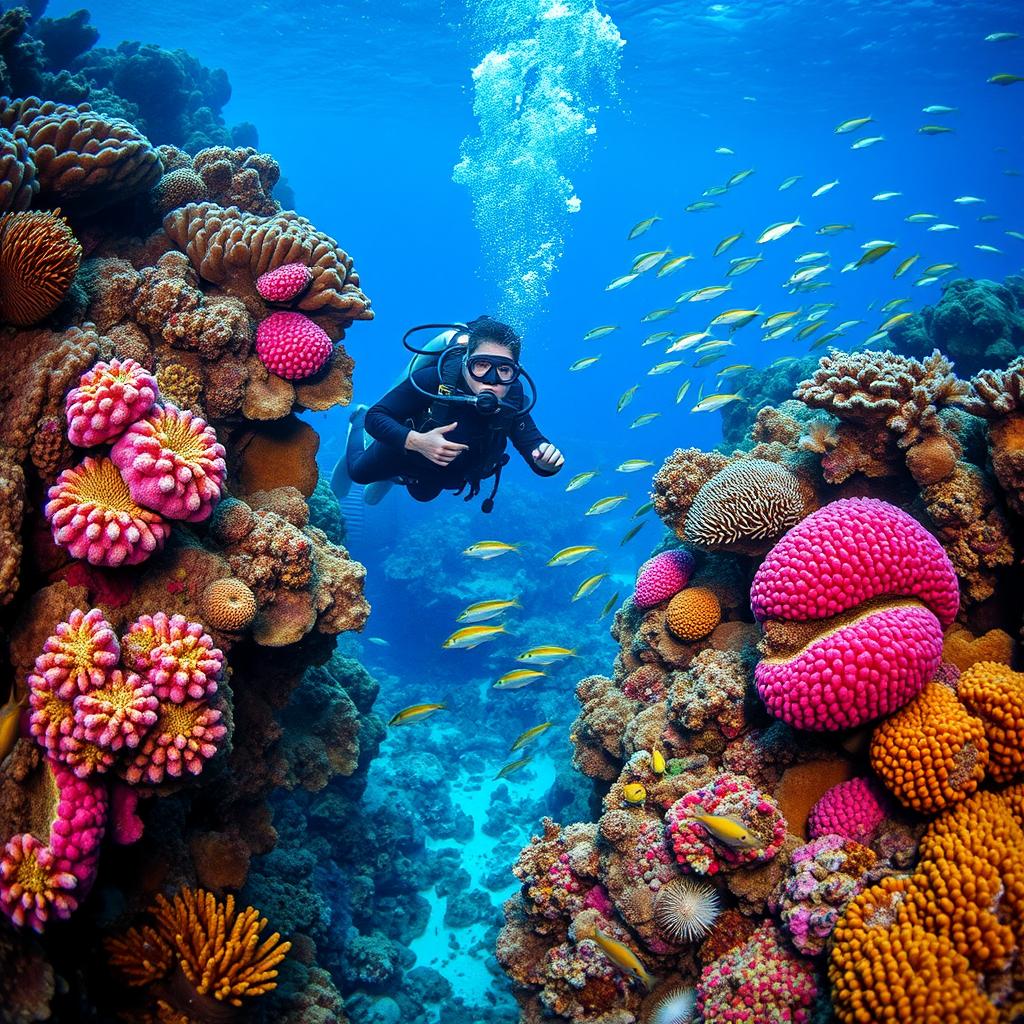
Diving & Snorkeling
Indonesia sits within the Coral Triangle, offering world-class diving. Top spots include Raja Ampat, Komodo, the Gili Islands, Bunaken, and Wakatobi. Even beginners can enjoy incredible marine life just offshore at many beaches.

Surfing
From beginner-friendly breaks to world-class waves, Indonesia is a surfer’s paradise. Bali’s Kuta and Canggu, Lombok’s Desert Point, and G-Land in Java offer excellent surfing. The Mentawai Islands feature some of the world’s most perfect waves.
Volcano Trekking
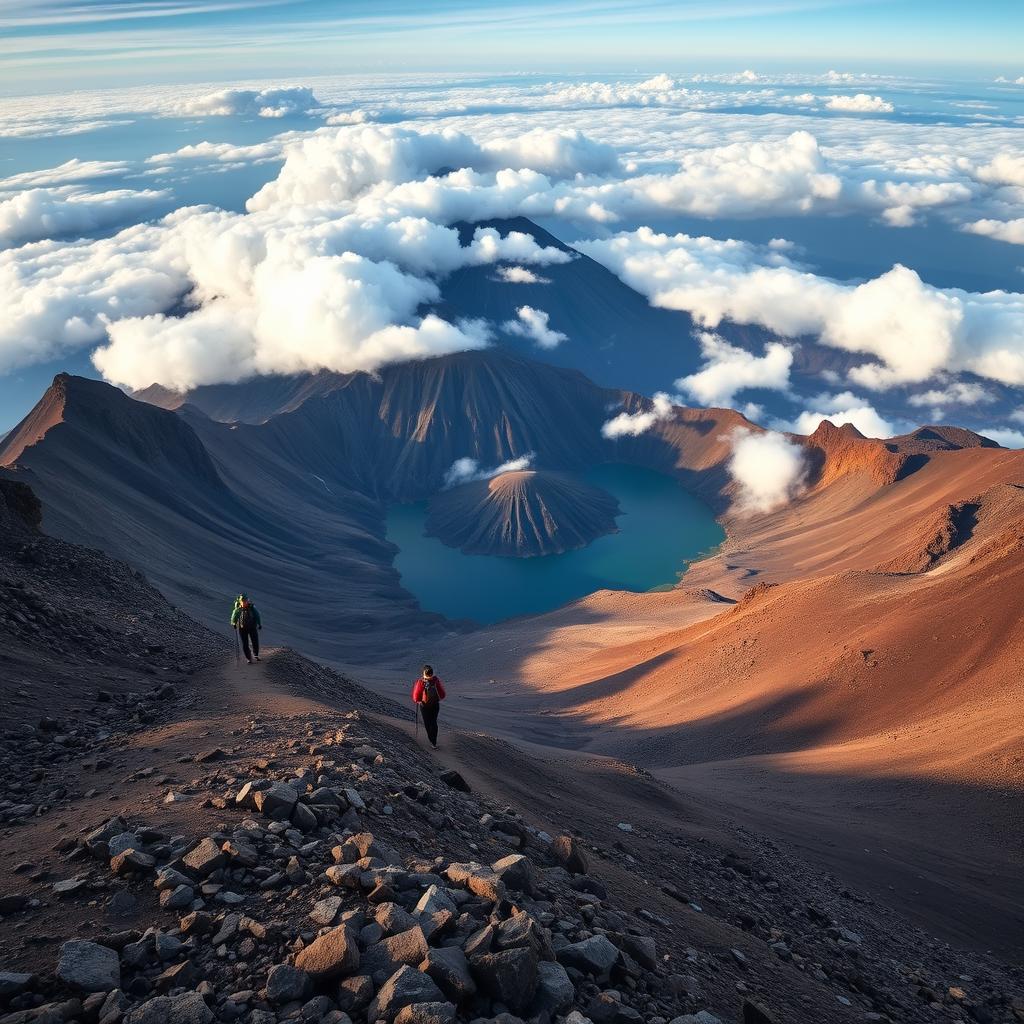
Indonesia has 127 active volcanoes, many offering spectacular hiking opportunities. Popular treks include Mount Rinjani (Lombok), Mount Bromo and Ijen (Java), and Mount Batur (Bali). Most require guides and range from easy 2-hour hikes to challenging multi-day expeditions.
Cultural Experiences
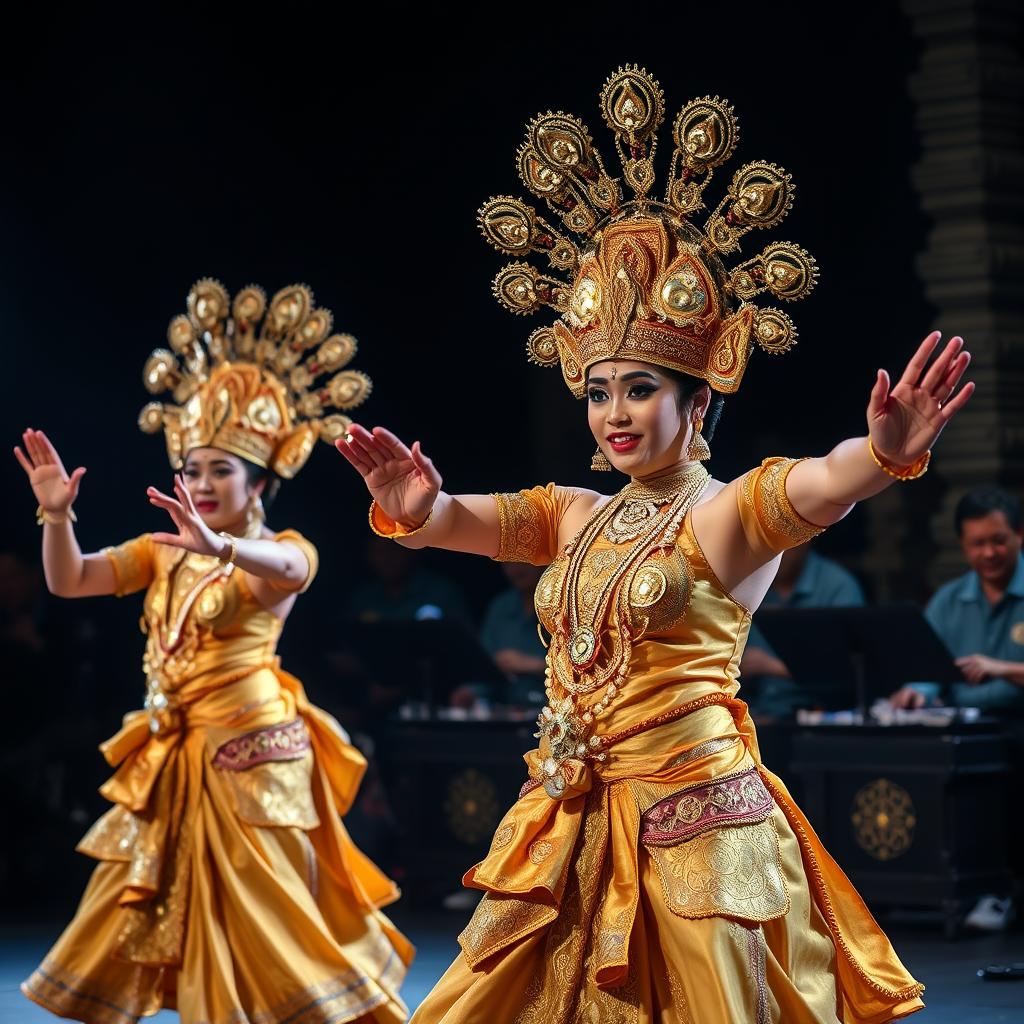
Immerse yourself in Indonesia’s diverse cultures through traditional dance performances, craft workshops, and temple visits. Don’t miss the Ramayana Ballet at Prambanan, a traditional Balinese dance, or a visit to a Toraja funeral ceremony in Sulawesi.
Wildlife Encounters
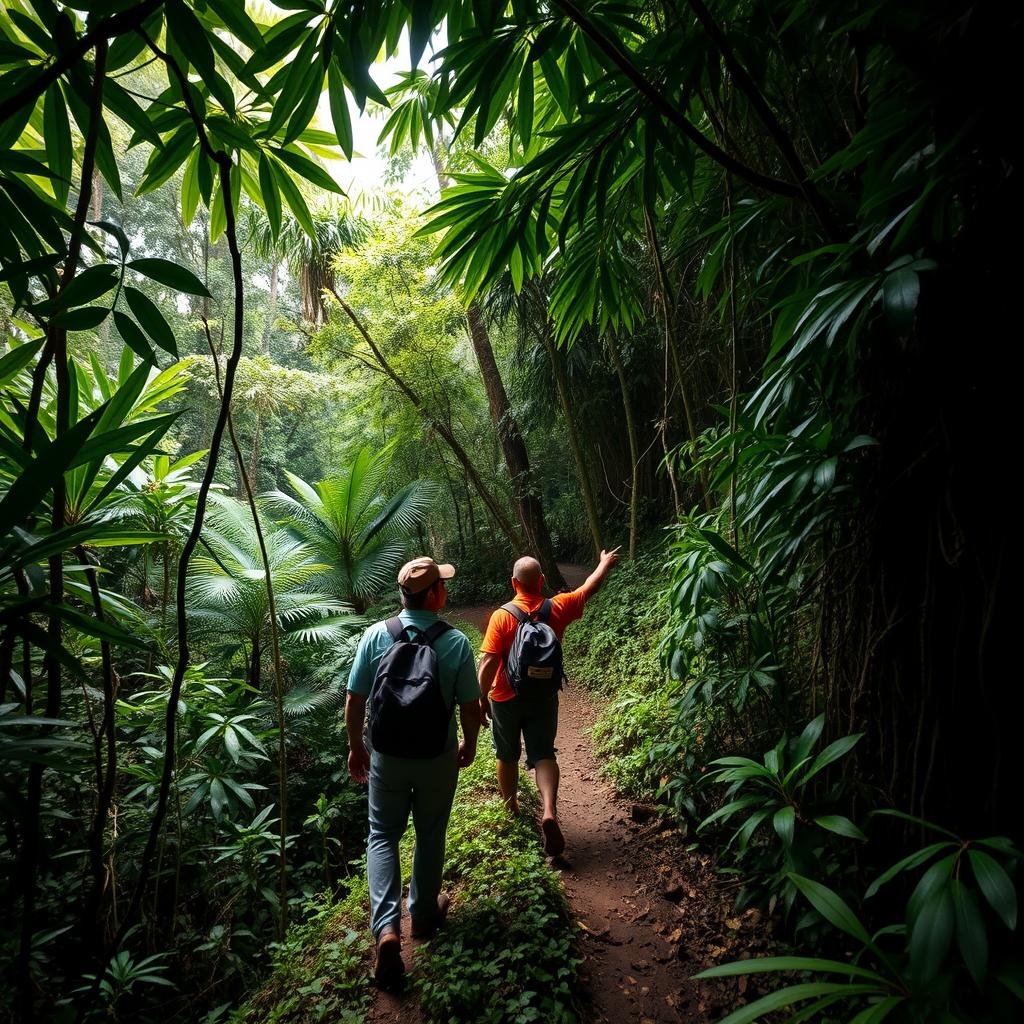
Indonesia hosts incredible biodiversity. Trek to see orangutans in Sumatra or Borneo, spot Komodo dragons in their natural habitat, watch birds of paradise in Papua, or encounter tarsiers and black macaques in Sulawesi.
Culinary Adventures
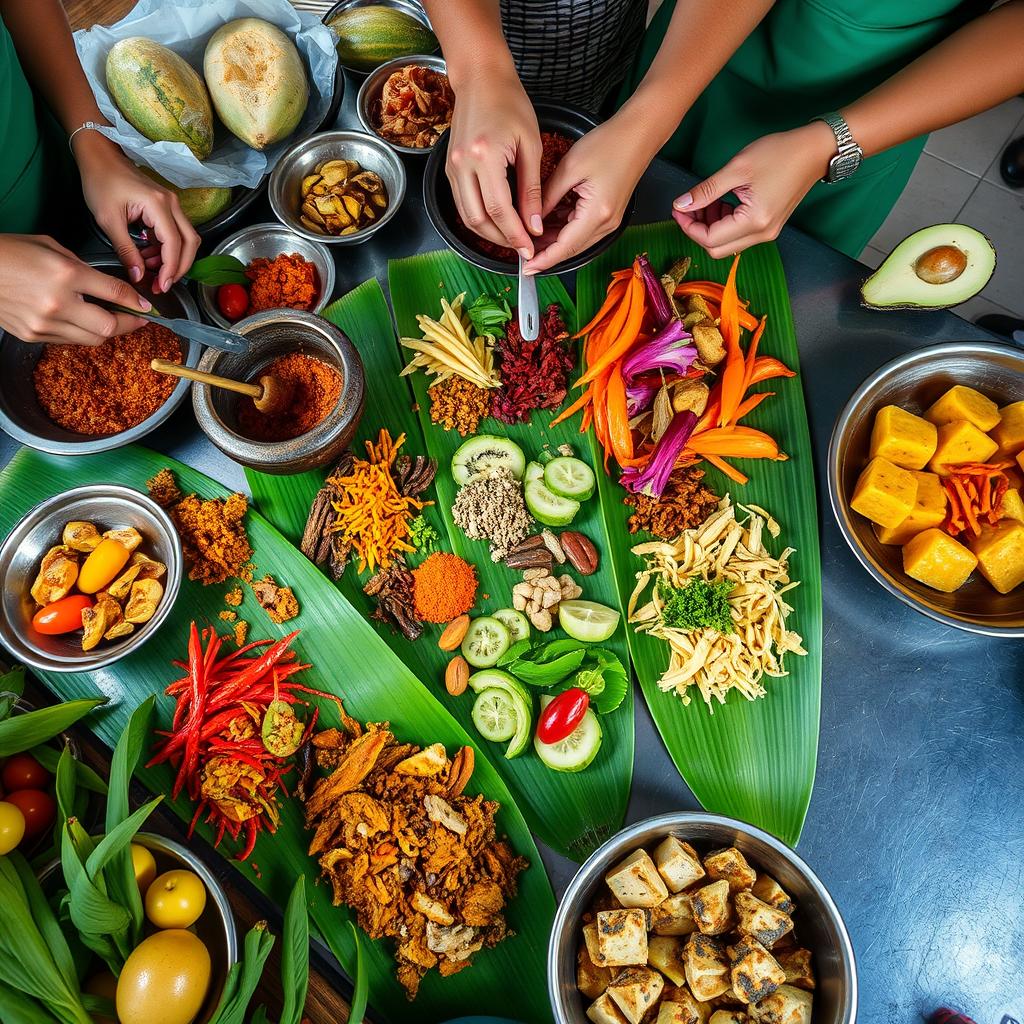
Take a cooking class to learn the secrets of Indonesian cuisine. Market tours followed by hands-on cooking lessons are available in most tourist areas. Ubud, Yogyakarta, and Jakarta offer some of the best culinary experiences.
Where to Stay in Indonesia
Indonesia offers accommodation for every budget and travel style, from basic homestays to luxurious resorts. Here’s what to expect across different price ranges.
Budget Options
$5-30 USD/night
- Hostels – Abundant in Bali, Lombok, and Java with dorms from $5-15 USD
- Homestays – Family-run accommodations offering cultural immersion
- Guesthouses – Simple private rooms with basic amenities
- Budget hotels – Clean, no-frills rooms often with AC and private bathroom
Best for: Backpackers, solo travelers, and those prioritizing experiences over accommodation.
Mid-Range Options
$30-100 USD/night
- Boutique hotels – Stylish properties with character and good amenities
- Eco-resorts – Sustainable accommodations in natural settings
- Bungalows – Private cottages often with garden or beach settings
- Airbnb rentals – Apartments and villas offering more space and facilities
Best for: Couples, families, and travelers seeking comfort without luxury prices.
Luxury Options
$100+ USD/night
- 5-star resorts – International standard luxury with full facilities
- Private villas – Exclusive properties with private pools and staff
- Beachfront resorts – Premium locations with direct beach access
- Luxury glamping – High-end tent accommodations in spectacular settings
Best for: Honeymooners, special occasions, and travelers seeking premium experiences.
Find Your Perfect Stay in Indonesia
Compare prices across hundreds of booking sites to find the best deals on Indonesia accommodations.
Indonesian Cuisine: A Culinary Journey
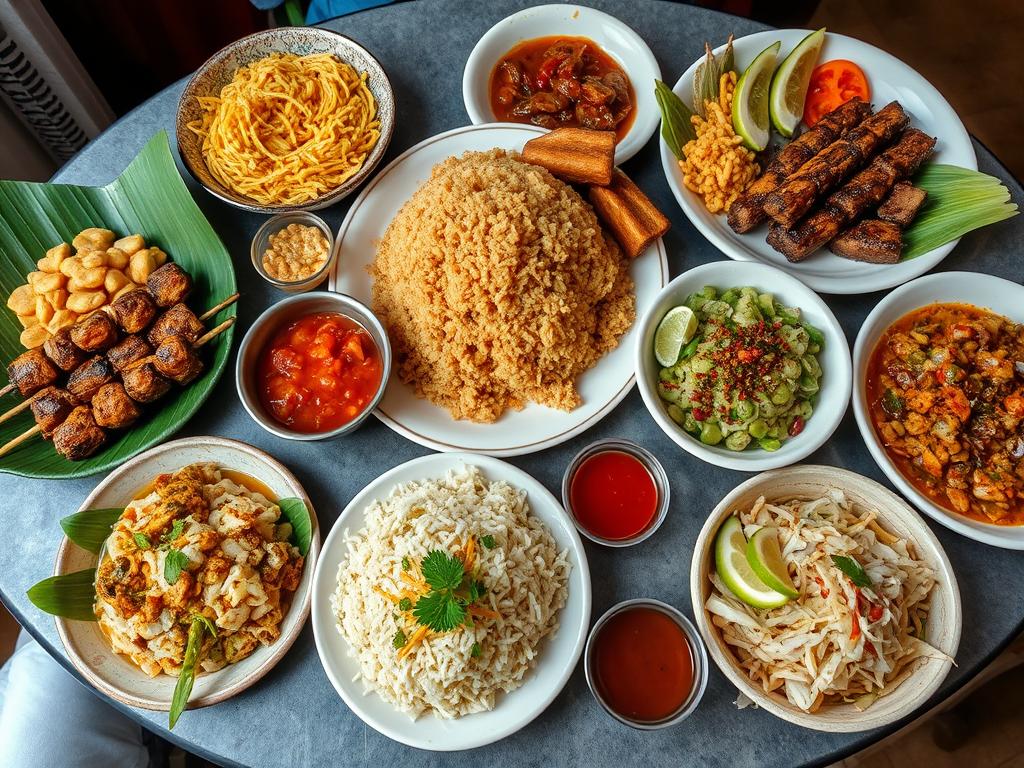
Indonesian food is a vibrant tapestry of flavors, blending indigenous cooking techniques with influences from China, India, the Middle East, and Europe. Each region has its own specialties, making culinary exploration a highlight of any visit.
Must-Try Indonesian Dishes
- Nasi Goreng – Fragrant fried rice with sweet soy sauce, considered Indonesia’s national dish
- Rendang – Slow-cooked beef in coconut milk and spices from West Sumatra
- Satay – Grilled meat skewers with peanut sauce
- Gado-Gado – Vegetable salad with peanut dressing
- Soto – Aromatic soup with meat, vegetables, and herbs
- Bakso – Meatball soup loved by locals
- Nasi Padang – Steamed rice with multiple side dishes from Padang
- Babi Guling – Balinese roast suckling pig
Dining Tips
- Street food offers some of the most authentic and affordable meals
- Look for busy warungs (small family-owned restaurants) for the best local food
- Most dishes are halal, but Bali has pork specialties
- Vegetarian options are available but may require clear communication
- Sambal (chili sauce) is served with most meals – adjust spiciness to your preference
Getting Around Indonesia
Navigating the world’s largest archipelago presents unique challenges and adventures. Here’s how to get between and around Indonesia’s islands.
Between Islands
By Air
Flying is the most efficient way to cover Indonesia’s vast distances. Domestic carriers include:
- Garuda Indonesia – National airline with best safety record
- Lion Air Group – Budget airline with extensive network
- AirAsia Indonesia – Low-cost carrier with good regional connections
- Citilink – Garuda’s budget subsidiary
Book flights in advance during high season and holidays.
By Sea
Ferries connect many islands and range from basic to comfortable:
- PELNI ships – Large passenger vessels for longer routes
- Fast boats – Speed boats between nearby islands (Bali-Lombok-Gilis)
- Public ferries – Slow but affordable government-operated services
- Liveaboards – Multi-day boat trips in diving destinations
Always check safety standards and weather conditions before sea travel.
Combined Transport
Travel agencies offer convenient combined tickets:
- Bus + Ferry packages – Single tickets covering multiple transport modes
- Tourist shuttles – Door-to-door service between popular destinations
- Island-hopping tours – Guided multi-day trips covering several islands
These save time and hassle but cost more than public transportation.
On Islands
Ride-Hailing Apps
- Gojek – Indonesian super-app for motorbike taxis, cars, food delivery
- Grab – Southeast Asian app offering similar services
Download these apps before arrival for convenient, affordable transport in cities and tourist areas.
Rental Options
- Scooters/Motorbikes – Most popular rental option (30,000-100,000 IDR/day)
- Cars with driver – Affordable option for day trips (500,000-800,000 IDR/day)
- Self-drive cars – Available but challenging due to traffic conditions
- Bicycles – Good option for smaller islands like the Gilis
International driving permit required for legal vehicle rental.
Public Transport
- Angkot/Bemo – Small vans serving set routes in cities
- Ojek – Motorcycle taxis for short distances
- Becak/Pedicab – Three-wheeled cycle rickshaws in some cities
- Trans metro buses – Modern bus systems in Jakarta and some other cities
Cheap but can be crowded and challenging to navigate for visitors.
Safety Note: If renting a scooter, always wear a helmet, drive defensively, and ensure you have travel insurance that covers motorbike accidents. Traffic in Indonesia can be chaotic, especially in cities.
Cultural Tips & Etiquette
Indonesia’s diverse cultures share some common values around respect, harmony, and indirect communication. Understanding these cultural nuances will enrich your experience and help you connect with locals.
Respectful Behavior
- Dress modestly – Cover shoulders and knees when visiting temples or rural areas
- Remove shoes – Before entering homes, temples, and some businesses
- Use right hand – For eating, passing objects, and shaking hands
- Ask permission – Before photographing people, especially in rural areas
- Lower your head – When passing between people conversing
- Speak softly – Loud voices may be considered rude
Religious Sensitivity
- Temple etiquette – Wear a sarong and sash at Balinese temples (usually provided)
- Ramadan awareness – Be considerate about eating in public during fasting hours
- Friday prayers – Expect businesses to close briefly in Muslim areas
- Religious ceremonies – Don’t enter unless invited, and follow local guidance
- Sacred sites – Some areas may be off-limits to non-worshippers
“To understand Indonesia, remember that harmony is valued above directness. A smile and patience will open more doors than assertiveness.”
Communication Tips
Greetings
- A slight nod or bow shows respect
- “Selamat pagi” (good morning), “Selamat siang” (good day), “Selamat malam” (good evening)
- Handshakes are light, not firm
- Wait for women to extend their hand first
Body Language
- Avoid pointing with index finger (use thumb instead)
- Don’t touch someone’s head (considered sacred)
- Keep feet pointed away from people
- Public displays of affection are inappropriate
Saving Face
- Avoid public criticism or confrontation
- “Yes” might mean “I hear you” not “I agree”
- Indonesians may smile when uncomfortable
- Practice patience during negotiations
Sustainable Travel in Indonesia
Indonesia faces significant environmental challenges including deforestation, plastic pollution, and coral reef degradation. As visitors, we can make choices that minimize negative impacts and support conservation efforts.
Eco-Friendly Practices
- Refuse single-use plastics – Bring a reusable water bottle with filter, straw, and shopping bag
- Choose responsible operators – Support tour companies with environmental policies
- Conserve water – Many islands face freshwater shortages
- Respect wildlife – Maintain proper distance and never feed animals
- Stay on trails – Prevent erosion and habitat disturbance when hiking
- Use reef-safe sunscreen – Protect coral when swimming and diving
Supporting Local Communities
- Buy local products – Purchase souvenirs directly from artisans
- Eat local cuisine – Support family-run warungs and food stalls
- Choose community-based tourism – Stay in locally-owned accommodations
- Respect cultural sites – Follow guidelines at temples and ceremonies
- Learn basic Bahasa Indonesia – Locals appreciate visitors who make an effort
- Contribute to community initiatives – Support local environmental projects
Responsible Wildlife Tourism
When viewing wildlife in Indonesia, choose ethical experiences that prioritize animal welfare and conservation. Avoid attractions offering elephant rides, wildlife selfies, or performances by captive animals. Instead, support sanctuaries and guided wildlife viewing in natural habitats.
Travel Resources for Indonesia
Planning your Indonesia adventure is easier with the right tools and services. Here are our recommended resources to help you organize a smooth and enjoyable trip.
Flights
- Skyscanner – Compare flights across airlines
- AirAsia – Budget flights within Southeast Asia
- Garuda Indonesia – National airline with best safety record
Accommodation
- Booking.com – Wide selection across all budgets
- Hostelworld – Best for budget and social options
- Airbnb – Unique stays and local experiences
Tours & Activities
- GetYourGuide – Day tours and activities
- Klook – Discounted attractions and experiences
- Viator – Wide range of guided tours
Transportation
Travel Insurance
- World Nomads – Coverage for adventure activities
- SafetyWing – Subscription-based travel insurance
- Allianz – Comprehensive coverage options
Useful Apps
- Gojek/Grab – Transportation and food delivery
- Google Translate – Download Indonesian language pack
- Maps.me – Offline maps for remote areas
- XE Currency – Currency converter
Stay Updated on Indonesia Travel
Subscribe to our newsletter for the latest Indonesia travel tips, hidden gems, and exclusive deals.
Frequently Asked Questions About Indonesia Travel
Is Indonesia safe for tourists?
Indonesia is generally safe for tourists, with low rates of violent crime. The main concerns are petty theft in crowded areas, scams targeting tourists, and natural hazards like volcanoes and earthquakes. Exercise normal precautions, be respectful of local customs, and stay informed about any travel advisories. The most dangerous activity for tourists is often motorbike riding without proper experience or helmets.
What’s the best time to visit Indonesia?
The dry season (May to September) is generally considered the best time to visit most of Indonesia, with sunny days and lower humidity. However, this coincides with the high tourist season, especially in July and August. The shoulder months of May, June, and September offer a good balance of pleasant weather and fewer crowds. The rainy season (October to April) brings brief daily downpours but also lush landscapes and lower prices.
How many days do I need to visit Indonesia?
Indonesia is vast, and the time needed depends on your interests and destinations. For a single island like Bali, allow at least 7-10 days. To experience multiple islands, 2-3 weeks is recommended. A comprehensive tour covering several major islands would ideally require 3-4 weeks or more. Remember that travel between islands can take time, so don’t try to pack too many destinations into a short trip.
Is Indonesia expensive to visit?
Indonesia can be very affordable compared to Western countries or even neighboring Singapore. Budget travelers can get by on -40 USD per day, including accommodation, food, and some activities. Mid-range travelers should budget -100 USD daily, while luxury experiences start from 0 USD per day. Bali and Jakarta tend to be more expensive than other regions. Remote destinations like Raja Ampat have higher costs due to limited infrastructure and transportation expenses.
Do I need vaccinations for Indonesia?
While no vaccinations are officially required for entry to Indonesia (except for yellow fever if arriving from an infected area), health professionals recommend being up-to-date on routine vaccines plus hepatitis A, typhoid, and tetanus. Depending on your activities and destinations, you might also consider Japanese encephalitis, rabies, and hepatitis B. Malaria prevention may be necessary for certain regions, particularly in eastern Indonesia. Consult a travel health specialist 4-8 weeks before your trip for personalized advice.
Is it safe for solo female travelers in Indonesia?
Indonesia is generally safe for solo female travelers, especially in tourist areas. However, it’s advisable to dress modestly outside of beach areas (particularly in more conservative regions), be cautious when out alone at night, and be aware that unwanted attention can occur. Many solo female travelers explore Indonesia without problems, but it’s wise to research specific destinations, as the experience can vary between cosmopolitan Jakarta, tourist-friendly Bali, and more traditional areas.
Ready to Explore Indonesia?
From the spiritual tranquility of Bali to the untamed wilderness of Papua, Indonesia offers endless adventures for every type of traveler. This diverse archipelago rewards those who venture beyond the tourist hotspots to discover its authentic heart.
Remember that Indonesia’s greatest treasures are not just its stunning landscapes but also its warm, welcoming people and rich cultural heritage. Take time to connect with locals, learn a few phrases in Bahasa Indonesia, and embrace the relaxed pace of island life.
Whether you’re planning your first visit or returning to explore more of this fascinating country, we hope this Indonesia travel guide helps you create unforgettable memories in one of Southeast Asia’s most captivating destinations.
Plan Your Indonesian Adventure
Start your journey with our curated resources for an unforgettable Indonesia experience.