

Welcome to Taiwan, the “Beautiful Island” where ancient traditions blend seamlessly with cutting-edge modernity. This compact island nation packs an incredible diversity of experiences into its borders – from bustling night markets and tranquil hot springs to dramatic mountain gorges and pristine beaches. Whether you’re drawn to vibrant city life, outdoor adventures, cultural immersion, or culinary exploration, Taiwan offers unforgettable experiences for every type of traveler. This comprehensive Taiwan travel guide will help you navigate this fascinating destination with insider tips, practical advice, and a carefully crafted itinerary to make your journey truly memorable.
Taiwan at a Glance: Geography, Culture, and Uniqueness
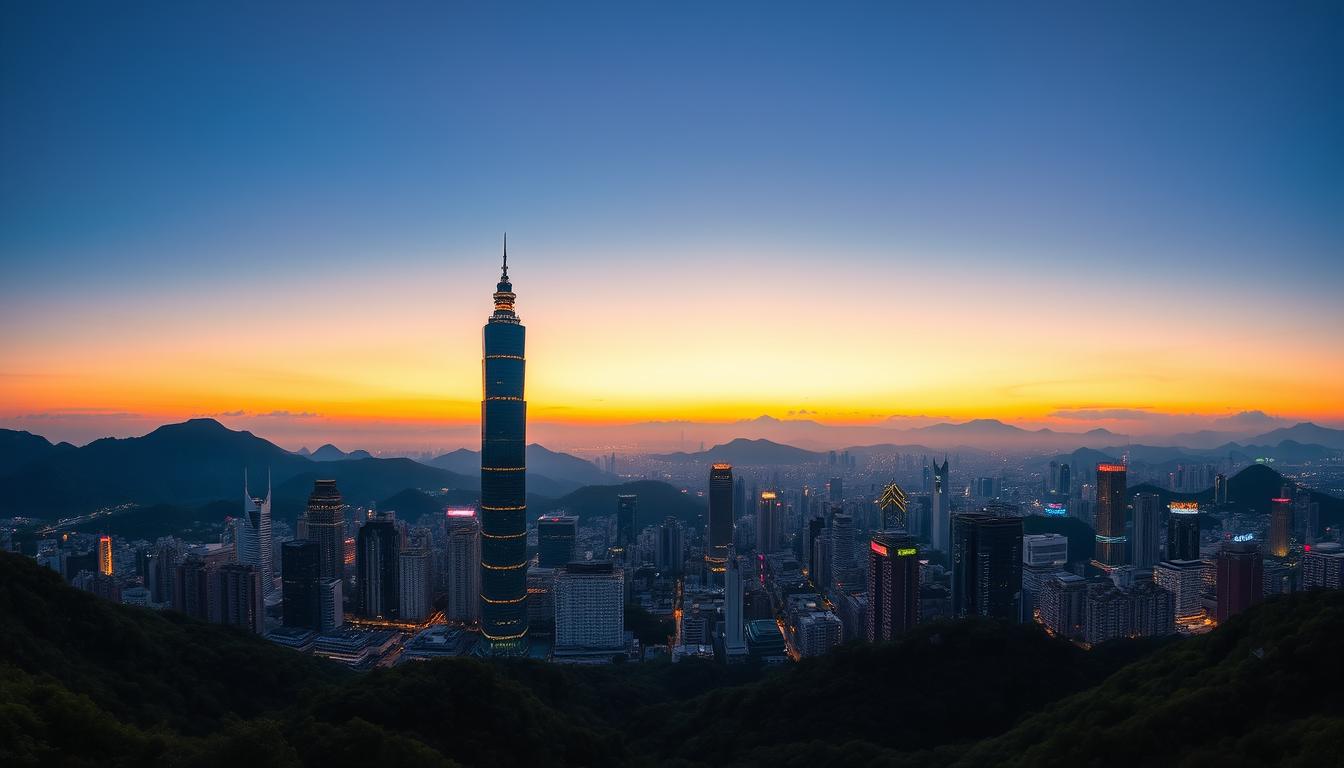
Taiwan’s capital Taipei showcases the perfect blend of urban development and natural beauty
Taiwan is a small island nation located off the southeastern coast of mainland China, with Japan to the northeast and the Philippines to the south. Despite its modest size (about 36,000 square kilometers), Taiwan boasts remarkable geographic diversity – from the dramatic peaks of the Central Mountain Range to pristine Pacific coastlines, lush forests, and fertile plains.
What makes Taiwan truly special is its unique cultural identity, shaped by indigenous traditions, Chinese heritage, Japanese colonial influence, and modern global connections. This cultural tapestry is evident in Taiwan’s architecture, cuisine, festivals, and daily life. The Taiwanese people are known for their exceptional hospitality, making visitors feel welcome wherever they go.
Taiwan stands out among Asian destinations for several reasons: its exceptional public transportation system makes independent travel easy; its night market culture offers affordable and authentic culinary adventures; its high safety standards provide peace of mind for solo travelers; and its perfect balance of developed infrastructure and unspoiled natural beauty creates endless exploration opportunities.
Ready to explore Taiwan’s diverse regions?
Discover detailed guides for each of Taiwan’s unique areas – from bustling Taipei to the serene east coast.
Best Time to Visit Taiwan: Seasonal Guide
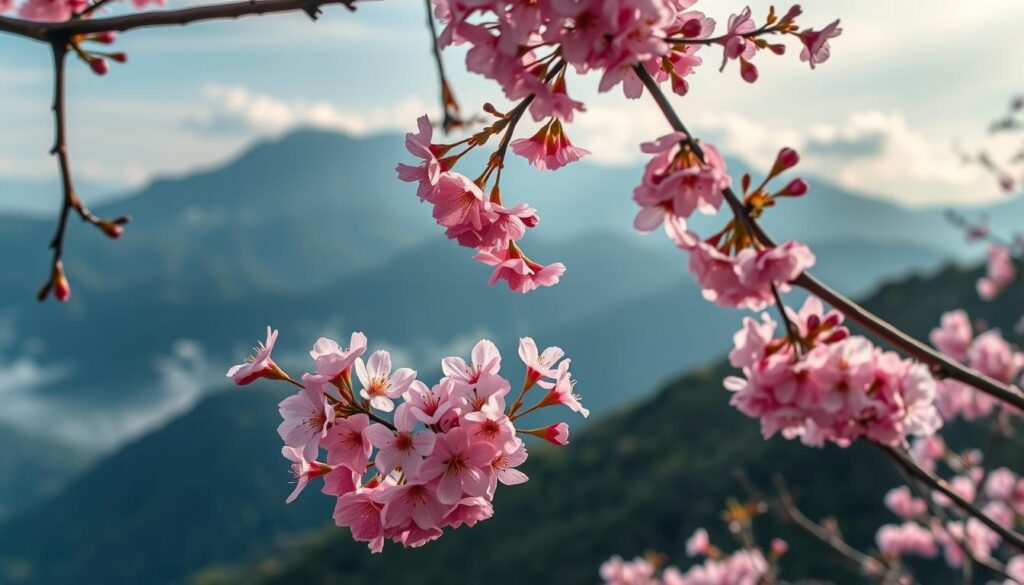
Spring in Taiwan brings beautiful cherry blossoms, particularly in mountain areas like Alishan
Taiwan enjoys a subtropical climate, with variations between the northern and southern regions. Understanding the seasonal patterns will help you plan your visit to align with your preferred activities and experiences.
Spring (March to May)
Spring is one of the most pleasant times to visit Taiwan. Temperatures range from 18-27°C (64-80°F) with moderate rainfall. Cherry blossoms bloom in February and March, particularly in mountain areas like Yangmingshan and Alishan. Spring also brings the colorful Lantern Festival (typically in February) and the exciting Dragon Boat Festival (usually in June).
Summer (June to August)
Summers in Taiwan are hot and humid, with temperatures ranging from 27-32°C (80-90°F). This is also typhoon season, with the highest rainfall of the year. Despite the heat, summer offers great opportunities for beach activities in Kenting, river tracing adventures, and enjoying shaved ice desserts at night markets. The Ghost Festival in August provides fascinating cultural insights.
Autumn (September to November)
Like spring, autumn offers comfortable temperatures between 19-28°C (66-82°F) with less rainfall. The Mid-Autumn Festival (September/October) is a major celebration featuring mooncakes, barbecues, and lanterns. Fall foliage in the mountains creates spectacular scenery, making it ideal for hiking and outdoor exploration.
Winter (December to February)
Winters are mild in Taiwan, with temperatures ranging from 15-20°C (59-68°F) in the north and slightly warmer in the south. While Taipei can be chilly and rainy, southern Taiwan remains pleasant. Winter is perfect for enjoying hot springs and experiencing Lunar New Year celebrations (January/February), Taiwan’s most important festival.
Major Festivals in Taiwan
| Festival | Date | Description |
| Lunar New Year | January/February | Taiwan’s most important holiday featuring family reunions, red envelopes, and elaborate feasts |
| Lantern Festival | February (15th day of Lunar New Year) | Spectacular lantern displays, folk performances, and lantern riddles |
| Dragon Boat Festival | May/June | Exciting dragon boat races and traditional zongzi (rice dumplings) |
| Ghost Festival | August/September | Rituals to honor ancestors and appease wandering spirits |
| Mid-Autumn Festival | September/October | Moon viewing, family gatherings, and mooncake sharing |
Plan your visit around Taiwan’s festivals
Get the complete festival calendar to time your trip perfectly
Getting Around Taiwan: Transportation Guide

Taiwan’s efficient High Speed Rail connects major cities along the western corridor
Taiwan boasts one of Asia’s most efficient and user-friendly transportation systems, making it remarkably easy to navigate even for first-time visitors. From high-speed trains to convenient metro systems and ubiquitous buses, getting around is a breeze.
Taiwan’s EasyCard System
The EasyCard (悠遊卡, Yōuyóu kǎ) is Taiwan’s rechargeable smart card that works across multiple transportation systems and convenience stores. Purchase one at any MRT station, convenience store, or the airport for NT$100 (plus credit amount). Simply tap when entering and exiting transportation services. This essential travel tool saves time and offers discounted fares on most public transport.
Taipei Metro (MRT)
Taipei’s comprehensive MRT system is clean, efficient, and features English signage throughout. Trains run from approximately 6am to midnight, with fares ranging from NT$20-65 based on distance. The color-coded lines make navigation simple, and announcements are made in Mandarin, Taiwanese, Hakka, and English.
Taiwan Railways and High Speed Rail
Two rail systems serve Taiwan: the traditional Taiwan Railways Administration (TRA) and the Taiwan High Speed Rail (THSR). The TRA network is extensive, reaching most towns and cities with various train classes at different price points. The THSR runs along the western corridor from Taipei to Kaohsiung, cutting travel time to just 1.5 hours (compared to 4-5 hours on regular trains). Both systems offer online booking with English interfaces.
Buses
Buses complement the rail network, reaching areas trains don’t serve. City buses are frequent and affordable, while intercity buses offer comfortable service between major destinations. In Taipei, look for the convenient tourist shuttle buses that connect major attractions.
Taxis and Ride-Sharing
Taxis are plentiful and relatively affordable in Taiwan’s cities. Most drivers don’t speak English, so have your destination written in Chinese or saved on your phone. Uber operates in major cities, providing an English-friendly alternative.
Scooters and Bicycles
Scooters are Taiwan’s most popular transportation mode among locals. Visitors can rent them with an International Driving Permit. For a more leisurely experience, Taiwan’s extensive bike paths and YouBike public bicycle sharing system make cycling a pleasant option, especially in Taipei.
Local Tip: Transportation Etiquette
Taiwanese public transportation has strong etiquette norms. Keep conversations quiet, don’t eat on trains or buses, give up priority seating to those who need it, and stand on the right side of escalators (leaving the left for walking). Following these customs will help you blend in with locals.
Top 5 Cities to Explore in Taiwan
1. Taipei: Taiwan’s Dynamic Capital
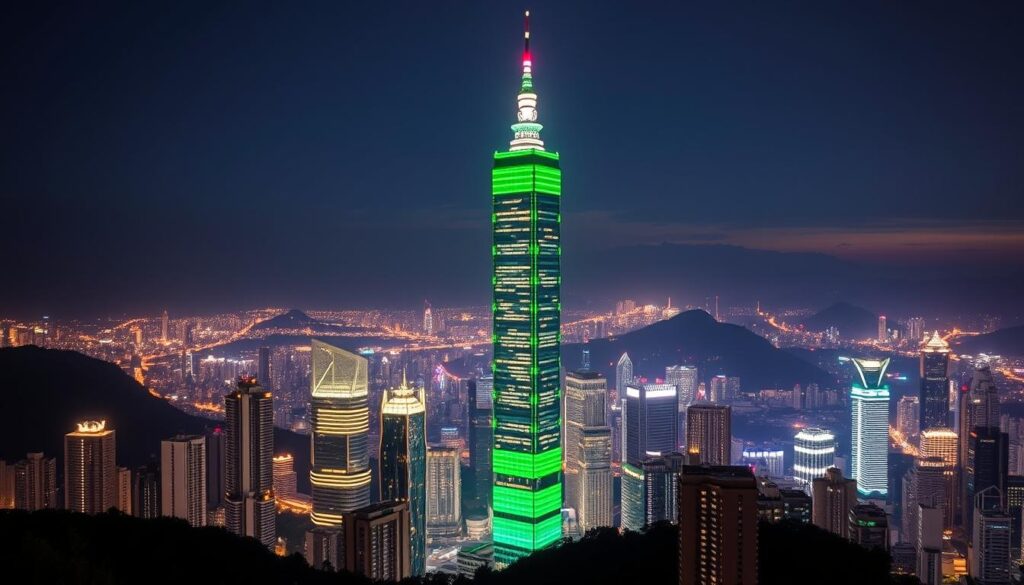
Taipei 101 dominates the skyline of Taiwan’s vibrant capital city
Taiwan’s capital is a fascinating blend of the ultramodern and the traditional. Taipei offers world-class shopping, dining, and nightlife alongside ancient temples and historic sites. Must-visit attractions include Taipei 101 (once the world’s tallest building), the National Palace Museum (housing the world’s largest collection of Chinese artifacts), Longshan Temple, and the Chiang Kai-shek Memorial Hall. Don’t miss the city’s vibrant night markets, particularly Shilin, Raohe, and Ningxia, where you can sample authentic Taiwanese street food.
For panoramic city views, hike up Elephant Mountain (Xiangshan) at sunset. When you need a break from urban exploration, Taipei’s excellent MRT system can quickly transport you to Beitou’s relaxing hot springs or Yangmingshan National Park’s volcanic landscapes.
2. Taichung: Cultural Heart of Taiwan
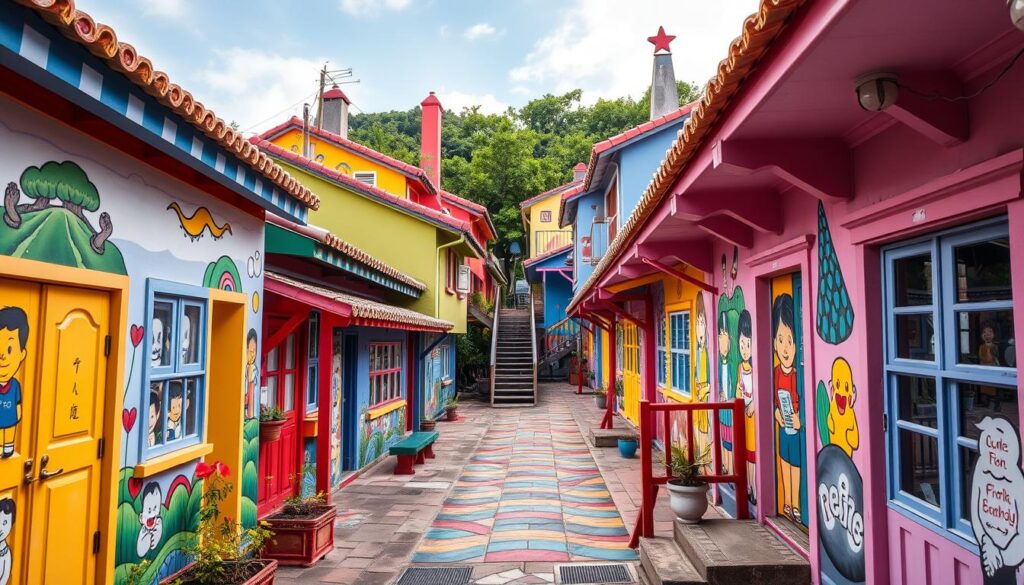
The vibrant Rainbow Village in Taichung showcases unique folk art
Taiwan’s second-largest city has transformed from an industrial center to a cultural hotspot. Taichung is known for its pleasant climate, innovative architecture, and thriving arts scene. Visit the National Taiwan Museum of Fine Arts, the quirky Rainbow Village (a military dependents’ village saved from demolition through colorful paintings), and the Instagram-worthy Miyahara Ice Cream shop housed in a historic ophthalmology clinic.
Taichung is also the birthplace of bubble tea, so don’t leave without trying this famous Taiwanese drink at Chun Shui Tang, where it was invented. The city serves as an excellent base for day trips to Sun Moon Lake, Taiwan’s largest natural lake, and the picturesque Xitou Bamboo Forest.
3. Tainan: Taiwan’s Historic Capital
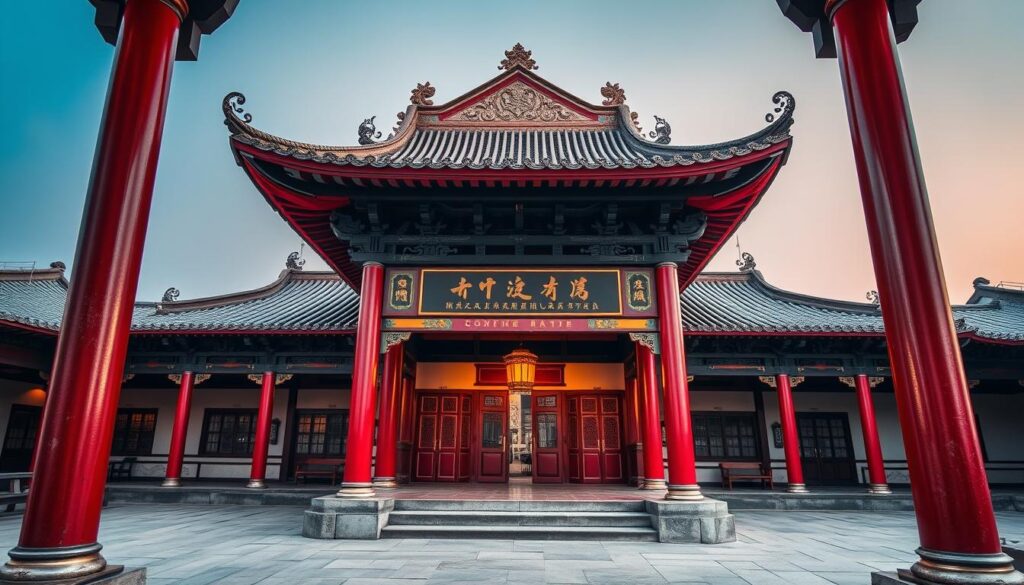
Tainan’s ancient Confucian Temple dates back to 1665
As Taiwan’s oldest city and former capital, Tainan is a treasure trove of history and tradition. The city boasts over 2,000 temples, including the Confucius Temple (Taiwan’s first) and Koxinga Shrine. History buffs will appreciate Fort Zeelandia (Anping Fort), built by Dutch colonists in the 17th century.
Tainan is widely considered Taiwan’s food capital, with distinctive local specialties like danzai noodles, milkfish, and shrimp rolls. The city’s narrow alleyways hide countless small eateries serving recipes passed down through generations. For a unique experience, visit the Anping Tree House, where massive banyan trees have engulfed an abandoned warehouse.
4. Kaohsiung: Harbor City Reinvented
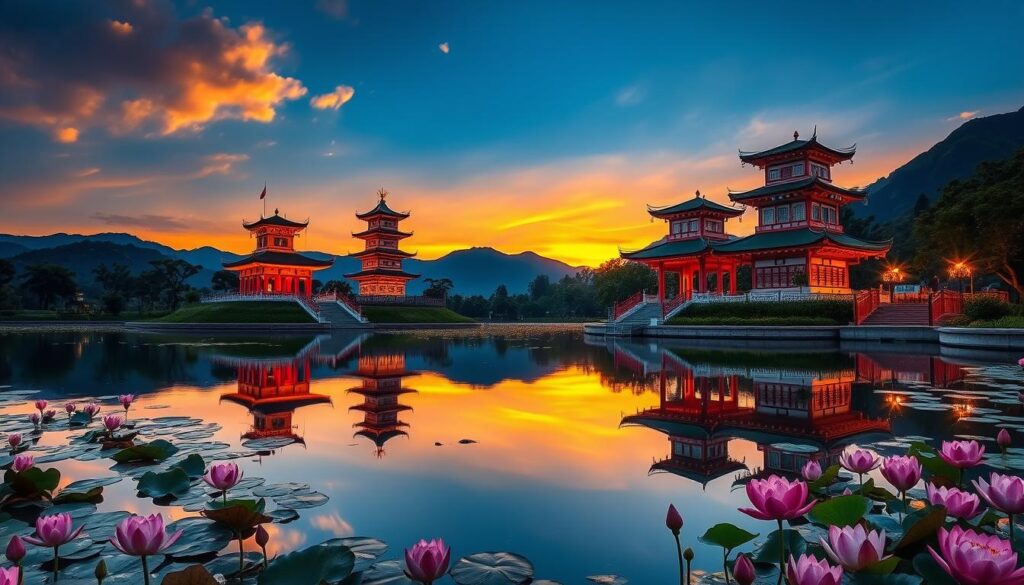
The iconic Dragon and Tiger Pagodas at Lotus Pond in Kaohsiung
Once primarily an industrial port, Kaohsiung has reinvented itself as a modern, livable city with wide boulevards, outdoor spaces, and cultural attractions. The Love River flowing through the city center is lined with parks, cafes, and bicycle paths. Don’t miss the Pier-2 Art Center, a former warehouse district transformed into a creative hub with galleries, shops, and public art.
Kaohsiung’s Lotus Pond is home to the famous Dragon and Tiger Pagodas – enter through the dragon’s mouth and exit through the tiger’s for good luck. For spectacular views, ride the glass-bottomed Ferris wheel at the Dream Mall or visit Cijin Island for seafood restaurants and black sand beaches. The city also serves as a gateway to Kenting National Park’s tropical beaches.
5. Hualien: Gateway to Natural Wonders
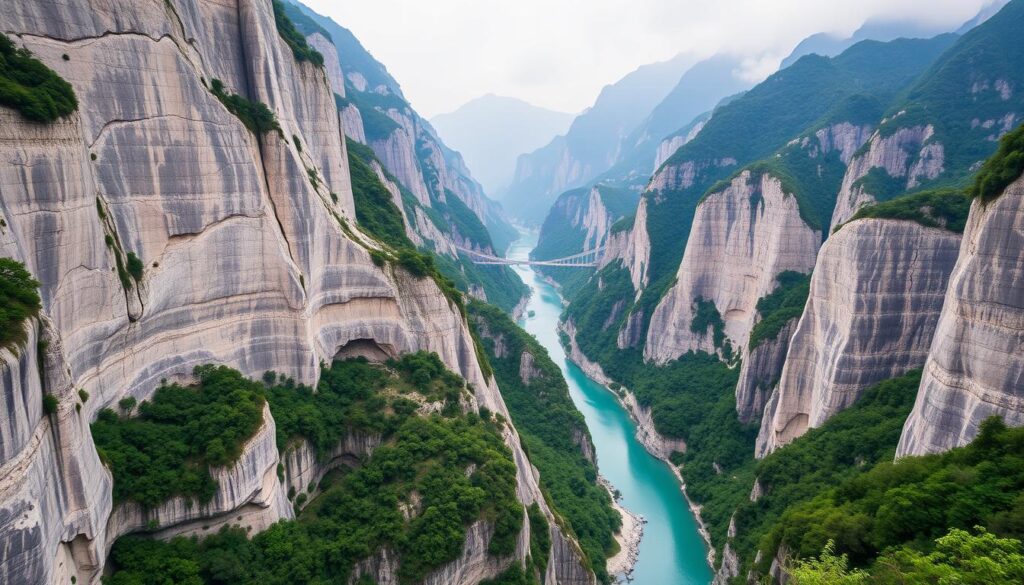
The dramatic marble cliffs of Taroko Gorge near Hualien
Located on Taiwan’s rugged east coast, Hualien provides access to some of the island’s most spectacular natural scenery. The city itself is relaxed and pleasant, with a vibrant night market and cultural sites celebrating the local indigenous communities. However, most visitors come for the nearby natural attractions.
Taroko Gorge, Taiwan’s premier natural wonder, features marble canyons, rushing rivers, and numerous hiking trails. The scenic East Rift Valley offers rice paddies, hot springs, and cycling routes through picturesque countryside. Qixingtan Beach combines unusual black pebbles with views of the coastal mountains. Adventure seekers can try river tracing, paragliding, or white-water rafting in the surrounding areas.
Explore Taiwan’s diverse cities
Book guided city tours with local experts who can show you hidden gems
Cultural Highlights: Experiencing Taiwan’s Rich Heritage
Night Markets: Taiwan’s Culinary Playgrounds
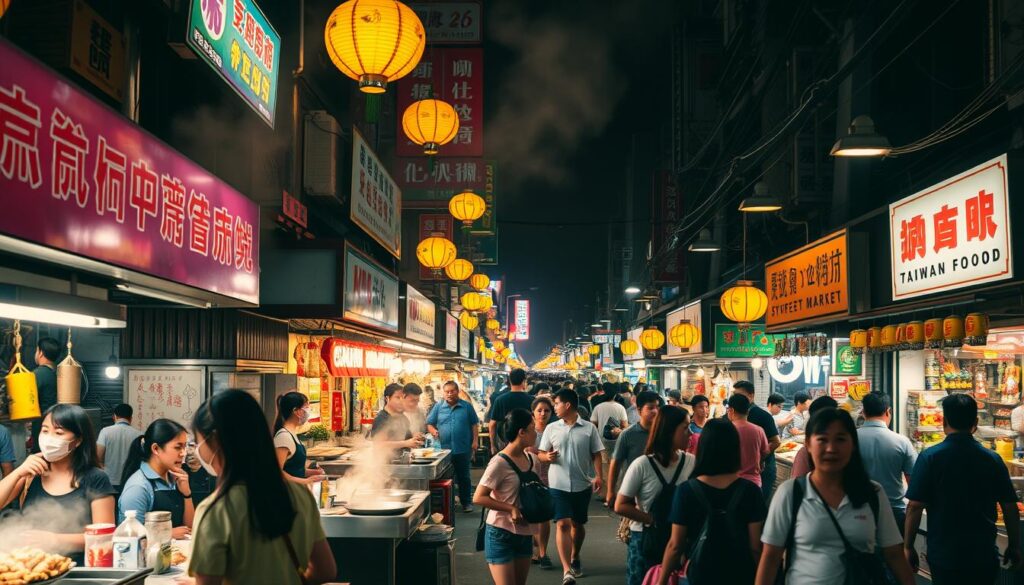
Taiwan’s vibrant night markets offer endless culinary adventures
Taiwan’s night markets are the beating heart of its food culture and social life. These bustling open-air bazaars come alive after dark, offering an intoxicating mix of aromas, flavors, and sounds. Beyond just food, night markets feature games, shopping, and entertainment, providing a complete cultural immersion.
Each night market has its own character and specialties. Taipei’s Shilin Night Market is the largest and most famous, while Raohe Street Night Market offers a more concentrated food experience. In Tainan, Huayuan Night Market specializes in traditional snacks, and Kaohsiung’s Liuhe Night Market is renowned for seafood.
Must-try night market foods include stinky tofu (fermented tofu with a strong aroma but delicious taste), oyster omelettes, scallion pancakes, bubble tea, and shaved ice desserts. Come hungry and be adventurous!
Temples: Sacred Spaces and Living Traditions
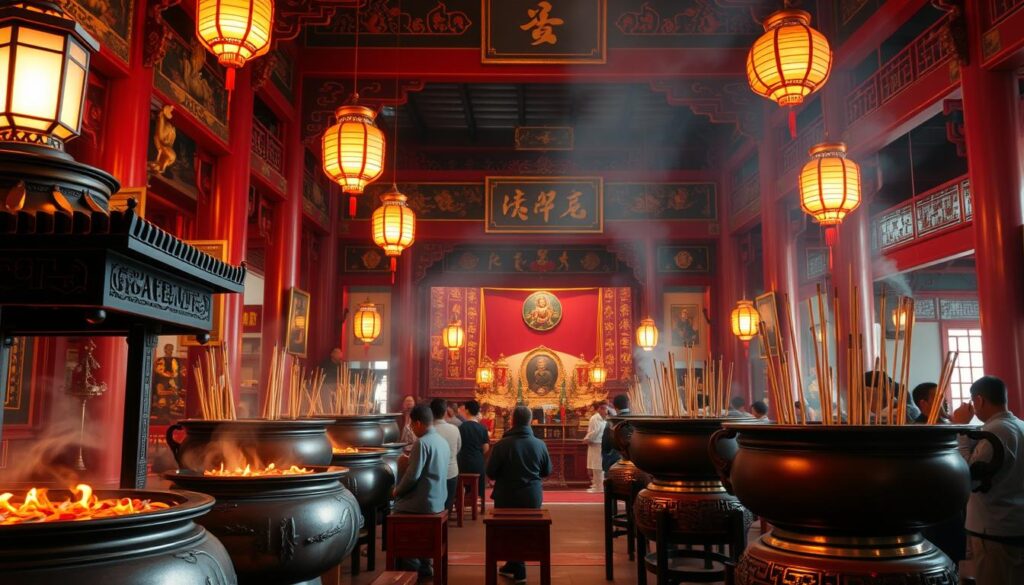
Taiwanese temples blend Buddhist, Taoist and folk religious traditions
Taiwan’s religious landscape is a fascinating blend of Buddhism, Taoism, Confucianism, and folk beliefs. The island is home to over 15,000 temples, ranging from grand architectural masterpieces to tiny neighborhood shrines. Unlike museums, these are living spaces where locals practice their faith daily.
In Taipei, Longshan Temple exemplifies the syncretic nature of Taiwanese religion, with deities from various traditions housed under one roof. Tainan’s Confucius Temple offers insight into the scholarly tradition that shaped East Asian society. For a more unusual experience, visit Fo Guang Shan Buddha Museum near Kaohsiung, a modern complex featuring the world’s tallest seated bronze Buddha.
When visiting temples, observe basic etiquette: dress modestly, speak quietly, ask before taking photos, and follow the clockwise direction when moving around the temple. Many temples offer fortune-telling services and ceremonial practices visitors can participate in.
Indigenous Cultures: Taiwan’s First Peoples
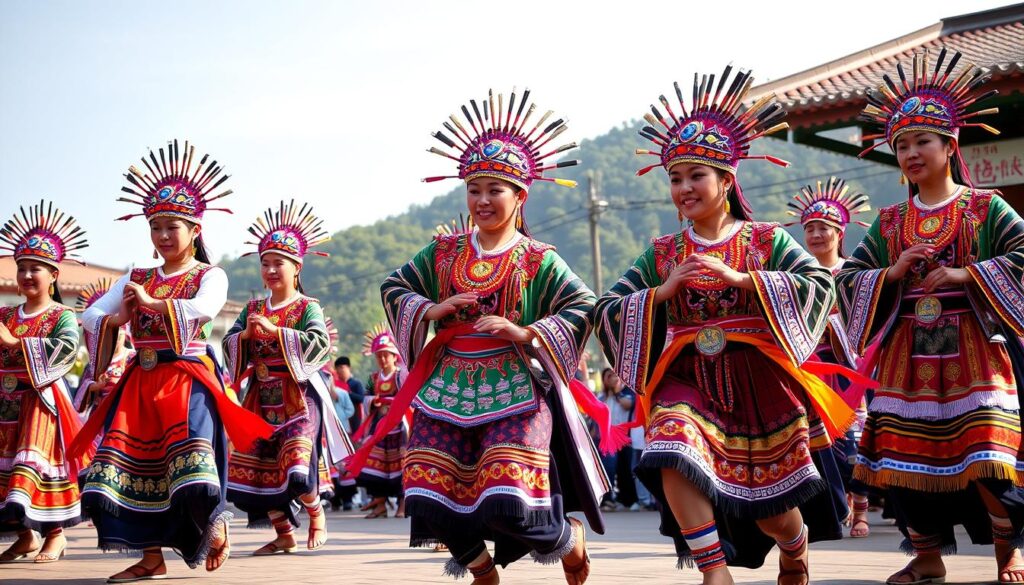
Taiwan’s indigenous tribes maintain their unique cultural traditions
Taiwan is home to 16 officially recognized indigenous tribes, each with distinct languages, customs, and traditions. These Austronesian peoples have inhabited the island for thousands of years before Chinese immigration began in the 17th century.
To learn about these cultures, visit the Shung Ye Museum of Formosan Aborigines in Taipei or the National Museum of Prehistory in Taitung. For more immersive experiences, consider visiting indigenous villages like Wulai (Atayal tribe) near Taipei, the Amis Folk Center in Hualien, or attending harvest festivals held throughout the year.
Indigenous cultural influences are evident in Taiwan’s music, crafts, and cuisine. Look for specialties like millet wine, wild boar dishes, and food cooked in bamboo tubes. Many indigenous communities now offer homestays, guided nature walks, and cultural performances that provide authentic insights while supporting local economies.
Hidden Gem: Beipu Hakka Village
Just 80km from Taipei, the historic Hakka village of Beipu offers a glimpse into the culture of the Hakka people, who migrated from mainland China centuries ago. Visit on weekends to experience the lively Beipu Old Street, sample traditional Hakka tea (lei cha), and explore the historic Citian Temple. The nearby Hexing Coal Mine provides fascinating industrial heritage.
Discover Taiwan’s cultural treasures
Join cultural workshops to learn traditional crafts, tea ceremonies, and more
Taiwan Food Guide: Culinary Adventures
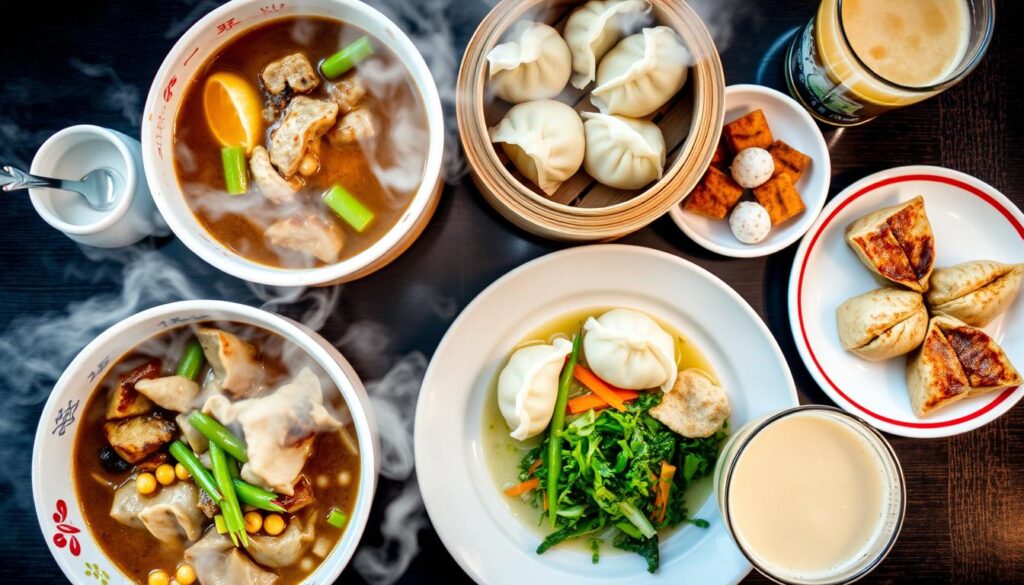
Taiwan’s diverse cuisine offers endless culinary discoveries
Taiwan’s food scene is a glorious melting pot of influences from various Chinese regional cuisines, Japanese colonial heritage, indigenous traditions, and modern innovations. Food is central to Taiwanese culture, and locals often greet each other with “Have you eaten yet?” rather than “How are you?”
Must-Try Taiwanese Dishes
Beef Noodle Soup (牛肉麵)
Taiwan’s unofficial national dish features tender braised beef, hand-pulled noodles, and a rich broth simmered with spices. The best versions are found at specialized shops in Taipei, particularly around Yongkang Street.
Xiaolongbao (小籠包)
These soup dumplings are delicate wonders of culinary engineering – thin wrappers encasing pork filling and hot soup. Din Tai Fung is world-famous for these, but many local restaurants serve excellent versions.
Gua Bao (割包)
Often called “Taiwanese hamburgers,” these fluffy steamed buns are filled with braised pork belly, pickled mustard greens, peanut powder, and cilantro – a perfect balance of flavors and textures.
Stinky Tofu (臭豆腐)
Don’t let the strong aroma deter you! This fermented tofu is typically deep-fried and served with pickled vegetables and sauce. The contrast between the crispy exterior and soft interior makes it addictively good.
Bubble Tea (珍珠奶茶)
Invented in Taiwan in the 1980s, this worldwide phenomenon combines tea, milk, and chewy tapioca pearls. Try the original at Chun Shui Tang in Taichung or explore countless variations throughout the island.
Oyster Omelette (蚵仔煎)
This night market favorite features small oysters cooked in an egg and sweet potato starch batter, topped with a tangy sauce. The contrasting textures make it uniquely satisfying.
Regional Specialties Across Taiwan
| Region | Famous Dishes | Where to Try |
| Taipei | Beef noodle soup, Xiaolongbao, Mango shaved ice | Yongkang Street, Din Tai Fung, Shilin Night Market |
| Taichung | Bubble tea, Sun cakes, Chicken rice | Chun Shui Tang, Miyahara, Feng Chia Night Market |
| Tainan | Danzai noodles, Milkfish, Shrimp rolls | Anping District, Huayuan Night Market |
| Kaohsiung | Papaya milk, Seafood, Pork knuckle | Liuhe Night Market, Cijin Island |
| Hualien | Aboriginal cuisine, Mochi, Wheat rice noodles | Dongdamen Night Market, Tribal restaurants |
Local Tip: Tea Culture
Taiwan produces some of the world’s finest oolong teas, particularly the high-mountain varieties grown above 1,000 meters. Visit a traditional teahouse to experience the Taiwanese tea ceremony, or take a day trip to Maokong (accessible by gondola from Taipei) to explore tea plantations and teahouses with mountain views.
Taste Taiwan like a local
Join a food tour to discover hidden culinary gems with expert guides
Outdoor Adventures: Taiwan’s Natural Wonders
Taroko Gorge: Taiwan’s Grand Canyon
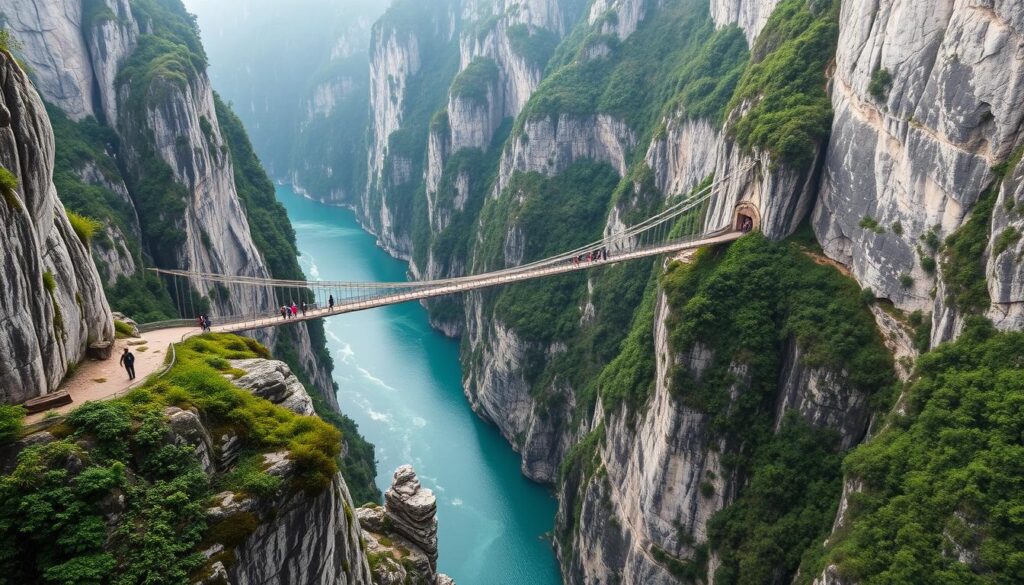
The dramatic Taroko Gorge features marble cliffs, rushing rivers and suspension bridges
Taroko National Park is Taiwan’s most spectacular natural attraction, featuring marble canyons, rushing rivers, and lush forests. The 19km-long Taroko Gorge was formed by the Liwu River cutting through the marble mountains over millions of years.
Several hiking trails offer different perspectives of the gorge. The Shakadang Trail follows a crystal-clear river with turquoise pools, while the challenging Zhuilu Old Trail rewards hikers with vertigo-inducing views from narrow cliff-hugging paths. The Swallow Grotto trail offers accessible views of the narrowest part of the canyon.
Based in nearby Hualien city, you can explore the gorge as a day trip or stay at the luxurious Silks Place Taroko within the park for early morning access before the tour buses arrive. The park also features hot springs, waterfalls, and aboriginal cultural sites.
Sun Moon Lake: Serene Mountain Retreat
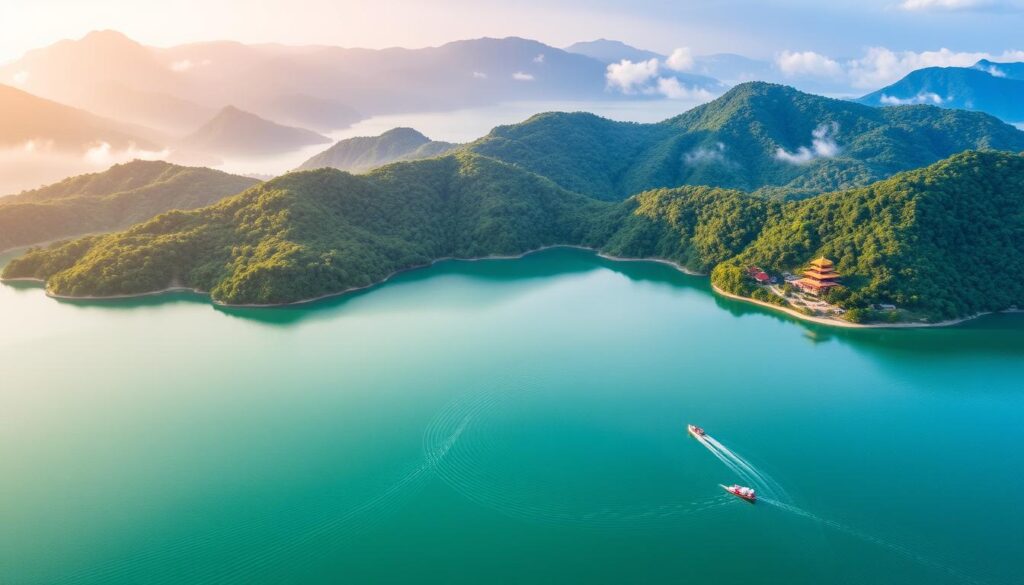
Sun Moon Lake is Taiwan’s largest natural lake, surrounded by mountains and cultural sites
Located in the mountains of central Taiwan, Sun Moon Lake is the island’s largest natural lake and one of its most popular scenic destinations. The lake is named for its shape – the eastern part resembles a sun while the western part resembles a moon.
A 29km bicycle path circles the lake, offering stunning views and access to cultural attractions like the Wenwu Temple, Ci-en Pagoda, and the Formosan Aboriginal Culture Village. Take a boat tour to Lalu Island in the center, considered sacred by the indigenous Thao people who have lived by the lake for centuries.
The area is particularly beautiful during cherry blossom season (February-March) and when autumn colors peak (November). The surrounding mountains offer hiking opportunities, while the lake itself is perfect for water sports and relaxation.
Yangmingshan: Volcanic Landscapes
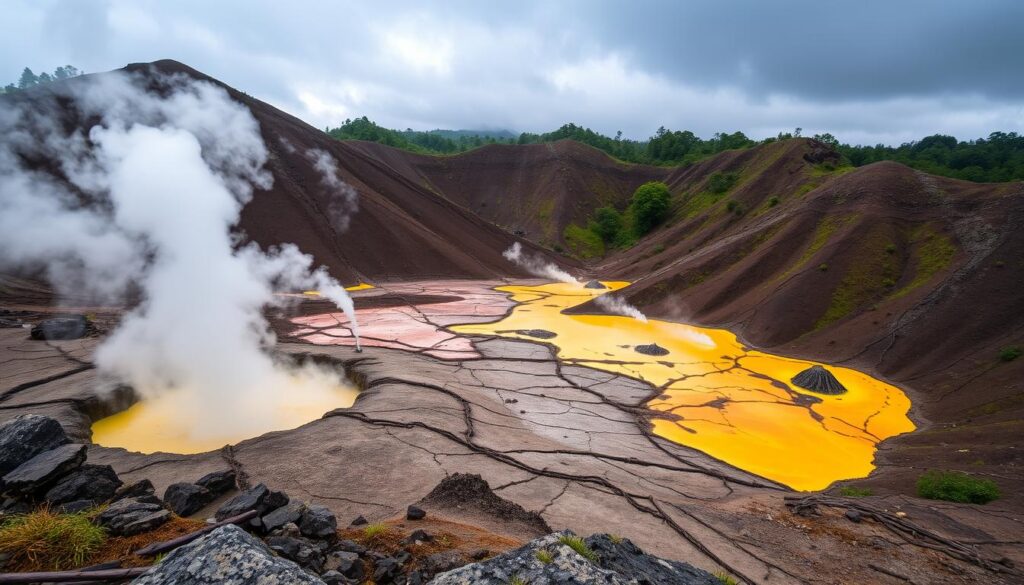
Yangmingshan National Park features active fumaroles and volcanic landscapes
Just a short bus ride from downtown Taipei, Yangmingshan National Park offers an accessible escape into nature. This dormant volcanic area features bubbling sulfur vents, steaming fumaroles, and natural hot springs.
The park is known for its seasonal attractions: cherry blossoms in spring, silvergrass in autumn, and year-round hot springs. Popular hiking trails include the climb to Seven Star Mountain (Taiwan’s highest dormant volcano at 1,120 meters) and the family-friendly Qingtiangang Grassland trail with its panoramic views.
After hiking, soak in one of the area’s hot springs. Lengshuikeng offers public outdoor foot baths, while the Japanese-style baths at Yangmingshan Public Hot Spring or the upscale Tienlai Hot Spring Resort provide full-body relaxation.
Kenting National Park: Tropical Paradise
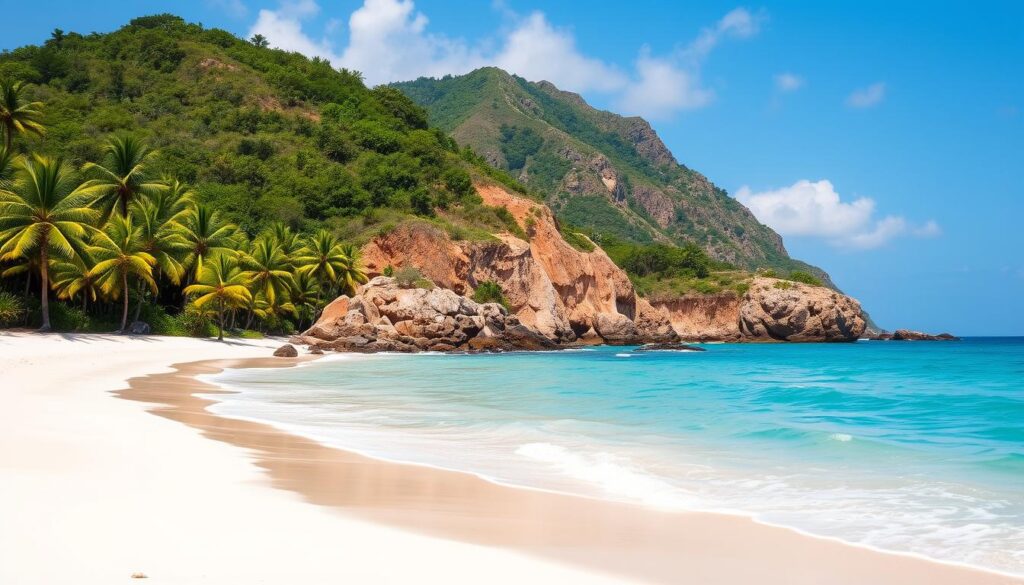
Kenting National Park offers Taiwan’s best beaches and tropical landscapes
Located at Taiwan’s southernmost tip, Kenting National Park combines white sand beaches, coral reefs, and tropical forests. The area enjoys warm temperatures year-round, making it Taiwan’s premier beach destination.
Kenting’s main beaches include Baisha (White Sand) Beach for swimming and water sports, Nanwan (South Bay) for snorkeling among coral reefs, and Jialeshui for dramatic rock formations shaped by ocean waves. Beyond the beaches, explore Eluanbi Lighthouse at Taiwan’s southernmost point, the tropical forests of Kenting Forest Recreation Area, and the coastal cliffs of Longpan Park.
The lively Kenting Night Market on the main street comes alive after dark with food stalls, shopping, and entertainment. The area is also popular for diving, with numerous dive shops offering courses and guided trips to nearby reefs and shipwrecks.
Hidden Gem: Alishan Forest Railway
For a unique adventure, ride the historic Alishan Forest Railway, a narrow-gauge line built in 1912 for logging that now carries tourists up to the Alishan mountain resort. The train zigzags through forests, tunnels, and bridges, climbing from 30 meters to 2,216 meters above sea level. The most popular experience is the predawn “sunrise train” that takes visitors to viewpoints for watching the sun rise above a sea of clouds.
Explore Taiwan’s natural wonders
Book guided hiking, cycling, and adventure tours with experienced local guides
Where to Stay: Accommodation Options in Taiwan
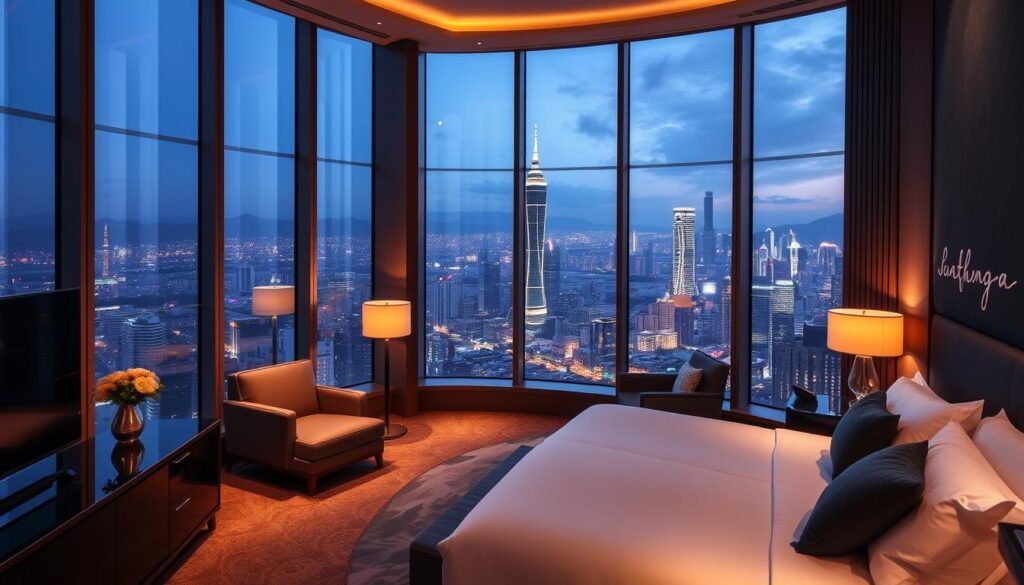
Taiwan offers accommodation options for every budget and preference
Taiwan provides diverse accommodation options to suit every budget and travel style. From international luxury chains to family-run guesthouses, you’ll find comfortable places to stay throughout the island.
Luxury Hotels
Taiwan’s major cities feature international luxury brands like Mandarin Oriental, Grand Hyatt, and W Hotels, particularly in Taipei. These properties offer world-class amenities, exceptional service, and prime locations. The Silks Place Taroko provides luxury within Taroko National Park, while unique properties like The Lalu at Sun Moon Lake offer exclusive experiences in scenic locations.
Boutique Hotels
Taiwan excels in creative boutique hotels that showcase local design and culture. In Taipei, check out the art-focused Amba hotels or the literary-themed Hotel Eclat. In Tainan, the Silks Place Tainan combines modern luxury with historic surroundings. These mid-range options typically offer more character and local flavor than international chains.
Budget Accommodations
Budget travelers will find clean, efficient options throughout Taiwan. International hostels like YHA and local chains such as Kiwi Express Hotel offer dormitory and private rooms at affordable rates. Business hotels like CityInn and Just Sleep provide no-frills but comfortable accommodations in convenient locations.
Unique Stays
For memorable experiences, consider Taiwan’s unique accommodation options. Minsu (family-run guesthouses) offer homestay-style lodging, often in scenic rural areas. Hot spring resorts in Beitou, Wulai, and other areas combine accommodation with private or public thermal baths. Indigenous villages in eastern Taiwan offer cultural homestays where you can experience traditional lifestyles and cuisine.
| Accommodation Type | Price Range (NT$ per night) | Best For | Notable Examples |
| Luxury Hotels | NT$6,000-20,000+ | Business travelers, special occasions | Mandarin Oriental Taipei, W Taipei, The Lalu Sun Moon Lake |
| Boutique Hotels | NT$3,000-8,000 | Design enthusiasts, cultural experiences | Hotel Proverbs Taipei, Amba Taipei, Hotel Indigo |
| Business Hotels | NT$1,500-4,000 | Practical travelers, short stays | CityInn, Just Sleep, FX Hotel |
| Hostels | NT$500-1,500 | Backpackers, solo travelers | Star Hostel, Meander Hostel, Flip Flop Hostel |
| Minsu (Guesthouses) | NT$1,500-5,000 | Local experiences, rural areas | Varied – best found through local recommendations |
Local Tip: Booking Accommodations
While international booking platforms work well for hotels, local sites like AsiaYo.com specialize in Taiwan’s minsu and unique accommodations. Book well in advance for stays during Chinese New Year, Mid-Autumn Festival, and summer weekends at popular destinations like Sun Moon Lake and Kenting.
Find your perfect stay in Taiwan
Browse accommodations across Taiwan from luxury hotels to unique local stays
Practical Tips for Traveling in Taiwan
Language
Mandarin Chinese is Taiwan’s official language, but many Taiwanese also speak Taiwanese Hokkien (especially older generations) and Hakka in certain regions. English proficiency varies – it’s widely understood in tourist areas, international hotels, and among younger Taiwanese, but less common in rural areas and among older generations.
Learning a few basic Mandarin phrases will enhance your experience. Most important signs include English translations, and many restaurants have picture menus or English options. Translation apps like Google Translate can help bridge communication gaps.
Currency and Money
Taiwan’s currency is the New Taiwan Dollar (NT$ or TWD). ATMs are widely available in cities and accept most international cards. Credit cards are accepted at hotels, department stores, and larger restaurants, but smaller establishments and night markets operate on cash.
Tipping is not customary in Taiwan. Restaurants often add a 10% service charge; if not, tipping is still not expected. Taxi drivers don’t expect tips either, though rounding up the fare is appreciated.
Visa Requirements
Many countries including the US, Canada, Australia, and most European nations enjoy visa-free entry to Taiwan for stays of 30-90 days (varies by nationality). You’ll need a passport valid for at least six months beyond your planned departure date and proof of onward/return travel.
For longer stays or if your country isn’t eligible for visa-free entry, apply for a visa through your nearest Taiwanese representative office. Check the Bureau of Consular Affairs website for the most current information.
Safety
Taiwan is consistently ranked among the safest countries in the world. Violent crime is rare, and even petty theft is uncommon. Women travelers generally report feeling very safe, even when traveling alone at night.
The main safety concerns are natural disasters like typhoons (June-October) and earthquakes. Follow local authorities’ guidance during these events. Traffic can be chaotic, so exercise caution when crossing streets, especially in busy urban areas.
Emergency Contacts in Taiwan
- Police: 110
- Ambulance/Fire: 119
- Tourist Information Hotline: 0800-011-765
- Foreign Affairs Emergency: +886-800-085-095
- 24-hour English-Speaking Police Hotline: +886-2-2556-6007
Local Tip: Internet and Connectivity
Taiwan offers excellent internet connectivity with widespread free Wi-Fi in public spaces. The government-sponsored iTaiwan network provides free Wi-Fi at tourist spots, transportation hubs, and government buildings (register at iTaiwan counters with your passport). For constant connectivity, purchase a tourist SIM card at the airport or convenience stores like 7-Eleven. Major providers include Chunghwa Telecom, Taiwan Mobile, and FarEasTone.
Stay connected in Taiwan
Get a Taiwan SIM card delivered to your home before your trip
7-Day Taiwan Itinerary: The Perfect Week
This one-week itinerary offers a perfect introduction to Taiwan’s highlights, combining urban exploration, cultural experiences, natural wonders, and culinary adventures. The route forms a circle around the island, minimizing backtracking and maximizing experiences.
Day 1: Taipei Exploration
Morning: Begin at Taipei 101 for panoramic city views, then explore the upscale Xinyi shopping district.
Afternoon: Visit the National Palace Museum to see its world-class collection of Chinese artifacts spanning 8,000 years.
Evening: Experience the sensory overload of Shilin Night Market, Taiwan’s largest and most famous food bazaar.
Stay: Taipei
Day 2: Taipei and Northern Coast
Morning: Visit Longshan Temple and explore the historic Dihua Street with its traditional shops and architecture.
Afternoon: Take a half-day trip to Jiufen, the mountain village that inspired the film “Spirited Away,” with its atmospheric tea houses and narrow alleyways.
Evening: Relax in the hot springs of Beitou, Taipei’s own hot spring district with Japanese-influenced bathhouses.
Stay: Taipei
Day 3: Taroko Gorge
Morning: Take an early train to Hualien on Taiwan’s east coast (2-3 hours depending on train type).
Afternoon: Explore the breathtaking Taroko Gorge National Park with its marble canyons, suspension bridges, and hiking trails.
Evening: Visit Dongdamen Night Market in Hualien for local specialties and aboriginal cuisine.
Stay: Hualien
Day 4: Sun Moon Lake
Morning: Travel from Hualien to Sun Moon Lake (requires bus connections, approximately 4-5 hours).
Afternoon: Cycle around Taiwan’s largest natural lake on the dedicated bike path, stopping at temples and viewpoints.
Evening: Enjoy a sunset boat cruise on the lake followed by dinner with a lake view.
Stay: Sun Moon Lake
Day 5: Tainan
Morning: Travel to Tainan, Taiwan’s oldest city and former capital (approximately 2-3 hours from Sun Moon Lake).
Afternoon: Explore Tainan’s historic sites including Chikan Tower, Confucius Temple, and Anping Fort.
Evening: Sample Tainan’s famous street food at one of its night markets, known for unique local specialties.
Stay: Tainan
Day 6: Kaohsiung
Morning: Take a short train ride to Kaohsiung, Taiwan’s southern port city (approximately 30 minutes).
Afternoon: Visit the Pier-2 Art Center and take a boat ride on the Love River.
Evening: Explore Liuhe Night Market for seafood specialties and shop at the Dream Mall, one of Asia’s largest shopping centers.
Stay: Kaohsiung
Day 7: Return to Taipei
Morning: Take the High Speed Rail from Kaohsiung to Taipei (approximately 1.5 hours).
Afternoon: Visit the Chiang Kai-shek Memorial Hall and explore the surrounding park and cultural venues.
Evening: Enjoy a farewell dinner at Din Tai Fung for world-famous xiaolongbao, followed by a visit to a rooftop bar for final views of the Taipei skyline.
Stay: Taipei
Transportation Tips for This Itinerary
Purchase a Taiwan High Speed Rail Pass before your trip for unlimited travel on the western corridor. For the eastern portion (Taipei to Hualien), book regular train tickets in advance as they sell out quickly. Consider hiring a driver for a day in Taroko Gorge for maximum flexibility. The entire route can be completed using public transportation, but having a local driver for certain segments will enhance your experience.
Make your Taiwan trip planning easier
Download our detailed 7-day Taiwan itinerary with daily maps, transportation details, and recommended restaurants
Final Thoughts: Your Taiwan Adventure Awaits
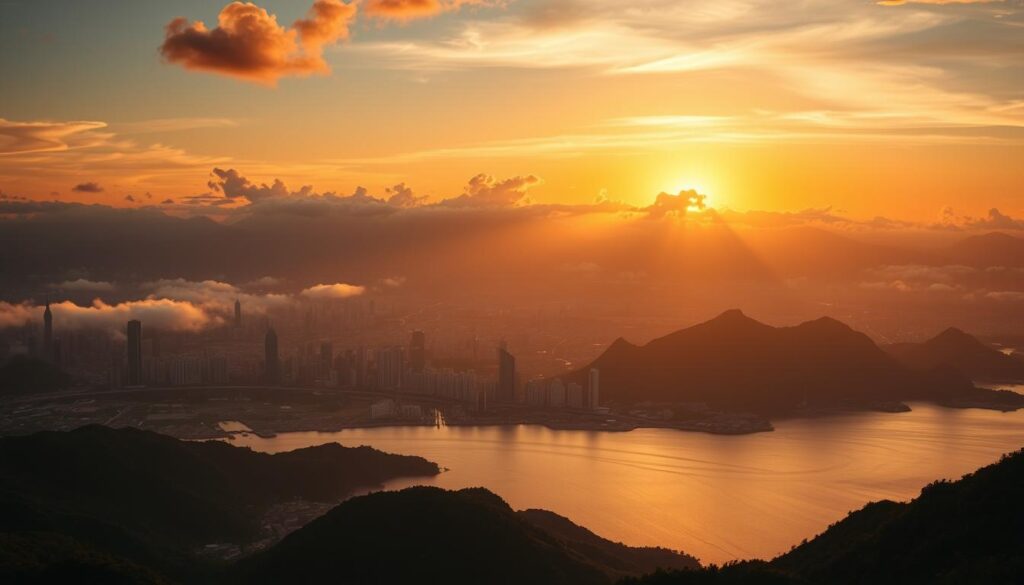
Taiwan offers an incredible diversity of experiences in a compact island nation
Taiwan may be small in size, but it offers an incredible wealth of experiences that will leave you wanting more. From the moment you arrive, you’ll be embraced by the genuine warmth of Taiwanese hospitality, amazed by the seamless blend of ancient traditions and cutting-edge modernity, and delighted by the endless culinary discoveries.
What makes Taiwan truly special is its accessibility and diversity. In just one week, you can explore vibrant cities, hike through dramatic gorges, relax in mountain hot springs, and lounge on tropical beaches – all while enjoying one of Asia’s most efficient transportation systems and safest travel environments.
Whether you’re a solo traveler seeking adventure, a couple looking for cultural immersion, or a family creating memories together, Taiwan welcomes you with open arms and countless treasures to discover. The only question that remains is: when will you begin your Taiwan adventure?